
Picture a single American man in his late sixties who looked at his retirement income, a Social Security check of about nineteen hundred dollars a month, and concluded he could not afford to grow old in the United States. Then he looked at Portugal’s Silver Coast, ran the numbers again, and found that the same money bought him a comfortable, unhurried life by the Atlantic. One figure, more than any other, is what turned an impossible budget into a workable one.
That figure is not his income, which is ordinary, nor some clever investment. It is his rent. The single number that made a nineteen-hundred-dollar retirement work was keeping his housing cost low enough that everything else fell into place around it. Understand that one line, and the whole budget stops looking like a fantasy and starts looking like a plan almost anyone on a modest fixed income could follow.
Where the Silver Coast Is
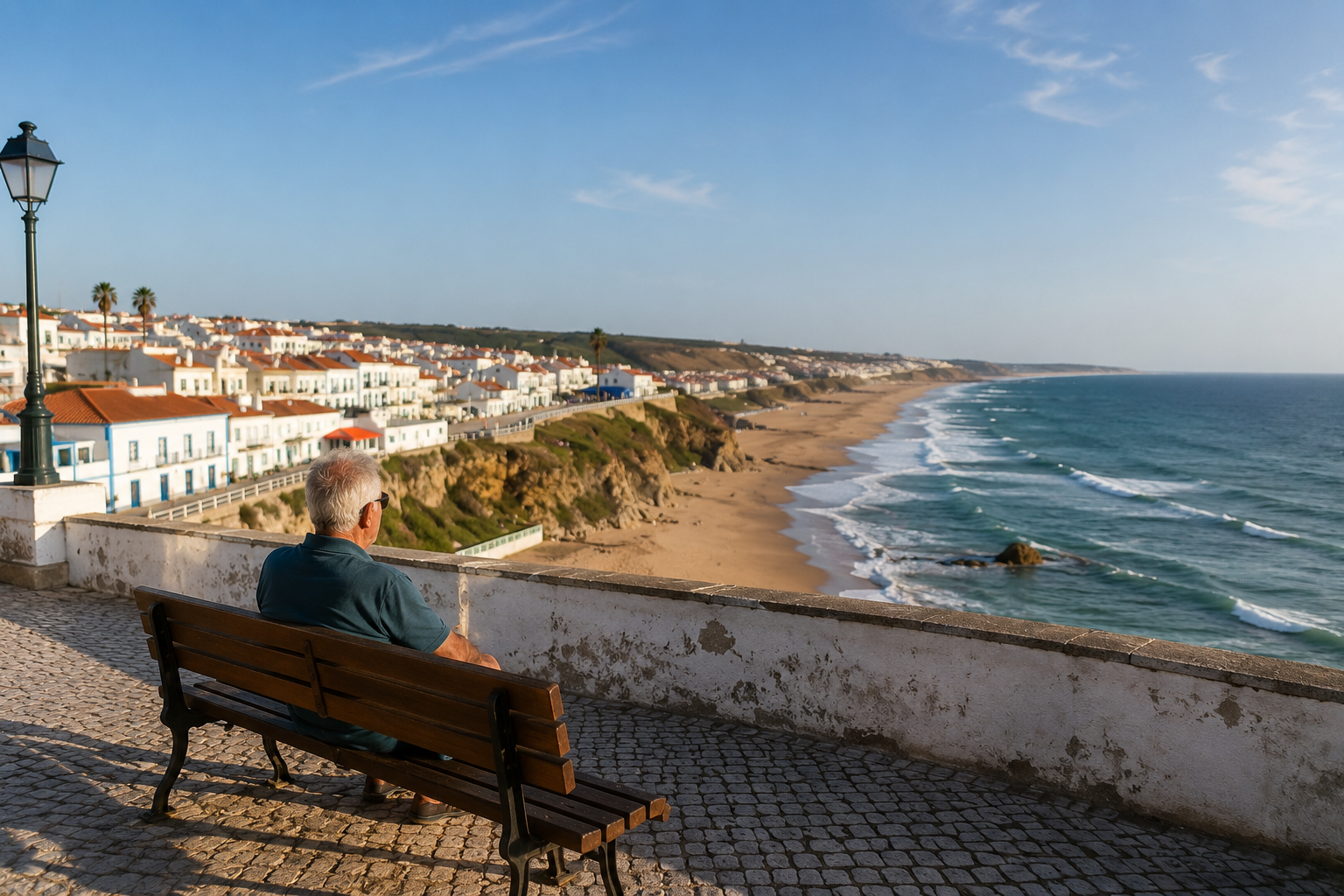
Before the money, the place. Portugal’s Silver Coast, the Costa de Prata, is a long stretch of Atlantic coastline running roughly between Lisbon and Porto, dotted with towns like Caldas da Rainha, Nazaré, Óbidos, and Peniche. It is a region of beaches, cliffs, medieval towns, and working fishing ports, and it has been quietly emerging as one of Portugal’s best-value places to live.
Its great advantage for a budget-minded retiree is that it is significantly cheaper and less commercialised than the Algarve, Portugal’s famous southern coast. Where the Algarve has been driven up in price by decades of international tourism and expat demand, the Silver Coast remains more authentic and more affordable, offering a similar coastal lifestyle for meaningfully less money. Caldas da Rainha, a functioning year-round city of around fifty thousand people, anchors the region with real amenities, hospitals, and markets.
It is also practical. The Silver Coast sits about an hour from Lisbon and its international airport, so it is neither isolated nor cut off from the wider world, which matters for a retiree who wants to fly home to see family or receive visitors. The combination of coastal beauty, authentic Portuguese life, genuine affordability, and reasonable access is exactly what makes the region work for someone stretching a modest income. It offers the pleasures of the coast without the price tag of the places everyone has heard of.
The Number That Made It Work
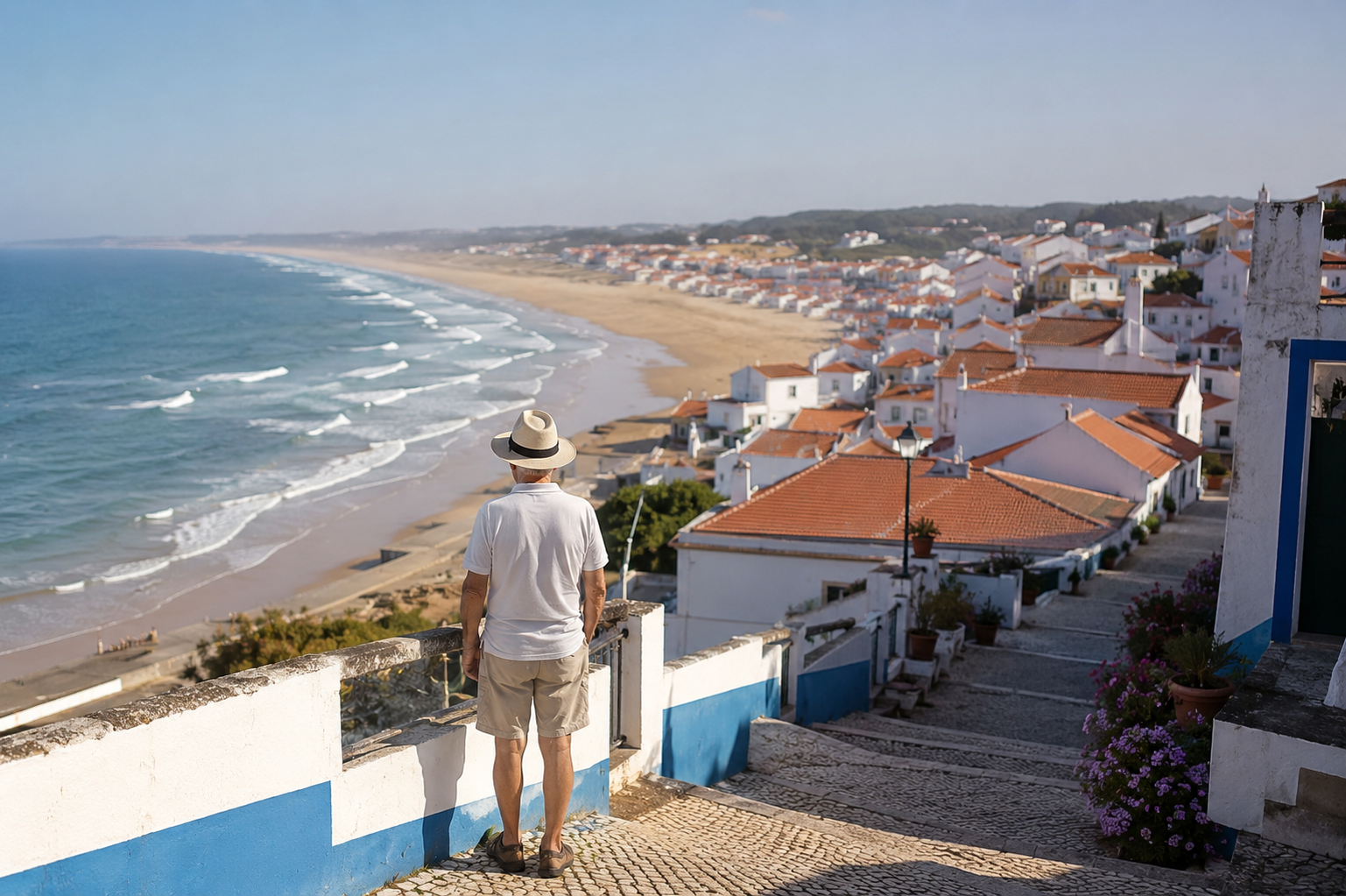
Now the number itself. Across the Silver Coast, a single retiree can live comfortably on somewhere between about twelve hundred and eighteen hundred euros a month, all in. Our man’s roughly nineteen hundred dollars converts to around seventeen hundred and fifty euros, which lands him squarely and comfortably inside that range, with a little breathing room. But whether he lands inside it or blows through it comes down almost entirely to one line.
That line is rent. By securing a modest apartment for somewhere in the region of six to seven hundred euros a month, roughly six hundred and fifty to seven hundred and sixty dollars, he keeps his single largest expense to around a third of his income. That is the pivot on which the entire budget turns. Housing is by far the biggest and most variable cost in any retirement, and getting it low is what leaves enough room for everything else to fit comfortably underneath the total.
Get that number wrong, by renting a pricey place in a tourist hotspot or an oversized home, and nineteen hundred dollars becomes tight or impossible. Get it right, by choosing the affordable Silver Coast over the Algarve and a sensible flat over an indulgent one, and the same income becomes genuinely comfortable. The whole difference between a retirement that works and one that does not, on this kind of budget, is compressed into that single housing decision. It really is the number that makes or breaks the plan.
Why $1,900 Goes So Far Here
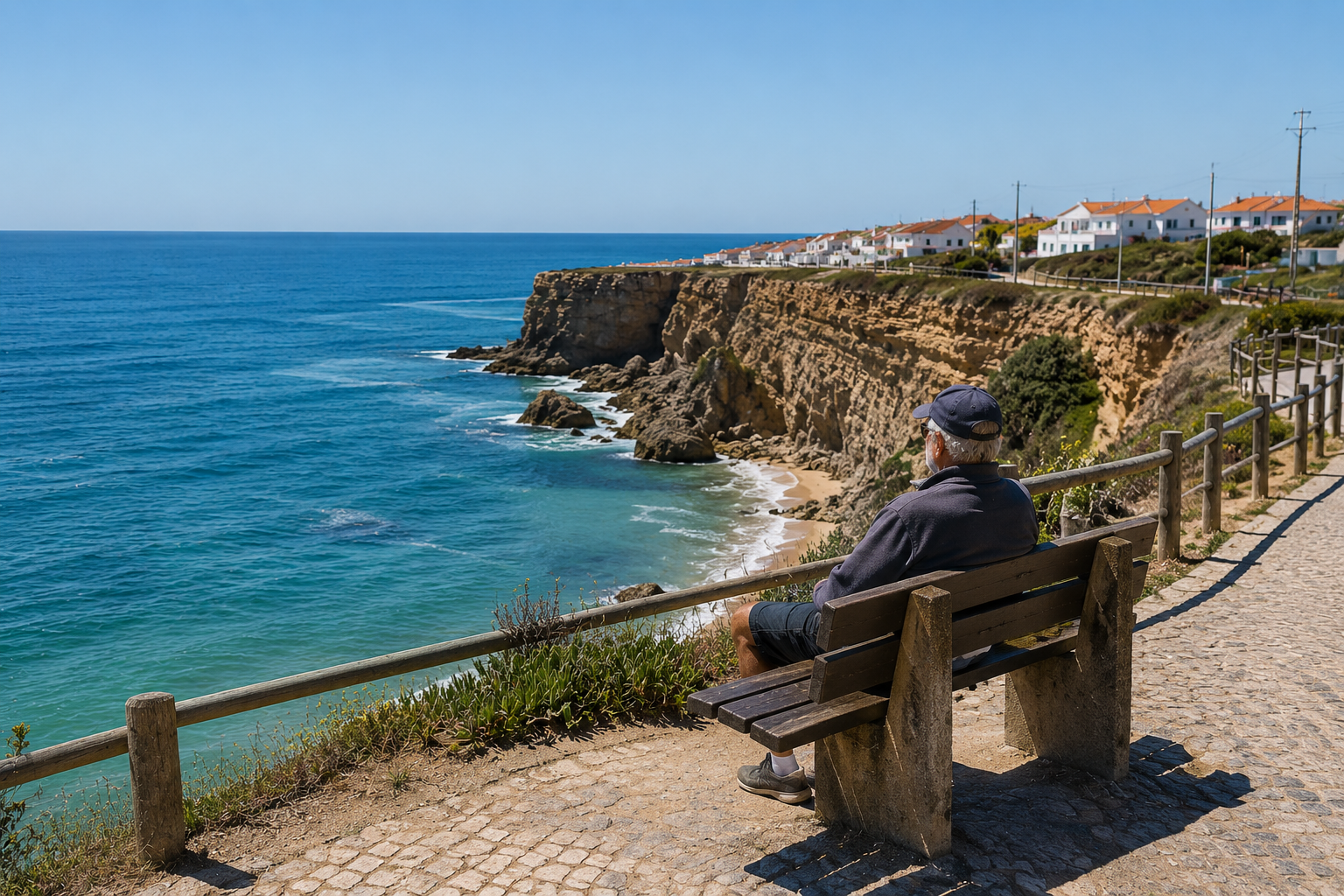
With housing anchored low, the rest of the budget falls into place with surprising ease, because everything else in Portugal is affordable too. The running costs of a modest life on the Silver Coast are gentle, and they leave the retiree with a real margin rather than a knife-edge.
Utilities, covering electricity, water, gas, and waste, typically run around a hundred to a hundred and eighty euros a month, and the mild coastal climate keeps heating and cooling costs low, since only occasional heating is needed in the depths of winter. Fast internet is inexpensive. Food is one of Portugal’s genuine glories and one of its best values: fresh fish, local produce, and good wine cost a fraction of American prices, and a simple restaurant meal can be had for well under fifteen euros. A retiree who cooks at home and eats out modestly spends little to feed themselves well.
The one variable to weigh is transport. The Silver Coast has trains and buses linking its main towns, so it is possible to live there without a car, but many residents find a modest vehicle useful for the flexibility it gives in a somewhat spread-out region. Even factoring in a cheap runaround, the numbers hold, because so much else is so affordable. Once the rent is settled at a sensible level, nineteen hundred dollars comfortably absorbs the utilities, the food, the transport, and the small pleasures, with something left over.
The Healthcare Piece
For an American, the question that hangs over any overseas retirement is healthcare, and here the Silver Coast, like the rest of Portugal, offers real reassurance rather than anxiety. Legal residents, including retirees on Portugal’s passive-income visa, gain access to the country’s public health system, which is heavily subsidised and largely free at the point of use.
In practice, many expat retirees supplement that public access with private health insurance, which in Portugal is strikingly affordable by American standards. A basic policy can cost only twenty to forty euros a month, and even comprehensive cover for an older person typically runs from around fifty to a hundred and fifty euros a month, a figure that would be unthinkable in the United States. That buys access to good private hospitals and short waiting times, and prescriptions cost a small fraction of what Americans are used to paying.
The significance for the budget is enormous. Healthcare, which in the United States can be the single most terrifying and unpredictable retirement expense, becomes in Portugal a modest, known, manageable line. There is no equivalent of American premiums, deductibles, and the ever-present fear of a catastrophic bill. For a retiree on a fixed income, removing that fear is worth as much psychologically as the money it saves, and it is a big part of why nineteen hundred dollars stretches to a genuinely secure life rather than a precarious one.
A Full Life, Not a Pinched One
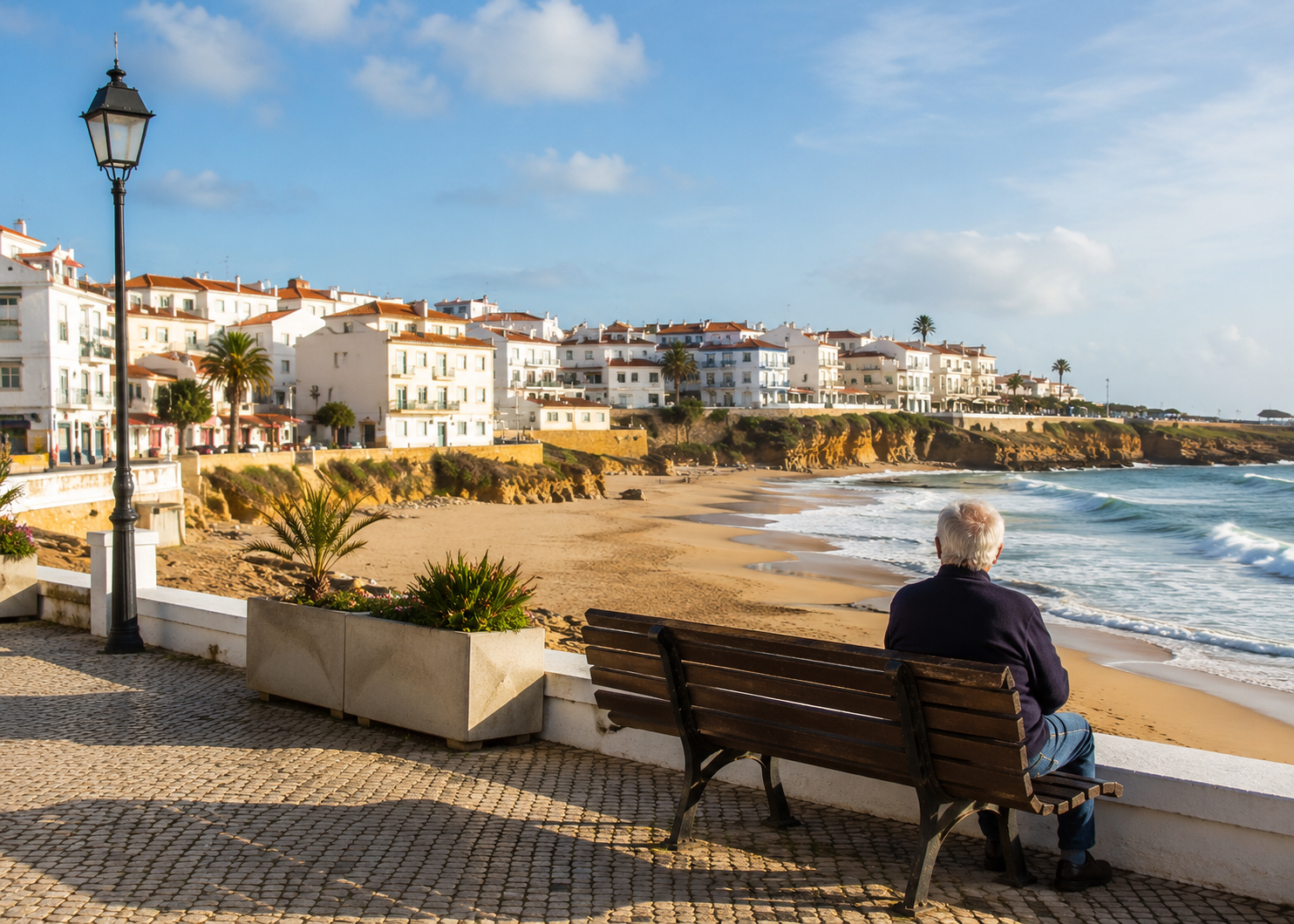
It would be easy to assume that a life built on such a modest budget must be a life of constant scrimping, but that is not what the Silver Coast delivers. What nineteen hundred dollars buys there is not bare survival but a genuinely good life, rich in exactly the things that make retirement worth having.
The daily texture of it is pleasant and unhurried. There are morning coffees in the town square for a euro or so, walks on wide Atlantic beaches, fresh fish lunches, and the slow, sociable rhythm of Portuguese small-town life. The retiree can take day trips to Lisbon, explore the medieval streets of Óbidos, watch the famous giant waves at Nazaré, and fill his days with the cheap and abundant pleasures of a beautiful coastline. None of this depends on wealth; it depends on being somewhere where a good life is affordable.
This is the part that surprises people most. They imagine that a small budget must mean a small life, when in fact the opposite is often true, because the money goes so much further. A retiree who felt squeezed and anxious in America, unable to afford much beyond the basics, can find himself living more richly on the same income in Portugal, with money for food, leisure, and the occasional treat. The budget is modest; the life it funds is not.
The Honest Caveats
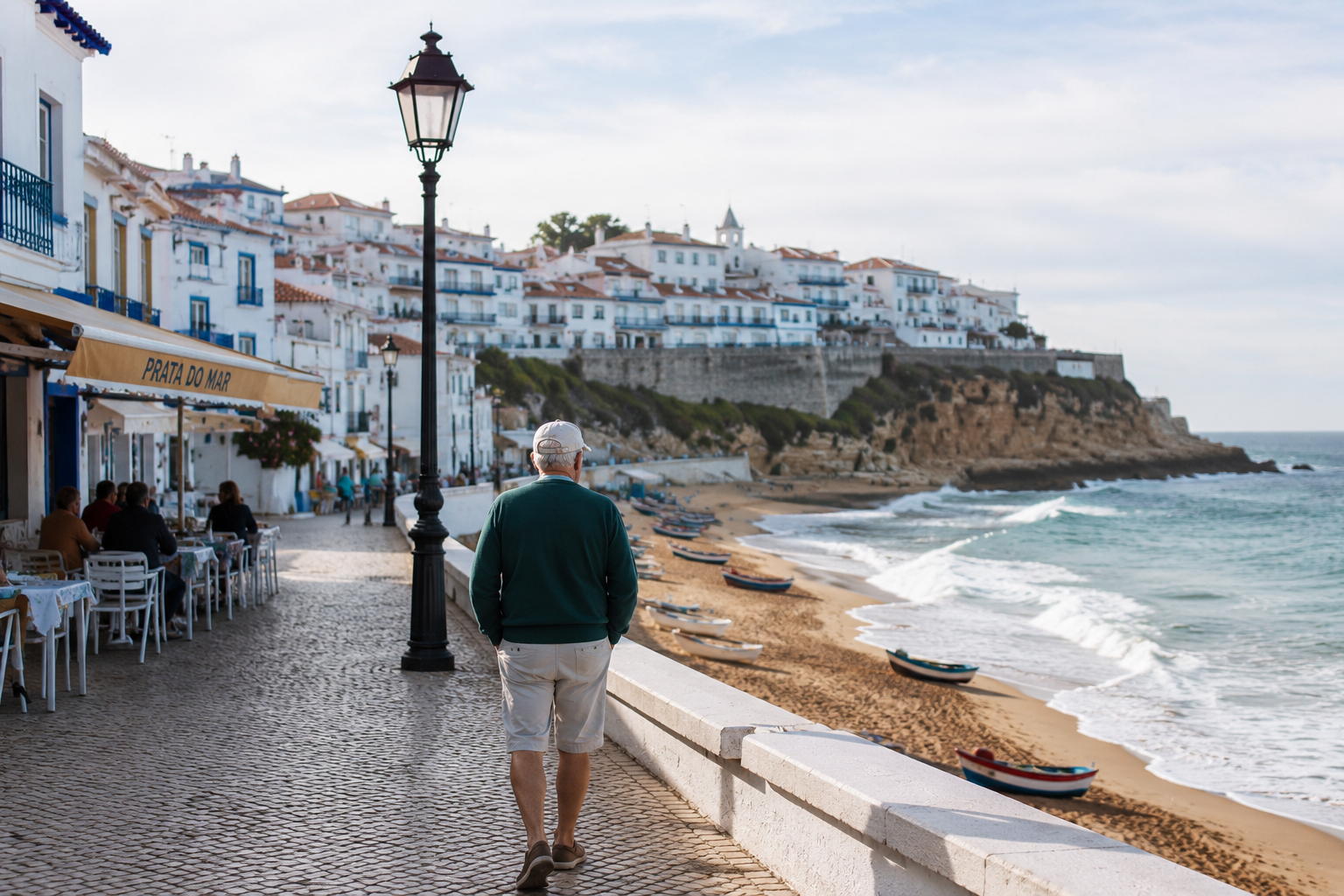
None of this is magic, and an honest account has to name the caveats, because the rosy version leaves things out. The nineteen-hundred-dollar life on the Silver Coast is real, but it depends on some things going right and on the retiree accepting some trade-offs.
The biggest caveat is the housing itself. The low rent that anchors the whole budget is available, but it takes effort to find, and prices on the Silver Coast have been rising as the region grows in popularity, so the bargains of a few years ago are getting harder to secure. Then there is currency: a retiree whose income arrives in dollars is exposed to the euro-dollar exchange rate, which can nudge the real value of nineteen hundred dollars up or down by several percent from year to year. A car, while optional, is often practical and adds a cost. And setting up a life abroad carries its own upfront expenses and bureaucracy before the comfortable monthly figure ever applies.
These caveats do not break the budget, but they shape it. The plan works for the retiree who is willing to hunt for the right flat, live a little like a local, tolerate some currency uncertainty, and handle the practicalities of a move. It is not a fantasy of effortless paradise; it is a real, achievable life that rewards a bit of diligence. Named honestly, the caveats make the number more credible, not less.
It is worth adding one more honest note, about temperament. This life suits someone content with a quieter, small-town rhythm and willing to learn some Portuguese; it is less suited to someone who needs constant big-city bustle or English on every corner. The budget works, but so must the fit. A retiree who would be restless or isolated on the Silver Coast will not be rescued by its low prices, which is why the wise move is always to try the life before committing to it.
How It Compares to Staying Home
To see why this budget lands as such a revelation, it helps to hold it against the American alternative the same man was facing. On nineteen hundred dollars a month in much of the United States, retirement is not comfortable; it is a grind of hard choices.
In many American cities, that income would be swallowed almost whole by rent for a modest apartment, leaving little for food, none for healthcare beyond Medicare‘s gaps, and nothing for pleasure. Add the near-mandatory car, with its insurance, fuel, and upkeep, and the picture tightens further. The retiree who feels he cannot afford America is not being dramatic; on that income, in that country, a decent life genuinely is out of reach for many, which is precisely what pushes people to look abroad in the first place.
The Silver Coast inverts the equation. The same nineteen hundred dollars that meant scarcity at home means sufficiency and even a little comfort in Portugal, because every major cost, housing, healthcare, food, transport, is lower and, crucially, free of catastrophic tail risk. It is not that the man got richer; it is that he moved his fixed income to a place where it buys a great deal more. The number on the check did not change. The life it could fund did, entirely.
Why Housing Is the Whole Game
Step back, and the deeper lesson of this budget is about the outsized power of a single decision. On a modest, fixed retirement income, housing is not just one expense among many; it is the master variable that determines whether the whole thing works. Everything else is comparatively small and stable.
This is why the Silver Coast retiree’s story really turns on that one number. His food, his utilities, his healthcare, his little pleasures are all affordable and all roughly fixed; they do not vary enough to make or break him. His rent, by contrast, could plausibly range from a comfortable six hundred euros to an impossible twelve hundred, and that swing is larger than all his other discretionary spending combined. Control the rent, and the budget controls itself. Lose control of the rent, and no amount of frugality elsewhere can save it.
The lesson generalises well beyond Portugal. Any retiree contemplating life on a modest income, anywhere, should treat the housing decision as the one that deserves the most thought, the most research, and the most discipline, because it is the lever with by far the longest reach. Choosing an affordable region, and a sensible home within it, is worth more than a hundred small economies. The Silver Coast simply makes the principle vivid, because it offers a place where a disciplined housing choice unlocks a genuinely good life on very little.
The Number Behind the Life
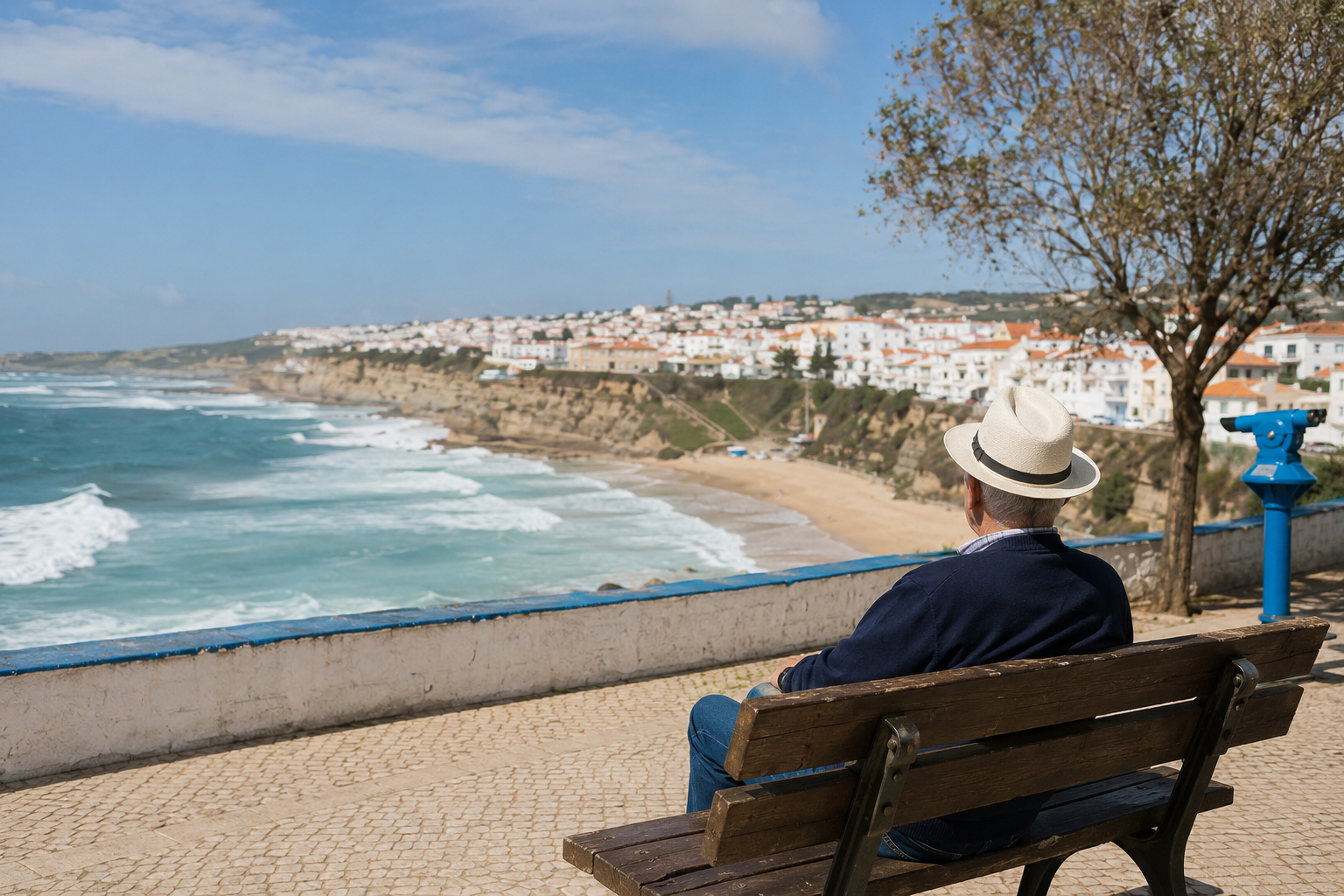
In the end, the story of the man on Portugal’s Silver Coast is not really about Portugal, or about nineteen hundred dollars. It is about the single number that made those two things fit together: a rent kept low enough that a modest income could stretch to a full life. Everything else followed from that one disciplined choice.
For anyone looking at their own retirement income and wondering whether a European life is possible, the takeaway is clear and usable. Do not start by dreaming about the place; start by finding the number, the housing cost that would let your income work, and then find the region and the home that deliver it. Get that right, and a surprisingly modest income opens onto a life most people assume requires far more.
So the Silver Coast retiree lives well by the Atlantic on the kind of budget that would barely cover an American apartment, and he does it not through luck but through a single clear-eyed decision about where his largest euro goes. The beaches, the fresh fish, the unhurried days, and the peace of mind are all downstream of that one number. Find yours, and a life like his stops being a fantasy and becomes a plan.

About the Author: Ruben, co-founder of Gamintraveler.com since 2014, is a seasoned traveler from Spain who has explored over 100 countries since 2009. Known for his extensive travel adventures across South America, Europe, the US, Australia, New Zealand, Asia, and Africa, Ruben combines his passion for adventurous yet sustainable living with his love for cycling, highlighted by his remarkable 5-month bicycle journey from Spain to Norway. He currently resides in Spain, where he continues sharing his travel experiences with his partner, Rachel, and their son, Han.