
The American on a Spanish beach for the first time experiences a small series of jolts. A woman of any age, topless, entirely unselfconscious, treating it as the most ordinary thing in the world. Families changing at the beach with a casual matter-of-factness. An ease about the body, undressed or partly so, that the American, raised in a culture of deep bodily modesty and anxiety, finds genuinely startling. The instinct is to read it as somehow shocking or improper, but the more the American watches, the clearer it becomes that the shock is entirely on the American side, that there is nothing improper happening at all, just a culture with a far more relaxed and healthy relationship to the human body than the American one.
The Spanish, and broadly European, attitude toward nudity and the body does surprise American tourists, but it should not, since it reflects not a moral laxity but a healthier and more natural relationship with the body, free of much of the shame and anxiety and sexualization that burden the American relationship. Understanding the difference is worth doing, both to navigate European life comfortably and to reconsider the American discomfort, which says more about American culture than about anything actually improper. Here is the Spanish attitude toward nudity that surprises Americans, why it is healthier than the American discomfort, and what is really behind the difference.
What Actually Surprises Americans
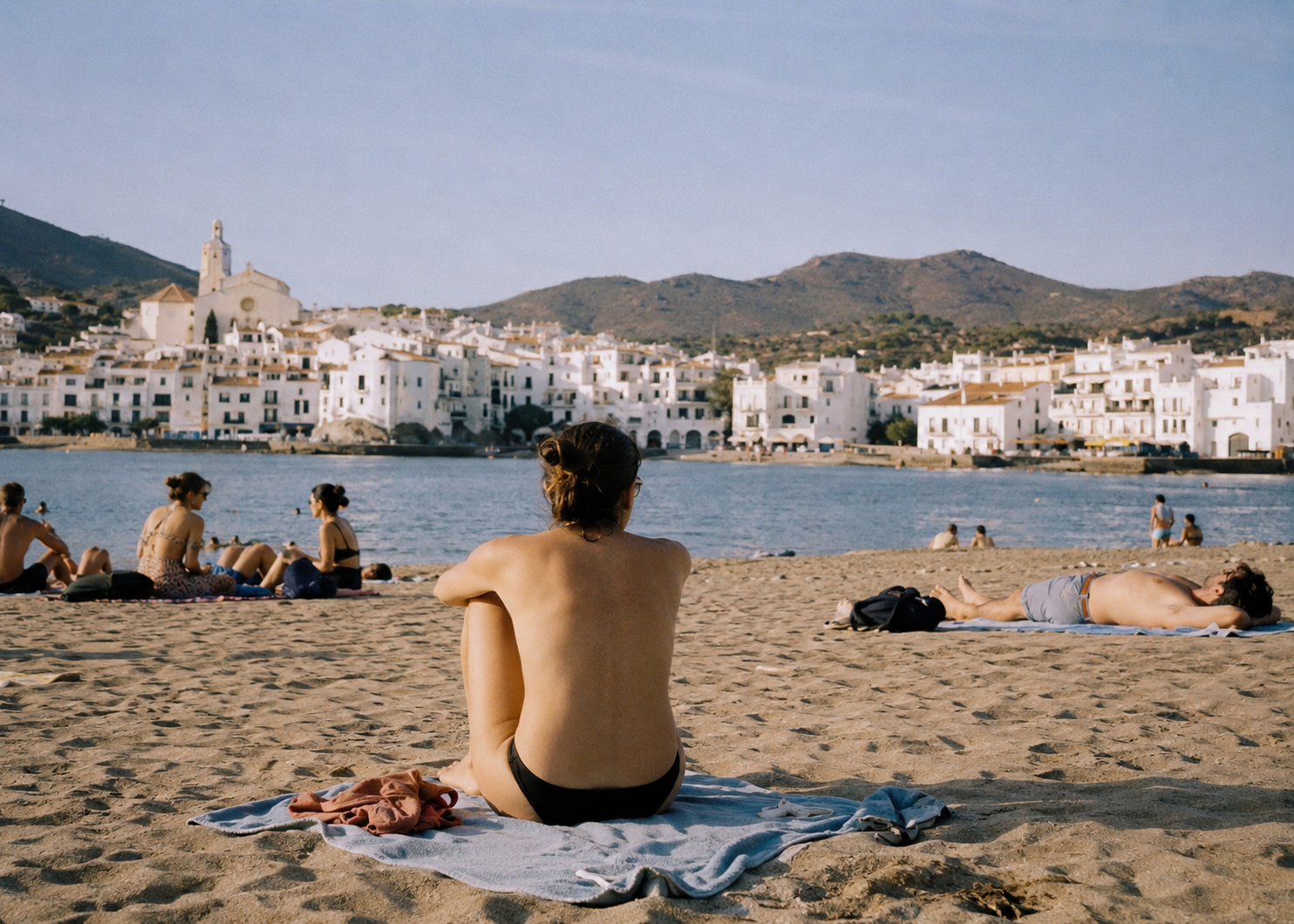
It helps to be specific about what surprises the American, since the particular things that jolt the American eye reveal the difference in the two cultures.
The American is surprised by the casual toplessness on Spanish and European beaches, where women of all ages sunbathe topless without any self-consciousness or sense that it is remarkable, treating it as entirely ordinary, where an American beach would treat the same thing as scandalous. The American is surprised by the matter-of-fact attitude to changing and undressing in shared spaces, the casual nudity in changing rooms and at the beach, the lack of the elaborate American modesty rituals, the body treated as an ordinary thing rather than something to be anxiously hidden. And the American is surprised by the broader European ease with the body, the naturism and nude beaches that are an accepted part of European life, the saunas and spas with their relaxed attitudes, the whole comfort with the unclothed body that contrasts so sharply with American modesty.
What unites all these surprises is the European treatment of the unclothed or partly unclothed body as ordinary and natural rather than as something charged, shameful, or inherently sexual, the casualness being precisely what jolts the American, who is raised to treat the body as something to be hidden and to read nudity as charged and improper. The American surprise, then, is really the collision between the American anxious and sexualized relationship with the body and the European relaxed and natural one, the casualness that seems shocking to the American being simply the normal European comfort with the body. Understanding what surprises the American, the casual ordinary European ease with the body, is the first step to understanding that the surprise reveals the American discomfort rather than any European impropriety, the jolt being on the American side.
Why The European Attitude Is Healthier

The crucial point is that the European attitude is not laxity or impropriety but a healthier relationship with the body, and understanding why reframes the whole surprise.
The European ease with the body and nudity reflects a relationship with the body that is, by most measures of psychological health, a healthier one than the American, since it treats the body as a natural and ordinary thing rather than as a source of shame and anxiety, and it separates nudity from the charged sexualization that the American relationship attaches to it. Where the American relationship burdens the body with shame, modesty anxiety, and the constant sexualization that makes all nudity charged, the European relationship treats the body as natural and unremarkable, the nude body not inherently sexual or shameful but simply the human body, an attitude that is associated with less body shame, less anxiety, and a healthier relationship with one’s own physical self. The European ease is not moral laxity but psychological health, a more natural and less burdened relationship with the body.
This healthier relationship has real consequences, since cultures with more relaxed attitudes to the body and nudity tend to have less of the body shame, body image anxiety, and disordered relationship with the physical self that burden more body-anxious cultures, the ease translating into a more comfortable inhabiting of one’s own body. The European child raised to see the body as ordinary and natural, the European adult comfortable with the unclothed body as an unremarkable fact, tends to carry less of the shame and anxiety and self-consciousness that the American relationship with the body produces, a real benefit to wellbeing. So the European attitude that surprises the American is not just different but healthier, the relaxed natural relationship with the body being better for psychological wellbeing than the anxious shamed sexualized American one, which reframes the surprise entirely, the thing that jolts the American being the healthier way.
What Is Behind The American Discomfort

Understanding the roots of the American discomfort is illuminating, since it reveals the discomfort as a particular cultural product rather than a natural or universal response.
The American discomfort with nudity and the body has deep cultural roots, in a particular religious and cultural history that attached shame and modesty to the body, in a relationship with the body that became unusually anxious and modest, and in a culture that simultaneously sexualizes the body intensely and shames it, the combination producing a deeply charged and uncomfortable relationship with nudity. This American discomfort is not the natural or universal human response to the body but a specific cultural product, the result of a particular history and culture, as the European contrast demonstrates, since the Europeans, with a different cultural history, relate to the body quite differently and far more easily. The American discomfort, in other words, is cultural and particular, not natural and universal, a learned response rather than an inevitable one.
A particular feature of the American relationship is the simultaneous sexualization and shaming of the body, the way American culture both charges the body with intense sexual meaning and burdens it with shame and modesty, a combination that makes nudity especially charged and uncomfortable, since the body is at once highly sexualized and highly shamed. The European relationship, by separating ordinary nudity from sexualization, treating the nude body as natural rather than as inherently sexual, escapes much of this charge, which is why the European can be casual about the body in a way the American finds difficult, the European having de-sexualized and de-shamed the ordinary body that the American keeps charged. Understanding that the American discomfort comes from this particular cultural relationship, the sexualizing and shaming of the body, reveals it as a specific and changeable cultural condition rather than a natural response, which is liberating to recognize.
What An American Can Take From This

The point of the contrast is not to insist anyone do anything but to offer a healthier relationship with the body that an American might consider, and the lesson is real.
The transferable lesson is the recognition that the American discomfort with the body and nudity is a particular cultural product rather than a natural truth, and that a healthier, more relaxed relationship with the body is possible and is demonstrated by the Europeans, a relationship that treats the body as natural and ordinary rather than as shameful and charged. An American does not need to start sunbathing topless or visiting nude beaches to take this lesson, since the point is not the specific practices but the underlying relationship with the body, and an American can move toward the healthier European ease, toward treating their own body with less shame and anxiety and more natural acceptance, without adopting any specific European practice. The lesson is about the relationship with the body, the move from shame and anxiety toward ease and acceptance, available to anyone regardless of what they actually do at the beach.
For the American traveling or living in Europe, there is also the practical lesson of understanding and respecting the local attitude, not being scandalized by the casual European ease with the body, recognizing it as the healthy and normal thing it is rather than reading it through the lens of American discomfort, and relaxing into the more natural European relationship with the body while there. And for any American, there is the deeper invitation to reconsider the inherited discomfort, to recognize the shame and anxiety as cultural and changeable, and to move toward the healthier relationship with the body that the European ease demonstrates, treating one’s own body with more acceptance and less shame. Take from the Spanish and European attitude not a specific practice but the healthier relationship with the body it reflects, the ease and naturalness and acceptance, and you take the real and valuable lesson, a more comfortable and less shamed way of inhabiting your own body, which is the genuine gift behind the surprise.
The Practical Side For Visitors

Beyond the cultural lesson, there is a practical dimension for the American actually visiting or living in Spain, worth spelling out plainly.
The practical reality is that the American in Spain will encounter the relaxed attitude to the body, the topless beaches, the casual changing, the comfort with nudity, and the sensible approach is simply to understand it, respect it, and not be scandalized, recognizing it as the normal and healthy local culture rather than reacting with American discomfort or judgment. There is no need to participate in anything one is not comfortable with, since the European ease is not an obligation imposed on visitors but simply the local norm, and an American can remain as modest as they wish while still understanding and respecting the different local attitude, the point being to not be shocked or judgmental rather than to be forced into anything. Understand the local culture, respect it, participate as much or as little as you are comfortable with, and you navigate it gracefully.
It also helps to know the specifics, that toplessness is common and accepted on many Spanish beaches, that there are designated nudist beaches and areas for those who want them, that the casual attitude to changing and the body is normal, so that the American is not caught off guard and can respond with understanding rather than shock. Knowing what to expect, the relaxed beach culture, the comfort with the body, the accepted nudity in certain contexts, lets the American visitor take it in stride, neither scandalized nor pressured, simply aware of and respectful toward the different local relationship with the body. The practical lesson is preparation and respect, knowing the local attitude and meeting it with understanding rather than American discomfort, which lets the visitor enjoy Spain comfortably and even, if they wish, relax a little into its healthier ease with the body.
The Deeper Cultural Difference

The nudity question is finally one instance of a deeper difference in how the two cultures relate to the body and the natural, worth drawing out as the larger point.
The Spanish and European ease with nudity is part of a whole relationship with the body that is more natural, less shamed, and less anxious than the American, the same ease that shows up in the European relationship with food and pleasure and aging and the body generally, a coherent cultural comfort with the physical and the natural that contrasts with the more anxious, controlled, and shamed American relationship. This deeper difference, the European naturalness and ease with the body against the American anxiety and shame, is the real substance behind the surface surprise of the topless beach, the nudity question being one visible instance of a whole different and healthier relationship with the physical self that characterizes much of European life. Understanding this connects the nudity surprise to the larger pattern, the European ease with the body being one piece of a broader cultural comfort with the natural and physical.
For the American, the deepest lesson is that this whole more relaxed relationship with the body and the physical is possible and is healthier, that the anxiety and shame the American culture attaches to the body are not necessary, and that a more natural and accepting relationship, of which the European ease with nudity is one instance, is available to anyone who recognizes the American discomfort as cultural and chooses to move beyond it. The Spanish attitude toward nudity that surprises American tourists should not surprise them, because it reflects not impropriety but a healthier relationship with the body, and recognizing that, letting it reframe the surprise into an appreciation of a more natural way, is the real value of the encounter, the chance to see a healthier relationship with the body and perhaps to move a little toward it oneself. The topless beach is a small thing, but it opens onto a whole different and healthier way of inhabiting a body, which is worth understanding and, in its underlying ease at least, worth learning from.

About the Author: Ruben, co-founder of Gamintraveler.com since 2014, is a seasoned traveler from Spain who has explored over 100 countries since 2009. Known for his extensive travel adventures across South America, Europe, the US, Australia, New Zealand, Asia, and Africa, Ruben combines his passion for adventurous yet sustainable living with his love for cycling, highlighted by his remarkable 5-month bicycle journey from Spain to Norway. He currently resides in Spain, where he continues sharing his travel experiences with his partner, Rachel, and their son, Han.