
A man in his late sixties in Córdoba finishes lunch at 3:15pm. A bowl of gazpacho, a piece of grilled lamb with roasted vegetables, two pieces of bread, a small glass of red wine. He clears the dishes and walks to his bedroom.
The shutters are already closed against the afternoon sun. The room is at 22 degrees. He removes his shoes and his belt, lies down on top of the bedspread, and closes his eyes for 25 minutes.
He does not set an alarm. He has been doing this every day for fifty years. His body knows the rhythm. At 3:45 he opens his eyes, sits up for two minutes, drinks a small glass of water, and walks back out into his afternoon. He will not need a sleep aid tonight. He will fall asleep within 15 minutes of going to bed at 11:30pm. He will sleep through the night without waking.
Americans of his age spend $850 to $2,200 per year on prescription and over-the-counter sleep aids. The Spanish man in Córdoba spends nothing. His siesta produces better sleep outcomes than the entire American sleep aid category. This is not opinion. It is what the sleep research consistently shows when traditional siesta cultures are compared with American populations using pharmaceutical interventions.
This piece walks through what the siesta actually is, what the sleep research demonstrates about its effects, why it outperforms the American sleep aid category, and what Americans considering their own sleep patterns can do with this information.
What The Traditional Spanish Siesta Actually Is
The Spanish siesta is not the cartoon version that American culture has absorbed. It has specific features that matter for the sleep effect.
Timing. Between 2:30pm and 4:30pm. This is the natural circadian dip in human alertness. Body temperature drops slightly. Cortisol falls. The body is biologically prepared for a short rest period at this time of day. Sleeping in this window aligns with physiology rather than fighting it.
Duration. Between 15 and 30 minutes. The 20-minute siesta is the typical length. Not an hour. Not two hours. The short duration is what makes the siesta restorative rather than disruptive. Sleeping more than 30 minutes during this window produces sleep inertia and can interfere with nighttime sleep.
Posture. Lying down fully horizontal, not napping in a chair. The horizontal position allows full muscular relaxation and triggers parasympathetic nervous system activation. The full lying-down posture produces deeper restorative effects than the upright nap many Americans attempt.
Environment. Cool, dark, quiet. Spanish bedrooms are designed for this with thick walls, heavy shutters, and tile floors that maintain coolness. The summer afternoon temperature inside a properly-shuttered Spanish home runs 4 to 8 degrees Celsius below outdoor temperature. The environmental conditions matter. A bright noisy nap on a couch does not produce the same effect.
Frequency. Daily. Spanish adults who siesta do so consistently rather than occasionally. The cumulative effect depends on daily practice. Occasional siestas produce occasional benefits. Daily siestas produce structural sleep improvements.
Context. After the main meal of the day. The Spanish lunch is substantial. The post-meal blood flow to the digestive system naturally produces some afternoon fatigue. The siesta works with this physiology rather than against it. Sleeping after a substantial midday meal is biologically natural. Forcing wakefulness through afternoon coffee and sugar is what creates the American 3pm crash that the Spanish system simply avoids.
What The Sleep Research Shows
Sleep research over the past 20 years has produced increasingly specific findings about siesta and sleep architecture.
Adults who siesta regularly fall asleep faster at night. The average sleep latency (time from lying down to falling asleep) is 11 to 18 minutes for regular siesta practitioners, compared to 25 to 45 minutes for adults using over-the-counter sleep aids and 30 to 60 minutes for adults using no intervention. The siesta makes nighttime sleep onset easier, the opposite of what American common sense would predict.
Adults who siesta regularly sleep longer at night. Average total nighttime sleep runs 7.2 to 7.8 hours for regular siesta practitioners, compared to 6.4 to 7.0 hours for non-siesta American adults of similar age. The combined siesta-plus-nighttime sleep total runs 7.6 to 8.4 hours, which is closer to optimal adult sleep requirements than American averages.
Sleep quality measured by EEG is higher. Regular siesta practitioners show more time in slow-wave sleep (the deep restorative phase) and REM sleep. The architecture of nighttime sleep is healthier when supplemented by an afternoon siesta than when consolidated into a single nighttime block.
Nighttime awakenings decrease. Regular siesta practitioners wake fewer times during the night and return to sleep faster when they do wake. The fragmented sleep patterns common in American adults over 55 are substantially reduced.
Daytime cognitive performance improves. Memory consolidation, reaction time, and executive function measures all show improvement in regular siesta practitioners compared to non-practitioners. The siesta produces measurable cognitive benefits beyond simple alertness.
Cardiovascular markers improve. Blood pressure runs lower in regular siesta practitioners. The morning cortisol surge is more moderate. Heart rate variability (a marker of autonomic nervous system health) is better. The cardiovascular benefits compound with the sleep benefits.
Mood and anxiety markers improve. Depression and anxiety scores run lower in regular siesta practitioners. The mechanism likely involves the combination of better sleep, lower cortisol, and the parasympathetic nervous system activation that the siesta produces.
These findings are documented in research from the Spanish Society of Sleep Medicine, the American Academy of Sleep Medicine, and major sleep research centers across Europe and the United States.
What The American Sleep Aid Category Actually Provides
The American pharmacy sleep aid category has grown substantially since 2010. The growth has not translated to better American sleep outcomes.
Diphenhydramine (Benadryl, Tylenol PM, Advil PM). The most common American OTC sleep aid. Produces sedation but degrades sleep quality. REM sleep is suppressed. Slow-wave sleep is reduced. Users wake feeling unrested despite having slept. Tolerance builds within 2 to 3 weeks of regular use. Anticholinergic effects accumulate with long-term use and are associated with increased dementia risk in adults over 65.
Doxylamine (Unisom). Similar to diphenhydramine. Slightly longer-acting. Same sleep quality degradation. Same tolerance pattern. Same anticholinergic concerns for older adults.
Melatonin. The fastest-growing OTC sleep aid category in the US. Effective for circadian rhythm adjustment (jet lag, shift work) but not for chronic insomnia. Standard 3 to 5 mg doses are 10 to 20 times the body’s natural melatonin production. The supraphysiological doses can produce next-day grogginess and may suppress endogenous melatonin production over time.
Valerian root. Modest evidence for sleep effects. Inconsistent product quality across brands. Variable dosing in different formulations. The effect, when present, is mild and does not match the magnitude of effect produced by the siesta.
Magnesium glycinate. Effective for some adults with documented magnesium deficiency. Produces marginal effects in adults with normal magnesium levels. The marketing implies broader effects than the research supports.
L-theanine, GABA, 5-HTP, and other amino acid supplements. Variable evidence. Variable absorption. Marketing claims often exceed research evidence. The effects, when present, are small.
Prescription Z-drugs (Ambien, Lunesta, Sonata). Effective for sleep onset but degrade sleep architecture. Long-term use is associated with dependency, complex sleep behaviors, and increased fall risk in older adults. Most American sleep medicine guidelines now recommend against long-term Z-drug use.
Prescription benzodiazepines for sleep. Effective short-term but produce dependency, tolerance, and substantial withdrawal complications. Currently being de-prescribed across American medical practice for sleep indications.
The American sleep aid category as a whole, including OTC and prescription products, produces sleep that is shorter than ideal, lower in quality than ideal, and increasingly expensive over time as tolerance builds and additional products are added.
The Spanish siesta produces longer, higher-quality sleep at zero financial cost with no tolerance buildup, no dependency, and no anticholinergic accumulation.
Why The Siesta Outperforms The Pharmaceutical Category
The mechanism behind the siesta’s superiority is not exotic. It is the difference between supplementing physiology and overriding physiology.
The siesta works with circadian rhythms. The 2:30pm to 4:30pm window is when the body naturally produces an alertness dip. Sleeping during this window aligns with the body’s chemistry. The body wants to sleep then. Sleeping then produces restorative effects.
Sleep aids work against circadian rhythms. Most American sleep aids work by chemically forcing sleep at times when the body is not biologically prepared for it. The result is sleep that is technically present but qualitatively poor. The brain is sedated rather than restored.
The siesta reduces sleep pressure on the nighttime sleep period. Sleep pressure (the body’s accumulating drive toward sleep) is the result of accumulated wakefulness. By interrupting wakefulness with a short afternoon sleep, the siesta reduces excessive sleep pressure at bedtime. The bedtime that follows is calmer, not more aroused.
Sleep aids increase sleep pressure artificially. They produce sleep through chemical sedation but do not address the underlying physiological state. The body that is chemically sedated is not the body that is biologically ready to sleep. The result is sleep that does not restore as fully as physiologically appropriate sleep would.
The siesta produces parasympathetic nervous system activation. The horizontal posture, the quiet environment, and the brief sleep all activate the rest-and-digest branch of the autonomic nervous system. This activation persists for hours after waking and contributes to evening physiological preparation for nighttime sleep.
Sleep aids do not activate the parasympathetic nervous system. They produce sedation through different mechanisms. The autonomic nervous system remains in whatever state the day has produced. The body does not get the daily reset that the siesta provides.
The siesta is sustainable indefinitely. No tolerance buildup. No dependency. No accumulating side effects. Spanish adults who siesta at age 30 continue siestating at age 80 with the same effects.
Sleep aids are not sustainable. Tolerance builds. Doses must increase. Combinations must expand. Side effects accumulate. The system that worked at age 45 stops working at age 65 and requires escalation that produces additional problems.
Why Americans Have Such Difficulty Adopting The Siesta
The Spanish siesta is structurally easy to do. The American adoption of it is structurally difficult.
American work schedules do not permit it. Most American workplaces have 30 to 45 minute lunch breaks. There is no time for a 20-minute siesta after lunch. The infrastructure for the practice does not exist.
American homes are not designed for it. Bedrooms are not separated from the rest of the daytime living space the way Spanish bedrooms are. Shutters do not block afternoon light effectively. Air conditioning is often not run during work hours. The environmental conditions are wrong.
American social attitudes treat napping as laziness. A Spanish man closing his shutters at 3pm to nap is doing what the culture expects. An American doing the same risks being seen as unproductive or unwell. The cultural permission does not exist.
American eating patterns do not produce the lunch that supports the siesta. A 400-calorie sandwich at 12:30 does not produce the post-meal physiology that makes the 3pm siesta natural. The Spanish siesta works partly because of what preceded it. Adopting the siesta without adopting the meal pattern that supports it produces less effect.
American medication patterns include stimulants that fight the natural afternoon dip. Adults on stimulant medications for ADHD, depression, or other conditions cannot easily siesta in the afternoon because the medications block the natural dip the siesta would occupy.
American caffeine consumption is concentrated in the morning and afternoon. Coffee consumption between 11am and 3pm directly interferes with the body’s preparation for the afternoon dip. The caffeine schedule fights the siesta schedule.
For Americans who want to adopt the siesta despite these obstacles, the practical implementation requires either restructuring work life around it (which most cannot do) or adopting a modified version that fits within American constraints.
What The Modified American Siesta Looks Like
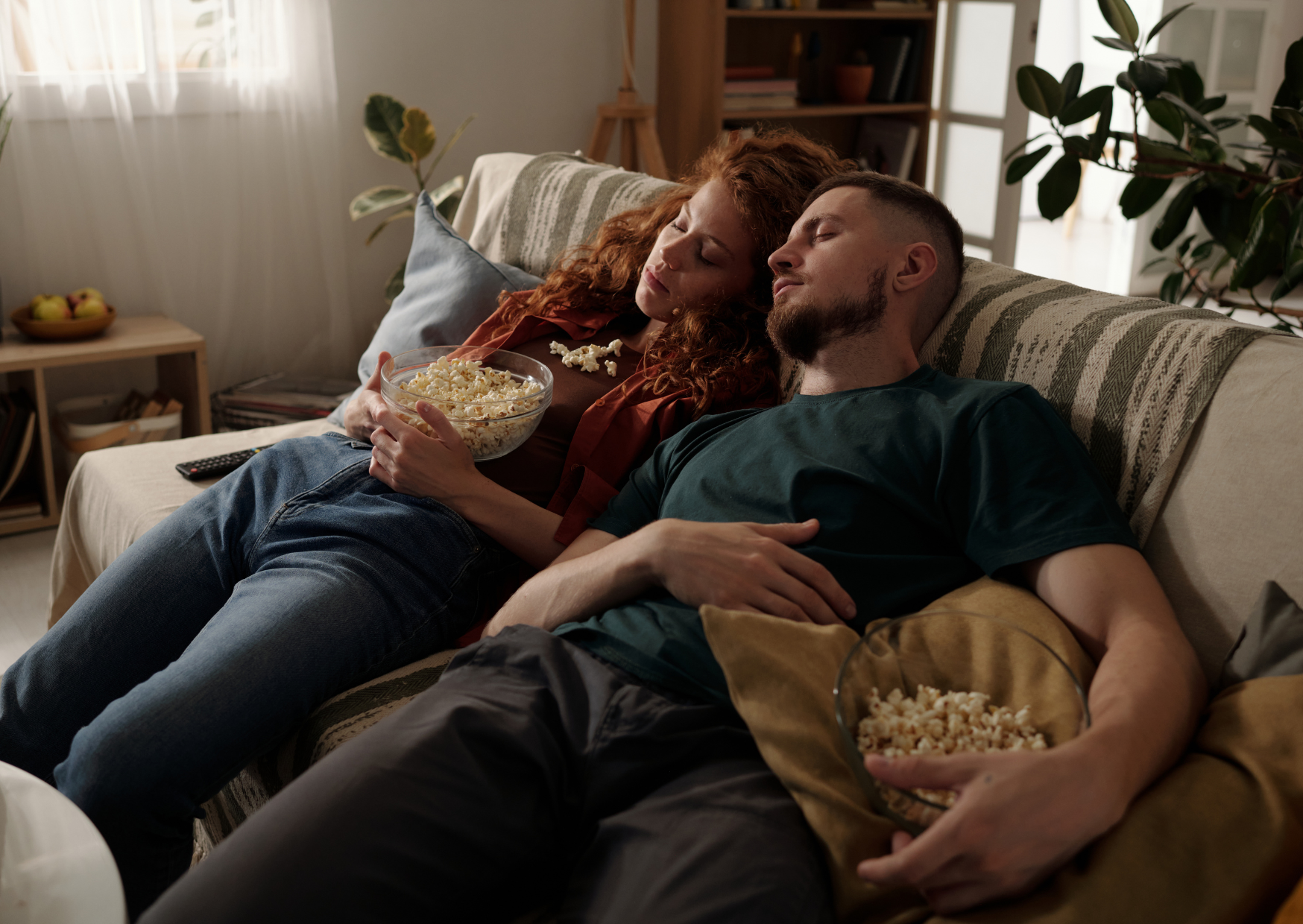
The full Spanish siesta requires conditions most Americans cannot replicate. The modified version that captures most of the effect is available.
Weekend siesta first. Adopting the siesta on Saturdays and Sundays only is the entry point. Two daily siestas per week produces meaningful effects even without daily practice. The weekend siesta also tests whether the practice agrees with the individual before larger commitment is made.
Time the siesta correctly. Between 2:30 and 4:00pm. Not earlier. Not later. The window matters. A 4:30pm nap will interfere with nighttime sleep. A 1:30pm nap will not catch the natural dip.
Keep it short. 20 to 25 minutes maximum. Use a timer initially until the body learns to wake naturally. Sleeping longer than 30 minutes during this window produces sleep inertia that takes hours to resolve and disrupts nighttime sleep.
Lie down fully. A couch is acceptable but a bed is better. The horizontal position is part of the mechanism.
Make the environment work. Dark room. Cool temperature. Quiet. A sleep mask, blackout curtains, and earplugs are reasonable accommodations if the bedroom is not naturally suited to afternoon napping.
Eat lunch before the siesta. Even a moderately substantial lunch produces the post-meal physiology that supports the siesta. A 700 to 900 calorie midday meal followed by a 20-minute siesta is the closest American approximation of the Spanish pattern.
Skip the afternoon coffee. The coffee that an American adult drinks at 2pm specifically interferes with the siesta. Switch the afternoon coffee to 4:30pm after the siesta. This produces better afternoon energy than the pre-siesta coffee.
Build to daily over 4 to 6 weeks. Add a Wednesday siesta to the weekend pattern after the weekend siesta is stable. Then add Friday. Then add Monday and Thursday. The gradual expansion allows the body to adjust to the new sleep pattern without disrupting nighttime sleep.
Continue for at least 8 weeks before evaluating. The benefits build gradually. The first 2 weeks may show small effects. The full effect appears by week 8 to 12.
What This Pattern Means For American Sleep Aid Spending
The American sleep aid category produces $4.3 billion in annual sales as of 2025. Adults over 60 are the heaviest users of OTC sleep aids and represent a disproportionate share of prescription sleep aid utilization.
The spending per adult on sleep aids accumulates substantially over time. An adult using diphenhydramine four nights per week, melatonin nightly, and occasional prescription sleep medication during difficult periods can spend $1,200 to $2,400 per year on the category. Across 20 years of adult life, the spending exceeds $30,000 even before considering the medical visits and the side effect management that accompanies long-term use.
The Spanish siesta produces better sleep outcomes than the entire American sleep aid category at zero direct cost. The adoption of even a partial siesta practice can substantially reduce sleep aid dependency for many adults.
For adults currently using sleep aids regularly, the practical question is whether they could replace some or all of their use with a siesta practice. For some adults the answer is yes. Modified siesta practices with weekend siestas and selective weekday adoption can meaningfully reduce sleep aid utilization while improving overall sleep quality.
For adults currently not sleeping well but not using sleep aids, the siesta practice offers an alternative to entering the sleep aid category at all. The intervention is essentially free. The risk profile is minimal. The benefit, if it works for the individual, is substantial.
Any adult using prescription sleep medication should not discontinue it based on dietary or lifestyle changes without explicit medical supervision. Some prescription sleep medications produce dangerous withdrawal effects if stopped abruptly. The information in this piece describes patterns observed across populations and is not medical advice for any individual. Adults with sleep disorders, anxiety conditions, depression, or other relevant medical history should discuss any significant change in sleep practices with their physician.
What The Siesta Recognizes
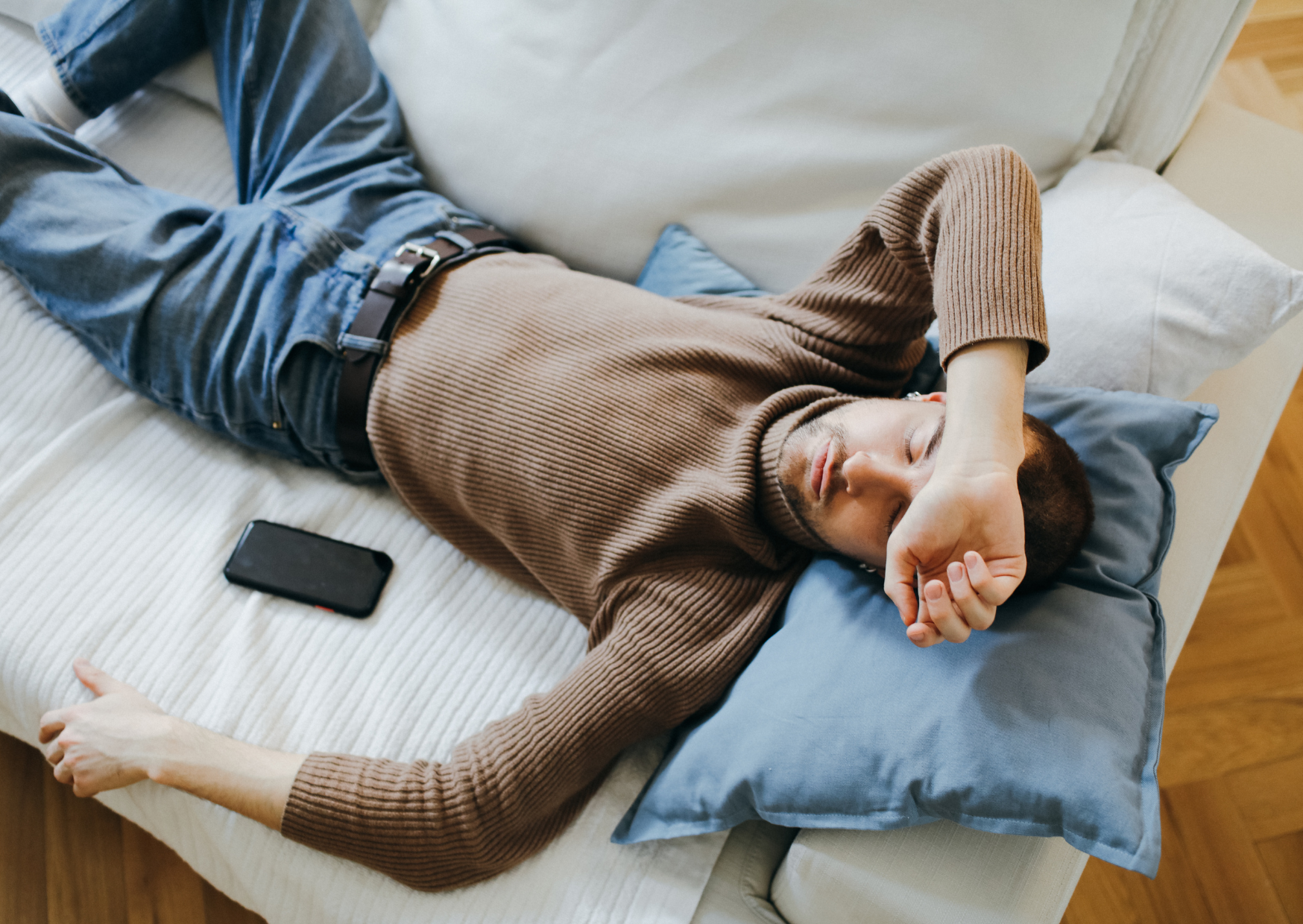
The Spanish siesta is one example of a broader principle in sleep medicine. Working with physiology produces better outcomes than overriding physiology.
The traditional Spanish daily structure (substantial lunch, afternoon siesta, lighter dinner, later bedtime, full nighttime sleep) produces sleep outcomes that the American structure (light lunch, no siesta, large dinner, earlier bedtime, fragmented nighttime sleep, pharmaceutical supplementation) cannot match.
The American adult considering their own sleep patterns has been told for decades that consolidating sleep into a single nighttime block is the optimal pattern. The research now suggests this is wrong. The biphasic sleep pattern that traditional siesta cultures maintain produces measurably better outcomes than the monophasic pattern American sleep medicine has assumed was optimal.
For adults in their fifties, sixties, and seventies specifically, the biphasic pattern matches the body’s changing sleep architecture better than the consolidated nighttime pattern. Older adults have shorter consolidated sleep capacity. The body that struggles to sleep 8 hours consecutively at night may sleep 7 hours at night plus 25 minutes in the afternoon comfortably.
The Spanish man in Córdoba did not adopt the siesta because he read sleep research. He did it because his father did it, because his grandfather did it, because his great-grandfather did it. The cultural tradition is older than the research. The research has now caught up to what the tradition was producing.
For American adults considering whether the siesta could help their own sleep, the practical implication is that the entry cost is small and the evaluation is honest. The modified weekend siesta requires no purchases, no medications, no commitments beyond 25 minutes on Saturday and Sunday afternoons. The pattern either produces noticeable effects within 4 to 8 weeks or it does not. The information either way is useful.
For American adults currently spending $850 to $2,200 per year on sleep aids that produce diminishing returns over time, the siesta offers an alternative that produces increasing returns over time. The trajectory of the two interventions is opposite. The sleep aids work less well as years pass. The siesta works better as the body adapts to it.
The Córdoba man at 68 sleeps better than most American adults of his age. He spends nothing on sleep aids. He has never spent anything on sleep aids. His daily 25 minutes in his shuttered bedroom at 3:30pm is the entire intervention. The cultural practice that he inherited from his father has produced better sleep outcomes than the entire American pharmaceutical industry can match.
This is not a small finding. The American sleep aid industry exists because Americans sleep poorly. The siesta cultures sleep well without needing the industry at all. The implication for American adults is that their poor sleep is not necessarily a medical problem requiring pharmaceutical intervention. It may be a structural problem requiring lifestyle change.
The structural change is available. The cost is low. The evaluation is straightforward. For American adults willing to test the modified siesta for 8 weeks, the question of whether their sleep can improve without the pharmacy shelf has an empirical answer waiting at the end of the trial.
The Córdoba man is not unusual. He is the standard. Most Spanish adults of his age sleep the way he sleeps. The American population that sleeps poorly is the unusual population. The siesta is the practice the unusual population has not yet adopted. Adoption is available. The shutters are closed. The body knows what to do.

About the Author: Ruben, co-founder of Gamintraveler.com since 2014, is a seasoned traveler from Spain who has explored over 100 countries since 2009. Known for his extensive travel adventures across South America, Europe, the US, Australia, New Zealand, Asia, and Africa, Ruben combines his passion for adventurous yet sustainable living with his love for cycling, highlighted by his remarkable 5-month bicycle journey from Spain to Norway. He currently resides in Spain, where he continues sharing his travel experiences with his partner, Rachel, and their son, Han.