
Ever wonder what chefs avoid ordering when they eat out? From overpriced dishes to food safety risks, these are 10 restaurant menu items you should think twice about before ordering!
Dining out is supposed to be a treat a chance to enjoy expertly prepared food without the hassle of cooking. But according to many professional chefs, there are certain dishes you should think twice about before ordering. Whether it’s because of freshness concerns, overpriced ingredients, or poor preparation, some menu items have earned a reputation among insiders as ones to avoid.
From deceptively simple dishes that restaurants often overcharge for, to items with a high risk of being reheated or poorly sourced, chefs have seen firsthand what goes on behind the kitchen doors. Their advice can save you money, help you avoid disappointment, and make your dining experience much more rewarding. Knowing what to skip and why can help you dine smarter wherever you go.
In this post, we’ll explore ten foods that chefs say you should avoid ordering at restaurants. We’ll also share what dishes tend to be safer bets, ensuring that your next meal out lives up to expectations — whether it’s at a fine dining spot or a casual café.
Read Here European Things that terrify Americans and American Habits that make Europeans Cringe
Read here how to pack for Europe and Best eSIM for Europe
BOOK YOUR TRAVEL INSURANCE
Two of our favorite travel insurance: Heymondo Vs Safetwing cheapest travel Insurance. You can get for $135 USD your Heymondo Travel Insurance with Heymondo discount code valid for 90 days. Read our full comparison of Genki vs Safetywing Travel Insurance Review and the comparison Heymondo vs Genki
Quick & Easy Tips for Smarter Restaurant Ordering
Skip the Specials Board if It’s Too Long — Specials should showcase fresh ingredients, not serve as a dumping ground for leftovers.
Be Cautious with Brunch Buffets — Buffets often prioritize quantity over quality, with food sitting out too long.
Question Out-of-Season Dishes — If a dish relies on seasonal ingredients, it’s worth checking if it’s actually in season for the best quality.
Avoid “House” Versions of Common Dishes Without Asking — Always ask what makes a house special truly special before ordering.
Go for Dishes the Restaurant Is Known For — Stick to specialties and signature dishes rather than generic menu fillers.
One of the more uncomfortable truths about restaurants is that not every dish is meant to impress. Some menu items exist primarily to fill gaps, appeal to a broad audience, or maximize profit. These dishes may look appealing on paper but don’t always reflect the kitchen’s strengths.
There’s also a common assumption that higher prices equal higher quality. In reality, some of the most expensive items carry the highest markups rather than the best ingredients. This can lead diners to overspend on dishes that don’t deliver the expected value.
Consistency is another factor that can work against quality. Dishes designed to taste the same every time often rely on pre-prepared components. While this ensures reliability, it can reduce freshness and limit the chef’s ability to elevate the dish.
Some kitchens also prioritize speed over craftsmanship, especially during busy service hours. This can affect more complex dishes that require precision and timing. Simpler options often perform better under pressure, even if they seem less exciting on the menu.
Finally, there’s the reality that not every kitchen operates at the same standard. Even within the same restaurant, certain dishes receive more attention than others. Understanding this helps diners make more informed choices rather than assuming everything is equally good.
1. Seafood on Mondays (Unless It’s a High-End Spot)
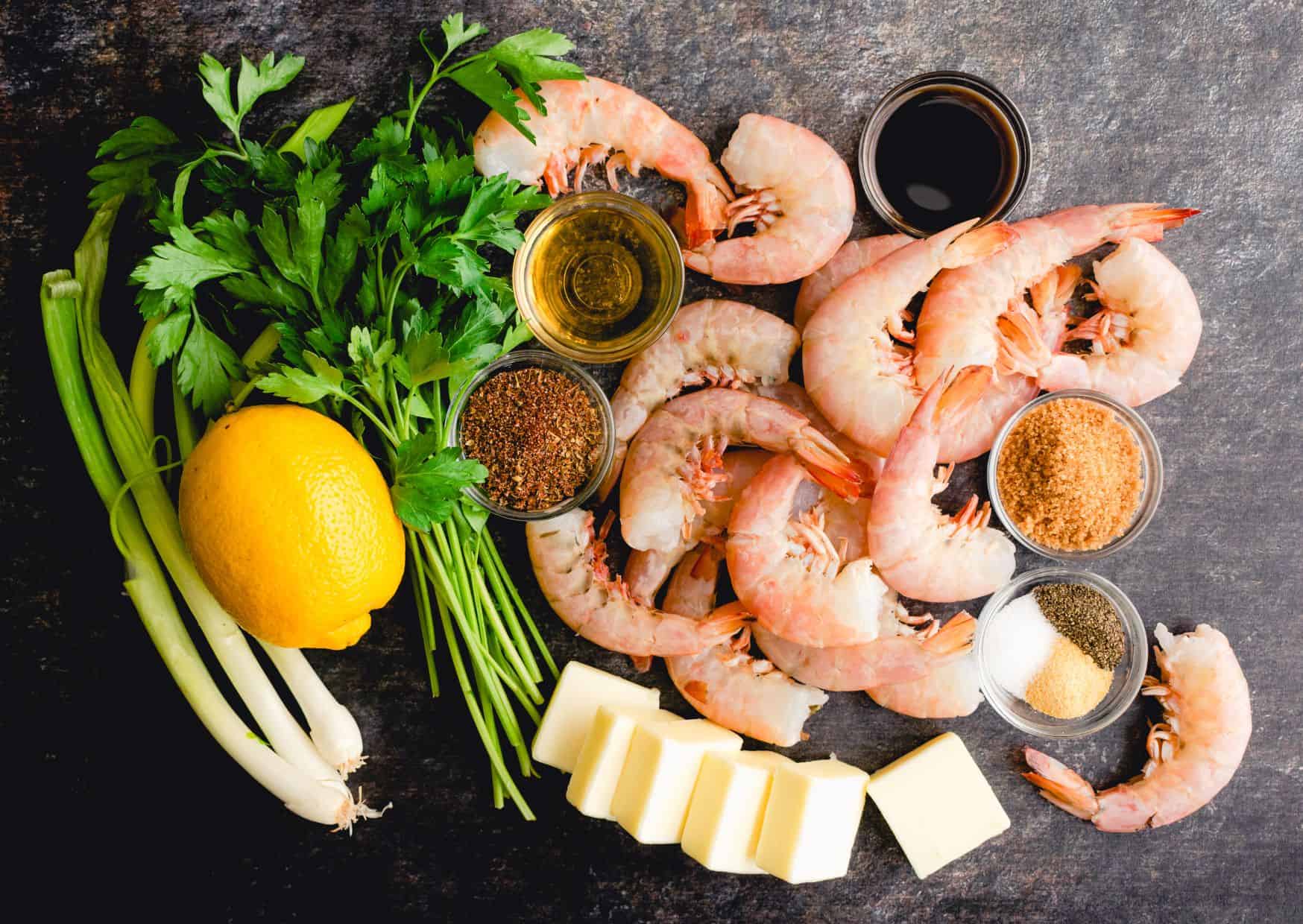
Why Avoid It?
Many restaurants get seafood deliveries on Thursdays or Fridays, meaning that Monday’s fish is several days old.
Fish sitting too long = loss of freshness & higher risk of foodborne illness.
When It’s Safe: At high-end seafood restaurants with daily deliveries.
2. Well-Done Steak (A Waste of Good Meat)

Why Avoid It?
Chefs hate cooking steak well-done because it kills flavor & tenderness.
Many places use lower-quality cuts for well-done orders since the texture is ruined anyway.
Better Choice: Medium-rare or medium for a juicier, more flavorful steak.
3. Ice in Your Drink (Unless You Trust the Restaurant’s Hygiene)

Why Avoid It?
Ice machines are rarely cleaned properly, making them a breeding ground for mold & bacteria.
Studies have found ice in some restaurants is dirtier than toilet water (yikes!).
Better Choice: Order drinks without ice at sketchy or lower-end restaurants.
4. Raw Oysters (From Untrustworthy Places)
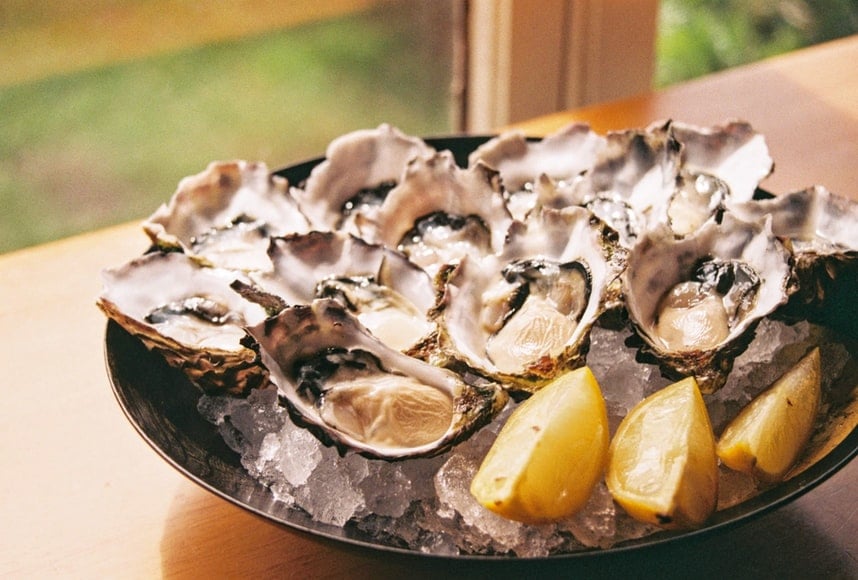
Why Avoid It?
Oysters filter water, meaning they absorb toxins, bacteria, and pollutants.
If not stored correctly, they can contain Vibrio bacteria, which can cause severe food poisoning.
When It’s Safe: Only eat oysters at high-quality seafood spots with fast turnover & fresh shipments.
5. “Specials” (That Aren’t Really Special)
Why Avoid It?
Some restaurants use “specials” to get rid of old ingredients before they go bad.
Unless it’s chef’s-choice fresh, it could be leftover ingredients repurposed into a dish.
When It’s Safe: Ask the server if it’s a true specialty or just a “clear-the-fridge” dish.
6. Salad with Dressing on the Side (It’s Not as Healthy as You Think)

Why Avoid It?
Pre-cut lettuce sits in storage for days, increasing risk of bacteria & foodborne illness.
Dressings are often loaded with sugar, cheap oils, and preservatives.
Better Choice: Go for hot, freshly cooked vegetables instead of raw salads.
7. Anything Truffle-Flavored (Fake & Overpriced)
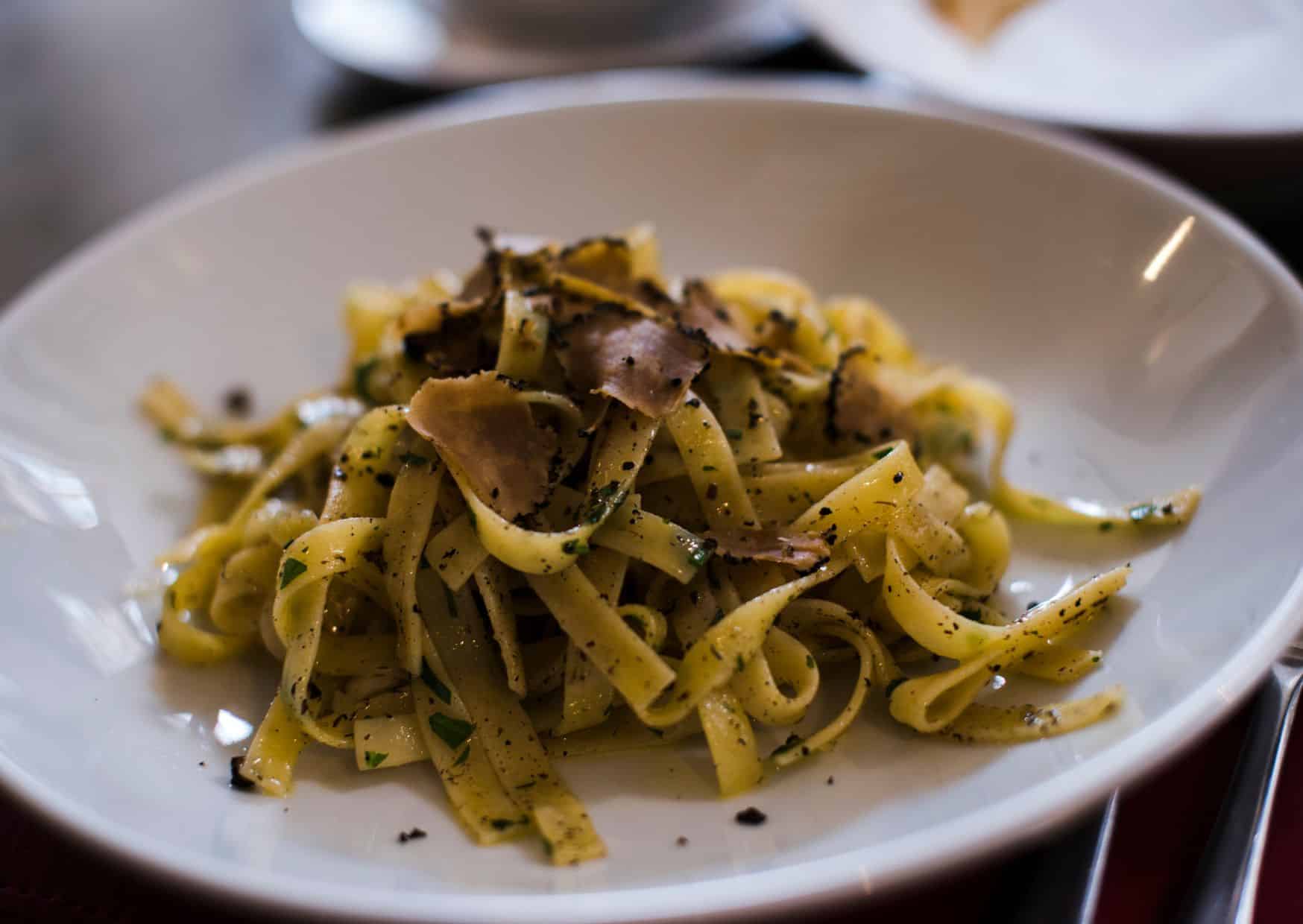
Why Avoid It?
Most “truffle” dishes don’t have real truffles—they use truffle oil made from synthetic chemicals (not real mushrooms!).
Extremely overpriced for something that’s not authentic truffle flavor.
Better Choice: If you want real truffles, look for dishes with fresh shaved truffles (not just “truffle oil”).
8. Lobster Mac & Cheese (A Rip-Off)

Why Avoid It?
Often uses frozen or low-quality lobster (not fresh!).
Overpriced—you’re mostly paying for the idea of luxury, not actual premium ingredients.
Better Choice: Order grilled or steamed lobster instead of a gimmicky pasta dish.
9. Anything “Wagyu” or “Kobe” (Unless You’re at a Legit Steakhouse)

Why Avoid It?
Most “Wagyu” or “Kobe” beef in the U.S. isn’t real—it’s just regular beef with extra fat.
True Japanese Wagyu or Kobe is expensive & rare—if it’s cheap, it’s fake.
When It’s Safe: Only order from high-end, certified restaurants that import real Japanese beef.
10. Fancy “Farm-to-Table” Dishes That Are Just Buzzwords
Why Avoid It?
Many places use “farm-to-table” or “organic” as marketing, but their food still comes from bulk suppliers.
It’s often just a way to charge higher prices.
Better Choice: Ask where the ingredients actually come from before paying extra.
These items aren’t always bad, but knowing when & where to order them will save you money & keep you from getting sick.
Why You Should Follow This Advice
Being selective with your orders can significantly improve your dining experience. When you focus on dishes that are more likely to be fresh and well-executed, you increase your chances of enjoying a satisfying meal.
It also helps you get better value for your money. Instead of paying for presentation or hype, you’re choosing items that deliver real quality. Over time, this approach can make dining out feel more rewarding.
Another advantage is that it encourages you to explore what a restaurant does best. By ordering strategically, you’re more likely to experience the chef’s strengths rather than settling for average dishes.
This awareness can also make you a more confident diner. You’re no longer relying solely on menu descriptions or recommendations but using your own judgment to guide your choices.
Ultimately, it enhances your overall relationship with food. You become more attentive to ingredients, preparation, and technique, which can deepen your appreciation for both dining out and cooking at home.
Why You Might Ignore This Advice
Not every dining experience needs to be strategic. Sometimes, people go out to eat for comfort, familiarity, or indulgence rather than optimization. In those moments, ordering a “less ideal” dish may still bring satisfaction.
There’s also the argument that personal taste matters more than expert opinion. A dish that chefs avoid might still be enjoyable to you, and that preference shouldn’t be dismissed.
Some diners may find this approach overly analytical. Breaking down menus and second-guessing choices can take away from the spontaneity and enjoyment of eating out.
Additionally, not all restaurants follow the same patterns. High-quality establishments often put care into every dish, making these guidelines less relevant in certain contexts.
Finally, dining is a social and emotional experience as much as it is a culinary one. If a particular dish brings comfort or nostalgia, that value can outweigh any practical considerations about quality or technique.
Final Thoughts
Eating out is often seen as a treat, but not every menu item is created with the same level of care. Behind the scenes, kitchens prioritize certain dishes over others based on freshness, efficiency, and profit margins. Understanding this can completely change how you approach a restaurant menu.
Many of the items chefs avoid aren’t necessarily bad, but they tend to be overhyped, overpriced, or reliant on shortcuts. Pre-prepped ingredients, frozen components, or dishes designed for consistency rather than quality often fall into this category. Knowing this helps you make smarter choices without sacrificing the experience.
On the other hand, the best dishes are usually the simplest ones done well. Items that rely on fresh ingredients, seasonal produce, or the chef’s core skills tend to stand out. These are often the dishes kitchens take the most pride in, even if they’re not the most expensive on the menu.
Another key takeaway is that menus are designed to guide your decisions. Placement, descriptions, and pricing are all intentional. Recognizing these subtle cues allows you to look beyond the marketing and focus on what’s actually worth ordering.
In the end, dining out becomes more enjoyable when you order with intention. Instead of guessing, you’re choosing dishes that are more likely to be fresh, well-executed, and worth the price. That small shift can turn an average meal into a memorable one.

About the Author: Ruben, co-founder of Gamintraveler.com since 2014, is a seasoned traveler from Spain who has explored over 100 countries since 2009. Known for his extensive travel adventures across South America, Europe, the US, Australia, New Zealand, Asia, and Africa, Ruben combines his passion for adventurous yet sustainable living with his love for cycling, highlighted by his remarkable 5-month bicycle journey from Spain to Norway. He currently resides in Spain, where he continues sharing his travel experiences with his partner, Rachel, and their son, Han.