
Mexico’s warmth and hospitality are legendary, but beneath that genuine friendliness lies a rich tapestry of unspoken etiquette and cultural norms that can puzzle outsiders. Whether it’s the subtle artistry of conversation, the way you pass a tortilla at the table, or the importance of goodbyes it all carries deeper meaning. For tourists, missing these nuances can lead to awkward moments or unintended offense.
These customs go far beyond simple manners; they shape how trust, respect, and community are built. While many Americans view “mañana” (tomorrow) as a sign of procrastination, in Mexico, a kind refusal or delayed response often speaks to tact, not disinterest. Likewise, entering an elevator without greeting “buenos días” might go unnoticed at home, but in Mexico, it’s nearly a rule.
In this post, we explore 15 unspoken rules that shape daily life in Mexico. Understanding them isn’t about self-censorship it’s about enhancing connection, showing respect, and discovering the depth behind everyday moments.
Read here best things to know before visting Mexico and the best Mexico sim card for tourist
Read here Mexican food, vegetarian food in Mexico and Mexican drinks
BOOK YOUR TRAVEL INSURANCE
Two of our favorite travel insurance: Heymondo Vs Safetwing cheapest travel Insurance. You can get for $135 USD your Heymondo Travel Insurance with Heymondo discount code valid for 90 days. Read our full comparison of Genki vs Safetywing Travel Insurance Review and the comparison Heymondo vs Genki
Tips for Navigating Mexican Life
Learn Basic Spanish Phrases: Even a simple “Gracias” (Thank you) or “Por favor” (Please) shows respect.
Be Patient: Relax and embrace the slower pace of life in Mexico.
Engage with Locals: Mexicans are friendly and appreciate efforts to connect with their culture.
Enjoy the Food: Be adventurous with Mexican cuisine but follow local advice on food safety.
One of the most misunderstood aspects of Mexican life is the balance between friendliness and formality. Many visitors interpret warmth as immediate openness, but there are still clear social boundaries. Being too casual too quickly can feel disrespectful, even if intentions are good.
Another point that can feel frustrating is the slower pace of service in certain settings. What some tourists see as inefficiency is often a reflection of a culture that values presence over speed. Expecting fast, transactional interactions can lead to disappointment if you don’t adjust your expectations.
There’s also a tendency for visitors to compare everything to their home country, especially when it comes to infrastructure, organization, or bureaucracy. This mindset can create friction. Systems operate differently, and assuming one way is “better” misses the cultural context behind those differences.
Safety perceptions can also be complex. Tourists sometimes either underestimate or overestimate risks based on stereotypes or headlines. The reality is more nuanced, and understanding local habits like avoiding certain areas at night or asking locals for advice matters far more than broad assumptions.
Finally, there’s the issue of cultural respect versus convenience. Some travelers unintentionally disregard local customs because they seem inconvenient. But these “small” behaviors like greeting properly or respecting traditions carry significant meaning. Ignoring them can create subtle but real barriers in everyday interactions.
Unspoken Rules of Mexican Life
1. Greetings Are Important

What to Know:
Mexicans take greetings seriously. A handshake, a hug, or a kiss on the cheek (for close acquaintances) is common. Always greet with “Buenos días,” “Buenas tardes,” or “Buenas noches” depending on the time of day.
Why Tourists Don’t Get It:
Tourists might skip greetings, which can be seen as impolite or dismissive.
2. Punctuality Is Flexible
What to Know:
Being late by 15–30 minutes is often acceptable for social events, but punctuality is expected for business meetings.
Why Tourists Don’t Get It:
Visitors expecting strict punctuality might find the relaxed approach frustrating.
3. Personal Space Is Smaller
What to Know:
Mexicans often stand closer to each other during conversations and may touch your arm or shoulder for emphasis.
Why Tourists Don’t Get It:
Visitors from cultures with larger personal space boundaries might feel uncomfortable or invaded.
4. Always Accept Food or Drink

What to Know:
Refusing food or drink, especially in someone’s home, can be seen as rude. Even if you’re not hungry, it’s polite to accept a small amount.
Why Tourists Don’t Get It:
Tourists might decline, not realizing it’s a gesture of hospitality.
5. Tipping Is Expected

What to Know:
While tipping is not as ingrained as in the U.S., it’s customary to leave a 10–15% tip at restaurants and tip small amounts for services like bagging groceries or parking attendants.
Why Tourists Don’t Get It:
Tourists often assume tipping isn’t needed and may offend by skipping it.
6. Don’t Flush Toilet Paper
What to Know:
In many places, plumbing systems aren’t equipped to handle flushed toilet paper. Use the trash bin provided.
Why Tourists Don’t Get It:
Visitors accustomed to flushing toilet paper might accidentally cause plumbing issues.
7. Public Displays of Affection Are Normal
What to Know:
Couples frequently kiss, hug, and hold hands in public, and it’s widely accepted.
Why Tourists Don’t Get It:
Visitors from more reserved cultures might find this surprising or uncomfortable.
8. Meal Times Are Sacred

What to Know:
Lunch (comida) is the main meal of the day, often lasting 1–2 hours in the early afternoon. Dinner is lighter and eaten later, around 8:00 PM or later.
Why Tourists Don’t Get It:
Tourists might expect quick meals or find restaurant schedules confusing.
9. Bargaining Is Normal
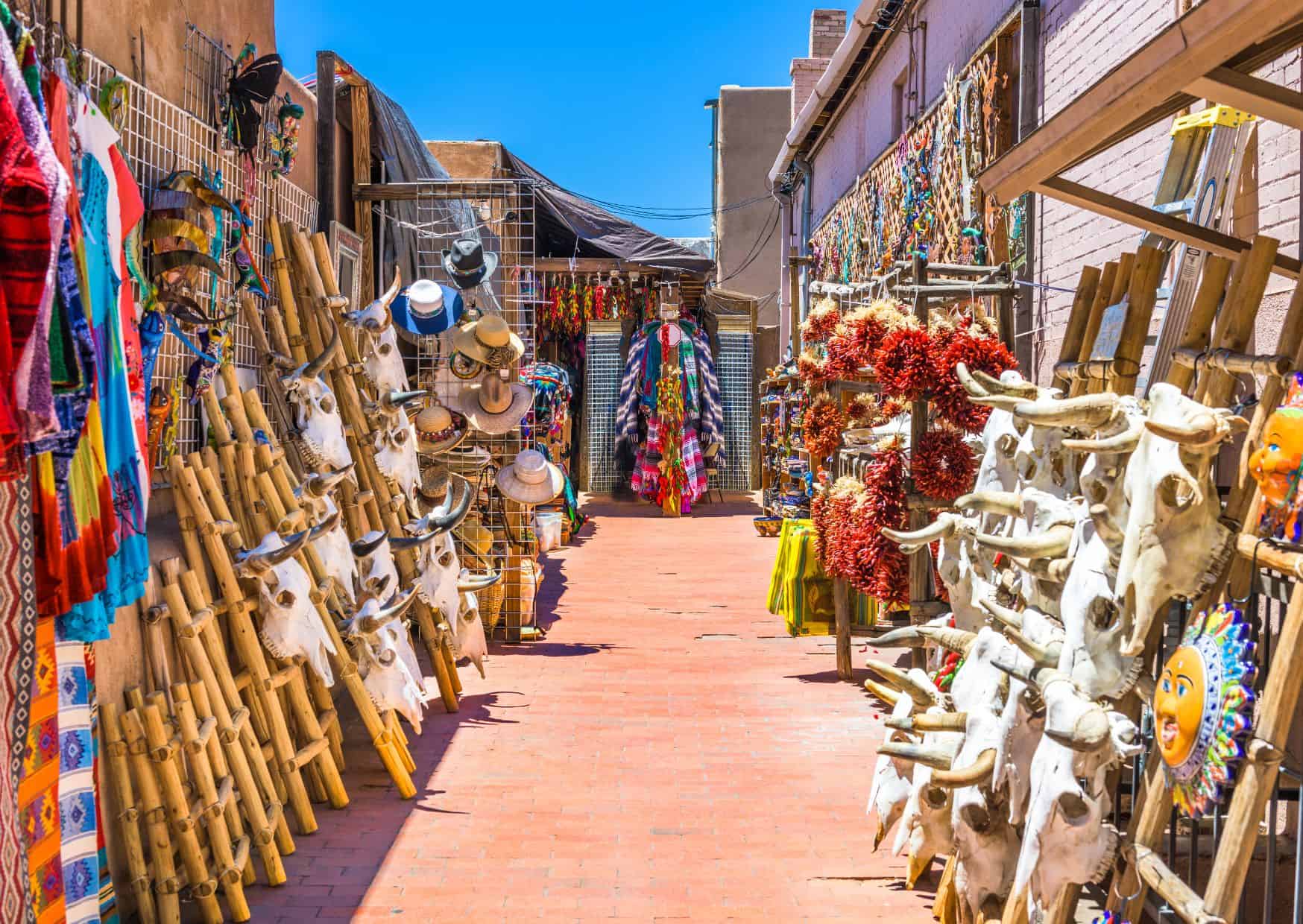
What to Know:
Bargaining is expected in markets and informal settings, but not in stores or restaurants.
Why Tourists Don’t Get It:
Visitors might feel awkward negotiating prices or overpay by accepting the first price offered.
10. Avoid Discussing Sensitive Topics
What to Know:
Topics like politics, religion, and drug cartels can be sensitive and are best avoided unless brought up by locals.
Why Tourists Don’t Get It:
Tourists may unintentionally offend or seem insensitive by casually discussing these issues.
11. Respect the Siesta
What to Know:
In smaller towns, businesses might close in the early afternoon for a siesta or long lunch break.
Why Tourists Don’t Get It:
Visitors expecting shops to be open all day might be surprised by closures during siesta hours.
12. Don’t Drink the Tap Water
What to Know:
Tap water in Mexico is not always safe to drink. Stick to bottled or filtered water, even in cities.
Why Tourists Don’t Get It:
Tourists unfamiliar with this rule might inadvertently get sick.
13. Family Comes First
What to Know:
Family is central to Mexican culture, and major decisions or events often revolve around family needs and gatherings.
Why Tourists Don’t Get It:
Visitors might not understand the priority given to family time, even over work or social commitments.
14. Celebrate Everything

What to Know:
Mexicans love celebrations, from birthdays to religious holidays. Even minor occasions can involve elaborate festivities.
Why Tourists Don’t Get It:
Tourists might be surprised by the time, energy, and enthusiasm invested in celebrations.
15. Respect Hierarchies and Formality
What to Know:
Titles and formalities are important in professional and social settings. Use “Señor” or “Señora” when addressing people you don’t know well.
Why Tourists Don’t Get It:
Tourists might skip formalities, unintentionally coming across as disrespectful.
Why You Should Embrace These Rules
Adapting to local customs makes your experience richer and more authentic. Instead of feeling like an outsider navigating confusion, you begin to feel more integrated into daily life. Even small efforts to adjust your behavior can lead to noticeably warmer interactions.
Understanding these unwritten rules also helps avoid unnecessary misunderstandings. Many awkward or frustrating situations come from simple cultural misalignment rather than actual problems. Knowing what’s expected allows you to move through situations more smoothly.
There’s also a deeper level of connection that comes from cultural awareness. People tend to respond more positively when they feel respected and understood. This can open doors to better service, more genuine conversations, and even friendships.
Embracing these norms can reduce stress. When you stop trying to force your own expectations onto a different system, you become more flexible and patient. This shift in mindset often makes travel feel easier and more enjoyable.
Finally, it shows respect for the place you’re visiting. Travel isn’t just about seeing new places it’s about engaging with them. Making the effort to understand local life reflects a level of awareness that enhances both your experience and the way you’re received.
Why You Might Struggle With These Rules
Adjusting to a different pace of life can be difficult, especially if you’re used to strict schedules and efficiency. Waiting longer for meals, services, or responses can feel frustrating if you’re not prepared for it.
Communication styles can also create challenges. Indirect language and a focus on politeness may make it harder to get clear, immediate answers. For those used to direct communication, this can feel confusing or even inefficient.
Language barriers can amplify these difficulties. Even basic interactions become more complex when you’re not fully comfortable with the language, and misunderstandings are more likely to happen.
There’s also the mental shift required to let go of familiar systems. Things that feel normal at home like strict punctuality or highly structured processes may not apply in the same way. This can create a sense of disorientation at first.
Lastly, not everyone wants to adapt while traveling. Some people prefer familiarity and predictability, and adjusting to unwritten social rules can feel like extra effort. For those travelers, the experience may feel more challenging than rewarding.
Final Thoughts
Mexico isn’t confusing it’s layered. What often feels unpredictable to visitors is actually guided by deeply rooted social norms that aren’t written down but widely understood. Once you start noticing them, daily life begins to make more sense, and interactions feel less like guesswork and more like a rhythm you can follow.
Respect is one of the biggest invisible threads running through Mexican life. It shows up in greetings, tone of voice, and even timing. Taking a moment to say hello, using polite language, and acknowledging people properly can change the entire outcome of an interaction. Skipping these steps, even unintentionally, can create distance.
Another key realization is that flexibility matters more than precision. Time, plans, and expectations tend to be more fluid than in many other countries. This doesn’t mean things don’t get done it just means relationships and context often come before strict schedules.
Food, family, and social connection are not side elements of life in Mexico they are central. Meals are longer, conversations matter, and showing up for people carries real weight. Understanding this helps explain why certain “inefficiencies” are actually priorities in disguise.
Ultimately, the more you observe and adapt, the more rewarding the experience becomes. Mexico rewards curiosity, patience, and respect. Tourists who take the time to understand these unwritten rules often leave with a deeper appreciation for the culture and a much smoother experience overall.

About the Author: Ruben, co-founder of Gamintraveler.com since 2014, is a seasoned traveler from Spain who has explored over 100 countries since 2009. Known for his extensive travel adventures across South America, Europe, the US, Australia, New Zealand, Asia, and Africa, Ruben combines his passion for adventurous yet sustainable living with his love for cycling, highlighted by his remarkable 5-month bicycle journey from Spain to Norway. He currently resides in Spain, where he continues sharing his travel experiences with his partner, Rachel, and their son, Han.