
French women are not exempt from menopause, sleep disruption, appetite shifts, or the slower metabolism complaints that start showing up in real conversation after 45. The reason the weight creep often looks less dramatic is usually not a secret diet. It is that the kitchen still leans toward real meals, smaller portions, and less frictionless eating than the average American one.
Menopause still changes body composition in France just like it does anywhere else. Recent reviews describe the transition as a period when women often experience an increase in central adiposity and a shift toward more abdominal fat, even when the scale does not move wildly. That is real, and it matters.
What matters just as much is the daily setup around that biology.
France is not some thinness theme park. Obesity exists there, and rates have risen over time. But current OECD data still put self-reported obesity in France below the OECD average, which suggests the ordinary food environment is doing something more protective than the standard American one.
That is where the kitchen comes in.
Not as fantasy. Not as style. As infrastructure.
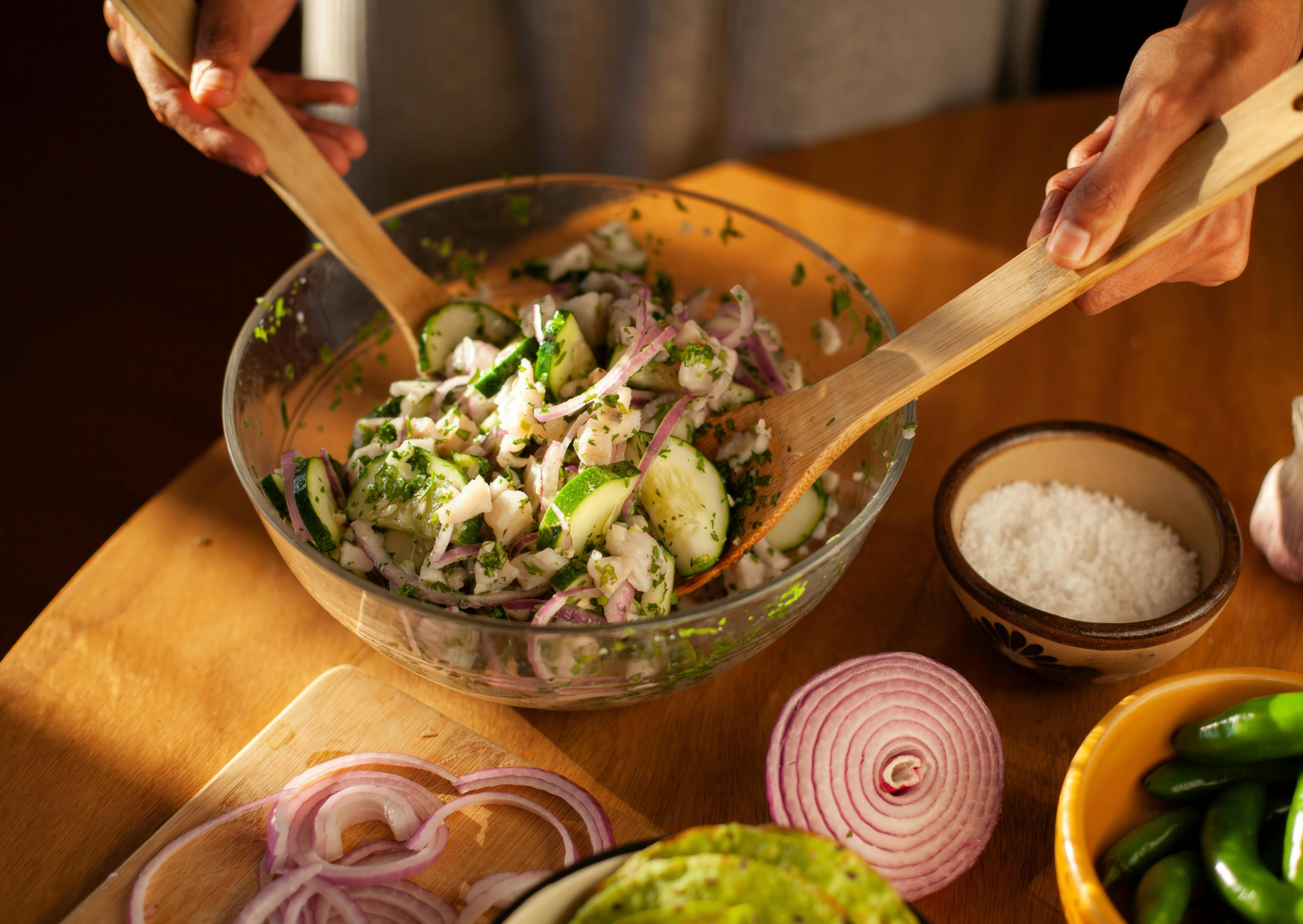
Meals Still Exist As Actual Events
One of the strongest French habits is also the least glamorous. People still tend to organize the day around real meals rather than around constant grazing.
The 2015 study on the French eating model found that the classic pattern of three synchronized meals was still followed by a majority of adults in the Paris area. The 2018 follow-up work found that stronger adherence to that model, including meal structure and conviviality, was inversely associated with overweight and obesity.
That does not mean every French household sits down for a perfect lunch under a linen curtain.
It means the culture still gives eating a shape.
That shape matters more after 45 because the body becomes less forgiving of chaos. If breakfast disappears, lunch is weak, and dinner has to rescue the whole day, hunger shows up louder at night. That is how a lot of slow American weight gain actually happens. Not through dramatic overeating, but through lopsided days that keep repeating.
A kitchen built around meals gives that pattern less room to grow.
Lunch Has More Dignity Than It Does In America
This is one of the biggest differences and one of the least discussed.
In the United States, lunch is often an interruption. It is a protein bar, a desk salad, half a sandwich inhaled between tasks, or something people postpone until they are too hungry to make a decent decision. In France, lunch still carries more status as a proper meal in the middle of the day, and that changes the rest of the day with it.
When lunch is real, dinner can be normal.
When lunch is weak, dinner becomes emotional, physiological, and logistical damage control. That is especially costly in midlife, when poor sleep, hormonal changes, and stress already make appetite harder to read cleanly. A stronger midday meal does not solve everything, but it often prevents the evening from turning into a quiet binge dressed up as “finally eating.”
This is one reason French food habits often look moderate from the outside.
They are not necessarily powered by superior restraint. They are often powered by better timing.
Portion Sizes Stay A Little Smaller Before Anyone Calls It Dieting
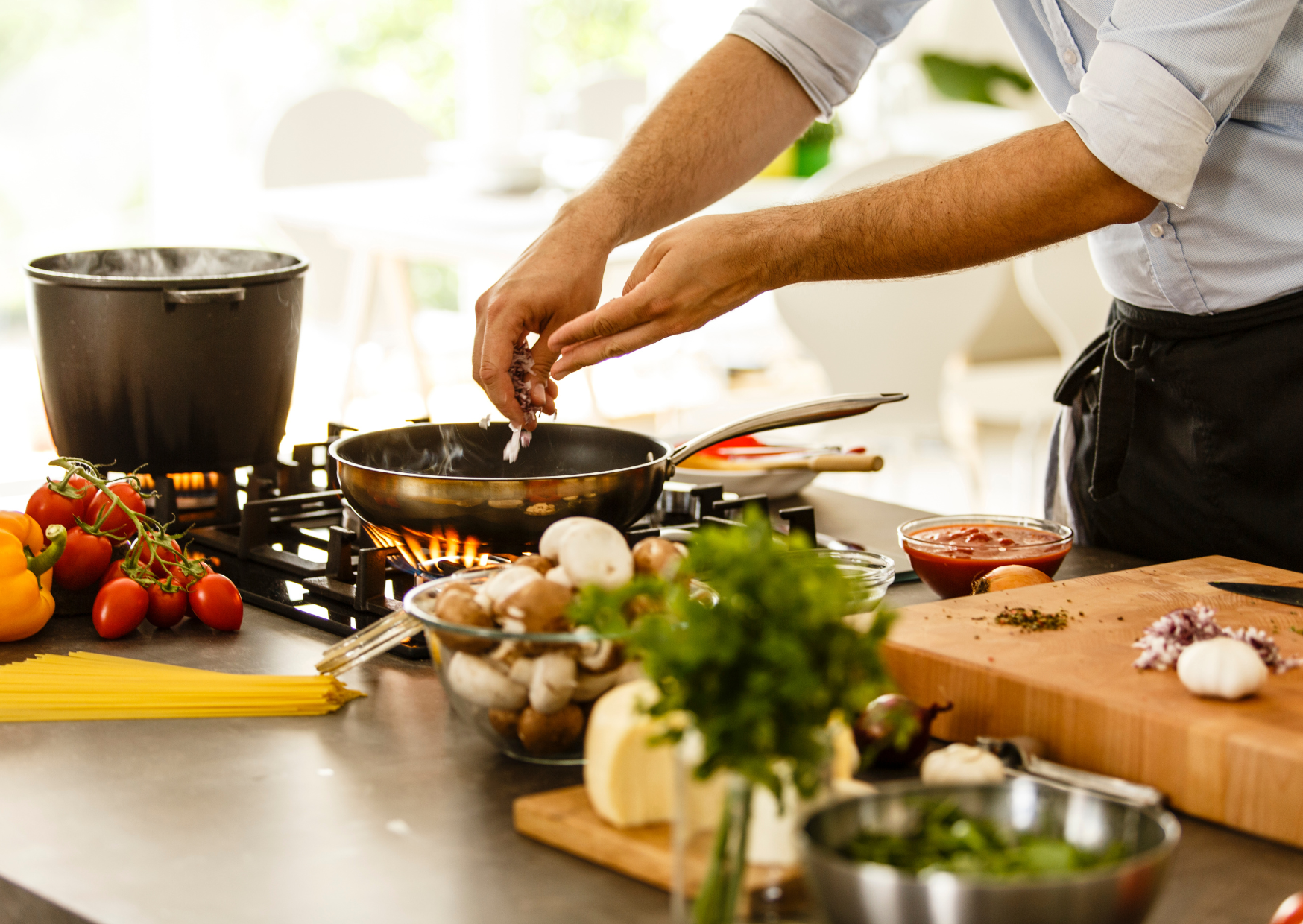
French women are not maintaining themselves on air and coffee.
But portion size still matters, and France continues to look different here. A 2024 cross-country study found that French personal and perceived national portion sizes were smaller than those reported in the United States across the foods tested. That is not a mood. It is measurable.
This matters after 50 because energy needs often drift down while old appetites and old habits do not always get the memo.
You do not need huge overeating to gain weight slowly in midlife. You need ordinary portions that are just slightly too large for long enough. That is why the French pattern matters. The moderation is often built into the default plate before anybody starts using the language of restriction.
The meal still feels complete.
That is important.
Bread, vegetables, salad, yogurt, fruit, cheese, and a modest main create a different emotional experience from the American habit of loading too much meaning onto one oversized entrée. The French meal often gives people more stopping points before the meal turns into excess.
The Kitchen Still Assumes Home Cooking Is Normal
French official nutrition guidance is blunt on this in a way that is refreshingly unsexy. Manger Bouger says home cooking helps people manage quantities and ingredients themselves and limit ultra-processed foods by choosing raw or minimally processed products. It also notes that cooking at home makes it easier to control the amount of salt added.
That sounds obvious.
It is also one of the clearest lines between a kitchen that protects people and one that wears them down.
When home cooking remains a weekday norm instead of a weekend identity project, the kitchen behaves differently. You see the oil. You see the butter. You see the vegetables. You see how much pasta you are actually making. You see when the meal needs more lentils and less cheese, or more soup and less bread. Visibility changes behavior in a way food labels do not.
This matters even more after 45 because a lot of weight drift comes from frictionless foods. Snack bars, sweetened yogurts, ready meals, packaged pastries, and endless “light” products make it very easy to eat without ever feeling like a real meal happened. A cooking kitchen interrupts that.
Not perfectly.
Just enough.
Simple Foods Still Count As Real Meals
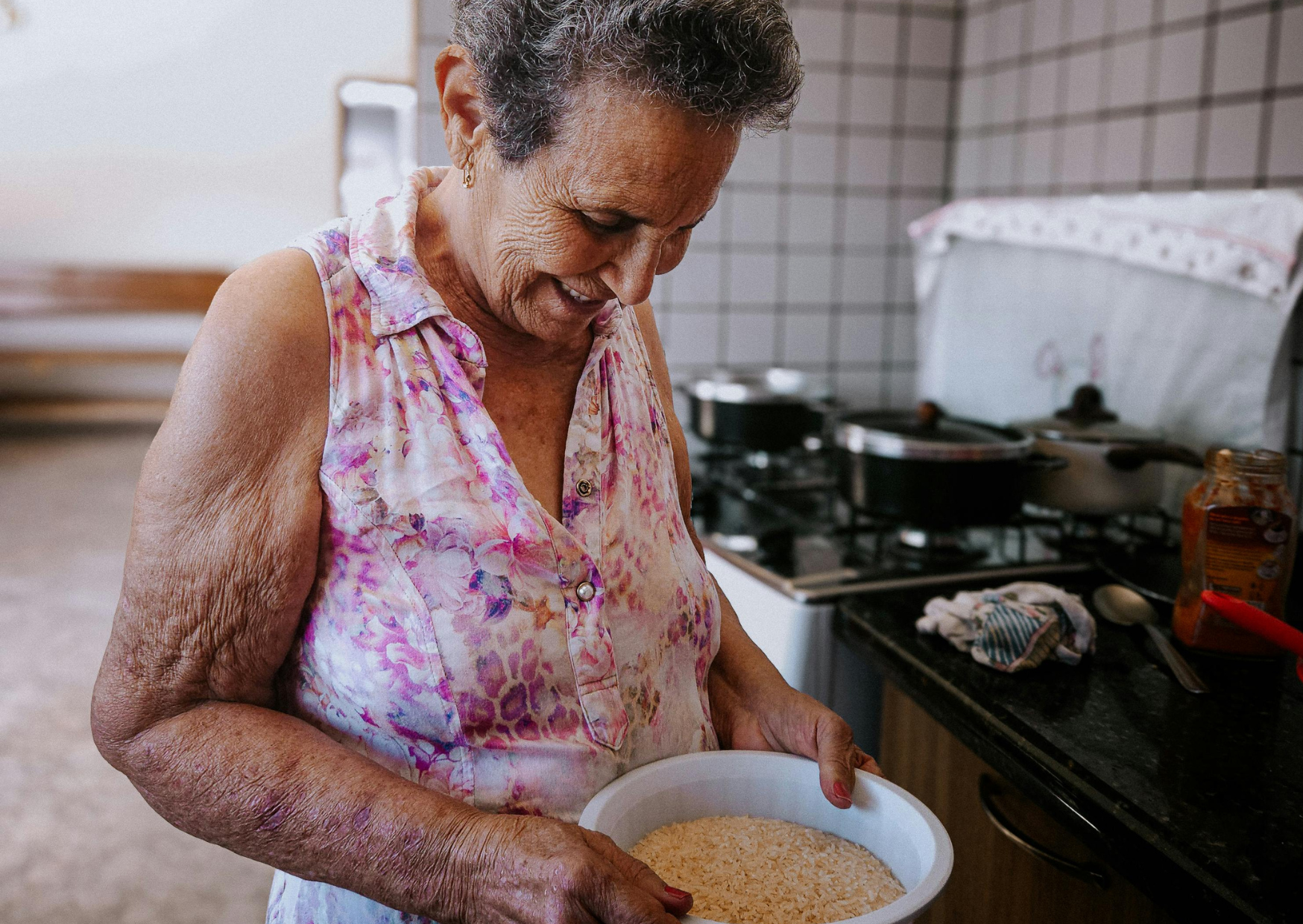
French food culture can be rich, yes. Butter, cheese, pastry, cream, all of that exists.
What often gets missed is how much the ordinary weekly kitchen still relies on simple practical food. Lentils. vegetable soup. omelets. yogurt. salad. fish. cooked vegetables. bread with a proper meal instead of a processed snack replacement. And official guidance still actively supports this pattern.
Manger Bouger recommends legumes at least twice a week because they are naturally rich in fibre, and it explicitly frames them as useful everyday foods rather than fringe health food. The same guidance also recommends favoring vegetable oils, especially rapeseed, walnut, and olive oil, while reserving butter more narrowly. Santé publique France’s recommendations say much the same thing in plainer policy language.
That combination matters.
A kitchen that keeps beans, lentils, soup, plain yogurt, and good oil in normal rotation has better fallback meals. That means fewer nights where the only alternatives are takeout, crackers, cereal, or whatever packaged thing looks least exhausting at 7:30.
People do better when the healthy option is not a special option.
The French kitchen often understands that instinctively.
Snacking Exists But It Does Not Usually Run The House
French adults do snack. This is not a fairy tale about a nation too dignified for an afternoon bite.
But the structure is different. Research on French adults found snacking occasions, while still making clear that snacks remained distinct from the main meals in both timing and dietary contribution. The meals still carried most of the day’s identity.
That distinction is not small.
In the United States, snacks often behave like stealth meals. Coffee drinks, bars, handfuls of crackers, “healthy” cookies, toast, nuts poured without attention, yogurt cups that are basically dessert, all of it disappears into the day without being granted the psychological status of eating. Then dinner still arrives with full rights. That is one reason American kitchens are so good at producing unremembered intake.
French food culture still puts more friction around that pattern.
A snack is more likely to register as a snack. A meal is more likely to register as a meal. That is not morality. It is clarity. And clarity tends to help after 50, when the body already has enough going on without adding constant low-grade grazing to the problem.
Food Still Gets To Taste Good
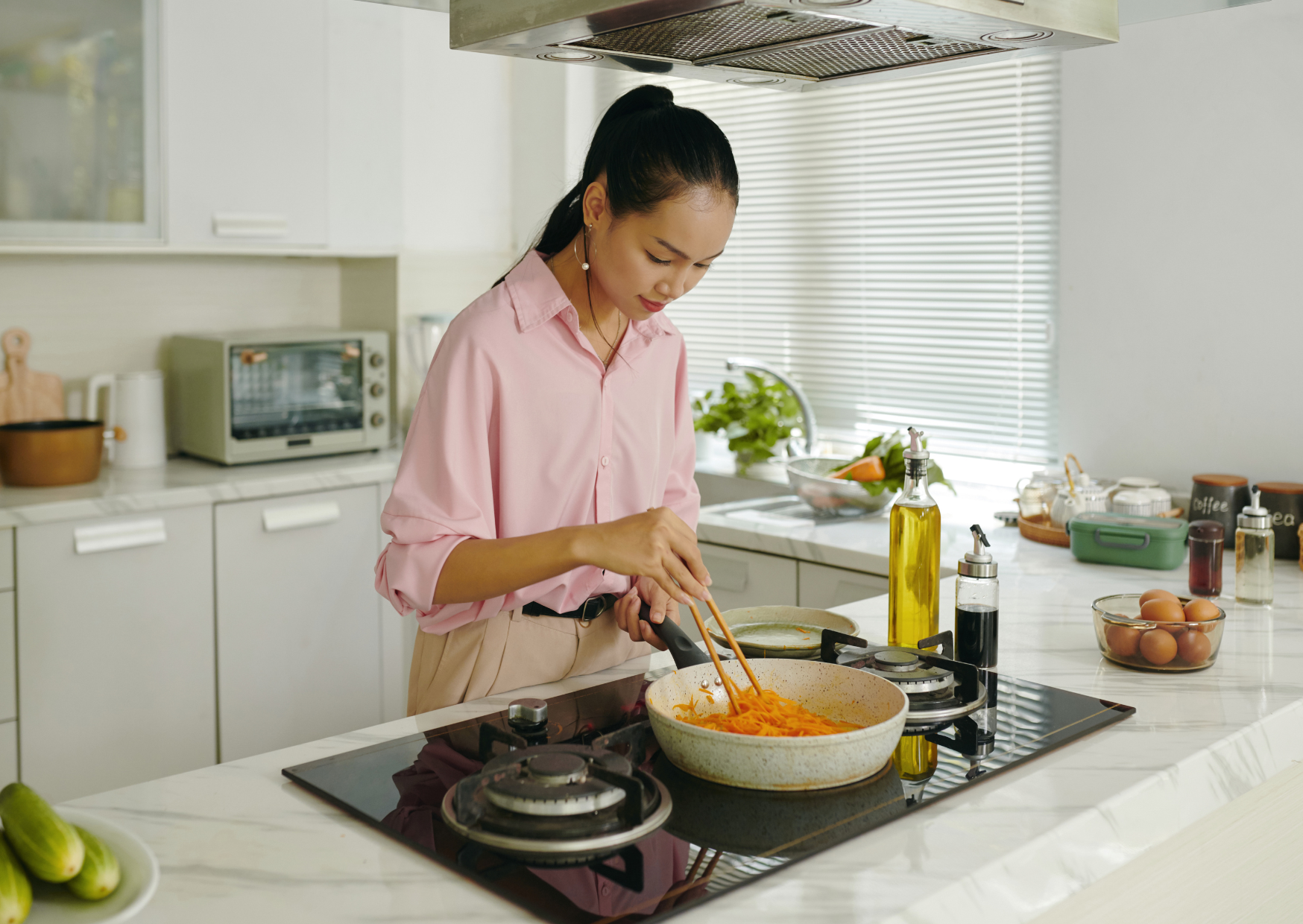
This may be the most underrated reason French kitchen habits survive midlife better than American diet culture does.
The food is usually allowed to be pleasant.
Vegetables are dressed. Soup is seasoned. Salad gets real vinaigrette. Lentils are not treated like punishment. Yogurt can be plain without being miserable. A moderate portion feels less punishing when the meal still tastes finished.
That matters because no one holds onto a better routine for very long if the kitchen keeps serving virtuous but disappointing food. French public guidance is actually useful here because it does not read like permanent correction. It pushes people toward oils, legumes, home cooking, and better-quality daily choices, but still inside the logic of meals.
This is one reason the French setup can look “easy” from the outside.
It is not easy in the magical sense.
It is easier because pleasure and moderation are not being forced into opposite corners.
The Table Slows Things Down
There is another quiet protection built into the French eating model: meals are more likely to happen with some sense of occasion, even when the occasion is small. The 2015 and 2018 French eating model papers both emphasize regularity and conviviality, which is a very academic way of saying that eating is still often understood as something that happens with some rhythm, duration, and social shape.
That helps because speed is expensive.
Fast eating makes it easier to overshoot fullness before the body has caught up. A kitchen culture that still tolerates sitting down, using plates, and spacing out intake across a real meal gives the body more time to register enough. It is not perfect, but it is better than the American pattern of half-eating while standing, driving, scrolling, or answering emails.
Again, this is not glamour.
It is infrastructure.
The more meals feel like meals, the less likely they are to turn into a blur.
The First Week Matters More Than The Fantasy
The wrong takeaway from this article would be trying to build a cinematic French kitchen overnight.
You do not need that.
You need a kitchen that creates less drift.
Start with lunch. Make it an actual meal four or five days this week.
Keep one pot of lentils, beans, or soup in the fridge so dinner does not begin from desperation.
Put olive oil or rapeseed oil where it is easy to use and stop treating salad dressing like a moral crisis.
Buy plain yogurt.
Keep fruit visible.
Make one dinner that is just fish or eggs, vegetables, bread, and something fermented or fresh on the side. That is already closer to the French logic than most people think.
What you are trying to copy is not Frenchness.
It is better defaults.
That is the whole point.
French women do gain weight after 50. Menopause is not optional in Paris. But a kitchen built around meals, smaller portions, simpler fallback foods, visible ingredients, and less chaotic snacking makes slow gain less likely to sneak in unnoticed. That is a much more useful claim than the old myth, and it is also the one most worth borrowing.

About the Author: Ruben, co-founder of Gamintraveler.com since 2014, is a seasoned traveler from Spain who has explored over 100 countries since 2009. Known for his extensive travel adventures across South America, Europe, the US, Australia, New Zealand, Asia, and Africa, Ruben combines his passion for adventurous yet sustainable living with his love for cycling, highlighted by his remarkable 5-month bicycle journey from Spain to Norway. He currently resides in Spain, where he continues sharing his travel experiences with his partner, Rachel, and their son, Han.