
The old Greek kitchen was never designed as a wellness lab. It was built around what grew well, what kept people full, what stretched across a week, and what tasted good enough to repeat. The strange part is how many of those ordinary habits now line up with the things American nutritionists spend their time studying: blood sugar, inflammation, microbiome diversity, plant intake, satiety, cognition, and how people actually keep eating well after 50.
The Greek kitchen does not usually look “optimized.”
It looks practical.
A bottle of olive oil on the counter. A pot of beans somewhere in the weekly rotation. Greens that taste faintly bitter on purpose. Yogurt that is plain enough to alarm anyone raised on vanilla dessert cups. Fish when it makes sense. Meat when it is useful, not mandatory. Herbs everywhere. Fruit sitting in a bowl where American kitchens often keep packaged snacks.
That is one reason this style of eating keeps getting rediscovered.
Not because Greeks invented health.
Because they built everyday cooking around repeatable habits that now happen to align with the most durable parts of modern nutrition research. American nutrition advice has spent years bouncing between protein panic, carb panic, low-fat panic, seed-oil panic, and whatever fresh panic keeps the industry moving. Meanwhile, the older Greek pattern just kept doing its quiet thing: olive oil, legumes, vegetables, greens, herbs, yogurt, fish, fruit, shared meals.
The better way to read it is not as a miracle diet.
It is a kitchen rhythm.
And kitchen rhythms are what people actually live with.
The Bottle on the Counter Is Doing More Work Than Americans Think
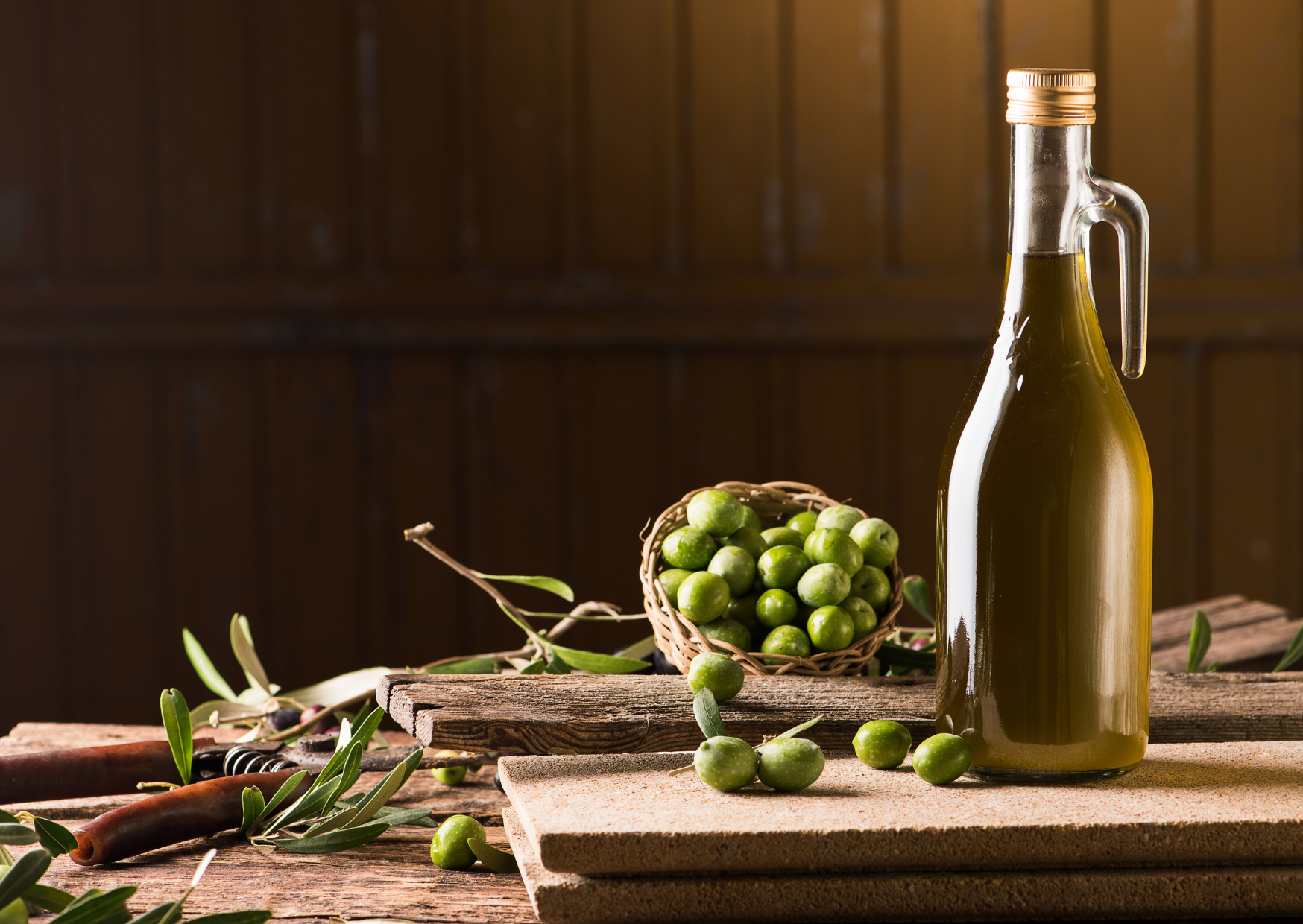
The first Greek kitchen habit is so normal it almost disappears.
1. Olive oil is the default cooking fat.
Not a finishing luxury.
Not a specialty bottle for special guests.
Not something brought out only for salad dressing. In the traditional Greek pattern, olive oil is the everyday fat, which changes the whole kitchen without anyone having to talk about macros. Harvard’s overview of the Mediterranean diet still describes olive oil as the main added fat in the pattern, alongside daily use of beans, whole grains, vegetables, herbs, nuts, and smaller amounts of animal foods. That broad structure matters because it is not one “superfood.” It is a kitchen built around a stable fat source and mostly plant-heavy meals.
The second habit is more Greek than most American Mediterranean-diet imitations.
2. Olive oil gets used at the end, too.
A lot of Greek food is dressed after cooking, not just cooked in fat and forgotten. Warm beans. Horta. tomatoes. lentils. fish. village salads. roasted vegetables. A final pour of oil and often lemon changes the meal from worthy to satisfying. That matters more than it sounds. People keep healthier kitchen habits when the food actually tastes finished.
American nutrition culture has often tried to get people to “save calories” by stripping pleasure out of meals. Greek cooking tends to do the opposite. It makes vegetables, pulses, and fish taste rich enough to repeat.
That is probably one reason Mediterranean-style eating patterns keep surviving serious scrutiny. In the republished PREDIMED trial, a Mediterranean diet supplemented with extra-virgin olive oil or nuts lowered major cardiovascular events compared with a low-fat diet. The lesson was not “eat less fat.” It was closer to use a better fat in a better overall pattern.
Greek kitchens got there long before the headlines did.
The Pot on the Stove Matters More Than the Protein Shake
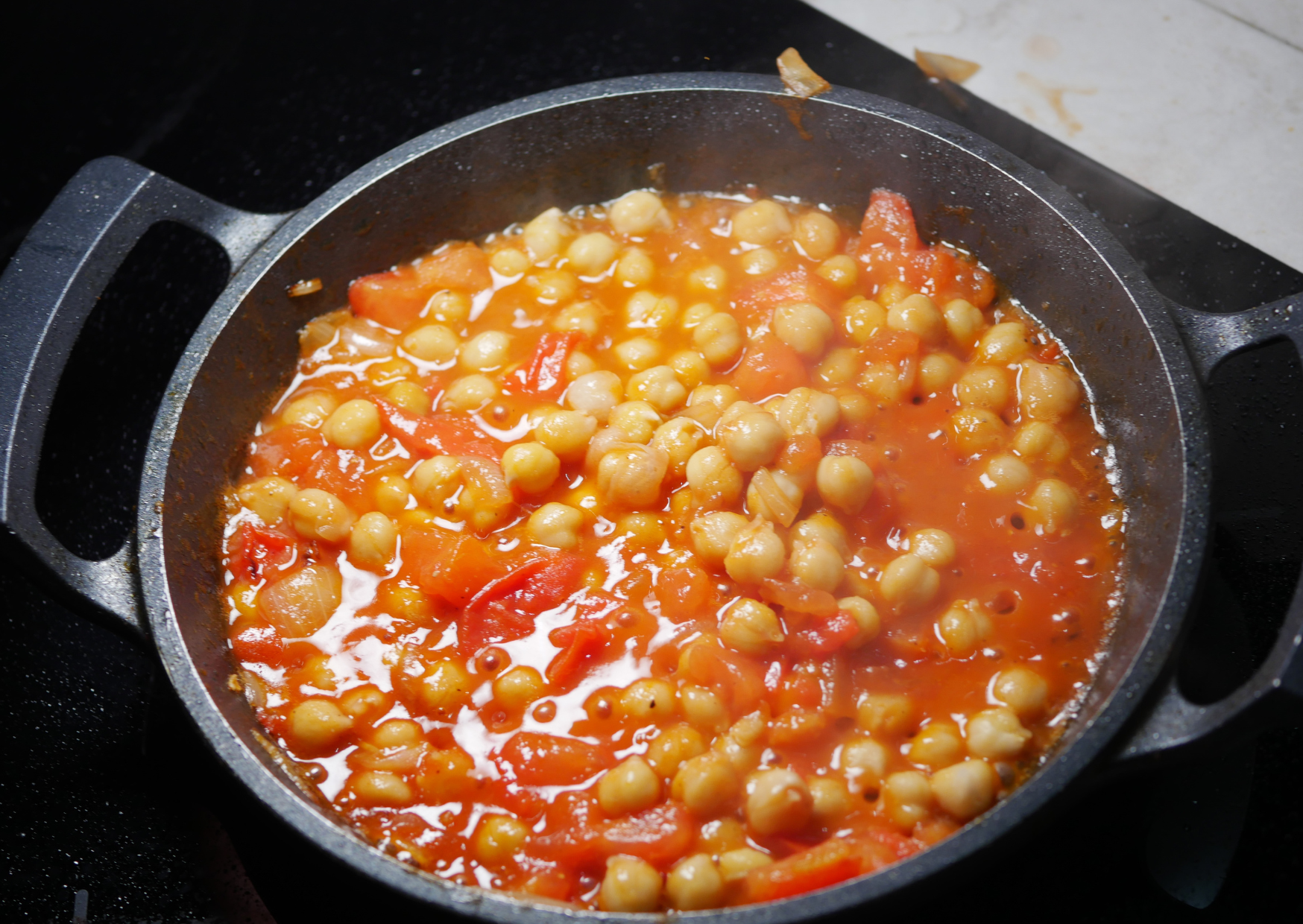
One of the clearest Greek habits is also one of the least glamorous.
3. Beans are real meals, not backup food.
Not every day in every house, obviously.
But often enough to shape the week. Lentils. giant beans. chickpeas. split peas. bean soups. baked bean dishes. bean salads. In a Greek kitchen, legumes are not the thing you eat only if you are trying to be “good.” They are the thing you cook because they are cheap, filling, versatile, and familiar. That old normality now looks surprisingly advanced in a country where fiber intake is chronically low and protein products keep getting sold like emergency supplies.
This is where Greek food quietly embarrasses American food marketing.
A pot of lentils with olive oil, onion, tomato, and bay leaf is not trendy. It is just effective. It fills the stomach, travels well into leftovers, and usually brings fiber, plant protein, minerals, and a steadier energy curve than the standard American lunch of bread plus processed meat plus a snack bar.
And then there is the fourth habit.
4. Meat plays a supporting role more often than Americans expect.
The old Cretan data that helped shape the Mediterranean diet story found plant foods accounting for the majority of energy intake, while animal foods were much smaller. That does not mean Greeks never ate meat. It means the kitchen did not revolve around it every day. Meat was often one part of a broader meal or less frequent than Americans would consider normal. The plate did not need a giant protein centerpiece to count as dinner.
That is still one of the hardest kitchen shifts for Americans over 45, especially if they grew up with the idea that a “proper meal” needs a large serving of meat in the middle.
Greek kitchens suggest a different rule.
If the beans, vegetables, olive oil, bread, yogurt, fish, and herbs are doing their job, meat can shrink without the meal feeling deprived. That is not deprivation. It is kitchen confidence.
The Greens Are Not Decorative
This may be the most underappreciated Greek habit of the whole lot.
5. Bitter greens are treated like normal food.
Not medicinal punishment.
Not a side note.
Not something to hide in a smoothie. In Greece, especially in older and rural food patterns, wild and cultivated greens have long been boiled, dressed with oil and lemon, folded into pies, cooked into soups, or simply served because that is what people eat. The old nutrition literature around the Greek Mediterranean pattern paid attention to this for a reason. Wild edible greens in rural Greece showed very high flavonoid content, and more recent ethnobotanical work in Crete still treats chorta as a living part of the food culture rather than a museum piece.
Americans are only recently starting to get interested in bitter greens again, usually through gut health, blood sugar, or “eat 30 plants a week” messaging.
Greek kitchens never really needed the sales pitch.
They already knew greens belong in the house.
Then there is the habit that makes many Greek dishes taste like themselves.
6. Flavor is built from tomato, onion, garlic, and herbs, not bottled sauces.
The HYDRIA national survey of Greek culinary practices singled out tomatoes, onions, garlic, and herbs as major components of Greek cooking. That sounds obvious if you know the food, but it matters nutritionally too. When your basic flavor system starts with vegetables, alliums, herbs, olive oil, and slow cooking, you end up eating very differently from a kitchen that depends on sweet bottled dressings, creamy dips, and processed finishing sauces.
This is not a purity fantasy.
It is just a different pantry.
Tomato and onion become a base.
Garlic gets used like a normal ingredient rather than a flavor bomb.
Herbs are frequent enough to matter.
And those combinations make vegetables, legumes, and fish much easier to eat often.
One more Greek move deserves attention here.
7. Cooked vegetables are not nutritionally inferior by default.
A lot of Greek food is simmered, stewed, roasted, braised, or sautéed. That matters because “healthy eating” in the American imagination often got trapped in the raw-food look: huge salads, cold crudités, dry grilled meat, a sad virtue aesthetic. Greek kitchens have always understood that cooked vegetables can be more useful, more digestible, and sometimes more bioavailable. Tomatoes are the obvious example. Cooking tomatoes with oil increases lycopene absorption, which makes old Greek tomato-oil cooking habits look less rustic and more quietly clever.
The Fridge Holds Plain Things, Which Is Usually a Good Sign
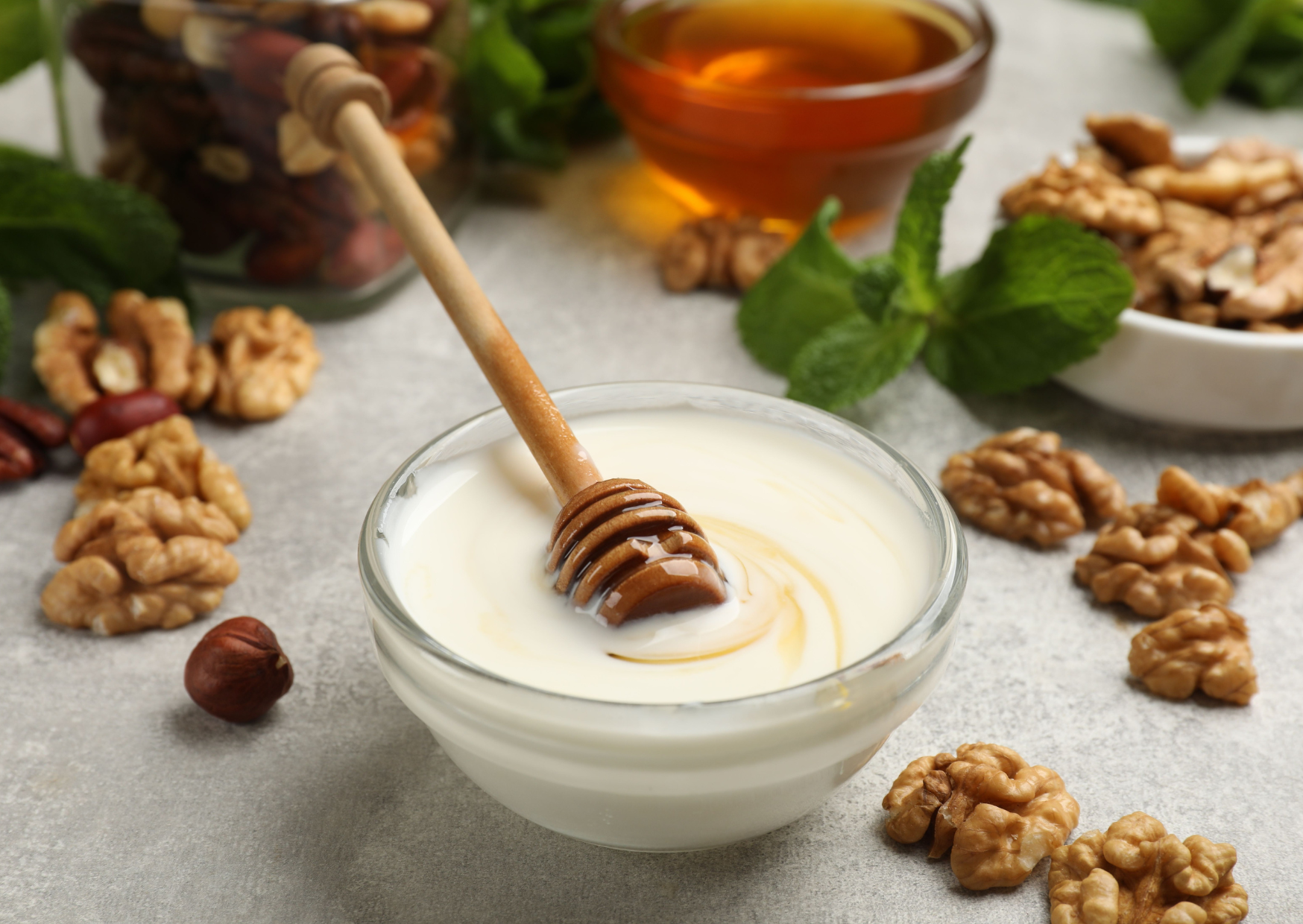
Greek kitchens are often less snack-engineered than American ones.
That starts with dairy.
8. Plain yogurt is a staple, not a dessert product.
This matters more than the word “Greek yogurt” on an American supermarket tub. In actual Greek food culture, yogurt is often plain, unsweetened, and flexible. It can sit next to fruit, under vegetables, beside grilled foods, or inside sauces and soups. It is not automatically transformed into a sugar-delivery system with cookie crumbs and birthday-cake flavoring.
That older habit now looks smart for two reasons.
First, it tends to keep added sugar lower.
Second, it overlaps with the renewed interest in fermented foods. The Stanford fermented-food trial is one reason American nutritionists keep circling back to foods long treated as ordinary in many traditional kitchens. A diet higher in fermented foods increased microbiome diversity and decreased inflammatory markers over the study period. Greek yogurt is not the only fermented food that matters, and not every yogurt on a store shelf behaves the same way, but the bigger lesson is clear: a kitchen that keeps plain fermented foods in rotation often ends up nutritionally stronger than one built on sweetened convenience snacks.
The next fridge habit is simple and very Greek.
9. Fruit is the default sweet finish more often than cake is.
Not never cake.
Not never pastries.
Just not automatically. Fruit after lunch. fruit after dinner. fruit sitting out where it gets eaten. That one habit changes the whole week because dessert stops being a nightly production. The meal can still feel complete without turning every evening into a sugar event.
This is the kind of thing American nutritionists describe with clinical phrases like energy density, satiety, or glycemic load.
Greek kitchens describe it with a bowl of peaches, grapes, oranges, or melon on the table.
Sometimes older food cultures really are that blunt.
Variety Is Built In Before Anybody Starts Counting Plants
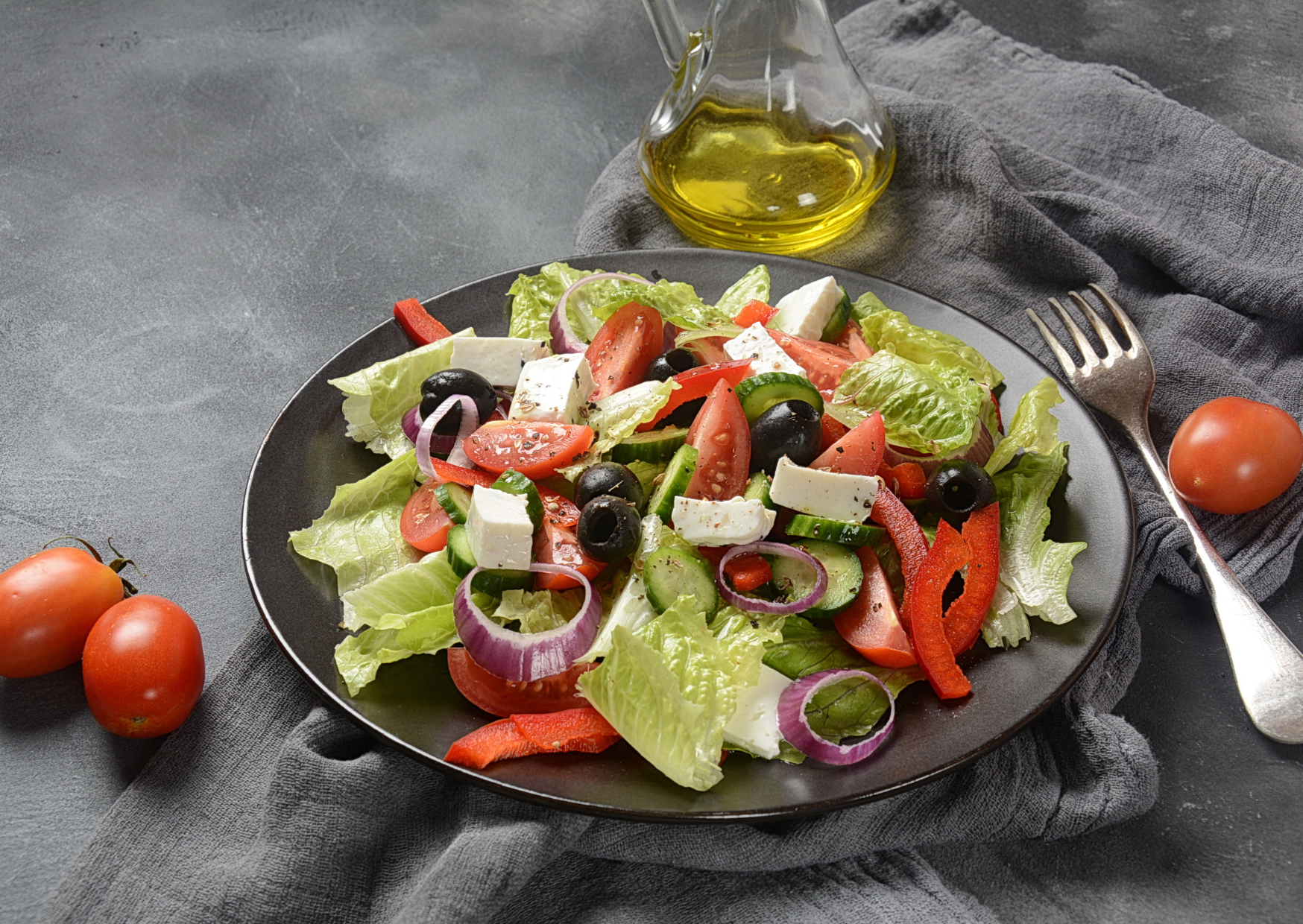
The current American gut-health world loves plant diversity.
Greek kitchens have been sneaking it in for years.
10. Herbs, greens, pulses, olives, nuts, vegetables, and grains all count, and they show up together.
That matters because food diversity is easier to achieve when it is not treated like homework. The American Gut data helped popularize the now-famous “30 plants a week” idea because people who reported eating more than 30 kinds of plant foods had a more diverse gut microbiome than those eating 10 or fewer. Greek cooking reaches toward that logic almost accidentally. Oregano counts. dill counts. mint counts. lentils count. walnuts count. olives count. greens count. beans count. tomatoes count. onions count. garlic counts. even the spices folded into ordinary meals count.
This is where Greek food looks smarter than a lot of American wellness food.
It does not rely on one heroic ingredient.
It relies on accumulated variety.
A spinach pie is not just spinach.
It may also bring herbs, olive oil, onion, scallions, flour, maybe fennel, maybe dill, maybe greens beyond spinach. A bean dish is not just beans. It often picks up tomato, onion, garlic, bay, parsley, olive oil, maybe carrot, maybe celery. That layering is good for flavor, but it also quietly builds plant diversity without anyone tracking points on an app.
The herb habit deserves its own line.
Greek cooking does not use herbs like decoration.
It uses them like groceries.
Older Greek nutrition work found that herbs and spices, despite being eaten in small amounts, significantly contributed to flavonoid intake because they were used so often. That is a very Mediterranean kind of intelligence. You do not need to drink a miracle powder if your normal cooking already keeps small daily doses of useful plant compounds moving through the kitchen.
The Table Changes the Meal More Than Americans Admit
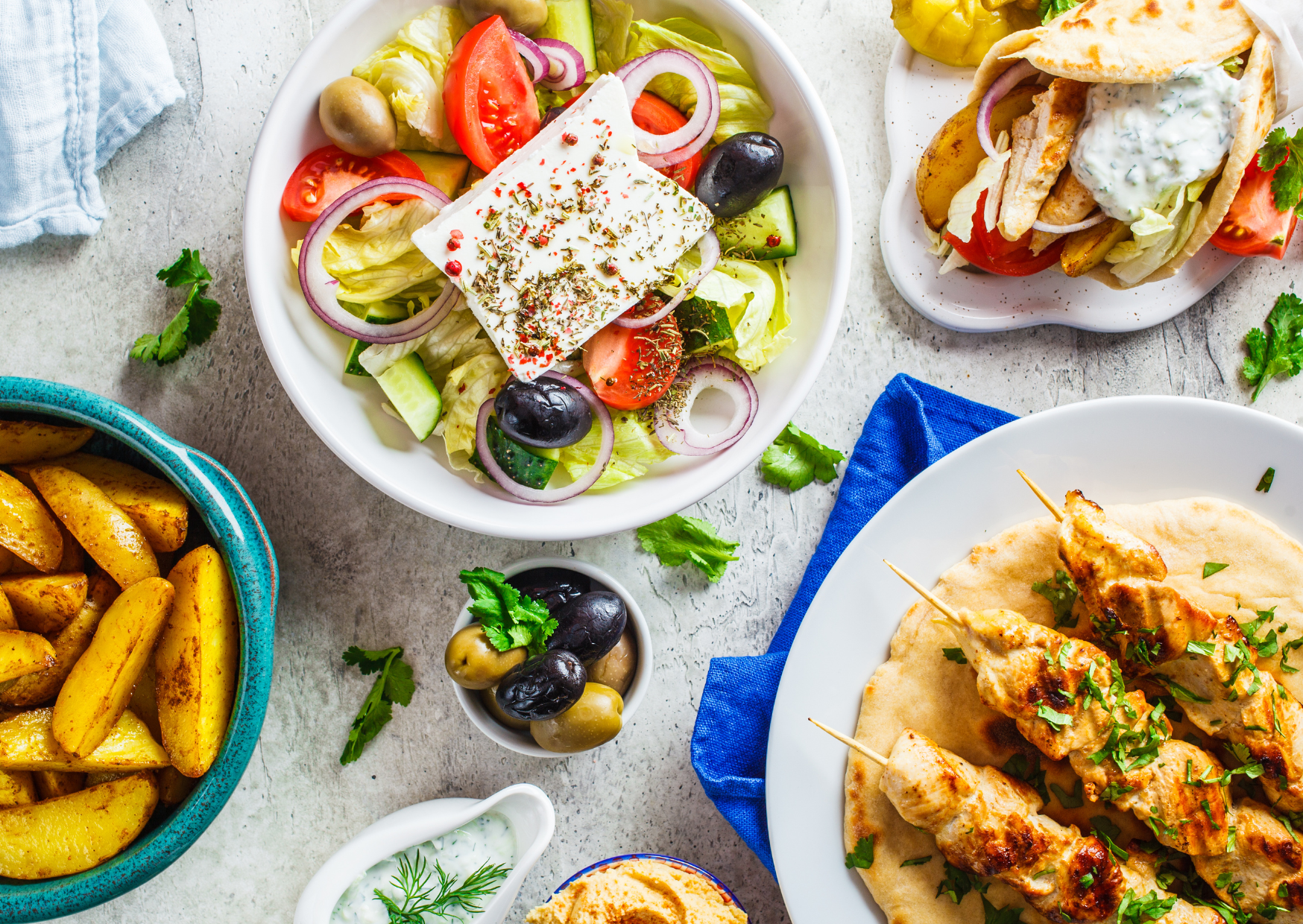
The last Greek kitchen habit is not really about food.
That is exactly why it matters.
11. Meals are more likely to happen at a table, with other people, and at a pace that makes grazing harder.
This is not nostalgia.
It is structure. The newer Mediterranean lifestyle research keeps nudging in the same direction: the benefits are not only about the ingredient list. The MEDLIFE work has looked at social habits, meals with others, rest, lower snacking, whole grains, salt habits, and broader lifestyle patterns alongside food. In middle-aged and older adults in the UK Biobank, greater adherence to the Mediterranean lifestyle pattern was associated with lower all-cause and cancer mortality, and the social-habit block mattered too.
That does not prove that lunch with your cousin cancels out a bad diet.
It does suggest that how people eat is not trivial.
Greek kitchens often make overeating slightly harder without turning that into a morality play. The meal has shape. There is a start, a middle, an end. There are plates. There is conversation. There is often less random solitary snacking out of packages because the kitchen is still organized around actual meals.
American nutrition culture has spent decades treating the body like a chemistry set and the eater like a weak-willed problem to be managed.
Greek kitchen culture often works from the opposite end.
Make real food.
Put it on the table.
Eat it slowly enough to notice it.
Repeat that pattern most days and the nutrition story usually improves on its own.
That is the less marketable truth.
And probably the more useful one.
Why These Habits Age Better Than Trends
People over 45 usually do not need another six-week food plan.
They need a kitchen that does not keep forcing bad decisions.
That is why the Greek habits matter. They are not dramatic enough to feel like a reset, which is exactly why they are more realistic. A bottle of olive oil on the counter. cooked beans in the fridge. plain yogurt instead of dessert yogurt. fruit visible. herbs used aggressively. vegetables cooked until they are actually pleasant. greens treated as food, not punishment. fish when practical. meat smaller. meals eaten sitting down.
None of this is exotic.
That is the point.
The Greek kitchen never really needed to separate “healthy habits” from “normal cooking” the way American food culture often does. It did not build a second fake kitchen for dieting and a real one for living. The same room handled both.
Modern nutrition keeps catching up to that.
Slowly.
Sometimes awkwardly.
Often with unnecessary jargon.
But the direction is obvious. Extra-virgin olive oil keeps looking useful. Legumes keep looking underused. fermented foods keep looking interesting. plant diversity keeps looking important. shared meals keep looking less trivial than people assumed. Bitter greens, herbs, tomatoes cooked in oil, simple yogurt, fruit for dessert, these are not miracle hacks. They are low-drama habits with cumulative effects.
That is why they last.
And that is why the old Greek kitchen still has more to teach the average American house than most trendy nutrition content does.

About the Author: Ruben, co-founder of Gamintraveler.com since 2014, is a seasoned traveler from Spain who has explored over 100 countries since 2009. Known for his extensive travel adventures across South America, Europe, the US, Australia, New Zealand, Asia, and Africa, Ruben combines his passion for adventurous yet sustainable living with his love for cycling, highlighted by his remarkable 5-month bicycle journey from Spain to Norway. He currently resides in Spain, where he continues sharing his travel experiences with his partner, Rachel, and their son, Han.