
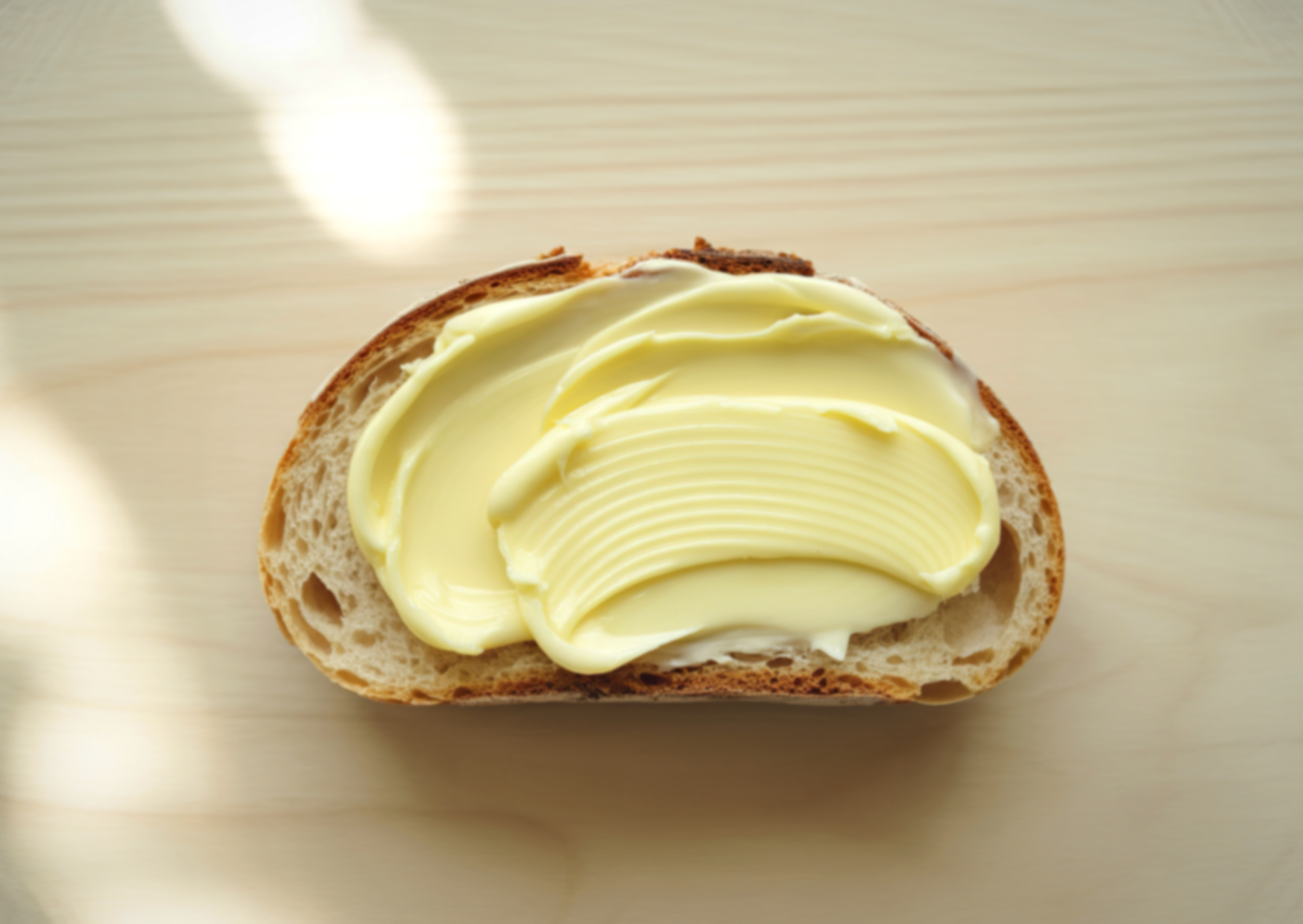
The difference is small on paper and obvious in the oven. European-style butter often brings a little more fat, a little less water, and sometimes a cultured tang that standard American sweet-cream butter does not. In loud recipes, that barely matters. In shortbread, pie crust, biscuits, and pastry, it absolutely does.
The useful version of this article is not “American butter is bad” and not “European butter is magic.”
It is simpler than that.
In the United States, standard butter is usually built around the legal minimum of 80% milkfat. In the EU, the baseline legal definition of butter also starts at 80% milkfat, with a maximum 16% water, so Europe is not using some totally different legal category. The real baking difference is that many premium European-style butters sold to home bakers are often a little richer than the minimum, and many are cultured, which changes both flavor and performance.
That means the title promise is not about one scary extra additive.
It is about three practical things: butterfat, water, and culture. More fat usually means less water. Less water changes dough behavior. Culture changes flavor, and sometimes enough to justify paying more. Standard American butter is still excellent for everyday baking. European-style butter just has a stronger case in recipes where butter is doing most of the talking.
The cleanest way to show that is not with cake.
It is with shortbread.
The Shortbread Test You Can Actually Taste
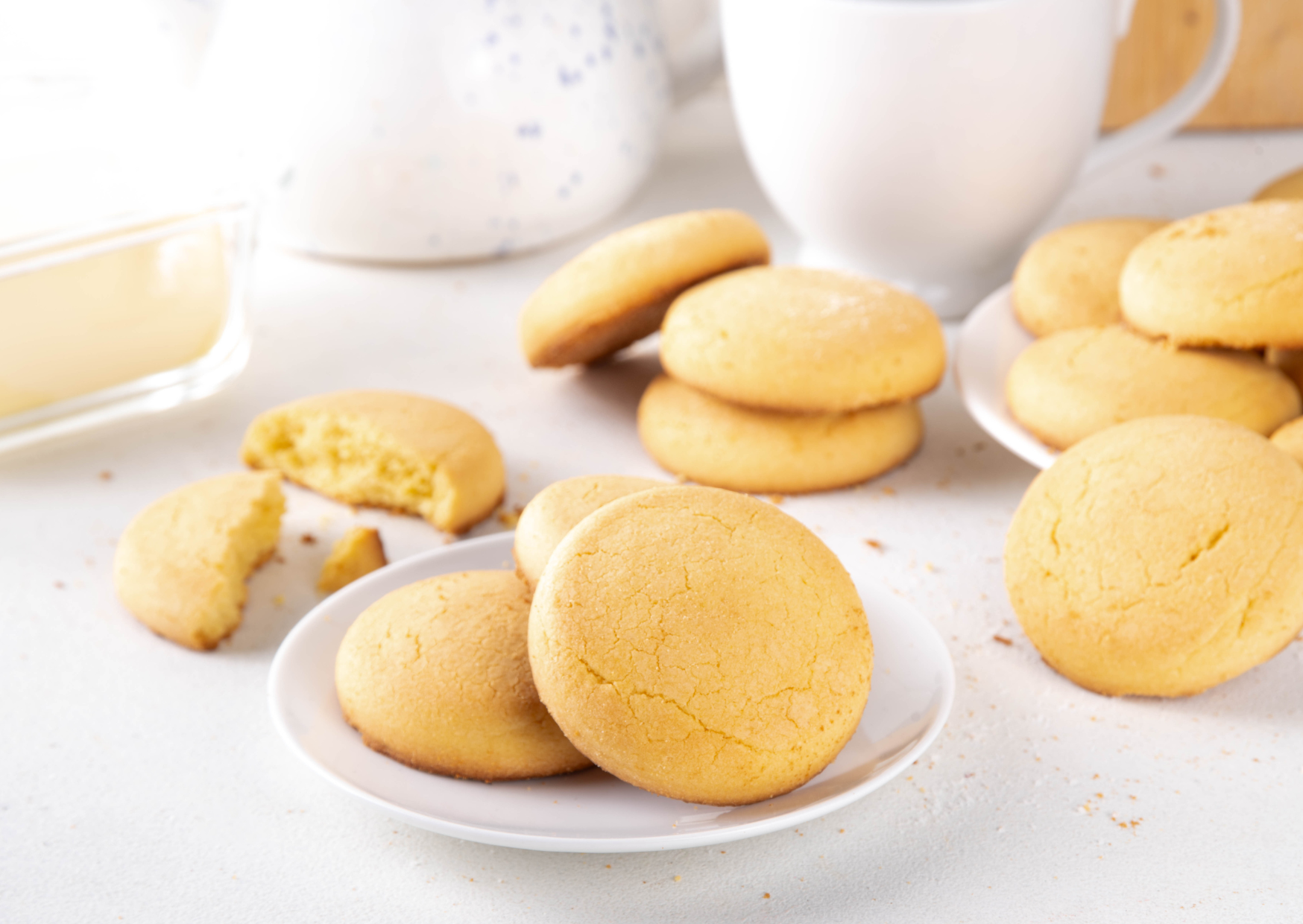
If you want to know whether better butter matters, make a recipe quiet enough for the butter to be heard.
Shortbread is perfect for that because it does not give you anywhere to hide. No chocolate. No frosting. No fruit. No spice cabinet theatrics. Just butter, sugar, flour, and salt. In a butter-forward bake like that, both the flavor difference from culturing and the texture difference from higher butterfat are much easier to notice. Even current baking guidance on cultured butter makes the same point: the flavor stands out best in simple buttery bakes and gets lost much more easily in louder recipes.
This is also why people get confused about butter advice online.
Someone swaps in expensive butter for brownies, tastes almost nothing different, and decides the entire category is hype. Then someone else uses cultured or higher-fat butter in shortbread or pie dough and suddenly understands what people were going on about. Both experiences are real. The recipe decides whether the butter gets to matter.
So here is the version that makes the difference obvious.
Yield
Makes 2 small batches, about 24 shortbread fingers total
Time
20 minutes prep
20 minutes chilling
22 to 28 minutes baking
Ingredients for Batch One
- 113 g standard American unsalted butter, softened but still cool
- 45 g granulated sugar
- 140 g all-purpose flour
- 1/4 teaspoon fine salt
- 1 teaspoon vanilla extract, optional
Ingredients for Batch Two
- 113 g European-style or cultured unsalted butter, softened but still cool
- 45 g granulated sugar
- 140 g all-purpose flour
- 1/4 teaspoon fine salt
- 1 teaspoon vanilla extract, optional
Equipment
- 2 mixing bowls
- digital scale
- hand mixer or wooden spoon
- parchment paper
- 2 small tart pans, 2 cake tins, or 1 baking sheet with two parchment-marked rectangles
- fork or skewer
Procedure
- Heat the oven to 170°C. Line your pans or baking sheet with parchment.
- Make the American-butter dough. Beat the American unsalted butter and sugar just until smooth and creamy, about 1 to 2 minutes. Beat in the vanilla if using.
- Add the flour and salt. Mix just until the dough comes together. It should look soft and a bit crumbly, not fluffy.
- Shape the dough. Press it into a small pan or form it into a rectangle about 1.5 cm thick. Prick all over with a fork.
- Repeat with the European-style butter. Make the second batch the same way.
- Chill both batches for 20 minutes so the comparison stays fair.
- Bake for 22 to 28 minutes, until the edges are lightly golden and the tops look dry and set.
- Cool briefly and cut. Let the shortbread sit for about 10 minutes, then cut into fingers or wedges while still warm. Cool completely.
- Taste side by side. Start plain. No jam, no chocolate, no tea first. You want the butter itself.
What You Should Notice
The shortbread made with standard American butter will usually taste cleaner, simpler, and milder, with a crumb that feels a little firmer and slightly less sandy.
The shortbread made with European-style or cultured butter will usually taste richer, rounder, and more aromatic, sometimes with a faint tang, and the texture often feels a little more delicate and tender. Not dramatically. Just enough that once you notice it, it is hard to un-notice.
What European-Style Butter Actually Is
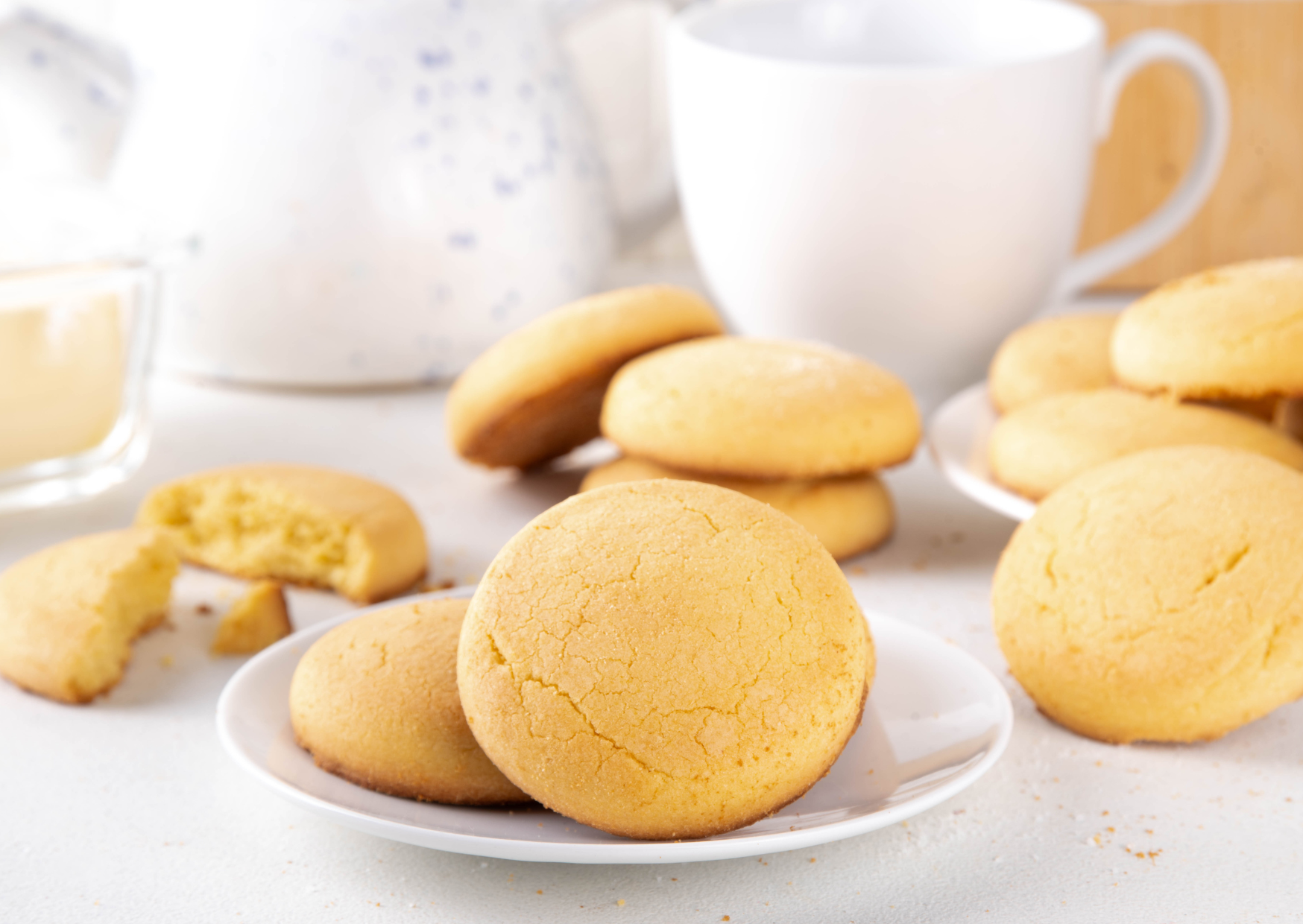
This is where the grocery aisle gets messy.
“European-style” is not a single legal global category. In practice, it usually means butter that is positioned as richer and often higher in butterfat than standard supermarket butter. In the U.S., ordinary butter usually sits at the 80% legal minimum. Premium European-style butters commonly go above that, often into the 82% range or a bit beyond. That two-point difference sounds tiny, but in dough it means slightly less water and a little more fat, which is exactly the sort of shift pastry notices.
Then there is the second distinction.
Some European-style butters are also cultured. That means the cream is fermented with bacterial cultures before churning. Vermont Creamery describes its process very clearly: pasteurized cream gets a bacterial culture, the cream ferments, flavor compounds develop, and only then does churning happen. That extra step is the source of the tangier, deeper, more “buttery” flavor people notice in cultured butter. Kerrygold also explicitly markets its unsalted butter as having a cultured flavor profile and higher butterfat content.
Standard American butter, by contrast, is usually sweet-cream butter. That means no culturing step before churning. It is not inferior. It is simply cleaner and more neutral in flavor. A product like Land O’Lakes unsalted butter is positioned exactly that way: flavor control, sweet-cream taste, straightforward everyday baking. That is one reason so many American recipes perform beautifully with it. They were written around that baseline.
So the practical distinction is not “Europe has butter and America has something fake.”
It is standard sweet-cream butter vs richer and sometimes cultured butter.
That is a much more useful sentence in the kitchen.
What the Extra Fat and Lower Water Do to Dough
Flour and butter are always negotiating.
A dough that gets slightly more fat and slightly less water usually becomes more tender and sometimes more fragile. That is great in shortbread. It is also useful in pie crust, biscuits, sable, rough puff, and laminated pastry where tenderness and flake are part of the whole point. Baking references aimed at home bakers have been saying this for years: the higher the butterfat, the more potential you have for flakier pastry and a richer crumb, though the result also depends heavily on the specific formula.
Water matters because water develops gluten.
That does not mean water is bad. It means water changes texture. Standard American butter often carries a bit more water into the dough than a premium European-style butter. In pie crust, that can mean the dough behaves a little differently under the rolling pin and in the oven. In shortbread, it can mean the final crumb is a bit firmer and less fragile. In laminated dough, it can slightly affect how the layers form and how cleanly they separate.
Then there is flavor, which is sometimes the bigger deal.
Cultured butter tastes more developed before baking ever starts. That is why it tends to matter most in quiet recipes. If the butter’s flavor is a major part of the finished bake, the culture helps. If the butter is buried under cocoa, peanut butter, strong spices, or a pile of mix-ins, the payoff shrinks fast. Current baking advice on cultured butter says exactly that: use it where butter can actually shine.
This is also why expensive butter is easy to misuse.
People often buy it for the wrong recipes.
Where Better Butter Is Worth It
Use the fancy butter when butter is half the point.
That means shortbread, pie crust, biscuits, sable, puff pastry, rough puff, croissants, butter cookies, and simple cakes where you can actually taste the dairy. In these recipes, the richer fat content and cultured flavor can pull noticeable weight. Product pages and baking guidance both make this case directly, especially for pie crust and butter-heavy cookies.
Do not waste it on everything.
Brownies, heavily spiced cakes, dense chocolate cookies, banana bread, and loud dessert bars usually do not repay premium butter in proportion to the price. You still get the richness, but most of the nuance disappears under stronger ingredients. That is not a moral failing. It is just not where the butter gets to be the lead actor.
The simplest rule is this:
Quiet recipes get better butter.
Loud recipes get dependable butter.
That rule saves money and gives you better results more often than the generic “always buy European butter” advice.
What Standard American Butter Still Does Better Than People Admit
Quite a lot.
Standard American butter is the control group for a huge number of U.S. recipes. It is accessible, consistent, and close to what most American test kitchens mean when they write “unsalted butter.” King Arthur’s older butter guidance says their recipes are developed using ordinary Grade AA unsalted butter, which is one reason everyday supermarket butter still works beautifully in so many cakes, cookies, muffins, and frostings.
There is also a flavor advantage to neutrality.
Some recipes do not need extra butter personality. A plain vanilla cake, sugar cookies for decorating, standard muffins, or a weeknight crumb topping often benefit more from predictability than from deeper cultured flavor. In those recipes, standard sweet-cream butter is not a compromise. It is exactly the right tool. Land O’Lakes even frames its unsalted butter around flavor control, which is a quietly smart way to describe why ordinary unsalted butter remains so useful in baking.
And one more unglamorous truth matters here.
Technique still beats dairy snobbery.
Better butter will not rescue overmixed dough, badly chilled pastry, flour measured carelessly, or butter softened into grease. If the method is sloppy, the butter conversation becomes more expensive than helpful.
That part is boring.
It is also the part most people need.
The Store-Aisle Shortcut That Actually Helps
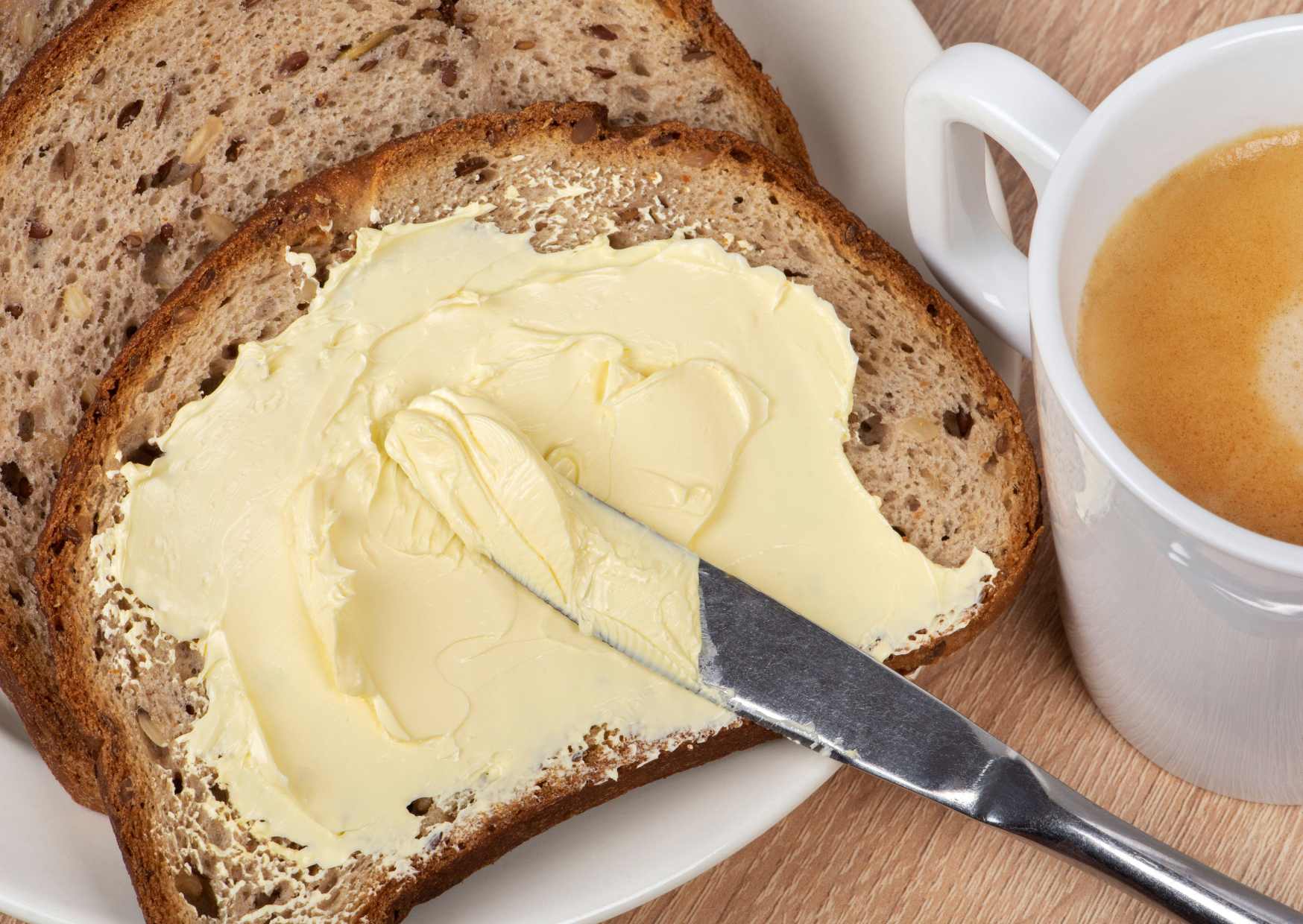
If you want the fastest useful label-reading rule, look for these clues:
Standard everyday American butter often reads like sweet cream and maybe salt.
European-style or cultured butter often mentions cultures, cultured cream, fermented cream, or higher butterfat somewhere on the pack or product page. Vermont Creamery spells out the culture step directly. Kerrygold highlights both cultured flavor and higher butterfat. Even retailer ingredient listings for common American butter sometimes show the contrast plainly, with standard unsalted butter reading much more simply.
That is the real takeaway.
Not that American butter is wrong.
Not that European butter is always better.
Just that European-style butter changes baking most when the recipe is quiet enough to let it.
And shortbread is the easiest way to prove that to yourself without wrecking a pie.

About the Author: Ruben, co-founder of Gamintraveler.com since 2014, is a seasoned traveler from Spain who has explored over 100 countries since 2009. Known for his extensive travel adventures across South America, Europe, the US, Australia, New Zealand, Asia, and Africa, Ruben combines his passion for adventurous yet sustainable living with his love for cycling, highlighted by his remarkable 5-month bicycle journey from Spain to Norway. He currently resides in Spain, where he continues sharing his travel experiences with his partner, Rachel, and their son, Han.