
American Easter food is oddly narrow for a holiday that is supposed to announce spring.
A glazed ham. Deviled eggs. Chocolate rabbits. Maybe brunch if the family is feeling energetic. Maybe a lamb if someone in the family still insists on making the table feel like a proper occasion.
Much of Europe goes at Easter very differently.
The table gets denser, stranger, more regional, and more old-fashioned in a way Americans often do not expect. There are fried slices of wine- or milk-soaked bread, sweet breads braided around dyed eggs, savory cheese loaves, ricotta pies scented with orange blossom, midnight soups made to end Lent properly, and enough lamb, kid, cod, cinnamon, and anise to make a modern American brunch table feel slightly underdressed.
This is not one neat European tradition. It is a seasonal collision of church calendar, spring hunger, peasant thrift, family baking, and the simple fact that eggs, flour, milk, and early herbs start showing up in kitchens at exactly the moment people are ready to celebrate again.
That is why Easter food across Europe still feels so alive.
It is not decorative.
It is food with a job to do.
Europe Does Easter With Bread, Eggs, Sugar, And Restraint
The first thing Americans tend to miss is that European Easter food is rarely built around candy.
Yes, there is chocolate. Yes, there are sugared almonds in some places, elaborate cakes in others, and enough bakery-window temptation to ruin anyone’s self-respect before lunch. But the holiday still leans heavily on foods that sit between fasting and feasting. Bread matters. Eggs matter. Lamb matters.
That gives the table a very different tone.
In Spain, Easter sweets still sit next to cod-and-chickpea dishes that belong to the end of Lent. In Portugal, folar can be sweet or savory depending on region and family. In Italy, the holiday table swings happily between perfumed ricotta desserts and dense savory breads full of cheese and cured meat. In Greece, the table can move from red eggs and tsoureki to magiritsa after midnight and then straight into lamb.
This is one reason European Easter food feels more memorable than American Easter food.
It is less tidy.
Not everything is trying to be cute. Some of it is sweet. Some of it is salty. Some of it looks festive. Some of it looks like something a grandmother built because spring arrived, Lent ended, and the house had eggs to use.
That mix is better.
It tastes more like a real season and less like a retail category.
Start With Folar, Because It Explains Half The Holiday
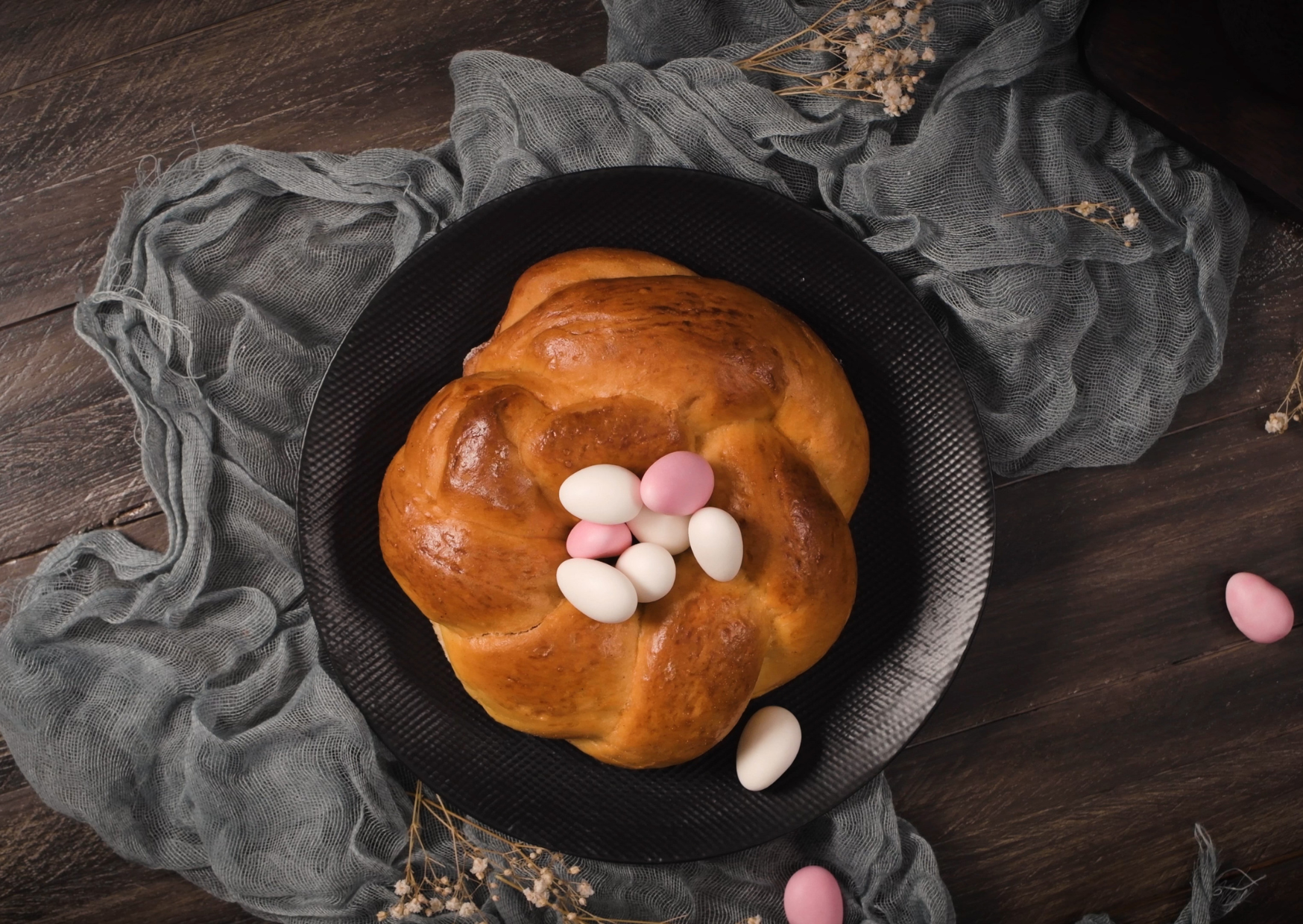
If you want one Easter bread that immediately tells you Europe is playing a different game, make Portuguese folar da Páscoa.
Not the industrial sweet loaf version that travels badly and often tastes like a compromise.
The proper homemade thing.
It sits somewhere between enriched bread, holiday loaf, and edible symbolism. Some versions are sweet and spiced, with cinnamon and fennel. Some are savory and stuffed with meat. The classic sweet home version is the one worth making first because it is manageable, deeply Easter-looking, and unusual enough that most Americans will not have eaten anything quite like it.
The defining move is whole boiled eggs baked into the top of the bread.
That sounds decorative, and it is, but it also immediately tells you this is not just another spring loaf. It is ceremonial food that still belongs on a family table.
How To Make A Home-Style Sweet Folar
This is a sensible home version adapted from the standard Portuguese pattern, using butter instead of margarine because the result tastes better and most American kitchens already know how to behave around butter.
Ingredients
- 1 kg flour
- 250 g unsalted butter, softened
- 100 g sugar
- 3 raw eggs
- 3 boiled eggs, shell on
- 300 ml warm milk
- 11 g dry yeast
- 1 teaspoon salt
- 1 teaspoon fennel seed, lightly crushed
- 1 teaspoon ground cinnamon
- 1 beaten egg for brushing
Method
Mix the warm milk, yeast, and a spoonful of the sugar and let it sit until foamy.
In a large bowl, combine the flour, remaining sugar, salt, cinnamon, and fennel. Rub in the softened butter, then add the three raw eggs and the yeast mixture. Knead until the dough turns smooth and elastic. It should feel soft, rich, and slightly tacky, not wet.
Let it rise until doubled.
Shape it into a round loaf or a thick oval. Nestle the three boiled eggs on top and use strips of dough to cross over them lightly so they stay in place. Brush with beaten egg and let it rise again.
Bake at 180°C until deeply golden, usually around 35 to 45 minutes, depending on your oven and loaf shape.
Cool before slicing, even if the kitchen smells like you have suddenly become a much better person than you were yesterday.
Why It Works
This bread succeeds because it is not too sweet.
That is the first surprise.
Americans are used to holiday breads that either read as dessert or collapse into scented fluff. Folar keeps more dignity than that. The dough is enriched with eggs and fat, which gives it tenderness, but the sugar stays restrained. Cinnamon and fennel do not make it taste like candy. They make it taste old, almost liturgical, with just enough spice to feel unmistakably Easter.
The eggs on top are not just symbolism. They also help the loaf announce itself visually before anyone cuts into it.
Food-science-wise, this is classic enriched-dough territory. Fat softens the crumb, eggs add richness and color, and a proper knead builds enough gluten to keep the bread from turning cakey. The second rise is what keeps it from eating like a brick.
What It Costs In Portugal Right Now
Using current Portuguese supermarket pricing for flour, eggs, milk, butter, sugar, and yeast, a home folar comes in at roughly €5 to €6 before energy, and a little less if you already have cinnamon, salt, and fennel in the cupboard.
That is one of the nice things about European Easter food in general. A lot of it still comes from cheap pantry ingredients treated seriously.
U.S. Substitutions And Storage
American bakers can use bread flour or regular plain flour. Butter is better than margarine here. If fennel seeds are hard to find, lightly crushed anise seed works, though it shifts the flavor. A little orange zest is welcome if you want it brighter, but do not overdo it.
Folar keeps well for two to three days wrapped at room temperature and toasts beautifully after that. Leftover slices with salted butter and coffee are frankly more persuasive than many Easter desserts.
A good one-week plan is simple:
Bake it on Thursday or Friday. Serve it through Easter weekend. Toast the last slices Monday morning. Then admit, reluctantly, that Americans should probably have a holiday bread this interesting.
Spain Does Easter In Fried Bread, Cod, And Bakery Windows
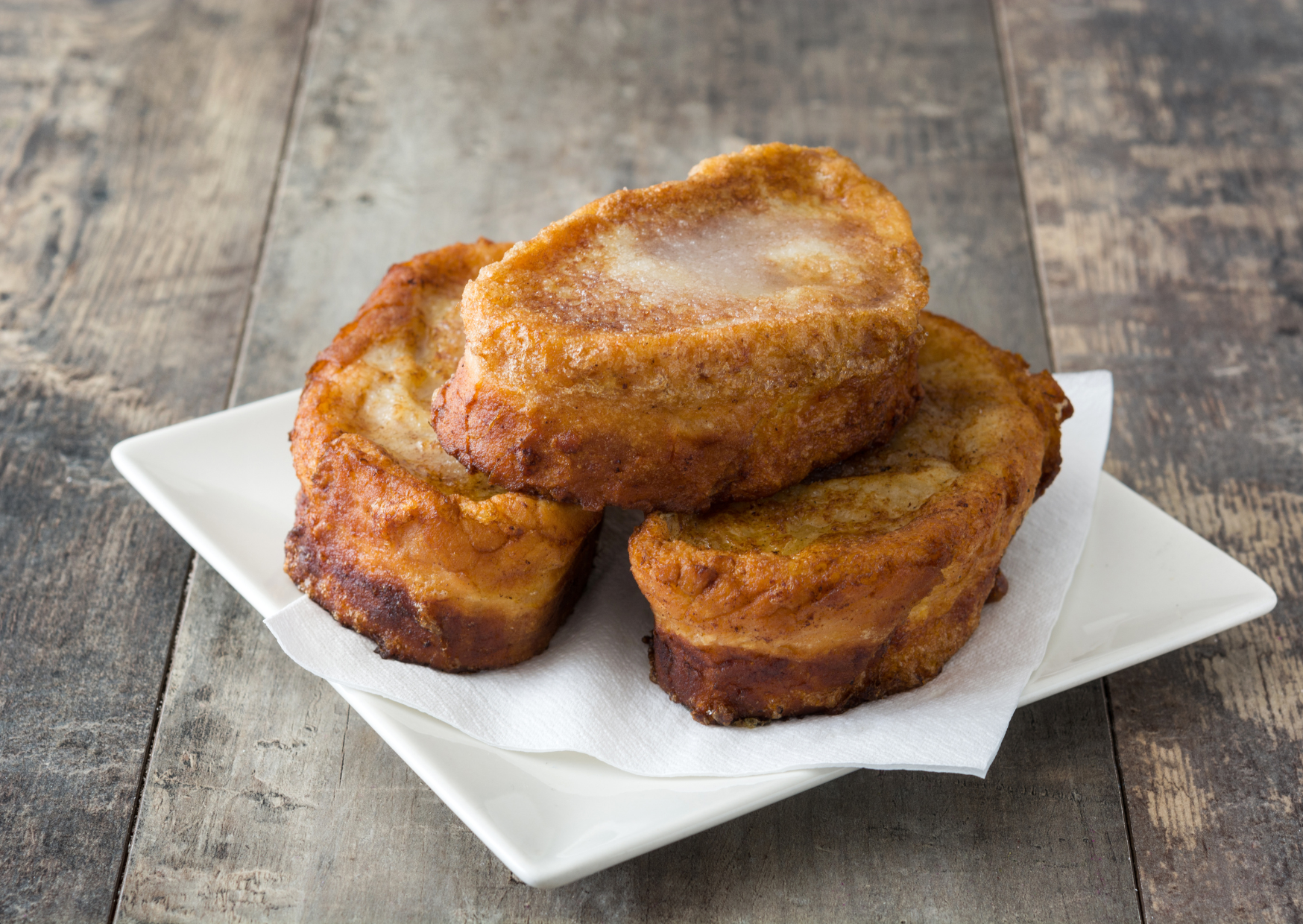
Spain’s Easter food is where Americans usually realize they have been underachieving.
The obvious star is torrijas, which look like French toast until you eat one and realize that comparison is both fair and insulting. They are usually made from stale bread soaked, fried in olive oil, and finished with sugar, honey, syrup, or wine depending on region and house habit. They are soft, rich, and slightly excessive in the way proper holiday food should be.
Then the table turns and gets more serious.
You also run into potaje de vigilia, the Lent-ending stew built around chickpeas, spinach, and cod. It is one of those dishes that tells you exactly how a religious calendar shapes a kitchen. No big meat flex. Just pantry logic and restraint with depth behind it.
And then there is mona de Pascua, especially along the Mediterranean coast, where the Easter cake tradition still matters enough that godparents, grandparents, children, and pastry-shop windows all take it personally.
The interesting thing about Spain is that Easter food is not trying to be one consistent style.
It is fried and austere, sweet and savory, street-procession food and family-table food all at once.
That makes it more convincing than the American version, which often feels like brunch wandered into church clothes and called it done.
Spain’s Easter table still remembers what fasting was, which is why the reward food tastes like an actual reward.
Italy Treats Easter Like A Bakery Competition With Theology Behind It
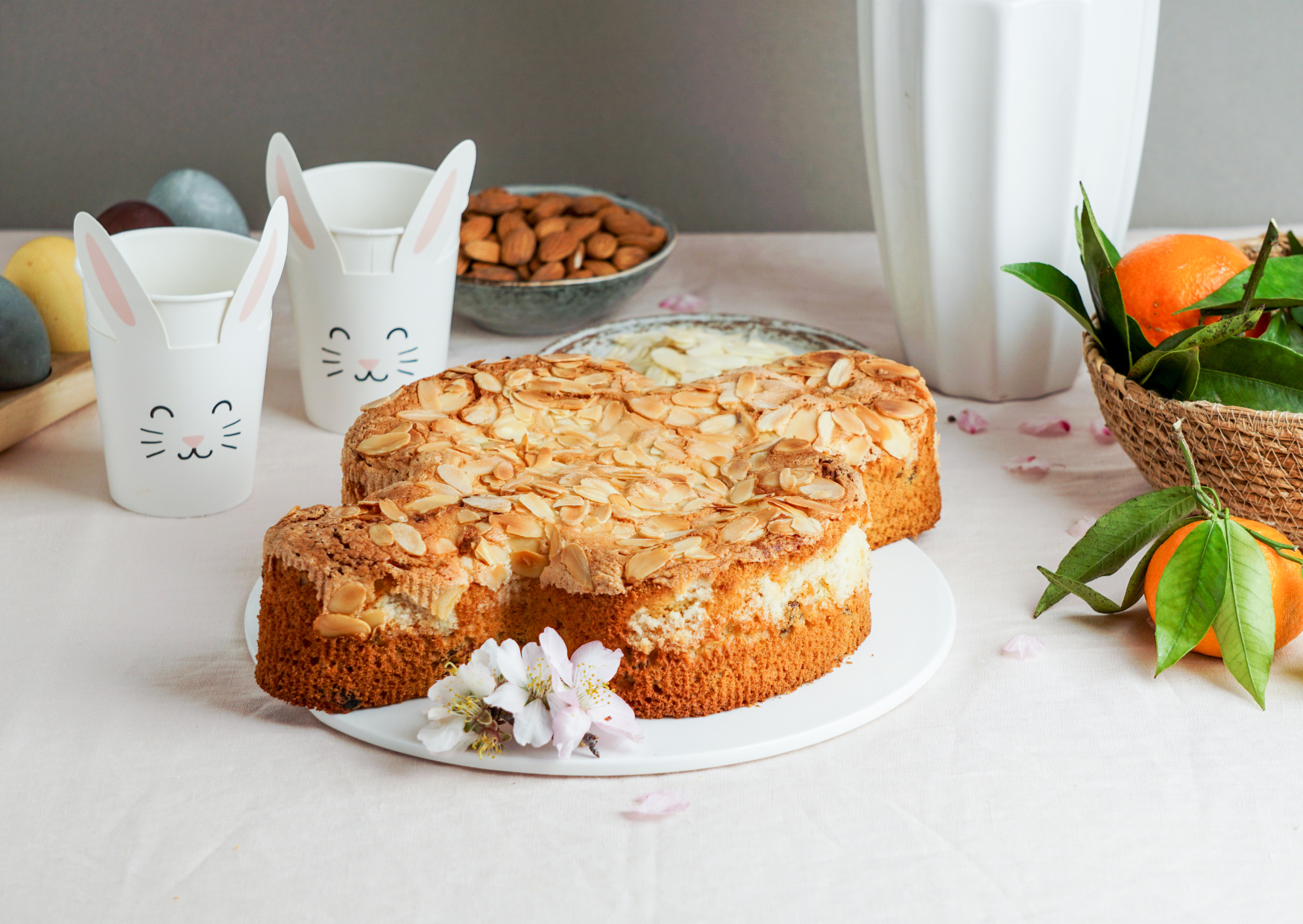
Italy, naturally, refuses to keep Easter simple.
The holiday table there is not one dish. It is a campaign.
The national bakery emblem is colomba pasquale, the dove-shaped Easter cake that sits in the same family as panettone but behaves more like spring. It is glazed, almond-topped, festive, and engineered to make breakfast coffee feel slightly more ceremonial than it really is.
But the better surprise is lower on the table.
In Naples and much of southern Italy, Easter means pastiera, one of the great European holiday desserts and still strangely under-known in the United States. It is a pie made with ricotta, cooked wheat, eggs, sugar, and orange blossom, which sounds as if it should be too much and instead tastes like somebody found a way to bake spring itself into a pastry shell.
Then the savory side arrives.
This is where Americans who think Easter is about one main dish and a basket of candy start losing the plot. Italy answers with casatiello, crescia, and other regional breads and cakes where cheese, eggs, salami, and rich dough all show up with very little apology.
That is the part American Easter often misses. Savory baking with conviction.
Not dinner rolls. Not neutral bread. Bread that behaves like a meal, or at least like the most interesting thing near the plate.
The Italian Easter table still expects baking to carry emotional weight.
And once you eat through one of those tables, the average American ham-and-sides arrangement starts to feel efficient in a way holidays should never be.
Greece Ends The Fast Properly
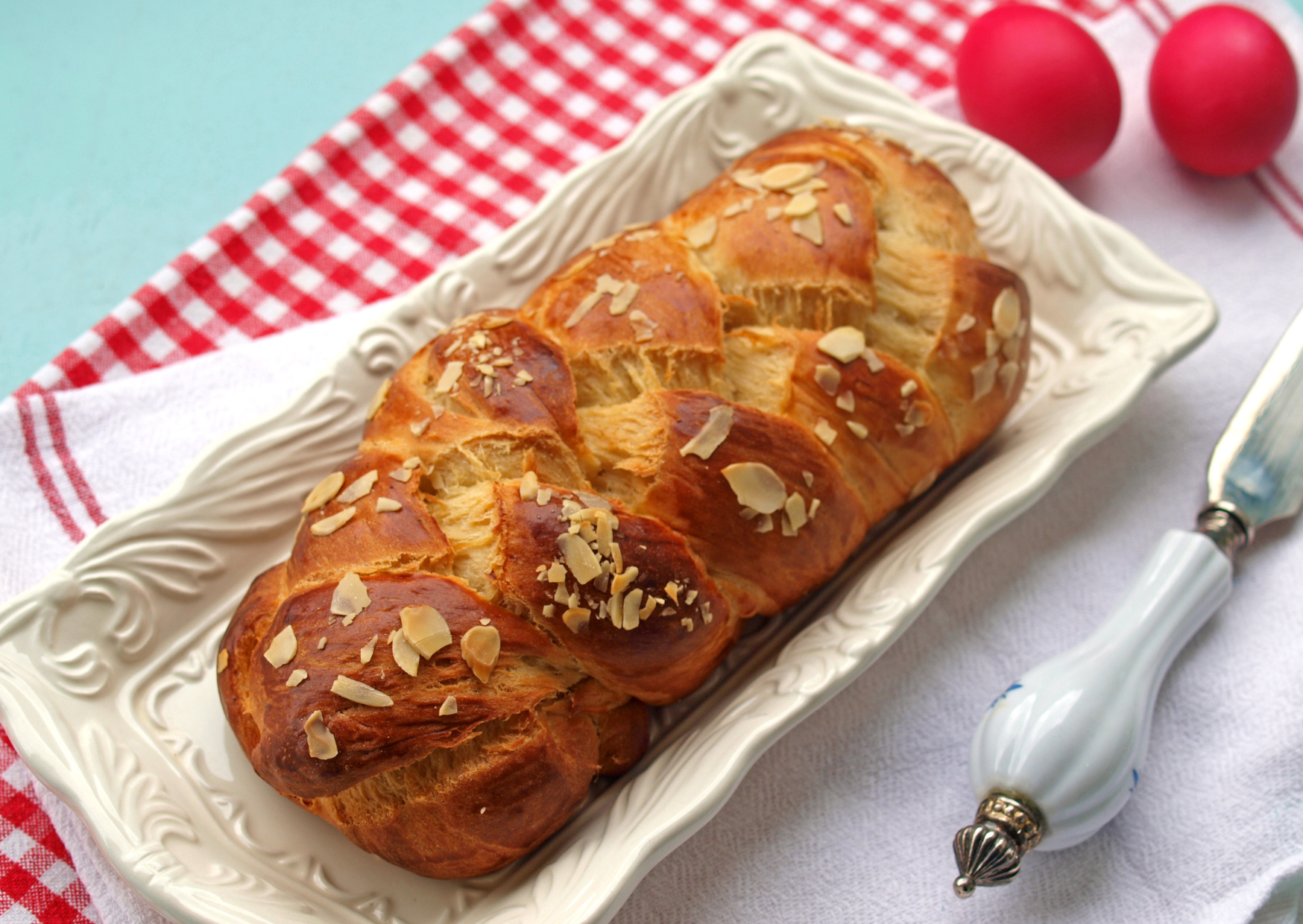
Greek Easter food is maybe the clearest example of how deeply holiday cooking can still be tied to sequence.
You do not just wake up and eat lamb.
The table unfolds.
There is tsoureki, the soft braided sweet bread that uses spice and citrus in a way that feels closer to memory than dessert. There are red eggs, still one of the most visually satisfying Easter foods anywhere because they look both festive and faintly severe.
Then there is magiritsa, the soup that Americans almost never know exists and often need a minute to process. It is traditionally served after the midnight Resurrection service to break the Lenten fast, and it often uses lamb offal, lettuce, herbs, and egg-lemon richness. This is not a cute holiday soup. It is a ritual food with a very old backbone.
And after that, of course, comes lamb.
This is why Greek Easter food feels more complete than the American version. It is not just a menu. It is a progression from restraint to release. Bread, eggs, soup, lamb, sweets, coffee, repetition, family, noise.
The American holiday table usually wants to get to the point quickly.
Greek Easter still understands that the build matters.
The fasting gives the feast edges.
Without those edges, the feast is just lunch with better marketing.
Why These Foods Taste More Interesting Than American Holiday Food
Part of it is ingredient choice.
Part of it is religion.
Part of it is that European Easter cooking never entirely severed itself from scarcity, so it still knows how to turn humble things into food that feels ceremonial.
That combination produces flavors Americans do not always expect from a holiday.
Orange blossom in pie. Fennel in sweet bread. Cod at Easter. Offal soup at midnight. Fried stale bread treated like treasure. Cheese breads that are almost indecently rich without trying to become dinner-party showpieces. Almond glazes. Dyed eggs. Braids. Lamb in forms that still feel connected to season, not just supermarket packaging.
There is also less pressure for Easter food to be cute.
That helps.
American Easter has a strong decorative streak. Pastels, candies, themed desserts, egg hunts, sugar as atmosphere. European Easter can be decorative too, but the table often stays more grounded. The food still feels like it came from households that needed to feed actual people after a serious season.
That gives it more authority.
Actually, authority is too stiff a word.
It gives it more appetite.
The food wants to be eaten, not admired for ten minutes and forgotten by Monday.
That is why even the sweets feel stronger. They are usually tied to doughs, frying, wheat, dairy, eggs, and spice, not only to color and novelty.
The result is a holiday table that feels older, yes, but also more alive.
The Easter Food Americans Should Steal First
Not all of it.
Americans do not need to start making midnight offal soup to prove they are culturally curious. Everyone can calm down.
The best Easter theft is simpler.
Steal the bread.
Steal the idea that a holiday should include one thing baked at home that actually matters.
Steal the quieter sugar level.
Steal the savory side of the table so the meal is not only ham performing importance beside candy performing spring.
And if you steal only one actual recipe, make it folar.
It is approachable, beautiful without being fussy, cheap enough to repeat, and different enough to break the usual American Easter autopilot. It tastes like a holiday from a culture that still assumes families will gather around a table and eat something specific because the season told them to.
That is the real difference.
European Easter food is still seasonal in a muscular way.
It marks the end of fasting. It welcomes spring. It uses eggs like they matter. It lets bread carry memory. It puts sweets and savory dishes on the same table without acting confused about it.
American Easter can feel charming.
European Easter still feels like someone meant it.

About the Author: Ruben, co-founder of Gamintraveler.com since 2014, is a seasoned traveler from Spain who has explored over 100 countries since 2009. Known for his extensive travel adventures across South America, Europe, the US, Australia, New Zealand, Asia, and Africa, Ruben combines his passion for adventurous yet sustainable living with his love for cycling, highlighted by his remarkable 5-month bicycle journey from Spain to Norway. He currently resides in Spain, where he continues sharing his travel experiences with his partner, Rachel, and their son, Han.