
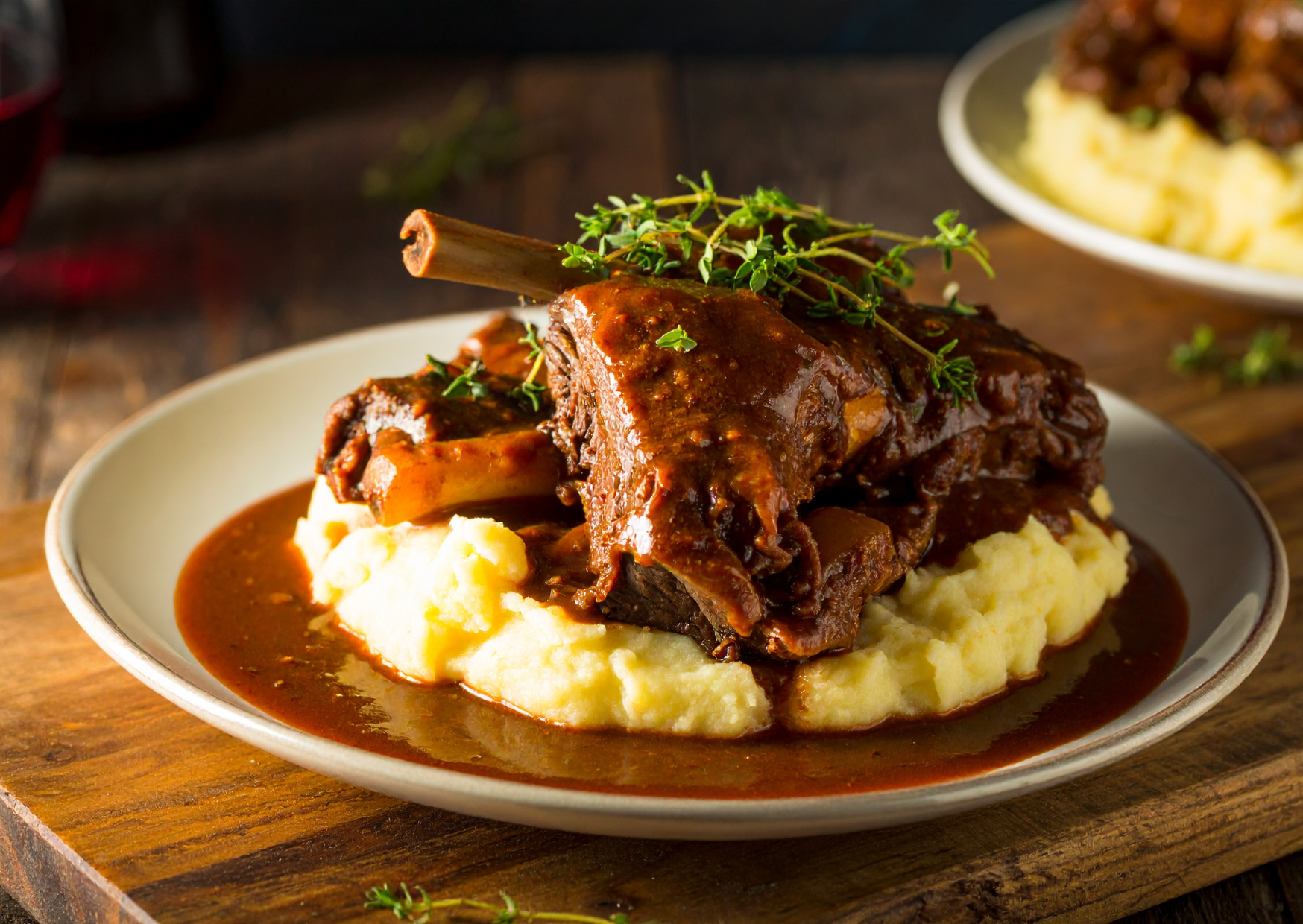
Greek lamb cooked low and slow is one of those dishes that looks like a flex and behaves like a safety system.
You put a tough cut in a pot. You add the simplest things. You wait. And after five hours, the meat doesn’t just get tender. It collapses into the kind of softness that feels like it shouldn’t be possible without restaurant tricks.
There are no tricks.
The five hours aren’t about drama. They’re about physics. Collagen takes time to turn into gelatin. Fat needs time to render. Flavor needs time to migrate. The lamb needs time to stop fighting you.
Americans often try to speed this up. Higher heat. More stirring. A bigger pile of spices. Shorter cook. More “help.”
That’s how you end up with lamb that tastes fine but still chews like a warning.
The Greek fix is the opposite: low heat and boring patience. The reward is meat that falls apart when you look at it.
This is one of those meals where the best part isn’t the ingredient list. It’s the decision to let time do the work.
The Five-Hour Rule Is About Collagen, Not Tradition
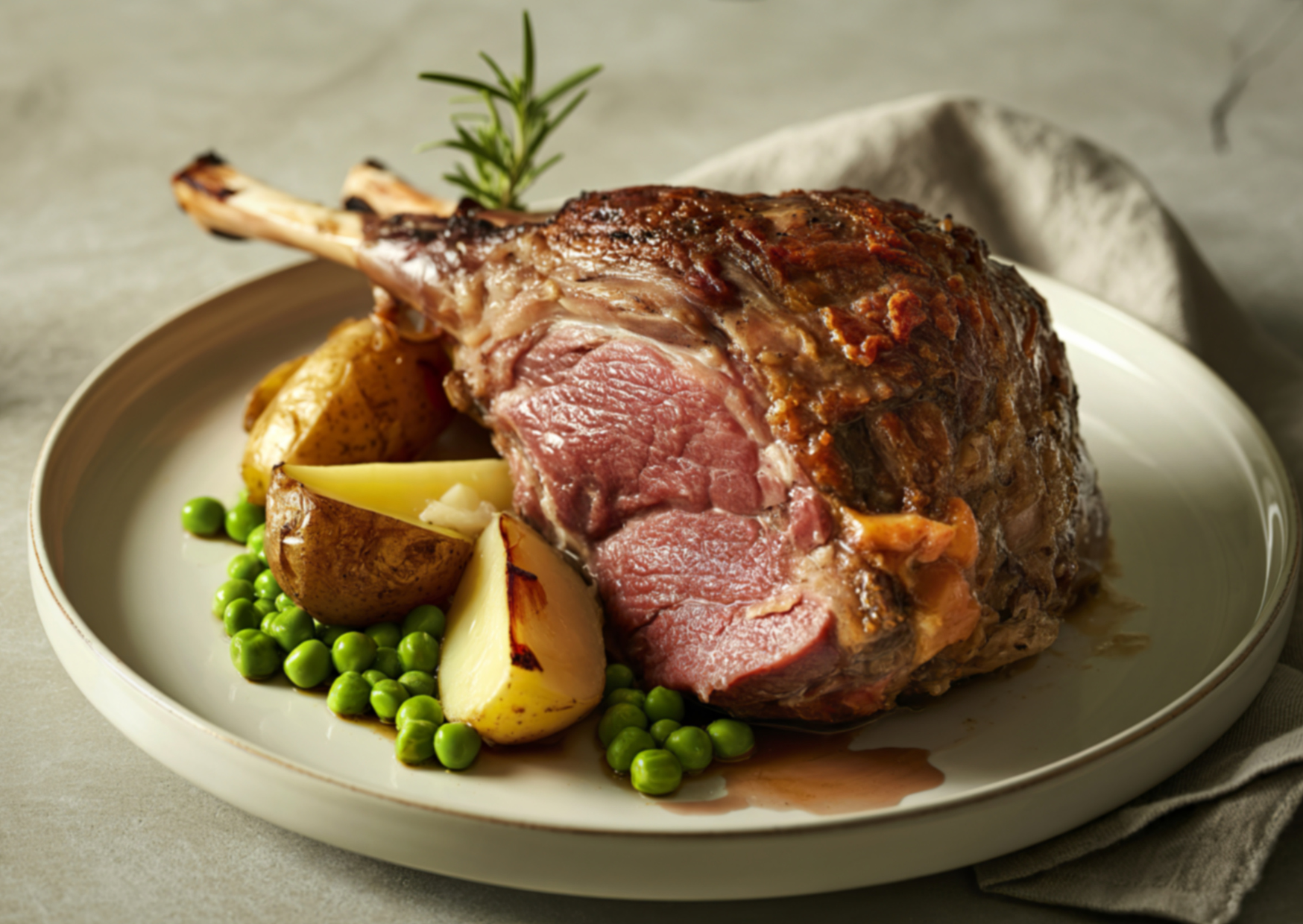
Lamb shoulder, neck, and shank are built for slow cooking.
They’re full of connective tissue. That tissue is collagen. Collagen doesn’t become tender through force. It becomes tender through conversion. Over hours of gentle heat, collagen turns into gelatin, which is what gives slow-cooked lamb that silky, spoonable feel.
If you rush it, you can get the lamb to “safe temperature” and still have it chew hard. That’s the part Americans often misunderstand. Safety and tenderness are different goals. Tenderness requires time in the sweet zone, where collagen dissolves and the meat relaxes.
The dish isn’t slow because Greeks love waiting. It’s slow because the cut demands it.
This is why “five hours” isn’t arbitrary. It’s the window where lamb shoulder stops being meat and becomes meat plus sauce.
And once you’ve tasted the difference, it’s hard to go back to faster versions. The quick lamb tastes like effort. The slow lamb tastes like inevitability.
The One Greek Habit That Makes It Worth It
Greek home cooking is often less about complexity and more about sequencing.
You don’t dump everything in a pot and hope. You build a base. You brown properly. You keep the heat honest. You salt early. You let the liquid reduce without scorching. You don’t keep opening the lid just to check.
That last one matters.
Every time you lift the lid, you drop temperature, you release steam, and you stretch the cooking time while drying the top layer. Americans do this constantly because they’ve been trained to “watch” food. Greek slow cooking is more confident. Put it in the oven or on a low burner and let it live.
The useful habit is stable heat.
Not hot, not “simmering violently,” not boiling the sauce into bitterness. Stable. Low and steady.
If you do nothing else right, do that.
Steady heat is the whole dish.
The Recipe That Actually Delivers Fall-Apart Greek Lamb
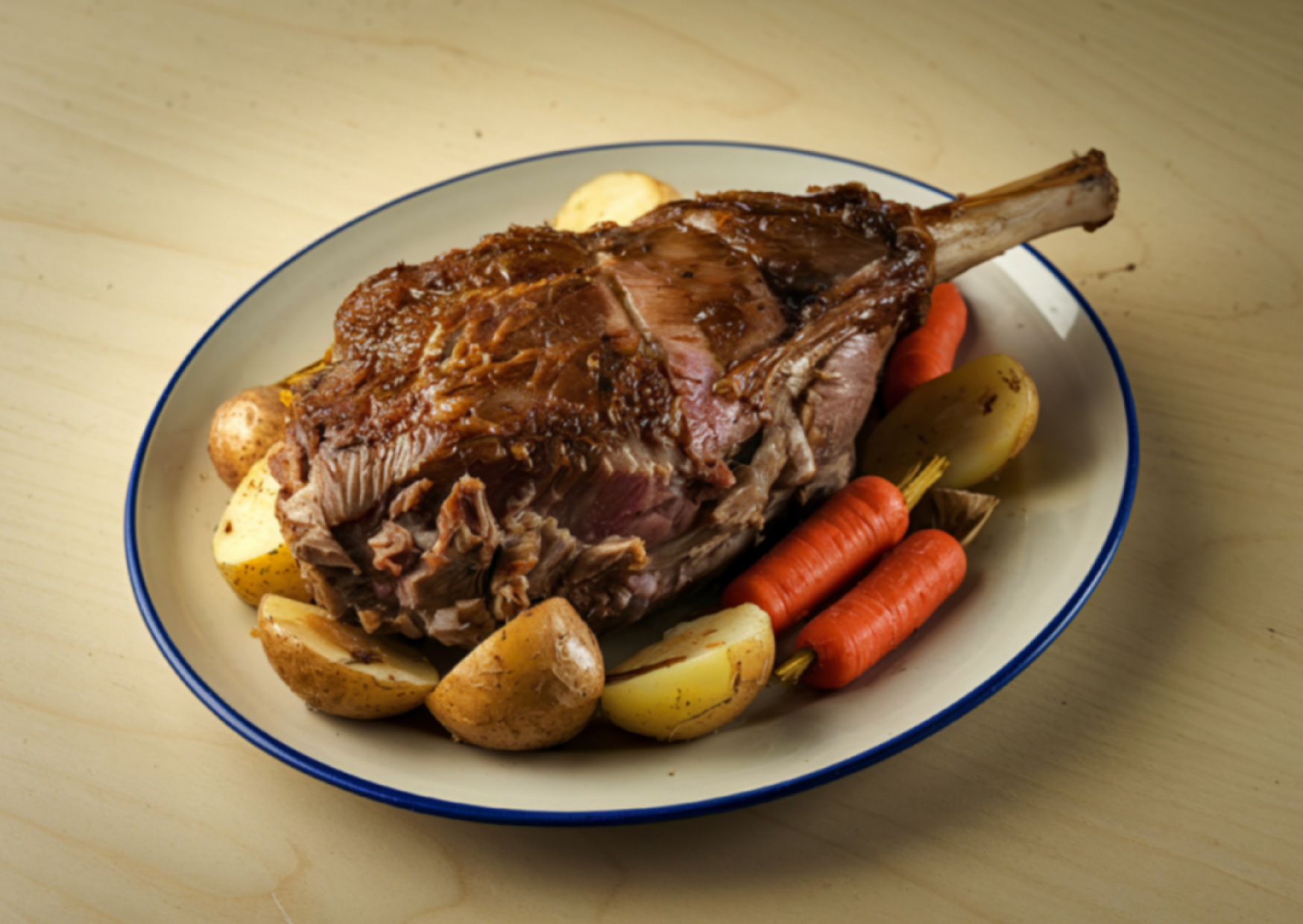
This is a classic Greek-style braised lamb you can serve with lemon potatoes, orzo, beans, or simply bread and a sharp salad. It’s built for repeatability, not ceremony.
Ingredients For 6 Portions
- Lamb shoulder, bone-in if possible: 2.0 to 2.5 kg
- Olive oil: 3 tablespoons
- Onions: 2 large, sliced (about 400 g)
- Garlic: 6 cloves, smashed
- Tomato paste: 2 tablespoons
- Canned crushed tomatoes: 1 can (400 g)
- Dry red wine: 250 ml (optional but strongly recommended)
- Beef or chicken stock, or water: 600 ml
- Bay leaves: 2
- Dried oregano: 2 teaspoons
- Cinnamon stick: 1 small stick, or 1/4 teaspoon ground cinnamon
- Whole allspice: 6 berries, or 1/4 teaspoon ground
- Salt: 2 to 3 teaspoons to start, then adjust
- Black pepper: 1 teaspoon
- Optional: a strip of orange peel
- Optional heat: pinch of chili flakes
For serving:
- Lemon wedges
- Fresh parsley
- Feta on the side if you like contrast
- Bread, rice, or potatoes
Equipment
- Heavy Dutch oven or deep oven-safe pot with lid
- Oven, ideally, though stovetop works
- Tongs and a spoon
Step By Step
- Salt the lamb.
Salt it generously on all sides. If you can, salt it one hour ahead. If not, salt it right before browning. Either way, don’t skip it. - Brown the lamb properly.
Heat the olive oil in a heavy pot over medium-high heat. Brown the lamb in batches if needed. You want deep brown, not grey steaming. This takes 10 to 15 minutes total. Remove the lamb. - Build the base.
Lower heat to medium. Add onions with a pinch of salt. Cook 8 to 10 minutes until softened and lightly golden. Add garlic for the last minute. - Toast the tomato paste.
Add tomato paste and stir for 1 to 2 minutes until it darkens slightly. This step removes raw paste flavor and adds depth. - Deglaze.
Pour in the red wine if using. Scrape the bottom well. Let it simmer 2 minutes. - Add tomatoes and seasoning.
Add crushed tomatoes, stock or water, bay leaves, oregano, cinnamon, allspice, black pepper, and optional orange peel. Stir. - Return lamb to pot.
Nestle the lamb into the liquid. The liquid should come about halfway up the meat. If it fully covers the lamb, it will taste boiled. If it barely touches, it can dry out. Adjust with water if needed. - Cook low for a long time.
Cover and cook in a 150°C oven for 4.5 to 5 hours. Turn the lamb once halfway through if you remember. If you forget, it will still be fine.
Stovetop option: keep it at the gentlest simmer you can manage, lid slightly ajar, and check the bottom every hour to prevent scorching.
- Check tenderness.
At 4.5 hours, press a fork into the thickest part. If it fights back, give it 30 more minutes. The goal is no resistance. The lamb should shred with minimal pressure. - Finish the sauce.
Remove lamb to a tray. Skim excess fat if needed. Simmer the sauce uncovered for 10 to 20 minutes until slightly thickened. Taste and adjust salt. - Serve.
Pull the lamb into chunks. Spoon sauce over. Add parsley and lemon on the table.
That’s it. Five hours of slow heat, 30 minutes of actual work.
The dish is lazy on purpose.
Why Greeks Add Cinnamon And Allspice
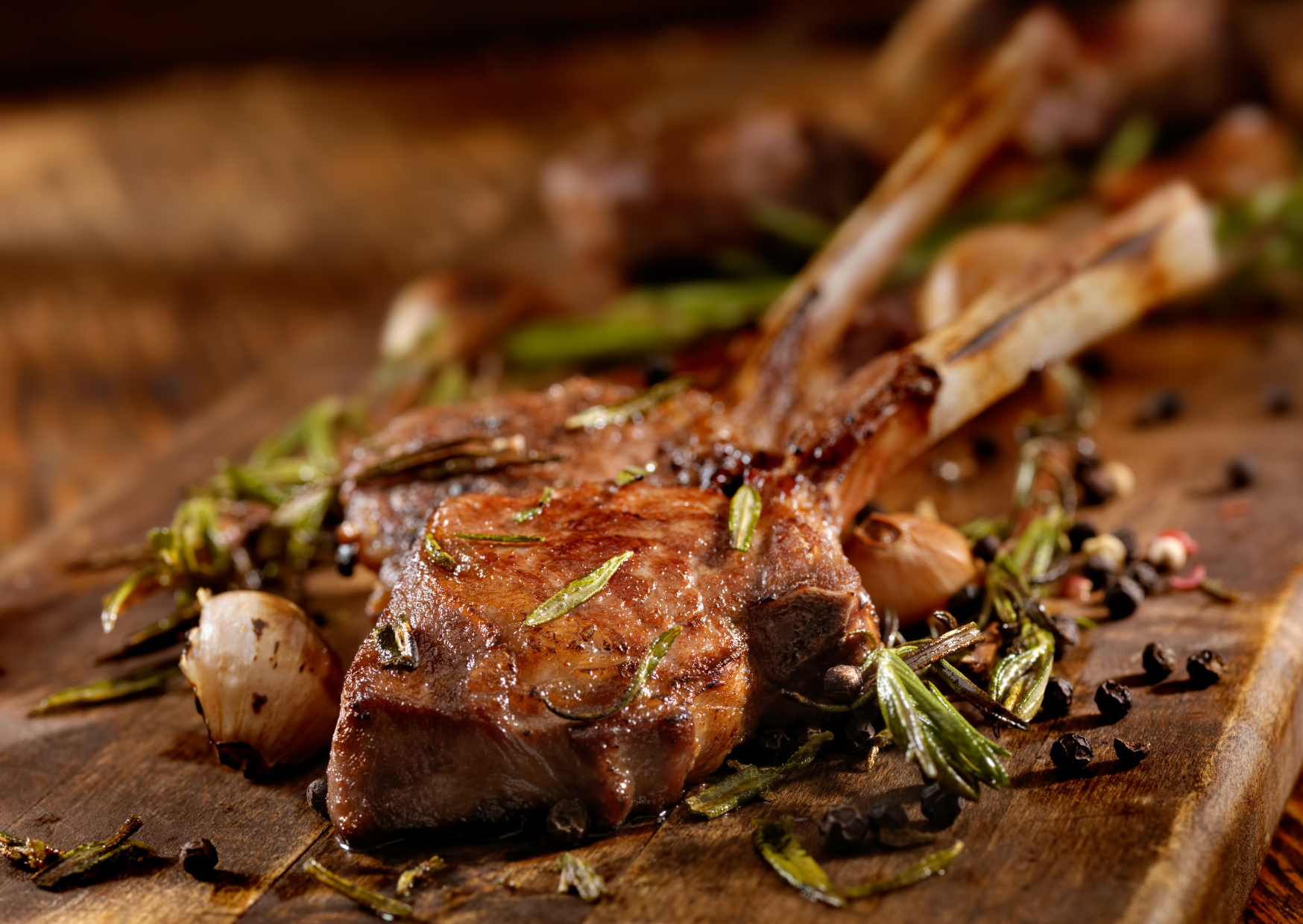
This is the part Americans sometimes overdo.
Greek lamb often uses warm spices like cinnamon and allspice in tiny amounts. Not to make it sweet. Not to make it “spiced.” To make the tomato-lamb base taste more rounded and less blunt.
A small cinnamon stick doesn’t make it taste like dessert. It makes the sauce feel deeper. Allspice does the same.
The American mistake is adding too much because the scent is exciting. Keep it small. The goal is a quiet background note, not a holiday candle.
When done correctly, you won’t taste “cinnamon.” You’ll taste a sauce that feels finished.
A little spice does more than a lot.
The Food Science That Makes This Dish Reliable
Five hours is not a mystical tradition. It’s a conversion schedule.
Here’s what’s happening:
- Collagen in connective tissue breaks down gradually and turns into gelatin
- Fat renders slowly, basting the meat and enriching the sauce
- Water and wine reduce, concentrating flavor
- Aromatics mellow, losing sharpness and becoming sweetness
- Tomato paste caramelizes slightly and builds body
- The meat fibers relax after long exposure to gentle heat and moisture
This is also why this dish tolerates mistakes.
Even if your onions cook a little too fast, the long simmer smooths it out. Even if your wine is a bit harsh, it cooks down. Even if you salt slightly under, you can correct at the end.
The only mistake the dish doesn’t forgive is trying to hurry it.
If you want fall-apart lamb, you can’t bargain with time.
Time is the technique.
Euro Cost Breakdown For A Realistic Greek Version
Prices vary, especially for lamb, so treat these as ranges.
For 6 portions:
- Lamb shoulder 2.2 kg: €22 to €40 depending on cut and market
- Onions, garlic: €1.20 to €2.50
- Tomatoes and paste: €1.50 to €3.50
- Wine 250 ml: €1.50 to €3.00
- Olive oil and spices: €1.00 to €2.50 portion of pantry stock
- Stock or water: €0.00 to €2.00 depending on homemade vs carton
Total: roughly €27 to €56 for the pot.
Per portion: roughly €4.50 to €9.30.
The dish is not “cheap,” mainly because lamb isn’t cheap anymore. What it is, is efficient. You get six serious meals from one pot, and the leftovers are better than the first day in some ways.
U.S. Substitutions That Keep The Greek Result
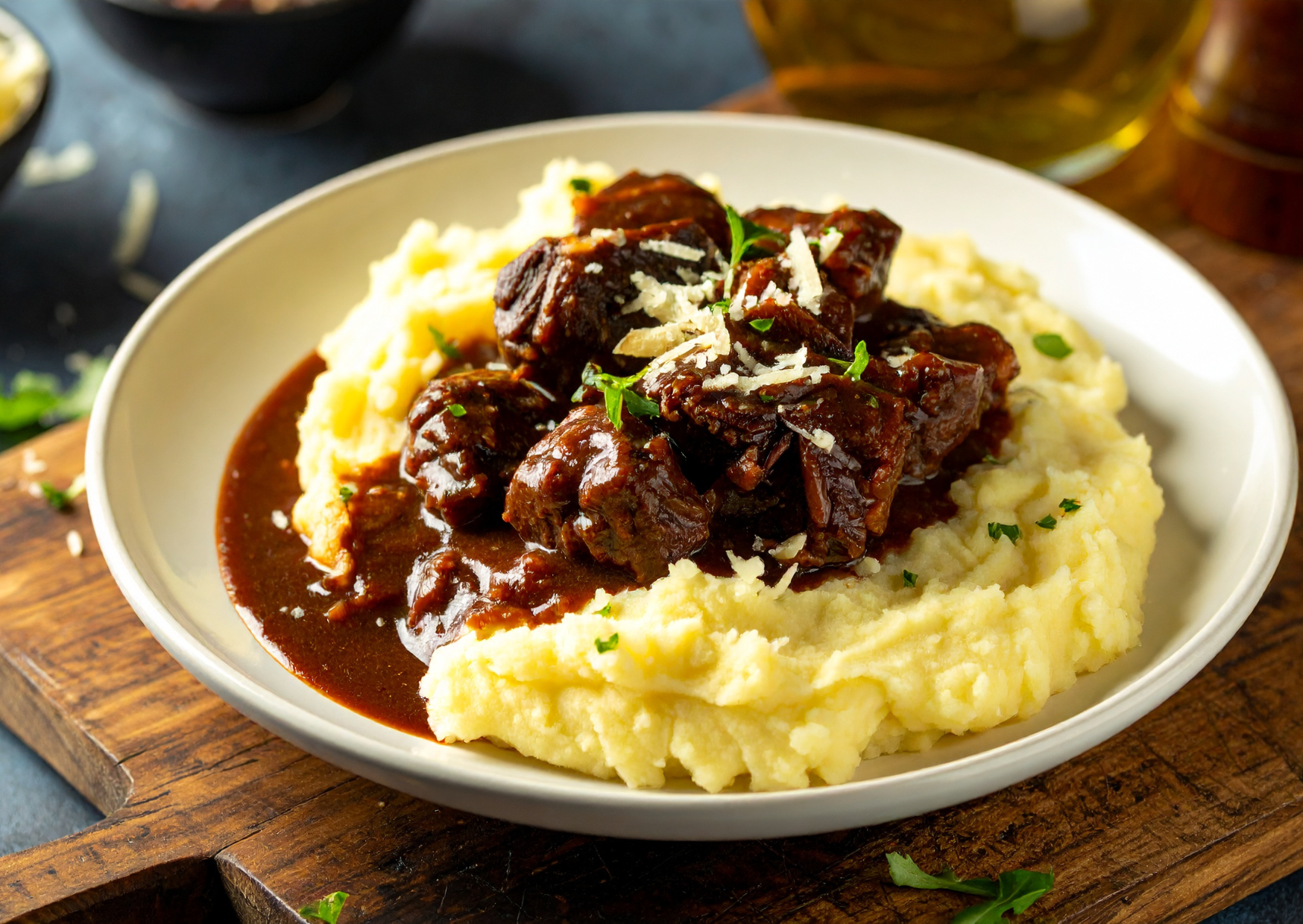
If you’re cooking this in the U.S., two things tend to go wrong: the cut choice and the heat choice.
Cut:
- Lamb shoulder is ideal. Bone-in is better for flavor and moisture.
- Lamb leg can work, but it can dry out if you treat it like shoulder. If you use leg, shorten cook time slightly and keep more liquid. Shoulder is safer.
Wine:
- Any dry red you’d drink is fine. You don’t need a fancy bottle.
- If you skip wine, replace with more stock plus a tablespoon of red wine vinegar at the end for brightness.
Tomatoes:
- Use a decent canned brand. The tomatoes do matter.
- If your canned tomatoes taste overly acidic, use a small pinch of sugar or a slightly larger knob of butter at the end, but don’t turn this into an American sweetness sauce.
Spices:
- Use cinnamon and allspice sparingly.
- If you hate warm spices, omit cinnamon and use a strip of orange peel and extra black pepper instead. It won’t be identical. It will still be excellent.
What To Serve With It In A Very Greek Way
Americans often serve braised meat with heavy sides.
Greek meals tend to balance richness with brightness.
Best pairings:
- Lemon potatoes roasted separately
- Orzo cooked in some of the lamb sauce
- White beans or giant beans as a simple side
- A sharp salad with cucumbers, tomatoes, and vinegar
- Bread and a bowl of feta for salty contrast
A practical Greek plate often looks like:
Lamb plus sauce.
Potatoes or bread.
Salad.
That’s enough.
If you want the “taverna” feel without effort, keep it simple and let the lamb do the talking.
Bright side makes rich meat feel lighter.
Storage, Leftovers, And The Second-Day Upgrade
This dish is better the next day. That’s not nostalgia. That’s chemistry.
Overnight, the gelatin sets and the flavors integrate. The sauce becomes smoother. The lamb becomes easier to shred and reheat without drying.
Storage:
- Fridge: 4 days in a sealed container
- Freezer: 3 months, best stored with sauce
Reheating:
- Reheat gently with sauce, covered, at 160°C in the oven or low on the stove
- Add a splash of water if the sauce thickened too much
- Avoid high heat. High heat makes the meat tighten again.
Second-day best uses:
- Lamb over rice with extra lemon
- Lamb stuffed into pita with salad and yogurt
- Lamb mixed into orzo and baked for a quick casserole
- Lamb stirred into beans for a fast stew
This is why five hours is worth it. It doesn’t just feed one dinner. It feeds a week.
The Week Plan That Makes A 5-Hour Dish Practical
People think slow cooking means “special occasion.”
It doesn’t. It means you plan one afternoon and buy yourself several easy dinners.
Here’s a real week plan:
Day 1: Cook the lamb. Eat a normal plate with salad and bread.
Day 2: Lamb and lemon potatoes, reheated gently.
Day 3: Lamb pita night. Yogurt, cucumber, onion, lemon.
Day 4: Lamb and bean bowl. White beans warmed with sauce.
Day 5: Orzo baked with lamb and sauce, topped with a little cheese.
Day 6: Freeze one portion with sauce for a future bad week.
Day 7: Make a simple soup with the remaining sauce and stock, add chickpeas and greens.
This is the hidden advantage of slow Greek cooking: it turns one big cook into many small meals without feeling like leftovers.
One long cook buys many short nights.
The Part That Makes It Worth Every Minute
The five hours teach you something Americans often resist in the kitchen.
You don’t have to fight the food.
You don’t have to perform effort.
You don’t have to hover.
You don’t have to force tenderness.
You just have to choose the right cut, the right pot, and the right heat, then let time do what it does.
Greek lamb is one of the best examples of this philosophy. It’s not a fancy recipe. It’s not trendy. It’s not optimized. It’s just correct.
And when you pull the lid after five hours and the meat collapses, it feels like cheating even though all you did was wait.
That’s why it’s worth every minute.

About the Author: Ruben, co-founder of Gamintraveler.com since 2014, is a seasoned traveler from Spain who has explored over 100 countries since 2009. Known for his extensive travel adventures across South America, Europe, the US, Australia, New Zealand, Asia, and Africa, Ruben combines his passion for adventurous yet sustainable living with his love for cycling, highlighted by his remarkable 5-month bicycle journey from Spain to Norway. He currently resides in Spain, where he continues sharing his travel experiences with his partner, Rachel, and their son, Han.