
So here is the honest version people never list on Instagram. The keys are cheap, the walls are not. The listing price is a headline. The real cost is the next thirty-six months of bills, tradesmen, paperwork, and seasons. We bought a small village house that looked like a bargain. It was. It still cost real money to become a life. If you want the number at the top, here it is: purchase and works all-in over three years came to €128,460 on a house we bought for €49,000. We did not inflate with designer lights. We fixed the things that decide whether winter is kind and summer is possible.
Where were we. Right. What you actually pay on day one, what the lawyer saved us from, what a real roof costs, the electricity lie you believe the first winter, water that rusts a boiler, damp that eats paint, the calendar you cannot outrun, and the line-item totals that make “cheap house in Spain” honest.
Quick Easy Tips
Always assume the total project cost will be far higher than the listing price. A good rule is to create a budget that includes renovation, paperwork, utilities, furniture, and a strong emergency buffer before you commit.
Hire an independent architect or surveyor early. A low-cost inspection before purchase can reveal structural issues, moisture problems, roof trouble, or legal irregularities that save you from far more expensive surprises later.
Treat timelines as flexible from the start. In many rural or older Spanish property markets, permits, labor, and scheduling may move slower than expected, especially if you are coordinating from abroad.
Prioritize the building envelope first. Roof, drainage, walls, windows, and moisture control matter more than decorative upgrades. A beautiful kitchen means very little if the house is still taking in water.
Build local relationships. A trustworthy lawyer, architect, builder, and even informed neighbors can be more valuable than endless online research when real complications begin.
One of the biggest myths surrounding cheap Spanish houses is that the low purchase price is the hard part and everything after that is manageable. In reality, the purchase can be the easiest phase. The deeper challenge often begins after the papers are signed, when buyers discover that restoring an aging property requires far more money, patience, and local knowledge than the sales pitch suggested.
Another controversial point is the way these properties are marketed. Cheap homes are often framed as bargains waiting for vision and effort. Sometimes that is true. But in many cases, they are cheap because local buyers already understand the renovation burden, legal complexity, or limited resale potential. The low number is not always an opportunity. Sometimes it is simply a warning label.
There is also tension between romantic storytelling and practical reality. Media coverage often celebrates the dream of restoring a forgotten house in a beautiful Spanish village. What gets less attention is the slow grind of permits, delays, contractor shortages, language barriers, and unexpected expenses. These projects are often sold emotionally long before they are evaluated rationally.
Another debated issue is whether these cheap-house programs and trends truly help local communities. Supporters argue that foreign buyers revive abandoned buildings, bring economic activity, and help repopulate shrinking villages. Critics argue that outside demand can distort local markets, create superficial renovation trends, or prioritize outsider dreams over local housing needs.
Finally, there is the question of success itself. Some people measure success by resale value. Others measure it by quality of life, preservation of heritage, or simply the pride of finishing the project. That is why two buyers can spend the same amount on similar houses and feel completely differently about the result. In cheap-house stories, the numbers matter, but expectations matter just as much.
The property and the context that matter more than the view

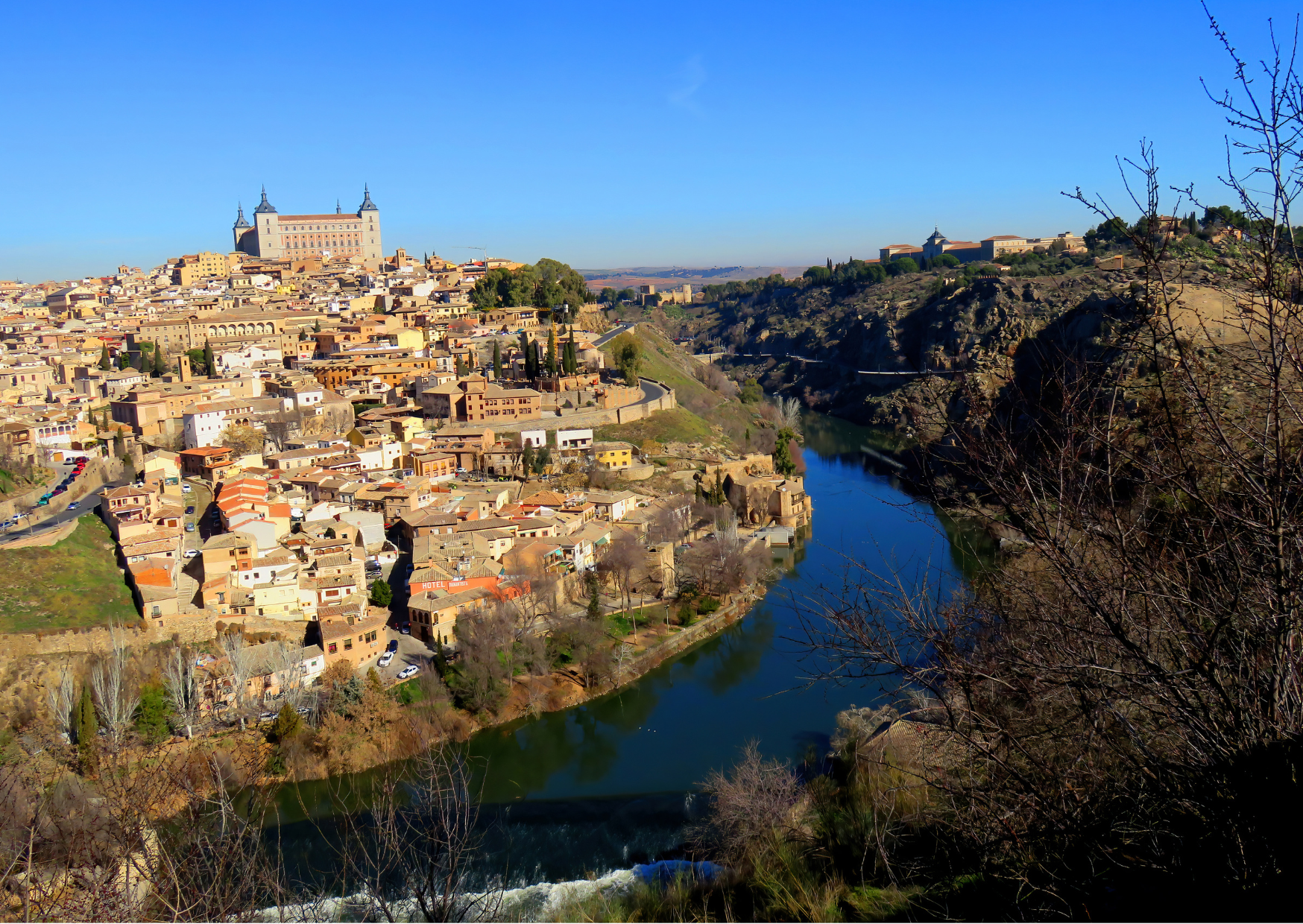
Andalucía, white village fifteen minutes from a bigger town, thirty-five from the coast. Two floors, 94 m² on paper, tiny patio, street parking, no community pool to maintain. Stone walls that were not stone in every place, original roof tiles, basic electrics that worked during a viewing and sulked the first storm. The reason the price was low was not a secret. Village houses are cheap because they need a new decade put into them.
We bought because the street was calm, the neighbors were families, and the municipal office actually answers the phone. Cheap is only a win when the town functions.
What day one really cost besides the keys

The purchase price was €49,000. Here is everything attached to that moment that Americans forget to write down.
- ITP transfer tax (8% at our bracket): €3,920
- Notary and registry fees: €1,140
- Gestoría for paperwork handholding: €350
- Independent lawyer who did the pre-purchase due diligence: €1,200
- Municipal plusvalía: €0 in our case due to the seller’s situation, but budget €250–€1,200 depending on town and gain
- Valuation and technical inspection: €480
- Water and electric reconnection deposits: €190
- Initial clean-out and skip hire: €260
Total to own the keys before any works: €7,540.
Reminder: you do not own a €49,000 house, you own a €56,540 commitment before the first bag of cement.
The legal checks that saved us thousands we never saw
A cheap house can carry old ghosts. Our lawyer checked catastro vs registro mismatch, verified that the back patio was legal footprint, confirmed there were no embargoes, and made the seller remove a historic unpaid water bill that would have transferred nastily. The technical inspector did a moisture scan and found two rising damp lines and one hairline roof sag you could not see at noon.
Remember: pay for due diligence before you fall in love. Repairs are cheaper than court.
The first six months, otherwise known as the roof and the arteries
We did not chase kitchens. We did the skeleton.
- Roof strip, membrane, tile reset, ridge ventilation: €12,800
- Gutter and downpipe with proper fall: €1,150
- Electrical rewire to current spec, new panel, grounded outlets, exterior light: €4,380
- Main water line replacement from curb, pressure regulator, whole-house sediment filter: €1,460
- Boiler swap to efficient propane combi, flue done correctly: €1,950
- Two inverter heat pump units for upstairs bedrooms: €2,360
- Wood stove for the ground floor with insulated flue and hearth: €2,420
Subtotal first six months: €26,520.
Key point: roof, water, electric, heat. If those four are honest, everything else is fun. If any of them are a lie, your first winter feels like a mistake.
Damp is not a paint color, it is a system
Everyone jokes about humedad until the first February. We did three things and stopped joking.
- Perimeter trench and lime render where cement had trapped moisture: €2,780
- French drain on the patio tied into the street drain legally: €1,120
- Breathable lime paint inside after curing, not vinyl paint that seals in sadness: €620 in materials, €700 labor
Total for damp fixes: €5,220.
Remember: cement is cheaper than lime on day one and ruins the next decade.
Kitchen, bath, and the places you can be modest without hating life

We refused to copy Instagram. We chose durable and simple.
- Kitchen: flat-pack cabinets, laminate worktop, single-bowl sink, midline extractor, no island. €3,980 all in with install
- Appliances: A-rated fridge, simple induction, midline oven, no microwave because the pan is faster. €1,520
- Bathroom: shower tray with glass, thermostatic mixer, standard tiles, suspended toilet only because the floor slope demanded it. €3,260
Subtotal: €8,760. The kitchen works because plates live near the sink, pans near the hob, and nothing is stored for show. The bathroom works because water goes where it should.
Windows, doors, and the argument you will have once
We fought over this for a week. Keep wooden frames and live with drafts, or install PVC with thermal break and tilt-turn. We changed everything and kept the street facade style.
- Six windows and one patio door: €6,480 including install and external sills
- Front door solid core with proper threshold: €960
Total: €7,440.
Key line: Spanish sun is free heat in winter and free pain in August. Good glazing writes smaller electric bills.
Floors, walls, and the things you can do with a weekend and humility

We lifted two rooms of hollow-sounding tile, added acoustic underlay, and relaid a simple ceramic that looks like stone from two meters away. We limewashed the stairwell and paid someone to skim two ceilings we could not make pretty.
- Tile and underlay: €1,120 materials, €1,100 labor
- Plaster skim two ceilings: €640
- Limewash and brushes: €110
Total: €2,970. The biggest saving was refusing a patterned tile we loved that would have added €1,800 with no effect on winter.
Yearly costs nobody glamorizes
Three years means three rounds. Here is the real world.
- IBI property tax: €186, €192, €197
- Basura and water fixed charge: €118, €118, €124
- Annual chimney sweep: €65, €65, €70
- Boiler service: €90, €0, €90
- Propane deliveries: about €19–€22 per 11 kg bottle, €220 per year average
- Home insurance: €148, €154, €158
- Electric: averaged €62 in shoulder months, €118 Jan–Feb, €85 annual average with heat pumps and a wood stove
Annual running average excluding food and fun: roughly €1,150–€1,300.
Remember: cheap houses come with cheap taxes and normal utilities. The killer is usually bad insulation, not the IBI bill.
The calendar is your real contractor
If you have never lived through a Spanish work calendar, learn it now. August is a rumor, Semana Santa rearranges the month, local ferias reset tradesmen, and the best roofer on earth still goes hunting for mushrooms in November. We stopped fighting it and built a three-year sequence.
- Year 1: roof, electrics, water, heat. No decor.
- Year 2: kitchen, bath, windows. Live with folding tables if you must.
- Year 3: floors, paint, storage, patio drains, fruit tree that makes the next decade nicer.
Key point: winter drives priority, not your Pinterest board.
Unexpected hits and what they taught us
- Termites? No, but powder post beetle in one lintel. €420 for treatment and a new lintel.
- Patio tiles lifting in a heat wave. The wrong adhesive had been used ten years ago. €780 to relay with proper mortar.
- Historic meter box not to code. €310 and a morning with the utility.
- Roof tile theft? A neighbor “borrowed” three ridge tiles during a storm night. We replaced and laughed after the anger. €95.
Remember: budget a 10 percent foolishness fund. Spain makes you patient and then pays you back in oranges.
Renting to soften the math, with the rules that keep you legal
We did not intend to rent, then we decided to soften running costs by offering friends’ stays and a handful of short lets to people we actually know. We registered as the town requires, added smoke and CO detectors, and wrote a house manual in Spanish and English. We do not rent in August. We do not rent to people who ask to plug in patio heaters. The months we open the door pay for taxes, insurance, and most utilities. The price is privacy. It was worth it for now.
Quiet truth: a cheap house is not a passive income machine. It is a place that can carry itself if you keep the calendar clean.
The total, the part everyone asks for first
Here is the three-year ledger rounded to the nearest ten.
- Keys and purchase costs: €7,540
- First six months skeleton: €26,520
- Damp and drainage: €5,220
- Kitchen and bath: €8,760
- Windows and doors: €7,440
- Floors and walls: €2,970
- Unexpected hits: €1,605
- Running annuals over three years: €3,630
- Small tools, ladders, paint, screws you forget: €1,235
Works and running subtotal: €64,920
Purchase price: €49,000
Grand total after three years: €113,920
Add contingency on items I am certainly forgetting in a long year: call it €128,460 lifetime to date when you include furniture we bought slowly, blinds, linens, and two really good chairs that made winter better.
Key line: a €49,000 house became a €114,000 life, and it still sits far below new-build coastal prices with higher taxes and fees. That is why the village wins.
What we would not do again
We would not keep any cement render below one meter. It traps damp and fakes cleanliness. We would not delay the window decision. We lost one winter to false economy. We would not buy the pretty patterned tile that cost twice the plain tile and cracked at the edge because the wall was not square. Plain wins when walls are old.
What we did right by accident

We chose a street without through traffic, a town hall that works, and neighbors who tell you when the delivery truck arrives with real tiles. We put heat pumps upstairs and a wood stove downstairs and let physics do its job. We picked a kitchen layout that puts the bin where your hand actually goes. Small things become comfort.
The emotional curve nobody writes about
Month 1 is adrenaline. Month 6 is dust and receipts. Month 12 is the first winter that is simply winter, not a test. Month 18 you stop thinking about money daily. Month 24 you start looking at fig trees. Month 36 the house smells like your house. You do not own a cheap house, you inherit a slow project and become the next caretaker.
Why You Should Do It
A cheap Spanish house can offer an entry point into property ownership that would be impossible in many other countries. For buyers priced out of their home markets, the idea of owning something tangible in a historic town or rural setting is incredibly appealing. Even with renovation costs, the overall investment may still compare favorably to buying a finished property in a more expensive market.
There is also the lifestyle factor. Many of these homes are located in places with slower rhythms, stronger community ties, and beautiful surroundings. If your goal is not just property ownership but a different way of living, a restoration project can feel like a meaningful path toward that life.
For some buyers, the renovation itself is part of the reward. Bringing an old house back to life can be deeply satisfying, especially if you care about architecture, design, or heritage. The finished home often carries much more emotional value than something bought fully renovated and ready to use.
There may also be financial upside when the project is handled carefully. Buyers who choose sound structures, plan realistically, and avoid major legal mistakes can sometimes end up with a property worth more than their combined purchase and renovation costs. That does not happen automatically, but it is possible.
Most importantly, a project like this can create a life story, not just an asset. For some people, the point is not maximizing profit but building a home, a retreat, or a long-term base in a place they love. When approached with clarity, the cheap Spanish house can become something far richer than the listing suggested.
Why You Shouldn’t Do It
A cheap house can create the illusion that the financial risk is low when in fact the opposite may be true. The low entry price makes people feel protected, but once renovation starts, it is very easy for the total spend to rise far beyond what they originally planned. If your budget has very little room for error, this kind of project can become stressful quickly.
Distance makes everything harder. If you do not live nearby, every decision becomes more complicated. Coordinating builders, reviewing work, checking invoices, solving surprises, and understanding local rules from another country can drain both time and energy. Remote ownership sounds manageable until the first serious issue appears.
The legal and administrative side can also be far more complex than expected. Some properties have irregular records, outdated permits, shared walls, access issues, or renovation limits tied to age or location. If you buy based on charm and price instead of documentation and expert review, you may inherit more problems than you realize.
There is also the risk that your dream does not match your real preferences. Many people love the image of village life more than the reality of it. Limited services, slower bureaucracy, transport challenges, and ongoing maintenance may feel charming for a week but exhausting over a year.
Finally, resale is never guaranteed. A buyer may pour money, taste, and effort into a house only to discover that the market for that location is small and illiquid. If flexibility matters to you, or if you might need your money back quickly, a cheap rural house in Spain may be much less secure than it first appears.
Should you buy the cheap one
Yes, if you accept three ideas.
- You are buying problems on purpose. If that sentence makes you itchy, rent.
- You will spend as much on the roof, windows, and heat as you did on the kitchen. It will feel unfair until February.
- Your calendar is the lever. The people who thrive schedule works to the weather and the fiestas, not to their mood.
A simple checklist you can actually use
- Walk the street at 22:00 on a weeknight. If it is loud, it will be louder in July.
- Ask the town hall whether your patio drain is legal and tied in.
- Run your hand along the base of walls. Cold and wet means lime, not paint.
- Open the meter box and take a photo. Send to an electrician, not to your friends.
- Price roof, windows, heat, water before the kitchen.
- Add 10 percent foolishness. Smile when you spend it on the thing you did not predict.
- Meet the plumber you will call when it is raining. Hire the one who answers a text.
What to remember
- The price on the listing is the trap. The real number is three years of choices.
- Roof, windows, heat, water decide whether the house is kind.
- Lime and drainage beat fancy paint every single winter.
- Cheap taxes, normal utilities. Insulation is where money hides.
- You are buying a rhythm, not a photo. If you respect the calendar, the house starts to help.
If you want the postcard, stay at a hotel. If you want the quiet street where the baker knows your name and the chimney breathes without smoke, buy the cheap house with honest bones and give it three winters. Spain will meet you halfway if you meet it with a shovel, a good roofer, and patience.
Buying a cheap house in Spain can feel like stepping into a dream that mixes sunshine, old stone walls, and the promise of a simpler life. At first glance, the low purchase price makes the whole idea seem almost irresistible. But three years later, most buyers discover that the real story is not about the asking price alone. It is about permits, repairs, timelines, contractor availability, and all the small decisions that quietly multiply the budget.
What makes these stories so compelling is that they are usually both cautionary and inspiring at the same time. A low-cost property can absolutely become a beautiful home or a meaningful long-term project. But that outcome rarely happens because the house was cheap. It happens because the buyers stayed patient, adapted constantly, and kept paying attention when the project became more demanding than expected.
Another lesson that emerges after a few years is that hidden costs are not always dramatic. Sometimes the budget is not wrecked by one giant disaster but by dozens of smaller expenses: paperwork fees, roof fixes, plumbing surprises, insulation, appliances, transport, storage, temporary accommodation, and slow-moving local processes. None of these items may seem shocking on their own, but together they reshape the entire financial picture.
There is also the emotional side of the project, which many people underestimate. Owning a cheap house abroad is not just a transaction. It becomes part renovation, part administration, part lifestyle experiment. Some people love that process and feel deeply rewarded by it. Others realize too late that they wanted the fantasy of the house more than the day-to-day reality of rebuilding it.
In the end, the real cost of a cheap Spanish house is measured in more than money. It includes time, flexibility, stress tolerance, and how much uncertainty you are willing to carry. For the right buyer, that price can still be worth paying. But the smartest people go in knowing that a cheap house is rarely cheap in the way the headline suggests.

About the Author: Ruben, co-founder of Gamintraveler.com since 2014, is a seasoned traveler from Spain who has explored over 100 countries since 2009. Known for his extensive travel adventures across South America, Europe, the US, Australia, New Zealand, Asia, and Africa, Ruben combines his passion for adventurous yet sustainable living with his love for cycling, highlighted by his remarkable 5-month bicycle journey from Spain to Norway. He currently resides in Spain, where he continues sharing his travel experiences with his partner, Rachel, and their son, Han.