

People love a lazy version of this story.
They picture a wiry old man in southern Italy drinking espresso, eating tomatoes, arguing in a piazza, and somehow remembering every cousin’s birthday at 93 while a 71-year-old American is forgetting why she walked into the kitchen.
That version is cartoonish, but the pattern underneath it is real enough to bother people. In some parts of Italy, especially among older generations who aged before the full industrialization of daily food and daily life, there are nonagenarians who look mentally sturdier than Americans twenty years younger. Not all of them. Not always. But often enough that it is worth asking why.
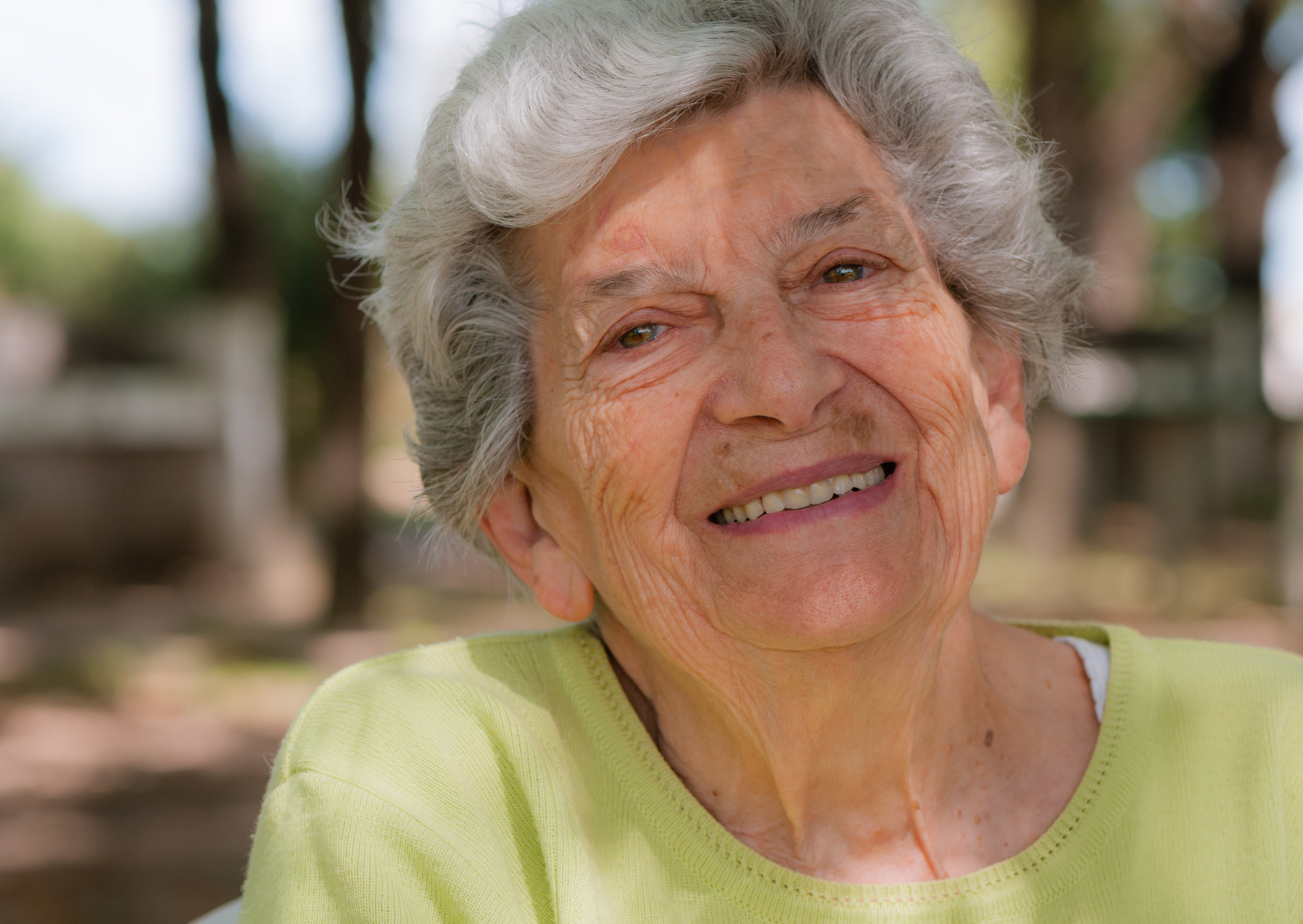
The answer is not genes alone, and it is not olive oil alone. It is not one miracle meal, one village, one secret herb, or one absurdly photogenic grandmother. It is the structure of daily life. It is decades of lower metabolic damage. It is movement that never needed branding. It is social life that still counts as normal life.
A lot of Americans are trying to protect memory at 68 or 72 after decades of eating in cars, sitting all day, sleeping badly, treating hearing loss like a personality trait, and swallowing most calories from products that did not exist fifty years ago. Then they read about Italian old age like it is some mystical Mediterranean performance.
It is not mystical. It is just that the Italian environment, especially for older generations, has often been less abusive to the brain.
The Headline Is Punchy But The Mechanism Is Boring

Let’s clear the theatrical part first.
There is no clean, universal study proving that Italian 90-year-olds as a group beat American 70-year-olds on every memory measure. That would be a silly way to frame aging anyway. There are sharp Americans at 88 and cognitively impaired Italians at 72. Old age is not a nationality contest.
But there is a real and stubborn body of evidence pointing in one direction. Mediterranean-style eating patterns are associated with better cognitive aging, slower decline, and in some research lower risk of dementia or impairment. Studies from southern Italy on nonagenarians and centenarians have found something even more interesting: not just survival, but preserved function, preserved daily autonomy, and relatively good cognitive status in people who are very old by any standard.
That matters because Americans often discuss memory like it lives in a sealed box inside the skull. It does not. The brain ages with blood vessels, glucose control, hearing, sleep, eyesight, mood, body weight, and social contact. When the body gets pushed around for forty years, the brain usually pays rent on that damage later.
This is where the Italian comparison gets uncomfortable. A lot of older Italians did not spend midlife inside the full American pattern of giant portions, chronic driving, constant snacking, and food that tastes like a chemistry team built it to defeat satiety. They lived in a system that made many protective habits ordinary before anyone started calling them longevity habits.
That is why the effect can look dramatic. It is not that Italians discovered a better brain supplement. It is that their baseline was less destructive.
The Italian Brain Advantage Starts In The Kitchen But Not Where Americans Think

Americans hear “Italian longevity” and immediately zoom in on ingredients. Extra virgin olive oil. Sardines. tomatoes. bitter greens. espresso. red wine. Maybe they buy one of each and wait for the neurons to sparkle.
That is not how this works.
The real advantage is pattern. Older Italians, especially those now in their late 80s and 90s, often spent decades eating in a rhythm that was less industrial, less chaotic, and less hostile to metabolic health. More meals were built around actual food. Beans, vegetables, bread, fish, soup, fruit, olive oil, pasta in sensible portions, cooked greens, cheese in normal quantities, meat that was present but not always the main event. Not perfect food. Just recognizably food.
The American problem is not that Americans never eat vegetables. It is that the broader system is built around ultra-processed convenience, constant appetite stimulation, and portion sizes that barely recognize human limits. U.S. adults still get more than half their calories from ultra-processed foods. In recent Italian adult data, the share is dramatically lower, closer to one-fifth. That gap is enormous, and it helps explain why the same age does not always feel like the same body.
A brain likes stable glucose, decent vascular health, lower chronic inflammation, and less abdominal obesity. That is not glamorous, but it is real. When meals are built from simpler ingredients and eaten in a more structured way, people are less likely to drift into the kind of metabolic mess that quietly damages cognition over time.
This does not mean Italy is some sacred food museum. Modern Italy has plenty of junk. Younger Italians are eating more industrial food than their grandparents did. Supermarkets are full of packaged nonsense there too. But older Italians who are now reaching 90 were shaped in a different era, one with less food engineering, less snack culture, and fewer opportunities to eat all day without noticing.
That matters more than one special oil ever will.
A Lot Of Italian Exercise Never Looked Like Exercise
This is one of the least exciting parts of the story, which is exactly why it works.
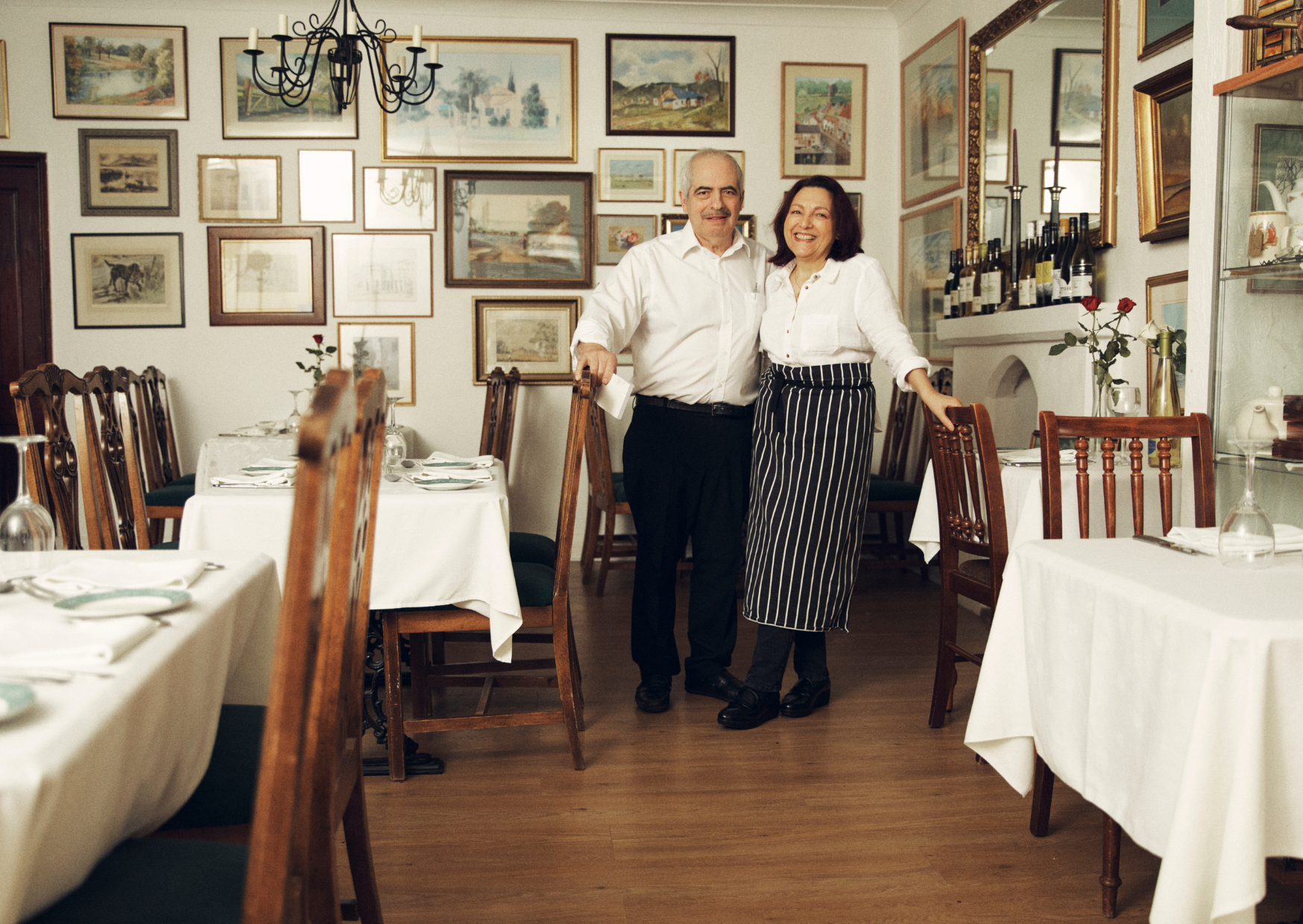
Many older Italians spent most of their lives moving in small, boring, repeatable ways. Walking to shops. Carrying bags. Climbing stairs. Visiting family. Going to church. Standing in markets. Taking shorter trips on foot. Living in neighborhoods where daily life required some movement rather than none.
Americans often misunderstand this because the U.S. treats exercise like an appointment. If it is not a class, a treadmill, a spin bike, or a tracking app, it somehow does not count. But the body counts it. The brain counts it. Those steps to the bakery, the uphill walk home, the stairs in an old building, the stroll after lunch, the walk to the bar, the trip to see a niece or brother, all of it counts.
The U.S. setup is rougher. In a lot of American places, being active requires active resistance. You have to choose it, schedule it, pay for it, and often drive to it. Then you sit the rest of the day. That is a bad trade. Someone can work out three times a week and still live a fundamentally sedentary life.
Older Italians in smaller cities and towns often did not need heroic discipline to hit a decent movement baseline. The environment kept collecting motion in the background. Daily movement stayed baked in. Sitting had more friction. Errands still used the body.
This matters for memory because physical activity supports blood flow, blood pressure control, insulin sensitivity, sleep, mood, and overall vascular health. The dementia prevention research keeps circling back to the same point: when movement collapses, risk rises. Not because walking is magical, but because a sedentary body becomes a more hostile place for a brain to age well.
This is where the Italian comparison gets almost rude. A 91-year-old who still walks for bread, climbs stairs, and sees people in the process may be doing more for cognition than a 72-year-old American with a premium gym membership and ten hours a day in chairs.
They Never Outsourced Their Social Life To A Screen
Another part Americans keep underrating is social density.
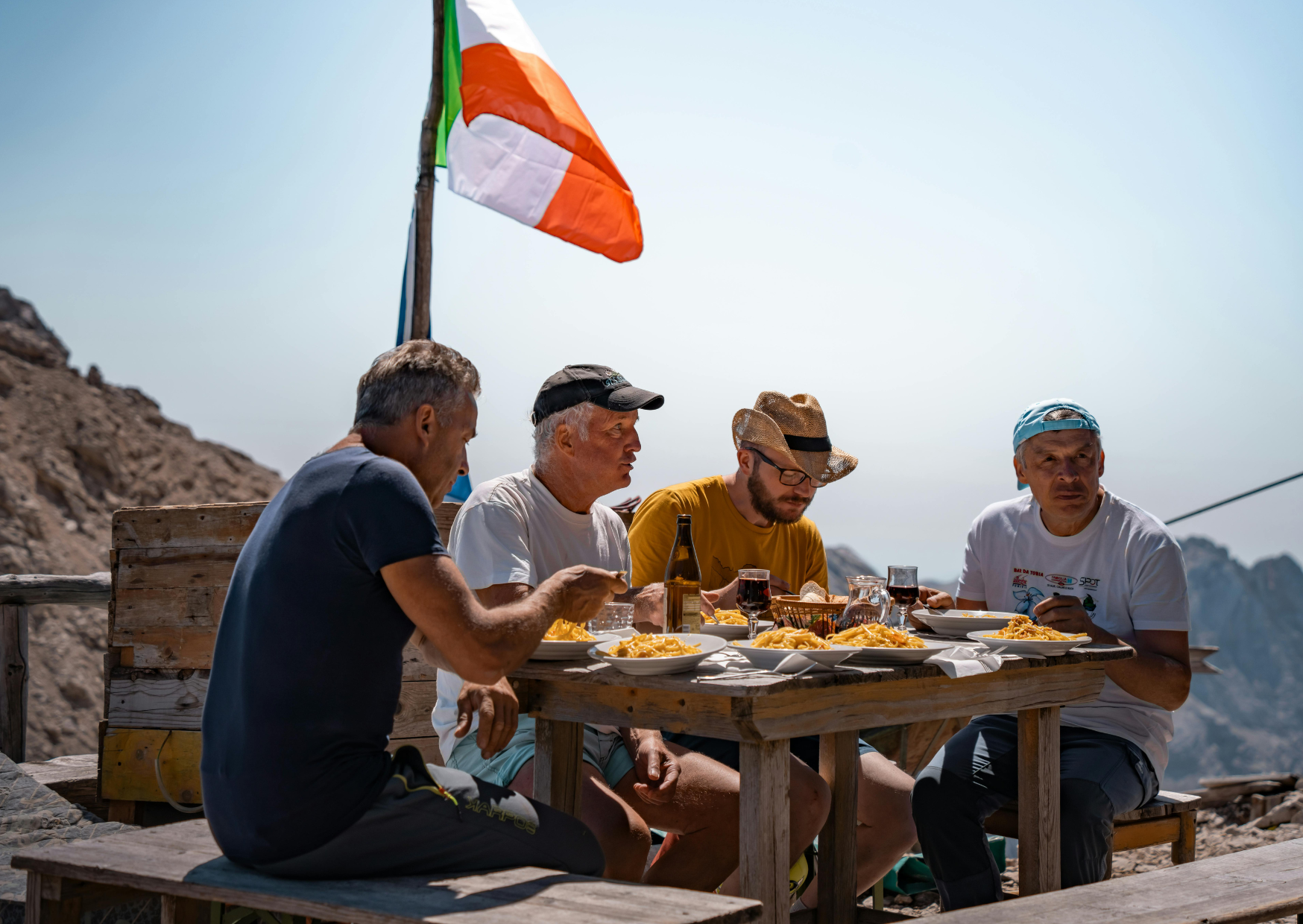
Many older Italians, especially outside the most isolated situations, are still woven into public life. They know the bakery owner, the pharmacist, the neighbor downstairs, the nephew who visits Sundays, the woman at church, the man at the café, the market stall owner, the cousin who calls, the grandchild who drops in. They are not all having profound philosophical exchanges. That is not the point.
The point is that the brain stays busy when daily life still involves people.
Social isolation and loneliness are now treated as serious dementia risk factors, and for good reason. The brain thrives on language, reaction, memory retrieval, emotional regulation, reading faces, handling interruptions, navigating relationships, and doing the endless low-level work of being among humans. A life with regular contact keeps those muscles from going soft too soon.
A lot of Americans age into the opposite. Big house. Quiet street. Car dependence. Grocery delivery. Appointments instead of spontaneous contact. Streaming at night. Children in other states. Friends seen only if everyone coordinates three calendars and a parking situation. It is an efficient way to disappear.
Italian old age, at least in its stronger versions, resists that. Not because Italy solved loneliness, but because older adults often remain visible in ordinary public space longer. The world still asks something of them. Buy bread. Visit aunt Teresa. Walk downstairs. Talk to somebody. Notice the tomatoes are bad today. Remember what time the doctor’s office closes. Keep track of who is sick and who is coming Sunday.
That is brain work. Conversation is brain work. Routine social contact is brain work. Being needed is brain work.
Many Americans treat this as soft lifestyle fluff. It is not. A socially thinned life becomes cognitively thinner too.
Weight, Blood Sugar, And Blood Pressure Are Doing More Damage Than People Admit
Here is the less romantic middle of the article.
Aging brains do not like excess metabolic strain. They do not like years of untreated high blood pressure. They do not like chronically high LDL cholesterol. They do not like diabetes, central obesity, poor sleep, or low activity. They do not like inflammation and vascular injury piling up in the background while people pretend it is all just “getting older.”
This is where the American comparison gets ugly fast.
U.S. adult obesity remains around 40 percent overall, and among middle-aged adults it is even higher. In Italy, obesity rates are substantially lower. Italy is hardly a nation of runway models, but it still has a much less damaged baseline than the United States. That matters because the body does not politely separate “weight issues” from “brain issues.” Vascular strain, insulin resistance, and systemic inflammation are not cosmetic. They are part of the machinery of cognitive decline.
A lot of Americans want the memory conversation to stay tasteful. Blueberries, puzzles, supplements, maybe a fish oil and a crossword. That keeps it emotionally manageable.
The real conversation is rougher. Waistlines matter. Blood pressure matters. Hearing matters. LDL matters. Vision matters. Walking matters. Loneliness matters. That is what the major prevention reports have been saying more clearly with each update.
Italy’s advantage is often that people arrive at old age with less accumulated wreckage. Not no wreckage. Less. Less metabolic damage. Less ultra-processed overload. Less giant-portion normalization. Less life built around the easiest possible calorie surplus. Less total dependence on sitting.
And when that lower-damage body carries a brain into the ninth decade, the difference can be startling.
This is one reason certain Italian nonagenarians look sharper than Americans twenty years younger. They did not win a genetic lottery so much as avoid decades of losing one.
They Grew Old In A Culture That Did Not Constantly Try To Sedate Them With Convenience
This is where the U.S. really loses the plot.
Modern American life is built around convenience, but convenience has side effects. It removes movement. It increases sitting. It makes portion size harder to regulate. It reduces public friction. It makes isolation easier. It turns food into a stream of edible products available at all times. It allows people to live for days with barely any real contact, barely any real walking, and barely any reason to notice how bad they feel.
Older Italians, especially the current 85-plus generation, came of age before convenience reached that saturation point. They had more reasons to cook, more reasons to shop frequently, more reasons to walk, more reasons to see people, and fewer tools for turning every discomfort into a snack or an app.
That sounds nostalgic, but this is not nostalgia. It is physiology.
A body that has to move a little, cook a little, buy produce more often, and remain in human circulation tends to age differently from a body that can sit almost continuously while outsourcing everything. The American system flatters this with words like comfort and efficiency. But the brain is not impressed. The brain often benefits from useful friction.
This is the hidden Italian edge. Daily life still demanded more of people, and that demand protected them. Not always, not uniformly, not perfectly. But enough to matter.
Americans often talk about creating healthy habits as if they are building a private side project. In older Italy, the habits were often just normal life. Lunch happened. Walking happened. Contact happened. Markets happened. Stairs happened. Smaller portions happened because there was not a national incentive to supersize everything and call it value.
So yes, some 90-year-olds in Italy do look mentally better than Americans in their early 70s. They are not performing a miracle. They are often the product of a world that gave the brain a fairer deal.
What Americans Keep Getting Wrong About Memory Protection
The first mistake is looking for a hero food.
The second mistake is waiting too long.
A lot of Americans only get interested in brain health when memory problems already feel personal. A missed name. A lost thread. A word stuck on the tongue. That is understandable, but it ignores how long the runway is. Cognitive decline often reflects decades of exposures and habits. By the time someone is 71 and deeply worried, the body has already had forty years to shape the brain’s future.
The third mistake is treating the issue as purely mental. Puzzles matter a little. Reading matters. Learning matters. But the deeper work is often in the body. Blood pressure control. Weight control. Hearing aids if you need them. Better sleep. More movement. Fewer ultra-processed meals. More social contact. More vegetables and legumes. Less evening collapse into chairs and snacks.
The fourth mistake is believing this all requires elite willpower. It does not. It requires better defaults.
That is what many older Italians had. Better defaults around food. Better defaults around walking. Better defaults around human contact. Better defaults around meal size and meal pace. Americans often try to copy the visible Mediterranean props while leaving the underlying structure intact. They buy better olive oil and keep the same giant dinner, same lonely evenings, same car-bound life, same chair time, same hearing neglect, same junk breakfast, same workday sitting.
That is not adaptation. That is garnish.
If you want the useful part of Italian aging, copy the infrastructure, not the aesthetic. The bread matters less than the walk to buy it. The olive oil matters less than the lower processed-food burden around it. The espresso matters less than the fact it happens standing with other people instead of inside a car with a giant muffin.
The First Week To Borrow The Italian Brain Advantage
Here is a practical seven-day reset built around what older Italians often get by default.
Day 1
Audit your movement honestly. Not exercise. Movement. How many errands this week can happen on foot. Pharmacy, coffee, groceries, church, library, post office, a friend’s building. If the answer is zero, you have identified the structural problem.
Day 2
Eat one meal built the old-fashioned way: vegetables, beans or fish, bread or potatoes, olive oil, fruit. Sit down for it. No television. No steering wheel. No protein-bar nonsense. The point is meal structure, not culinary theater.
Day 3
Fix one neglected sensory problem. Book the hearing test. Get the eyes checked. Replace the glasses you hate. Stop pretending poor hearing is just inconvenient. It is cognitively expensive.
Day 4
Replace three ultra-processed defaults. Not twenty. Three. Sweet breakfast cereal, packaged pastries, frozen snack meals, chips, or the “healthy” bars you inhale because you are too tired to eat actual lunch.
Day 5
Create one daily walk with purpose. A 20-minute circuit to a café, a produce shop, a church, a bench, a friend’s block, or a market. Purpose beats motivation because purpose survives bad moods.
Day 6
Eat with other people. Lunch is ideal. Dinner is fine. The goal is not entertainment. It is pace, conversation, and forcing the brain to participate in life outside its little digital cave.
Day 7
Check the numbers that matter more than memory supplements: blood pressure, waistline, fasting glucose or A1c, LDL cholesterol, sleep quality, and activity level. This is the adult version of brain care. Not sexy. Effective.
That week will not turn anyone into a sharp 92-year-old in Calabria. What it does is reveal whether your current life is quietly training decline. For a lot of Americans, the answer is yes.
The Real Difference Is Not Italy Versus America
The real difference is protected aging versus damaged aging.
Italy just makes the contrast easier to see because some of its older adults still carry habits from a world that was slower, less processed, less sedentary, and less isolating. The United States makes the contrast easier to feel because so many adults are trying to hold onto memory inside an environment that pushes in the opposite direction all day.
That is why the comparison lands so hard. Not because Italians are magical, but because Americans are often aging inside conditions that pile risk on risk and then call the result normal.
A sharper 90-year-old does not usually come from one heroic intervention at 89. That person usually comes from decades of ordinary life doing less damage. Less food chaos. Less sitting. Less metabolic strain. More walking. More people. More meal structure. More reasons to stay mentally switched on.
That is the truth buried under the romantic headlines. Italian old age is not a miracle. It is a system. And when that system protects the brain for forty years, it can make a 90-year-old look unsettlingly sharper than somebody twenty years younger who spent those same decades being slowly flattened by convenience.
That should not depress people. It should annoy them in a useful way.
Because it means a lot of what looks like fate is really structure, and structure can still be changed.

About the Author: Ruben, co-founder of Gamintraveler.com since 2014, is a seasoned traveler from Spain who has explored over 100 countries since 2009. Known for his extensive travel adventures across South America, Europe, the US, Australia, New Zealand, Asia, and Africa, Ruben combines his passion for adventurous yet sustainable living with his love for cycling, highlighted by his remarkable 5-month bicycle journey from Spain to Norway. He currently resides in Spain, where he continues sharing his travel experiences with his partner, Rachel, and their son, Han.