
When Americans travel to Europe for the first time, one of the biggest surprises isn’t just the architecture, the cuisine, or the museums it’s how incredibly seamless the travel experience can be. From efficient public transportation to walkable cities and affordable accommodations, Europe simply makes getting around easier and more enjoyable. For travelers, it’s a dream that often makes the return home feel clunky and frustrating.
While both regions offer unique experiences, the infrastructure, lifestyle, and cultural norms in Europe seem to favor exploration without the stress. Many European countries are designed around people, not cars. Historic town centers, cheap regional flights, and train stations in the heart of every city offer convenience that’s still hard to find in most parts of the U.S.
Of course, that doesn’t mean Europe is perfect but when it comes to travel, there are clear reasons why many visitors fall in love with its way of doing things. Here are 10 specific aspects of travel that Europe consistently does better than the U.S., and why more travelers are starting to notice.
Read Here European Things that terrify Americans and American Habits that make Europeans Cringe
Read here how to pack for Europe and Best eSIM for Europe
BOOK YOUR TRAVEL INSURANCE
Two of our favorite travel insurance: Heymondo Vs Safetwing cheapest travel Insurance. You can get for $135 USD your Heymondo Travel Insurance with Heymondo discount code valid for 90 days. Read our full comparison of Genki vs Safetywing Travel Insurance Review and the comparison Heymondo vs Genki
Quick Easy Tips
Use Rail Passes: A Eurail or Interrail pass can save you a fortune and connect you to dozens of cities in hours.
Book Budget Airlines Wisely: With carriers like Ryanair or EasyJet, you can fly across Europe for the price of a pizza—just watch those baggage fees.
Take Advantage of City Cards: Most European cities offer passes with free public transport and museum entry. They’re worth it.
Walk or Bike More: European cities are compact and designed for pedestrians. Skip the taxis and explore on foot or by rental bike.
Eat at Local Taverns and Cafés: Smaller, local spots often serve better, more authentic food at half the cost of tourist traps.
One of the more uncomfortable realizations for some Americans traveling in Europe is that comfort and convenience don’t have to come with luxury price tags. In fact, many travelers are shocked to discover that basic public services like high-speed trains, walkable urban layouts, or universal healthcare access are not just functional but exceptional. These perks aren’t luxuries in Europe they’re expectations. And that difference reflects a much broader societal approach to public good versus private profit.
There’s also a cultural divergence in how time is valued. Europeans often prioritize quality of life over hustle culture, which translates to slower meals, extended vacation time, and a more relaxed approach to daily life. This often catches American travelers off guard but it also explains why many find themselves adapting quickly to the rhythm and wondering why they don’t have it back home.
Lastly, there’s the uncomfortable truth about accessibility. In the U.S., travel often feels like a privilege; in Europe, it feels like a right. With low-cost trains, socialized transport networks, and accommodations that cater to budget travelers, Europe opens its doors wide to people from all walks of life while American systems often price people out.
Things Europe Does Better Than the USA
1. Public Transportation & Walkability

Why Europe Wins:
Extensive train networks (Eurostar, TGV, ICE) make traveling between cities fast and easy.
Affordable and reliable metro systems in major cities like Paris, Berlin, and London.
Walkable cities with pedestrian-friendly streets, historic centers, and well-connected public transport.
Why the USA Falls Behind:
Many US cities lack efficient public transit outside of New York, Chicago, and San Francisco.
Car dependency makes it harder to explore without a rental car.
2. Historic Landmarks & Architecture
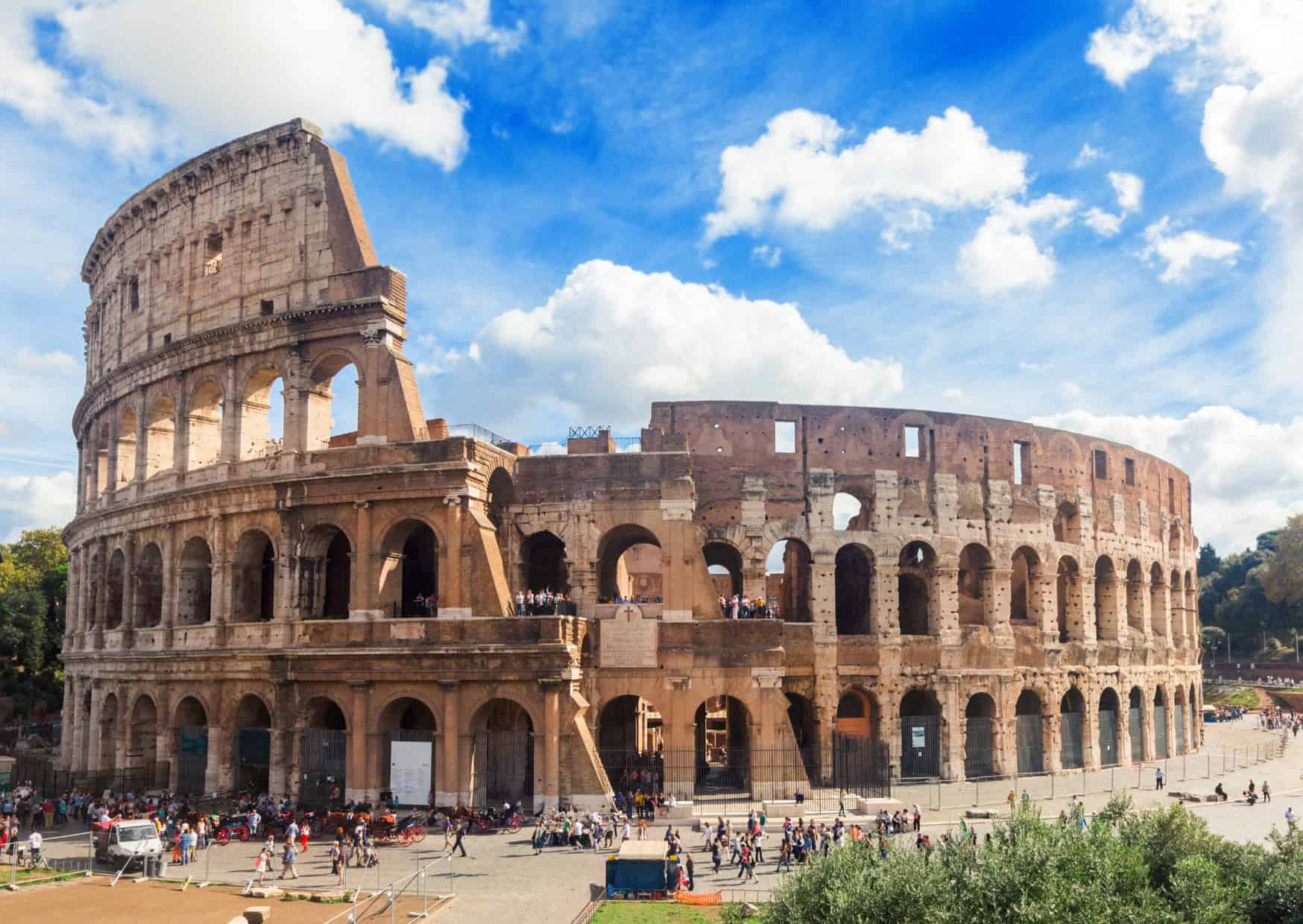
Why Europe Wins:
Centuries-old castles, cathedrals, and medieval towns offer immersive history.
Iconic landmarks like the Colosseum, Eiffel Tower, and Acropolis.
Charming cobblestone streets and well-preserved historic districts create an authentic atmosphere.
Why the USA Falls Behind:
The USA’s history is relatively young, and while it has notable landmarks, it lacks medieval and ancient architecture.
3. Affordable Intercity Travel
Why Europe Wins:
Budget airlines (Ryanair, EasyJet, Wizz Air) offer flights as low as $20 between countries.
Eurail and regional trains make cross-country travel convenient and scenic.
Buses like FlixBus provide cheap, comfortable transportation across borders.
Why the USA Falls Behind:
Domestic flights are expensive, especially for last-minute bookings.
Amtrak trains are slow and overpriced compared to European rail networks.
Long-distance buses are less comfortable than European alternatives.
4. Diverse Cultures & Languages in Close Proximity

Why Europe Wins:
Travel a few hours by train, and you’re in a completely different country with a new language and culture.
Experience multiple cultures in one trip—Italy for food, France for wine, and Germany for beer.
Rich linguistic diversity—you can hear French, Spanish, German, and Italian within a single day of travel.
Why the USA Falls Behind:
Cultural diversity exists, but you won’t experience vastly different languages, traditions, and architectures in a short trip.
5. Better Healthcare Access for Travelers
Why Europe Wins:
Public healthcare systems provide affordable emergency care for travelers.
Pharmacies offer quick, over-the-counter treatments for minor illnesses without needing a doctor’s appointment.
Many countries have reciprocal healthcare agreements, making medical costs low or free for certain tourists.
Why the USA Falls Behind:
Healthcare is expensive—even a basic ER visit can cost thousands of dollars.
Travel insurance is a must for medical emergencies.
6. Longer and More Relaxed Dining Experiences
Why Europe Wins:
Dining is an experience, not just a necessity—meals last for hours.
Cafés and restaurants don’t rush you out and encourage slow, social eating.
More emphasis on fresh, local ingredients—markets and farm-to-table dining are common.
Why the USA Falls Behind:
Many American restaurants prioritize speed over quality, encouraging fast service and quick turnover.
Larger portions, but lower ingredient quality compared to Europe.
7. Free or Affordable Higher Education
Why Europe Wins:
Many European countries offer low-cost or free university education for both locals and international students.
Erasmus programs allow students to study in multiple countries affordably.
Why the USA Falls Behind:
Expensive tuition fees and high student debt make education less accessible.
Limited financial aid for international students in the USA.
8. Café Culture & Public Spaces

Why Europe Wins:
Sidewalk cafés and outdoor dining are part of daily life in cities like Paris, Vienna, and Rome.
Public plazas and parks encourage social gatherings and leisure time.
More emphasis on work-life balance, with longer vacations and shorter workweeks.
Why the USA Falls Behind:
Fast-paced lifestyle means less time for slow, relaxed coffee breaks.
Fewer outdoor cafés and public spaces designed for socializing.
9. More Vacation Time & Work-Life Balance
Why Europe Wins:
Most Europeans receive 4 to 6 weeks of paid vacation annually.
Stronger labor laws protect work-life balance, ensuring people take breaks and enjoy leisure time.
Why the USA Falls Behind:
No federal requirement for paid vacation, and many Americans get only 2 weeks of paid leave.
Work culture prioritizes long hours, making extended travel difficult.
10. Pedestrian-Friendly Cities & Cycling Culture

Why Europe Wins:
Cities like Amsterdam, Copenhagen, and Barcelona have world-class bike lanes and pedestrian areas.
Less urban sprawl, meaning cities are more compact and easier to navigate on foot.
Public transit reduces the need for cars, making cities cleaner and more sustainable.
Why the USA Falls Behind:
Car dependency makes walking and biking impractical in many areas.
Lack of bike-friendly infrastructure in most American cities.
Why You Should Pay Attention to Europe’s Travel Advantages
Looking at how Europe has optimized certain aspects of travel can be genuinely useful for frequent flyers and planners. Many European countries have invested heavily in rail connectivity, compact city design, and multimodal transportation. Studying these systems can help travelers plan more efficient and less stressful trips.
There is also a strong practical benefit. Europe’s dense infrastructure often makes it easier to move between major cities without relying on cars or multiple flights. Understanding how to leverage trains, regional airports, and walkable neighborhoods can save both time and money.
European travel culture also emphasizes simplicity. From smaller luggage norms to streamlined hotel check-ins and widespread public transit, many systems are designed around mobility and convenience. Adopting some of these habits—such as packing lighter or booking central accommodations—can improve travel experiences anywhere.
Another advantage is predictability. Many European transport systems run on highly structured schedules with integrated ticketing. Learning how these networks function allows travelers to plan with greater confidence and fewer last-minute surprises.
Most importantly, comparing approaches encourages smarter travel decisions. Even if you primarily travel within the United States, borrowing proven European strategies—like prioritizing location over hotel size—can make trips smoother and more enjoyable.
Why You Shouldn’t Overstate the Europe vs. America Gap
At the same time, it is important not to frame European travel as universally superior. The United States operates on a very different geographic scale, with longer distances between major population centers. Some differences reflect geography more than better or worse planning.
There is also significant variation within Europe itself. Major capitals often have excellent infrastructure, but smaller towns and certain regions may not feel dramatically more convenient than comparable areas in the U.S. Broad generalizations can miss this nuance.
American travel has its own advantages. Domestic flights are often competitively priced, highway infrastructure is extensive, and many destinations are designed around road accessibility. For certain types of trips—especially national park travel or multi-state road trips—the U.S. system can be highly efficient.
It is equally important to recognize that traveler preference matters. Some people prefer the flexibility of driving, larger hotel rooms, or suburban accommodations that are more common in the U.S. Travel comfort is not one-size-fits-all.
Ultimately, the smartest takeaway is selective learning. Europe offers valuable travel efficiencies worth studying, but the goal is not to declare a winner. The most effective travelers adapt the best ideas from both systems to fit their specific trip and style.
Why You Should Look at Spain’s Independence Patterns
Examining why many Spanish women maintain financial and personal independence longer can offer useful perspective on how culture shapes life choices. In Spain, extended education timelines, strong public transit, and urban living patterns often support independent lifestyles well into adulthood. Understanding these structural factors helps explain differences that might otherwise seem purely personal.
There is also a strong social design component. Many Spanish cities are highly walkable, with dense neighborhoods that make solo living more practical and less isolating. This built environment can support independence in ways that suburban, car-dependent regions sometimes do not.
Family expectations can play a role as well. In Spain, it is common for adults to maintain close family ties while still prioritizing personal autonomy in housing, finances, and daily routines. This balance between connection and independence can be instructive for readers interested in long-term lifestyle planning.
Work and lifestyle rhythms also differ. Later marriage ages, strong friendship networks, and a culture that normalizes single adulthood contribute to longer independent phases of life. Observing these patterns can help readers understand how timing expectations vary internationally.
Most importantly, studying these differences expands perspective. It highlights how independence is shaped not only by individual choices but also by housing markets, transportation systems, social norms, and labor patterns.
Why You Shouldn’t Oversimplify the Spain vs. U.S. Comparison
At the same time, it is important not to assume Spanish women are universally more independent than American women. Both countries contain enormous regional, economic, and personal variation. Many American women maintain long-term independence across careers, housing, and finances.
Economic context matters significantly. Youth unemployment and wage growth challenges in Spain have, in some cases, delayed financial milestones such as homeownership. What appears as prolonged independence can sometimes reflect structural constraints rather than purely cultural preference.
Cultural narratives can also be misleading. Independence expresses itself differently across societies. American women often demonstrate independence through geographic mobility, entrepreneurship, and career advancement, which may not always appear the same in Mediterranean contexts.
Lifestyle preferences vary widely. Some individuals prioritize early partnership or family formation, while others prioritize extended single living. Neither path is inherently more independent; they simply reflect different values and opportunities.
Ultimately, the most useful takeaway is nuance. Spain offers interesting examples of how environment and culture can support extended independence, but the reality in both countries is diverse and evolving. The smartest approach is to learn from the patterns without turning them into rigid conclusions.
Final Verdict: Why Travelers Prefer Europe
Best for Short Trips & Culture: Europe
Best for Road Trips & Nature: USA
Traveling through Europe doesn’t just open your eyes to new cultures—it can also reveal the inefficiencies and missed opportunities in your own backyard. The European approach to travel emphasizes ease, accessibility, and human-centered design, creating a smoother and more immersive experience for visitors.
Of course, America has its travel highlights too—epic road trips, jaw-dropping national parks, and iconic cities. But when it comes to getting from place to place, experiencing daily life like a local, and doing it all without burning through your savings, Europe still holds the edge.
Whether you’re a first-time traveler or a seasoned explorer, taking note of what Europe gets right isn’t just enlightening—it might just change the way you think about travel entirely.

About the Author: Ruben, co-founder of Gamintraveler.com since 2014, is a seasoned traveler from Spain who has explored over 100 countries since 2009. Known for his extensive travel adventures across South America, Europe, the US, Australia, New Zealand, Asia, and Africa, Ruben combines his passion for adventurous yet sustainable living with his love for cycling, highlighted by his remarkable 5-month bicycle journey from Spain to Norway. He currently resides in Spain, where he continues sharing his travel experiences with his partner, Rachel, and their son, Han.