

This headline needs one adult correction before it becomes fake advice.
A Spanish eating habit does not “fix” every case of reflux. Heartburn can have multiple causes, including GERD, hiatal hernia, obesity, trigger foods, medication effects, and structural issues, and persistent symptoms should be medically evaluated. Lifestyle changes can help a lot, but they are not a universal cure.
That said, there is one Spanish habit that often makes a real difference:
A larger, slower midday meal, followed by staying upright and keeping dinner lighter and farther from sleep.
That is the habit.
And compared with the American pattern of rushed eating, oversized late dinners, grazing, and lying down too soon, it can feel almost unfairly effective. Mediterranean meal-timing research shows that countries like Spain tend to place more of the day’s energy earlier, with a larger midday meal and later, often lighter evening eating patterns than Northern and Central Europe.
So no, Spain did not invent a miracle cure.
It did normalize a rhythm that is much less hostile to digestion.
The Real Problem Was Not “Acid.” It Was The American Eating Pattern.

A lot of Americans treat antacids like punctuation.
Big lunch at the desk, coffee on an empty stomach, snack because lunch was fake, large dinner because the day was chaotic, then couch, then bed. Somewhere in there, the chest burn starts, and a chewable tablet becomes the nightly peace treaty.
That routine is almost perfectly designed to keep reflux alive.
GERD lifestyle guidance is boringly consistent on this:
- large meals worsen symptoms
- fast eating is associated with reflux
- lying down too soon after meals makes reflux more likely
- keeping less than 3 hours between dinner and sleep is associated with more GERD symptoms
So when people say, “I quit American antacids and a Spanish eating habit fixed it,” the habit that usually helped is not some exotic ingredient.
It is often just:
eat the main meal earlier, eat it more slowly, make dinner smaller, and stop collapsing horizontally right after eating.
That sounds almost insultingly simple.
It is also exactly why it works for a lot of people.
The Spanish Habit: Biggest Meal At Lunch, Lighter Meal At Night
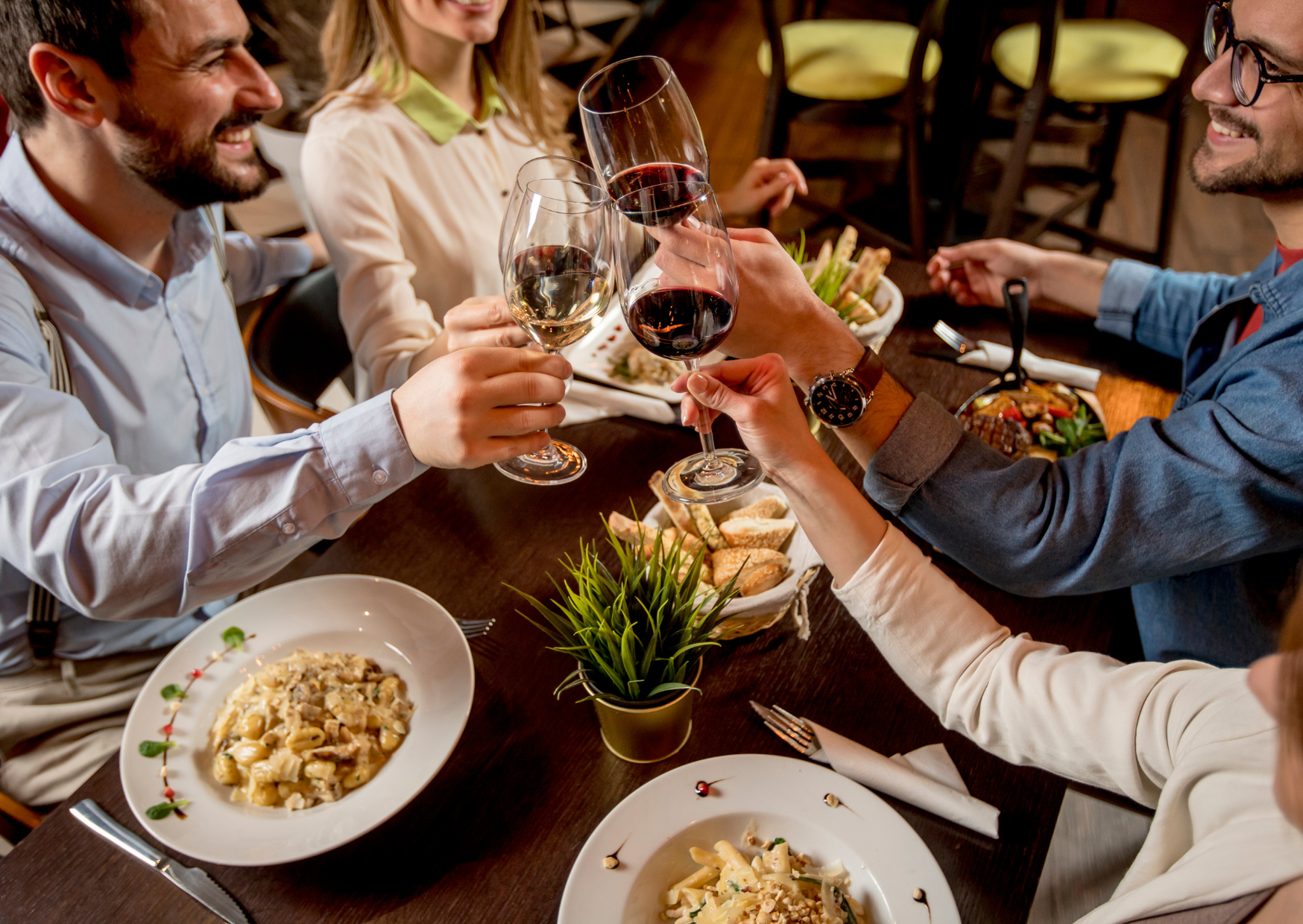
This is the heart of it.
Across Mediterranean countries, meal timing tends to look different from the standard American pattern. A major European meal-timing study found that Mediterranean countries had later timetables but greater energy load earlier during the day. In plainer English: even when mealtimes are shifted later overall, more of the day’s calories are concentrated earlier, especially around lunch.
In Spain specifically, lunch is traditionally the largest meal of the day, while dinner is often lighter. That pattern is described in both cultural descriptions of Spanish eating and supported by broader Mediterranean meal-timing research.
That matters for reflux because it changes two things at once:
- you are less likely to go to bed with a huge digestive load
- you are less likely to pack your most aggressive meal into the worst possible time window
American life often does the opposite:
- tiny or sugary breakfast
- inadequate lunch
- snack chaos
- huge dinner late in the day because “this is when we finally sit down”
That final meal is often where the reflux starts winning.
The Most Useful Part Is Not “Spanish Food.” It Is Staying Upright After Eating.

This is the part people miss because it is not glamorous.
One of the strongest lifestyle patterns associated with less reflux is simple:
do not lie down after eating.
The 2021 GERD-related dietary and lifestyle review found that sitting or walking after a meal instead of lying down was negatively correlated with GERD, and that having less than 3 hours between dinner and sleep was positively correlated with GERD.
That is a huge clue.
And it lines up almost perfectly with how a slower Spanish meal pattern often works in real life:
- meals are not usually inhaled in five minutes
- people stay seated, upright, and social after eating
- there is often a built-in pause after the main meal
- dinner, when lighter, puts less pressure on the evening digestion window
So yes, the “Spanish habit” can help.
But the hidden mechanism is not mystical Mediterranean chemistry.
It is:
less overfilling, less rushing, and less horizontal behavior immediately after meals.
The Americans Who Improve Usually Change Four Things At Once
This is where the internet starts lying.
People love saying one thing cured them:
- olive oil
- no seed oils
- no gluten
- no dairy
- one herbal tea
- one probiotic
- one magical foreign custom
In reality, the people who stop living on antacids often change a whole cluster of habits at the same time:
- they make lunch bigger
- they make dinner smaller
- they eat more slowly
- they stop lying down soon after eating
Those are exactly the kinds of habits linked to less reflux in the literature. Fast eating and eating beyond fullness have been associated with GERD, while smaller meals and staying upright are common lifestyle recommendations from both clinical and patient-facing GI guidance.
So if someone says, “The Spanish habit fixed it,” what probably happened is not that one ritual performed a miracle.
What happened is that the entire reflux setup got less stupid.
Why This Feels So Different From The American Dinner Pattern
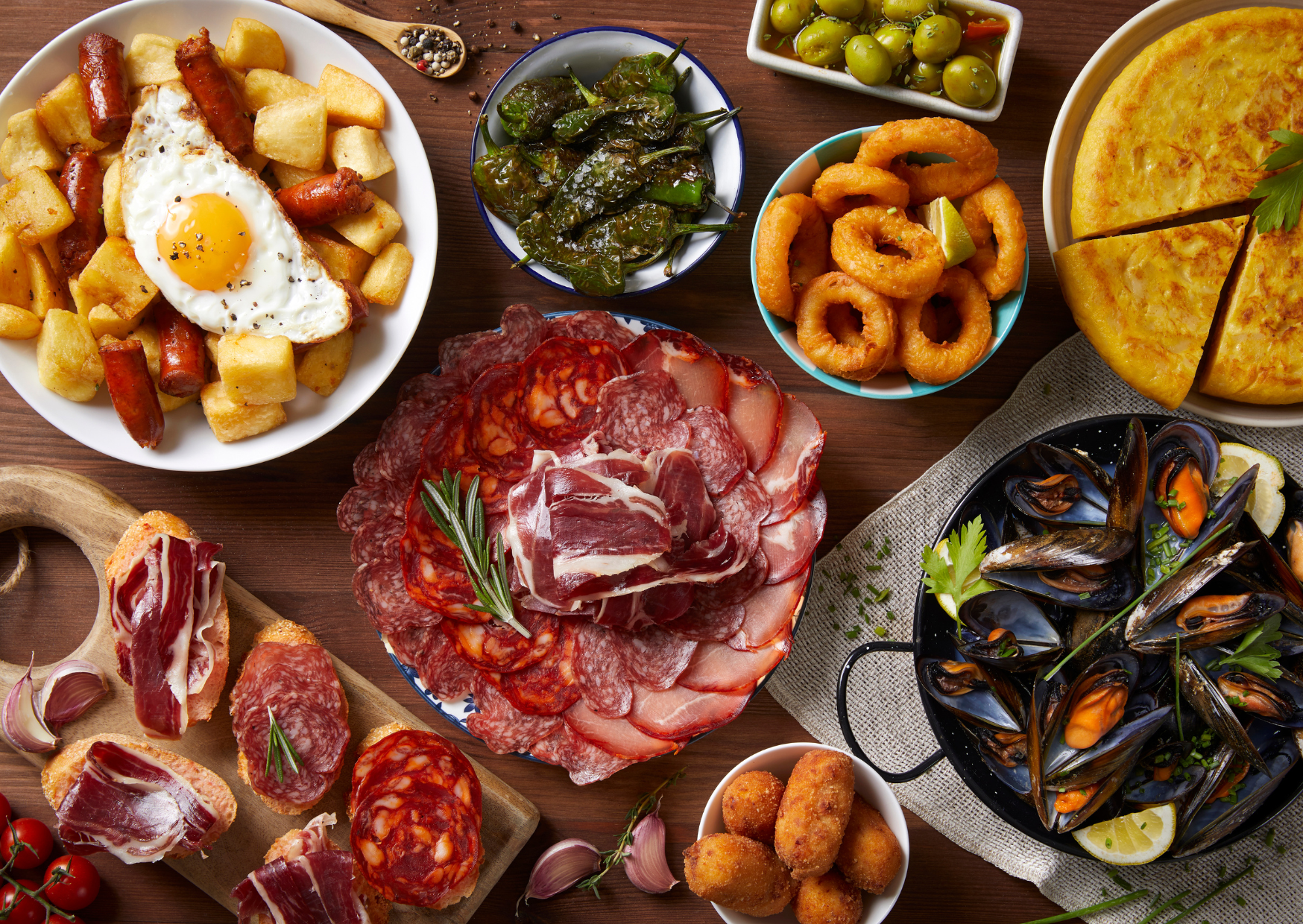
The U.S. default is almost comically hostile to digestion.
A normal workday often produces this:
- fast breakfast or no breakfast
- rushed or inadequate lunch
- random snacks
- heavy dinner late
- couch
- bed
By the time people finally eat a “real” meal, they are:
- hungrier
- more likely to overeat
- more tired
- more likely to eat fast
- more likely to go horizontal soon after
That combination is excellent for reflux.
GI guidance across multiple sources consistently recommends:
- smaller meals
- not eating close to bedtime
- remaining upright after meals
The Spanish pattern often softens all three problems at once.
Not because Spain is perfect.
Because the structure makes the late-day digestive load less ridiculous.
The “Later Spanish Dinner” Objection Is Real, But People Misunderstand It
This is the part someone always brings up.
“Wait, don’t Spaniards eat late? Wouldn’t that make reflux worse?”
Sometimes, yes, it can.
Mediterranean population research confirms that Spanish meal timing is often later.
But “later” by itself is not the whole issue.
Two other details matter:
- lunch often carries more of the day’s energy
- dinner is often lighter than the oversized American evening meal
So the question is not just what time dinner happens.
It is:
- how big it is
- how fast you eat it
- what you do afterward
- how close it lands to sleep
If you copy only the late dinner part and keep the American habit of eating a huge meal, then yes, you can absolutely make reflux worse.
If you copy the actual useful part, it looks more like:
main meal earlier, smaller dinner, slower pace, upright after eating.
That is a different system.
The Part That Actually Helped: Less Overfilling

This is the most underrated piece.
Reflux loves overfilling.
The more you stretch the stomach, the more mechanical pressure you can create around the gastroesophageal junction, especially if you follow that by slouching, lying down, or sleeping. The lifestyle review literature repeatedly points to eating beyond fullness and large meals as part of the reflux problem.
A slower midday meal often helps people in a very simple way:
they stop treating dinner like a rescue mission.
That means:
- less stuffing
- less “I’m starving so I inhaled it”
- less late-night chest burn
- fewer chewable tablets acting as dessert
This is not romantic.
It is mechanical.
And because it is mechanical, it can work quickly.
What Americans Get Wrong When They Try To Copy It
This is where people ruin the lesson.
They hear “Spanish eating habit” and decide the answer is:
- wine
- olive oil
- tapas
- eating late
- espresso after a heavy meal
- some fantasy of Mediterranean leisure while keeping the same bad structure
That is not the useful part.
The useful part is:
- front-load more food earlier
- stop making dinner the day’s biggest event
- eat more slowly
- stay upright after eating
- leave time before bed
If you keep the oversized late American dinner and just add manchego or Rioja, you have not adopted a Spanish digestive habit.
You have just decorated the reflux.
The First 7 Days If You Want To Test This Properly
Day 1: Move More Food To Lunch
Not a snack lunch. A real meal.
You are trying to reduce the pressure on dinner, not “be healthier” in some vague way.
Day 2: Make Dinner Smaller
Not tiny, not miserable. Just clearly smaller than lunch.
This is the biggest structural change.
Day 3: Eat Dinner Earlier Relative To Sleep
Whatever time you eat, create at least a 2–3 hour buffer before bed. That is a standard reflux-management recommendation across GI sources.
Day 4: Stop Eating Like You’re Being Timed
Fast eating is associated with more reflux. Slow down enough that you can notice fullness before you cross the line.
Day 5: Stay Upright After The Meal
Sit, walk, clean up, talk, go outside, do anything except collapse into bed or the couch immediately.
Day 6: Reduce The “Rescue” Foods At Night
Heavy fried foods, oversized portions, and obvious triggers matter, but the timing and volume often matter just as much.
Day 7: Track Symptoms Honestly
Not your ideals. Your actual burn, pressure, throat irritation, nighttime reflux, and antacid use.
A lot of people notice the first benefit here:
not perfection, just less need for the nightly tablet.
That is already a huge win.
The Honest Takeaway

No, a Spanish eating habit does not magically cure reflux.
But there is one pattern in Spanish daily life that can genuinely help a lot of people:
make lunch the real meal, keep dinner lighter, eat slowly, and stay upright after eating.
That pattern lines up surprisingly well with what GERD lifestyle guidance already recommends:
- smaller meals
- less overfilling
- no lying down after eating
- more time between dinner and sleep
So the useful lesson is not:
“Spain fixed my stomach.”
It is:
“When I stopped eating like an exhausted American and started eating in a way that gave my digestion a chance, I needed fewer antacids.”
That is much less romantic.
It is also much more likely to be true.

About the Author: Ruben, co-founder of Gamintraveler.com since 2014, is a seasoned traveler from Spain who has explored over 100 countries since 2009. Known for his extensive travel adventures across South America, Europe, the US, Australia, New Zealand, Asia, and Africa, Ruben combines his passion for adventurous yet sustainable living with his love for cycling, highlighted by his remarkable 5-month bicycle journey from Spain to Norway. He currently resides in Spain, where he continues sharing his travel experiences with his partner, Rachel, and their son, Han.