
The French Riviera isn’t just about glamorous beaches and sparkling yachts—it’s also home to some of the most authentic and flavorful dishes in France. Nestled between the Mediterranean Sea and Provence, this region has a food culture that blends the freshness of coastal ingredients with rustic traditions passed down for centuries.
Visitors often focus on the Riviera’s scenery and nightlife, but the local kitchens tell an equally compelling story. From vibrant markets bursting with seasonal produce to seaside cafés serving recipes you won’t find anywhere else, the region’s culinary identity is every bit as iconic as its views.
In this post, we’ll explore three of the most popular foods from the French Riviera. These dishes don’t just represent local tradition they capture the Riviera lifestyle itself: simple, flavorful, and rooted in community.
Read here best French Food, vegetarian food in France, France and Switzerland 14 Days Itinerary and Classic French Breakfast
BOOK YOUR TRAVEL INSURANCE
Two of our favorite travel insurance: Heymondo Vs Safetwing cheapest travel Insurance. You can get for $135 USD your Heymondo Travel Insurance with Heymondo discount code valid for 90 days. Read our full comparison of Genki vs Safetywing Travel Insurance Review and the comparison Heymondo vs Genki
How to Eat
Eating on the Riviera is less about rushing through a meal and more about savoring every bite. Locals take their time, often enjoying leisurely lunches by the sea or long dinners with friends, making food as much about social connection as nourishment.
Each dish is usually accompanied by fresh bread and wine, with a focus on balance rather than overindulgence. The Mediterranean diet shines here, showcasing vegetables, olive oil, seafood, and herbs in combinations that feel light yet satisfying.
If you’re trying Riviera foods at home, approach the meal as the locals do: sit down, take your time, and let the flavors unfold slowly. Eating here isn’t just about taste it’s about atmosphere, conversation, and appreciation of simple pleasures.
How to Partner
Pairing Riviera dishes is about matching them with complementary flavors rather than overwhelming them. A crisp white wine from Provence enhances seafood dishes, while rosé an everyday staple in the region—pairs beautifully with lighter vegetable-based recipes.
Side dishes often include fresh salads, grilled vegetables, or rustic breads that soak up the sauces and oils. This keeps meals balanced and lets the star ingredients shine without distraction.
For those making these dishes at home, remember that simplicity is key. Avoid overcomplicating pairings; instead, choose fresh, seasonal accompaniments that echo the Mediterranean lifestyle.
One of the more controversial aspects of Riviera cuisine is its resistance to heavy, processed flavors. In many parts of the world, indulgence is defined by richness and excess, but here, restraint is considered a higher art form. Some tourists find these dishes too “light” compared to what they expect from French food.
Another source of debate is tradition versus modernization. Locals often bristle when chefs add unnecessary twists to classic recipes, seeing it as disrespectful to culinary heritage. While international visitors may enjoy fusion variations, Riviera residents usually prefer authenticity.
Finally, there’s the issue of accessibility. Riviera food is rooted in fresh, seasonal produce, which can be difficult to replicate abroad. Critics argue that this makes the cuisine elitist, but locals counter that it reflects a deep respect for nature’s rhythms—a concept many cultures have lost.
Best French Rivera Food Recipes
1. Salade Niçoise

This iconic salad from Nice combines fresh vegetables, tuna, and anchovies in a light, flavorful dish perfect for a Riviera lunch.
Ingredients:
200g fresh green beans, trimmed
4 ripe tomatoes, cut into wedges
1 small red onion, thinly sliced
1 lettuce (e.g., Romaine or Butter lettuce), leaves washed and dried
4 hard-boiled eggs, quartered
1 can (about 150g) of tuna, drained and flaked
A handful of black Niçoise olives
4 anchovy fillets (optional)
Olive oil
Red wine vinegar
Salt and pepper
Fresh basil leaves for garnish
Instructions:
Boil the green beans in salted water until just tender, about 4-5 minutes, then plunge into ice water to stop the cooking process and preserve the color. Drain.
Arrange the lettuce leaves on a large platter. Top with green beans, tomato wedges, sliced onion, quartered eggs, tuna, olives, and anchovies if using.
For the dressing, whisk together olive oil, red wine vinegar, salt, and pepper. Drizzle over the salad.
Garnish with fresh basil leaves before serving.
Tips:
For the best flavor, use high-quality tuna and olives. Adjust the amount of olive oil and vinegar to your taste.
Calories: Approximately 300-350 calories per serving.
Read here how to make Nicoise Salad
2. Bouillabaisse
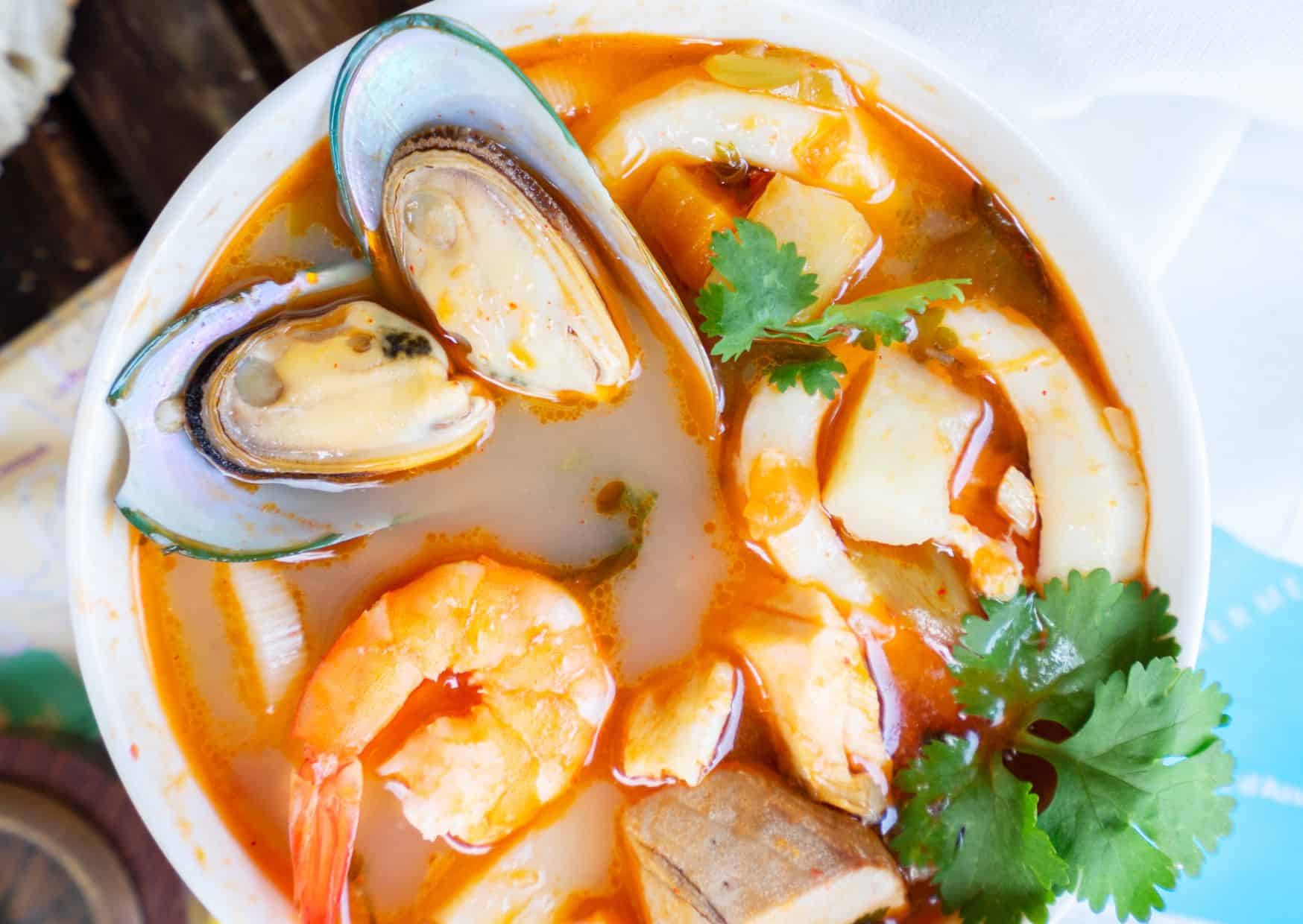
This traditional Provençal fish stew from Marseille features a variety of fish and shellfish in a rich, saffron-infused broth.
Ingredients:
500g assorted fish fillets (e.g., sea bass, red snapper), cut into large pieces
200g shellfish (e.g., mussels, clams), cleaned
1 fennel bulb, thinly sliced
1 onion, chopped
2 tomatoes, peeled and chopped
3 cloves garlic, minced
1 pinch of saffron threads
1 liter fish stock
Olive oil
Salt and pepper
Rouille sauce (garlic mayonnaise), for serving
Crusty bread, for serving
Instructions:
In a large pot, heat the olive oil over medium heat. Add the onion, fennel, and garlic, and sauté until soft.
Add the tomatoes and saffron, cook for a few more minutes.
Pour in the fish stock and bring to a simmer. Add the fish pieces and shellfish. Simmer gently until the fish is cooked through and the shellfish have opened, about 10-15 minutes. Season with salt and pepper to taste.
Tips:
Use the freshest fish and shellfish you can find. Serve with a dollop of rouille on top and plenty of crusty bread to soak up the broth.
Calories: About 400-450 calories per serving, depending on the types of fish and amount of olive oil used.
Read here how to make Bouillabaisse
3. Ratatouille

This vegetable stew from Nice is a celebration of summer vegetables and can be served as a main dish or a side.
Ingredients:
1 eggplant, cut into cubes
2 zucchinis, cut into cubes
1 red bell pepper, cut into strips
1 yellow bell pepper, cut into strips
1 onion, chopped
2 tomatoes, chopped
3 cloves garlic, minced
Olive oil
A few sprigs of fresh thyme
Salt and pepper
Instructions:
Heat a large skillet over medium heat. Add olive oil. Sauté the onion and garlic until they begin to soften.
Add the eggplant and peppers, cook until they start to soften.
Add the zucchini and tomatoes, cover, and simmer for about 20-30 minutes, stirring occasionally. Season with thyme, salt, and pepper. Cook until all vegetables are tender.
Tips:
Cook vegetables in stages to ensure each is perfectly tender. Ratatouille tastes better the next day after the flavors have had time to meld.
Calories: Approximately 200 calories per serving.
Read here how to make Ratatouille
Origin and History
The cuisine of the French Riviera developed at the crossroads of Mediterranean trade, fishing traditions, and rural farming life. For centuries, coastal towns like Nice and Antibes relied on olives, wheat, vegetables, and seafood as daily staples. These ingredients formed the foundation of simple, nourishing dishes designed for working families.
Socca, the chickpea pancake popular in Nice, traces its roots to ancient Roman and Ligurian cooking. Made from chickpea flour, olive oil, and water, it was originally a cheap and filling food for laborers. Over time, it became a symbol of local street culture and community life.
Pissaladière, the onion and anchovy tart, reflects the region’s connection to both land and sea. Slow-cooked onions represented inland agriculture, while anchovies and olives highlighted coastal influence. This dish evolved as a practical way to preserve ingredients and create hearty meals.
Pan bagnat emerged from fishermen and market workers who needed portable lunches. Using day-old bread, olive oil, tuna, and fresh vegetables, it became a complete meal wrapped in paper. What began as working-class food eventually became one of the Riviera’s most beloved traditions.
One major controversy surrounding Riviera food is how often it is misrepresented to tourists. Many restaurants replace traditional recipes with generic Mediterranean dishes, leading visitors to miss authentic local flavors. Locals often criticize these “internationalized” menus for erasing regional identity.
Another debate centers on ingredient substitutions. True socca requires chickpea flour and wood-fired heat, yet many modern versions use electric griddles and altered recipes. Purists argue that these shortcuts change the texture and flavor entirely.
Pissaladière also sparks disagreement over toppings. Some versions include tomatoes or cheese, while traditional recipes do not. For many locals, adding these ingredients turns the dish into something closer to pizza than authentic Riviera cuisine.
Pan bagnat is frequently misunderstood abroad. Some cafés serve it as a loosely assembled tuna sandwich, ignoring the importance of soaking the bread in olive oil and juices. Locals insist that without proper “bathing,” it is not real pan bagnat.
How Long It Takes to Prepare
Socca batter takes only about ten minutes to mix, but it benefits from resting for at least one hour. Cooking requires very high heat and usually takes five to seven minutes per batch. Mastering timing is more important than speed.
Pissaladière requires the most patience. Caramelizing onions alone can take forty to fifty minutes. Preparing dough or pastry adds another twenty minutes, followed by baking time of about thirty minutes.
Pan bagnat is relatively quick to assemble. Preparing vegetables and tuna takes about fifteen minutes. However, the sandwich must rest for at least thirty minutes to allow flavors to soak into the bread.
When making all three dishes from scratch, most home cooks spend around two to three hours. While none are technically difficult, each rewards careful timing and attention to detail rather than rushing.
Serving Suggestions
Socca is best served piping hot, cut into rough pieces, and seasoned with black pepper. Locals usually eat it standing near street stalls, often accompanied by a simple drink. It works best as a snack or appetizer.
Pissaladière is traditionally served at room temperature. It pairs well with green salads and olives, making it ideal for lunch or picnics. Many families serve it as part of casual gatherings.
Pan bagnat should be sliced and served after resting, when the bread is fully infused with flavor. It works perfectly for beach lunches, travel days, or outdoor meals. Fresh fruit makes a natural side.
For authentic Riviera-style meals, these dishes are often served together in small portions. Combined with local vegetables and mineral water or wine, they create a balanced and satisfying spread.
Final Thoughts
These three dishes represent the true spirit of the French Riviera: practical, flavorful, and deeply connected to daily life. They were not created for luxury dining, but for nourishment, convenience, and community.
Learning to prepare them reveals how much care goes into simple food. From slow-cooked onions to properly soaked bread, each step reflects generations of refinement. Nothing is accidental.
In a region often associated with glamour and wealth, these humble dishes tell a different story. They remind us that Riviera cuisine is rooted in markets, fishing boats, and family kitchens rather than luxury resorts.
By mastering socca, pissaladière, and pan bagnat, you gain access to a quieter, more authentic side of southern France. These foods offer more than flavor. They provide a connection to local history, everyday rhythms, and a way of life that tourists rarely see.

About the Author: Ruben, co-founder of Gamintraveler.com since 2014, is a seasoned traveler from Spain who has explored over 100 countries since 2009. Known for his extensive travel adventures across South America, Europe, the US, Australia, New Zealand, Asia, and Africa, Ruben combines his passion for adventurous yet sustainable living with his love for cycling, highlighted by his remarkable 5-month bicycle journey from Spain to Norway. He currently resides in Spain, where he continues sharing his travel experiences with his partner, Rachel, and their son, Han.