
So let’s say the quiet part out loud. Italy’s most “touristy” places are crowded, overpriced, and occasionally ridiculous. They are also where some of the best days of your life happen if you use them the way Italians do. Not with VIP lanyards or hacks, just timing, order, and a little language. I kept trying to avoid the obvious spots, then realized locals were there too, just at the right hour, on the right side of the street, paying the price that makes sense.
Where were we. Right. Seven classic “traps,” why they still matter, what they actually cost, and exactly how to do them without feeling like a mark.
1) Venice Gondola Rides

A cliché until you do it like a Venetian
Venetians do not commute by gondola. They take the traghetto across the Grand Canal for one euro, stand up, and get on with life. The tourist gondola ride is for storytelling and celebration. Done right, it is worth every euro.
How locals frame it
Think theater, not transport. Choose a quiet canal first, the Grand Canal second. The mood flips when you slip past laundry and ivy before you hit the big view.
Timing that saves the ride
- Early 8:00 to 9:00 for empty canals and soft light
- Golden hour 19:00 to 20:00 for reflections and fewer shouting boats
Real prices
The city posts them. Day rides around 30 minutes are typically €80 per boat. After 19:00 it is about €100. Up to five people share the fare. Do not negotiate like a flea market; you pick your gondolier for route and vibe, not for discounts.
What to say
Italian helps, but clear English works. “Can we start on the small canals and finish with the Grand Canal, about thirty minutes” gets a nod. A precise route beats bargaining.
Small rules that change everything
- Cash ready. Cards are hit or miss.
- Pick your pier near Santa Maria dei Miracoli or San Stae to start on calm water.
- Skip singing unless you want it. It adds cost and kitsch. The water already sings if you let it.
Remember: this is not a taxi, it is an instrument. The city sounds different when you float at knee height under a stone bridge at 7:45.
2) Florence’s Mercato Centrale
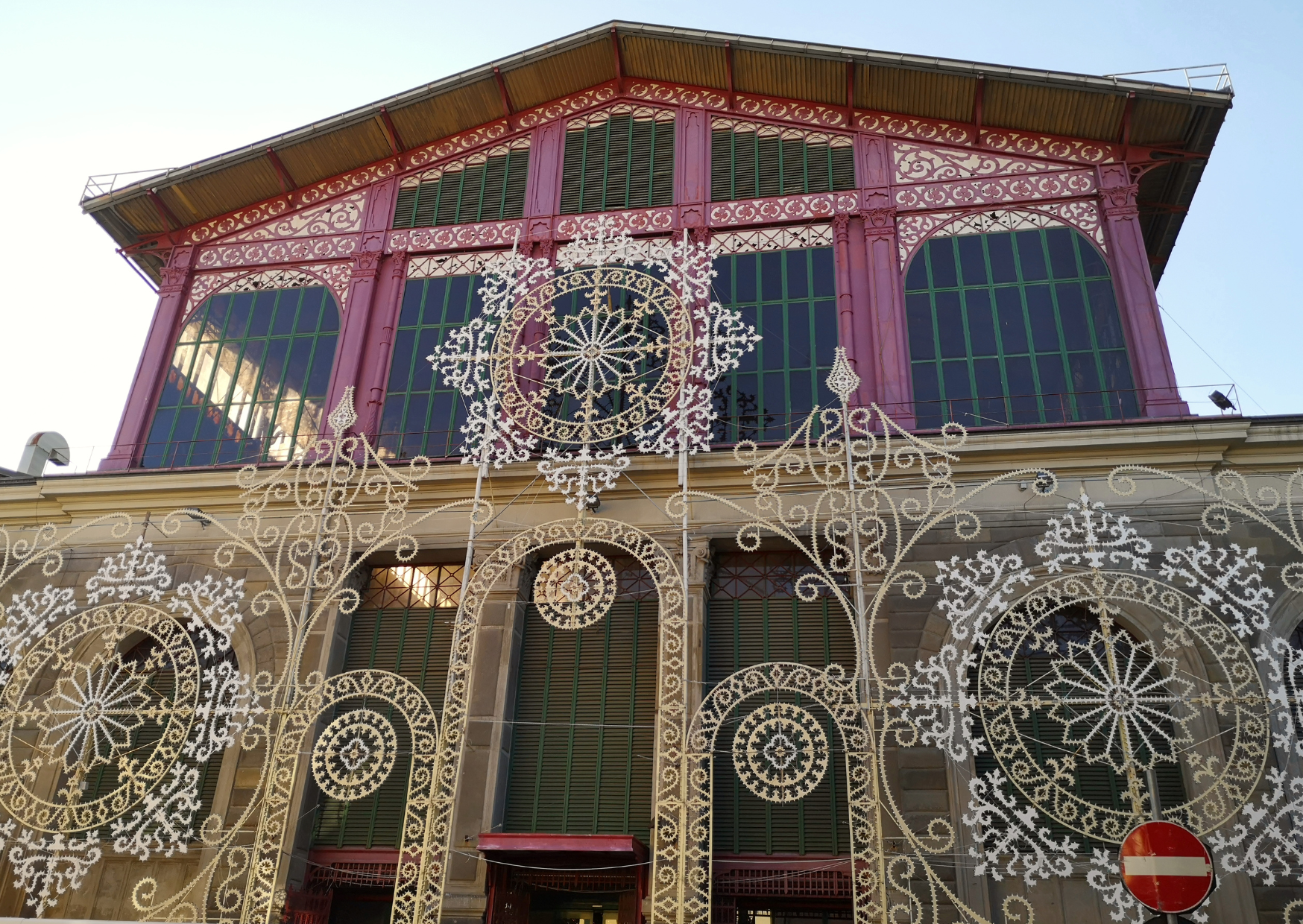
Tourist trap upstairs, Florentine life downstairs
People call Mercato Centrale a food court and walk away. Locals roll their eyes at the Instagram end too, then shop the ground floor like normal people. The secret is the hour and the floor.
When to go
- Ground floor, 8:30 to 11:00. Butchers working, produce shining, prices local.
- Lunch at Nerbone by 11:30 before the line turns into a photo shoot.
What to eat like a Florentine
- Lampredotto panino at Da Nerbone. Tender tripe, salsa verde, splash of broth. €5 to €6, and it will ruin every sad sandwich you meet for a year.
- Porchetta slice with a paper cone of roasted potatoes, €8 to €10.
- Seasonal fruit from the stalls downstairs for €2 to €4 a punnet.
What to skip
The branded, globally identical stalls upstairs at peak lunch. If you want quiet value upstairs, arrive at 12:00 sharp, grab a stool, eat, and exit.
Trick outside the market
The San Lorenzo leather stalls are theater. If you actually want leather, walk ten minutes to Scuola del Cuoio inside Santa Croce workshops or a tiny artisan north of the Duomo. Buy one good belt, not three soft fakes.
Remember: Florence rewards mornings. The market is a neighborhood at 9:45 and a theme park at 13:45.
3) Rome’s Colosseum, Forum, and Palatine Hill

A money pit if you chase lines, a masterpiece if you flip the order
The Colosseum looks like a trap because you see the queue and lose hope. Romans do the complex like they do coffee. Right door, right time, no drama.
How to structure it
- Start at Palatine Hill entrance. It is calmer, with shade and fountains.
- Walk Palatine to the Forum. You see Rome appear under your feet.
- Enter the Colosseum last with timed entry. Leave yourself a good hour.
Real prices
A standard combo ticket with timed entry hovers around €18 to €24 depending on access level. Audio guides are fine if you learn better with a voice, but do not buy from people waving brochures on the street.
What to say
At the gate: “We have timed entry for the Colosseum, which entrance is fastest from Palatine.” Staff is helpful when you are precise.
When to go
- First slots are quiet and cool.
- Late afternoon after the buses leave is also gentle, especially outside high summer.
Small moves that save hours
- Bring water and a hat. Buying either inside is a tax on heatstroke.
- Read one paragraph about the hypogeum before you enter. You will see the stage machinery in your head.
- Do not try to do Vatican and Colosseum the same day. Your brain will hate you.
Remember: flip the order, keep the clock, and Rome stops feeling like a line.
4) Pisa’s Leaning Tower
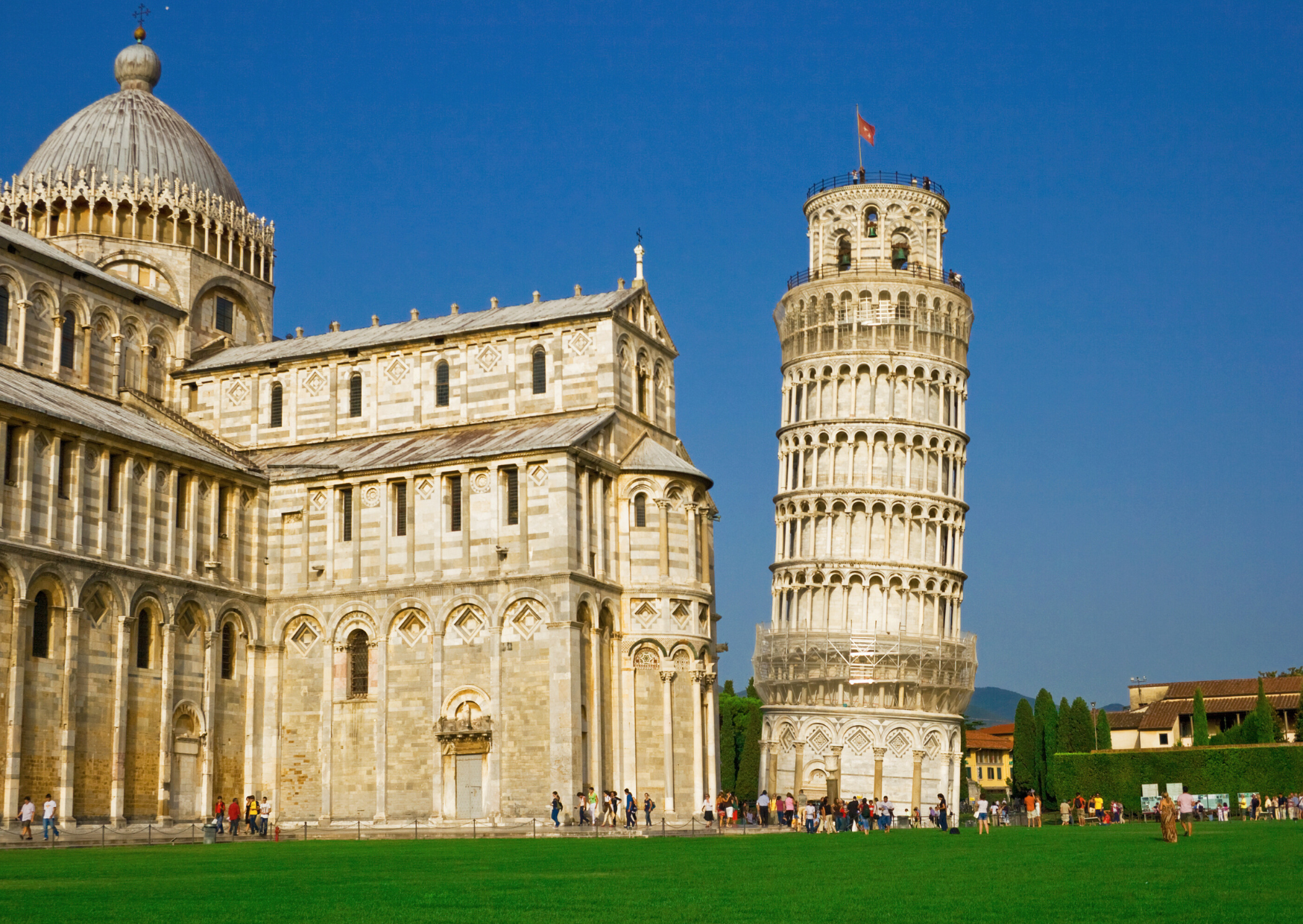
The joke photo is a trap, the climb and the camposanto are not
Pisa gets called a one trick town. Locals roll in for visits to family, then quietly climb the tower at the last slot and stand in the Camposanto Monumentale where the city is silent.
How to make it worth the train
- Book the tower for the last climb of the day. Light is soft, crowds thin. Tickets are about €20 for the climb. They check bags, so travel light.
- Walk the Camposanto. The cloister and floor tombs change your mood for €7 to €8.
- Skip the photo circus or do it and laugh, then leave the lawn in five minutes.
Local lunch that redeems the day
Walk to Borgo Stretto and order cecina. It is a chickpea flatbread, hot and peppered, often €2.50 to €3.50 a slice. If you have time, take the 25 minute hop to Lucca and bike the walls. Ten euros buys two hours of joy.
Remember: the tower is a spiral of history, not a meme. Climb, breathe, and leave the lawn happy.
5) Amalfi Coast Beach Clubs

The chairs look like a scam until you realize what you are buying
Stabilimenti balneari rent lettini and umbrellas by the day. At first the prices feel like a hostage note. The service, safety, and order are why locals still pay.
What it actually costs
- Maiori, Minori, Vietri: €18 to €28 for two beds and an umbrella, first rows a bit more.
- Positano, Amalfi town: €35 to €60 in high season, yes, it spikes.
- Locker and shower often included or €3 to €5 extra.
What you get beyond a chair
- A roped swim area, a lifeguard, a changing cabin, showers, and often a bar with actual food. Your stuff is safe while you swim. Chaos is the free beach. Order is the fee.
When locals go
- June and September are the sweet spots.
- Arrive before 10:00 or after 16:30 to choose rows and pay less.
Eat like you belong
- Insalata di limone or a simple tuna and tomato plate.
- Granita al limone between swims.
- Water on the table, coffee after the second dip. That is the whole day.
Transport that preserves dignity
- Ferries along the coast are worth the euros. Sun, wind, zero hairpin nausea.
- The SITA bus is cheaper but hot in peak hours. Go early or late.
Remember: you are renting a square meter of peace in a beautiful circus. Some days that is a bargain.
6) Murano Glass “Demonstrations”
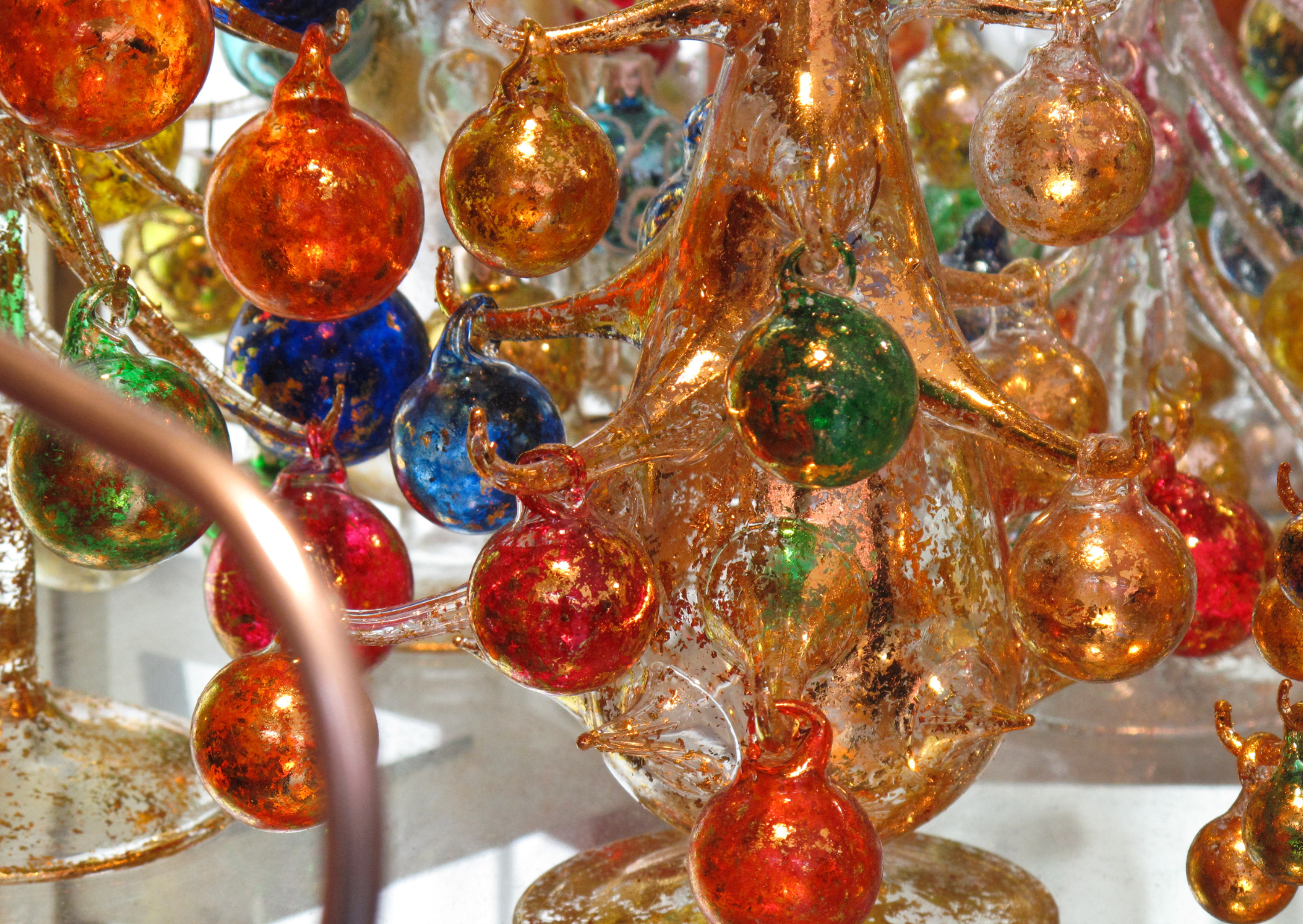
The free tour can be a trap, the furnace at 10:00 with a real shop is not
Everyone warns you about the forced shopping tours with “free” boat rides. Fair. Skip the bus tours and go by vaporetto. Then visit a real furnace in the morning while workers are fresh and the heat is sane.
How to do it without pressure
- Vaporetto to Faro or Colonna on Murano by 9:45.
- Walk to a fornace that posts hours and has a working showroom. Watch a maestro pull a cup at 10:00. Ten minutes is enough to see the technique.
What to buy that lasts
- Tumbler glasses in a color family, €25 to €40 each for solid work.
- A mezzaluna paperweight or a simple carafe, €45 to €90.
- Skip chandeliers unless you already live with chandeliers.
How locals judge quality quickly
- Smooth pontil, weight that feels alive, no bubbles that look sloppy.
- Colors look like minerals, not neon.
- Signed pieces are a bonus but not a guarantee.
What to say
“Cerco bicchieri da uso quotidiano, non souvenir” tells them you want real glasses for daily use, not tourist miniatures. You get better service immediately.
Remember: Murano is a craft, not a coupon. Buy one beautiful object you will touch every day and leave the rest.
7) Milan’s Galleria Vittorio Emanuele II
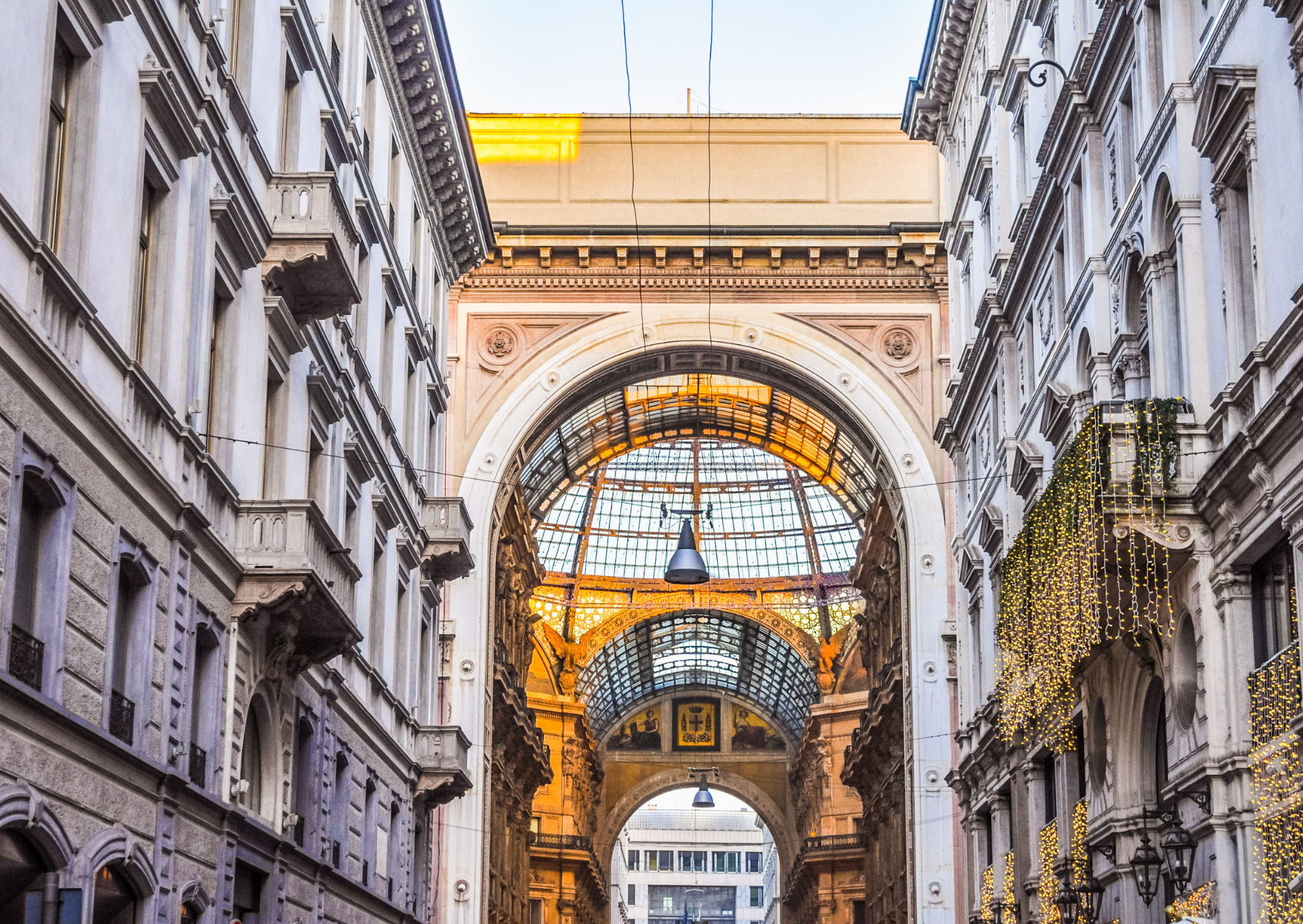
Twelve euro cappuccino if you sit, a perfect €1.30 espresso at the bar
The Galleria reads like a set piece. Shiny floors, long shadows, cameras everywhere. Sit down under the glass and you pay for the view. Stand at the bar and you pay what Milanese pay.
The two ways to do it
- Bar style at Camparino or Motta. Espresso €1.30 to €1.60, Campari Seltz €4 to €6. Drink standing, watch the world, leave happy.
- Table service if you want the show. Cappuccino or spritz will run €9 to €14 with coperto. You are buying a front row seat in a light cathedral. If you accept that, it is not a trap at all.
Aperitivo that feels like Milan
From 18:00, a small cocktail with a plate of snacks is normal. Ask what is included. If food is decent, the drink price makes sense.
What to do after
Walk five minutes to Luini for a warm panzerotto for €3 to €4. Eat it on a bench. The high and low together make the memory.
Remember: price without context is a trap, price with a view is a choice. Decide before you sit.
How to use “traps” the Italian way
Tourist places go wrong when you hand them your day and your wallet at the same time. Italians do three things differently, and it fixes almost everything.
They pick the hour, not just the place
- Early and late win. Middle of the day is for lunch, not lines.
- Crowds shrink when you move with the local clock.
They order like grownups
- At bars, stand for espresso if you care about price. It is part of the ritual.
- At restaurants, house wine and daily plates are often the best thing on the menu.
- Bread is not a meal, and dessert is not a daily requirement.
They plan one anchor and let the rest breathe
- A morning anchor, a lunch anchor, a late walk. Two big anchors is how trips feel frantic.
- Leave room for the five minute detours, because Italy rewards them.
Remember: your day changes price when you change the clock.
Exact mini itineraries that turn traps into highlights
Venice half day that feels local
- 8:15 gondola from a quiet pier
- 9:00 coffee standing at a bacaro, €1.30
- 9:30 walk through Cannaregio to see shutters open
- 12:30 cicheti lunch on your feet, €10 to €14 for a plate and a spritz
- 17:30 traghetto standing across the canal, €1
You just bought five postcard moments for the price of one bad sit-down meal.
Florence market morning
- 9:30 ground floor shopping at Mercato Centrale
- 10:45 lampredotto at Nerbone, €6
- 11:30 espresso at the bar, €1.30
- 12:00 cross to Sant’Ambrogio market if you want fewer cameras
- 13:00 simple lunch, then nap or museum
You ate like a resident and spent what a resident spends.
Rome ancient afternoon
- 14:00 Palatine entrance
- 15:30 Forum wander with shade
- 16:30 Colosseum timed entry
- 18:00 gelato in Monti, sit on a low wall
One anchor, then a neighborhood. No sprinting, no punishment.
What to skip even locals skip
Not everything redeems itself.
- Sit-down gelato in plastic swirls that never melt. Real gelato melts. If it looks like upholstery foam, walk on.
- Rushed tour menus with photos in six languages on streets that do not need them. Walk two blocks. Prices fall and seasoning returns.
- Free glass tours with closing doors. If you did not choose the furnace, it chose your wallet.
Key line: Italy is not the enemy of tourists, it is the enemy of hurry.
Useful Italian lines that lower the temperature
- “Possiamo fare un giro più tranquillo per i canali piccoli”
Can we do a calmer route through the small canals. - “Un panino di lampredotto, con salsa verde, grazie”
A lampredotto sandwich with green sauce, please. - “Caffè al banco, per favore”
Coffee at the bar, please. - “Qual è l’orario meno affollato”
What is the least crowded time. - “Cerco qualcosa di più locale, semplice”
I am looking for something more local, simple.
Remember: polite precision is the best discount.
Price cheat sheet so you can spot nonsense fast
- Espresso at the bar: €1.10 to €1.60 almost everywhere
- Cappuccino at the bar: €1.60 to €2.50
- Spritz away from prime squares: €4 to €7
- Sit-down coperto: €2 to €4 per person is normal in many regions
- House wine by the quarter liter: €3 to €6
- Beach chair and umbrella outside hotspots: €18 to €28 per day
If someone quotes triple these without a view that makes you cry, smile and walk.
A Few More Thoughts
I spent years telling people to skip Pisa. Then I climbed the tower at the last slot, stepped onto the marble with the world tilting underneath me, and realized I was wrong. Some icons are crowded because they deliver. The trick is to stop pretending you are above it and instead show up like a person who knows how to be there.
I also used to sneer at beach clubs. Then a lifeguard sprinted for a kid who wandered past the buoys and I understood what the fee buys in seconds. Sometimes the “trap” is the service you only notice when something goes wrong.
To Conclude
- Pick the hour before you pick the place.
- Start small in Venice, finish big.
- Florence market downstairs is real life, upstairs is a treat at 12:00 sharp.
- Rome works when you start at Palatine and end at the Colosseum.
- Pisa is worth it if you climb and leave the lawn.
- Beach clubs are peace, not pillows.
- In Milan, stand for coffee, sit for the view if you mean it.
Italy is not trying to trick you. It is trying to get you to slow down until your day tastes like it belongs here. Use the “traps” like an Italian and they stop being traps. The city will meet you halfway when you meet it at the right time.

About the Author: Ruben, co-founder of Gamintraveler.com since 2014, is a seasoned traveler from Spain who has explored over 100 countries since 2009. Known for his extensive travel adventures across South America, Europe, the US, Australia, New Zealand, Asia, and Africa, Ruben combines his passion for adventurous yet sustainable living with his love for cycling, highlighted by his remarkable 5-month bicycle journey from Spain to Norway. He currently resides in Spain, where he continues sharing his travel experiences with his partner, Rachel, and their son, Han.