
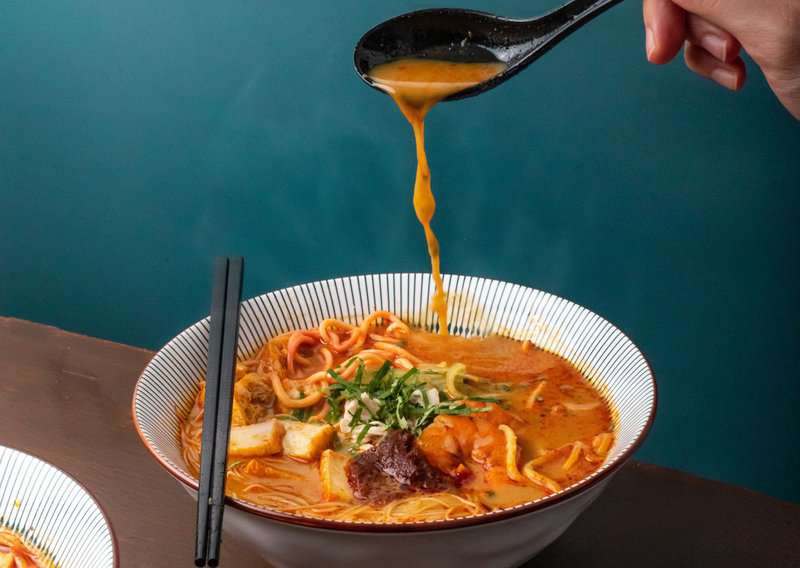
WLaksa isn’t just a noodle soup—it’s an explosion of flavor, culture, and history in a single bowl. Found across Malaysia, Singapore, and parts of Indonesia, this creamy, spicy, tangy dish blends Chinese and Malay influences into something that’s both deeply comforting and wildly exciting.
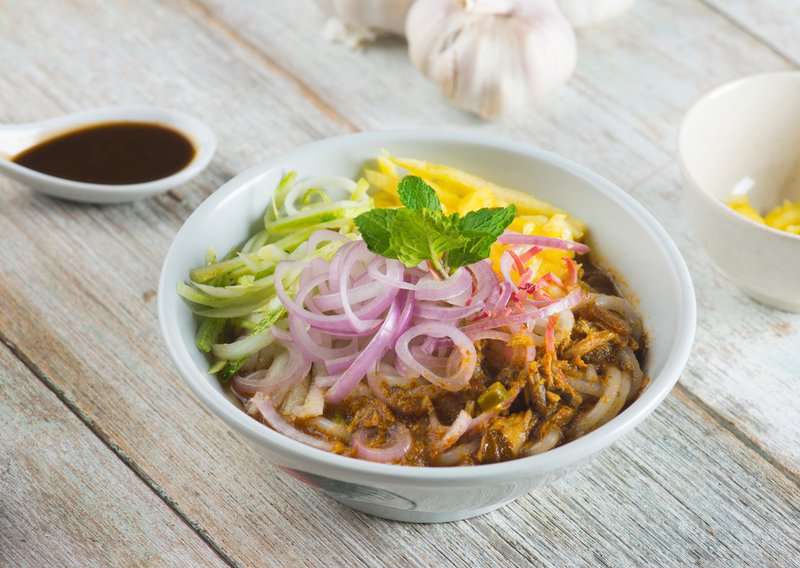
The dish typically features rice noodles or vermicelli swimming in a rich coconut curry broth or tangy tamarind-based soup, topped with shrimp, chicken, tofu, or a combination of all three. Garnished with fresh herbs, chili paste, and a squeeze of lime, laksa delivers layer after layer of flavor in every slurp.
While it may look complex, making authentic laksa at home is absolutely doable—with the right ingredients and a little patience. From pounding your own spice paste to building the broth slowly, the secret to great laksa is respecting the process and the cultural roots behind it.
BOOK YOUR TRAVEL INSURANCE
Two of our favorite travel insurance: Heymondo Vs Safetwing cheapest travel Insurance. You can get for $135 USD your Heymondo Travel Insurance with Heymondo discount code valid for 90 days. Read our full comparison of Genki vs Safetywing Travel Insurance Review and the comparison Heymondo vs Genki
Best Time to Eat Laksa
Laksa is best enjoyed for lunch or dinner, especially on cooler days when you’re craving something warm, spicy, and satisfying. It’s a comfort food in Southeast Asia and often enjoyed at street stalls, night markets, or family gatherings—perfect for cozy meals that linger.
How to Partner Laksa
Pair laksa with iced milk tea, calamansi juice, or a cold lager to cool down the heat. Serve it alongside fried wontons, roti canai, or a light Asian cucumber salad for a complete meal. If you’re entertaining, follow with a dessert like mango sticky rice or coconut jelly for a refreshing finish.
One of the biggest misconceptions about laksa is that it’s a single recipe. In reality, laksa comes in many regional variations—like Curry Laksa, Asam Laksa, Sarawak Laksa, and more—each with distinct broths, spices, and traditions. Lumping them all together under one recipe risks flattening their unique identities.
Another common issue is how Westernized versions often cut corners: skipping the spice paste, using generic curry powder, or swapping out hard-to-find herbs with “close enough” substitutes. While adaptation is fine, calling those versions “authentic” ignores the rich culinary heritage behind the dish—and often dulls its complexity.
Laksa is more than just comfort food—it’s a symbol of cultural fusion and resilience. Treating it like another trendy “noodle soup” undermines the history of the Peranakan communities who created it. To truly honor laksa, it’s not just about taste—it’s about respecting the roots of what’s in your bowl.
How to Make Laksa
Laksa Recipe Ingredients
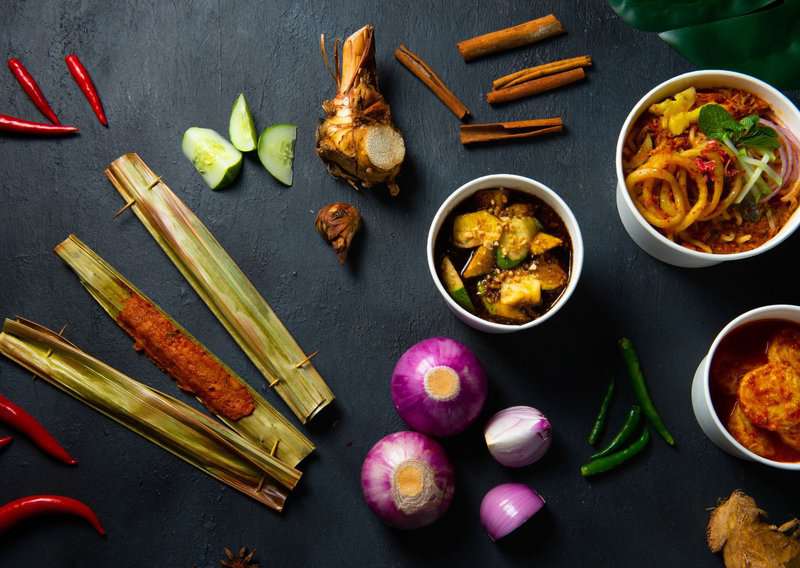
For the Laksa Paste:
4 dried red chilies, soaked in hot water until soft
2 fresh red chilies
1 stalk lemongrass, white part only, finely chopped
1 inch piece of galangal, peeled and sliced
3 cloves garlic
3 shallots, peeled
1 teaspoon shrimp paste (optional, but adds authenticity)
1 teaspoon ground turmeric
1/2 teaspoon ground coriander
For the Soup:
400 ml (about 1 2/3 cups) coconut milk
750 ml (about 3 cups) chicken or fish stock
200 grams (about 7 ounces) rice noodles (vermicelli or thick rice noodles)
200 grams (about 7 ounces) chicken breast, thinly sliced
200 grams (about 7 ounces) shrimp, peeled and deveined
2 fish cakes, sliced (optional)
200 grams (about 7 ounces) tofu puffs, halved
Bean sprouts, for garnish
Fresh coriander (cilantro), for garnish
Lime wedges, for serving
Boiled eggs
Get the best deals for your home and kitchen needs
Step By Step How to Make Laksa
- Make the Laksa Paste
Blend the soaked dried chilies, fresh chilies, lemongrass, galangal, garlic, shallots, shrimp paste, turmeric, and coriander in a food processor until it forms a smooth paste.
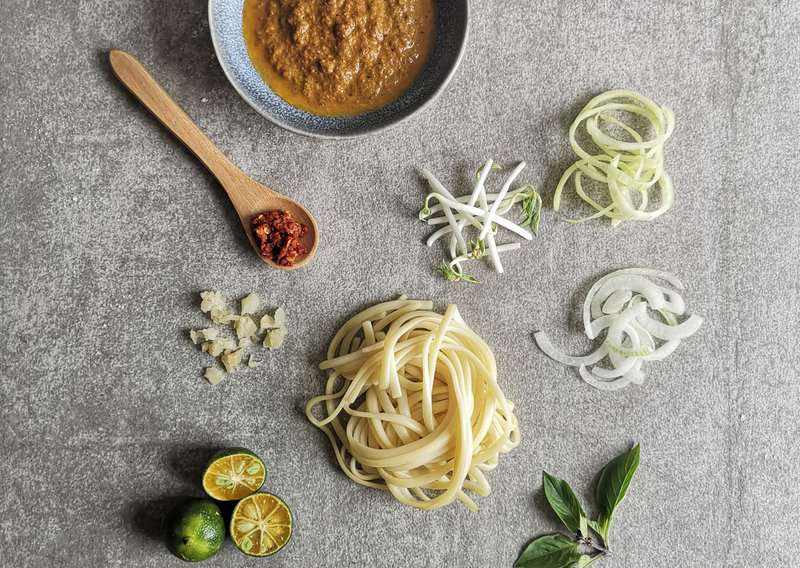
- Cook the Paste
Heat a large pot over medium heat. Add a tablespoon of oil and fry the laksa paste for about 5 minutes until aromatic.
- Prepare the Soup
Pour the coconut milk and stock into the pot with the laksa paste. Bring to a simmer. Add the chicken slices and continue to simmer gently until the chicken is cooked through.
- Cook the Noodles
Meanwhile, prepare the rice noodles according to the package instructions. Drain and divide them among serving bowls.

- Add Seafood and Tofu
Add the shrimp and fish cakes to the simmering soup. Cook until the shrimp are pink and cooked through. Add the tofu puffs, which will soak up the soup and become wonderfully flavorful.
- Assemble and Serve
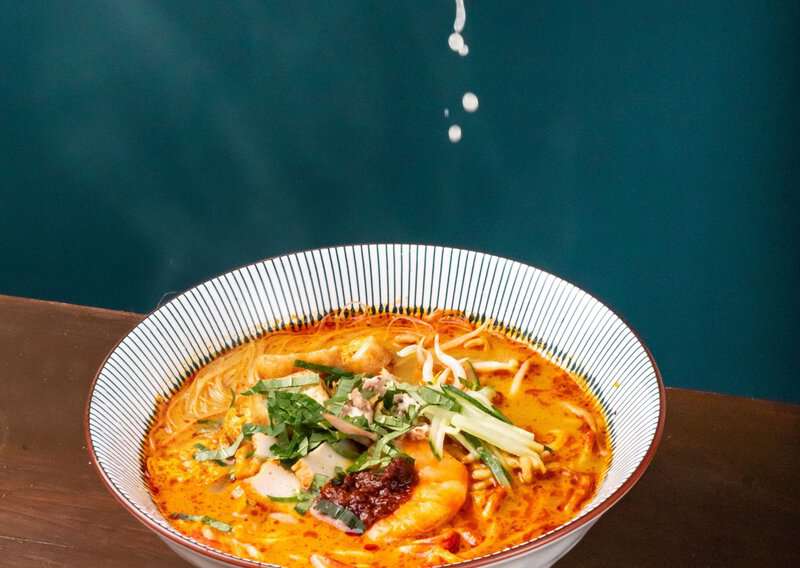
Pour the hot soup over the noodles in the bowls. Top each bowl with bean sprouts, fresh coriander, and a lime wedge. If using, place a halved boiled egg in each bowl. Serve hot, inviting diners to squeeze lime juice over their soup before eating.
Tips To Make Laksa
The soul of any laksa lies in its paste. Spend time making sure your paste is well blended and fried until aromatic to release all its flavors. Use full-fat coconut milk for the best flavor and richness.
Customize toppings according to preference. Common additions include mint leaves, sliced cucumber, and pickled vegetables.
How Many Calories Has A Laksa
Coconut Milk is 920 calories for 400 ml.
Chicken Stock is around 150 calories.
Rice Noodles (200 grams) is 700 calories.
Chicken Breast (200 grams) is about 330 calories.
Shrimp (200 grams) is around 200 calories.
Fish Cakes (200 grams, optional) is 200 calories.
Tofu Puffs (200 grams) is about 380 calories.
A serving of laksa can contain approximately 2900 calories, if you divide for 6 people is around 500 calories per person.
Origin and History
Laksa is one of the most vibrant and beloved dishes in Southeast Asia, known for its creamy broth, fragrant spices, and harmonious balance of flavors. Its roots trace back to the Peranakan culture—a unique fusion of Chinese and Malay heritage that emerged in Malaysia and Singapore centuries ago. As Chinese traders settled in the region, they blended their culinary techniques with local spices, herbs, and ingredients, creating a new, distinctive cuisine.
Laksa evolved from this cultural blend, combining rice noodles or vermicelli with a rich, aromatic broth made from coconut milk or tamarind, layered with herbs like lemongrass and galangal. It’s traditionally topped with shrimp, chicken, tofu, or fish cake, creating a dish that’s both comforting and bold.
Over time, Laksa spread throughout Southeast Asia, and each region developed its own variation. In Penang, the broth is sour and tamarind-based, known as asam laksa. In Singapore and Kuala Lumpur, coconut laksa reigns supreme, with its creamy, spicy soup. It’s a dish that carries history in every spoonful.
With its popularity, Laksa has also become a source of culinary debate. One of the most heated arguments revolves around which version is the “true” Laksa. Fans of asam laksa insist its tangy, fish-based broth is the original, while those who love curry laksa defend the creamy, coconut-laden variety as the most iconic. This friendly rivalry isn’t just about taste—it reflects regional pride and culinary identity.
Another hot topic is spice level. Traditional Laksa is unapologetically bold, with chili, lemongrass, and shrimp paste forming its backbone. But as the dish traveled globally, many versions toned down the spice to appeal to wider audiences. Purists argue that this softens its soul, turning a dish meant to awaken the senses into something bland and forgettable.
The final debate centers on toppings. Authentic Laksa features ingredients like fish cake, tofu puffs, and shrimp, while modern interpretations may include anything from poached eggs to avocado. While some welcome these innovations, others feel they dilute what makes Laksa truly special—a perfect balance of traditional elements and spice.
How Long You Take to Prepare
Laksa may look complex, but its preparation is manageable with the right organization. The key lies in the paste, made from a blend of shallots, garlic, galangal, lemongrass, chilies, and shrimp paste. Preparing the paste from scratch takes about 20 to 30 minutes, and it’s worth every second for that deep, layered flavor.
Once the paste is cooked and fragrant, coconut milk or tamarind broth is added, depending on which style you’re making. The broth simmers for about 20 minutes, allowing the flavors to develop fully. Meanwhile, noodles and toppings—like shrimp, chicken, or tofu—are prepared separately.
The entire process typically takes around 45 minutes to an hour. While pre-made laksa pastes can save time, making your own gives you control over flavor intensity. It’s this step that separates a decent Laksa from a truly unforgettable one.
Serving Suggestions
Laksa is best served piping hot in deep bowls, with noodles piled high and a generous pour of broth. Traditional garnishes include fresh cilantro, sliced chilies, lime wedges, and bean sprouts for crunch. A spoonful of sambal on top adds heat for those who love extra spice.
For a truly authentic touch, add tofu puffs, shrimp, and hard-boiled eggs. These ingredients soak up the broth beautifully, creating little bursts of flavor in every bite. Some prefer to top their Laksa with fried shallots for added aroma and texture.
It pairs wonderfully with a side of steamed vegetables or pickled cucumber to cut through the richness. For drinks, a cold iced tea or coconut water complements the heat and creaminess perfectly.
Final Thoughts
Laksa isn’t just a dish—it’s an experience. Its bold flavors, fragrant spices, and rich history make it one of Southeast Asia’s most memorable culinary treasures. When made the right way, it delivers a complexity that’s hard to replicate with shortcuts.
While global variations and modern twists can be delicious, understanding its roots deepens your appreciation. Laksa isn’t meant to be subtle; it’s meant to be loud, aromatic, and satisfying, carrying the cultural layers of centuries-old culinary fusion.
Whether you’re making it for the first time or refining your technique, a homemade Laksa has the power to transport you straight to a bustling hawker stall in Singapore or a night market in Penang. One spoonful of that steaming broth, and you’ll understand why this dish has conquered hearts around the world.

About the Author: Ruben, co-founder of Gamintraveler.com since 2014, is a seasoned traveler from Spain who has explored over 100 countries since 2009. Known for his extensive travel adventures across South America, Europe, the US, Australia, New Zealand, Asia, and Africa, Ruben combines his passion for adventurous yet sustainable living with his love for cycling, highlighted by his remarkable 5-month bicycle journey from Spain to Norway. He currently resides in Spain, where he continues sharing his travel experiences with his partner, Rachel, and their son, Han.