
Rome is a city that captures your imagination before you even arrive. From ancient ruins and Renaissance art to bustling piazzas and romantic trattorias, the Eternal City feels like an open-air museum at every turn. But beneath its postcard beauty lies a city of unspoken rules, local customs, and cultural expectations that many tourists unknowingly violate. These missteps can lead to embarrassment, hefty fines, or inadvertently offending locals who take great pride in their traditions.
For travelers who want to experience Rome authentically and respectfully, knowing what not to do is just as important as knowing what to see. Whether it’s about dress codes when visiting churches, dining etiquette, or how to interact with street vendors and public monuments, understanding these unspoken rules will keep your visit smooth and culturally enriching.
This guide will walk you through 15 things you should never do in Rome, equipping you with practical cultural knowledge so you can navigate the city like a respectful, savvy traveler rather than an unaware tourist, ensuring your Roman holiday is memorable for all the right reasons.
Read here Best SIM Card in Italy and Travel guide to visit Rome
BOOK YOUR TRAVEL INSURANCE
Two of our favorite travel insurance: Heymondo Vs Safetwing cheapest travel Insurance. You can get for $135 USD your Heymondo Travel Insurance with Heymondo discount code valid for 90 days. Read our full comparison of Genki vs Safetywing Travel Insurance Review and the comparison Heymondo vs Genki
Quick & Easy Tips
Dress modestly when visiting churches or Vatican sites; shoulders and knees should always be covered.
Never sit or eat on historic fountains or monuments, which can incur hefty fines and offend locals.
Avoid restaurants with aggressive touts near tourist sites. Walk a few streets away for authentic and affordable meals.
One controversial reality is the growing frustration among Romans towards overtourism. While tourism fuels the local economy, it also disrupts daily life, increases housing prices, and erodes the city’s cultural fabric. Many locals feel that tourists often treat their city as a backdrop for photos rather than as a living community. This tension has led to stricter enforcement of rules around monuments, fountains, and public spaces, sparking debates about whether Rome is becoming too restrictive or simply protecting its heritage.
Another issue is the romanticized view of Italy that ignores its economic struggles and the impact of mass tourism on local businesses. Tourists flock to trendy gelaterias and rooftop bars but often bypass family-run trattorias and neighborhood bakeries, funneling money into globalized or foreign-owned establishments instead of supporting the local economy. This dynamic risks turning Rome’s historic neighborhoods into tourist playgrounds rather than vibrant residential communities.
Finally, some argue that many travel influencers perpetuate harmful stereotypes by glorifying irresponsible behaviors, such as climbing restricted sites for photos, ignoring dress codes, or treating locals as props in their content. Critics contend that this approach fuels disrespect towards cultural norms and encourages superficial tourism that lacks depth, curiosity, and genuine cultural understanding.
Things Not to Do in Rome
1. Don’t Rely Only on Cards—Carry Cash

Why:
Many small businesses, cafes, and markets in Rome prefer cash or may not accept cards at all.
Tip:
Always have some Euros on hand for gelato stands, souvenirs, or smaller establishments.
2. Don’t Eat Near Tourist Spots
Why:
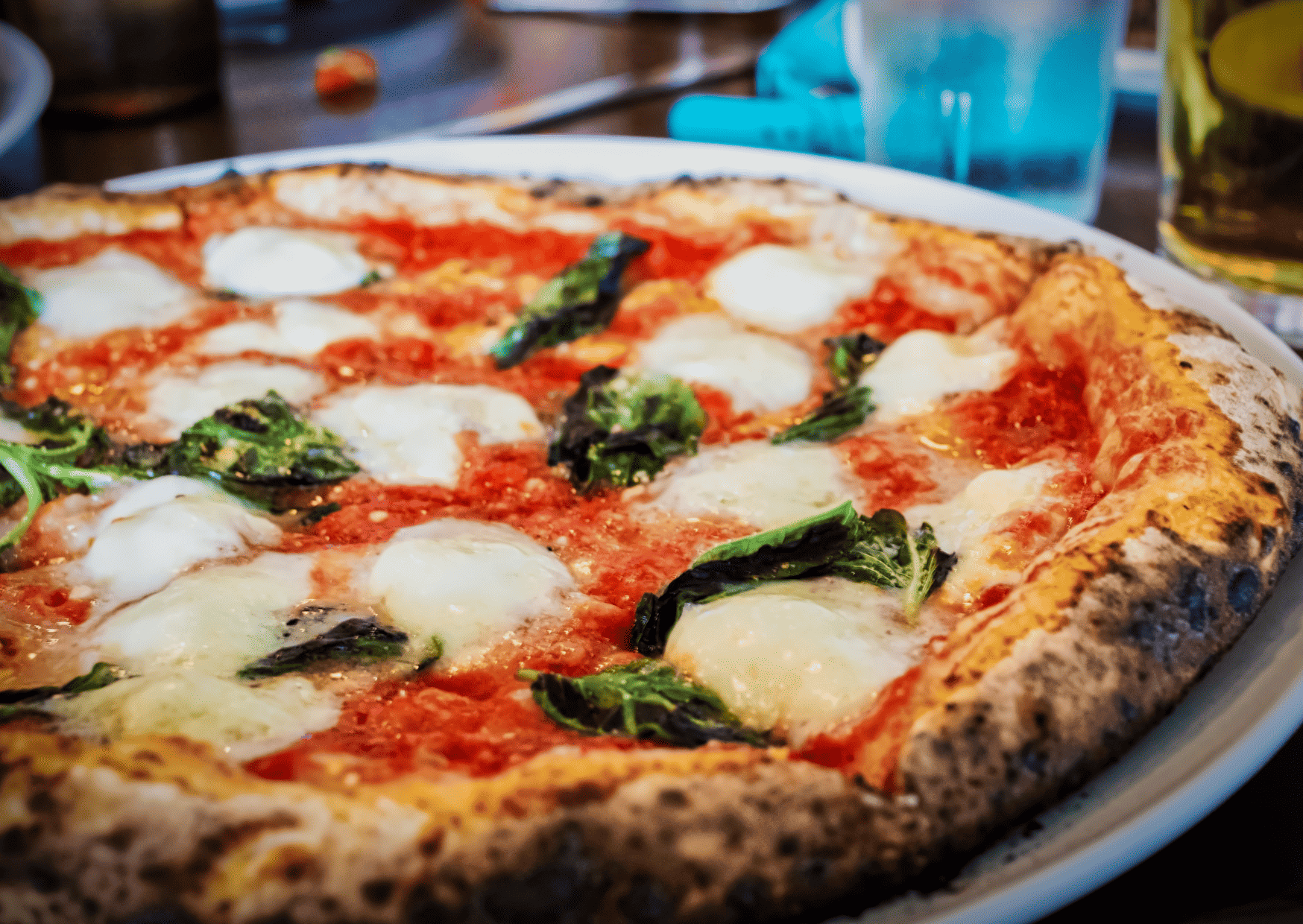
Restaurants near major attractions like the Colosseum or Vatican often serve overpriced and subpar food.
Tip:
Walk a few blocks away to find authentic trattorias frequented by locals.
3. Don’t Sit on the Spanish Steps

Why:
Sitting or eating on the Spanish Steps is prohibited, and violators can face fines.
Tip:
Admire the steps while standing or walking around, and find a nearby bench to rest.
4. Don’t Expect Fast Service
Why:
Italian dining is leisurely, and waiters won’t rush you through your meal.
Tip:
Embrace the slow pace and enjoy the experience. If you’re in a hurry, politely ask for the bill (il conto, per favore).
5. Don’t Skip Reservations for Popular Attractions
Why:
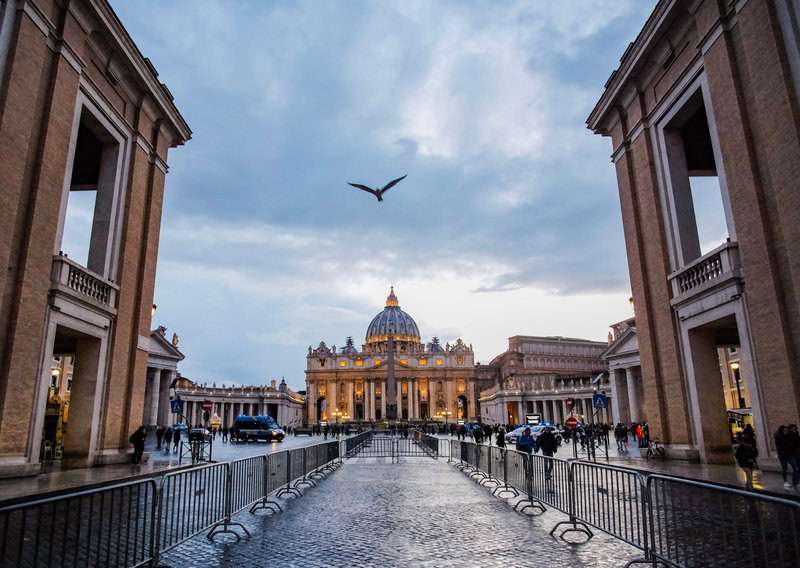
Iconic sites like the Vatican Museums, Sistine Chapel, and Colosseum often sell out or have long queues.
Tip:
Book tickets online in advance to save time and secure your spot.
6. Don’t Toss Coins into Any Fountain
Why:
While tossing coins into the Trevi Fountain is a beloved tradition, doing so in other fountains is frowned upon.
Tip:
Save your coins for the Trevi Fountain to ensure a return trip to Rome, according to legend.
7. Don’t Expect Big Breakfasts

Why:
Italians typically have a light breakfast of coffee and a pastry, not large American-style breakfasts.
Tip:
Start your day like a local with an espresso or cappuccino and a cornetto.
8. Don’t Ignore Dress Codes
Why:
Many churches, including St. Peter’s Basilica, require modest attire (shoulders and knees covered) for entry.
Tip:
Carry a scarf or shawl to cover up when needed, especially during summer.
9. Don’t Rely Solely on Public Transport

Why:
Rome’s public transport, especially buses, can be unpredictable and crowded.
Tip:
Walk when possible to enjoy Rome’s charm, and use taxis or rideshares for longer distances.
10. Don’t Overplan Your Day

Why:
Rome’s attractions are vast and require time to fully appreciate. Overpacking your schedule can lead to burnout.
Tip:
Prioritize a few key sites each day and leave time for spontaneous discoveries.
11. Don’t Touch the Artifacts
Why:
Many ancient ruins, statues, and artifacts are fragile and irreplaceable. Touching them can cause damage.
Tip:
Respect signs and barriers, and admire these treasures from a distance.
12. Don’t Forget to Validate Train and Bus Tickets
Why:
Failing to validate your ticket in machines can result in hefty fines, even if you have a valid ticket.
Tip:
Look for validation machines near train platforms or on buses and punch your ticket before boarding.
13. Don’t Expect Free Water at Restaurants
Why:
Tap water is not typically offered in restaurants, and bottled water (acqua naturale or acqua frizzante) comes at a cost.
Tip:
Carry a reusable water bottle and refill it at Rome’s public drinking fountains (nasoni), which offer free, clean water.
14. Don’t Rush Through the Vatican
Why:
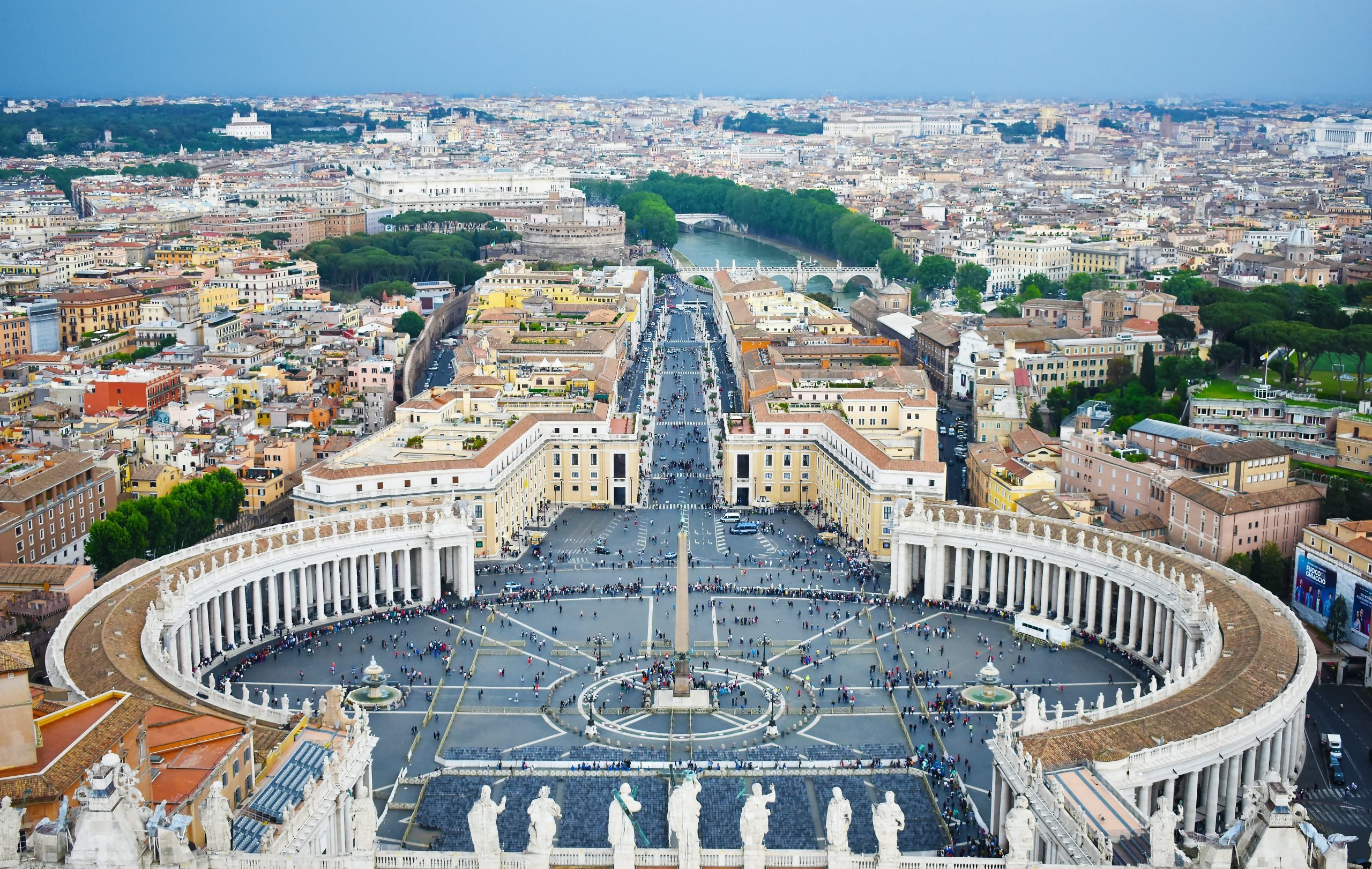
The Vatican is vast and packed with incredible art, history, and architecture that deserve time to appreciate.
Tip:
Book a guided tour or audio guide to fully understand the significance of what you’re seeing.
15. Don’t Assume Everyone Speaks English
Why:
While many Romans speak English, especially in tourist areas, it’s polite to learn basic Italian phrases.
Tip:
Use simple phrases like “Grazie” (Thank you), “Per favore” (Please), and “Scusi” (Excuse me) to show respect.
Bonus Tips for Rome

Be Aware of Scams: Watch out for fake petitions, unsolicited help, or overly persistent street vendors.
Avoid Overpriced Gelato: Steer clear of neon-colored gelato; authentic gelato is often more muted in color.
Plan Around Siesta Hours: Smaller shops and restaurants may close in the afternoon, so plan accordingly.
Final Thoughts
Rome is a city with layers of history, culture, and tradition that deserve thoughtful exploration. Avoiding these common mistakes not only shows respect to locals but also enriches your own travel experience, allowing you to engage with the city more deeply and meaningfully. When you approach Rome with humility and curiosity, you unlock moments beyond the typical tourist itinerary—quiet morning cappuccinos in local cafes, conversations with market vendors, and hidden courtyards far from the crowds.
Travel is not just about ticking off famous landmarks but about connecting with the life, rhythms, and stories that shape a place. Respecting unspoken rules, dressing appropriately, learning basic Italian greetings, and honoring sacred sites transform you from a tourist into a welcomed guest. These small gestures build bridges of understanding and appreciation that remain long after your trip ends.
Ultimately, Rome will give back to you what you give to it. Treat the city with the same reverence you give its ruins and cathedrals, and it will reward you with unforgettable experiences, warm interactions, and a deeper sense of what la dolce vita truly means.

About the Author: Ruben, co-founder of Gamintraveler.com since 2014, is a seasoned traveler from Spain who has explored over 100 countries since 2009. Known for his extensive travel adventures across South America, Europe, the US, Australia, New Zealand, Asia, and Africa, Ruben combines his passion for adventurous yet sustainable living with his love for cycling, highlighted by his remarkable 5-month bicycle journey from Spain to Norway. He currently resides in Spain, where he continues sharing his travel experiences with his partner, Rachel, and their son, Han.