
The Caribbean is often imagined as a paradise of white-sand beaches, crystal-clear waters, and vibrant culture. While much of that image is true, traveling here comes with its own unspoken rules. Knowing what not to do can make the difference between a trip that feels like a dream and one filled with avoidable mistakes.
From cultural missteps to safety oversights, many travelers unknowingly offend locals or put themselves in uncomfortable situations. The Caribbean is not just a tourist playground—it’s home to diverse communities, traditions, and ecosystems that deserve respect.
This guide highlights 20 things you should avoid doing in the Caribbean. By understanding what not to do, you’ll ensure a smoother, more enjoyable experience while showing respect to the people and places that make the region so special.
Read here: Best SIM Cards in the Caribbean and the best Caribbean Breakfast
BOOK YOUR TRAVEL INSURANCE
Two of our favorite travel insurance: Heymondo Vs Safetwing cheapest travel Insurance. You can get for $135 USD your Heymondo Travel Insurance with Heymondo discount code valid for 90 days. Read our full comparison of Genki vs Safetywing Travel Insurance Review and the comparison Heymondo vs Genki
Quick Easy Tips
Learn and respect local customs—dress appropriately when visiting towns or religious sites rather than wearing only beach attire.
Be mindful of the environment. Use reef-safe sunscreen and avoid touching coral reefs or wildlife while snorkeling and diving.
Stay aware of safety basics. Don’t flaunt valuables, and use common sense in unfamiliar neighborhoods to avoid unnecessary risks.
One controversy involves how much responsibility falls on tourists versus governments. Some argue that visitors should be more mindful about their behavior—like reducing plastic waste or respecting local traditions—while others believe governments should implement stronger protections and guidelines for tourism.
Another debate centers on cruise tourism. While it brings significant revenue, critics say cruise passengers often spend little locally, straining infrastructure without contributing much to the community. Supporters counter that cruises make Caribbean destinations accessible to a wider audience.
There’s also controversy about cultural authenticity. Some travelers expect a “resort version” of the Caribbean and are shocked by poverty or everyday realities. Locals argue that romanticizing the region without acknowledging these challenges creates misunderstandings and perpetuates inequality.
Things Not to Do in the Caribbean
1. Don’t Forget to Respect Local Customs

Why Not:
The Caribbean is rich in traditions and culture, and being dismissive of local practices can come across as rude.
What to Do Instead:
Learn about the specific customs of the island you’re visiting, whether it’s reggae culture in Jamaica or Carnival in Trinidad.
Dress modestly in public areas, especially in religious or rural settings.
2. Don’t Assume All Islands Are the Same
Why Not:
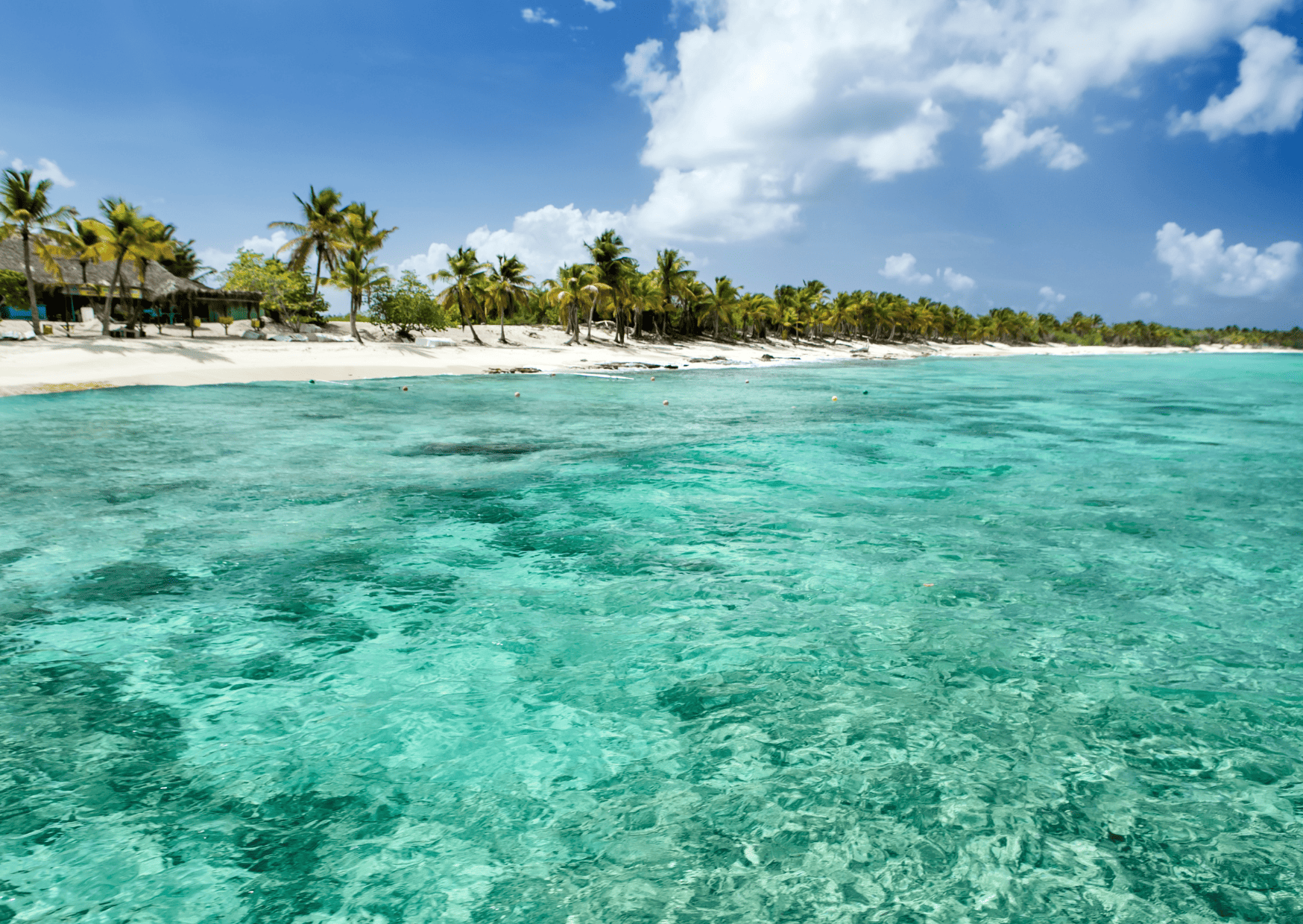
Each island has its own identity, history, and culture. What works in one country may not apply to another.
What to Do Instead:
Research the unique aspects of the island you’re visiting, from language (Spanish in the Dominican Republic, French in Martinique) to local etiquette.
3. Don’t Drink Tap Water Everywhere
Why Not:
Tap water quality varies by island, and drinking it in some places may lead to stomach issues.
What to Do Instead:
Stick to bottled or filtered water unless you know the local water is safe (e.g., Aruba or the Cayman Islands).
4. Don’t Neglect Sun Protection
Why Not:
The tropical sun can be intense, and sunburn can quickly ruin your trip.
What to Do Instead:
Use reef-safe sunscreen to protect both your skin and the environment.
Wear a wide-brimmed hat and sunglasses and stay hydrated.
5. Don’t Ignore Hurricane Season
Why Not:
The Caribbean is prone to hurricanes, particularly between June and November.
What to Do Instead:
If traveling during hurricane season, purchase travel insurance and monitor weather updates.
Consider islands less affected by hurricanes, like Aruba, Bonaire, or Curaçao.
6. Don’t Be Flashy with Valuables
Why Not:
While many areas are safe, displaying expensive jewelry or gadgets can make you a target for theft.
What to Do Instead:
Keep valuables secure in a hotel safe and avoid flaunting wealth in public.
Opt for a crossbody bag or anti-theft backpack.
7. Don’t Assume All Beaches Are Public
Why Not:
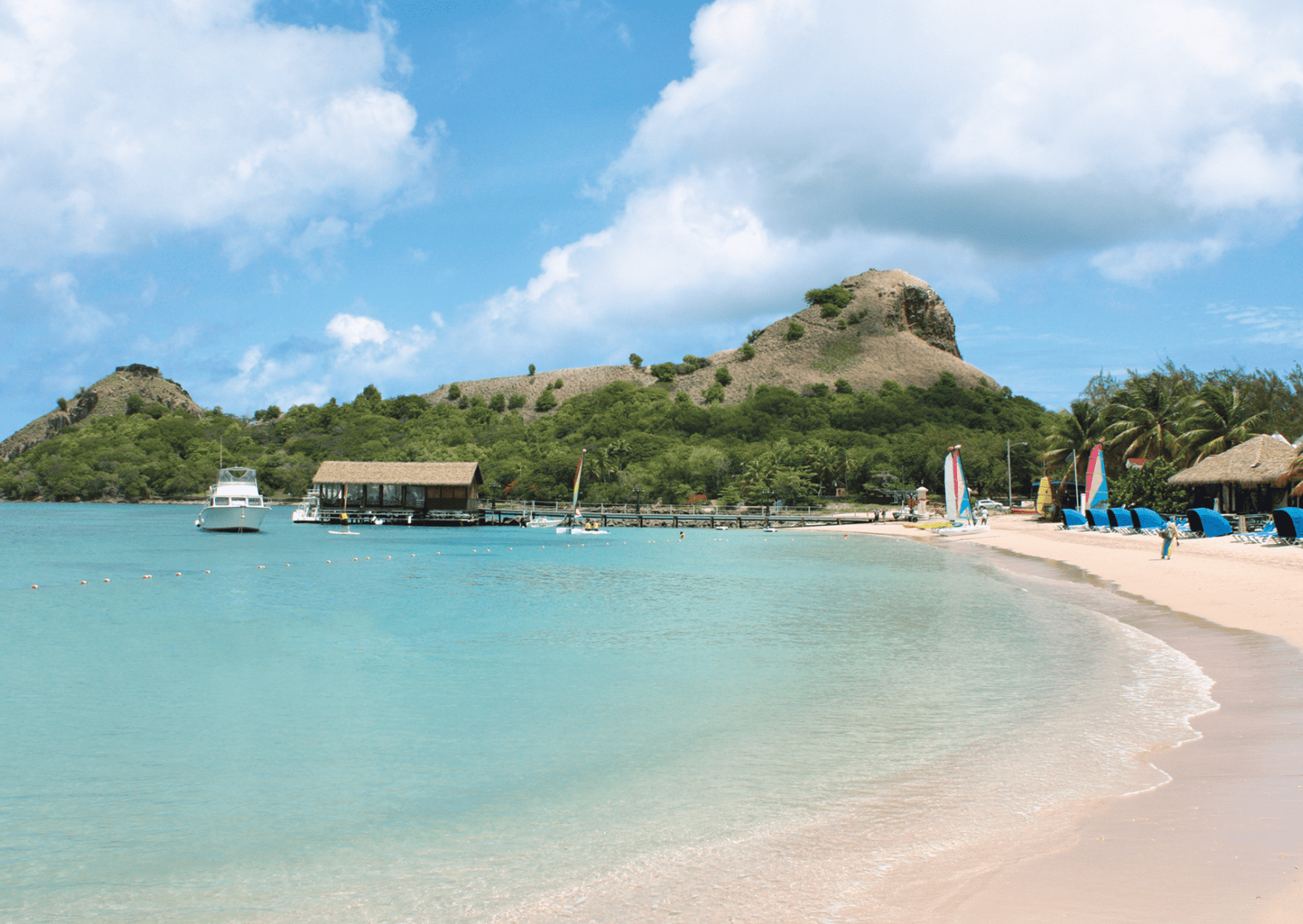
While many Caribbean beaches are public, some are private or have restricted access due to resorts.
What to Do Instead:
Check the rules for beach access in your area.
Respect private property and use designated entrances for public beaches.
8. Don’t Forget to Tip

Why Not:
Tipping is expected in many Caribbean countries, especially in restaurants, taxis, and for tour guides.
What to Do Instead:
Leave 10–15% unless a service charge is included.
Tip hotel staff, porters, and tour guides directly.
9. Don’t Overlook Local Cuisine
Why Not:
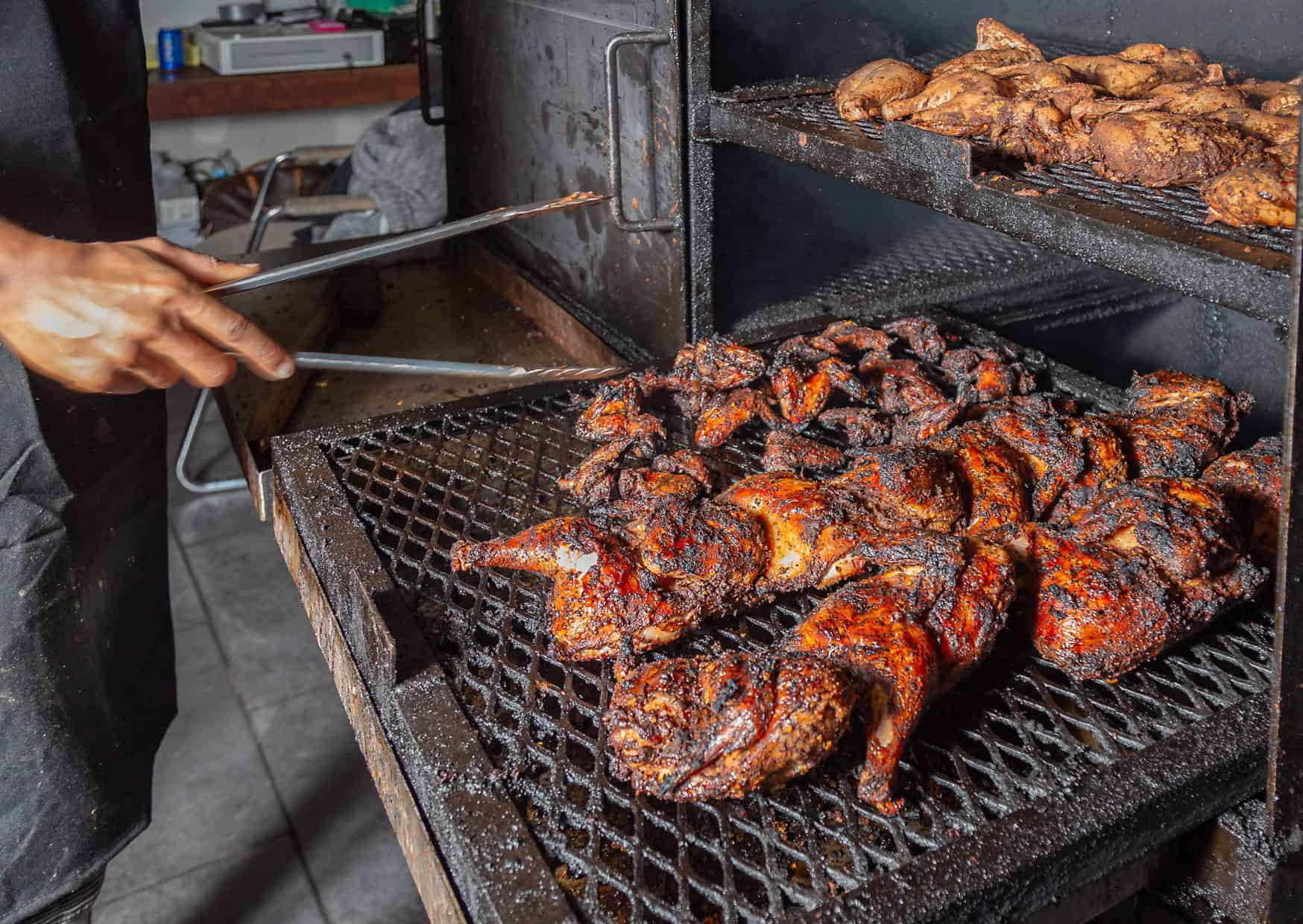
Sticking to international cuisine means missing out on the rich flavors of Caribbean food.
What to Do Instead:
Try local dishes like jerk chicken in Jamaica, roti in Trinidad, conch fritters in the Bahamas, or callaloo in Grenada.
Visit local markets and street vendors for authentic flavors.
10. Don’t Swim Without Checking Conditions
Why Not:
Some beaches have strong currents, rip tides, or dangerous marine life, and not all are monitored by lifeguards.
What to Do Instead:
Pay attention to warning flags and signage at beaches.
Ask locals about swimming conditions if unsure.
11. Don’t Expect Quick Service Everywhere
Why Not:
The Caribbean operates on “island time,” which means a more relaxed pace, especially in restaurants.
What to Do Instead:
Be patient and embrace the slower lifestyle.
Use the waiting time to soak in the scenery or enjoy the ambiance.
12. Don’t Litter
Why Not:
Many Caribbean islands are committed to preserving their natural beauty, and littering is both illegal and disrespectful.
What to Do Instead:
Use designated trash bins or take your trash with you.
Avoid using single-use plastics where possible.
13. Don’t Touch or Take Marine Life

Why Not:
Coral reefs and marine ecosystems are fragile, and touching them can cause significant damage.
What to Do Instead:
Practice responsible snorkeling and diving by maintaining a safe distance from coral and sea creatures.
Never take shells, sand, or marine life as souvenirs.
14. Don’t Forget to Carry Cash

Why Not:
While credit cards are widely accepted in tourist areas, some local vendors and smaller establishments only take cash.
What to Do Instead:
Carry local currency or U.S. dollars, which are accepted on many islands.
Keep small bills handy for tips or small purchases.
15. Don’t Ignore Local Transportation Etiquette
Why Not:
Public transportation like minibuses or taxis may have specific customs or practices.
What to Do Instead:
Ask locals about fare expectations and routes.
Agree on a taxi fare in advance if the meter isn’t used.
16. Don’t Be Afraid to Explore Beyond Resorts

Why Not:
Sticking to resorts means missing out on the local culture, natural beauty, and authentic experiences.
What to Do Instead:
Book local tours to explore rainforests, waterfalls, or cultural sites.
Visit local markets, towns, and historic landmarks.
17. Don’t Forget Travel Insurance
Why Not:
Activities like snorkeling, hiking, or diving come with risks, and medical care can be costly.
What to Do Instead:
Purchase comprehensive travel insurance that covers medical emergencies and adventure activities.
18. Don’t Ignore Currency Exchange Rates
Why Not:
Exchange rates can vary, and some places may offer less favorable rates for foreign currency.
What to Do Instead:
Use official exchange services or ATMs for better rates.
Be aware of the conversion to avoid overpaying.
19. Don’t Assume It’s Always Hot
Why Not:
While the Caribbean is warm year-round, some islands experience cooler evenings or rainy days.
What to Do Instead:
Pack light layers for evenings and rain gear if visiting during the wet season.
20. Don’t Ignore Safety in Urban Areas
Why Not:
Some urban areas may have higher crime rates, especially in non-tourist neighborhoods.
What to Do Instead:
Stay in well-lit, busy areas and avoid wandering alone at night.
Use reputable transportation services for travel after dark.
Final Thoughts
The Caribbean is a stunning and diverse region, but visiting responsibly means avoiding common mistakes. A little awareness goes a long way in ensuring your trip is both enjoyable and respectful.
The controversies surrounding tourism here highlight the importance of balance. Tourists benefit from unforgettable experiences, but they also have a responsibility to minimize harm and contribute positively.
Ultimately, a Caribbean vacation is not just about enjoying beaches and cocktails. It’s an opportunity to engage with cultures, protect natural beauty, and create meaningful connections. By knowing what not to do, you’ll return home with richer memories and a clear conscience.

About the Author: Ruben, co-founder of Gamintraveler.com since 2014, is a seasoned traveler from Spain who has explored over 100 countries since 2009. Known for his extensive travel adventures across South America, Europe, the US, Australia, New Zealand, Asia, and Africa, Ruben combines his passion for adventurous yet sustainable living with his love for cycling, highlighted by his remarkable 5-month bicycle journey from Spain to Norway. He currently resides in Spain, where he continues sharing his travel experiences with his partner, Rachel, and their son, Han.