
Across Southern Europe, food is not just about eating it’s about socializing, relaxing, and savoring the moment. Spain and Italy both embody this philosophy but in distinctly different ways: Spain with its lively tapas culture and Italy with its elegant aperitivo tradition. Both bring people together, but the experiences differ in rhythm, flavor, and atmosphere.
Tapas are small Spanish dishes, often shared among friends, designed to keep conversations going late into the night. They are casual, communal, and endlessly varied, ranging from olives and cured ham to sizzling garlic shrimp. Aperitivo, on the other hand, is Italy’s pre-dinner ritual, a combination of light drinks and snacks that prepare the palate for the main meal.
The question of which is “better” sparks passionate debate. To answer it, one must look beyond flavor alone it’s about the cultural experience, the way these traditions fit into daily life, and how they reflect the values of their countries.
Read here the best tapas to try and the best aperitivo to try
BOOK YOUR TRAVEL INSURANCE
Two of our favorite travel insurance: Heymondo Vs Safetwing cheapest travel Insurance. You can get for $135 USD your Heymondo Travel Insurance with Heymondo discount code valid for 90 days. Read our full comparison of Genki vs Safetywing Travel Insurance Review and the comparison Heymondo vs Genki
How to Eat
Tapas are meant to be shared, and the best way to enjoy them is to order several dishes for the table. Spaniards typically move from bar to bar, sampling a few tapas at each stop. Eating slowly, chatting, and sipping wine or beer is just as important as the food itself.
Aperitivo, however, is less about hopping around and more about unwinding before dinner. Italians usually gather at a café or bar, order a cocktail like a spritz or a Negroni, and enjoy light snacks such as olives, nuts, or small sandwiches. It’s a time to pause, catch up with friends, and set the stage for the evening meal.
Both traditions encourage moderation and balance. Tapas and aperitivo are not about heavy portions but about pacing the evening. They provide a way to enjoy food and drink without excess, keeping the focus on conversation and connection.
How to Partner
Tapas pair naturally with Spanish wines like Rioja, crisp Albariño, or a refreshing glass of cava. Beer is also common, offering a casual balance to salty snacks. Each pairing enhances the bold, rustic flavors typical of Spanish cuisine.
Aperitivo revolves around cocktails, with the Aperol Spritz being the most iconic. Bitter liqueurs like Campari or vermouth are paired with soda or prosecco, creating drinks that stimulate the appetite. Light snacks cheese cubes, bruschetta, or marinated vegetables complement the drinks without filling you up.
For a fusion twist, you can cross the two traditions. Imagine pairing tapas dishes like patatas bravas with an Italian spritz, or enjoying bruschetta alongside Spanish sherry. Blending both cultures at the table shows how adaptable and enjoyable these rituals can be.
One controversy is authenticity versus globalization. Tapas and aperitivo have both become international trends, often adapted in ways locals hardly recognize. Spaniards may cringe at oversized “tapas platters,” while Italians argue that serving a heavy buffet under the label of “aperitivo” undermines its purpose.
Another debate revolves around timing. Tapas are often eaten late into the evening, while aperitivo happens before dinner, usually around 6 or 7 p.m. For travelers, these schedules can feel inconvenient, sparking discussions about whether cultural traditions should adapt to modern lifestyles.
There’s also the rivalry itself. Spaniards often defend tapas as more versatile and filling, while Italians argue that aperitivo is more refined and purposeful. The debate highlights not only food preferences but also deeper cultural differences in how each country approaches social dining.
What Are Tapas?

Tapas originated in Spain as small snacks or appetizers, traditionally served with drinks at bars or taverns. They can range from simple bites, like olives or bread, to more elaborate small dishes like grilled seafood or meat. Tapas are often shared among friends and are an essential part of Spanish social culture.
Key Features of Tapas
Variety: Tapas can be cold or hot, with a wide range of ingredients including seafood, meats, vegetables, and cheeses.
Social Dining: Tapas are meant to be shared, making it a communal dining experience.
Flexible: You can have just a couple of tapas as a snack or a whole series of dishes that serve as a complete meal.
Drinks Paired with Tapas
Wine (especially Spanish varieties like Rioja or Albariño)
Beer
Sherry (Jerez)
What Is Aperitivo?

Aperitivo is an Italian tradition, typically enjoyed in the early evening before dinner. The goal of aperitivo is to stimulate the appetite with light snacks and drinks. Unlike tapas, aperitivo snacks are usually complimentary when you order a drink at a bar. It’s common in cities like Milan, Venice, and Turin.
Key Features of Aperitivo
Light Snacks: Aperitivo typically features lighter bites such as olives, nuts, chips, or simple bruschetta.
Pre-Dinner Ritual: It’s designed to whet your appetite before the main meal.
Relaxed Atmosphere: Aperitivo is more about the drinks (usually bitter cocktails like Negroni or Aperol Spritz) than the food, though some places serve larger platters.
Drinks Paired with Aperitivo
Aperol Spritz
Negroni
Campari
Prosecco
Comparison Tapas vs. Aperitivo Which is Better?
It depends on what you’re looking for. Tapas are ideal if you’re in the mood for a more substantial food experience and want to make the meal the center of your gathering. Aperitivo, on the other hand, is perfect if you’re looking for a light, pre-dinner socializing experience focused more on drinks and light snacks. Both offer a fantastic way to enjoy the culture and food of Spain and Italy.
Best Tapas to Try (Recipe Guide)
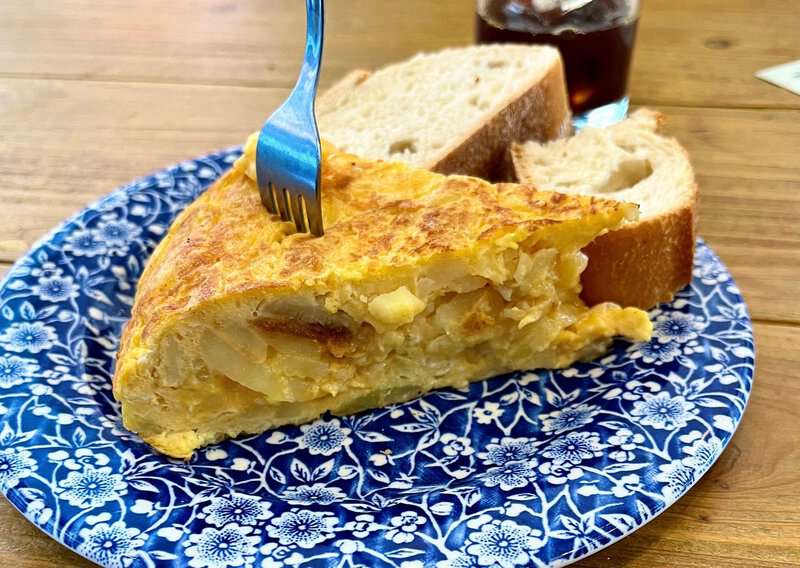
1. Tortilla Española (Spanish Omelette)
Ingredients:
4 large potatoes, thinly sliced
1 large onion, thinly sliced
6 large eggs
Olive oil
Salt
Instructions:
Heat a generous amount of olive oil in a large frying pan. Add the potatoes and onions, cooking until soft and golden, about 15 minutes.
In a large bowl, beat the eggs with a pinch of salt. Drain the potato-onion mixture and add to the eggs. In the same pan, add a bit of oil and pour the egg mixture in. Cook on medium heat until the bottom is set, then flip (with a plate) and cook the other side. Slice into wedges and serve warm or at room temperature.
Read here how to make Spanish omelette
2. Patatas Bravas

Ingredients:
4 large potatoes, cubed
Olive oil for frying
1 tablespoon smoked paprika
1 teaspoon cayenne pepper (optional)
1/2 cup mayonnaise
2 tablespoons tomato paste
Salt
Instructions:
Fry the potato cubes in olive oil until crispy and golden. Drain on paper towels. In a small bowl, mix mayonnaise, tomato paste, smoked paprika, and cayenne pepper to make a spicy sauce. Serve the fried potatoes with the sauce drizzled on top or on the side.
Read here how to make Patatas Bravas
3. Gambas al Ajillo (Garlic Shrimp)

Ingredients:
1 pound large shrimp, peeled and deveined
6 cloves garlic, thinly sliced
1/4 cup olive oil
1 teaspoon red pepper flakes
Fresh parsley, chopped
Lemon wedges for serving
Instructions:
Heat olive oil in a skillet, add garlic and red pepper flakes, and sauté until garlic is golden. Add the shrimp and cook until pink and opaque, about 3-4 minutes. Garnish with fresh parsley and serve with lemon wedges and crusty bread.
Read here how to make Gambas al Ajillo
Best Aperitivo to Try (Recipe Guide)
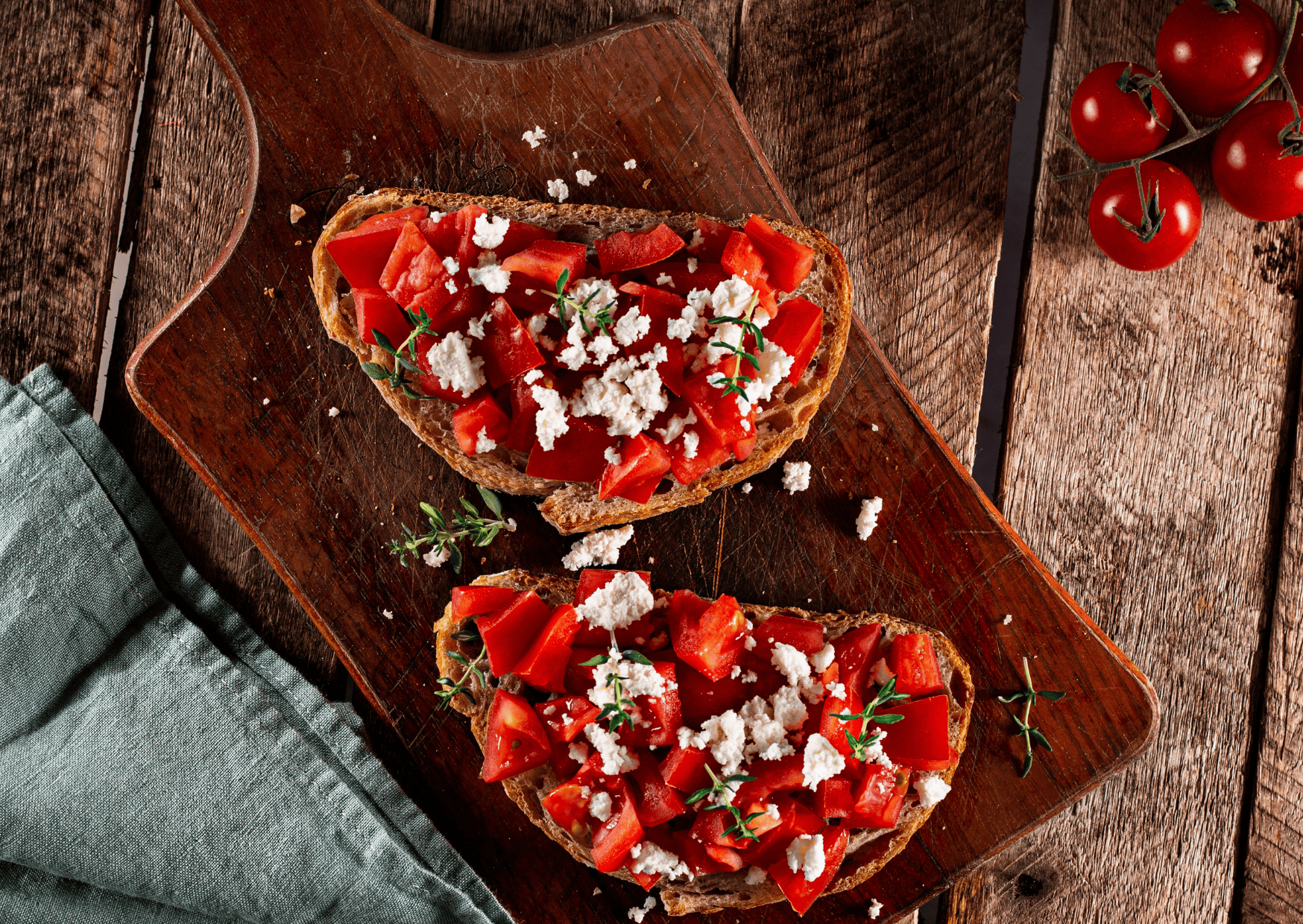
1. Bruschetta al Pomodoro
Ingredients:
6 slices of rustic bread
2 ripe tomatoes, diced
1 clove garlic, halved
2 tablespoons olive oil
Fresh basil leaves
Salt and pepper
Instructions:
Toast the bread slices until golden. Rub each slice with the cut side of the garlic, then drizzle with olive oil. Top with diced tomatoes, torn basil leaves, and a sprinkle of salt and pepper.
Read here How to make Bruschetta al Pomodoro
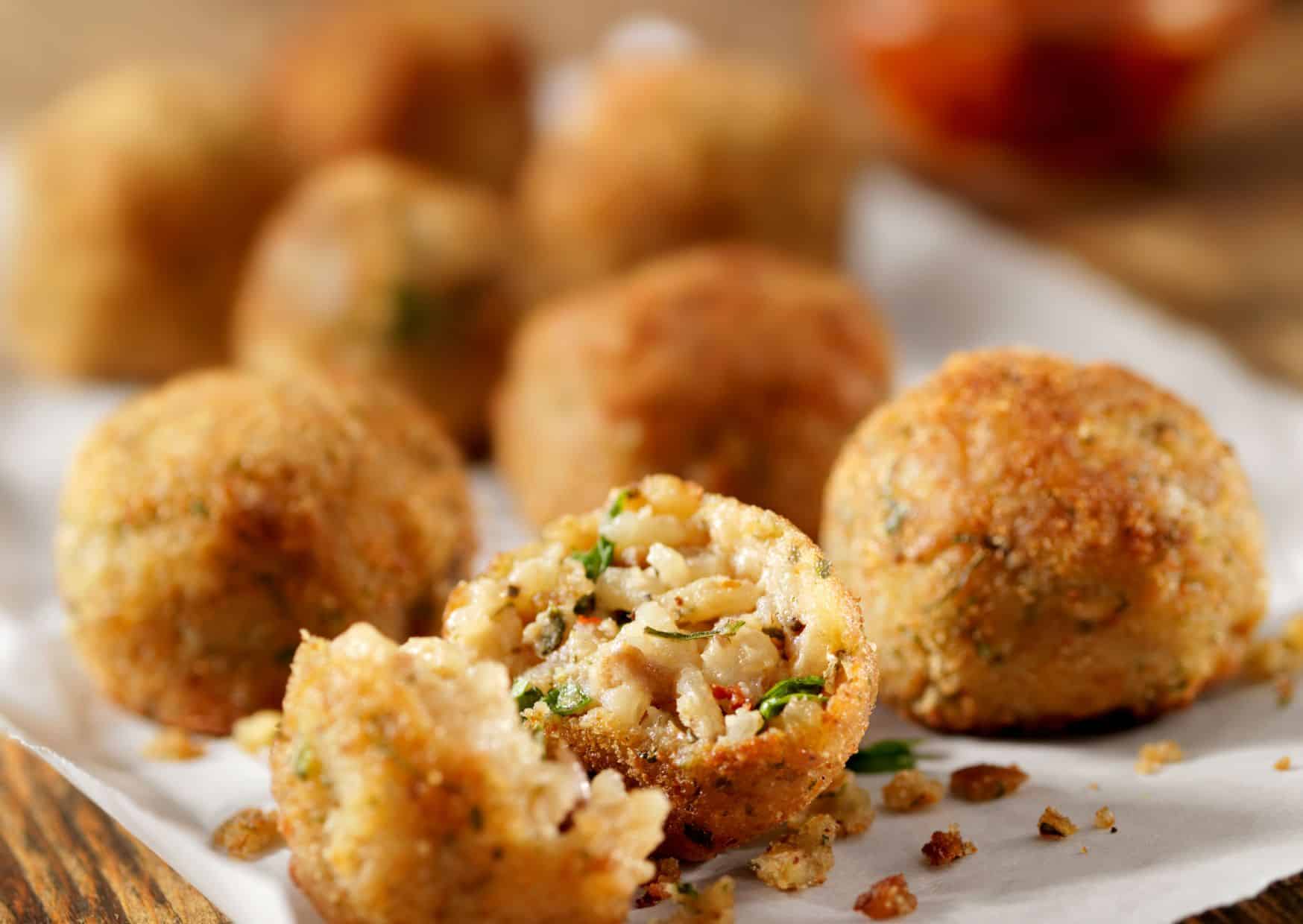
2. Arancini (Stuffed Rice Balls)
Ingredients:
2 cups cooked risotto (cooled)
100g mozzarella, cubed
2 eggs, beaten
Breadcrumbs
Oil for frying
Instructions:
Take a small handful of risotto, flatten it in your palm, and place a cube of mozzarella in the center. Roll into a ball, making sure the cheese is fully covered. Dip each rice ball in beaten egg, then coat with breadcrumbs. Fry in hot oil until golden brown and crispy. Serve with marinara sauce.
Read here How to make Arancini
3. Negroni Cocktail

Ingredients:
1 ounce gin
1 ounce Campari
1 ounce sweet vermouth
Ice
Orange slice for garnish
Instructions:
Pour the gin, Campari, and sweet vermouth into a mixing glass filled with ice. Stir well. Strain into a rocks glass filled with ice. Garnish with an orange slice.
Read here how to make Negroni Cocktail
Origin and History
Tapas originated in Spain as small bites meant to accompany drinks, with roots stretching back centuries. Early accounts describe simple slices of bread or cured meat placed over glasses to protect wine from dust and insects, gradually evolving into a culinary tradition of sharing.
As Spanish social life centered around bars and plazas, tapas became a way to eat casually while standing, talking, and moving between locations. The food adapted to this lifestyle, becoming small, flavorful, and designed for grazing rather than sitting.
Aperitivo in Italy developed differently. It was not born as a meal replacement, but as a ritual meant to stimulate appetite before dinner. Drinks like vermouth or spritz were paired with light snacks to prepare the palate rather than satisfy hunger.
Over time, aperitivo expanded in northern Italy, especially in cities like Milan, where it became more elaborate. Despite this evolution, its original purpose as a prelude rather than the main event remains central to its identity.
One major misconception is that tapas and aperitivo serve the same function. While they may look similar, tapas often replace meals, whereas aperitivo is traditionally meant to precede one.
Another point of debate is generosity. Tapas are often ordered individually and paid for dish by dish, while aperitivo snacks are frequently included with the drink. This difference shapes expectations and behavior.
There is also disagreement over authenticity. Tourists often encounter oversized, buffet-style aperitivo or overly elaborate tapas, which locals may consider distortions of tradition rather than evolutions.
Perhaps the most controversial truth is that neither tradition is inherently better. Each reflects cultural priorities: Spain values social movement and spontaneity, while Italy emphasizes structure and rhythm in dining.
How Long You Take to Prepare
Tapas are designed for speed and flexibility. Many traditional tapas can be prepared in minutes, using ingredients that require minimal cooking or assembly.
Because tapas are often made in small batches, preparation happens continuously throughout service rather than all at once. This allows for variety without long prep times.
Aperitivo snacks are usually simpler but more planned. Olives, cheeses, cured meats, and small bites are prepared ahead of time and refreshed as needed.
In both traditions, the goal is not elaborate cooking but efficient enjoyment. Preparation time is intentionally short to keep the focus on conversation rather than the kitchen.
Serving Suggestions
Serve tapas on small plates, allowing everyone at the table to sample a variety. Classic choices include tortilla española, gambas al ajillo, and jamón ibérico. A basket of bread is essential to soak up sauces and oils.
For aperitivo, offer a simple spread of olives, breadsticks, cheese, and marinated vegetables alongside a few cocktails. Keep portions light so the focus stays on the drinks and conversation.
If hosting at home, consider blending the two traditions. Start with Italian aperitivo drinks and snacks, then transition into a Spanish tapas-style dinner. This creates a fun, cross-cultural experience that keeps the evening lively and engaging.
Final Thoughts: Tapas vs. Aperitivo
Tapas and aperitivo are not just about food and drink they are cultural rituals that emphasize connection, relaxation, and balance. Each offers a unique way to experience the values of Spain and Italy.
The controversies around authenticity and rivalry only highlight how important these traditions are to their respective cultures. They are more than passing trends; they are ways of life that have stood the test of time.
Ultimately, asking which is “better” misses the point. Both tapas and aperitivo enrich the dining experience in their own ways. The best choice depends on your mood: tapas for a lively, food-driven night, or aperitivo for a stylish, drink-centered pause. Either way, you’re guaranteed to enjoy not just a meal, but a moment worth savoring.

About the Author: Ruben, co-founder of Gamintraveler.com since 2014, is a seasoned traveler from Spain who has explored over 100 countries since 2009. Known for his extensive travel adventures across South America, Europe, the US, Australia, New Zealand, Asia, and Africa, Ruben combines his passion for adventurous yet sustainable living with his love for cycling, highlighted by his remarkable 5-month bicycle journey from Spain to Norway. He currently resides in Spain, where he continues sharing his travel experiences with his partner, Rachel, and their son, Han.