
If you picture a first grade classroom in the Netherlands discussing romance novels and graphic diagrams, you have the wrong movie. The real scene is quieter, kinder, and much more practical, and it starts earlier than many Americans expect.
Morning in Utrecht. A teacher sits on the rug with twenty small kids, a picture book on her lap. Today’s lesson is about personal space. The class practices saying no to unwanted hugs. They practice asking before they touch a friend’s hair. They learn the correct words for body parts, the ones a doctor uses, and the simple rule that underwear areas are private. No one snickers. They are six, they are curious, and this is school, not scandal.
For a week each spring, primary schools across the country bring relationships and sexuality into the daylight with short lessons that match the age of the class. The youngest students talk about feelings, friendship, family, consent, and safety. Older students add puberty and respect for difference. By the time Dutch kids reach middle school, these topics feel normal and useful rather than explosive. Parents do not always agree on every detail, yet the pattern is steady. Small, honest lessons, repeated over years, produce calm kids who can describe their bodies, set boundaries, and ask for help.
The shock to American ears is the age. Six feels early if you grew up with sex education as a single awkward unit in eighth or tenth grade. The Dutch view is simple. You do not wait until a problem to teach the words for it. You start small, you keep the tone gentle, and you grow the content with the child.
Want More Deep Dives into Other Cultures?
– Why Europeans Walk Everywhere (And Americans Should Too)
– How Europeans Actually Afford Living in Cities Without Six-Figure Salaries
– 9 ‘Luxury’ Items in America That Europeans Consider Basic Necessities
What a first grader actually learns

A Dutch first grader is not taught how to have sex. A Dutch first grader learns how to be a person around other people, in a body that deserves care. The early years focus on five practical themes.
The first is body knowledge. Children learn correct names for parts so they can speak plainly to parents and doctors. No slang, no shame, just useful language.
The second is privacy and boundaries. Teachers explain that some parts are private and that it is always fine to say no to a hug, even from a favorite aunt. Students rehearse how to ask before they touch someone else, and how to listen when a friend says no. Practicing the words matters. Six year olds remember what they say out loud.
The third is feelings and safety. Kids learn to notice when a situation feels wrong, who their trusted adults are at home and at school, and how to ask for help. They hear that secrets that make you feel bad should be shared with a grown up.
The fourth is friendship and respect. Lessons celebrate many kinds of families. The class talks about kindness to classmates who are different in language, skin color, ability, or faith. The line is consistent. People deserve respect. You do not get to tease someone for who they are.
The fifth is basic online sense. In cities where first graders use tablets, teachers add rules for sharing pictures and for screen time that keeps bodies and brains healthy. That means asking a parent before you post, and never sharing a picture of a private part.
There is no novelty value here. Teachers treat the topics as daily life skills, the same way they treat handwashing or crossing a street.
How the system is set up

Relationships and sexuality education are part of the national objectives for Dutch primary and lower secondary schools. That mandate has been in place for more than a decade. Schools choose materials that match those objectives, and one widely used package for the early years is a program often called Spring Fever Week. Lessons run for a few days each spring and many schools continue with shorter moments during the rest of the year. The national approach is simple. Give clear goals, give teachers tools, and expect age appropriate practice every year, not a single talk when children are already teens. education-profiles.orgrutgers.international+1
Teachers are not left to improvise. Dutch health and education groups provide structured lessons, picture books, and training. A first grade plan might specify two short lessons about privacy, one about feelings, and one about friendship. The same package will have deeper content for the ten to twelve band where puberty and reproduction enter the picture. Schools send parents an overview before the week begins so families know the tone and the topics. That communication does not erase all objections, and in recent years some schools have reported louder pushback, yet the policy remains in place and most schools proceed with the week. NL Times
The tone is everyday. Teachers drop the giggles by staying calm. Parents learn that the class is not jumping to romantic behavior. The focus is the same one Americans already accept in safety lessons. Words first, practice next, judgment later.
A week for six year olds, from Monday to Friday

If you sat quietly in the back row, this is what you would see.
Monday starts with names, feelings, and respect. Children take turns naming something they like about themselves that is not about looks. They learn that families come in many shapes. They draw the people who help them and keep that list in a folder to take home. The classroom rule appears on the wall in big letters. Your body is yours, my body is mine. The words are not magic. Repeating them makes them normal.
Tuesday is about privacy. The teacher reads a picture book that shows a child who does not want to be tickled. The class practices friendly ways to say no and friendly ways to receive a no. Students learn that underwear areas are private. They practice what to do if someone tries to touch them there. The steps are basic. Move away. Say no. Tell a grown up you trust. This is not trauma training. It is simple, memorable rehearsal.
Wednesday covers help and secrets. Children list trusted adults at home, at school, and in the neighborhood. They hear that surprises are fun when the surprise makes you feel happy and safe, like a birthday cake hidden in the kitchen. Secrets that make you feel confused or scared are not okay. You tell, even if someone says do not tell. The class practices how to start that sentence with a teacher, a parent, or a school counselor.
Thursday shifts to friendship. The group talks about kindness when a classmate is different. If a child uses a wheelchair, if a child has two moms, if a child speaks another language at home, the rule is the same. No one gets teased for who they are. The teacher brings this back to bodies. Bodies change, bodies differ, and bodies deserve care.
Friday is the open day. Children can ask any question. Teachers answer what is age appropriate and say we will talk about the rest when you are a little older. A child might ask how babies get in bellies. In a first grade class, the answer stays simple and factual. A baby grows in a special place in the body called a uterus, and families choose later years to add the mechanics. The point is not to rush content. The point is to keep trust.
The lessons are short. The tone is steady. The repetition over years is the real engine.
What shocks Americans, and what is actually happening
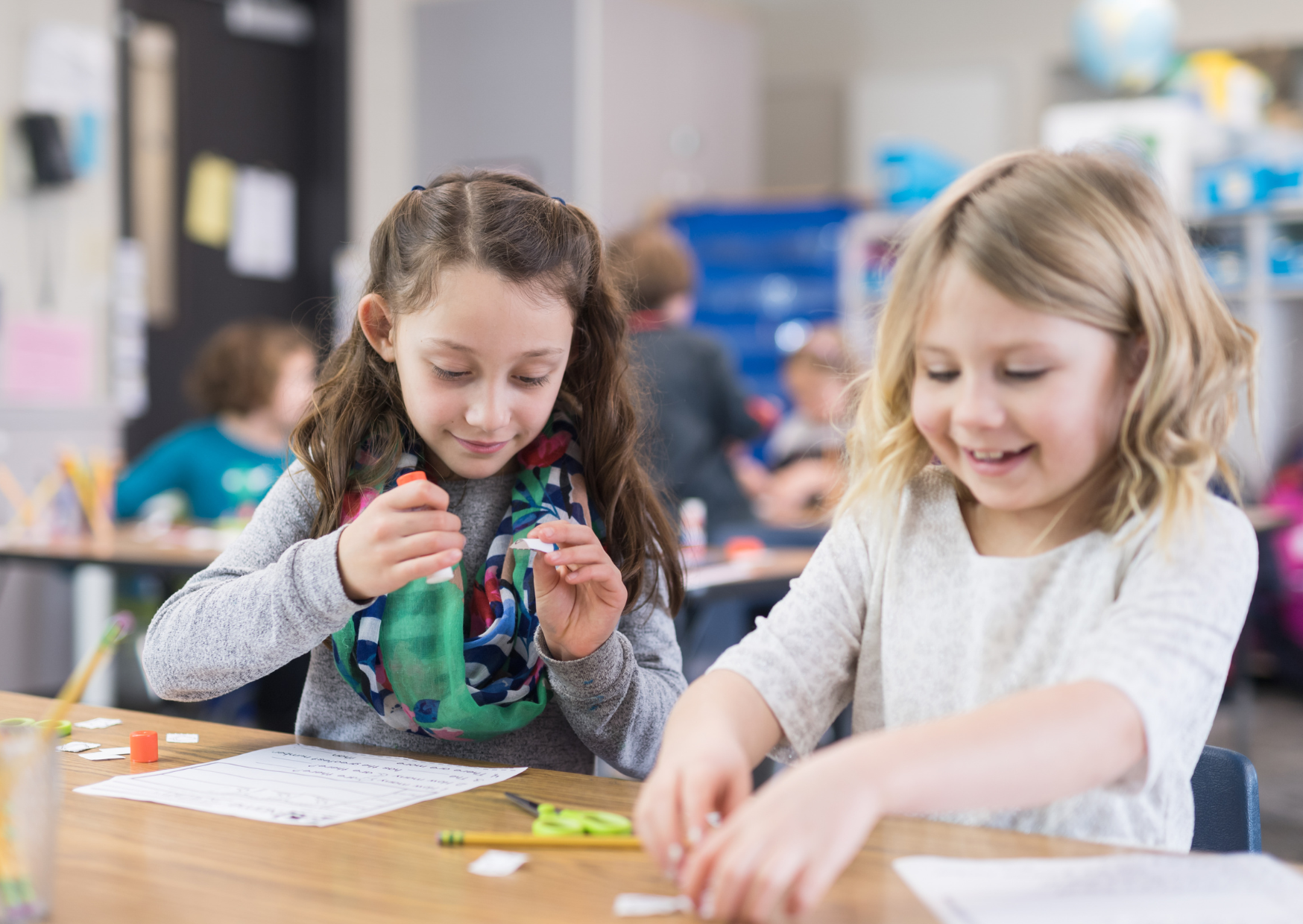
Many American parents hear the words sex education and picture explicit content. Dutch early primary lessons stay in a different lane. The shock is not content, it is candor and timing. In a country where frankness is part of daily speech, teachers and parents are comfortable saying the words body, penis, vulva, uterus without flinching. The second surprise is the idea that you can talk about consent long before dating. The Dutch view is that consent starts with play. Ask before you touch. Accept a no right away. That is not adult content. That is social skill.
Another American worry is values. Dutch lessons present respect for many family forms as a civic norm rather than a political debate. Teachers avoid telling children what to believe at home and insist on how to behave in a shared room. That line lets a diverse class sit together without erasing anyone. You can hold a value at home and still follow the rule that classmates get respect.
Finally there is the idea of school role. In the Netherlands, school is expected to help children name feelings, manage bodies, and respect others. Parents still do the deep shaping. School makes sure every child has the basics, the same way school makes sure every child can count and read.
Guardrails that keep the youngest lessons age appropriate
One fear is that the content might jump too far and too fast. The guardrails are clear. Lessons are tied to a national goal set that distinguishes early childhood, later primary, and early secondary. Materials are public and reviewed. Teachers receive training so they can answer plainly but keep boundaries. Parents receive summaries in advance. Children are never forced to share personal stories, and teachers redirect questions that belong in later years. The everyday classroom rules also apply. Be kind. Ask permission. Keep hands to yourself. Those rules sit on the wall when the topic is math, and they sit on the wall during Spring Fever Week.
Does starting early help

Outcomes in education seldom belong to one cause. That said, comparative research over many years shows that comprehensive sex education, introduced step by step, is associated with lower teen pregnancy and better knowledge about protection, and abstinence only approaches do not deliver those results. The Dutch program for older children and teens includes accurate information about puberty, reproduction, and contraception, and the calm foundation laid in the early years makes those later lessons easier to absorb. The idea is not to sexualize childhood. The idea is to prepare a child to become a teenager who knows how to ask questions and how to stay safe. Guttmacher Institute
Why six is a good age for the first set of skills
At six a child can practice short scripts. No thank you, I do not like that. Please ask before you touch my hair. I will tell my teacher. Those lines are powerful in playground life. At six a child can learn correct words for body parts with no embarrassment, which pays off later if a medical visit is needed. At six a child can learn that secrets which feel bad should be told. That rule protects children in many contexts that have nothing to do with romance or sex. Early does not mean graphic. Early means short, simple, memorable.
What is not taught at six
There is no explicit discussion of sexual acts in the first years. There is no demonstration of adult contraceptive use. There is no expectation that children share personal history. There is no pressure to accept a belief that conflicts with a family’s faith. The youngest grades stay in the world of feelings and safety. The middle years add puberty and respect for difference. The teenage years add the practical science of reproduction and protection. The shape is a staircase, not a jump.
If you are an American parent living in the Netherlands
You will receive a note before Spring Fever Week. Read it. If you have concerns, meet the teacher well before the week begins and ask to see the picture books and lesson outlines. You will likely find that the content for your child’s year is gentle and useful. If your child asks a question at home that you are not ready to answer fully, give a short, honest answer at their level and tell them you will share more when they are older. Stay curious. Ask your child what they practiced today. Praise them when they use respectful language about bodies or set a boundary with a friend. The home and the classroom reinforce each other when the tone is calm.
If you want the benefits without moving to Amsterdam

You can bring the early pieces into your home in any country. Teach correct words for body parts. Post a reminder in your kitchen that says Ask before you touch, and model it when you greet your own child. Practice short, confident no sentences. Make a list with your child of trusted adults at home, at school, and in your neighborhood. Explain the difference between surprises and secrets. Set simple rules for screens and sharing pictures. None of that requires a special week or a national policy. It requires adults willing to speak plainly and listen.
Why the Dutch way looks calm
The apparent ease comes from repetition, not from a relaxed attitude about risk. Teachers repeat the same small skills every year so children internalize them. Parents receive the same message from school, from public health, and from children’s media. There is no sensation in that repetition. There is competence. When a teenager finally needs to talk about a new feeling, a new partner, or a medical concern, the words are already there. And that is the quiet goal. Children who can speak plainly about their bodies are children who can protect themselves, ask for help, and offer respect to others.
The bottom line

Dutch first graders do not learn how to have sex. They learn how to be safe, kind, and clear in a body that belongs to them. Starting at six simply spreads a few essential skills across more years so they stick. Americans often save these topics for later, then wonder why the first real conversation feels hot and heavy. The Dutch start now, softly, and then keep going. It looks unremarkable in the classroom because it is designed to be. Small lessons, predictable tone, no drama, and a clear promise to children. Your body is yours. Your voice matters. Your questions are welcome here.

About the Author: Ruben, co-founder of Gamintraveler.com since 2014, is a seasoned traveler from Spain who has explored over 100 countries since 2009. Known for his extensive travel adventures across South America, Europe, the US, Australia, New Zealand, Asia, and Africa, Ruben combines his passion for adventurous yet sustainable living with his love for cycling, highlighted by his remarkable 5-month bicycle journey from Spain to Norway. He currently resides in Spain, where he continues sharing his travel experiences with his partner, Rachel, and their son, Han.