
And Why Their Elegance Has Nothing to Do with Trends
Walk through a piazza in Milan, a seaside promenade in Bari, or even a quiet village market in Umbria, and one thing becomes clear: Italian women don’t dress by accident.
Even when casual, even when aging, even when wearing something as simple as jeans and a white shirt, they exude a kind of effortless polish that’s hard to replicate and even harder to explain.
In contrast, American fashion often leans toward the functional, the oversized, the ironic. Comfort takes priority. Polish is optional. Entire categories of clothing leggings, hoodies, fleece have become public uniform.
This doesn’t make American women less stylish. But it does reveal a different cultural contract: what you wear communicates how you live. And in Italy, that message is never sloppy.
Here are 9 unspoken style rules Italian women follow and why they make American fashion look less curated by comparison.
Want More Deep Dives into Other Cultures?
– Why Europeans Walk Everywhere (And Americans Should Too)
– How Europeans Actually Afford Living in Cities Without Six-Figure Salaries
– 9 ‘Luxury’ Items in America That Europeans Consider Basic Necessities
Quick Easy Tips
Invest in tailoring Italian women often have clothes adjusted to fit perfectly, rather than wearing “off-the-rack” as-is.
Stick to a refined color palette Neutrals and timeless shades dominate, with bold colors used strategically.
Choose quality over quantity One well-made blazer beats five cheaply made ones in different styles.
Some critics argue that Italian style’s polished, curated approach promotes unrealistic beauty standards and pressures women to constantly look “put together.” In contrast, American casual fashion often celebrates comfort and self-expression over formality.
There’s also a cultural debate about whether dressing well should be a social expectation. In Italy, appearance is often tied to respect—both for oneself and for others while in the U.S., many see relaxed dressing as a sign of authenticity and freedom.
Finally, some suggest that the Italian fashion ideal is tied to privilege, with higher access to luxury fabrics, tailoring, and heritage fashion houses. Others counter that the core of Italian style isn’t about spending more it’s about thoughtful choices, confidence, and attention to detail.
1. They Dress for the Street, Not the Couch
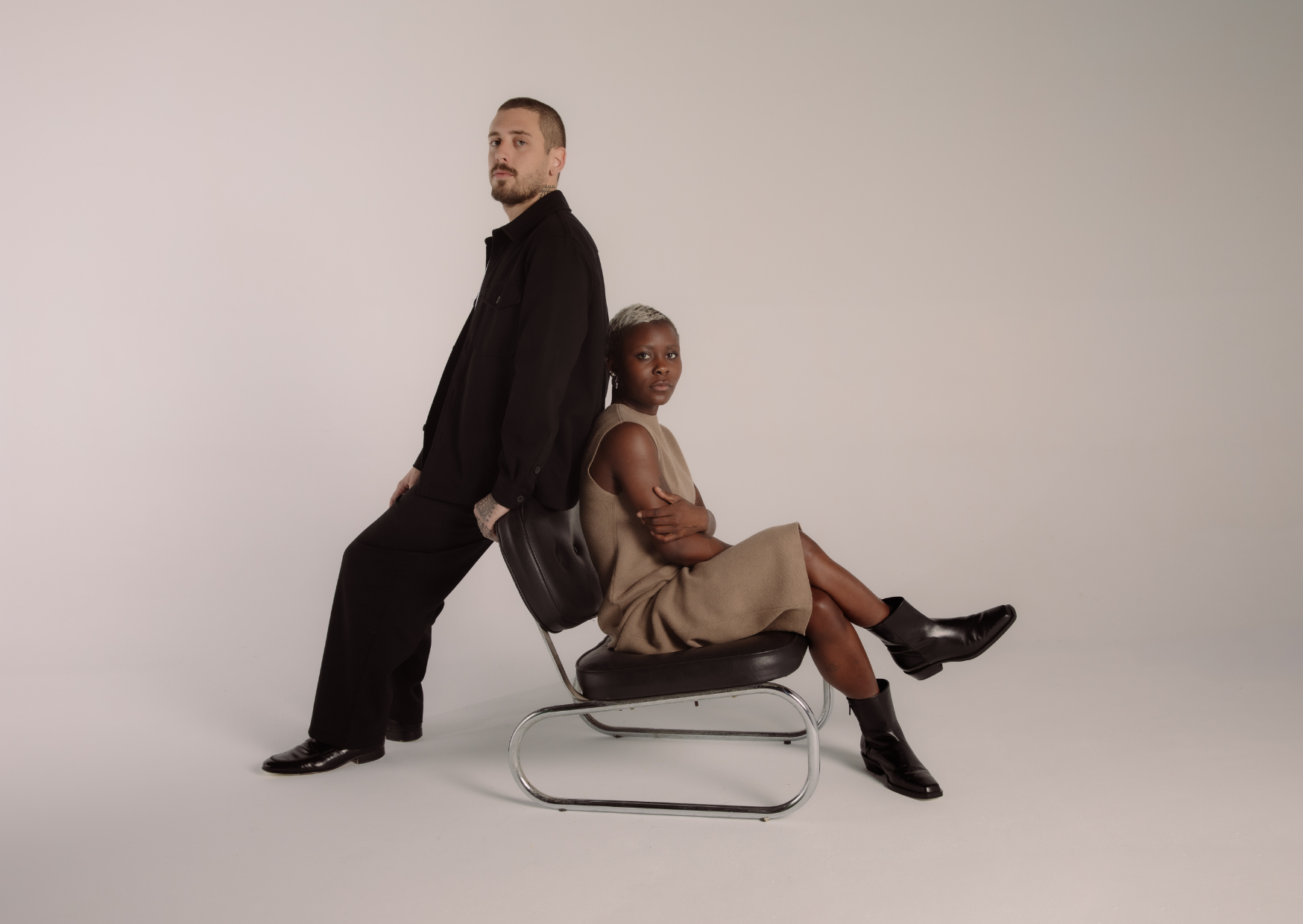
The first difference shows up in the morning.
Italian women no matter their age, income, or city get dressed for the day. Not in athleisure. Not in pajamas disguised as outerwear. But in real clothes, with structure, intention, and often a touch of personality.
Even to pick up bread, they’ll wear:
- A pressed cotton blouse
- Tailored trousers or a midi skirt
- Ballet flats or loafers
- A leather bag, not a tote from last year’s conference
The American habit of running errands in sweatpants or oversized gym gear is almost unheard of in most Italian towns. Public space demands public presentation.
It’s not vanity. It’s self-respect. And it’s visible in every outfit.
2. They Invest in Fewer, Better Pieces
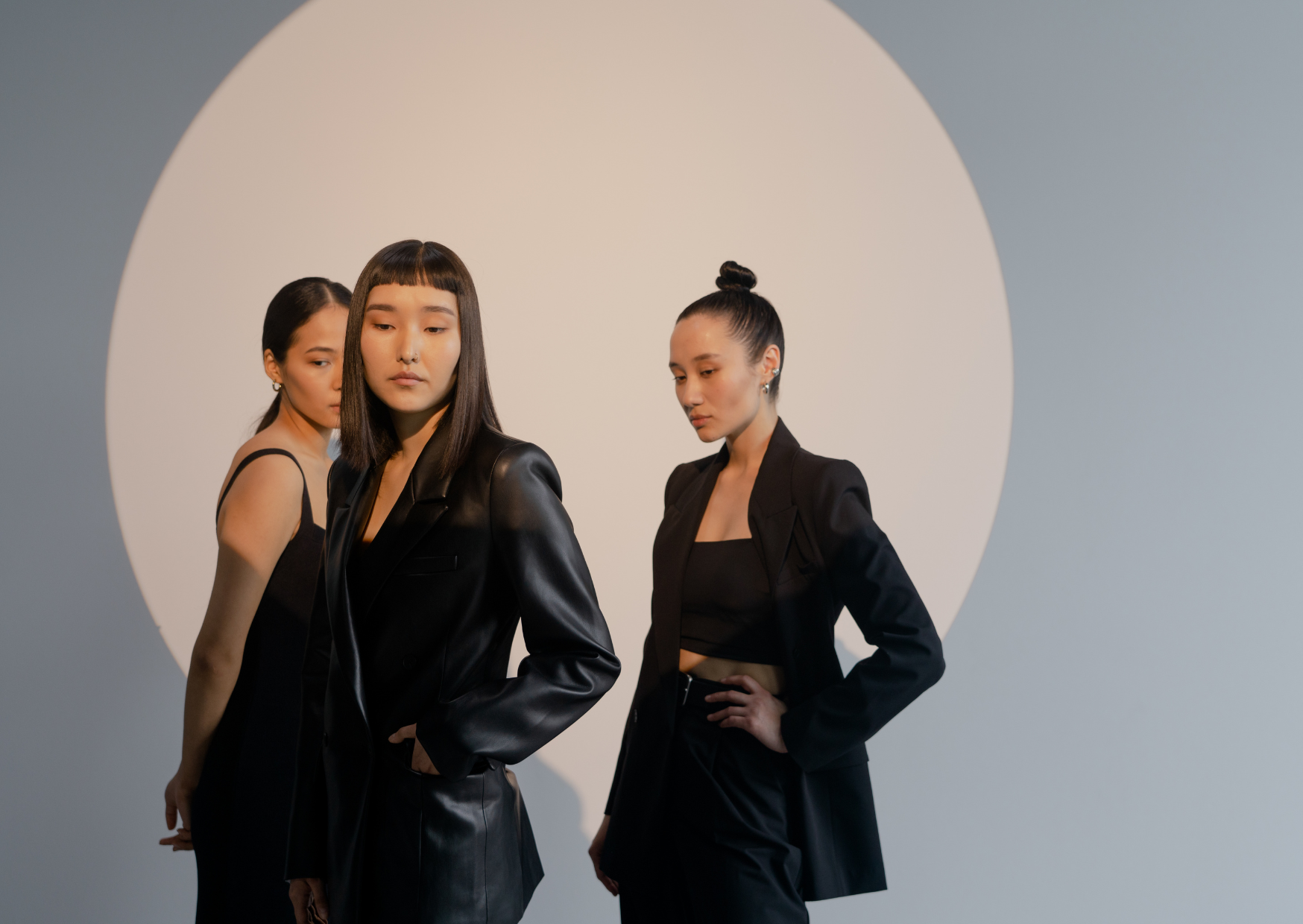
Italian wardrobes are typically smaller than American ones. But what’s in them matters more.
Rather than chasing fast fashion or seasonal trends, Italian women often build closets around:
- High-quality fabrics (linen, wool, silk, cotton)
- Neutral tones with seasonal accents
- Tailored pieces that can be worn for years
- Shoes and bags made to last (and made in Italy)
The idea of wearing something until it falls apart but looking impeccable the entire time is far more appealing than owning 20 cheap versions of the same item.
American fashion culture often equates newness with relevance. In Italy, quality = longevity = style.
3. They Understand Fit—And Aren’t Afraid of a Tailor
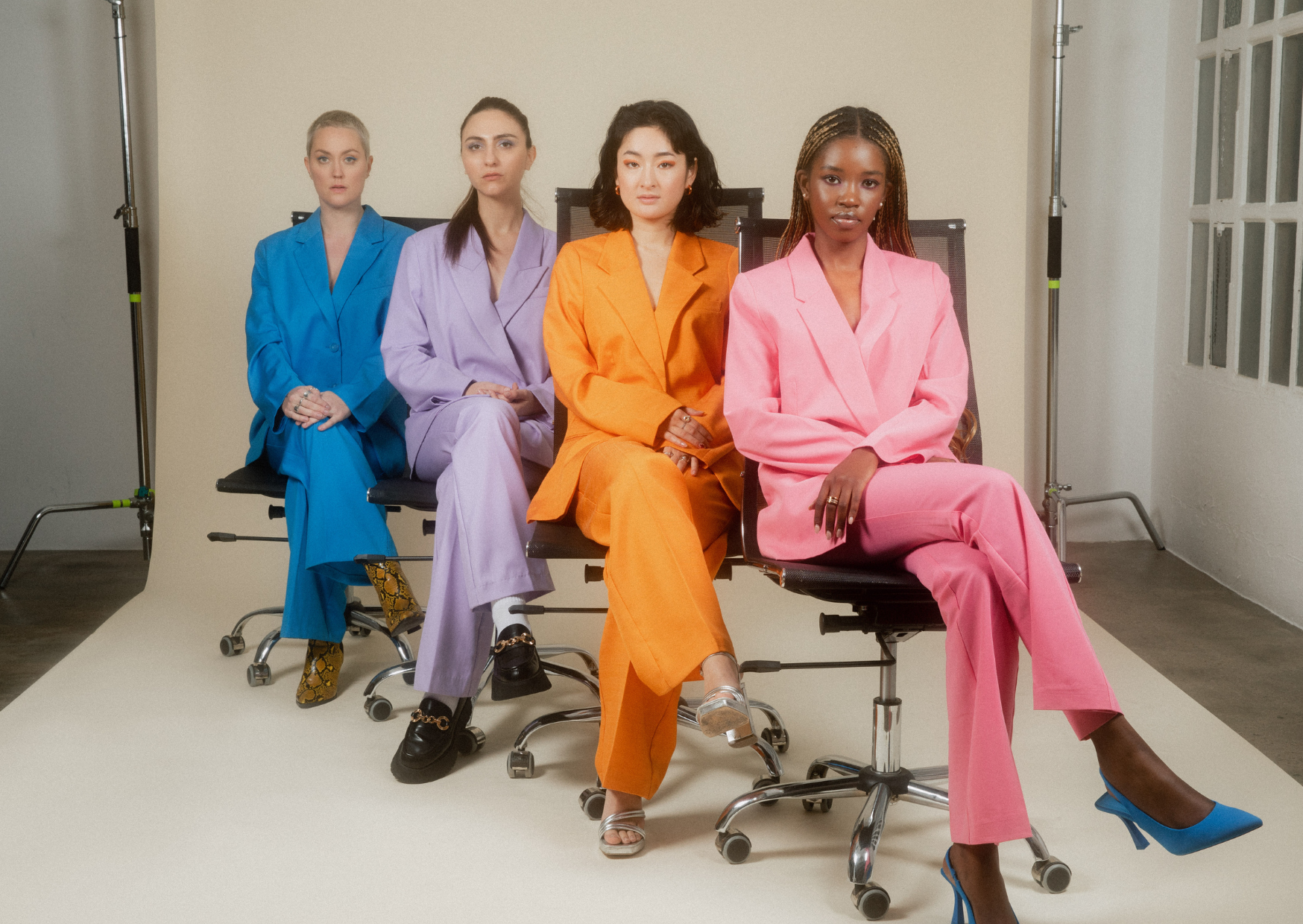
Walk into any Italian dry cleaner, and you’ll find a tailor’s station tucked in the back. Alterations are part of the style process.
Italian women expect their clothes to fit perfectly:
- Pants are hemmed to hit the ankle
- Jackets nip in at the waist
- Sleeves fall exactly where they should
- Even T-shirts are chosen with shoulder seams that align properly
By contrast, American casual wear often embraces oversized silhouettes and stretchy fabrics to avoid tailoring altogether.
But tailoring isn’t about vanity—it’s about precision. When clothes follow your form, even the simplest outfit feels considered.
4. They Never Confuse Casual with Careless

Italian women are masters of casual elegance but never sloppiness.
Jeans and a T-shirt? Sure. But:
- The jeans are high-quality denim, pressed, and well-fitted
- The T-shirt is likely linen or mercerized cotton, not pilled polyester
- The shoes are real leather
- The accessories are intentional a silk scarf, structured bag, or gold studs
You won’t find Crocs, pajama pants, or novelty socks in public view.
Even the most dressed-down woman looks composed, not just comfortable.
In American fashion, comfort often comes first. In Italy, comfort is built into beauty, not used as an excuse to abandon it.
5. They Accessorize Like It’s an Art Form

An Italian woman doesn’t throw on jewelry. She curates it.
You might see:
- A slim gold chain layered over a white shirt
- A bold leather belt cinching a linen dress
- A silk scarf tucked into a blazer
- Tortoise sunglasses matched with oxblood flats
Nothing is loud. Nothing screams for attention. But everything contributes to the overall harmony of the outfit.
In contrast, American accessorizing often swings between minimal (bare-faced, smartwatch, baseball cap) and maximal (statement earrings, giant bags, logo overload).
Italian style seeks balance. The accessories finish the story. They don’t fight for center stage.
6. They Prioritize Fabric Over Flash

The American market is flooded with synthetic blends cheap knits, stretchy poly-cottons, quick-dry synthetics made to mimic something better.
Italian women are taught often from childhood to recognize the feel and weight of real fabric. Linen breathes. Wool insulates. Silk moves with the body. Leather ages well.
Even at a lower price point, they will opt for natural fibers whenever possible. They understand that how something feels is as important as how it looks.
The result? Their clothing lasts longer, moves better, and develops character over time.
In short: they don’t just wear clothes. They live in fabric.
7. They Let Their Age Guide, Not Limit, Their Style
In many American fashion circles, aging is framed as a problem to fix or hide. Youth is the default style reference.
In Italy, aging is a style evolution, not a decline.
Older women:
- Ditch trends and embrace timeless tailoring
- Lean into structure, confidence, and fabric
- Shift toward darker neutrals, bold lipsticks, stronger jewelry
- Carry themselves with posture and poise no apology
There’s no pressure to look 25. But there’s pressure to look put-together, no matter your age.
The result? Style becomes a lifelong expression, not a youthful phase.
8. They Don’t Mix Workwear with Loungewear
In the American market, fashion categories are increasingly blurred. Yoga pants at brunch. Blazers with hoodies. Sneakers with suits.
But in Italy, formality codes still matter.
Loungewear stays home. Sportswear stays in the gym. Workwear doesn’t pretend to be edgy. And real eveningwear is still celebrated for dinners, holidays, and opera nights.
This doesn’t mean Italian style is rigid. It means there’s a respect for context.
Looking appropriate and dressing with purpose is part of being a functioning adult in society. It’s not uptight. It’s just considered.
9. They Trust Taste Over Trends
Italian fashion is global. Milan is a capital. But the everyday Italian woman isn’t a slave to trends.
She doesn’t need runway permission to wear high-waisted trousers. She doesn’t need TikTok to tell her ballet flats are back.
She buys what flatters her shape, suits her life, and fits her context.
Meanwhile, many American fashion habits are algorithm-driven reactive, viral, disposable. The “trend cycle” spins faster than most closets can keep up.
Italian style slows things down. It trusts taste over novelty. And that confidence makes everything look more intentional.
Slowness Is the Secret
At the heart of Italian style is one unspoken truth: looking put-together takes time either in the morning, or in the way you shop, edit, and refine over years.
There’s no secret hack. No perfect formula. Just thousands of quiet decisions:
- To steam the shirt
- To polish the shoes
- To buy one blazer instead of five cardigans
- To put effort into what meets the world
Italian women don’t dress for compliments. They dress because it’s a way of participating in the world with grace.
American fashion, in its rush toward ease, comfort, and irony, often loses that sense of participation.
But it’s not gone. It’s just waiting to be reclaimed one linen shirt and leather loafer at a time.

About the Author: Ruben, co-founder of Gamintraveler.com since 2014, is a seasoned traveler from Spain who has explored over 100 countries since 2009. Known for his extensive travel adventures across South America, Europe, the US, Australia, New Zealand, Asia, and Africa, Ruben combines his passion for adventurous yet sustainable living with his love for cycling, highlighted by his remarkable 5-month bicycle journey from Spain to Norway. He currently resides in Spain, where he continues sharing his travel experiences with his partner, Rachel, and their son, Han.