
When it comes to cultural prestige, few honors are more powerful than a UNESCO World Heritage designation. From ancient temples to natural wonders, being listed means global recognition, preservation priority, and often, a big boost in tourism. But have you ever wondered which countries top the list—and why?
As of the most recent count, the countries with the most UNESCO World Heritage Sites include Italy, China, Germany, France, and Spain—nations rich in both ancient civilizations and well-preserved cultural infrastructure. Some of their sites are globally iconic (think the Colosseum or the Great Wall), while others are lesser known but equally significant. The list reflects not only history but how nations choose to frame and protect their identity.
But beneath the prestige lies a web of politics, influence, and bias. Why do some countries get dozens of sites recognized while others—with rich cultural histories—struggle for a single listing? Is the UNESCO list really a reflection of global heritage, or a diplomatic scoreboard in disguise? The answers might surprise you.
Read Here European Things that terrify Americans and American Habits that make Europeans Cringe
Read here how to pack for Europe and Best eSIM for Europe
BOOK YOUR TRAVEL INSURANCE
Two of our favorite travel insurance: Heymondo Vs Safetwing cheapest travel Insurance. You can get for $135 USD your Heymondo Travel Insurance with Heymondo discount code valid for 90 days. Read our full comparison of Genki vs Safetywing Travel Insurance Review and the comparison Heymondo vs Genki
Quick & Easy Tips (for Heritage Travelers & Curious Readers)
Start with UNESCO’s official list to plan heritage-focused trips—many sites are clustered for easy access.
Visit lesser-known UNESCO sites in major countries—they’re often less crowded but just as rich.
Check for new additions annually—UNESCO updates the list every year, sometimes adding surprises.
Respect the rules when visiting a site—local preservation laws can be strict.
Use the sites as gateways to understand local culture, not just for photo ops.
While the UNESCO list is intended to be apolitical, it’s no secret that wealth, lobbying, and diplomatic power play a role in which countries get recognized. Nations with more resources and influence often push harder for their sites to be added—and succeed more often than countries in the Global South.
This leads to a deeper concern: Eurocentrism in cultural recognition. Many critics point out that the majority of recognized sites are in Europe, while vast swaths of Africa, Southeast Asia, and Latin America remain underrepresented. It’s not always about the value of the site—it’s about the process, and whether a country can navigate it effectively.
Then there’s the question of over-tourism. Some sites, once designated, become swarmed by tourists to the point of damage—like Machu Picchu or Venice. Preservation becomes harder, not easier. It raises a paradox: does UNESCO protect or expose these places to new risks? And who decides when a site becomes “worthy” of the world’s attention?
Countries With the Most UNESCO World Heritage Sites
1. Italy – 59 Sites

Why It Leads:
Italy is known as the cradle of Western civilization and boasts an unparalleled mix of ancient ruins, Renaissance masterpieces, and stunning natural landscapes.
Notable Sites:
Colosseum (Rome): Iconic symbol of ancient Rome.
Venice and its Lagoon: A city of canals and stunning architecture.
Cinque Terre: Colorful coastal villages perched on cliffs.
Florence Historic Center: The heart of the Renaissance.
Dolomites: Breathtaking mountain range.
2. China – 57 Sites
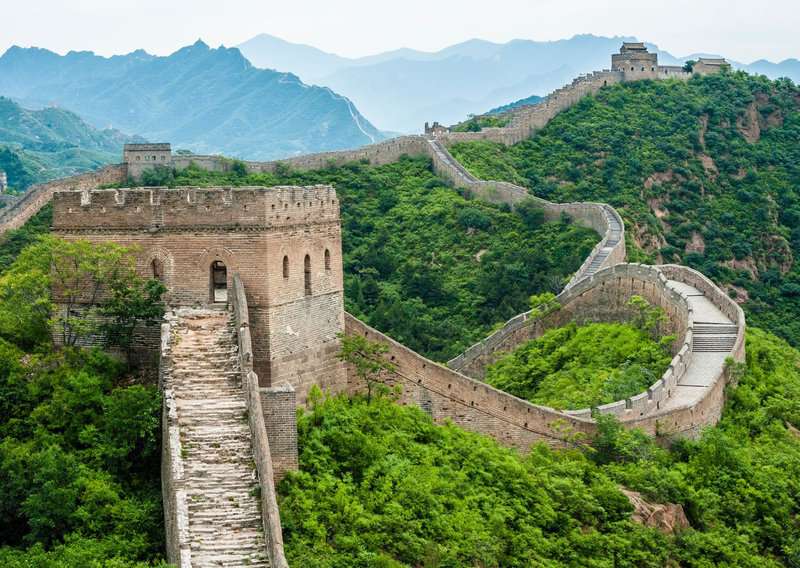
Why It Leads:
China’s vast history, spanning thousands of years, coupled with its stunning natural wonders, makes it a UNESCO powerhouse.
Notable Sites:
Great Wall of China: One of the world’s most famous landmarks.
Forbidden City (Beijing): Ancient imperial palace complex.
Terracotta Army (Xi’an): Thousands of life-sized clay warriors.
Jiuzhaigou Valley: A natural wonder of lakes and waterfalls.
Mount Huangshan: Renowned for its scenic beauty.
3. Germany – 52 Sites

Why It Leads:
Germany’s history, from medieval castles to modern landmarks, has resulted in a diverse range of UNESCO Sites.
Notable Sites:
Cologne Cathedral: Stunning Gothic architecture.
Wartburg Castle: Associated with Martin Luther’s Reformation.
Berlin’s Museum Island: A collection of world-class museums.
Bauhaus Sites: Pioneering modern architecture.
Upper Middle Rhine Valley: Picturesque castles and vineyards.
4. Spain – 49 Sites
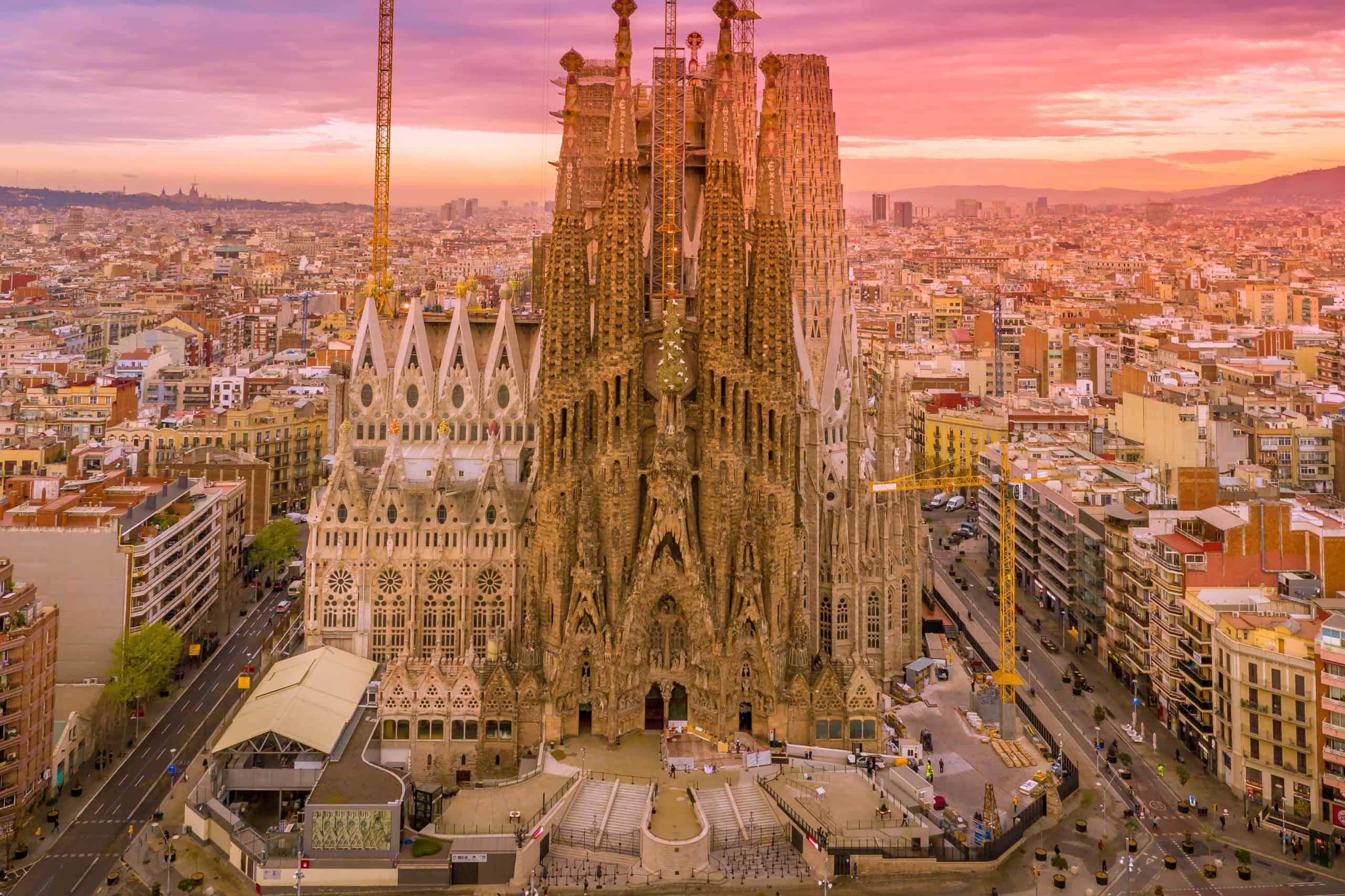
Spain’s mix of Roman, Moorish, and Christian influences is reflected in its impressive UNESCO-listed sites.
Notable Sites:
Alhambra (Granada): A Moorish palace and fortress.
Sagrada Familia (Barcelona): Gaudí’s architectural masterpiece.
Camino de Santiago: Ancient pilgrimage route.
Historic Center of Toledo: A blend of Christian, Muslim, and Jewish cultures.
Teide National Park (Tenerife): Stunning volcanic landscapes.
5. France – 45 Sites
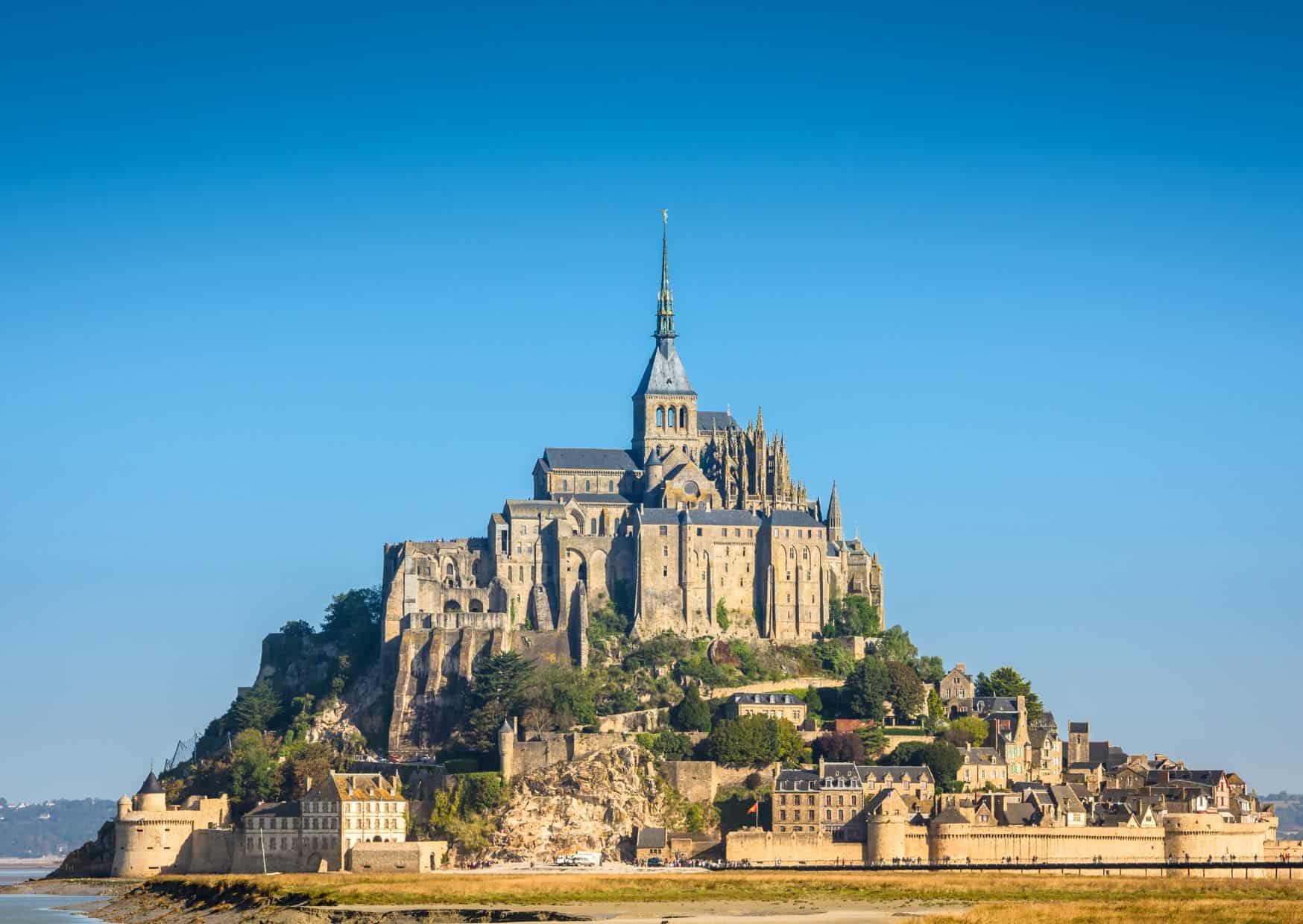
From Gothic cathedrals to idyllic wine regions, France’s UNESCO sites represent its cultural and natural heritage.
Notable Sites:
Mont-Saint-Michel: An island abbey surrounded by tides.
Palace of Versailles: A symbol of royal opulence.
Lascaux Caves: Prehistoric cave art.
Loire Valley: Known as the “Garden of France” for its castles and landscapes.
Provence Lavender Fields: Stunning natural beauty.
6. India – 40 Sites
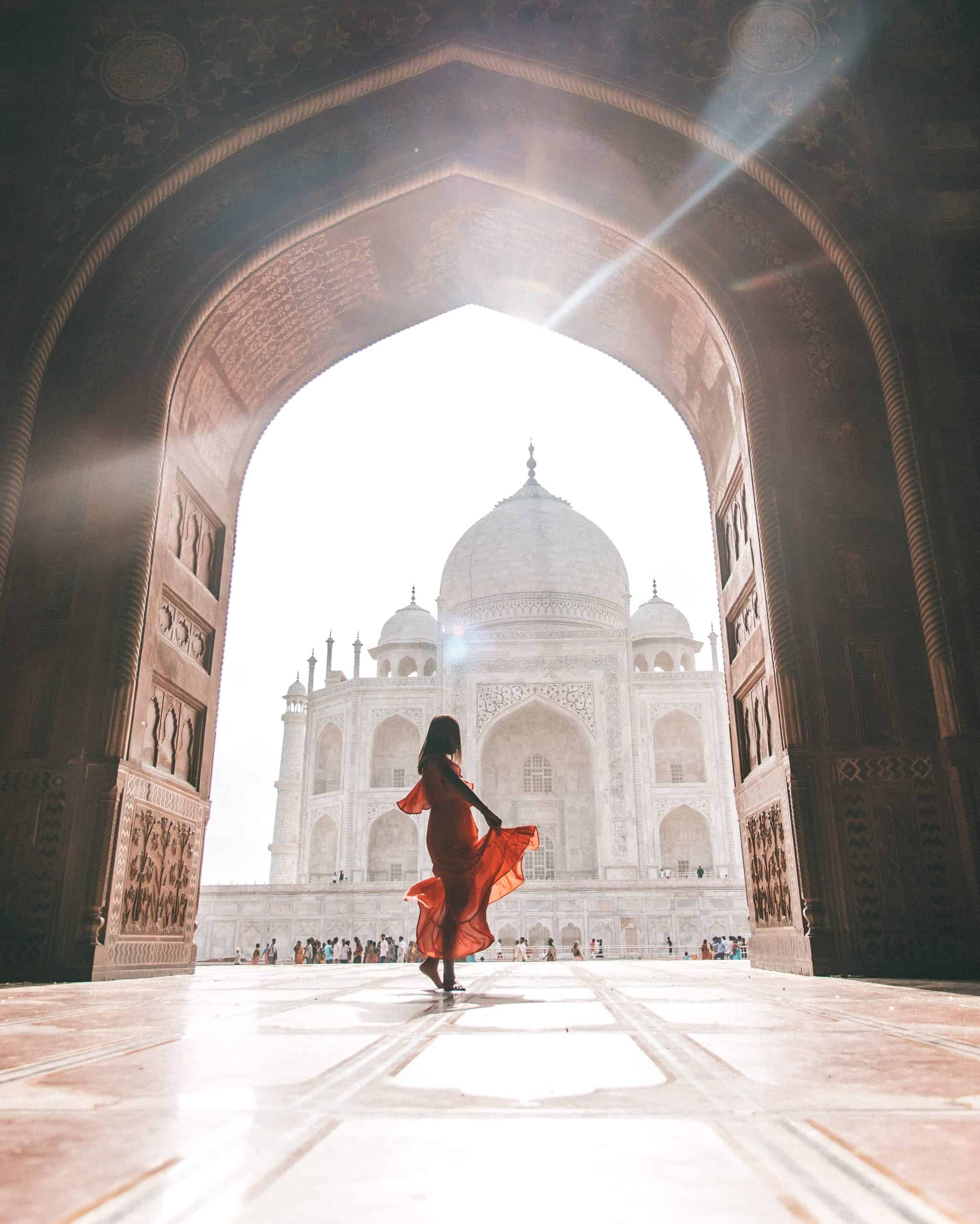
Why It Leads:
India’s deep cultural history, ancient temples, and natural biodiversity make it one of the world’s top UNESCO contributors.
Notable Sites:
Taj Mahal: A symbol of eternal love and Mughal architecture.
Jaipur City: The “Pink City” with forts and palaces.
Kaziranga National Park: Home to the endangered one-horned rhino.
Hampi: Ruins of a magnificent medieval kingdom.
Ajanta and Ellora Caves: Masterpieces of Buddhist, Hindu, and Jain art.
7. Mexico – 35 Sites
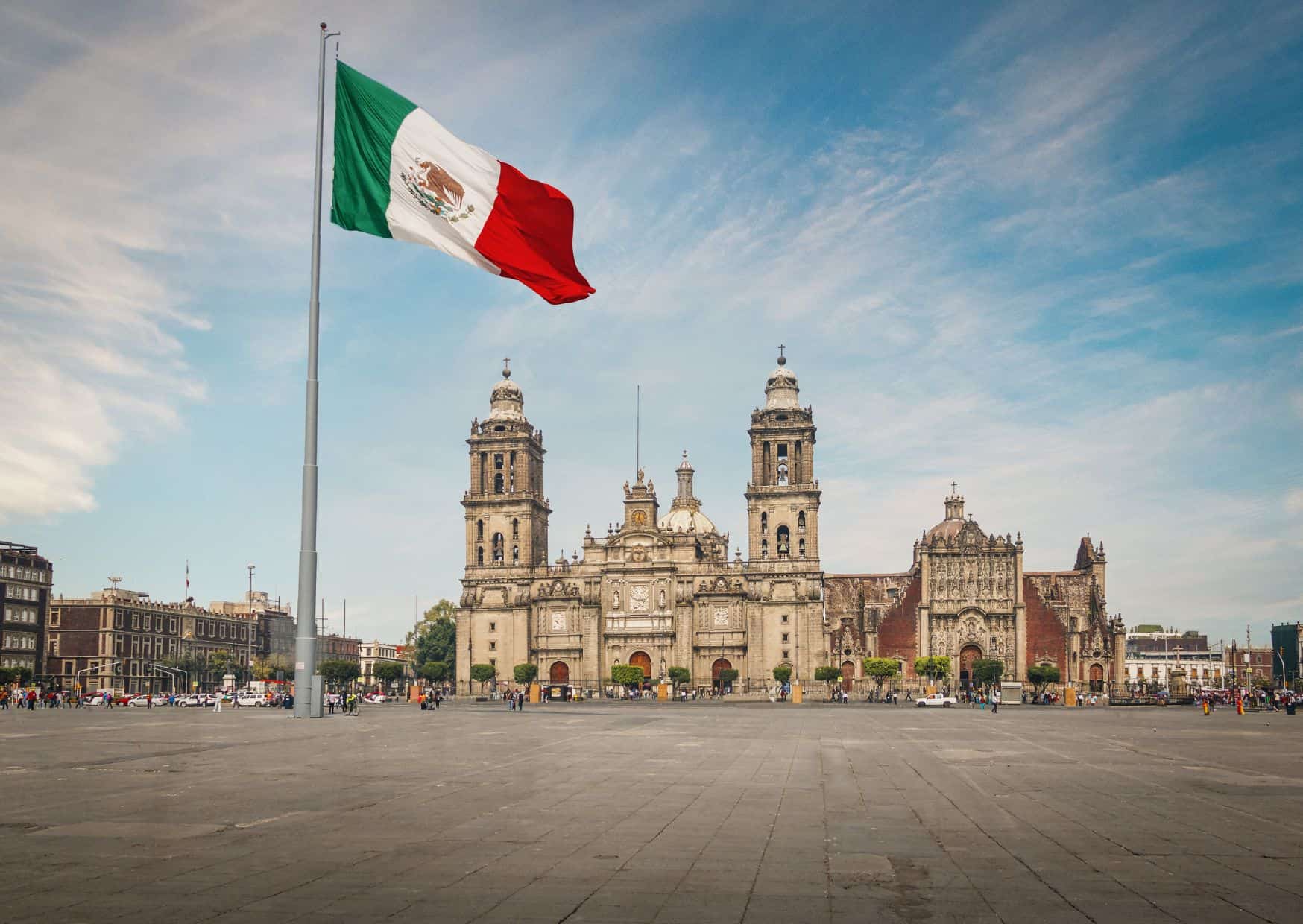
Why It Leads:
Mexico’s UNESCO Sites showcase its ancient civilizations, colonial history, and stunning biodiversity.
Notable Sites:
Chichén Itzá: Mayan ruins and a wonder of the world.
Historic Center of Mexico City: Including the floating gardens of Xochimilco.
Teotihuacan: The “City of the Gods” with iconic pyramids.
Monarch Butterfly Biosphere Reserve: Seasonal home to millions of monarch butterflies.
Agave Landscape (Tequila): A nod to Mexico’s cultural heritage.
8. United Kingdom – 33 Sites

Why It Leads:
From prehistoric landmarks to industrial heritage, the UK’s sites are steeped in history and innovation.
Notable Sites:
Stonehenge: Ancient stone circle with mysterious origins.
Tower of London: A symbol of British history.
Giant’s Causeway: Natural basalt columns in Northern Ireland.
Edinburgh’s Old and New Towns: A city rich in history and culture.
Lake District: Scenic inspiration for poets and artists.
9. Russia – 31 Sites

Why It Leads:
Russia’s vast size and rich history contribute to a diverse collection of UNESCO Sites.
Notable Sites:
Kremlin and Red Square (Moscow): Political and cultural center.
Lake Baikal: The deepest and oldest freshwater lake in the world.
St. Petersburg Historic Center: A city of canals and imperial history.
Volga River Towns: Home to historic monasteries and cathedrals.
10. Iran – 27 Sites

Why It Leads:
Iran’s ancient Persian heritage and stunning Islamic architecture make it a standout for UNESCO recognition.
Notable Sites:
Persepolis: Ruins of the ancient Persian Empire.
Naqsh-e Jahan Square (Isfahan): Stunning Islamic architecture.
Golestan Palace: A historic royal palace in Tehran.
Pasargadae: The tomb of Cyrus the Great.
Shushtar Hydraulic System: An ancient engineering marvel.
Honorable Mentions:
Japan (25 Sites): Known for its mix of traditional temples and modern cultural landmarks.
Brazil (23 Sites): A rich mix of colonial history, indigenous culture, and stunning natural parks like the Amazon Rainforest.
Turkey (21 Sites): A blend of Byzantine, Ottoman, and ancient Greco-Roman heritage.
Final Thoughts: A UNESCO Bucket List
The list of top countries with the most UNESCO sites isn’t just a trivia fact—it’s a lens into how the world values history, identity, and global influence. While these countries deserve recognition, the imbalance in representation shows we still have a long way to go in making heritage truly global.
For travelers, the takeaway is simple: go beyond the obvious. Visit smaller, lesser-known UNESCO sites in underrepresented regions, and support efforts to preserve them with respect and understanding. These places often have the richest stories—and the fewest visitors.
UNESCO’s list should be a celebration of shared human legacy, not a scoreboard. Let’s hope the future brings more balance, more recognition, and more curiosity—not just about where the most sites are, but why they’re there in the first place.

About the Author: Ruben, co-founder of Gamintraveler.com since 2014, is a seasoned traveler from Spain who has explored over 100 countries since 2009. Known for his extensive travel adventures across South America, Europe, the US, Australia, New Zealand, Asia, and Africa, Ruben combines his passion for adventurous yet sustainable living with his love for cycling, highlighted by his remarkable 5-month bicycle journey from Spain to Norway. He currently resides in Spain, where he continues sharing his travel experiences with his partner, Rachel, and their son, Han.