
And what it reveals about flavor, regulation, and a very different definition of “safe” food
In much of Europe, cheese is not just a food group — it’s an identity, an art, a form of memory passed down across generations. Visit any French market, Spanish deli, or Italian alpine town, and you’ll find rich, soft, often funky-smelling cheeses made with one crucial ingredient: raw milk.
These cheeses are unpasteurized. That means the milk has not been heat-treated to kill bacteria. To Europeans, that’s what makes the cheese taste alive. It’s complex. It’s rich. It’s deeply tied to place. It changes with the seasons, the herd, the grass.
To Americans, however, raw milk cheese — especially soft, young raw milk cheese — is either illegal or heavily restricted. Under U.S. law, it can only be sold if aged for at least 60 days, which rules out many of Europe’s most beloved traditional varieties.
The result? American travelers fall in love with a cheese in France or Spain — only to discover they can’t bring it home. Importers can’t sell it. And in many cases, replicas made with pasteurized milk simply don’t compare.
Here’s why Europeans still eat raw milk cheeses without panic — and why Americans continue to outlaw them, despite global evidence that the risk is not what it seems.
Want More Deep Dives into Everyday European Culture?
– Why Europeans Walk Everywhere (And Americans Should Too)
– How Europeans Actually Afford Living in Cities Without Six-Figure Salaries
– 9 ‘Luxury’ Items in America That Europeans Consider Basic Necessities
1. Unpasteurized Doesn’t Mean Unsafe In Europe
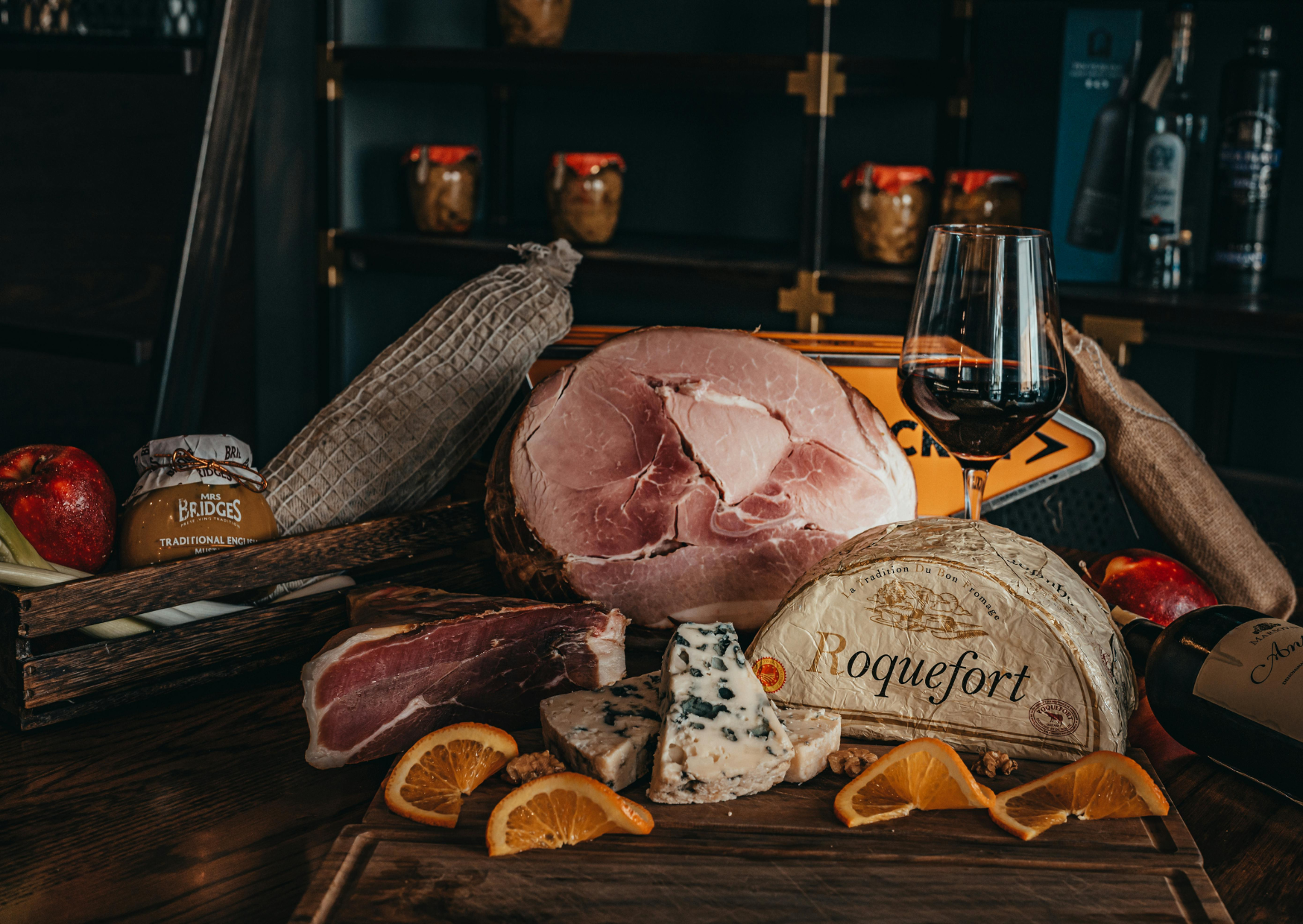
In the U.S., pasteurization is treated as a non-negotiable public safety step. It’s assumed that raw milk contains dangerous pathogens, and that the only way to make dairy safe is to heat it to 161°F (72°C) for 15 seconds.
In Europe, the view is different. Raw milk has been used for centuries — and not just in cheese. It’s considered natural, flavorful, and safe when handled properly. Farmers follow strict hygiene protocols. Cheese is aged in traditional caves or well-regulated dairies.
The bacteria in raw milk don’t just survive — they help the cheese develop flavor and texture that pasteurized milk can’t replicate.
And European public health agencies don’t see it as a widespread threat. Outbreaks are rare. Regulations exist — but they’re focused on production quality, not blanket bans.
2. The Cheeses Americans Can’t Eat (Legally)

Many of Europe’s most iconic raw milk cheeses cannot be sold legally in U.S. stores, because they’re aged for less than 60 days — the FDA’s minimum requirement for raw milk cheese sales.
Some of the most notable banned or restricted cheeses include:
- Brie de Meaux (France): soft, gooey, and aged only 4–8 weeks
- Camembert de Normandie (France): pungent, creamy, and aged just over 3 weeks
- Torta del Casar (Spain): spoonable, grassy, raw milk sheep cheese aged 30–40 days
- Reblochon (France): raw cow’s milk, aged just 2–4 weeks
- Mont d’Or (France/Switzerland): seasonal raw milk cheese aged in spruce bark
These cheeses are legal and common in Europe, sold in markets, supermarkets, and roadside stands.
In the U.S., they’re either unavailable, pasteurized into a new version, or replaced with industrial substitutes.
3. American Cheese Laws Prioritize Control Not Complexity

The U.S. food safety model is based on eliminating risk — not managing it.
So instead of evaluating how raw milk cheese is made, or under what conditions, the law simply applies a sweeping restriction: it must be aged 60 days, regardless of how it’s handled.
But raw milk cheeses aged 20 or 30 days — like many soft European styles — are designed to be eaten young. Their structure, taste, and safety depend on early consumption, not long-term fermentation.
In other words, the 60-day rule changes the cheese entirely. What remains legal in the U.S. is often a distant cousin of the original.
4. Europeans Trust Process Over Sterility
In American food culture, safety often means removing bacteria — through pasteurization, sterilization, or preservatives.
In Europe, safety means controlling the process. Farmers monitor pH, temperature, and microbial activity. Cheesemakers are trained in slow, artisan methods. Aging rooms are cleaned — but not sterilized to the point of eliminating good bacteria.
The result is cheese that lives and evolves — rather than a perfectly repeatable, chemically identical product.
Americans often see bacteria as dangerous. Europeans see it as essential to flavor and health — so long as it’s the right kind, handled properly.
5. The Taste Is Wild and That’s the Point

Raw milk cheeses often have funk, complexity, and earthiness that pasteurized versions struggle to imitate.
They carry the taste of the region — literally. The bacteria come from the soil, the animals, the air. This is what the French call “terroir”, and raw milk cheese delivers it without a filter.
Pasteurization flattens those profiles. A raw Camembert from Normandy has depth, richness, and bite. A pasteurized Camembert might be creamy — but it’s often muted, mass-produced, and predictable.
In Europe, people don’t want uniformity. They want surprise. Cheese is supposed to shift slightly from wheel to wheel, season to season. That’s the charm.
6. Risk Is Understood and Accepted
Europeans aren’t unaware that raw milk cheese can carry slightly higher risk than pasteurized cheese. But they evaluate that risk against context and tradition.
They know who makes the cheese. They buy it fresh. They eat it properly stored. They don’t expect zero risk from real food — just reasonable control.
In the U.S., where risk aversion shapes everything from school lunches to sandwich ingredients, this attitude seems reckless.
But Europeans would argue the opposite: eating highly processed foods in sterile packages — while fearing a raw milk brie — is what feels irrational.
7. Cheese Isn’t Just Food It’s Cultural Identity
In France, Italy, and Spain, cheese isn’t just a topping or a snack. It’s a marker of place. A celebration of season. A family legacy.
To ban a cheese because it wasn’t aged long enough isn’t just a technical regulation — it’s a disrespect to tradition.
This is why Europe fought to protect regional cheeses with AOC, AOP, and PDO status — legal designations that safeguard traditional methods.
You can’t call a cheese “Brie de Meaux” unless it comes from a certain region and follows strict raw milk guidelines.
Americans, without this layered connection to food origin, often miss what’s being lost when raw milk cheeses are banned.
8. Tourists Fall in Love Then Hit the Border Wall
It’s a common story. An American tourist in Paris tries a raw-milk Camembert and is blown away. They buy a round. Pack it in their suitcase. And then… it’s confiscated at customs.
U.S. border laws prohibit the import of many soft, unpasteurized cheeses. Even if it’s just one wheel for personal use, it may be seized.
It’s heartbreaking. Because there’s no way to get it at home — and what’s available in U.S. stores often doesn’t compare.
That sense of loss isn’t just about taste. It’s about realizing that your government has decided this food is too risky for you, even though millions of Europeans eat it daily without issue.
9. The Future of Raw Milk Cheese in the U.S. Remains Tense
Some small American dairies are trying to change things. They make legal raw milk cheeses aged over 60 days. Others advocate for looser restrictions, citing data and European models.
But progress is slow. FDA concerns remain. Large producers have little incentive to push for change. And the 60-day rule — in place since 1949 — remains intact.
Until then, Americans who love cheese have a choice:
Travel to Europe. Try the real thing. And understand that taste, trust, and tradition don’t always align with what’s allowed.
One Bite, Two Worlds
To Americans, unpasteurized cheese is a liability.
To Europeans, it’s a legacy.
In the U.S., food safety means eliminating risk.
In Europe, food safety means knowing the source — and respecting the process.
So if you find yourself biting into a spoon-soft, raw-milk Torta del Casar in a Spanish village this summer, remember:
You’re not just tasting cheese.
You’re tasting a freedom Americans lost decades ago — and don’t even realize is missing.

About the Author: Ruben, co-founder of Gamintraveler.com since 2014, is a seasoned traveler from Spain who has explored over 100 countries since 2009. Known for his extensive travel adventures across South America, Europe, the US, Australia, New Zealand, Asia, and Africa, Ruben combines his passion for adventurous yet sustainable living with his love for cycling, highlighted by his remarkable 5-month bicycle journey from Spain to Norway. He currently resides in Spain, where he continues sharing his travel experiences with his partner, Rachel, and their son, Han.