
And what it reveals about body trust, cultural expectation, and the difference between refreshment and over-sanitization
For many American travelers, the first encounter with a bidet in France is confusing enough. The low porcelain basin beside the toilet. The separate knobs. The awkward straddling. The question of when — and how — to use it.
But even for those brave enough to try it, there’s one detail that catches them off guard almost every time:
The water is cold. Often very cold. And yes, it’s on purpose.
In a country known for its culinary refinement, spa culture, and long, luxurious baths, the French approach to bidets can feel surprisingly abrupt. There’s no heated water waiting for you. No gentle warm mist. No temperature control button labeled “comfort mode.”
Just cool, clean water — sometimes downright icy — and a national attitude that says: “Yes, this is the right way.”
Here’s why the French prefer bidet water that would make most American tourists recoil — and what that choice reveals about a deeper difference in how the two cultures view hygiene, temperature, and the body’s relationship with discomfort.
Want More Deep Dives into Everyday European Culture?
– Why Europeans Walk Everywhere (And Americans Should Too)
– How Europeans Actually Afford Living in Cities Without Six-Figure Salaries
– 9 ‘Luxury’ Items in America That Europeans Consider Basic Necessities
1. Cold Water Is Not a Mistake — It’s the Default

In the United States, the bidet has recently gained popularity, especially high-tech versions with adjustable pressure, temperature, and air drying. These features are designed to make the experience as seamless and spa-like as possible.
In France, bidets — even in their more modern, nozzle-integrated toilet form — typically dispense cold or room temperature water, unless manually adjusted via plumbing.
That’s not a malfunction. It’s tradition.
French households expect bidet water to be brisk. There’s no built-in heating. No digital panel. And no one sees this as strange.
2. The Cold Shock Is Part of the Experience

To many French people, the coldness is the point. It’s refreshing. Invigorating. A clean break from heat, sweat, and the day’s discomfort.
Much like splashing your face with cold water in the morning or rinsing your hands before a meal, using cold water on sensitive areas is seen as natural and healthy — not brutal.
Yes, it’s cold. But it wakes you up. It restores dignity. And you’re not supposed to sit there for five minutes.
Americans often approach the bidet like a spa chair. The French approach it like a rinse station. Quick, effective, and briskly efficient.
3. Warm Water Is Often Reserved for Full Baths — Not Hygiene Moments
In the U.S., warm water is the default for any cleaning ritual — hands, face, dishes, and now, bidets.
In France, warmth is a luxury, not a default setting.
Long, hot baths? Yes. Steamy showers? Of course. But a mid-day bidet rinse after a long lunch or an afternoon walk? That calls for cold water — something to freshen, not relax.
The French see a bidet as a functional reset, not a mini-vacation.
That cultural framing changes everything about how water temperature is experienced — and expected.
4. Bidets Are Treated Like Sinks — Not Hot Tubs

French bathrooms often include separate taps for hot and cold, even in older sinks. Many bidets follow suit, with two knobs or a single cold source.
Americans tend to assume a bidet should function like a warm shower. But in France, it’s more like washing your hands at a sink after working in the garden.
Would you demand 110°F water to rinse your fingers? Probably not.
The French simply extend that same logic to other parts of the body — even when those parts are more sensitive.
5. Temperature Sensitivity Is Cultural — Not Just Physical
Americans are taught that cold water is something to avoid. It shocks the system. It makes you sick. It’s unpleasant. Entire industries are built around heating, softening, and modifying water to feel more like a hotel spa.
In France, mild discomfort is not pathologized. It’s part of life.
Drinking water from the tap? It’s not ice-cold. Washing your face in the morning? It’s not perfectly tempered. Using a bidet? Of course it’s cool — it’s supposed to be.
There’s a quiet cultural belief that the body can handle more than Americans think it can.
6. Plumbing Design Makes Warm Bidet Water Rare
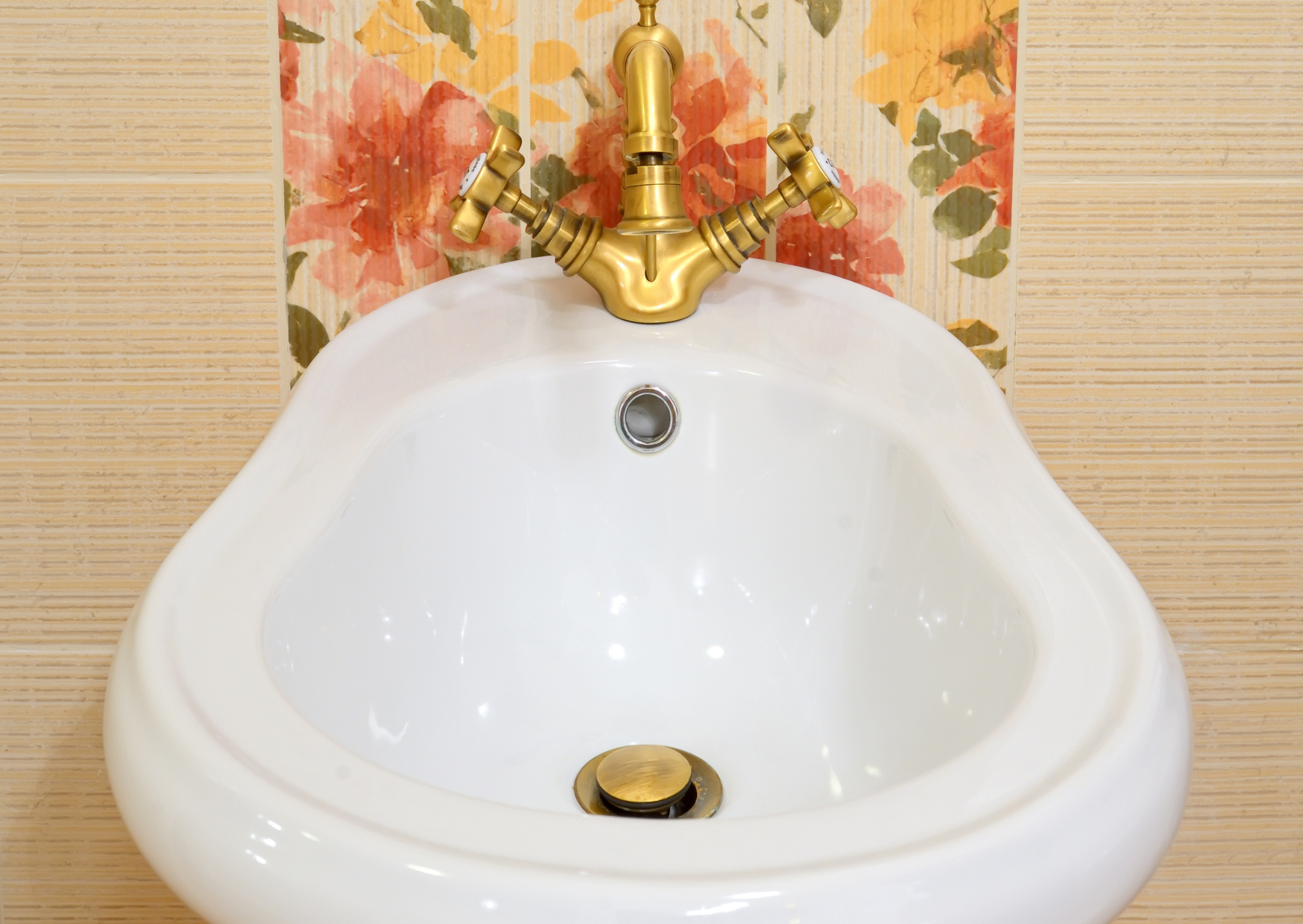
Most French homes, especially older ones, don’t have direct hot water lines plumbed into the bidet. Connecting both cold and hot water taps would require renovations, dual pipe systems, and thermostatic controls — all of which add cost and complexity.
In contrast, newer Japanese-style bidet attachments in the U.S. come with temperature controls built-in — because American consumers expect warmth.
French people simply never built that expectation. They don’t install it. They don’t ask for it. They don’t even really talk about it.
They just use it — and move on.
7. The Bidet Is a Routine Tool — Not a Feature Experience

To many Americans, trying a bidet is a novelty. A story. A social media moment. A luxury item.
In France, it’s a tool, like a faucet or a broom. You use it when needed. You don’t brag about it. You don’t redesign the bathroom around it.
So if a tourist tries the bidet and squeals from the cold, French hosts won’t be offended — but they might be confused. After all, it’s just water.
They’re not trying to impress you with a warming feature. They’re trying to help you get clean.
8. The Cold Rinse Is Seen as More Sanitary
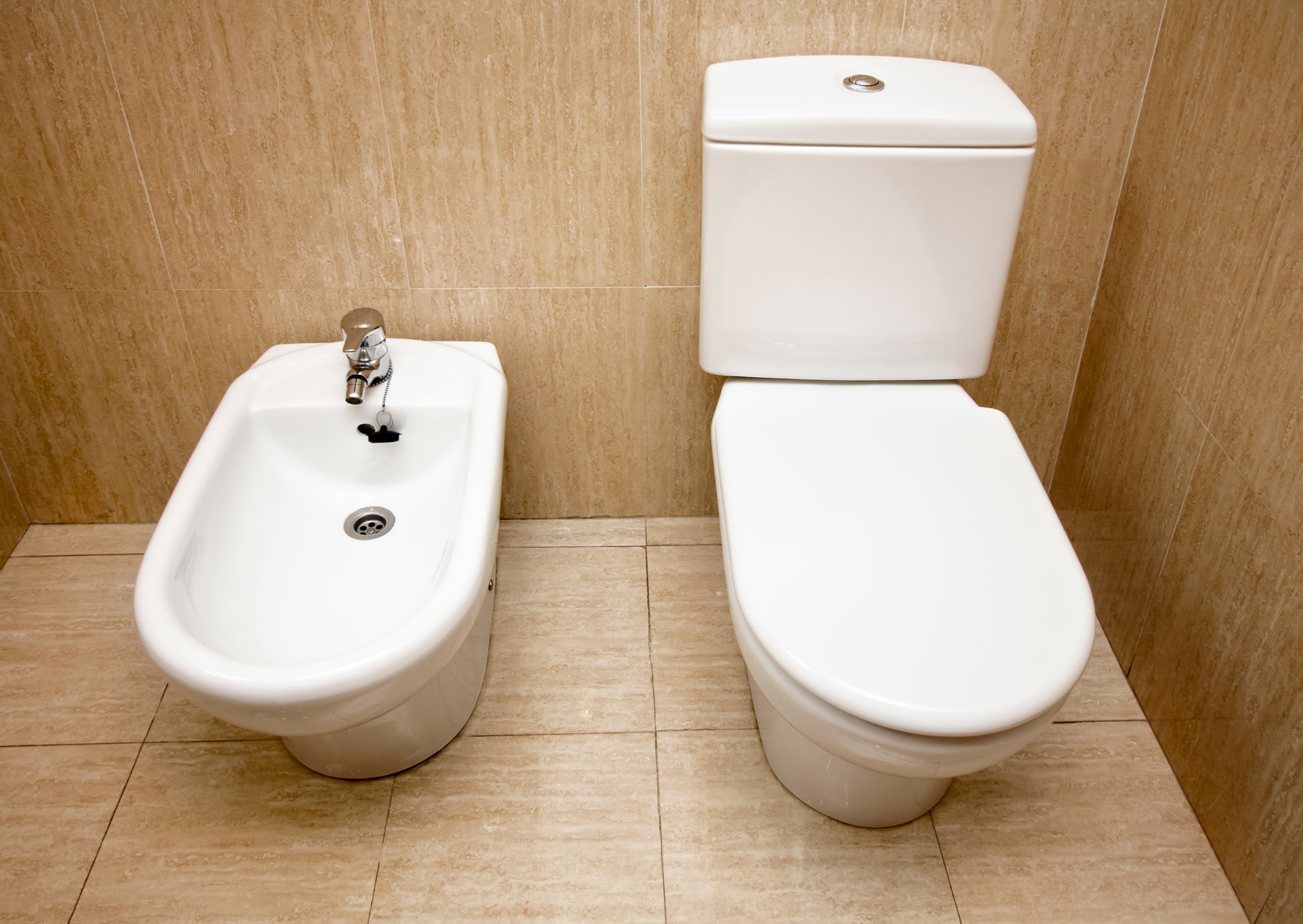
Warm water is comforting. But it can also encourage bacterial growth and leave residue, especially if paired with soap or moisture-trapping fabrics.
Many French people see cold water as more hygienic — a quick, clean rinse with no lingering heat or risk of irritation.
It tightens the skin, clears away sweat, and doesn’t overdo it.
To Americans, “clean” often means scented, foamed, heated, and softened.
To the French, “clean” means minimal, effective, and rinse-and-go.
9. It’s Not Supposed to Be Enjoyable — It’s Supposed to Work
Perhaps the biggest cultural difference lies in this simple truth:
Americans often want comfort in every touchpoint — even when cleaning. Bidets should be warm. Showers should be steamy. Towels should be heated.
In France, comfort is not guaranteed. Function comes first.
A bidet doesn’t exist to pamper you. It exists to help you freshen up without needing a full shower.
And that utilitarian mindset means cold water is not a flaw — it’s a feature.
One Rinse, Two Reactions
To Americans, cold bidet water feels like a design failure.
To the French, warm bidet water feels unnecessary — even decadent.
To Americans, personal hygiene must be wrapped in comfort.
To the French, hygiene is simple, fast, and sensory without shame.
One culture wants every experience to feel soft. The other accepts that a little shock to the system is part of being clean — and awake.
So the next time you’re in France and try the bidet, don’t panic.
It’s not broken. It’s doing exactly what it’s supposed to do — with a chill.

About the Author: Ruben, co-founder of Gamintraveler.com since 2014, is a seasoned traveler from Spain who has explored over 100 countries since 2009. Known for his extensive travel adventures across South America, Europe, the US, Australia, New Zealand, Asia, and Africa, Ruben combines his passion for adventurous yet sustainable living with his love for cycling, highlighted by his remarkable 5-month bicycle journey from Spain to Norway. He currently resides in Spain, where he continues sharing his travel experiences with his partner, Rachel, and their son, Han.