
Traveling is one of the most rewarding experiences in life—but it doesn’t always come cheap. Many of the world’s most iconic cities have grown so popular that they now come with jaw-dropping price tags. From inflated hotel rates to overpriced coffee and packed tourist traps, these destinations often feel more exhausting than exciting. And the truth? You’re not always getting the best version of a country when you only visit its most expensive cities.
The good news? For every overhyped, overpriced destination, there’s a lesser-known city that offers just as much charm, culture, and cuisine—without draining your wallet. Whether you’re dreaming of cobblestone streets, fresh Mediterranean fare, or skyline views, there are stunning, affordable alternatives that deliver all the magic with none of the markup.
In this post, we’ll highlight 8 expensive cities that might not be worth the splurge in 2025—plus their nearby (or similar) counterparts where you’ll get more for your money. These budget-savvy swaps can stretch your travel funds further and take you places most tourists overlook.
Read here Best eSim for International Travel and Best Travel Insurance Comparison
BOOK YOUR TRAVEL INSURANCE
Two of our favorite travel insurance: Heymondo Vs Safetwing cheapest travel Insurance. You can get for $135 USD your Heymondo Travel Insurance with Heymondo discount code valid for 90 days. Read our full comparison of Genki vs Safetywing Travel Insurance Review and the comparison Heymondo vs Genki
Quick & Easy Travel Budget Tips
Book outside peak seasons: Spring and early fall often offer great weather without sky-high prices or massive crowds.
Look for nearby alternatives: Cities just an hour or two from major hubs often have lower prices and more local charm.
Use local transit instead of taxis or Ubers—it’s cheaper and a more immersive way to explore.
Skip the tourist menu: Eat where the locals eat, and you’ll save big while tasting the real deal.
Bundle your stays and activities with platforms like Airbnb Experiences or city tourist cards for serious savings.
Research walkable neighborhoods so you don’t overspend on transportation or centrally located hotels.
Let’s talk about the elephant in the room: not every “must-see” city is worth your time—or your money. Cities like Paris, Venice, or New York are often romanticized in movies and travel blogs, but the real experience can be overcrowded, overpriced, and underwhelming. Just because a place is famous doesn’t mean it offers the best value or the most authentic version of the culture.
In fact, many locals in these destinations avoid the areas tourists flock to because they no longer reflect the true spirit of their cities. The cafés are tourist traps, the landmarks are selfie war zones, and everything from your morning espresso to your museum ticket costs double what it should. You’re paying for the brand—not the experience.
And while some travelers chase these iconic spots just to tick a box, those who go off the beaten path often have richer, more relaxed experiences. Why spend $20 on a cappuccino with a view of the Eiffel Tower when you could spend half that in Lyon or Porto and get better food, fewer crowds, and more meaningful moments?
Expensive Cities to Avoid on Your Next Trip
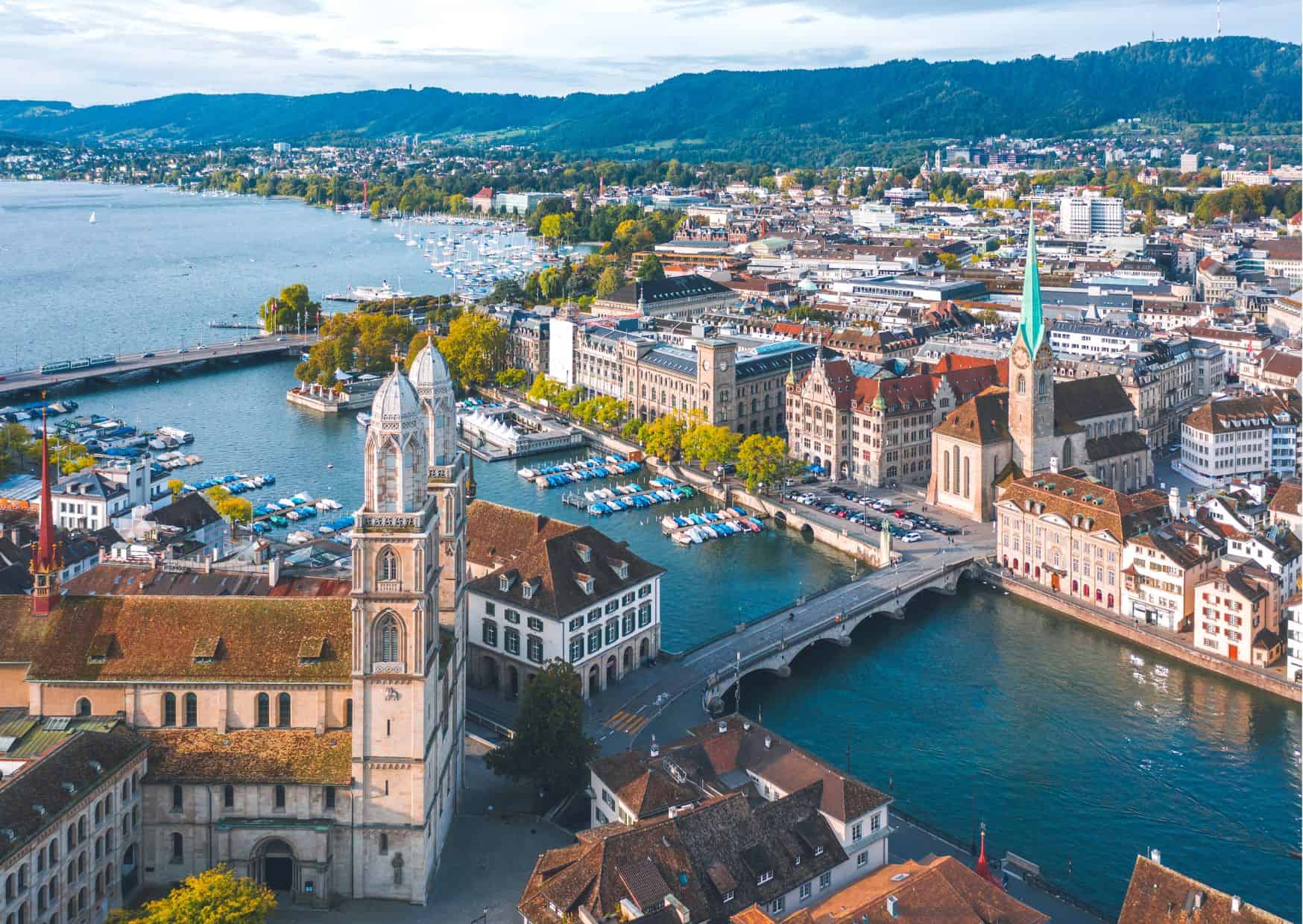
1. Zurich, Switzerland
Why It’s Expensive:
High Cost of Living: Zurich consistently ranks as one of the most expensive cities in the world due to its high cost of living.
Accommodation: Hotels and other accommodations in Zurich are notoriously expensive.
Dining: Eating out can be costly, with even casual meals often priced high.
Make sure you get free transportation in Switzerland with the Swiss Travel Pass and Swiss Half Fare Card
Alternative:

Lucerne, Switzerland: Enjoy the beauty of the Swiss Alps and picturesque lake views in Lucerne. It’s slightly more affordable and offers charming old-town experiences and outdoor activities.
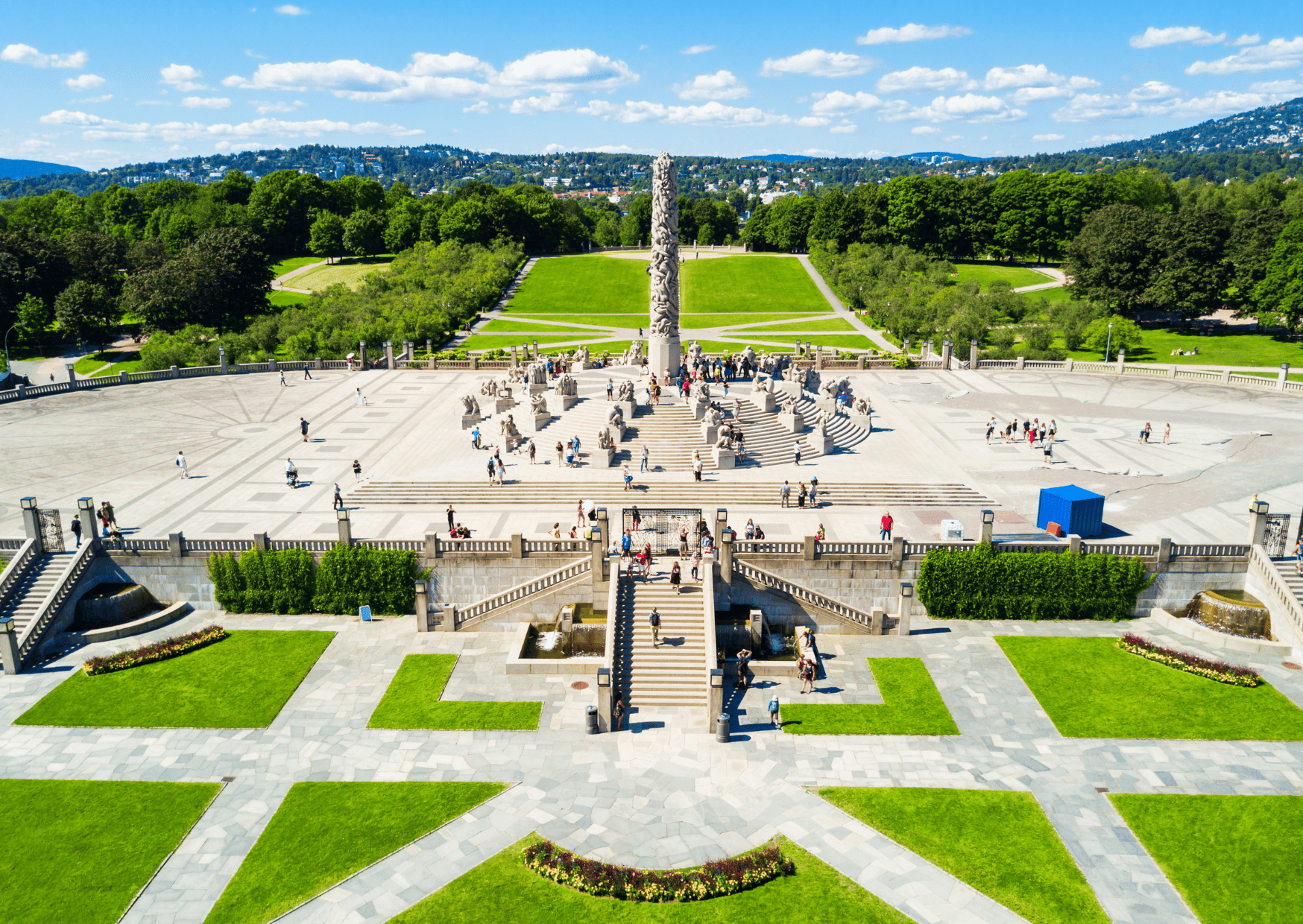
2. Oslo, Norway
Why It’s Expensive:
High Prices: Norway’s capital is known for its high prices on everything from food to transportation.
Accommodation: Hotels in Oslo can be quite expensive, especially in the city center.
Dining: Dining out can quickly add up, even in mid-range restaurants.
Alternative:

Bergen, Norway: Bergen offers stunning scenery, including fjords and mountains, with slightly lower costs. It’s known for its historic Bryggen district and access to natural attractions.
3. Tokyo, Japan
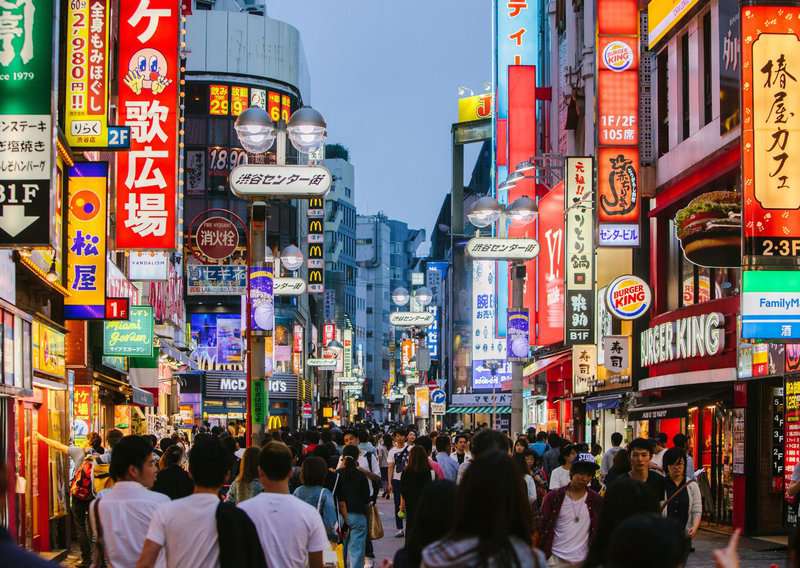
Accommodation: Tokyo’s hotels, particularly those in prime locations, can be very expensive.
Dining: While you can find affordable food, many dining experiences can be pricey, especially in upscale areas.
Entertainment: Attractions and activities in Tokyo often come with a high price tag.
Alternative:
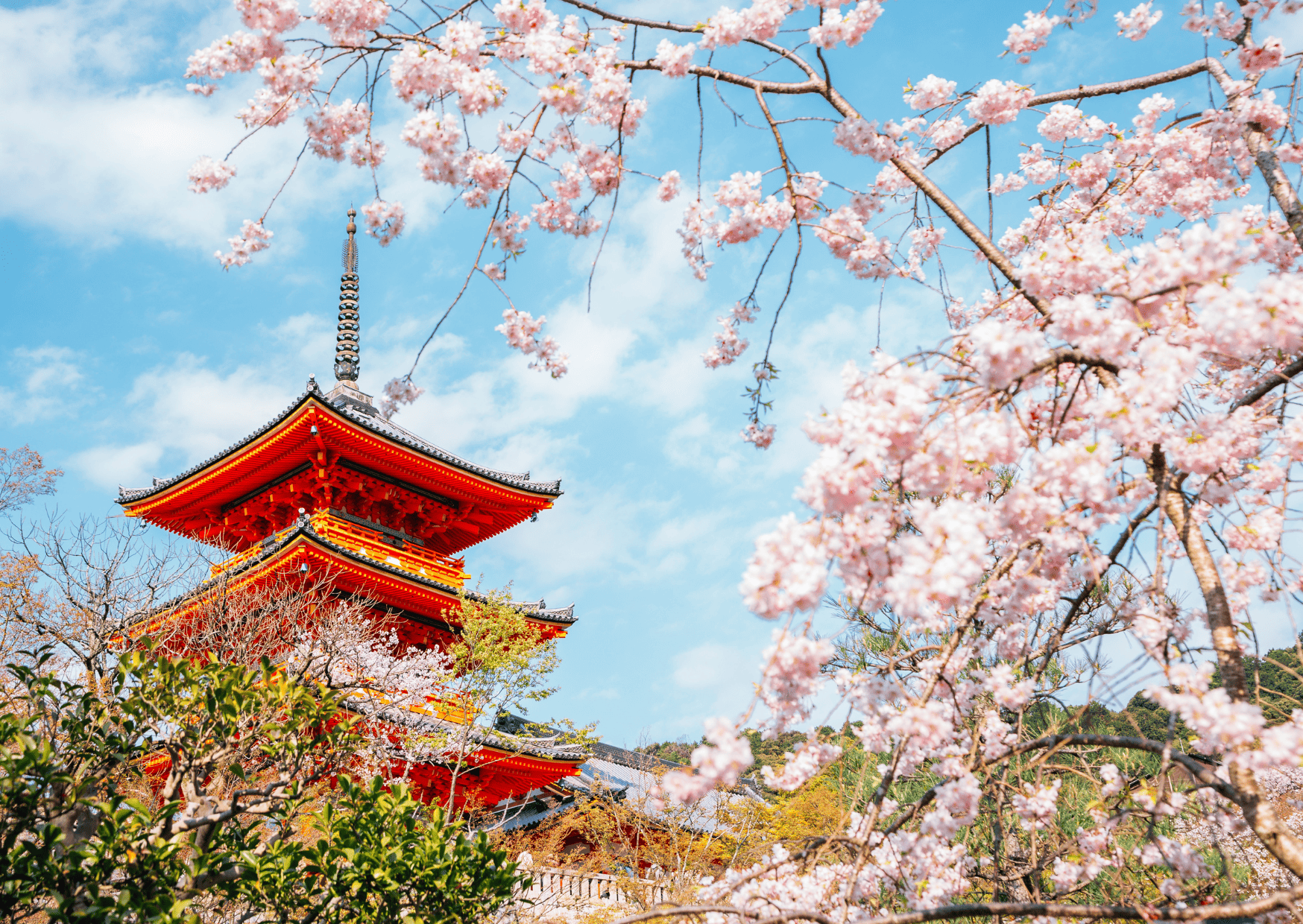
Kyoto, Japan: Kyoto offers rich cultural experiences, historic temples, and beautiful gardens at a generally lower cost than Tokyo. It’s perfect for those interested in traditional Japanese culture.
4. Singapore
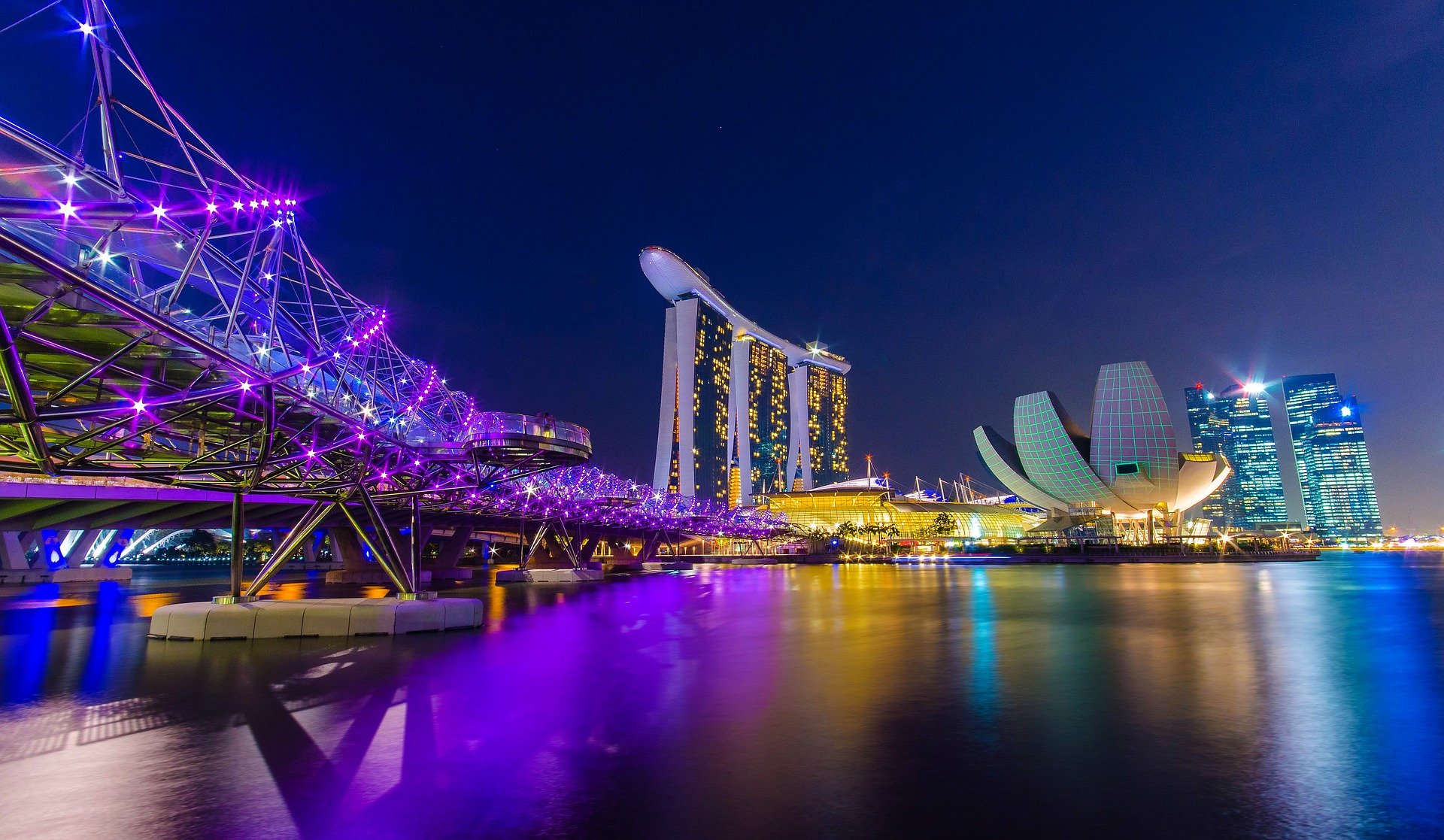
Why It’s Expensive:
High Cost of Living: Singapore’s cost of living is among the highest in Asia.
Accommodation: Hotels in Singapore, especially in popular districts like Marina Bay, can be very costly.
Dining and Drinks: Dining out, especially in upscale restaurants, and alcoholic beverages can be expensive.
Alternative:

Kuala Lumpur, Malaysia: Kuala Lumpur offers a mix of modern attractions and cultural sites with much lower costs for accommodation, dining, and entertainment.
5. Paris, France

Accommodation: Hotels, particularly near major attractions, can be very pricey.
Dining: Fine dining and even casual meals in central Paris can be expensive.
Tourist Attractions: Entry fees to popular sites like the Louvre and Eiffel Tower add up.
Alternative:

Lyon, France: Lyon is known for its cuisine, beautiful architecture, and rich history. It’s more affordable than Paris and offers a less crowded, authentic French experience.
6. New York City, USA

Why It’s Expensive:
Accommodation: Hotels in Manhattan are some of the most expensive in the world.
Dining: Eating out, particularly in popular districts, can be very costly.
Entertainment: Broadway shows, concerts, and other attractions often come with high prices.
Alternative:

Philadelphia, USA: Philadelphia offers rich history, cultural attractions, and a vibrant food scene at a fraction of the cost. Visit landmarks like the Liberty Bell and Independence Hall.
7. London, UK

Why It’s Expensive:
Accommodation: London’s hotels, especially in central areas, can be extremely expensive.
Dining and Drinks: Dining out, particularly in renowned restaurants, can be costly.
Transport and Attractions: Public transport and entry fees to major attractions add up quickly.
Alternative:

Edinburgh, Scotland: Edinburgh offers historic charm, cultural festivals, and beautiful architecture at a lower cost than London. Explore Edinburgh Castle and the Royal Mile.
8. Hong Kong

Why It’s Expensive:
Accommodation: Hotel prices in Hong Kong, particularly in central areas, are high.
Dining: While there are affordable options, many dining experiences in Hong Kong can be expensive.
Shopping and Entertainment: Luxury shopping and high-end entertainment contribute to the overall cost.
Alternative:
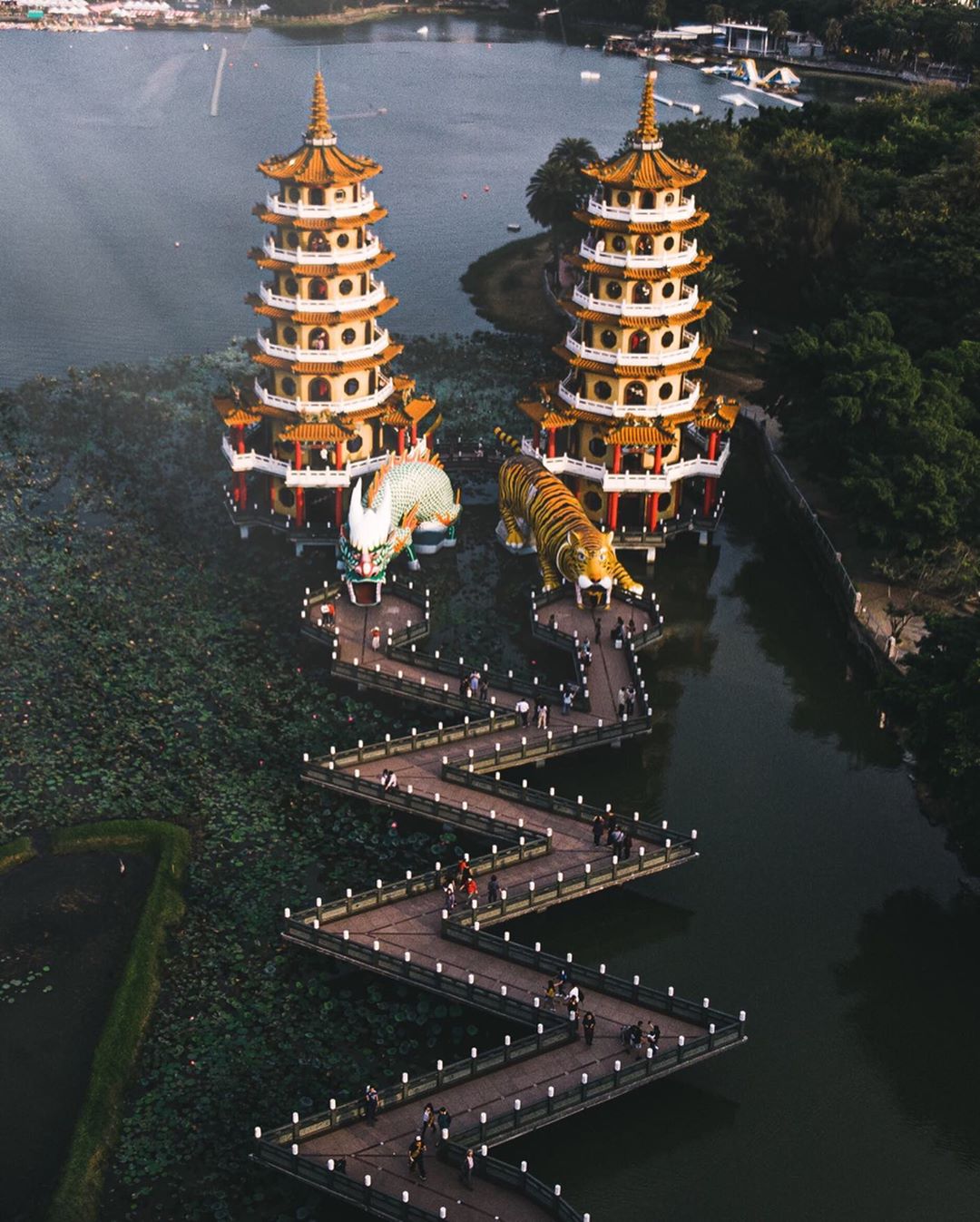
Taipei, Taiwan: Taipei offers vibrant night markets, cultural sites, and modern attractions at a more affordable price. Enjoy delicious street food and visit landmarks like Taipei 101.
Final Thoughts
Avoiding expensive cities doesn’t mean you’re missing out—it means you’re traveling smarter. By choosing underrated alternatives, you’re not only saving money, you’re gaining access to a more genuine, less commercialized slice of a country. And let’s face it: your trip becomes less about checking off bucket list clichés and more about discovering something new.
These affordable alternatives don’t just help your wallet—they help support lesser-known destinations and local businesses that benefit from mindful tourism. You’ll likely find locals are friendlier, service is more personal, and your presence is appreciated rather than tolerated.
In the end, the best travel stories come from the places you didn’t expect to love. So ditch the overpriced tourist magnets and discover cities where your dollar stretches further and your memories run deeper. Smart travel isn’t about spending more—it’s about experiencing more.

About the Author: Ruben, co-founder of Gamintraveler.com since 2014, is a seasoned traveler from Spain who has explored over 100 countries since 2009. Known for his extensive travel adventures across South America, Europe, the US, Australia, New Zealand, Asia, and Africa, Ruben combines his passion for adventurous yet sustainable living with his love for cycling, highlighted by his remarkable 5-month bicycle journey from Spain to Norway. He currently resides in Spain, where he continues sharing his travel experiences with his partner, Rachel, and their son, Han.