

Our guide on the best Tips For Living As An Expat In Italy to move in and travel.
Living as an expat in Italy can be a rewarding experience, offering a rich cultural heritage, beautiful landscapes, and a relaxed lifestyle. However, moving to a new country also comes with its own set of challenges. Here are some essential tips to help you navigate life as an expat in Italy.
Read here best Things to know before visiting Italy and the biggest mistakes to avoid in Italy
BOOK YOUR TRAVEL INSURANCE
Two of our favorite travel insurance: Heymondo Vs Safetwing cheapest travel Insurance. You can get for $135 USD your Heymondo Travel Insurance with Heymondo discount code valid for 90 days. Read our full comparison of Genki vs Safetywing Travel Insurance Review and the comparison Heymondo vs Genki
Tips For Living As An Expat In Italy
1. Learn the Language

Importance: While many Italians speak English, especially in tourist areas, knowing Italian will greatly enhance your experience, help you integrate better into the community, and is essential for dealing with bureaucracy.
How to Learn: Consider taking Italian classes before you move or upon arrival. Language schools and online courses can be very helpful. Engaging with locals and practicing daily will also improve your skills.
2. Understand the Cost of Living
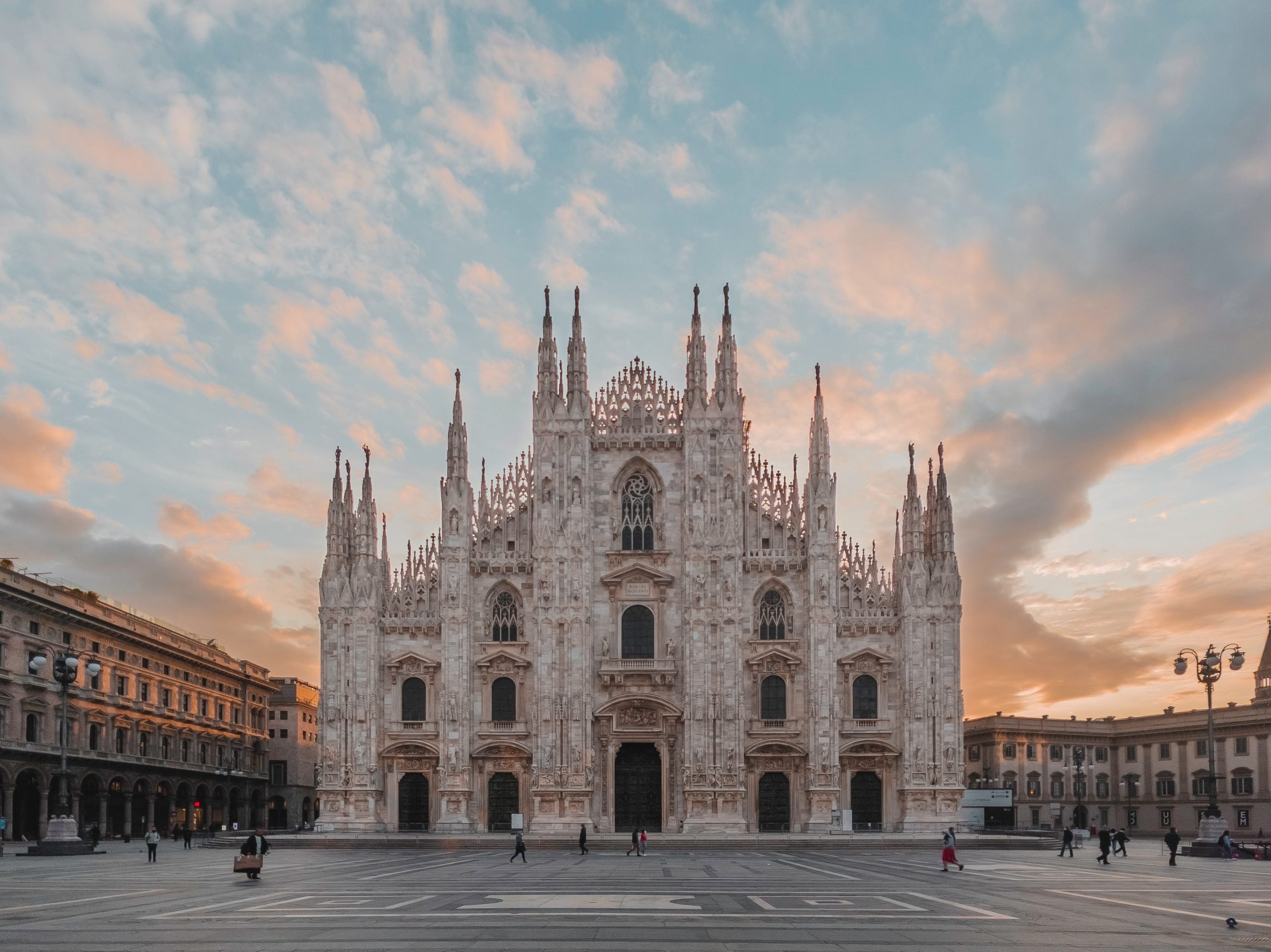
Variability: The cost of living in Italy can vary significantly depending on the region. Northern cities like Milan and Rome are more expensive, while southern regions and smaller towns can be more affordable.
Budgeting: Research the cost of housing, food, transportation, and utilities in your chosen area. Websites like Numbeo and local expat forums can provide insights.
CLICK HERE TO BOOK YOUR ACCOMMODATION
3. Secure Appropriate Visa and Residency Documentation
Visa Options: Depending on your nationality, you may need a visa to live in Italy. Common visa types include work visas, student visas, and elective residency visas for retirees.
Residency Permit: If you plan to stay longer than 90 days, you’ll need to apply for a Permesso di Soggiorno (residency permit) within eight days of arriving in Italy. Consider hiring a local immigration lawyer to help navigate the paperwork.
4. Finding a Place to Live

Renting vs. Buying: Renting is a common choice for expats, at least initially. Explore different neighborhoods and regions to find a place that suits your lifestyle.
Real Estate Agents: Consider using a real estate agent who speaks your language or is familiar with the needs of expats. Be aware that rental agreements in Italy often require a significant deposit and a commitment of 1-4 years.
5. Embrace the Local Culture

Cultural Integration: Embrace the Italian way of life, which often involves leisurely meals, a strong sense of community, and an appreciation for art, history, and tradition.
Festivals and Holidays: Participate in local festivals and holidays to experience the vibrant culture. Understanding local customs and etiquette will help you integrate better.
6. Healthcare
Public vs. Private: Italy has a high-quality public healthcare system (Servizio Sanitario Nazionale or SSN) available to residents. Many expats also choose to supplement with private healthcare for faster access to services.
Health Insurance: EU citizens can access healthcare with their European Health Insurance Card (EHIC), but long-term residents may need to register with the SSN or purchase private health insurance.
7. Banking and Finances
Bank Accounts: Opening an Italian bank account will simplify financial transactions. Be prepared to provide documentation such as your passport, Codice Fiscale (tax code), and proof of residence.
Taxes: Understand your tax obligations in both Italy and your home country. Italy has tax treaties with many countries to avoid double taxation, so consulting with a tax advisor is advisable.
8. Transportation

Public Transport: Italy has an extensive public transportation network, including buses, trams, and trains, which are reliable and affordable, especially in cities.
Driving: If you plan to drive, you’ll need to familiarize yourself with local driving laws. Non-EU citizens might need to convert their driver’s license after a year of residency.
Check here to book online your transportation in Italy
9. Understand the Bureaucracy
Patience is Key: Italian bureaucracy can be slow and complex. It’s common to encounter delays and extensive paperwork, so patience is essential.
Local Assistance: Consider hiring local professionals or joining expat communities for advice on navigating the system, especially for tasks like obtaining a residence permit or setting up utilities.
10. Stay Connected
Networking: Join expat groups and local communities to build a social network. Engaging with both expats and locals will enrich your experience and provide valuable support.
Internet and Mobile: Ensure you have a reliable internet connection, especially if you work remotely. Mobile plans are generally affordable and widely available.
Read here the best sim card in Italy
11. Appreciate the Pace of Life

Work-Life Balance: Italians value work-life balance and prioritize family and leisure. Adjusting to the slower pace of life, especially in southern Italy, can be one of the joys of living there.
Enjoy the Food and Wine: Italian cuisine is renowned worldwide, and living in Italy gives you the chance to enjoy fresh, local ingredients and regional specialties. Don’t miss the opportunity to explore local markets and wineries.
12. Legal Considerations
Legal Representation: When dealing with contracts or legal matters, it’s advisable to have an Italian-speaking lawyer who understands the local laws and regulations.
Living in Italy as an expat can be a deeply enriching experience, filled with cultural exploration, culinary delights, and a slower pace of life. With some preparation and an open mind, you can make the most of your time in this beautiful and historic country.

About the Author: Ruben, co-founder of Gamintraveler.com since 2014, is a seasoned traveler from Spain who has explored over 100 countries since 2009. Known for his extensive travel adventures across South America, Europe, the US, Australia, New Zealand, Asia, and Africa, Ruben combines his passion for adventurous yet sustainable living with his love for cycling, highlighted by his remarkable 5-month bicycle journey from Spain to Norway. He currently resides in Spain, where he continues sharing his travel experiences with his partner, Rachel, and their son, Han.