
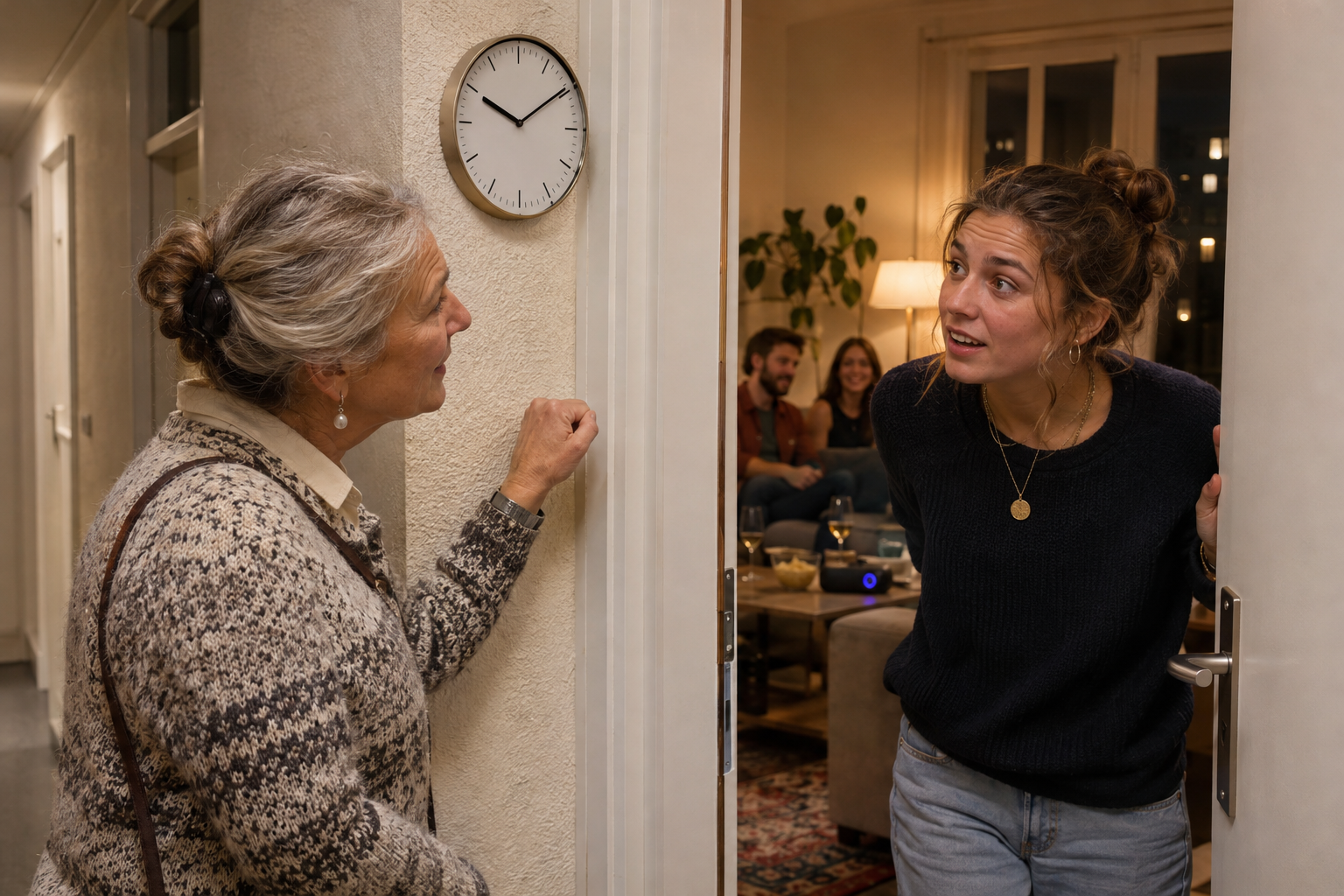
You are staying in a Swiss apartment, it is half past ten at night, and you run the washing machine, play some music, or move furniture around, exactly as you might at home. Before long there is a knock at the door, or a note slipped under it, from a neighbor, because in Switzerland there is a quiet hours rule, and after ten at night you are expected to keep the noise down, by custom and often by regulation. And the Swiss neighbors enforce it, taking the quiet seriously enough to knock, to leave a note, or in persistent cases to complain to the landlord or even the authorities. The late-night laundry or music that passes without comment elsewhere can, in Switzerland, bring a swift and pointed reminder that after ten, certain things are simply not done.
This surprises visitors from places where you can make noise in your own home whenever you like, because the Swiss quiet hours are a real and enforced feature of shared living, part of a culture that prizes order, consideration, and rest. It is not a joke or a dead letter but a norm the neighbors actively uphold. Here is what the Swiss quiet-hours rule actually is, what you cannot do after ten, how the neighbors enforce it, and how to stay on the right side of it. This is general cultural information, and specific rules vary by building and region.
The Quiet Hours
Switzerland observes quiet hours, Nachtruhe, periods during which residents are expected to keep noise to a minimum out of respect for their neighbors, and the central one is the night quiet that begins around ten in the evening and runs until the early morning. During these hours, the expectation is that households are quiet, avoiding noise that would disturb neighbors trying to sleep, so that after ten at night the building settles into calm. The ten o’clock threshold is widely understood and observed.
The quiet hours are rooted in a mix of regulation and building rules, with some aspects set by local ordinances and much of it governed by the house rules, the Hausordnung, that apartment buildings maintain and tenants agree to. These house rules typically specify the quiet hours and what is expected during them, and they carry real weight in Swiss rental life, so the quiet is not merely informal custom but often a condition of tenancy. Breaking the quiet hours can therefore be a breach of your rental obligations, not just a social misstep.
Beyond the nightly quiet, Switzerland and its neighbors also observe Sunday and holiday quiet, with Sundays treated as days of rest on which noisy activities are avoided all day, and often a midday quiet period too in some places. So the quiet hours are part of a broader framework of protected calm, the night, the Sunday, sometimes the midday, during which consideration for neighbors governs behavior. The ten o’clock night rule is the most relevant for a visitor, but it sits within a wider culture of scheduled quiet that shapes daily life.
What You Cannot Do After Ten
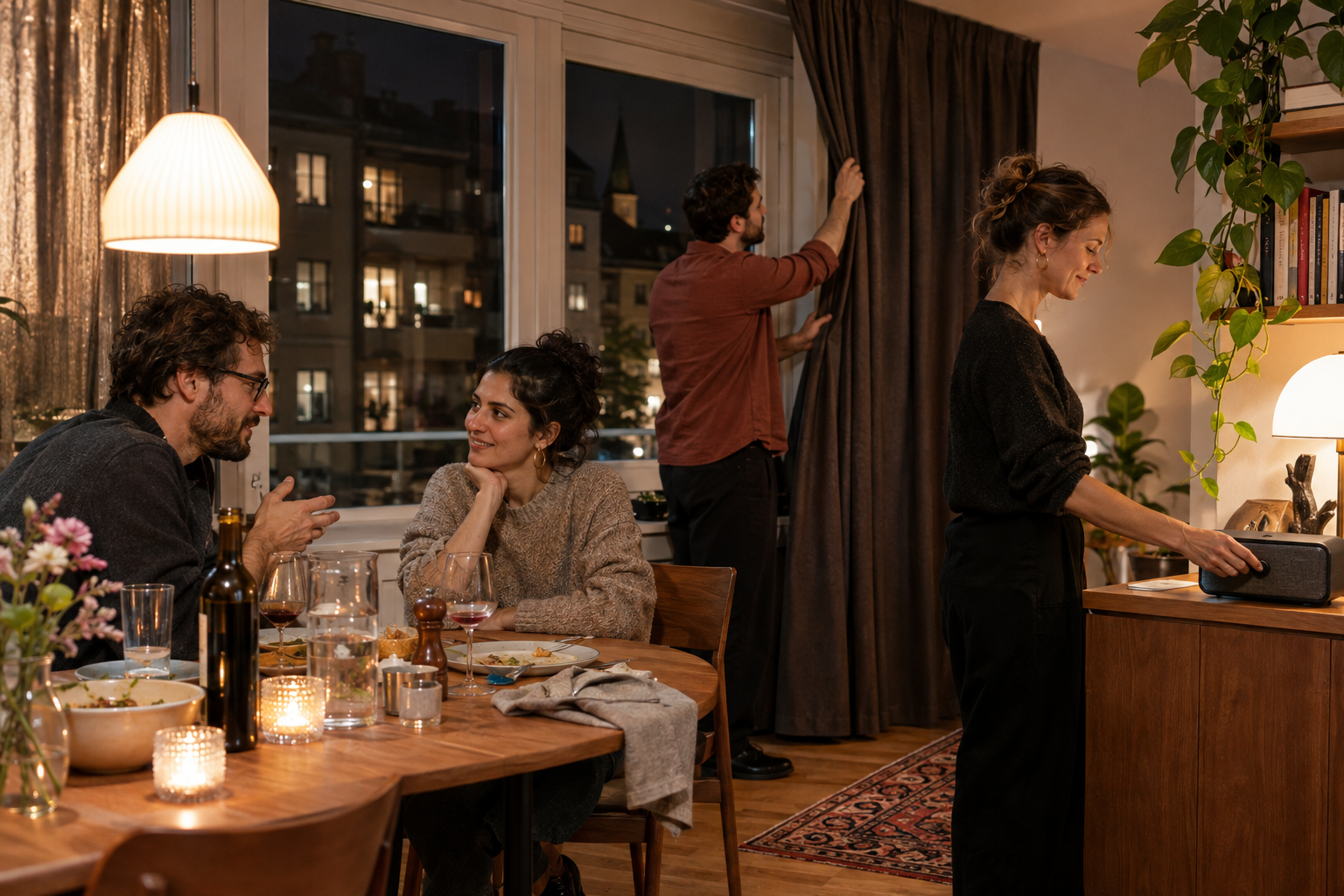
The practical meaning of the quiet hours is that after ten at night you avoid activities that make noise audible to neighbors, and the list of what is discouraged or prohibited is longer than a visitor might guess. Loud music, television, and parties are the obvious ones, since noise that carries through walls disturbs neighbors directly, so these must be kept quiet or stopped after ten. DIY and home improvement, drilling, hammering, and the like, are firmly out, as is moving furniture noisily.
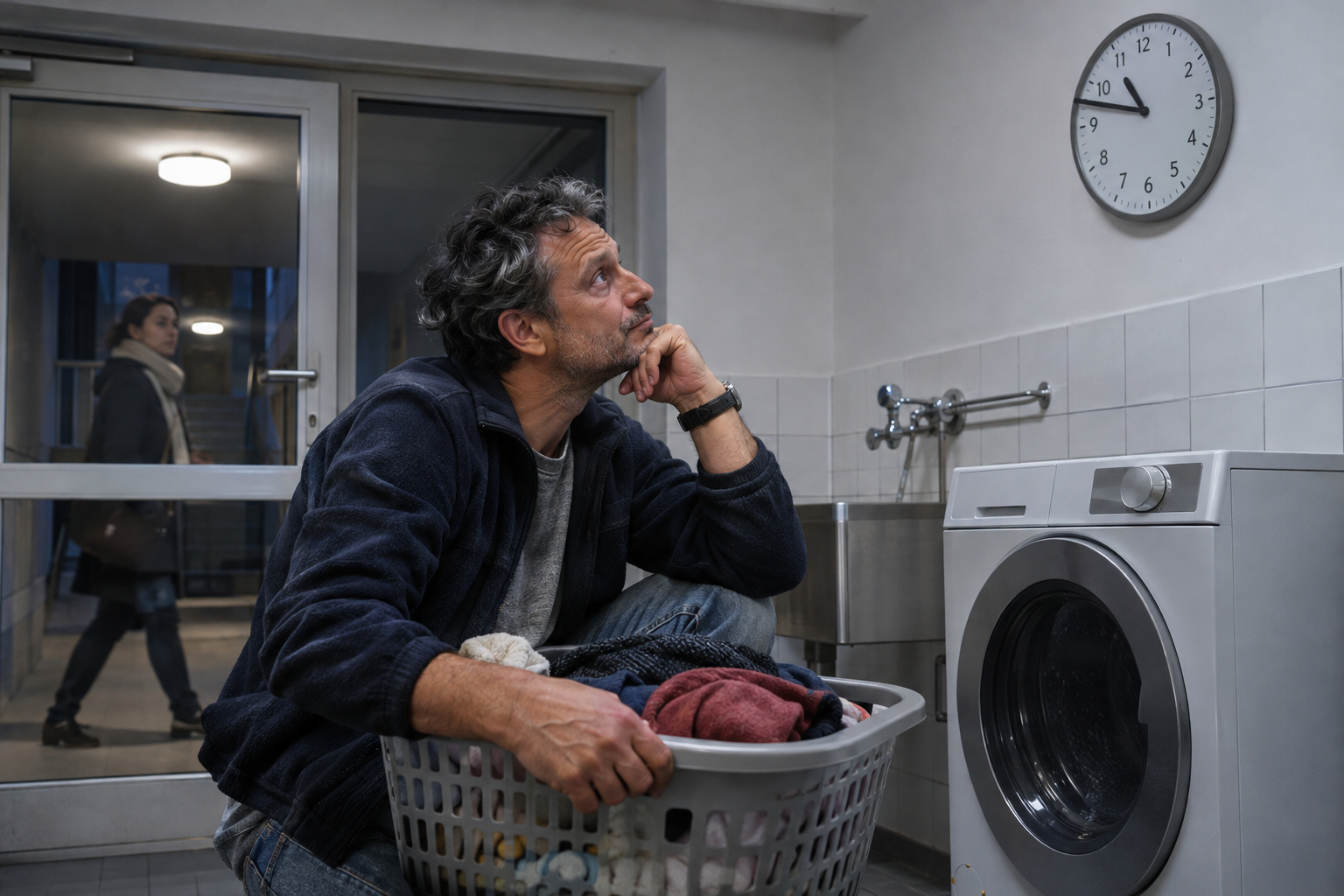
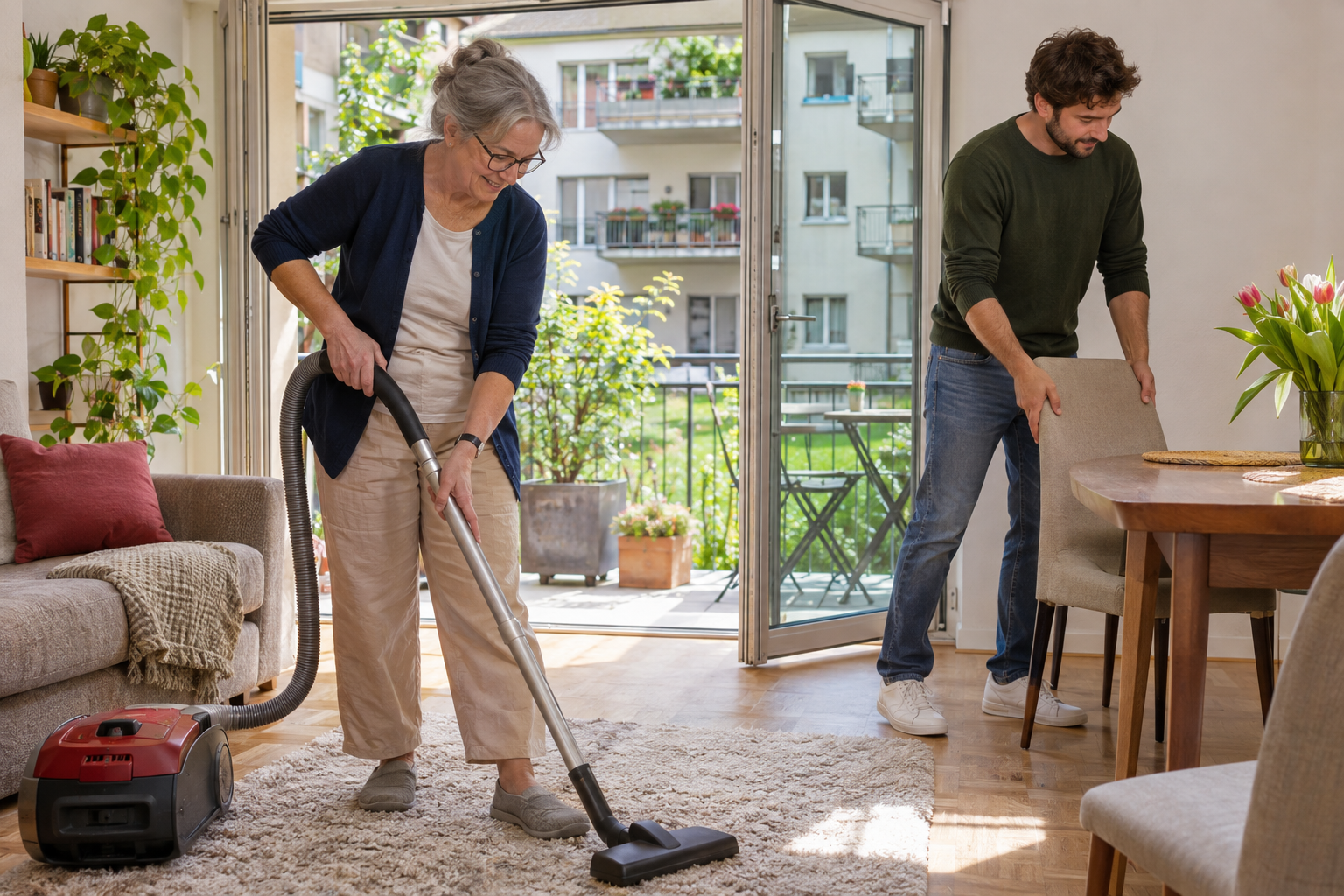
Household chores that make noise are also restricted, which catches visitors off guard. Running a washing machine or dryer, especially in buildings with shared walls or shared laundry rooms, is often discouraged or prohibited during quiet hours, as is vacuuming, because the mechanical noise disturbs neighbors, so these chores are meant to be done earlier in the day. In many Swiss buildings the house rules specifically address laundry hours, and doing your washing late at night is a known way to annoy the neighbors and breach the rules.
The guiding principle is that after ten, you make no noise that your neighbors can hear, so anything that produces sound carrying beyond your own walls, music, machinery, hammering, loud voices, is to be avoided. It is not that you must sit in frozen silence, but that noisy activities are deferred to daytime hours and the night is kept calm. The practical list, no loud music or parties, no DIY, no noisy laundry or vacuuming, no banging about, covers the behaviors that get visitors into trouble, and keeping to it keeps the peace.
The Shower and Flush Myth
A persistent story about Swiss quiet hours deserves honest clarification, because it is often exaggerated: the claim that it is illegal to shower or flush the toilet after ten at night. This is largely a myth or an overstatement, not a national law, and the idea that Switzerland bans nighttime flushing is one of those travel legends that gets repeated more than it is true. You will not be fined by the state for flushing your toilet at eleven.
What truth there is behind it comes from individual building house rules, since some older buildings or particular Hausordnungen have historically included provisions about noisy plumbing late at night, reflecting concern about loud pipes in buildings with thin walls, but this is a matter of specific building rules rather than a general law. So in a particular building with particular rules, nighttime showering might be discouraged, but as a blanket Swiss prohibition it is a myth. The reality is more mundane than the legend.
The honest guidance is to not worry about the shower-and-flush myth as law, while being aware that your specific building’s house rules might address such things, so it is worth glancing at the Hausordnung if you are staying somewhere with strict rules. The real quiet-hours concerns are the genuinely noisy activities, music, parties, machinery, DIY, not ordinary bathroom use, so you can use your bathroom normally while keeping the real noise down. Separating the myth from the reality lets you respect the genuine rule without fretting over an imaginary one.
The Neighbors Enforce It
What gives the Swiss quiet hours their teeth is that neighbors enforce them, taking the quiet seriously enough to act when it is broken, which is what makes the rule real rather than nominal. A neighbor disturbed by your late-night noise may knock on your door or leave a note asking you to be quiet, a direct and slightly stern reminder that you are breaking the quiet hours, and this social enforcement is common and effective. The Swiss do not generally suffer the noise in silence, as people might elsewhere, but address it.
If the noise persists, enforcement can escalate to complaints to the landlord or building management, and repeated or serious breaches can have real consequences for a tenant, since respecting the quiet hours is part of the tenancy, and a reputation as a noisy neighbor is a genuine problem in Swiss rental life. In extreme cases, the police can be called for persistent nighttime disturbance. So the enforcement runs from the neighbor’s note up through the landlord to the authorities, and it is taken seriously at each level.
This enforcement reflects a strong Swiss social consensus that the quiet hours should be kept, so the person breaking them is up against not just one annoyed neighbor but a shared expectation that noise is not acceptable after ten. The willingness to knock, to note, and to complain is what keeps the quiet genuinely quiet, much as with the quiet car on Swiss trains, and it is a feature of a culture that upholds its shared rules through collective expectation. For the visitor, the lesson is that your late-night noise will be noticed and addressed, so the quiet hours are not to be tested.
Why Switzerland Does It

The Swiss attachment to quiet hours reflects deeper cultural values, above all a regard for order, consideration, and the right to rest. Switzerland is a society that values rules and their observance, where shared life runs on everyone keeping to the agreed norms, and the quiet hours are one expression of that order, a rule that protects a shared good. The quiet is maintained because the Swiss broadly agree it should be, and keeping it is seen as ordinary good citizenship.
There is also a genuine value placed on peace and the ability to rest undisturbed, the sense that everyone has a right to a quiet night and that your noise should not rob your neighbor of their sleep. In a country of apartment living and close quarters, this consideration for others is essential to living well together, and the quiet hours formalize it, ensuring that the night belongs to rest. Respecting a neighbor’s peace is a civic virtue, and the quiet hours enshrine it.
This fits the broader Swiss and central European expectation of mutual consideration in shared space, the understanding that living closely with others requires minding how your behavior affects them, and that scheduled quiet is part of that. The quiet hours are not fussiness but a practical and civilized arrangement for shared living, and the Swiss keep them because they work and because they reflect a value genuinely held. For the visitor, appreciating this makes the rule easier to respect, since it is not arbitrary but a reasonable protection of everyone’s rest, including, eventually, your own.
How to Stay on the Right Side
Complying with the Swiss quiet hours is easy once you know them, and it comes down to keeping noise down after ten and doing noisy things earlier. Know that the night quiet begins around ten, and from then keep music, television, and voices low, avoid parties and loud gatherings, and defer anything noisy to the daytime. Treat the hours after ten as a time for calm, and you will not trouble your neighbors.
Schedule your noisy chores for the day, running the washing machine, vacuuming, and doing any DIY during normal daytime hours rather than late at night, so that the mechanical noise does not disturb anyone during the quiet hours. This simple habit of front-loading noisy tasks keeps you clear of the most common visitor mistakes, the late laundry and the nighttime vacuuming. And on Sundays, extend the same consideration, keeping noisy activities for other days.
It is also worth checking the house rules where you are staying, the Hausordnung, which will spell out the quiet hours and any building-specific provisions, so you know exactly what is expected, and glancing at them removes any guesswork. Respect the hours, do noisy things by day, mind Sundays, and check the house rules, and you will live harmoniously with your Swiss neighbors rather than meeting them through a knock on the door at half past ten. The quiet hours are easy to keep once known, and keeping them is simply part of living considerately in Switzerland.
The Surprising Extras
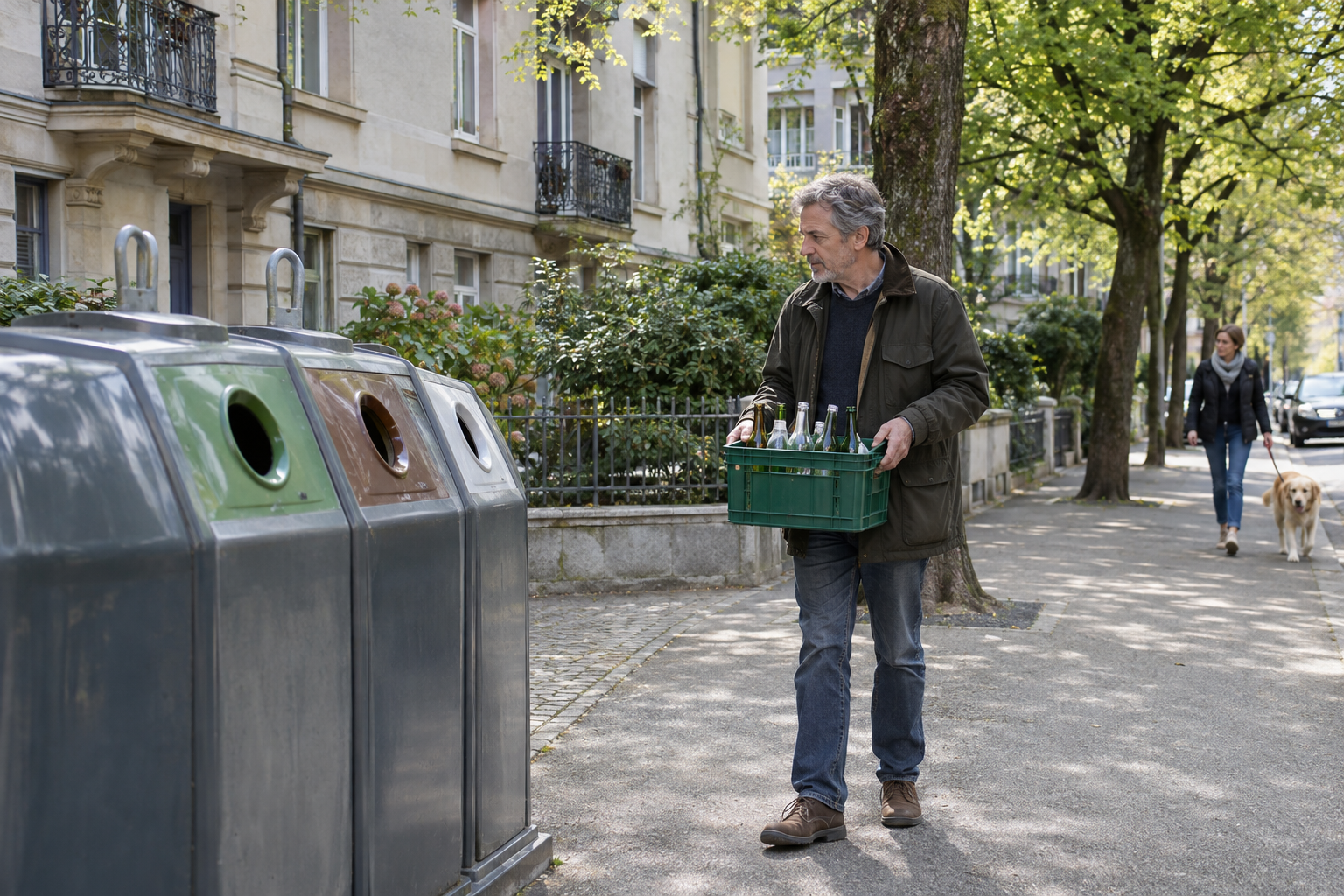
Beyond the obvious noise, Swiss and neighboring quiet-hours culture includes a few surprising specifics that catch visitors off guard. Recycling glass is a classic one, because tossing bottles into a glass recycling bank makes a loud crashing noise, so doing it during quiet hours, at night or on a Sunday, is frowned upon and in places prohibited, and a neighbor may well object if you clatter bottles into the bank on a Sunday morning. The glass goes in during normal hours, not the quiet ones.
Washing the car on a Sunday is another, often discouraged or simply not done as a noisy, non-restful activity unfit for the day of rest, and in some places restricted. Noisy garden work like mowing the lawn is likewise out on Sundays and during quiet hours, since the drone of a mower is exactly the kind of noise the rest periods protect against. These specifics flow from the same single principle, no disruptive noise during protected quiet, applied to particular activities.
The takeaway is that the quiet hours reach further than you might guess, into recycling, car washing, and gardening, so the safe approach is to assume any noisy activity is unwelcome during the quiet periods and to save it for normal weekday hours. When in doubt, if it makes a noise, do not do it late at night or on a Sunday. Applying that simple test keeps you clear of even the surprising extras, and in harmony with neighbors who notice every one of them. The quiet hours, in the end, are less a list of prohibitions to memorize than a single habit to adopt, which is to keep your noise to yourself after ten and on Sundays, and to let the night and the rest day stay calm.
The Bottom Line
The Swiss quiet-hours rule is a real and enforced feature of life that surprises visitors used to making noise in their own homes whenever they please, because after ten at night Switzerland expects quiet, prohibiting loud music, parties, DIY, and noisy chores like late laundry and vacuuming, and the neighbors genuinely enforce it with knocks, notes, and complaints. The rule is not nominal but upheld by a strong social consensus and often by the terms of your tenancy.
The shower-and-flush legend is largely a myth, a matter of particular building rules at most rather than national law, so the real concern is genuine noise, not ordinary bathroom use. What matters is keeping the night calm, deferring noisy activities to the day, and respecting Sundays, all of which is easy once you know the rule.
So in Switzerland, keep the noise down after ten, do your laundry and vacuuming by day, mind the Sunday quiet, and check your building’s house rules, and you will keep the peace with neighbors who take that peace seriously. The quiet hours reflect a civilized regard for everyone’s rest, and respecting them is simply part of living well in a country that has decided, sensibly, that the night belongs to sleep.

About the Author: Ruben, co-founder of Gamintraveler.com since 2014, is a seasoned traveler from Spain who has explored over 100 countries since 2009. Known for his extensive travel adventures across South America, Europe, the US, Australia, New Zealand, Asia, and Africa, Ruben combines his passion for adventurous yet sustainable living with his love for cycling, highlighted by his remarkable 5-month bicycle journey from Spain to Norway. He currently resides in Spain, where he continues sharing his travel experiences with his partner, Rachel, and their son, Han.