
The first year abroad is a honeymoon, and almost everyone writes about the honeymoon. The second year is when you find out whether a place is actually your life or just a long vacation that overstayed its welcome. So here is a look at year two, drawn from the real patterns of the many American retirees who have made this exact move, a composite couple we will call the Hendersons, who left the United States and settled in Boquete, the mountain town in Panama’s Chiriqui highlands, living on a Social Security income of about twenty-two hundred dollars a month under Panama’s famous Pensionado visa. The numbers and the arc here are representative rather than any single family’s diary, assembled to show what this life genuinely looks like once the novelty wears off. Here is how the visa works, what it costs to get set up, what the money actually buys month to month, what year two really feels like once the shine is off, the honest trade-offs, and whether the whole thing holds up. It is the kind of unvarnished second-year look that the relocation brochures never give you.
What follows is the visa that made it possible, the money math, the life in Boquete, the year-two reality, and the honest verdict.
The Visa That Made It Possible
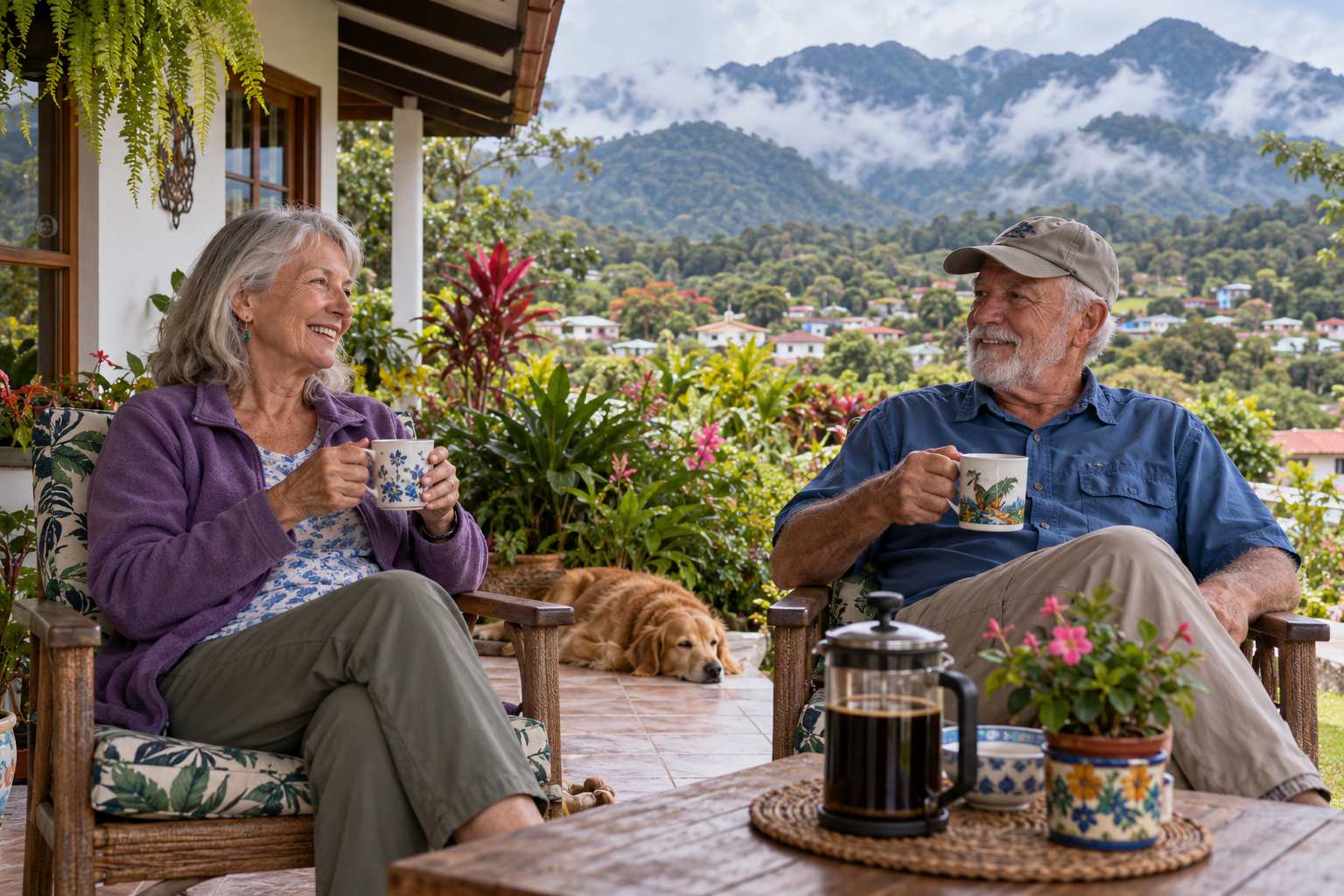
The reason a couple like the Hendersons could do this at all is the Pensionado, Panama’s retirement visa, which is widely considered the most generous and accessible retirement residency program in the world. Its central requirement is almost startlingly low: you need to prove a lifetime pension income of just one thousand dollars a month from a qualifying source, and Social Security counts, which means the average American Social Security benefit clears the bar comfortably, with a modest additional amount required per dependent. There is no age minimum and no large investment required, and the visa grants permanent residency essentially from the start, so this is not a precarious tourist status to be nervously renewed every few months but a settled, permanent, dignified right to live in Panama for the rest of your life. That security is a large and underrated part of the appeal.
What makes the Pensionado genuinely special, though, is not just the easy entry but the discounts. Panama, by law, grants Pensionado holders a sweeping set of mandatory discounts that businesses are legally required to honor: a quarter off restaurant meals, a quarter off airfares, up to half off hotels, meaningful cuts on utilities, doctor visits, hospital bills, prescription medications, and fully half off entertainment, among a long list of others. It is the most retiree-friendly discount regime anywhere, and it is not a marketing gimmick but statute. These are legislated rights tied to the Pensionado identity card, not coupons, and for retirees who use them consistently they meaningfully lower the cost of daily life, shaving a real amount off a monthly budget. Add the fact that Panama uses the US dollar, eliminating any exchange-rate risk or conversion hassle for an American, and that Panama does not tax foreign-earned income like a US pension, and you have a visa almost purpose-built to let a middle-income American retiree live comfortably, which is exactly what it does.
The Costs Before the Monthly Costs
Before any monthly budget comes the setup, and it is worth being honest that getting established is neither free nor instant, because the glossy monthly-cost figures tend to skip it. The Pensionado application itself is handled through a Panamanian immigration attorney, and between legal fees and government charges a couple should expect to spend a few thousand dollars to get the visa done, plus the cost of gathering the required paperwork, which includes apostilled documents from the United States, a health certificate, and a police background check. The process typically takes several months to complete, so this is a move you plan and fund in advance, not one you improvise on arrival.
Then there is the move itself, which carries its own one-time costs that no monthly figure captures, flights, shipping or replacing household goods, the deposits and initial outlays of setting up a home in a new country, and usually a period of renting while you get the lay of the land before committing to anything longer-term. Sensible newcomers rent first and buy nothing in a hurry, precisely because year one teaches you things about a place that no amount of research can, and locking yourself into a purchase before you truly know the town is how people get stuck. The Hendersons, in our composite, treated the first stretch as a long, committed trial rather than a final decision, kept their options open, and only let roots go down once they were sure. That patience is part of why, by year two, they were settled rather than second-guessing, and it is the single wisest thing a prospective retiree can copy from the people who make this work.
The Money Math
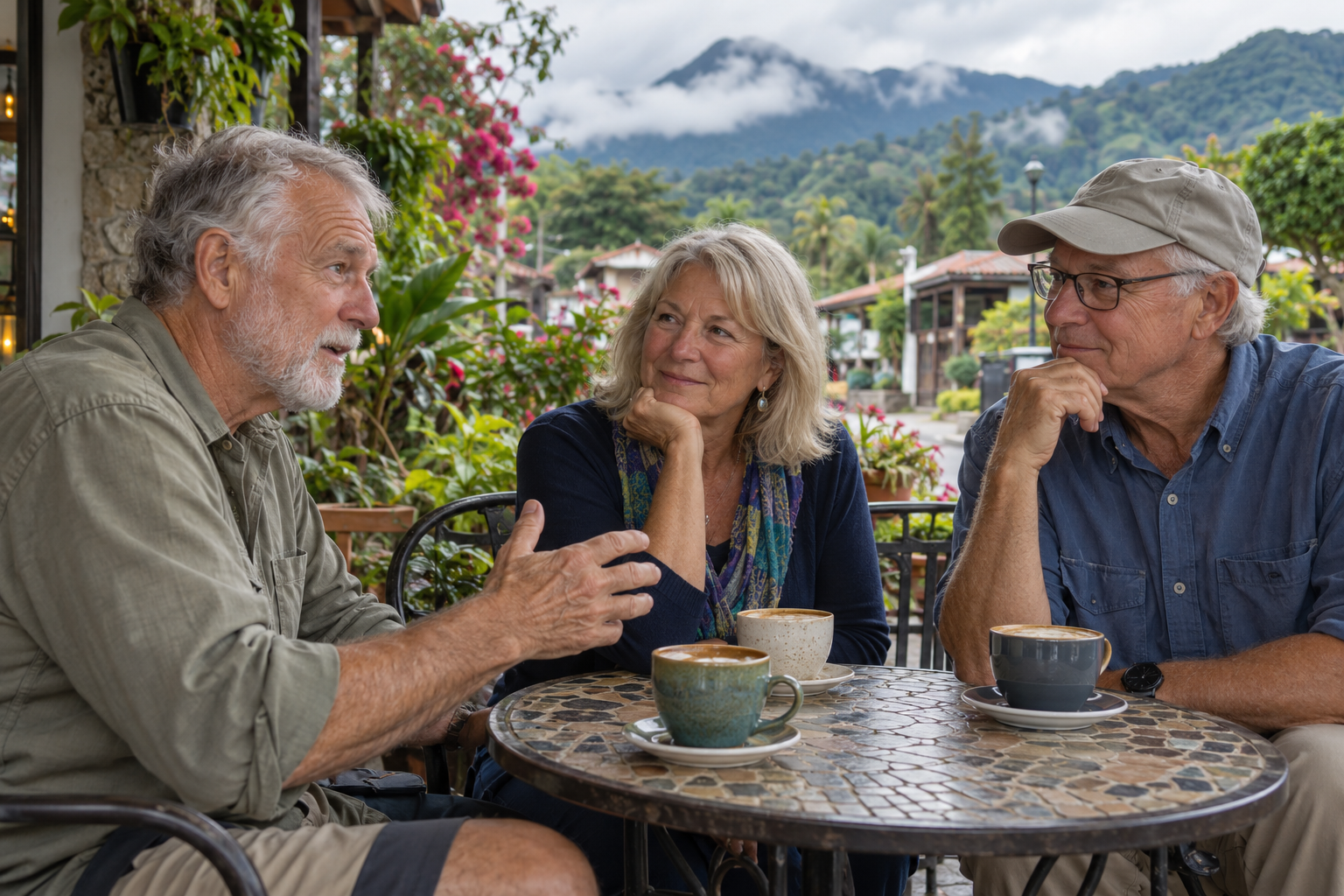
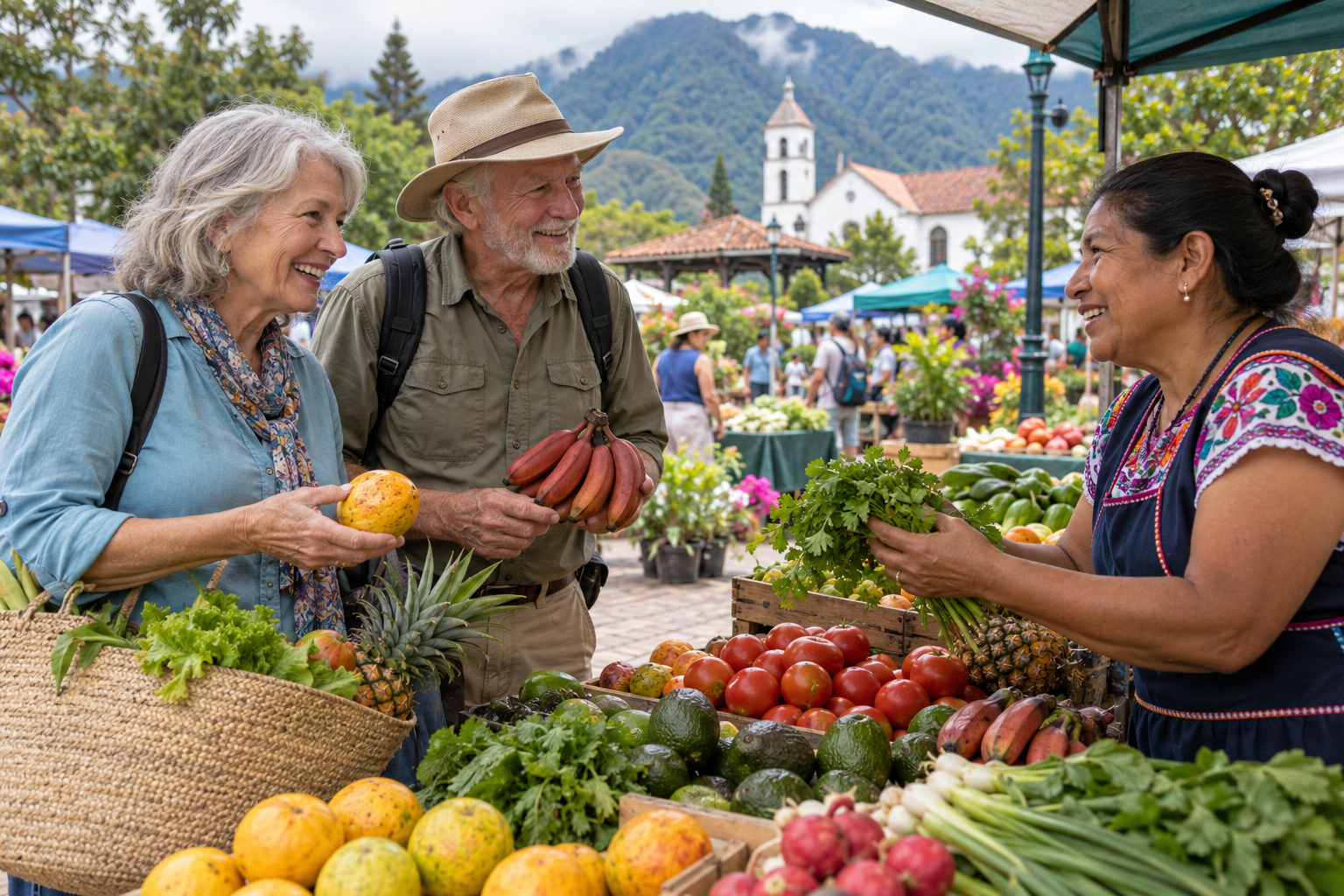
So what does twenty-two hundred dollars a month actually buy a couple in Boquete? Comfortably more than it sounds, which is the whole point. Housing is the foundation of the savings: a nice house or apartment to rent in or around Boquete runs far below US prices, with comfortable places available in a broad range that leaves real room in a budget this size, and because Boquete sits at a cool highland elevation, there is no need for air conditioning, which quietly removes one of the biggest utility costs that plagues tropical living. Local food is inexpensive and genuinely good, especially the heaps of fresh produce from the town’s beloved weekly market, where the highland climate produces excellent fruit and vegetables, and a couple who eats largely like locals rather than hunting for imported American brands spends a fraction of what their old grocery bills demanded. Eating with the season and the place, rather than against it, is half the secret of the savings.
Fold in the Pensionado discounts on dining, utilities, and healthcare, and a budget of around twenty-two hundred dollars stretches into a genuinely comfortable life for two, covering a decent home, good food, healthcare, some help around the house, and a social life, often with money left to save or travel. This is the arithmetic that draws people down in the first place: a sum of money that would mean a tight, anxious, penny-counting retirement in much of the United States translates, in Boquete, into a relaxed one with genuine breathing room, the difference between surviving a retirement and actually enjoying it. Same dollars, a completely different quality of life. It is worth being honest that imported goods, American brands, familiar comforts shipped from abroad, cost as much as or more than at home, so the savings come from living locally rather than recreating an American lifestyle in the mountains. But for a couple willing to eat the local food, rent rather than overspend, and use the discounts their visa grants them, the money math is not just workable; it is generous, and it is the solid foundation the whole move rests on.
The Life in Boquete
Boquete itself is a particular kind of place, and understanding its character explains both why people fall for it and what they have to make peace with. It is a small town set in green, mountainous coffee country, blessed with what residents call eternal spring, a mild, cool, temperate climate that is a world away from the sweltering heat of lowland Panama and a large part of why it drew retirees in the first place. It is strikingly safe, it is beautiful, and it has a well-established, several-thousand-strong community of mostly American and Canadian expats, which means a newcomer lands into a ready-made social world of clubs, activities, volunteer groups, and familiar faces, with English widely spoken among the foreign community.
That expat community is the double-edged heart of the Boquete experience. On one hand it is a genuine blessing, especially in the early going, offering instant friendship, practical help navigating a new country, and the comfort of people who made the same leap and understand it. A lonely transition, which quietly defeats so many would-be expats elsewhere, is rarely a problem in Boquete, where a newcomer can have a calendar full of coffee dates and hiking groups within weeks. For people nervous about isolation abroad, that alone can be the deciding factor.
On the other hand, it can become a bubble, an English-speaking expat enclave that makes it entirely possible to live there for years without integrating much into Panamanian life or learning more than kitchen Spanish, and some retirees find the smallness and the expat gossip-mill wearing over time. The town is tranquil to the point of quiet, so those who crave a city’s energy and variety can feel the limits of a small mountain town. None of this is a flaw exactly; it is simply the texture of the place, a peaceful, pretty, friendly, slightly insular small town, and whether that reads as paradise or as confinement depends entirely on the person.
What Year Two Actually Feels Like
By year two, the honeymoon glow has faded and a more honest relationship with the place has set in, which is exactly when you learn whether it works. For a couple like the Hendersons, the novelty of cheap living and mountain views is no longer novel; it is just life, and the question becomes whether the ordinary daily reality is one they are happy to inhabit. What tends to endure is the fundamentals: the climate is still wonderful, the cost of living is still a relief, the community is still there, the safety is still real, and those durable goods are what keep people. The things that were going to wear off have worn off, and what remains is a genuinely pleasant, affordable, low-stress daily existence, which for many is more than enough.
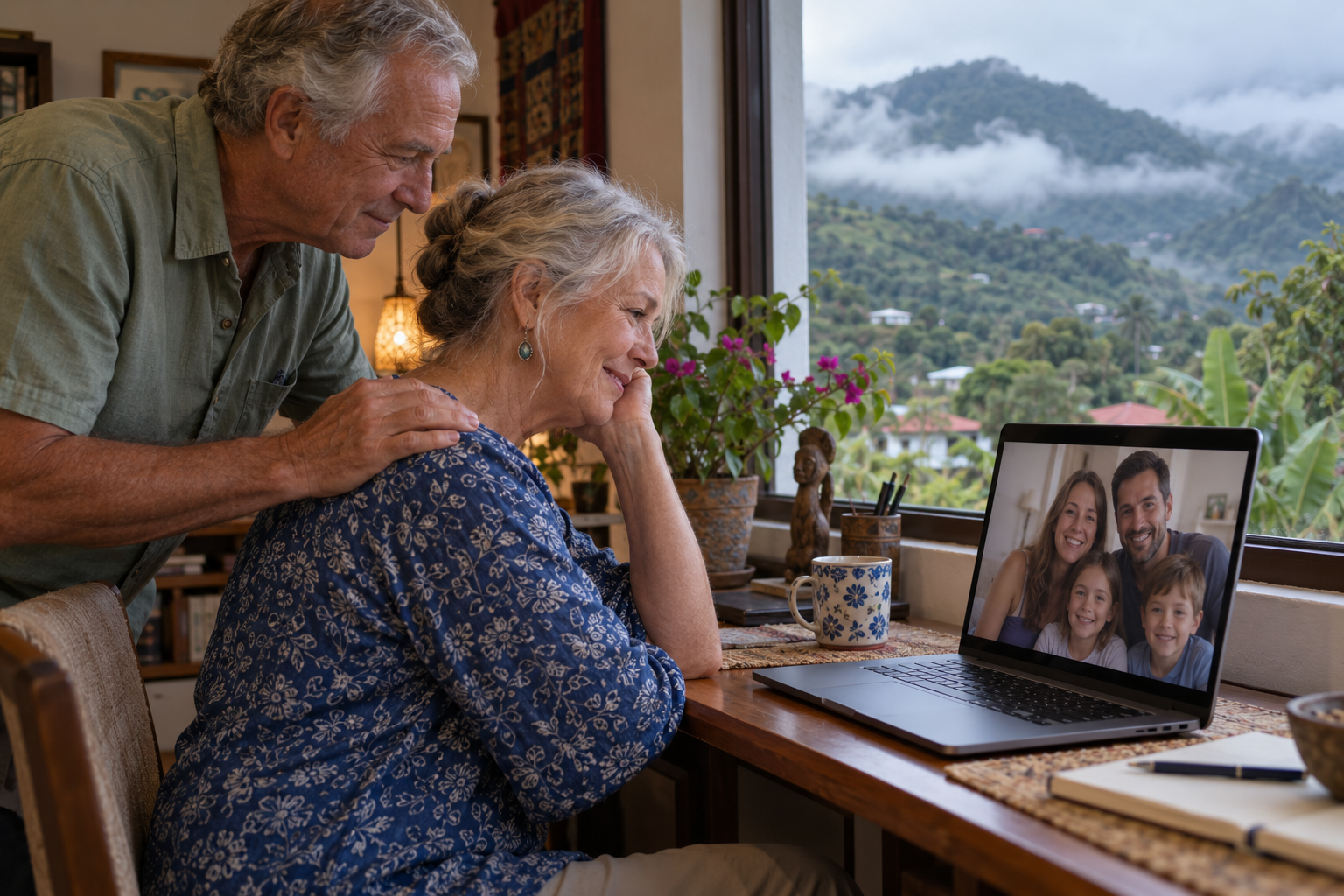
But year two also surfaces the frictions the honeymoon papered over. The slower pace that felt like a blessing can occasionally feel like boredom. The expat bubble that felt like a lifeline can start to feel small. The distance from family back home, so manageable on the adrenaline and excitement of a brand-new adventure, grows quietly heavier in year two as birthdays and holidays and new grandchildren pile up on the other side of a continent, each one a small reminder of what the beautiful mountain town cannot give you. This, more than any practical annoyance, is what pulls some people back.
And the practical annoyances of a developing-country mountain town, the occasional power or water interruption, the slower bureaucracy, the sense that getting certain things done takes three times as long as it should, stop being charming quirks and become simply the way things are. Year two is really the negotiation between those enduring goods and these persistent frictions, settling into an honest equilibrium, and the people who thrive are the ones for whom the balance tips clearly and lastingly toward the good, who wanted exactly this kind of quiet, affordable, community-rich mountain life in the first place and find, to their relief, that it delivers. The ones who leave are usually the ones who wanted something Boquete was never going to be.
The Honest Verdict
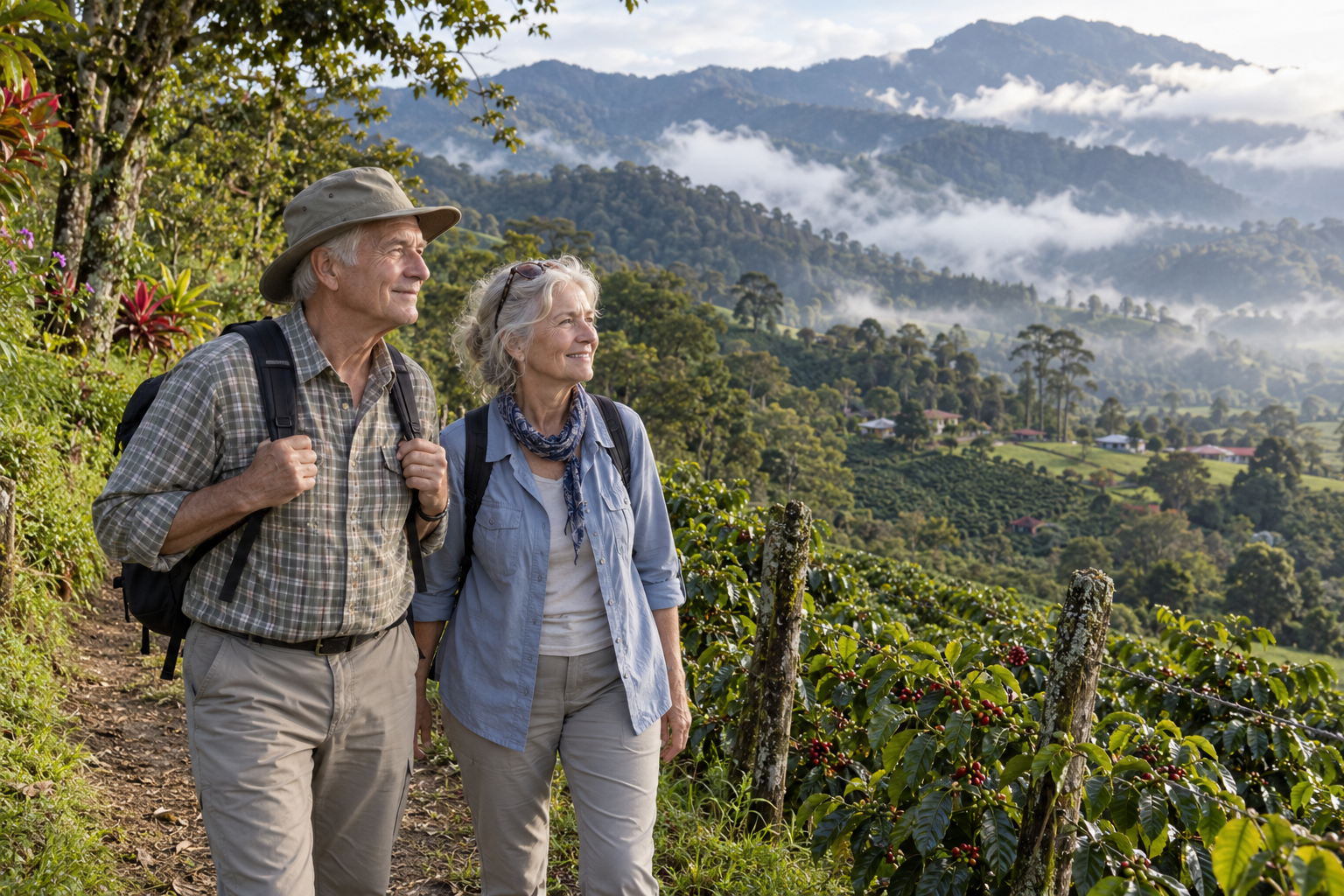
So does it hold up? For the right couple, genuinely yes, and Boquete has kept thousands of American retirees happily settled for exactly the reasons above. If what you want is a safe, beautiful, temperate place where a modest Social Security income buys a relaxed and sociable life, where a famously generous visa makes residency easy and permanent, where your dollars do not have to be converted and your pension is not taxed, and where an instant community of fellow expats smooths the landing, then Boquete is one of the best values in the retirement world, and year two confirms rather than dispels that. The Hendersons, in our composite drawn from many real such couples, are still there in year two and still glad they came, which is the quiet verdict a great many actual Boquete retirees would echo.
But the honest verdict has to include who it does not suit, because the same features read as drawbacks to a different person. If you crave city energy, deep cultural immersion, world-class healthcare on your doorstep, or constant proximity to family, a small, remote, expat-heavy mountain town on another continent will chafe, and no amount of cheap rent and good coffee will fix that. The single biggest practical caveat is healthcare: Boquete’s local care is fine for routine needs, but serious or specialized treatment means a trip to the city of David or all the way to Panama City, so this is a place that suits the robustly healthy better than the medically fragile, and good private insurance is essential. Go in clear-eyed about the trade-offs, wanting the actual life Boquete offers, cool and green and cheap and friendly and a little remote, rather than a glossy fantasy of it, and year two is not a disappointment at all but a quiet confirmation that the mountain bet paid off. The second year is the real verdict, and for the right person it comes back a steady, grateful yes.

About the Author: Ruben, co-founder of Gamintraveler.com since 2014, is a seasoned traveler from Spain who has explored over 100 countries since 2009. Known for his extensive travel adventures across South America, Europe, the US, Australia, New Zealand, Asia, and Africa, Ruben combines his passion for adventurous yet sustainable living with his love for cycling, highlighted by his remarkable 5-month bicycle journey from Spain to Norway. He currently resides in Spain, where he continues sharing his travel experiences with his partner, Rachel, and their son, Han.