
Every country with cold winters seems to have arrived at the same comforting idea: cook some meat, cover it with mashed potato, and then bake the whole thing until the top goes golden and crisp. The British call their versions shepherd’s pie and cottage pie, and they are beloved for good reason, but France has its own take on the theme, and once you have eaten it you may find it hard to go back. It is called hachis parmentier, a deeply savory layer of rich, wine-braised beef beneath a blanket of buttery, cheese-topped mashed potato, and it is what happens when the French turn their attention to a humble baked dinner.
This is not a knock on the British classics, which are wonderful in their own right, but hachis parmentier brings a little extra richness, a little more finesse, and a golden cheesy top that, for many, tips the whole thing over into something even better. It is the same idea, dressed for a slightly nicer occasion, and that small elevation is exactly what makes it worth knowing alongside the pies you may already love. Think of it less as a rival to shepherd’s pie than as a close relative who happens to have gone to cooking school in France. It is comfort food with a French accent, and arguably the upgrade.
What follows is the story of the potato evangelist the dish is named for, how it differs from shepherd’s pie, why it may just be the better version, its clever origins as a way to use up leftovers, and exactly how to make it.
The Potato Evangelist Behind It
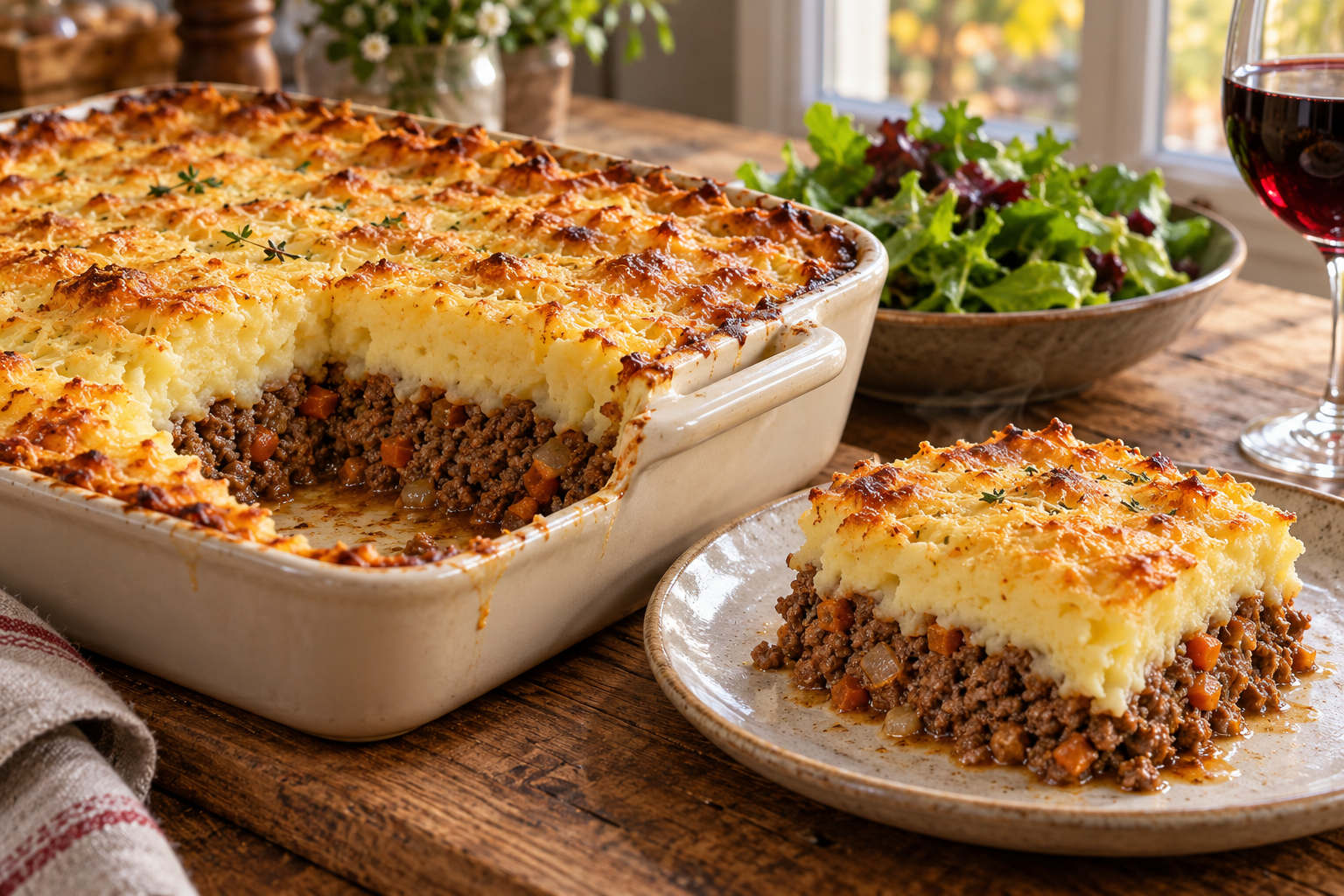
The dish carries a person’s name, and the story behind it is genuinely charming. Hachis parmentier is named after Antoine-Augustin Parmentier, an eighteenth-century French pharmacist and agronomist who devoted much of his life to a single unlikely cause: convincing the French to eat the potato. Hard as it is to imagine now, the potato was viewed with deep suspicion in France at the time, thought fit only for animals or even blamed for disease, and Parmentier set out to rehabilitate it with a showman’s flair, hosting potato-themed dinners for luminaries like Benjamin Franklin and staging publicity stunts to make the tuber fashionable.
His campaign worked, and the potato went on to become a cornerstone of French cooking, so it is fitting that this potato-topped dish bears his name in tribute. A whole family of French dishes carries the Parmentier name to signal a potato element, but the hachis is the most famous and the most loved of them, the one that best repays his lifelong effort. The other half of the name is more literal, since hachis simply means something chopped or minced, describing the meat at the base of the dish. Put together, the name tells you exactly what you are getting, minced meat under the potato that Parmentier fought so hard to popularize, a small edible monument to the man who taught France to love the spud. It is a nice thing to know as you make it, that an everyday casserole carries the memory of an eighteenth-century pharmacist and his stubborn faith in a vegetable. Few dishes wear their history so plainly, and there is something pleasing about cooking a small tribute to a man who changed how a whole country ate.
How It Differs From Shepherd’s Pie
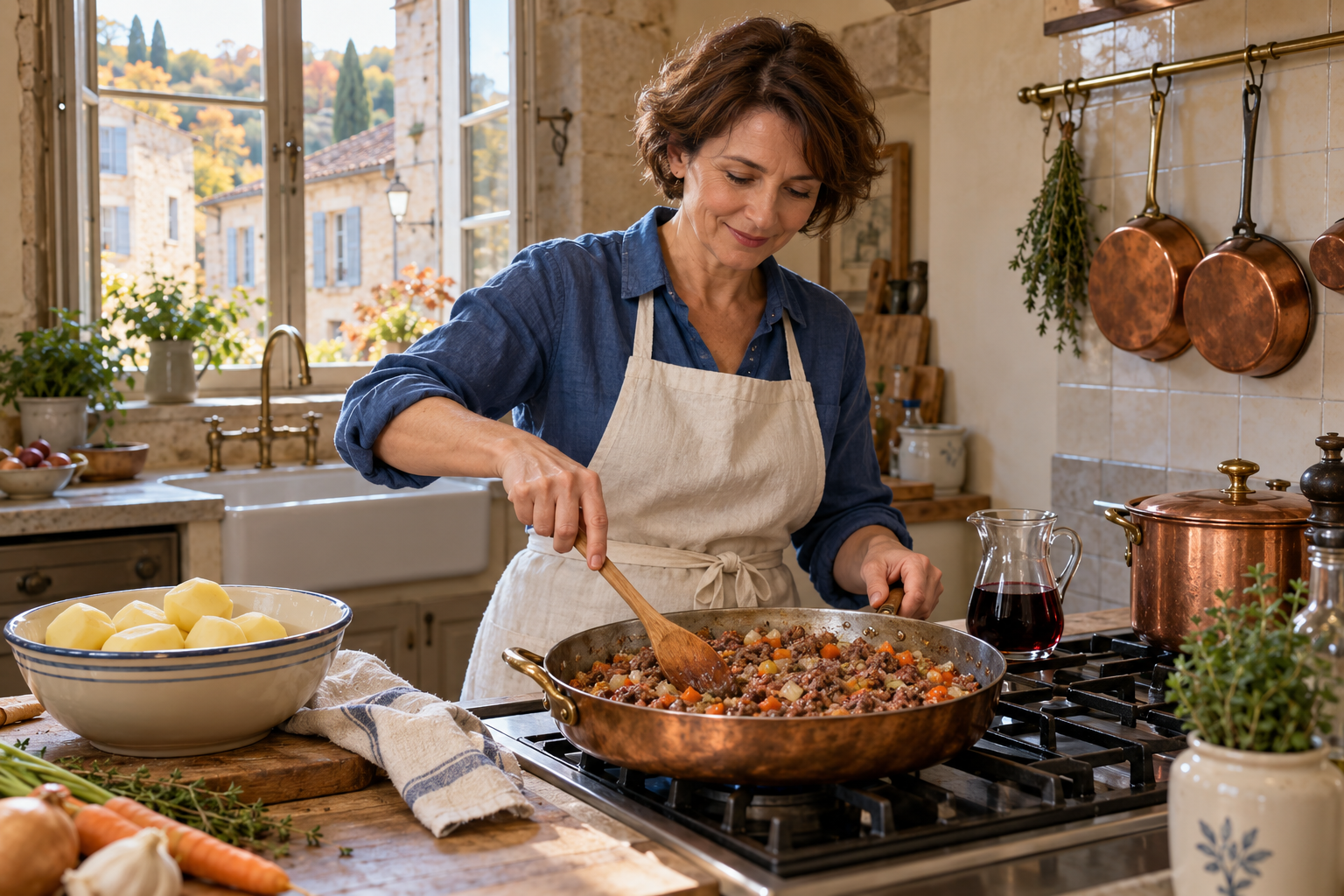
At first glance, hachis parmentier and the British pies look like the same dish, and structurally they are close cousins: a layer of seasoned meat topped with mashed potato and baked. But the differences, though they seem small, add up to a genuinely distinct eating experience, and it helps to know them. The first is a simple matter of meat, since a true shepherd’s pie is made with lamb, while the beef version the British call cottage pie is the one hachis parmentier most closely resembles, so if you are comparing, it is really the beef cottage pie that is its sibling.
The deeper differences are in the treatment. Where the British versions traditionally bind their meat with a savory gravy, and sometimes a base of tomato, the French version tends to braise its beef in red wine, giving a richer, more winey depth to the filling.
The French also lean into cheese in a way the British classics often do not, browning grated Gruyere or Parmesan on top and sometimes folding it into the meat as well, and they frequently enrich the whole thing with touches like an egg yolk or finely diced vegetables worked through the filling. The result is a dish that is recognizably in the same family as shepherd’s pie but noticeably more indulgent and refined, the same comforting idea given a coat of French polish. Where the British pie is honest and hearty, the French one is hearty and a little luxurious, and that added richness is the whole reason the comparison is worth making at all. None of this makes the British versions lesser, but it does make the French one different, and for many palates, better. The gap is not enormous, but it is real, and it lives in exactly the details the French tend to fuss over, the fat, the cheese, the wine, the finish.
Why It May Be the Upgrade
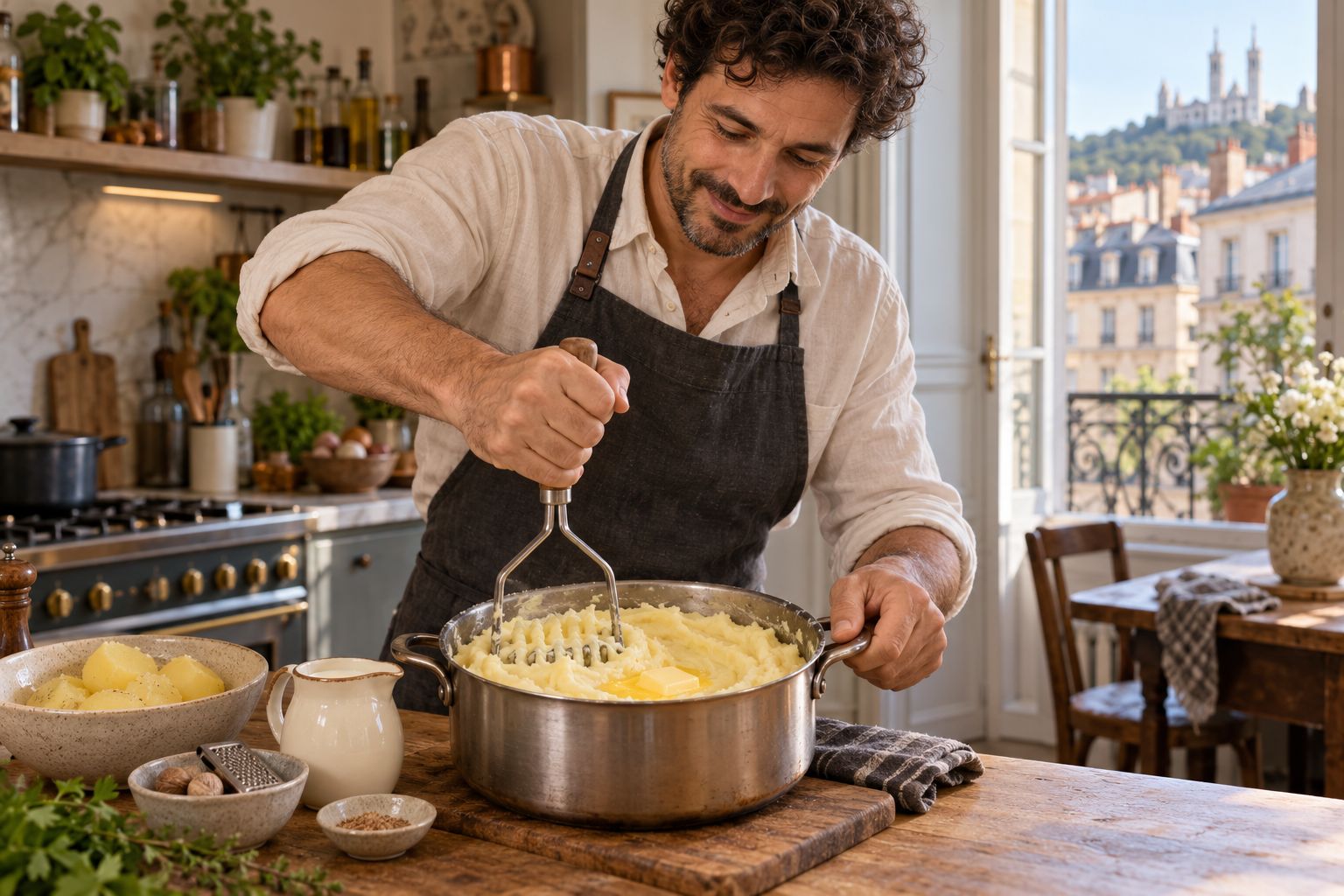
The case for hachis parmentier as the superior version rests on a few specific refinements, and it is worth laying them out because each one genuinely lifts the dish. The first and most important is the mashed potato, which in the French hands becomes something closer to a proper puree, mashed with generous butter and often cream until it is exceptionally smooth and rich, a world away from a plain, stiff mash. That silky, buttery top is a real pleasure in its own right, and it is the first thing that tells you this is not an ordinary cottage pie.
The second is the cheese, which forms a golden, savory, faintly crisp crust over the potato as it bakes, adding a nutty depth and a wonderful contrast of texture against the soft filling beneath. The third is the meat itself, which whether braised slowly in red wine or built from good leftover roast is treated with real care and seasoned generously, so the filling has genuine depth rather than being merely a vehicle for the potato. Add the small enriching touches, the egg yolk for richness, a little nutmeg in the mash, a whisper of mustard in the meat, and you have a dish that has taken the honest bones of a shepherd’s pie and refined every element of it. Whether that makes it truly better than a great British pie is a matter of taste and perhaps national loyalty, but the argument is a strong one, and the proof is on the plate. Make it once alongside your memory of a good cottage pie, and you can settle the question for yourself, which is the only verdict that really matters.
The Leftover Dish That Became a Classic
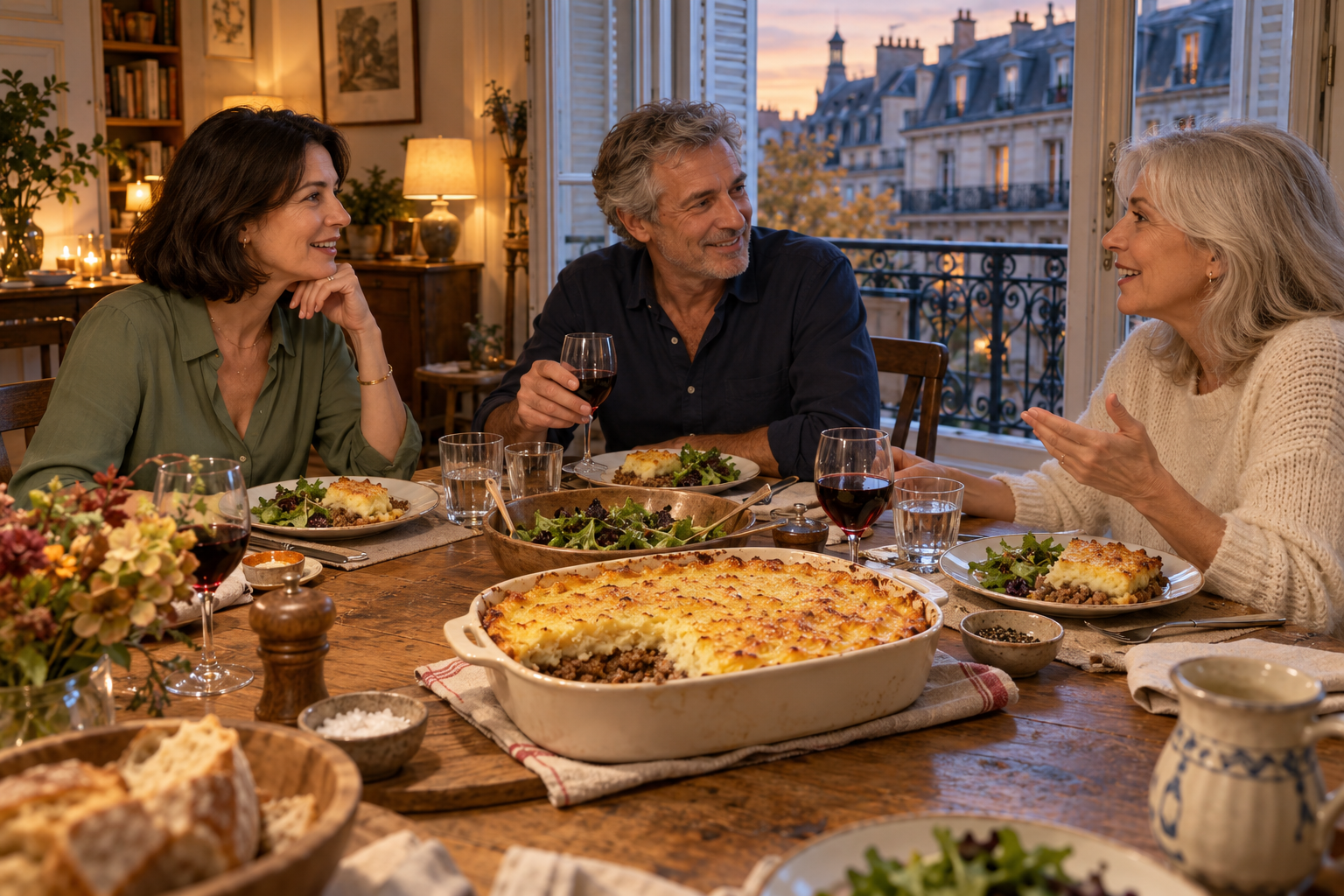
For all its richness, hachis parmentier began life as something wonderfully practical, a way to use up leftovers, and that thrifty heart is worth celebrating. Traditionally, the dish was made not with fresh mince at all but with the leftover boiled beef from a pot-au-feu, the great French boiled dinner, chopped up and given a second life beneath a layer of mashed potato. It was resourcefulness turned into a classic, a way to make sure that good meat cooked one day was transformed into something delicious rather than wasted the next, which is exactly the kind of clever economy that runs through so much traditional home cooking.
That origin makes it one of the best possible uses for leftovers to this day. If you have the remains of a Sunday roast, a braise, or a stew sitting in the fridge, hachis parmentier is the answer, since you simply chop or shred the cooked meat, skip the long cooking, and go straight to layering and baking. It also makes the dish endlessly adaptable and forgiving, happy to take whatever meat and vegetables you have on hand, which is part of why it has endured as a staple of French home kitchens. Beef is classic, but shredded chicken, duck, or a mix of leftover roasts all work, and a handful of cooked vegetables folded into the meat is never unwelcome, so the recipe bends to the fridge rather than sending you to the shop. The modern version made from fresh ground beef braised in wine is a little more of an occasion in itself, but the soul of the dish remains that humble, resourceful one, a reminder that some of the most beloved food comes from the simple refusal to let good things go to waste. There is a lovely lesson in that, that thrift and deliciousness are not opposites but often the same thing, and that the dish born of frugality can end up on the table you set for guests.
Making Hachis Parmentier
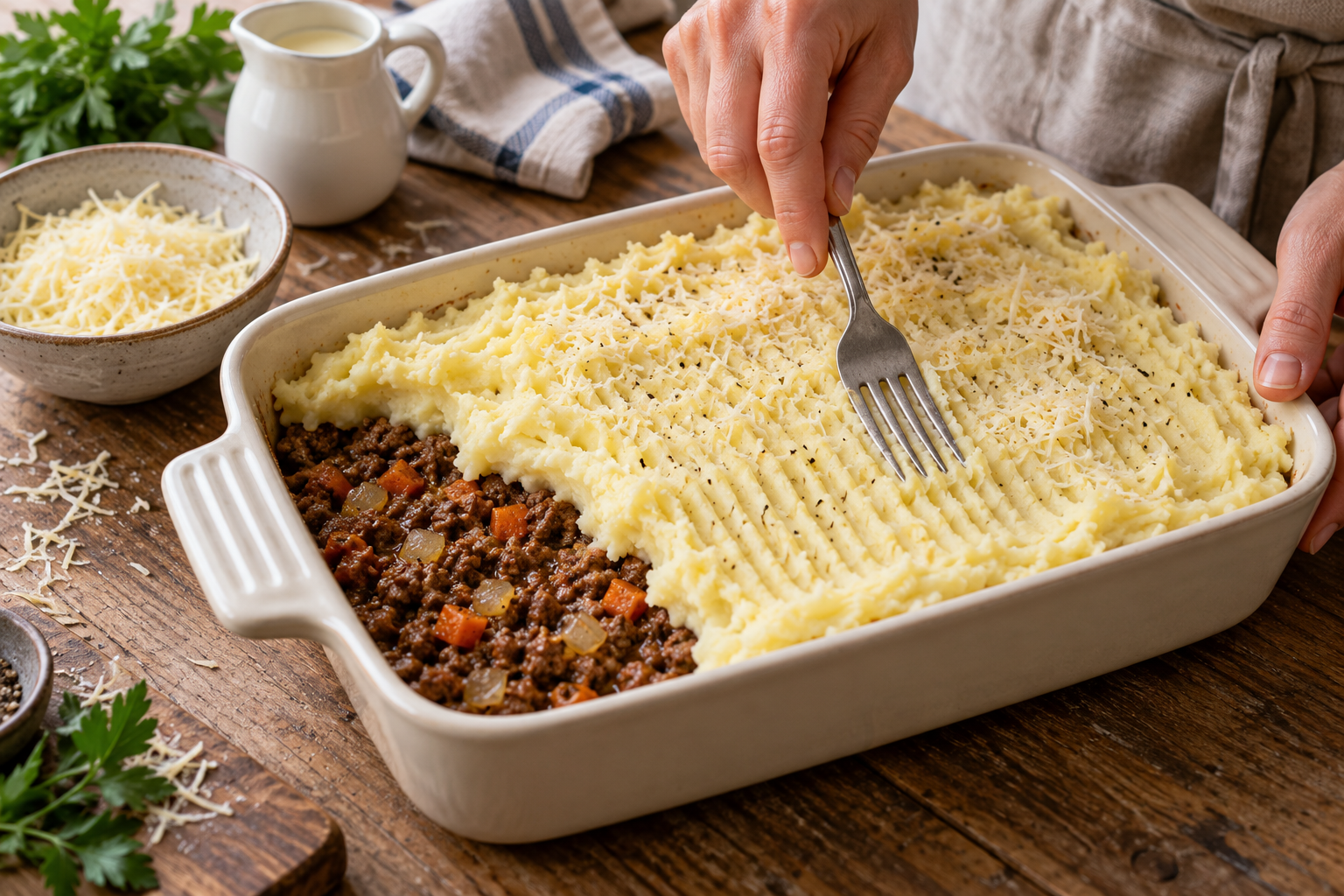
Here is a classic hachis parmentier, serving six. Use fresh ground beef braised in wine, or swap in leftover roast or stew and skip the braising.
Ingredients
For the meat:
- 700 g ground beef, or chopped leftover cooked beef
- 1 onion, finely diced
- 2 carrots, finely diced
- 2 cloves garlic, minced
- 200 ml red wine
- 200 ml beef stock
- 1 tablespoon tomato paste
- 1 teaspoon Dijon mustard, optional
- Olive oil, salt, and pepper
For the topping:
- 1 kg floury potatoes, peeled and chopped
- 60 g butter
- 100 ml warm milk or cream
- 1 egg yolk, optional
- 100 g grated Gruyere or Parmesan
- A grating of nutmeg
Instructions
- Boil the potatoes in salted water until very tender, about 15 to 20 minutes, then drain and mash with the butter, warm milk or cream, and a grating of nutmeg until smooth. Stir in the egg yolk if using, and season.
- Meanwhile, soften the onion, carrots, and garlic in a little olive oil until tender. If using fresh ground beef, add it and brown well.
- Stir in the tomato paste, then pour in the red wine and let it reduce for a minute. Add the stock and the mustard, and simmer until rich and thickened, about 15 minutes. Season well. If using leftover cooked meat, simply warm it through with the vegetables, wine, and stock.
- Preheat the oven to 200 C, about 400 F. Spread the meat in a baking dish, then spread the mashed potato evenly over the top, right to the edges.
- Scatter the grated cheese over the potato and, if you like, drag a fork across the top to create ridges that will crisp.
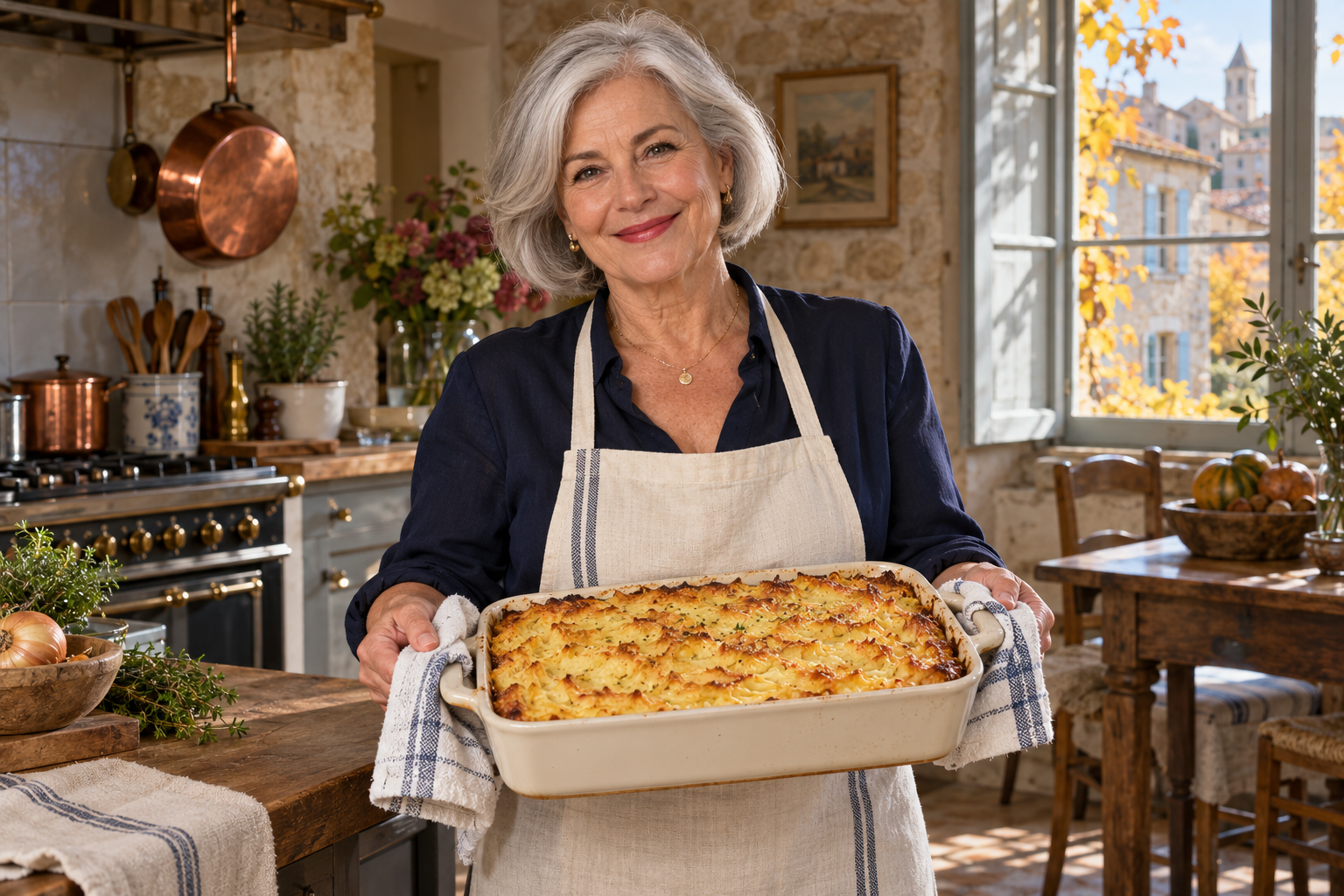
- Bake for 25 to 35 minutes, until the top is golden and the filling is bubbling. Broil for a couple of minutes at the end for extra color if you wish.
- Rest for a few minutes, then serve with a simple green salad and a glass of red wine.
And do lavish a little care on the mash, since the buttery, cheese-topped potato is what raises hachis parmentier above an ordinary meat pie, so mash it smooth, enrich it well, and let that golden top be the first thing your fork breaks through.

About the Author: Ruben, co-founder of Gamintraveler.com since 2014, is a seasoned traveler from Spain who has explored over 100 countries since 2009. Known for his extensive travel adventures across South America, Europe, the US, Australia, New Zealand, Asia, and Africa, Ruben combines his passion for adventurous yet sustainable living with his love for cycling, highlighted by his remarkable 5-month bicycle journey from Spain to Norway. He currently resides in Spain, where he continues sharing his travel experiences with his partner, Rachel, and their son, Han.