
For the growing number of Americans retiring in Europe, one of the quiet monthly headaches is getting their Social Security payment out of the United States and into a form they can actually spend where they live. Many end up keeping an American bank account and pulling the money across the ocean piece by piece, paying withdrawal fees and poor exchange rates each time, never knowing there was a better way. That better way is a program run by the Social Security Administration that sends the monthly benefit into a foreign bank account in local currency, with no paper checks and no exchange markup. The catch is that almost no one at a European bank branch will mention it, since the setup runs through the American government, so a retiree has to know to ask for it themselves. Before going further, a brief note, this is a general overview of how the program works and not financial or legal advice, and because the participating countries and the rules can change, anyone interested must confirm the current details and their own eligibility with the Social Security Administration directly before relying on anything here.
With that said, understanding this program can save an expatriate retiree real money and a good deal of monthly hassle, turning a tedious recurring cross-border chore into a hands-off automatic deposit that simply appears each month like any ordinary local payment. So here is what the program is, which countries it covers, the form that makes it happen, and the practical traps to watch for along the way. For a retiree whose Social Security is a central part of their monthly income, getting this right is not a minor convenience but a real quality-of-life matter, removing a recurring monthly source of real cost and worry. The effort of setting it up once is repaid every single month for the rest of a retirement abroad, which over many years amounts to a great deal of saved money and spared aggravation for a one-time piece of paperwork.

The Payment Setup Retirees Rarely Hear About
The starting point is that this option exists at all, because a great many retirees abroad simply do not know that their Social Security can be sent straight to a foreign bank. The knowledge gap itself is the biggest obstacle.
A direct route most people miss. Rather than routing a benefit through an American account and moving it abroad manually, the Social Security Administration can deposit the payment directly into a foreign bank account. This means the money arrives locally each month with no effort, like a domestic payment in the country where they now live.
The local branch will not tell you. Because the whole arrangement is set up through the American government rather than through the foreign bank, the staff at a European branch usually know nothing about it and will not suggest it. This gap in awareness is precisely why so many people never find out the option is available to them. A retiree naturally turns to their local bank with questions about receiving foreign payments, and the bank, having no part in the American side of the arrangement, has nothing useful to offer. The information lives entirely on the government side of the ocean, with the Social Security Administration and the embassy network, which is exactly where most people never think to look until someone tells them to. Word of the program tends to spread among expatriate communities rather than through official channels, passed from one retiree to another over coffee at a local café, which means those without such connections can easily remain unaware of it for years on end. Simply knowing that the option exists, and where to ask about it, is most of the battle, and it is a piece of knowledge worth passing along to any friend contemplating the same move.
What International Direct Deposit Is
The program has a formal name and a straightforward purpose, and understanding what it actually does makes clear why it is worth the effort to set up. It is a genuine convenience rather than a gimmick.
Payments sent straight abroad. The program, known as International Direct Deposit, sends the monthly benefit electronically into a foreign account, converting it into local currency. It works through arrangements between the United States Treasury and foreign banking networks, so the payment travels automatically from the government to the retiree’s local account.
It replaces the slow paper check. Before such electronic options, paper checks abroad could take weeks to arrive and carried a real risk of loss or theft, whereas direct deposit lands reliably and safely each month. this reliability alone makes it a significant improvement for anyone living overseas. A missing or delayed check is a genuine hardship for someone depending on that money for the rent or the groceries, and the shift to a dependable electronic deposit removes that anxiety entirely. The payment simply appears, on time, in the account the retiree already uses for their rent, their bills, and their daily shopping, which is exactly how a dependable monthly income ought to work.
Which Countries Are Covered

A crucial practical question is whether the program even reaches a particular country, because it is available in many places but not everywhere, and the list shifts over time. This is the first thing anyone should check.
Many countries, including much of Europe. The program covers a growing number of countries, commonly cited as more than thirty, and it includes many popular European retirement destinations, though not every country in the world takes part. Because coverage is broad but incomplete, whether a specific country is included must be answered directly, never assumed. The situation is complicated by the fact that different sources give different figures and lists, some of them out of date, so even careful research can turn up conflicting answers. This is one of those cases where only the primary source, the Social Security Administration’s own current list, can be trusted, and where a quick confirmation is well worth the effort before building any plan around the program.
The list changes, so verify it. Crucially, the roster of participating countries is updated over time and does have notable gaps, so the only reliable way to know is to check the current official Social Security Administration list. Relying on an old article or a secondhand account risks planning around a country that is not, in fact, on the list. A retiree who assumes their chosen country is covered, only to discover after moving that it is not, can be left scrambling for an alternative in the middle of an already stressful transition. A single check against the official list, done early, removes that risk completely and is by far the most important preparatory step of all.
The Form Nobody Mentions
Setting the program up comes down to a single form and a specific process, neither of which is widely advertised, which is a large part of why the option stays hidden. Knowing the mechanics removes the mystery.
One specific enrollment form. Enrollment is done through a Social Security form specific to International Direct Deposit, one per country, which a retiree completes to authorize payments into their foreign account. This form, rather than anything the local bank provides, is the key that unlocks the whole arrangement. The existence of a separate form for each participating country trips some people up, since using the generic domestic direct-deposit form will not work for an overseas account. Making sure to obtain the correct version for the country of residence is a small but essential detail, and the current forms are published on the Social Security Administration’s own website for anyone to find. It is worth downloading the right one early and reading it through, since seeing exactly what information is requested makes it easy to gather everything needed in a single visit to the bank rather than in frustrating back-and-forth trips.
The details it asks for. Completing the form requires the retiree’s personal and Social Security details along with the full foreign bank details, including the account’s international bank number in Europe. Gathering these bank details in advance makes the process smooth, and the form is submitted through the Social Security Administration or a US embassy, not the bank. The Federal Benefits Unit found at many United States embassies exists precisely to help retirees with matters like this, and staff there handle such enrollments as a matter of routine. A retiree who is unsure of any step is far better served by contacting that unit than by asking their local bank, which will almost certainly be unable to help with the American side of the process.
How the Money Actually Arrives
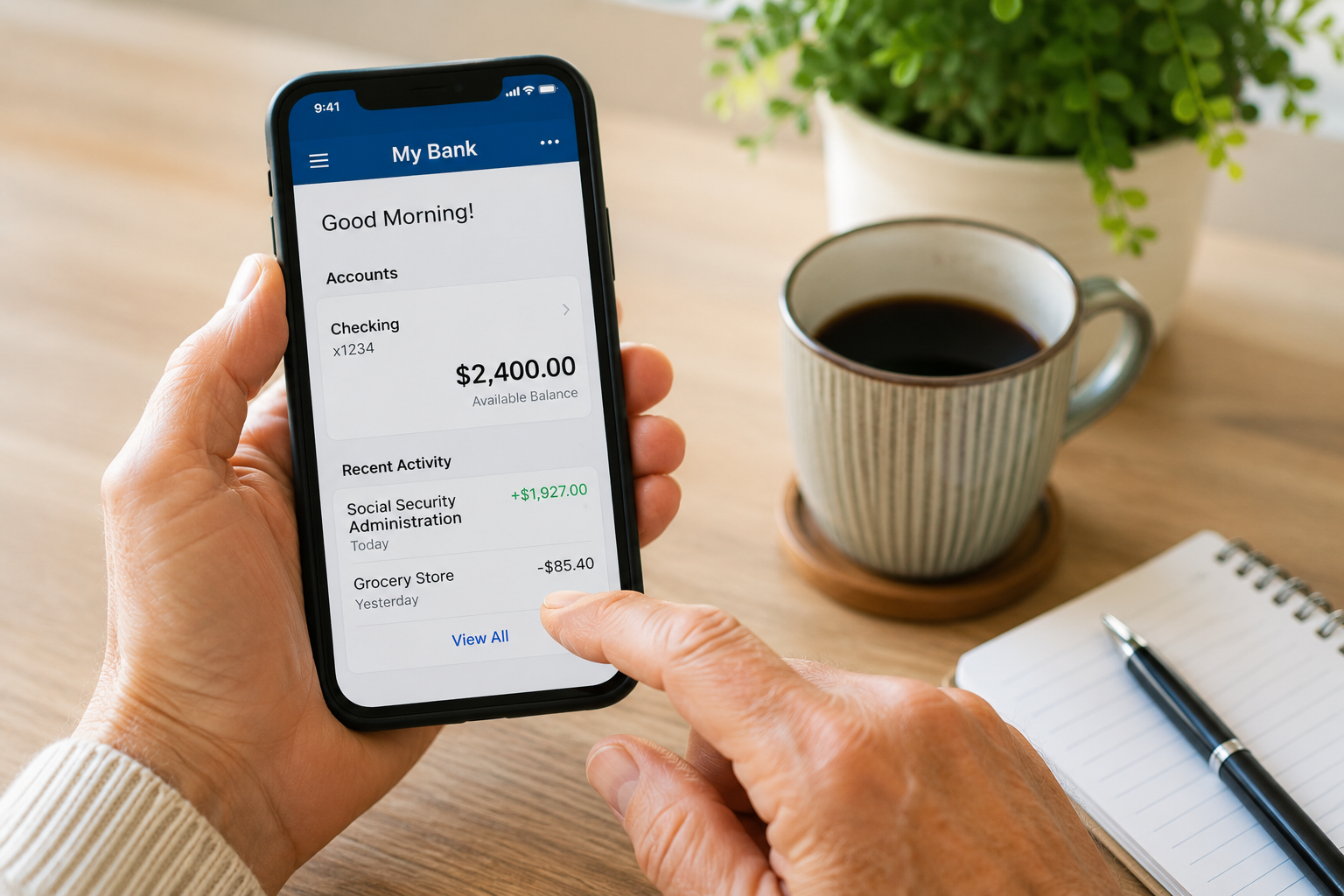
Once enrolled, the way the money lands carries several advantages over the do-it-yourself approach, and these benefits are the real reason the program is worth pursuing. The differences add up month after month.
Local currency at a fair rate. The benefit arrives already converted into local currency at the Social Security Administration’s rate, with none of the commercial markup of pulling money from an American account through a card or a transfer service. over a year of payments, avoiding that markup can add up to a meaningful sum.
No government fee, and a steady schedule. The Social Security Administration charges nothing, and payments keep the same monthly schedule, giving a predictable, dependable income in the retiree’s own country. The one thing to check is whether the receiving foreign bank charges any incoming-payment fee of its own, which varies from bank to bank. A quick question to the bank before enrolling clears this up, and in many cases the fee is small or nonexistent, leaving the retiree with the benefit almost entirely intact. Even where a modest fee applies, it is usually far less than the combined cost of the exchange markup and withdrawal charges that come with pulling the money across from an American account each month.
The Traps to Know
For all its advantages, the program comes with several important limits and pitfalls that a retiree must understand before relying on it, because some of them can cause real disruption. Forewarned is forearmed.
Not every benefit qualifies. It is vital to know that Supplemental Security Income is generally not payable abroad and will stop on moving overseas, which is quite different from regular Social Security retirement benefits that continue. Anyone whose income includes that particular needs-based benefit must understand this crucial distinction clearly and completely before making any firm plans to move abroad. The two are easily confused because they are both administered by the same agency, yet they follow entirely different rules for people living abroad. A retiree relying on regular Social Security retirement benefits can generally continue to receive them overseas, while someone dependent on the needs-based benefit may find that moving abroad ends it altogether, a difference that can reshape the whole feasibility of a move. For a household whose retirement income leans heavily on that particular benefit, this single rule may be the deciding factor in whether living abroad is possible at all, which is why it deserves careful thought early rather than a nasty surprise later. Confirming exactly which benefits a person receives, and precisely how each one is treated overseas, is an essential first step to take before any other planning begins.
Some countries are off-limits. Beyond the countries simply not on the direct-deposit list, payments cannot be sent to certain sanctioned or restricted countries at all. For anyone in a country the program does not reach, the fallbacks are keeping an American account or using a government payment card. Each of these carries its own trade-offs, from ATM and exchange fees on foreign withdrawals to the particular limits of a government-issued card, so neither is quite as clean as direct deposit into a local account. Still, for those whose country is not covered, one of these arrangements is usually workable, and a cross-border-savvy advisor can help weigh which fits a given situation best. The important thing to remember is that a country’s absence from the direct-deposit list rarely means the benefit cannot be received there at all, since it usually can, just through a different route. It simply means a little more thought goes into how the money crosses the ocean each month, and a modest amount of early planning turns even that into a simple, manageable monthly routine.
Getting It Set Up Right
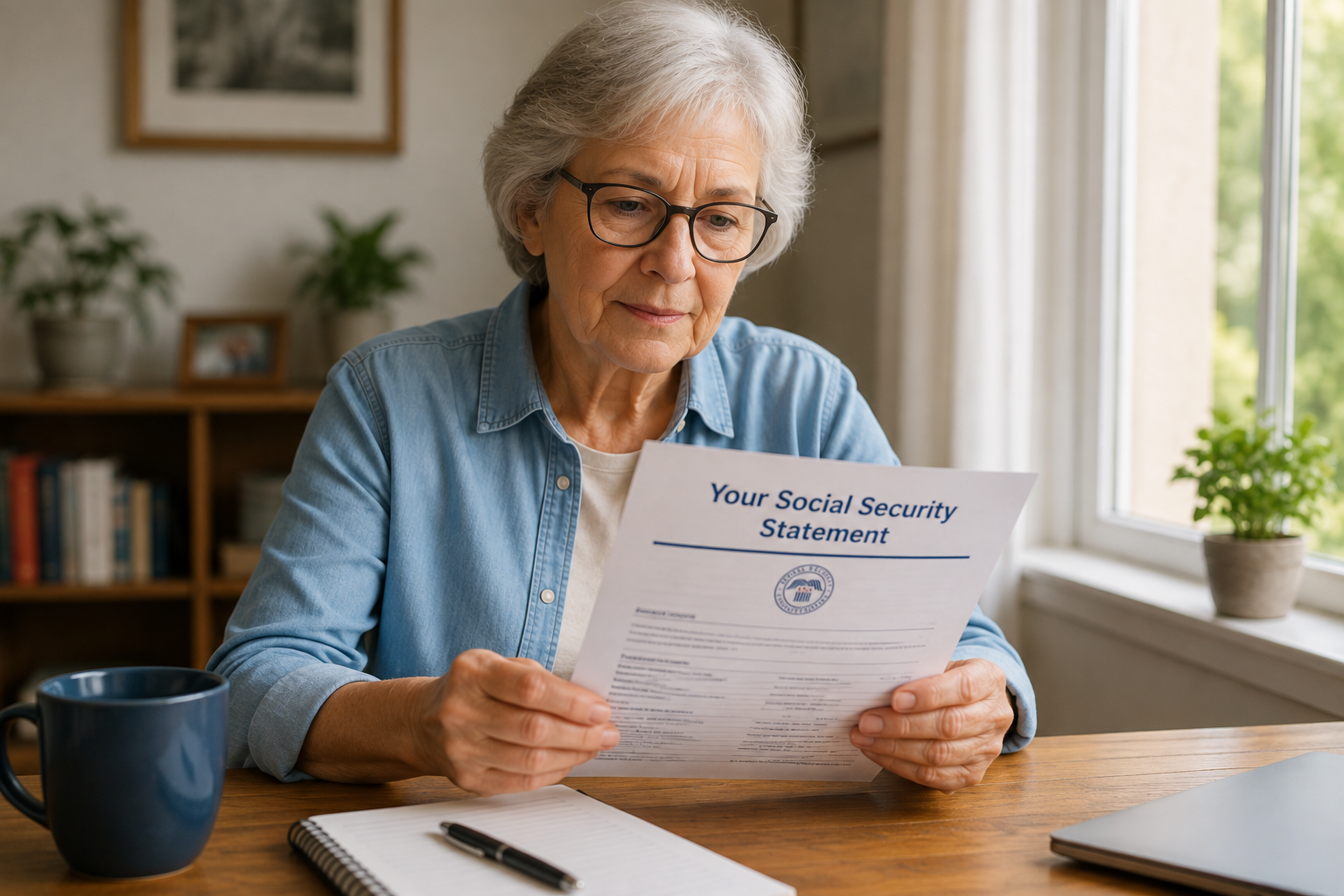
Bringing it all together, the path to having Social Security land automatically in a European account is a clear sequence of steps, best begun well before it is needed. A little preparation makes the whole thing painless.
Gather, submit, and wait. In practice, confirm the country is covered, gather the bank details, and complete the enrollment form, and submits it through the Social Security Administration or the Federal Benefits Unit at an embassy, after which enrollment typically takes a number of weeks to process. Starting the process with time to spare means the payments are flowing smoothly by the time they are relied upon, and it spares the retiree the anxiety of watching the calendar while an important payment hangs in limbo. Because enrollment can take several weeks to process, a retiree who leaves it until the last minute may face a gap in which the money is neither arriving the old way nor the new one. The wise approach is to begin the setup well ahead of any move or any change, so the transition happens invisibly and the income never misses a beat.

About the Author: Ruben, co-founder of Gamintraveler.com since 2014, is a seasoned traveler from Spain who has explored over 100 countries since 2009. Known for his extensive travel adventures across South America, Europe, the US, Australia, New Zealand, Asia, and Africa, Ruben combines his passion for adventurous yet sustainable living with his love for cycling, highlighted by his remarkable 5-month bicycle journey from Spain to Norway. He currently resides in Spain, where he continues sharing his travel experiences with his partner, Rachel, and their son, Han.