
Tucked into the far west of Spain, along the Portuguese border, lies a region most travelers have never heard of and most tourists never see. Extremadura is one of the emptiest corners of the country, a vast, sun-baked landscape of Roman ruins, wild nature reserves, and quiet old towns, home to only about a million people spread across a territory larger than several small nations. For years its young people have drifted away to the cities, hollowing out its villages, and the regional government is fighting back the modern way, by paying newcomers to move in. The incentives are real and specific, aimed squarely at remote workers, and they have drawn attention from around the world. But as with every scheme of this kind, the headline figure hides a good deal of important detail, and the offer is both more limited and more conditional than the viral posts suggest. Before going further, an important note, this is a factual overview and not financial, tax, or immigration advice, and I am not a financial advisor, tax professional, or immigration lawyer. Program terms and application windows change often, so anyone interested must verify the current rules with official Extremadura sources before making any plans.
With that clearly said, Extremadura’s push to attract newcomers is one of the most genuine and interesting examples of a European region using cash to reverse its own decline. It rewards a careful look, both for what it really offers and for the practical realities that surround it. So let us walk through the region itself, the money on the table, the conditions attached, and the one hurdle that trips up most hopeful movers from abroad. It is a story worth getting right, because Extremadura is exactly the sort of place that rewards a clear-eyed look. The dream it offers is real, a quiet and affordable life in a beautiful, forgotten corner of Spain, but the path to it runs through paperwork and timing that the cheerful headlines rarely mention.
Spain’s Emptiest Corner
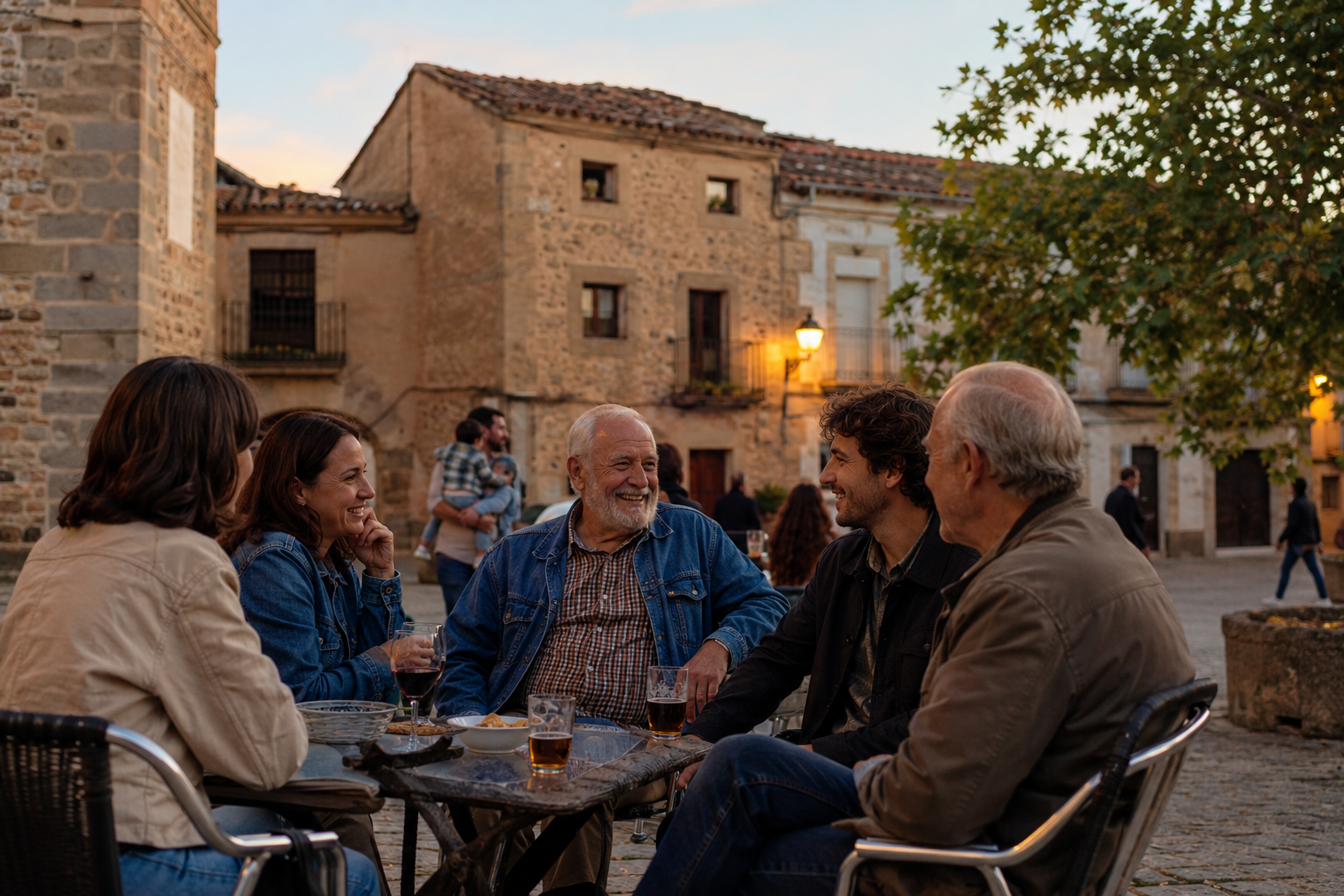
To understand the offer, it helps to picture the place, because Extremadura is unlike the Spain of the postcards and precisely for that reason needs new residents. Its emptiness is the whole reason for the incentives.
It is truly underpopulated. Extremadura spreads across a huge area of western Spain yet holds only a million residents, making it one of the least densely populated regions in the country, with whole villages slowly emptying as the young move away. This quiet, spacious, deeply rural character is both its great charm and the problem the incentives are meant to solve. There is a poignancy to the emptiness. Drive through parts of the region and you pass stone villages with shuttered houses and a handful of elderly residents, places that were once busy and now stand half-abandoned. The incentives are, at heart, an attempt to write a different ending for these communities, and the newcomer who answers the call becomes a small part of that story.
It is beautiful and historic. Far from a barren backwater, Extremadura is rich in Roman heritage, from the theatre at Mérida to the medieval streets of Cáceres, and blessed with wild landscapes, nature reserves, and a slow, traditional way of life. For the right person, it offers a truly lovely and affordable Spanish existence far from the crowds of the coast. Housing costs here are a fraction of what they are in Madrid or on the Mediterranean, and the pace of life is slower and more human. This is a Spain of long lunches, village festivals, and neighbors who still know one another, the kind of place that has vanished from much of the developed world. For someone seeking exactly that, the region needs no financial incentive at all, and the grant is simply a welcome bonus on top.
Why the Region Wants You
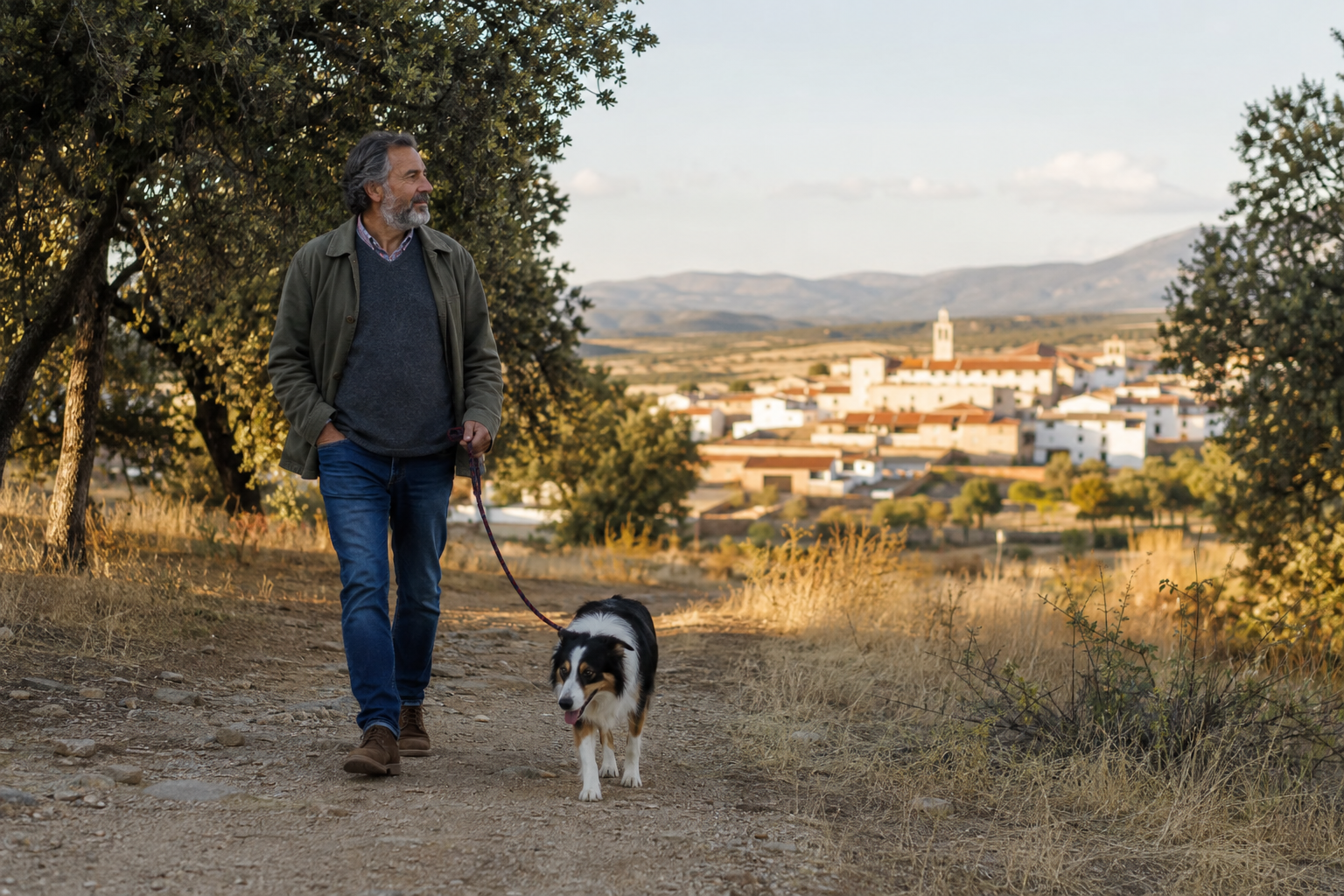
The incentives did not appear from nowhere, but from a real and pressing problem that the region is determined to address. Understanding the motive makes the offer easier to judge.
Depopulation is the driving force. Like much of rural Europe, Extremadura has watched its population age and shrink as opportunity moved to the cities, threatening the survival of its smaller communities and their services. The grants are a direct response, an attempt to draw in working-age newcomers who can help keep these places alive. It is a pattern now repeating across rural Spain and much of southern Europe, where region after region has concluded that it is cheaper to pay a few families to move in than to watch its villages die entirely. Extremadura’s version is among the more generous and better known, which is why it draws attention from as far away as North America, but the underlying logic is being copied everywhere.
Remote workers are the target. The region has cleverly aimed its offer at digital nomads and remote professionals, people who bring income earned elsewhere and spend it locally without needing a local job, so they add to the community without competing for scarce employment. This makes remote workers close to the ideal new resident from the region’s point of view. A newcomer with a laptop and a foreign salary is, in a sense, a small economic gift to a struggling village. They rent or buy a home, shop in the local market, fill a seat in the café, and add a working-age household to a place that has too few of them, all without taking a job from anyone. It is a neat piece of logic, and it explains why so many depopulating corners of Europe have landed on the same idea at once.
The Digital Nomad Grant Explained

At the heart of the story is a specific grant program, often associated with the Ambroz Valley initiative known as Live in Ambroz, and its numbers are worth understanding precisely. The famous figure is real but comes in tiers.
The amounts depend on who you are. The grant is not a flat sum but a tiered one, a standard payment of around eight thousand euros, rising to about ten thousand for women, those under thirty, and for anyone settling in a town of fewer than five thousand people, so the figure depends on your profile and your destination. This structure deliberately steers newcomers toward the smallest and most fragile villages. The extra money for those settling in the tiniest towns is no accident, since it is precisely these places, with a few hundred residents and dwindling services, that the region most wants to save. A digital nomad willing to base themselves in a village of a thousand people rather than in Cáceres or Mérida is doing exactly what the scheme was designed to encourage, and the higher payment reflects that.
A second payment rewards staying. Beyond the initial grant, those who remain in the region and choose to stay on for a further year can receive several thousand euros more, which is how the total can approach fifteen thousand. The money is spread over time and tied firmly to staying, not just arriving.
The Fine Print of the Money

As always, the details around the money matter as much as the amount, and Extremadura’s grant comes with clear conditions designed to ensure real settlement. Knowing them prevents unpleasant surprises.
You must be a genuine newcomer. To qualify, applicants must not have lived in Extremadura for at least the six months before applying, and must commit to staying in the region for a minimum of around two years, so the grant is squarely for real relocations rather than for people already there. This rules out anyone hoping to claim the money for a move they were making anyway.
The process has firm steps. Successful applicants typically must register formally with their new municipality, obtaining the padrón within a set window, then requesting payment shortly after, with the money usually paid as a single lump sum. Missing these administrative steps and their deadlines can cost an applicant the grant entirely, so the process rewards the organized. Spanish bureaucracy has a fearsome reputation, and while these particular steps are not especially complex, they are unforgiving of lateness. Registering the padrón and filing the paperwork on time matters as much as qualifying in the first place. Anyone pursuing the grant would be wise to treat the deadlines with real seriousness and to keep careful track of each stage, because the money can slip away on a technicality as easily as on a rejection.
The Windows Open and Close
Here is a detail that catches many hopeful movers off guard and is easy to miss in the excitement, the fact that these grants are not always available to apply for. Timing is everything with a scheme like this.
The funding is capped and finite. The program launched with a limited budget, aiming to support only a few hundred people, so applications open in defined windows and close once the money is allocated. This means the grant is not a permanent, always-open offer but a periodic call that may or may not be accepting applications at any given moment. This is perhaps the single most common misunderstanding about the scheme. People read a headline months or years old, assume the money is simply sitting there waiting, and are surprised to find the window closed or the budget spent. The offer is real, but it comes and goes, and its availability at any moment is a matter of luck and timing as much as eligibility. Watching for a fresh call to open, and being ready with documents in hand when one does, is the only way to be sure of catching the window while it lasts.
Check the current status first. As of early 2026, several of Spain’s regional relocation schemes were between rounds and not accepting new applicants, which makes checking the current status essential before building any plan around the money. Anyone serious should look directly to the official Extremadura government sources for whether a call is currently open. Any older article, this one included, should be taken as a general guide rather than a live status report, since the details of these programs shift from one funding round to the next.
The Real Catch for Americans

For hopeful movers from the United States, there is a crucial requirement that the grant itself does nothing to solve, and it is easy to overlook amid talk of free money. It concerns the right to live in Spain at all.
The grant is not a visa. Crucially, the Extremadura money does not give anyone the legal right to live in Spain, so a non-European applicant must first obtain that right independently, which for most Americans means qualifying for Spain’s digital nomad visa or another residence permit. The grant assumes you already hold, or can secure, legal residency, and it does nothing to help you get it. This is the same trap that catches hopeful movers with almost every one of these European relocation schemes. The cash is dangled as though it were the hard part, when in truth the residency is the real obstacle, and the money is merely a reward for those who have already cleared it. For an American, the digital nomad visa, with its own income requirements and paperwork, is the true gateway, and no regional grant can open it for you.
The two run on parallel tracks. In practice, this means an American must clear two separate hurdles, first the right to live in Spain, then the grant, and only then applying for the regional grant as a legal resident, so the cash is a bonus on top of a successful visa rather than a shortcut around it. Understanding that the grant and the visa are entirely separate matters is essential to planning realistically. The sensible order is to treat the visa as the first and larger project, securing the right to live in Spain on its own merits, and to regard the grant as a possible bonus to pursue once that is settled and if a call happens to be open. Building a whole relocation plan around the grant, without first confirming that you can obtain residency and that a funding window exists, is a recipe for disappointment.
The Rural Reality and Who It Suits
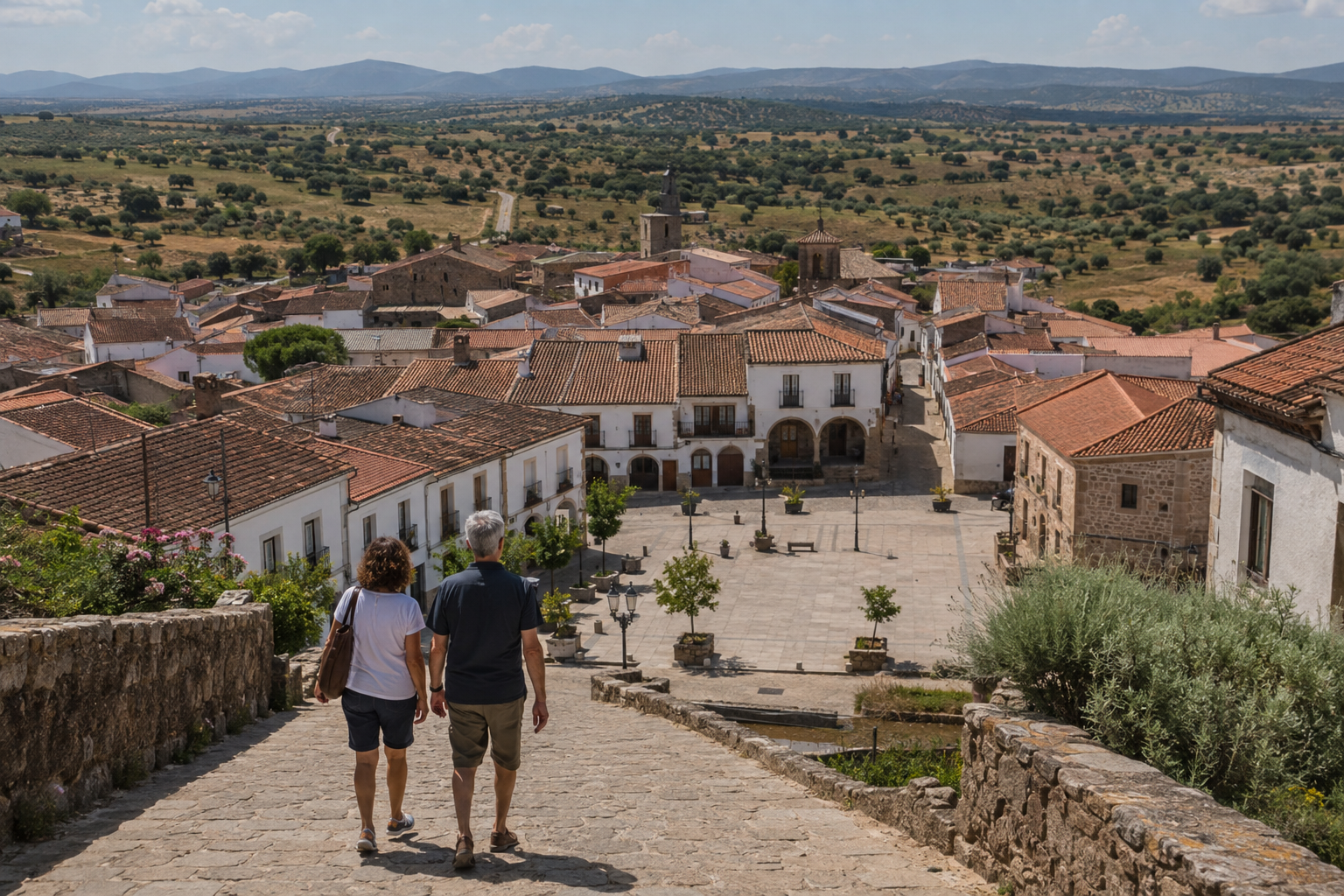
Finally, it is worth being honest about daily life in rural Extremadura, because the incentives lead to a very particular kind of existence that suits some people wonderfully and others not at all. The place should be chosen for itself, not just for the cash.
Life here is genuinely rural. In the small towns the grant favors, public transport is sparse and life is often car-dependent, and fibre can be patchier than in the cities, and English is far from widely spoken, so this is real, deep countryside living rather than a polished expat bubble. Those realities are the flip side of the peace, space and low costs that make the region so appealing. It is worth being clear-eyed about what daily life would actually feel like. Without a car, a village in Extremadura can be isolating, with a bus to the nearest town perhaps only once or twice a day. The nearest large supermarket, hospital, or airport may be an hour away. For someone who dreams of this kind of quiet, that is a feature, not a flaw. For someone who would miss the conveniences of a city, it can become a source of real frustration once the novelty fades.
It suits the committed, not the casual. Extremadura’s offer is a genuine gift for a remote worker who truly wants a quiet, affordable, rural Spanish life and can navigate the visa system and the rural practicalities, but a poor fit for anyone chasing easy money or expecting city comforts. As a final reminder, this article is a general overview and not financial, tax, or immigration advice, and I am not a financial advisor or immigration lawyer. Anyone genuinely considering this must confirm the current grant status, terms, and their own eligibility with official Extremadura and Spanish sources, and consult qualified professionals, before taking a single step.

About the Author: Ruben, co-founder of Gamintraveler.com since 2014, is a seasoned traveler from Spain who has explored over 100 countries since 2009. Known for his extensive travel adventures across South America, Europe, the US, Australia, New Zealand, Asia, and Africa, Ruben combines his passion for adventurous yet sustainable living with his love for cycling, highlighted by his remarkable 5-month bicycle journey from Spain to Norway. He currently resides in Spain, where he continues sharing his travel experiences with his partner, Rachel, and their son, Han.