
If you grew up anywhere in Spain, natillas is the taste of childhood in a small bowl. It is the soft, pale-yellow custard that always appeared on kitchen tables after a long lunch, a dusting of cinnamon on top and a single round biscuit floating like a raft. It is not a fancy dessert, and it is not trying to be, which is exactly why it is so beloved. Where an American might reach for a little pot of pudding, and a British cook might pour a warm jug of custard, a Spanish home makes natillas, a gentle stovetop custard of milk and egg yolks, perfumed with cinnamon and lemon, that is somehow greater than the sum of its humble parts. I make it whenever I want something comforting and quick, something that tastes of both home and childhood and yet asks almost nothing at all of me in return. If you have never made a proper custard from scratch, this is the one to start with, because it is nearly foolproof, endlessly comforting, and finished with a soft cookie resting on top.
What I love most about natillas is how unpretentious it is, a dessert that has been made in Spanish kitchens for centuries and never once tried to become something grander. It is the custard you make on an ordinary Tuesday, not the showpiece you might labor over for a dinner party, and yet done well it can quietly and happily hold its own against far fussier and more complicated sweets. Let me tell you what it actually is, how it differs from the desserts you might confuse it with, and exactly how to make a bowl of it yourself, cookie and all. You will need almost nothing you do not already have, and the whole thing comes together on the stovetop in a matter of minutes, with just one gentle moment of care to get right. By the end you will have a dessert that feels like a warm hug in a bowl, the kind of humble, homemade sweet that no restaurant version can ever quite match.
It Is Not Flan, and That Is the Point
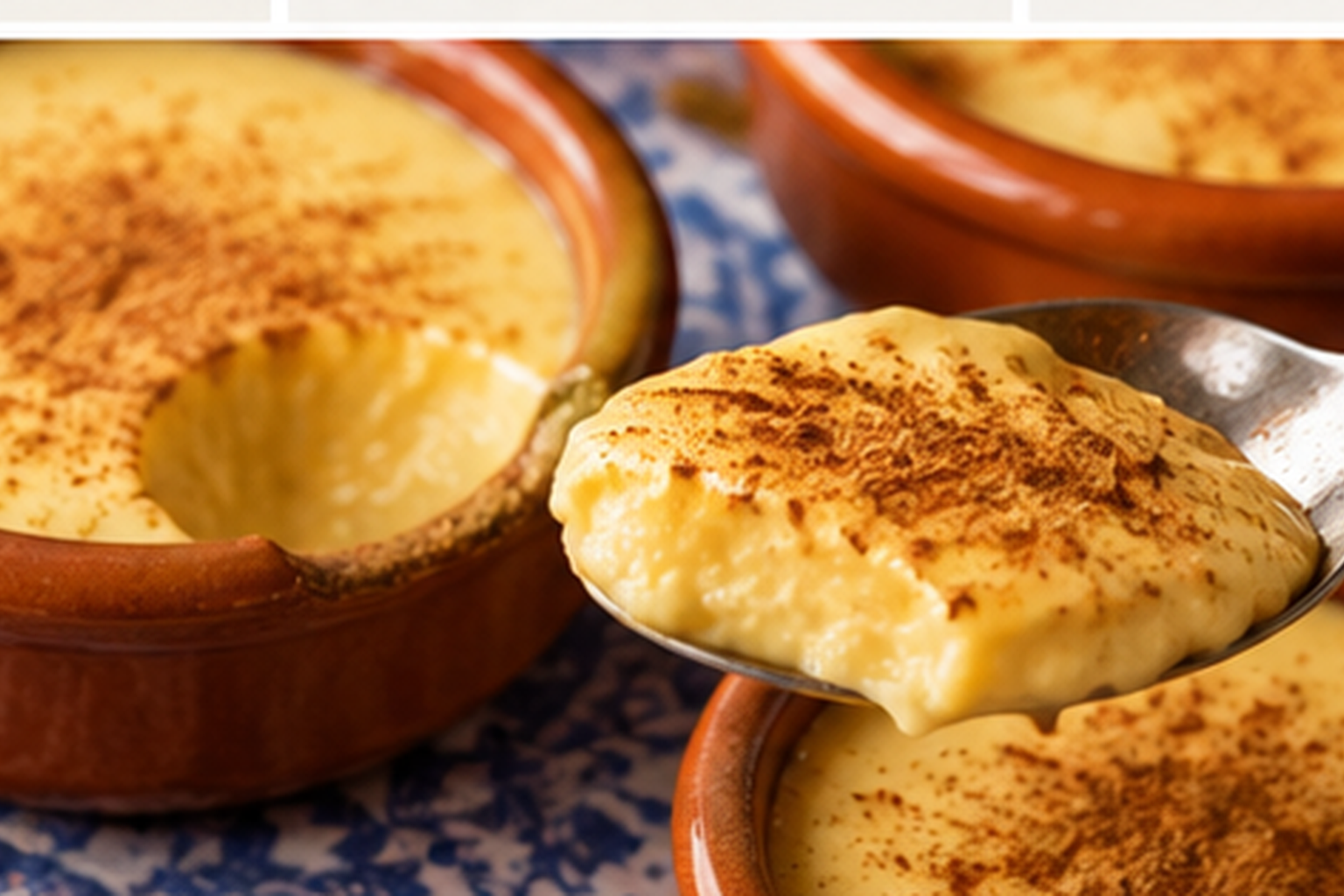
The first thing to understand about natillas is what it is not, because people so often confuse it with flan, and the difference is the whole character of the dish. These are cousins, not twins.
It stays soft and spoonable. Unlike flan, which is a firm, set custard you turn out of a mould in a wobbling dome, natillas is a soft, loose, pourable custard you eat straight from the bowl, so it never sets hard and never needs unmoulding. It is closer to a thick pouring cream than to a solid dessert, and that gentle, silky looseness is precisely its charm. When you tilt the bowl, it moves, slow and glossy, and when you draw a spoon through it, it folds back over itself like ribbon. That is exactly what you want. A natillas that stands stiff and firm has been overcooked or over-thickened, and has lost the very quality that makes it what it is, so aim always for softness over structure.
There is no caramel here. Flan comes drowned in a dark caramel sauce, but natillas has none of that, relying on the pure, simple flavors of milk, egg and warm spice, so it tastes cleaner and more delicate than its caramel-clad cousin. If you were expecting the burnt-sugar sweetness of flan, natillas will surprise you with its quiet, creamy restraint. I love flan too, but the two dishes ask for different moods. Flan is a bit of an occasion, turned out with a flourish and its glossy caramel pooling around it. Natillas is the opposite, an unshowy bowl of comfort you make for yourself and your family without a second thought. Once you understand that they are separate desserts with separate pleasures, you stop expecting one to behave like the other, and you enjoy natillas for exactly what it is.
Spain’s Answer to Pudding
For anyone from the English-speaking world, the easiest way to understand natillas is to place it in the family of desserts you already know, because it is essentially Spain’s version of a soft, homemade custard. It belongs to a beloved global tribe.
It is the custard you already love. Natillas sits in the same family as English custard and French crème anglaise, those soft pouring custards made from milk and egg yolks, and the differences between them come down mostly to thickness and flavoring, so if you love a creamy custard you already love natillas. What an American calls pudding and a Brit calls custard, a Spaniard makes as natillas. The names differ and the details wander a little from country to country, but the soul is the same, warm milk thickened with egg into something soft and sweet and soothing. If you have ever loved a bowl of homemade custard or pudding, you already know the pleasure this dessert offers, just dressed in Spanish clothes and crowned with its little biscuit.
It is an everyday treat. Crucially, natillas is not a special-occasion dessert but an everyday one, the kind of thing made in ordinary homes with ordinary ingredients on ordinary days, so it carries absolutely none of the intimidation of fancier, more elaborate sweets. This is comfort food in its purest form, humble, familiar and endlessly reassuring. In Spain you will find little pots of it in every supermarket, but the homemade version is a different thing entirely, warmer and more personal, with none of the gluey thickness of the shop-bought kind. Making your own takes barely any longer than a trip to the shop, and the difference in taste is enormous. That is the quiet argument this dessert makes, that some of the best things to eat are also among the simplest to prepare.
The Cookie on Top
No account of natillas would be complete without its most iconic and endearing feature, the little biscuit that traditionally crowns each bowl. This is the detail everyone remembers.
The María biscuit is the classic. Spanish homes almost always finish natillas with a galleta María, a lightly sweet, vanilla-flavored round biscuit that sits on top of the custard, softening slowly into it, so every childhood memory of the dessert includes that soggy, delicious cookie. It is such a fixture that for many Spaniards the biscuit and the custard are simply inseparable. Ask anyone who grew up here to picture natillas, and the image that comes will almost certainly include that pale round biscuit resting on top, its edges just beginning to soften. It is one of those small, specific details that carries a whole childhood in it, the kind of thing you do not realize is precious until you find yourself recreating it for the next generation.
It is charm and texture at once. Beyond nostalgia, the biscuit serves a real purpose, adding a gentle contrast to the silky custard and slowly absorbing its creaminess until it becomes a soft, sweet layer of its own, so it is as practical as it is charming. Some cooks tuck a biscuit at the bottom of the glass too, or dust only cinnamon on top, but for me the cookie on the surface is the true, beloved classic. I remember, as a child, the small race against time to eat the biscuit before it went completely soft, and then deciding I preferred it that way, half-dissolved and soaked through with custard. There is something wonderfully democratic about a dessert whose crowning glory is a plain, inexpensive little biscuit that everyone has in the cupboard. It asks for nothing special and delivers pure nostalgia.
The Flavors That Make It Sing
Though natillas is built from the plainest ingredients imaginable, its character comes entirely from the gentle flavorings infused into the milk, and getting these right is what separates a good natillas from a great one. The aromatics are everything.
Cinnamon and lemon lead the way. The milk is traditionally warmed with a stick of cinnamon and a strip of lemon peel, which infuse it with a warm, fragrant, faintly citrusy perfume that defines the whole dessert, so those two very simple additions truly do an enormous amount of the work. That marriage of cinnamon and lemon is the unmistakable scent of natillas.
Vanilla rounds it out. Many cooks also add a little vanilla to deepen and round the flavor, and a final dusting of ground cinnamon over the top ties everything together, so the finished dessert is gently aromatic rather than plainly sweet. These quiet flavorings are what lift a simple custard into something genuinely lovely. It always amazes me how much a single strip of lemon peel and a stick of cinnamon can do, turning plain warmed milk into something fragrant enough to fill the whole kitchen. This is the frugal magic of traditional cooking, the way a few humble aromatics, things most of us already have, transform the ordinary into something special. I never skip the infusion step, because it is the difference between a custard that merely tastes sweet and one that tastes of Spain.
The One Skill You Need
Natillas is famously easy, but there is a single moment that requires your attention, the gentle cooking of the eggs and milk into a custard without letting them curdle. Master this and the rest is effortless.
Low and slow is the golden rule. The whole secret is to cook it gently over low heat, stirring constantly, so the egg yolks thicken the milk into a silky custard rather than scrambling into unwanted lumps. Rushing it over high heat is the one sure way to ruin it, so patience here is everything.
Tempering keeps it smooth. Before combining, you stir a little warm milk into the yolks first to gently raise their temperature, which stops them from seizing when they meet the hot pan, so this small step is your insurance against curdling. Do that, keep the heat low, and stir without stopping, and you will be rewarded with a flawless, glossy custard every time. The moment the custard thickens is a small thrill, that instant when the thin milk suddenly turns velvety and coats the back of the spoon. Stay with it, keep stirring, and pull it off the heat the second it reaches that point, because a custard left too long can still turn grainy. It is the only real attention the recipe asks of you, a few watchful minutes at the stove, and it is easily given once you know what you are waiting for.
It Will Not Set, and It Should Not
One thing worth knowing before you make natillas is that it behaves differently from a baked custard, and understanding this saves any disappointment when it does not firm up like a flan. Softness is the goal, not a flaw.
Expect a soft, creamy finish. Even after chilling in the fridge, natillas remains soft and spoonable rather than firm and sliceable, because it is a stirred custard and not a baked, set one, so you should serve it in bowls or glasses and eat it with a spoon. If yours does not set solid, nothing has gone wrong, that is simply how it is meant to be.
Serve it in little glasses. Because it stays loose, natillas is best served in individual ramekins, cups, or pretty glasses, chilled until cool and topped with its biscuit and cinnamon just before serving, so each person gets their own perfect little pot. Some enjoy it slightly warm, but I love it cold from the fridge on a hot day. There is a real pleasure in reaching into the fridge and finding a little pot of chilled natillas waiting, its surface set just enough to hold its biscuit, the cinnamon fragrant as you lift the spoon. Chilling also lets the flavors settle and deepen, so if you can make it a few hours ahead, or even the night before, you will be glad you did. It is one of those rare desserts that is arguably better for a little patience.
Why I Keep Coming Back to It
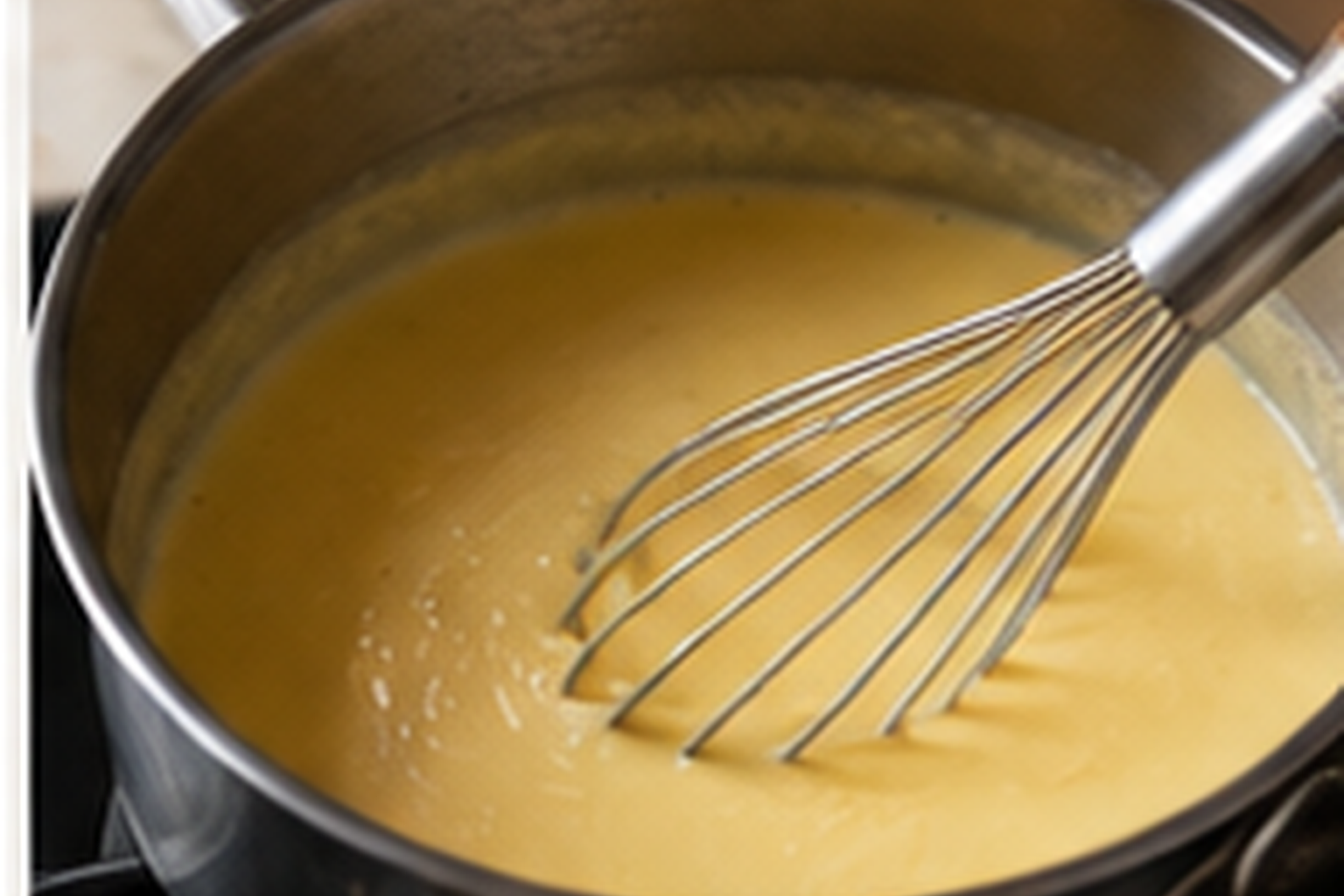
For all the elaborate desserts in the world, natillas endures because it offers something they often cannot, pure comfort with almost no effort, and a direct line to the warmth of a Spanish home. It is a small dish with a big heart.
It asks so little and gives so much. With a handful of everyday ingredients and fifteen minutes at the stove, you can produce a dessert that tastes of care and tradition, so it delivers a wonderful return for very little work. This is the kind of recipe that becomes a regular in your kitchen precisely because it is so easy to reach for. There is no special equipment, no oven to preheat, no water bath to fuss over, just a pan, a whisk, and a little attention. Once you have made it a couple of times, you will find you no longer need the recipe at all, and it becomes one of those things you can throw together on a whim when the mood for something sweet and comforting strikes. That effortless familiarity is exactly what a good everyday dessert should offer.
It tastes like belonging. More than its flavor, natillas carries a feeling, the cozy, unhurried comfort of a homemade sweet shared at the family table, so making it is a way of bringing a little of that warmth into your own home. That, in the end, is why I keep making it, because a bowl of natillas is a small, spoonable piece of happiness. It is not the dessert I would make to impress a food critic, but it is the one I would make to comfort someone I love, and to my mind that is the higher calling. Food like this does not need to be clever or new. It needs only to taste of home and care, and natillas does both, in the humblest and most reliable way, bowl after bowl, generation after generation.
Natillas Recipe
Ingredients
Whole milk, 500 millilitres (about two cups)
Egg yolks, five
Sugar, 4 tablespoons
Cornstarch, 1 tablespoon
Cinnamon stick, one
Lemon, peel of half, in a wide strip
Vanilla extract, half a teaspoon (optional)
María biscuits, four (one per serving)
Ground cinnamon, for dusting
Method
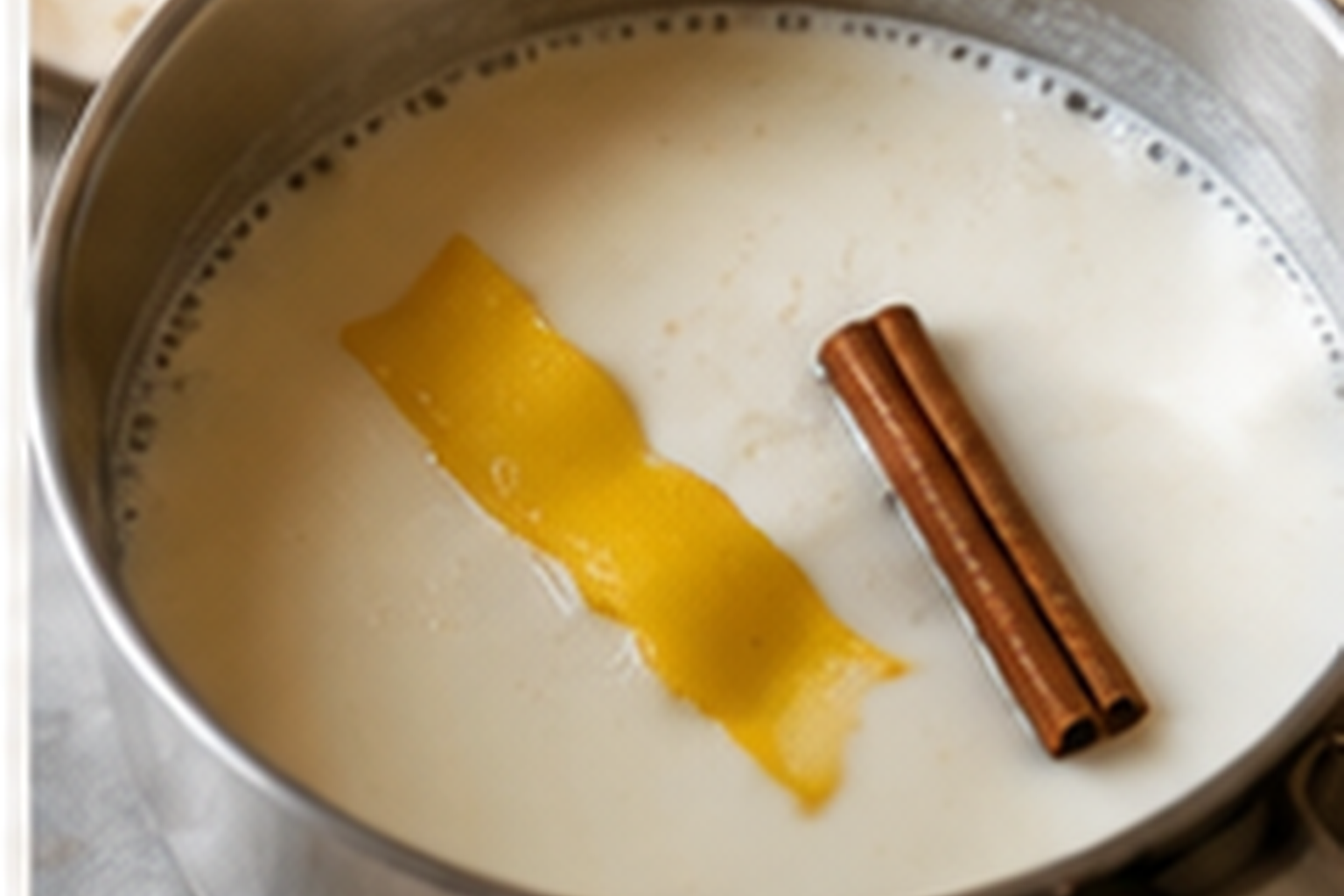
Set aside a few spoonfuls of the milk. Pour the rest into a saucepan with the cinnamon stick and the strip of lemon peel, and warm gently until it almost reaches a boil. Take it off the heat and let it infuse for about ten minutes, then remove the cinnamon stick and lemon peel.
Dissolve the cornstarch in the reserved cold milk, stirring until smooth with no lumps.
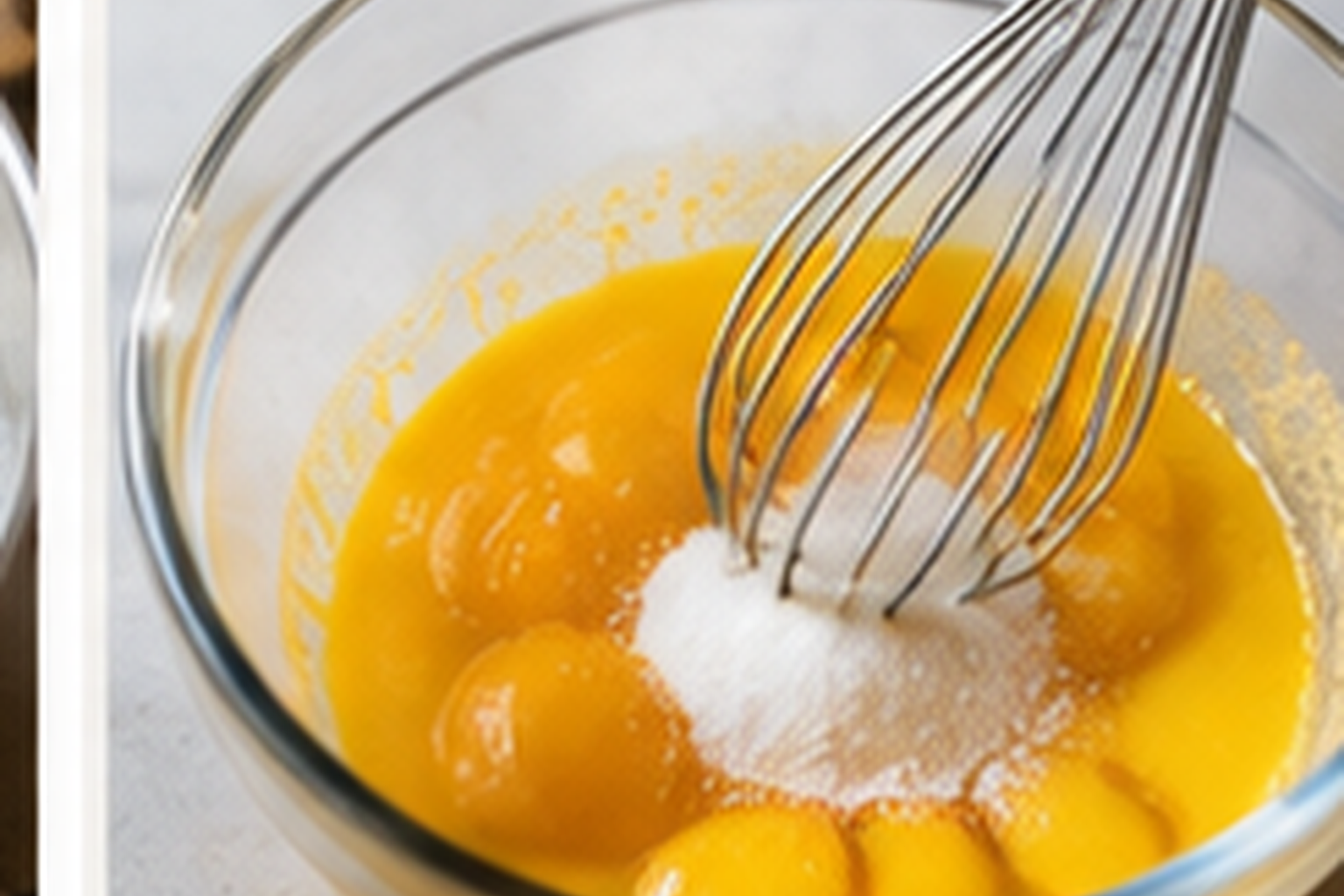
In a bowl, beat the egg yolks with the sugar until pale and creamy, then stir in the cornstarch mixture and the vanilla if using.
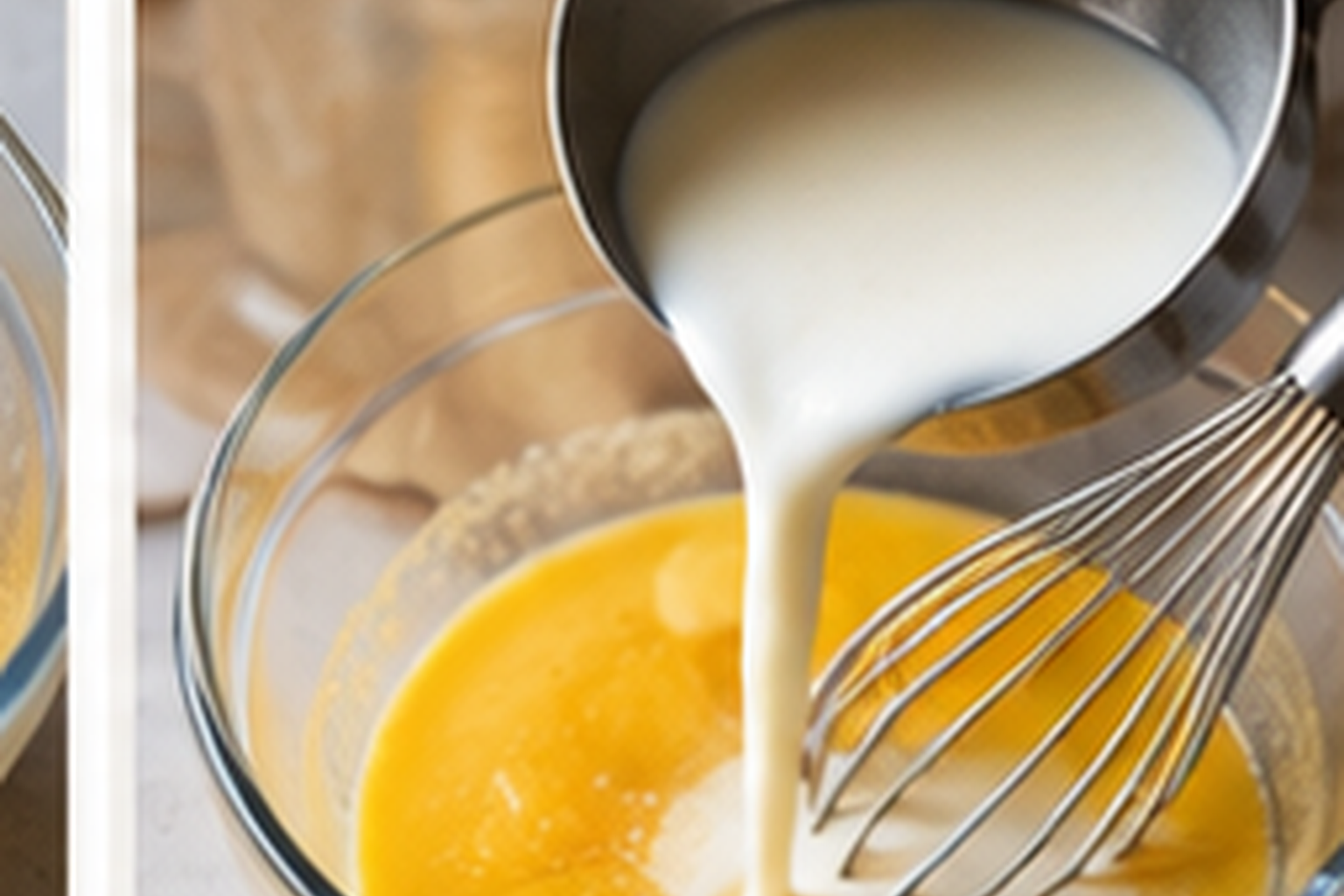
Slowly pour a ladle of the warm infused milk into the yolk mixture, whisking constantly to temper the eggs and bring them up to temperature.
Pour the tempered egg mixture back into the saucepan with the rest of the milk. Cook over low heat, stirring constantly, until the custard thickens enough to coat the back of a spoon, about seven to ten minutes. Do not let it boil.
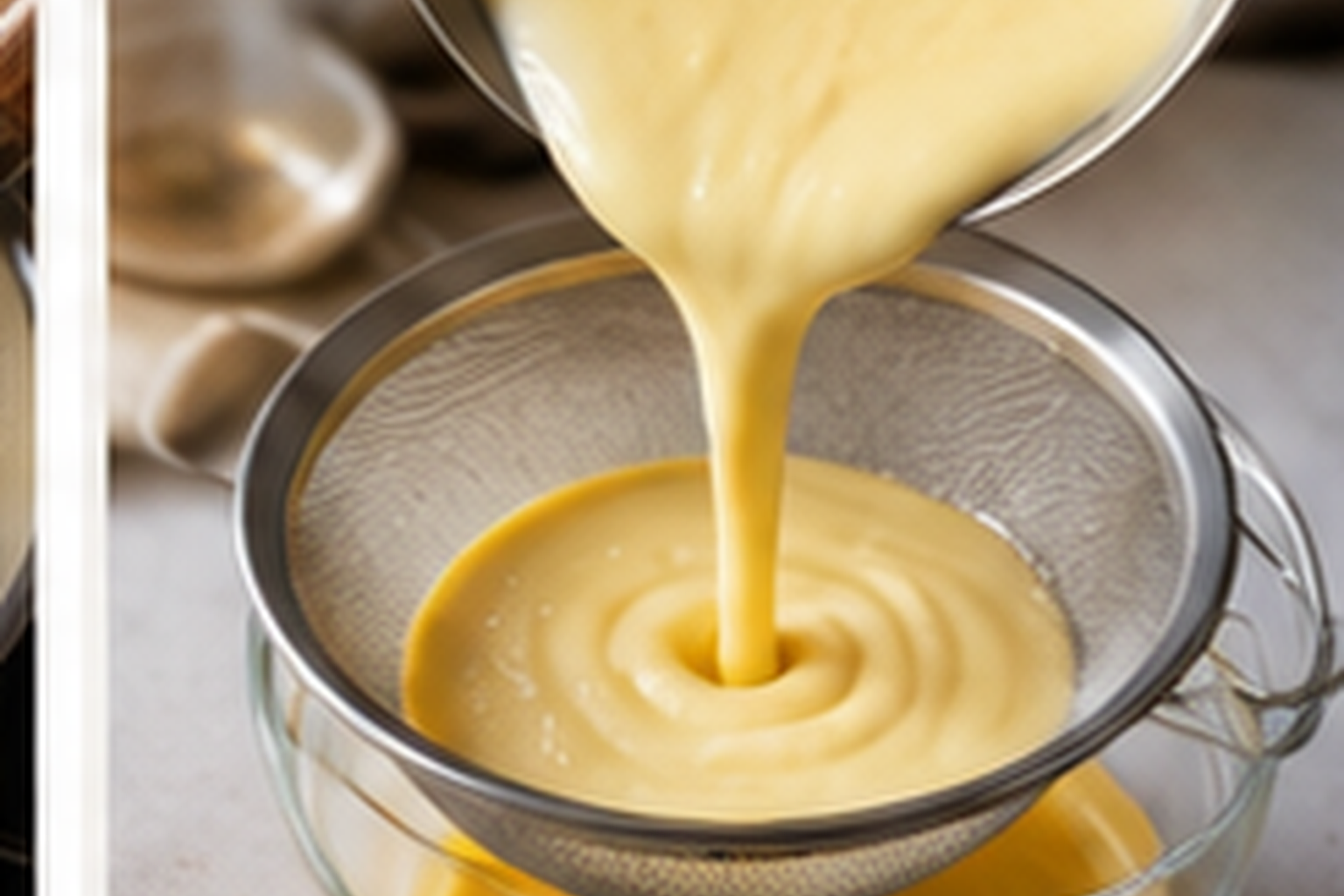
Pour the natillas into individual bowls or glasses and let them cool, then chill in the fridge for a couple of hours.
Just before serving, top each one with a María biscuit and a dusting of ground cinnamon.

About the Author: Ruben, co-founder of Gamintraveler.com since 2014, is a seasoned traveler from Spain who has explored over 100 countries since 2009. Known for his extensive travel adventures across South America, Europe, the US, Australia, New Zealand, Asia, and Africa, Ruben combines his passion for adventurous yet sustainable living with his love for cycling, highlighted by his remarkable 5-month bicycle journey from Spain to Norway. He currently resides in Spain, where he continues sharing his travel experiences with his partner, Rachel, and their son, Han.