
In August, Spain splits in two. The great cities, Madrid above all, drain of their people and fall strangely quiet, shops shuttered and streets hushed, while the coast swells to bursting as half the country and much of Europe descends on the beaches at once. It is as if the nation empties out of one Spain and pours into another, and the two could hardly feel more different. To understand August in Spain, you have to understand that there are really two Augusts happening at the same time, and that the locals have long since learned to plan around both.
For a visitor, this split is the single most important fact about traveling in Spain in August, and it catches the unprepared off guard in both directions. Arrive in a great city expecting its full bustle and you find a shuttered, sleepy version of itself. Arrive at the coast expecting a quiet beach and you find the whole of Spain already there. Neither is a problem once you understand it, but both are a shock if you do not, and the Spanish themselves navigate the whole thing with a practiced ease worth learning from.
Here is what happens to Spain in August, why the cities empty and the coasts overflow, and how locals plan their way through a month that turns the country into two places at once. This is general travel and cultural information rather than a rigid rule, since the patterns vary by city and year, but the fundamental split is real and reliable, and knowing it changes how you plan a Spanish summer entirely.
The Great August Emptying of the Cities
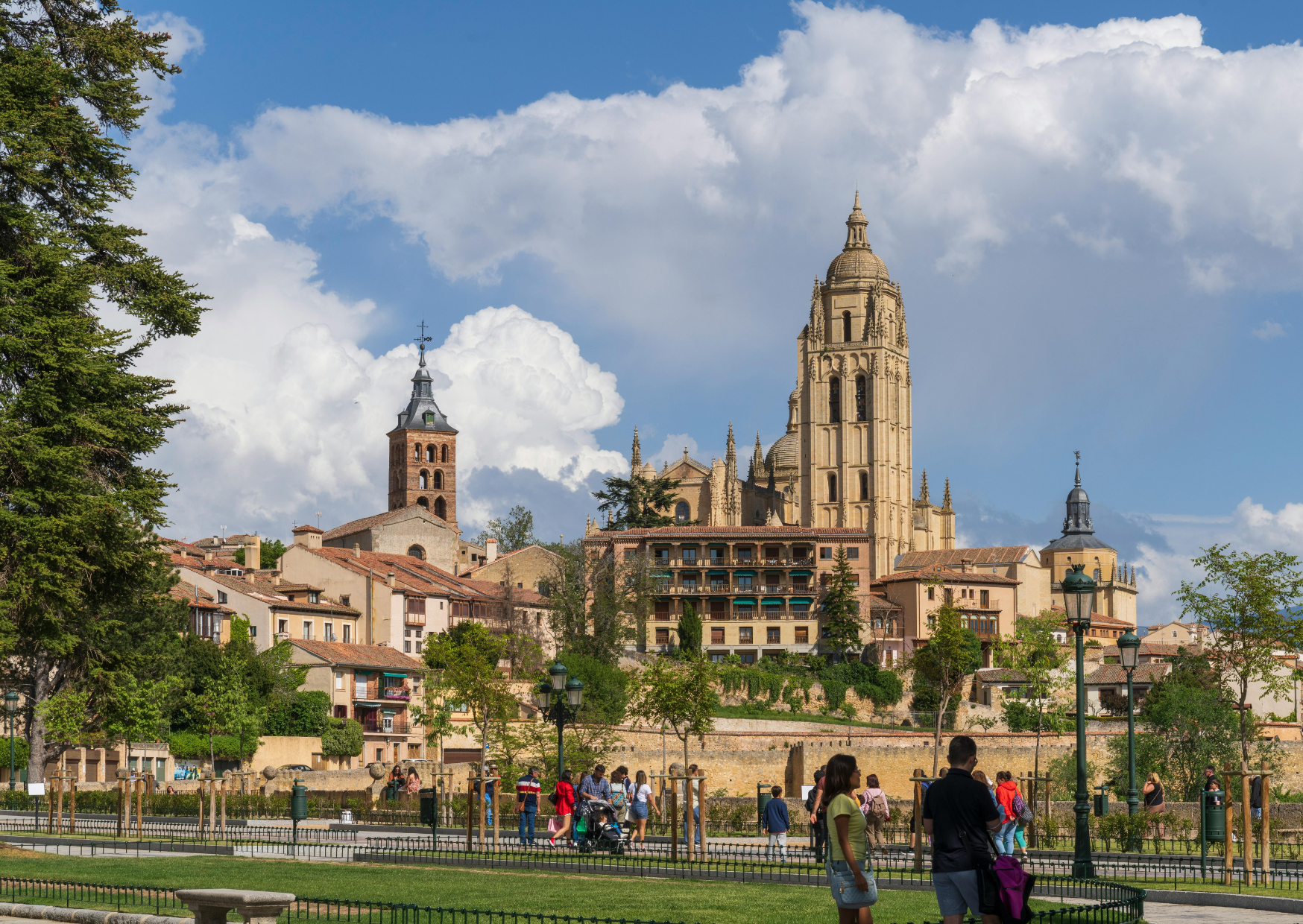
Start with the cities, because their transformation is the more surprising half of the story. In August, and above all around the middle of the month, Spain’s big inland cities empty out as their residents leave on holiday, and the effect on a place like Madrid is dramatic. The capital, normally one of the most energetic cities in Europe, grows quiet, its streets thinner, its pace slowed, a hush settling over neighborhoods that hum the rest of the year.
The visible sign of it is everywhere, in the shuttered storefronts. Across the residential districts, small shops, bars, restaurants and businesses close for the holidays, many hanging a cerrado por vacaciones sign that announces they are shut for a week, two weeks, or the whole month. The neighborhood bakery, the family restaurant, the corner bar, the little shops that give a Madrid street its life all go dark at once, and the district takes on a shuttered, holiday stillness.
This is a real and sometimes disorienting phenomenon for a visitor. A traveler who pictured Madrid at full tilt can find, in mid-August, a city running at half speed, with a noticeable share of its ordinary life closed up and gone to the coast. It is not that the city shuts entirely, but that its everyday local fabric thins out markedly, and understanding this before you arrive is the difference between disappointment and delight. The scale of it surprises people because it has no real equivalent elsewhere. Cities in most countries thin out a little in summer, but they do not empty, whereas a Spanish capital in mid-August plainly loses a large share of its working population to the coast and the pueblo all at once. It is not a gentle seasonal lull but a near-total departure, and the visitor who expected merely a quieter city finds instead one that has substantially closed up and gone away.
Why Everyone Leaves at Once
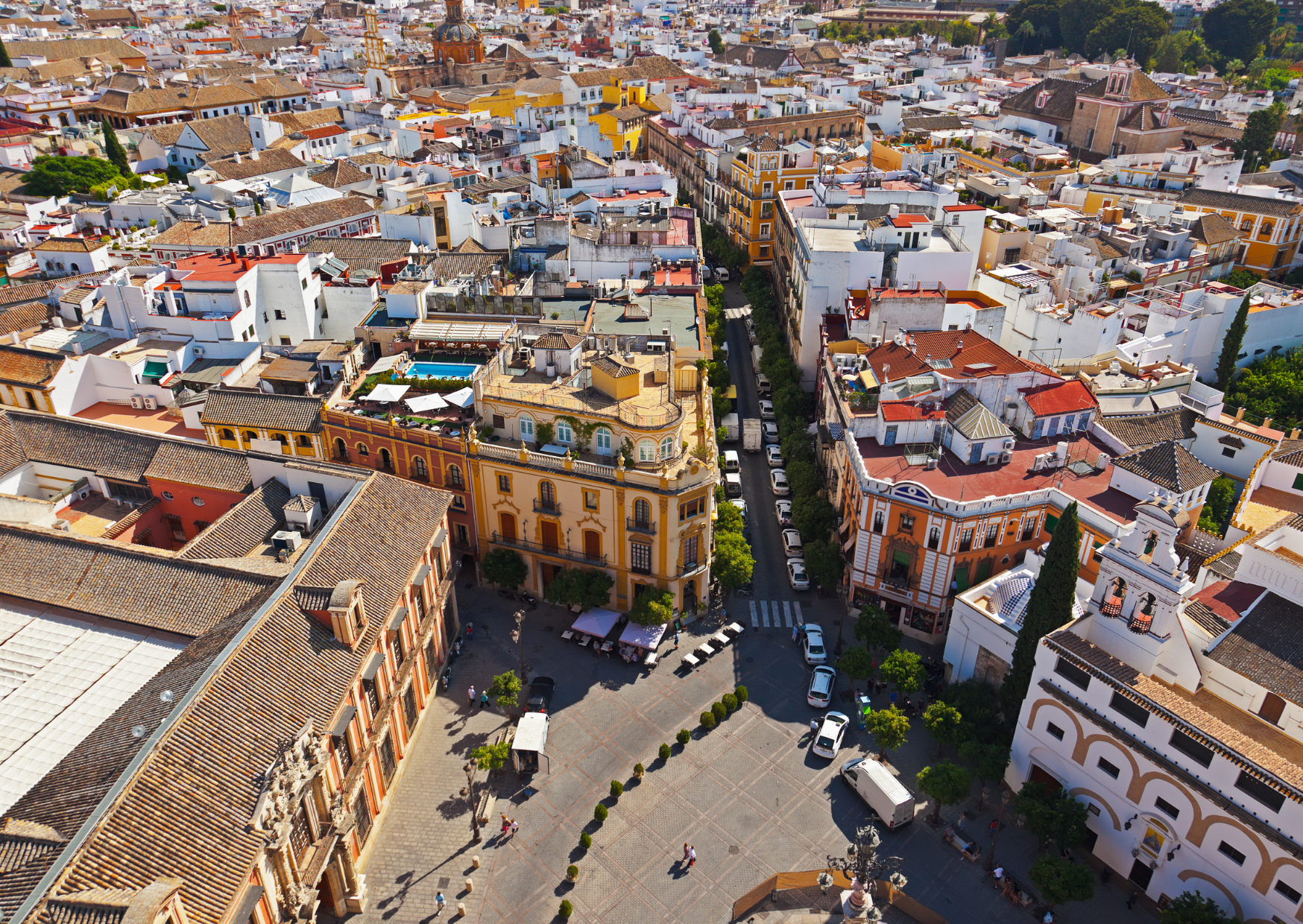
The reason for this synchronized exodus is partly cultural and partly climatic, and both parts matter. The climatic half is simple and powerful, which is that the inland Spanish cities are brutally hot in August. Madrid and the interior bake under a fierce, dry summer heat that can make the city truly uncomfortable, and for centuries the natural response has been to flee it for the cooler air of the coast or the mountains.
The cultural half is the Spanish approach to the summer holiday. August is the traditional vacation month, when a great many Spaniards take their main annual break all at once, so that the holiday is not staggered across the summer but concentrated heavily in a single month. When an entire nation takes its vacation in the same weeks, the cities it leaves behind empty in unison and the places it goes to fill in unison, which is exactly what produces the two-Spain effect.
There is a deep logic to it that rewards understanding. The heat pushes people out of the interior, the shared holiday calendar sends them all at the same time, and the coast pulls them toward the sea, so the whole country tilts, in August, from the hot inland cities toward the cool coastal edges. This is not a random scattering of holidaymakers but a great, patterned, annual migration, and it reshapes the entire map of where Spanish life is happening. There is a village dimension to this that outsiders often miss, because not everyone heads to a resort. Many Spaniards return in August to the pueblo, the ancestral town or village their family comes from, so the exodus is not only city-to-beach but city-to-roots, with inland villages that are half-empty most of the year suddenly full of returning families, fiestas and life. The month redistributes the whole population according to an old geography of belonging.
The Coast That Doubles Overnight
Now the other Spain, the coast, which undergoes the opposite transformation. As the cities empty, the coastal towns and resorts swell enormously, their populations multiplying as the inland exodus arrives and merges with the flood of foreign tourists already there. A quiet seaside town of the off-season can become, in August, a heaving, crowded, vibrant resort several times its normal size, alive late into the night.
The scale of the swelling is hard to overstate. Popular coastal areas can see their effective population multiply many times over in August, the beaches packed, the promenades thronged, the restaurants full, the traffic heavy, the whole apparatus of the coast running at maximum capacity. Where the August city is a place drained of life, the August coast is a place with almost too much of it, crackling with the energy of a whole nation on holiday at once.
This is the Spain that most foreign visitors picture, and in August it is real and it is intense. The coastal resorts are at their liveliest, their most social and their most expensive, packed with Spanish families on their annual break alongside the international crowd, the beaches full from morning to night and the towns buzzing until the small hours. It is wonderful if crowds and energy are what you want, and overwhelming if they are not, and either way it is the polar opposite of the hushed inland city a few hours away. The prices tell the story as plainly as the crowds. Coastal accommodation in August commands the highest rates of the year, often several times the off-season figure, and the same room that is cheap and available in October is expensive and booked solid in August, because demand from the entire converging nation collides with a fixed supply of beds. The coast in August is not only Spain’s most crowded place but its most costly one, and the two facts are the same fact.
The Two Augusts, Side by Side

Hold the two pictures together and the strangeness of Spanish August comes clear, because they are happening simultaneously in the same country. In the same weeks, Madrid is quiet and Marbella is mobbed, the inland streets hushed and the coastal promenades heaving, one Spain shuttered and resting while the other runs at full, crowded tilt. The nation is, for a month, two entirely different places depending on where you stand.
This split scrambles the usual assumptions about where to find what. The traveler seeking peace and quiet will find it, surprisingly, in the great cities that are normally the busiest places in the country, while the traveler seeking buzz and beach life will find it, predictably, on a coast that is more crowded than at any other time of year. August inverts the ordinary geography of Spanish energy, sending the quiet inland and the crowds to the shore.
For the visitor, this is the crucial strategic insight, and it is quietly useful. If you want a peaceful, uncrowded experience of a Spanish city, with its great sights and none of the usual throng of residents, August is paradoxically one of the best times to have it. If you want the full, crowded, joyful chaos of the Spanish beach in high season, August is the peak. What you cannot do is expect either place to be its normal self, because in August neither one is.
How the Locals Plan Both
The Spanish, having lived this split their whole lives, navigate it with a practiced wisdom that a visitor can learn from directly. Most fundamentally, they plan their own August around the pattern rather than against it, taking their holiday when the country takes its, heading for the coast or the mountains or the village in the great August migration and simply accepting that this is when Spain rests and plays. They do not fight the rhythm. They move with it.
Those who stay in the cities have their own quiet wisdom too. The Spaniard who remains in Madrid in August knows how to live in the emptied city, keeping to the cool of the early morning and the late evening, sheltering from the midday heat behind lowered blinds, and enjoying a capital that is, for once, calm and unhurried and free of its usual crush. For some, the quiet August city is a pleasure in itself, a chance to have a great place almost to oneself. A small warning belongs here for the city-stayer, though, which is the heat. The same fierce interior summer that drove everyone to the coast does not spare those who remain, and a Madrid in August can be punishingly hot, which is precisely why the local rhythm bends so hard toward the cool hours and the shuttered afternoon. The quiet city is a gift, but it is a hot one, and enjoying it means living by the sun the way the remaining locals do.
The deeper lesson in how locals handle it is to know which Spain you want and to plan accordingly. The Spanish understand that August offers two distinct experiences, the emptied city and the packed coast, and they choose deliberately between them rather than stumbling into the wrong one by accident. A visitor who does the same, deciding in advance whether they are after coastal buzz or inland calm and booking accordingly, will find August in Spain a delight rather than a confusion.
Getting the Timing and the Place Right
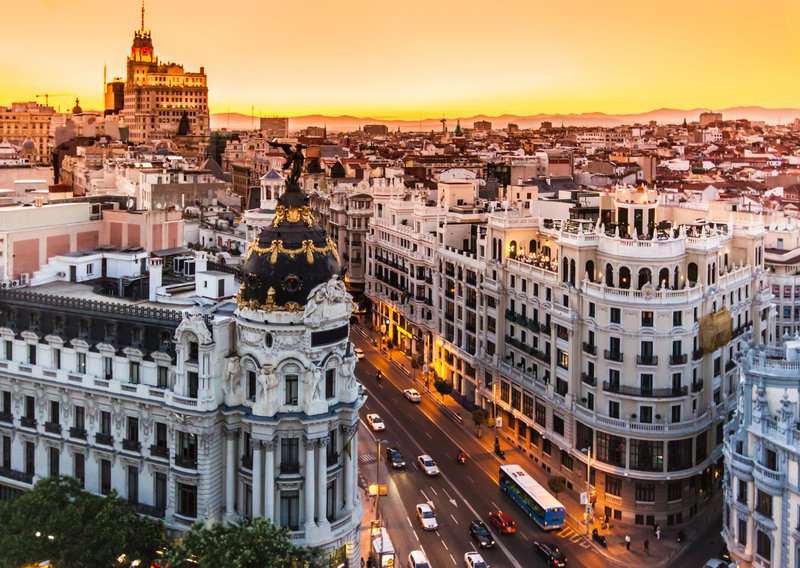
For anyone planning a Spanish August, a few practical truths follow from all this, and they save a great deal of trouble. The most important is to match your destination to what you actually want, understanding that the coast means crowds, energy and high prices while the cities mean quiet and calm and closures, so that you choose the one that fits your trip rather than expecting a place to be something it will not be that month.
Booking and timing matter enormously in the coastal half. Because the whole country and much of Europe converge on the Spanish coast in August, accommodation, restaurants and travel to the popular resorts should be booked well in advance, and prices are at their annual peak, so a coastal August rewards planning and punishes the last-minute. The middle of the month, around the fifteenth, is the absolute peak of the crush and the moment the split is most extreme.
In the emptied cities, the practical notes are gentler but still real. Expect a share of the local shops and restaurants to be closed for the holidays, so check that specific places you care about are open, lean on the larger establishments and tourist-facing businesses that stay running, and embrace the quiet rather than lamenting it. The great museums and monuments generally stay open, so a cultural city break in August can be superb, just quieter and hotter than at other times.
Two Countries, One Month
The thing to carry away is that August in Spain is not one experience but two, and that the whole art of a Spanish August lies in knowing which one you are choosing. The country truly divides for a month into the emptied, resting, shuttered interior and the crowded, buzzing, sun-drunk coast, and these are so different that arriving in one expecting the other is the surest way to be disappointed. Choose deliberately, and either can be wonderful.
The Spanish have understood this for generations and built their summer around it, flowing from the hot cities to the cool coast in a great annual migration and knowing exactly what each place will be like when they get there. A visitor who borrows that understanding, who grasps that the cities empty and the coasts double and plans for the one they want, steps into August in Spain with the same easy confidence the locals have, rather than colliding with a country that has quietly become two.
So when you plan a Spanish August, decide first which Spain you are after. If it is the beach in full high-season glory, book early, brace for crowds and prices, and dive into the joyful chaos of the coast. If it is calm, culture and a great city with its guard down, head inland to a capital enjoying its rare and lovely quiet. Both are Spain in August, and both are real, and the only mistake is to arrive not knowing that the country has split in two, with the coast doubled and the cities emptied, exactly as it does every year, exactly as the locals always knew it would. Plan for the Spain you want, and August will give it to you. Plan for the wrong one, and it will hand you the other.

About the Author: Ruben, co-founder of Gamintraveler.com since 2014, is a seasoned traveler from Spain who has explored over 100 countries since 2009. Known for his extensive travel adventures across South America, Europe, the US, Australia, New Zealand, Asia, and Africa, Ruben combines his passion for adventurous yet sustainable living with his love for cycling, highlighted by his remarkable 5-month bicycle journey from Spain to Norway. He currently resides in Spain, where he continues sharing his travel experiences with his partner, Rachel, and their son, Han.