
By the first week of August, our part of Spain goes quiet in a way that has nothing to do with holidays and everything to do with survival. The shutters come down before noon. The streets empty between two and six. Anyone who can leave has left, usually for the coast or for the cool green strip along the northern sea, because the interior in high summer is not somewhere you spend time so much as somewhere you endure.
This is the thing almost no American visitor knows when they book a July trip to Spain. The Spain on the postcards, the sun-baked white villages, the Andalusian courtyards, the endless hard light, is the exact Spain you do not want to be standing in during a heat wave. The locals know it. They go north. Most visitors do the opposite, and spend their holiday wilting in a furnace, wondering why everyone told them this was paradise.
The fix is simple once you understand the country is not one climate but two, sitting at opposite ends of it.
The Map Americans Have In Their Heads Is Wrong
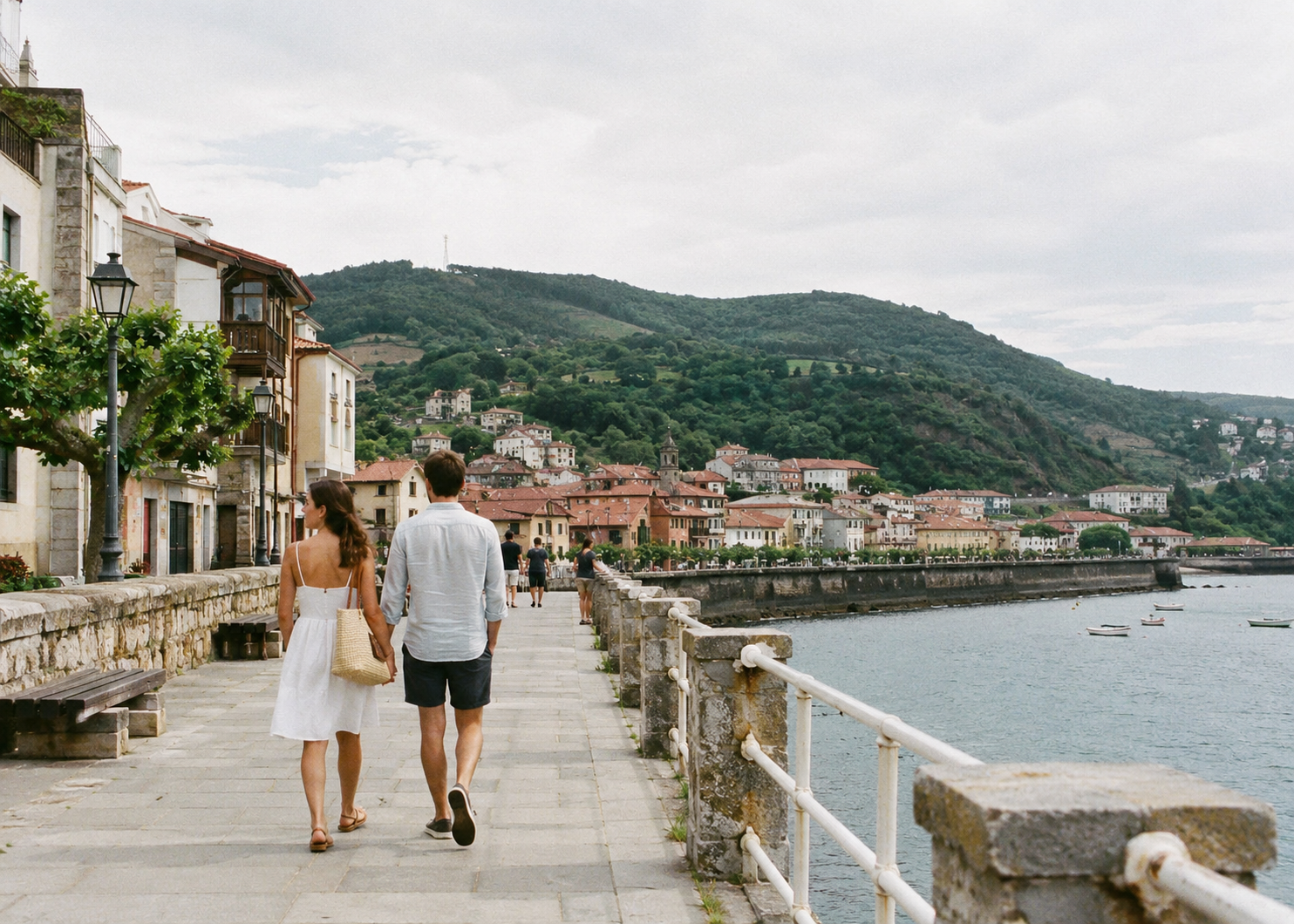
Most Americans picture Spain as a single thing: hot, dry, southern, Mediterranean. Seville and Granada, the Costa del Sol, a cold drink in relentless sun. That picture is real, but it is only half the country, and in summer it is the wrong half.
There is another Spain that barely makes the brochures. The entire north coast is green, wet, mild, and Atlantic, far closer in feel to Ireland or the Pacific Northwest than to anything you imagine when you think of Spain. They call it España Verde, Green Spain, and it runs from the Basque Country in the east through Cantabria and Asturias and into Galicia in the far northwest.
In July, while the south bakes, the north sits in the low to mid twenties Celsius, which is the seventies in Fahrenheit. Green hills running down to the sea, cool mornings, a bit of mist, the occasional soft rain. It is one of the most pleasant summer climates anywhere in Europe, and most people who travel to Spain have no idea it is even there.
The geography behind it is straightforward. A spine of mountains runs across the top of the country and walls the northern coast off from the hot, dry interior. The Atlantic keeps that coast cool and damp. The rest of Spain, the great central plateau and the southern valleys, has nothing to temper the summer sun, and it shows.
What Summer Actually Does To The South

Let me be specific about the heat, because the word “hot” does not begin to carry it. Seville and Córdoba are among the hottest cities in all of Europe. Through July and August they routinely sit at 40°C, which is 104°F, and they regularly climb past it. Córdoba has recorded temperatures close to 46°C, around 115°F.
This is not the dry-heat-but-comfortable situation people reassure themselves with. It is a furnace. The great inland Andalusian cities, the ones with the monuments everyone travels to see, the Alhambra in Granada, the Mezquita in Córdoba, the vast cathedral of Seville, sit in valleys that trap the heat and hold it deep into the night, so that even after dark the stone is still warm.
The cities respond the only sensible way, by shutting down. Through the worst of the afternoon the south goes still. Shops close. Plazas empty. The famous sights become punishing to walk between under a midday sun that feels less like weather and more like a physical weight on your shoulders.
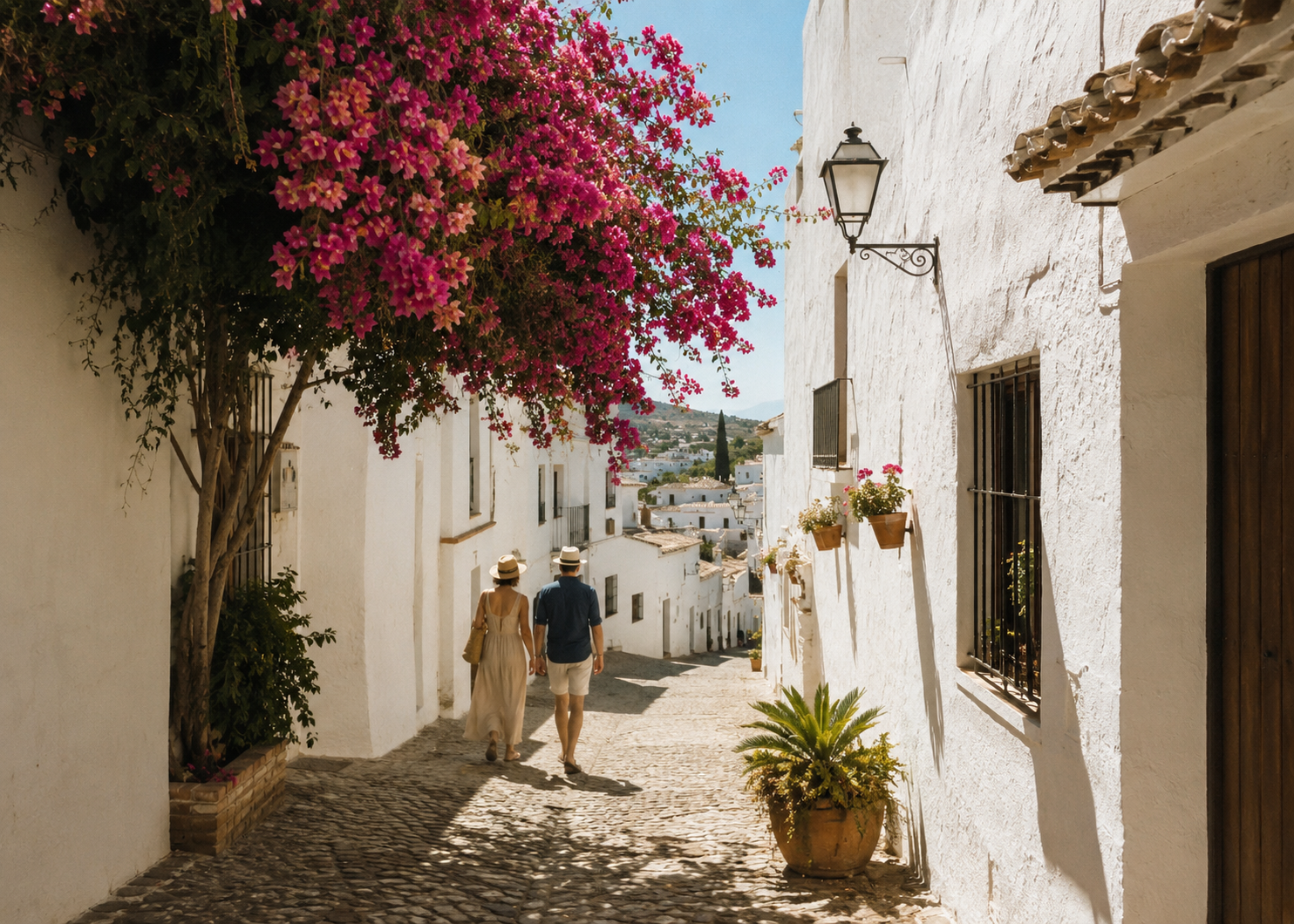
None of this means the south is bad. It means the south in August is working against you. The Andalucía that earns its reputation, the courtyards and the orange trees and the slow golden evenings, is the Andalucía of April, May, late September, and October. In high summer you are mostly hunting for shade and counting the hours until the sun drops.
The Middle Of The Country Is No Escape Either
The north-versus-south framing leaves out the part of Spain we actually live in, the great central plateau, and it earns a warning of its own. Madrid and the interior are not some mild compromise between the two coasts. In summer they are as punishing as the south, just without the sea to soften it.
Madrid regularly hits 40°C in July and August, and the city is famous for emptying out in the month, when much of it decamps to the coast or the mountains and whole streets go quiet and shuttered. The smaller interior towns that travelers pass through between the big sights bake the same way, with even less to duck into.
So if your route runs through the middle of the country, treat the central cities exactly as you treat the south. They are glorious in spring and autumn and brutal in high summer. Madrid in October is one of the finest cities in Europe. Madrid on a mid-August afternoon is a place you mostly want to be indoors.
The North Is The Secret
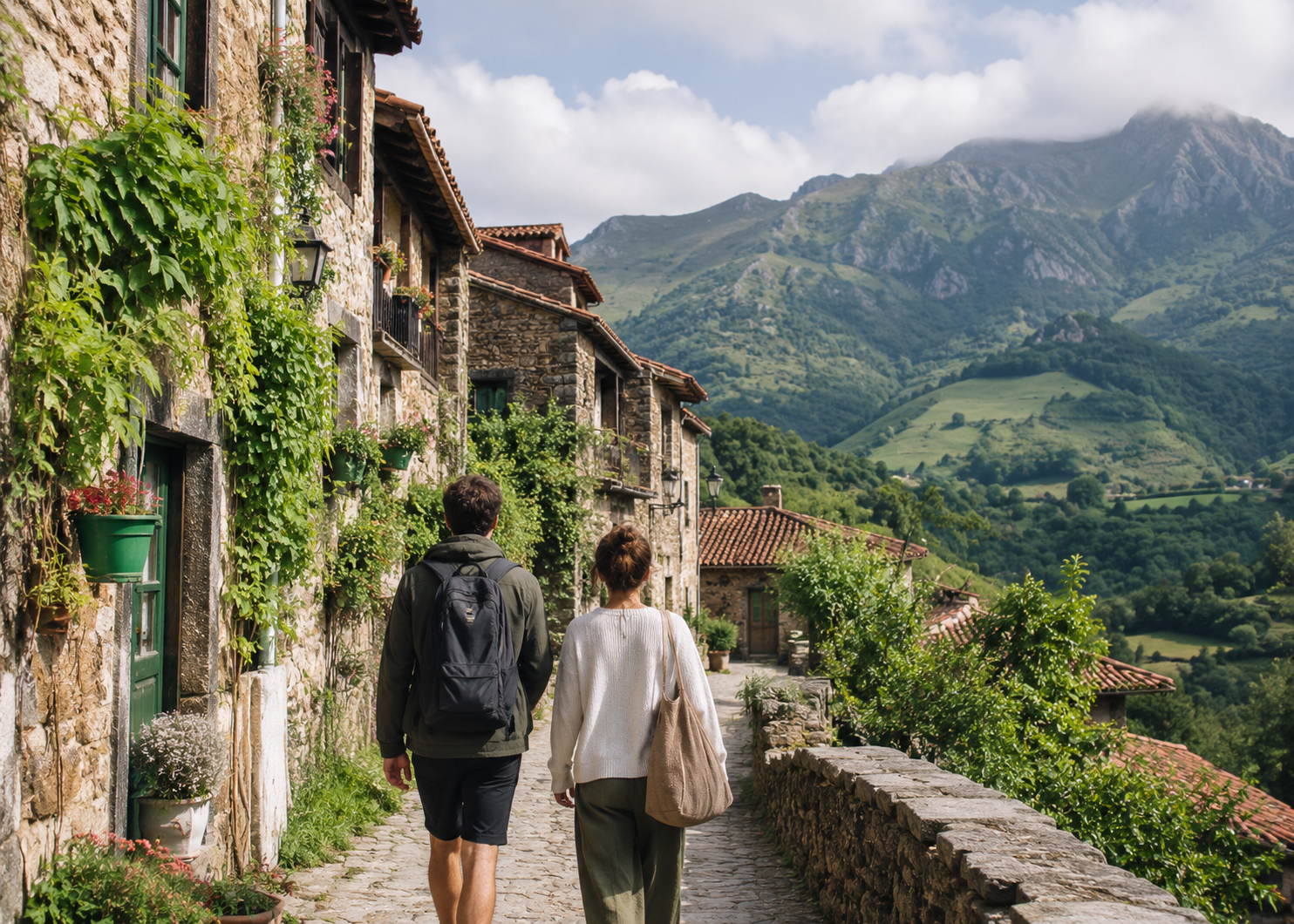
Here is the part the brochures bury. In the very months the south is unbearable, the north is close to perfect.
Picture a city beach where the water is bracing rather than bathwater, backed by green headlands, the air in the mid twenties, the light stretching long and soft into a cool evening. That is San Sebastián in July. Up and down the northern coast the story repeats, a green, walkable, comfortable summer that feels nothing like the Spain of the imagination and is, for a great many of the year’s hottest weeks, plainly the better one.
The north has one weather catch that honesty demands I name. It can rain, and the sky can sit grey for a day or two even in August. That is the price of all that green. But trading the odd grey morning for relief from 43°C is a deal most people take gladly the moment they understand what the alternative actually feels like.
There is also a different rhythm to the place. The north is less about lying still and roasting and more about doing things, walking the coast paths, eating slowly, ducking into the mountains, swimming in cold clean water and warming up afterward. It suits travelers who want a holiday with some movement in it rather than a heat-induced collapse by a pool.
The water is part of the appeal and part of the shock. This is the Atlantic and the Cantabrian Sea, not the warm Mediterranean, so it stays cold and clean and a little wild, which is exactly why the north coast is Spain’s surfing country. Towns across the Basque Country and Cantabria have a real board culture, and the same cold water that makes you gasp on the way in is what keeps the beaches feeling fresh in the worst of August.
The Crowds Move With The Heat
Here is something that catches Americans off guard. August is when Spain itself goes on holiday. The whole country more or less downs tools, and Spanish families pour out of the hot interior toward the same cool northern coast I have been praising.
That has a practical edge. The north in August is no secret to the Spanish, and it books up. San Sebastián, the Cantabrian beaches, the good seafood towns of Galicia all fill with domestic holidaymakers, and if you arrive without a reservation you may struggle to find a bed. Plan the northern trip a few months out and you are fine. Improvise it in late July and you can spend your days driving to the next town hoping for a room.
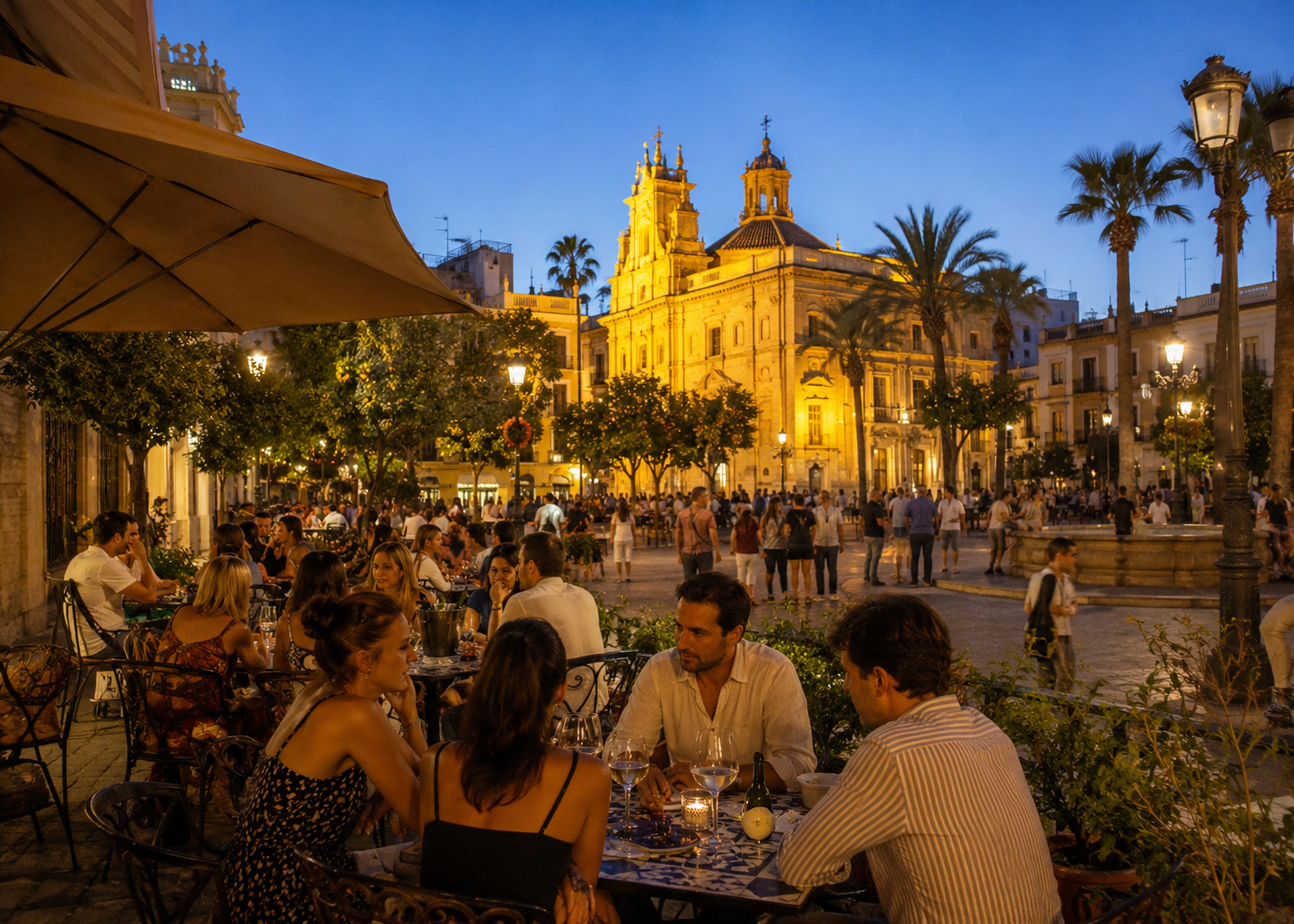
The south tells the opposite story, split in two. The coastal resorts of the Costa del Sol jam with tourists and the prices climb hard. The great inland cities, meanwhile, partly empty, locals gone to the coast and a fair number of restaurants and small shops simply closed for the month. You can find yourself in a half-shuttered Seville in the deepest heat of the year, which is nobody’s idea of a holiday.
The Food Alone Is Worth The Trip
If the climate were the only reason to head north, it would be reason enough. It is nowhere near the only reason. The north of Spain is, by wide agreement, the best place to eat in the entire country, which in a country that takes its food as seriously as this one does is no small thing to claim.
San Sebastián and the Basque Country built a global reputation on pintxos, the small, intricate snacks lined along the bar tops, eaten standing, a couple at a time, while you move from one place to the next. The same region holds a density of celebrated, ambitious restaurants that very few corners of the world can match.
Galicia, out on the far northwest coast, is seafood country, octopus and clams and the strange, prized goose barnacles called percebes, pulled straight from a cold and generous Atlantic. Asturias, in between, pours its sharp cider from a height into wide glasses and serves a deep bean and pork stew, fabada, that could hold you upright through a hard winter.
The drink follows the food. The Basque coast pours txakoli, a slightly fizzy, bone-dry white splashed into the glass from on high. Order a gilda, the little skewer of olive, anchovy, and pepper that started the whole pintxo tradition, alongside a glass of it, and you have the north in two bites.
Eating your way along the north coast is a holiday all by itself. And the cool weather does something the southern heat cannot, which is leave you actually hungry. Nobody wants a plate of stew at 43°C. At 24°C, you want all of it.
Where To Actually Go In The North
A few anchors, if you are sketching out a northern trip. San Sebastián is the obvious place to start, beautiful and compact and food-obsessed, wrapped around the perfect shell-shaped Concha beach right in the middle of the city. An hour west, Bilbao trades beaches for the Guggenheim and a reinvented industrial swagger that is genuinely worth your time.
Santander and the Cantabrian coast give you more beaches and green hills, plus easy reach of the Picos de Europa, a startling wall of limestone mountains close enough to the sea that you can stand on a beach in the morning and be among 2,000-metre peaks by the afternoon. Keep going west and Galicia opens up, the rías, those deep fjord-like inlets, the seafood towns, and Santiago de Compostela waiting at the end of the old pilgrimage roads.
You can string the whole thing into one coastal route, running west from the Basque Country to Galicia, and never once feel the heat that is flattening the rest of the country that same week. The roads are good, the distances are reasonable, and the scenery barely lets up.
Summer is also peak season for the Camino de Santiago, the web of pilgrimage routes that thread across the north toward Santiago. You do not have to walk five hundred miles to taste it. Plenty of people pick up the final stretch for a few days, and the cooler northern weather is a large part of why summer is when those trails are busiest.
If You Insist On The South In Summer
Maybe the south is the entire reason you are coming. The Alhambra is the dream, or you have always wanted to walk Seville, and summer is simply when you can travel. That is fair, and it is workable, with two adjustments.
First, favor the coast over the interior. The Andalusian coast, and especially the Costa de la Luz around Cádiz, catches an Atlantic breeze and cooler water than the Mediterranean side, and it is meaningfully more bearable than Seville or Córdoba inland. Cádiz in summer is hot but breezy and alive, an old salt-washed city rather than a closed oven.
Second, run your day on the local clock. See the monuments early, before the heat builds. Vanish indoors or to a pool through the dead afternoon hours. Come back out in the evening, when Andalucía finally exhales and the streets fill and the whole place turns lovely. The south in summer is an early-morning-and-late-night place, and fighting that rhythm is precisely how visitors end up exhausted and disappointed.
If your dates have any flexibility at all, though, the better move is just to save the south. Come for it in spring or autumn, when those same cities are warm and golden instead of dangerous, and give your summer weeks to the north.
What This Comes Down To
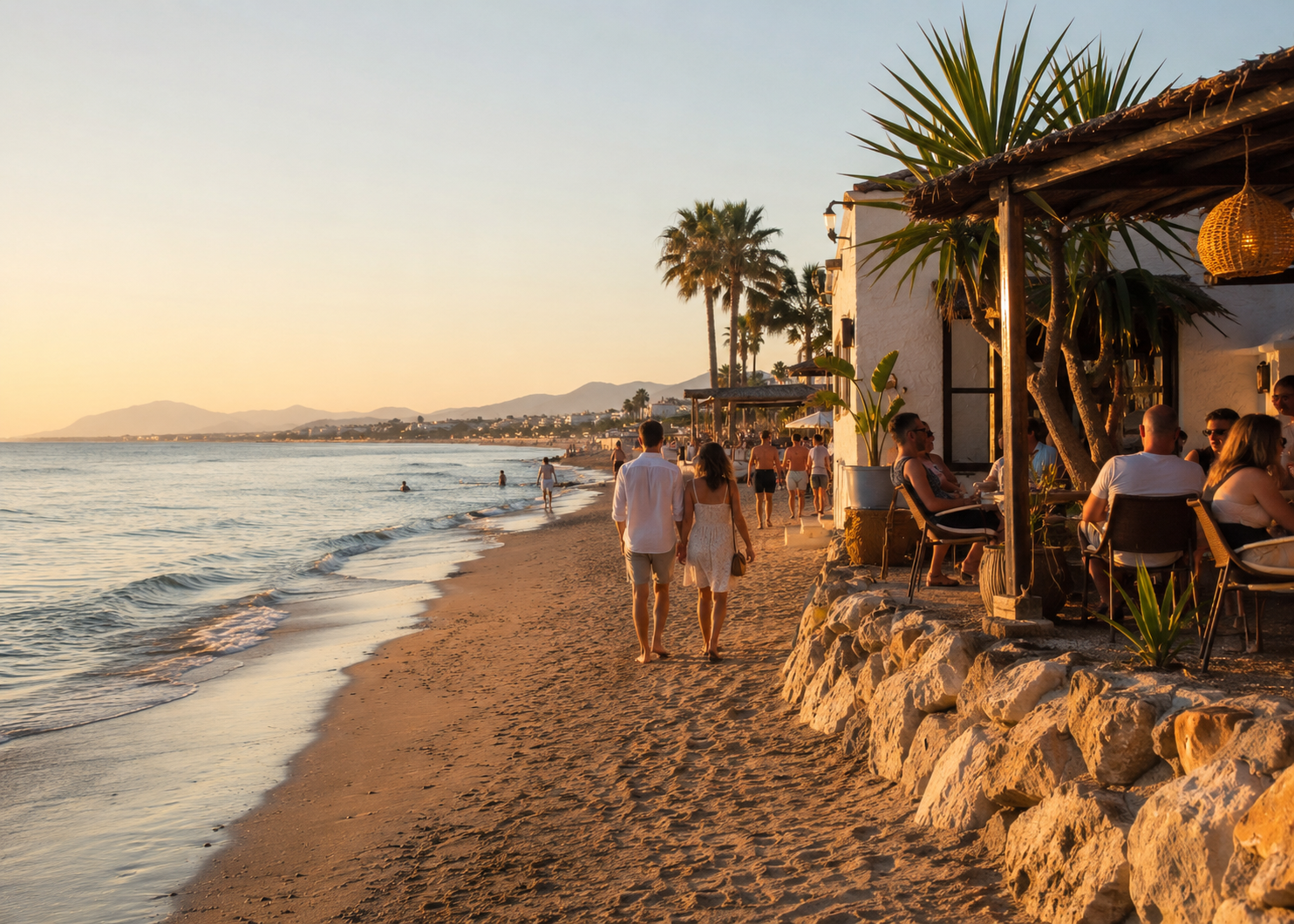
The mistake was never choosing the south. The mistake is choosing it in the wrong month and expecting it to behave like the photographs. Spain is not one climate, and the single most useful thing an American can know before booking a summer trip is that the country’s most famous regions and its best summer weather are in completely different places.
If you are coming in July or August, point yourself north. Take the green coast and the cold clean sea, the pintxos and the cider and the long soft evenings, and let the south wait for the spring or the autumn, when it becomes the most beautiful place in the country instead of the hottest one in Europe.
Match the season to the region, and Spain hands you the holiday you actually pictured. It just turns out to be waiting in the half of the country nobody told you about.

About the Author: Ruben, co-founder of Gamintraveler.com since 2014, is a seasoned traveler from Spain who has explored over 100 countries since 2009. Known for his extensive travel adventures across South America, Europe, the US, Australia, New Zealand, Asia, and Africa, Ruben combines his passion for adventurous yet sustainable living with his love for cycling, highlighted by his remarkable 5-month bicycle journey from Spain to Norway. He currently resides in Spain, where he continues sharing his travel experiences with his partner, Rachel, and their son, Han.