
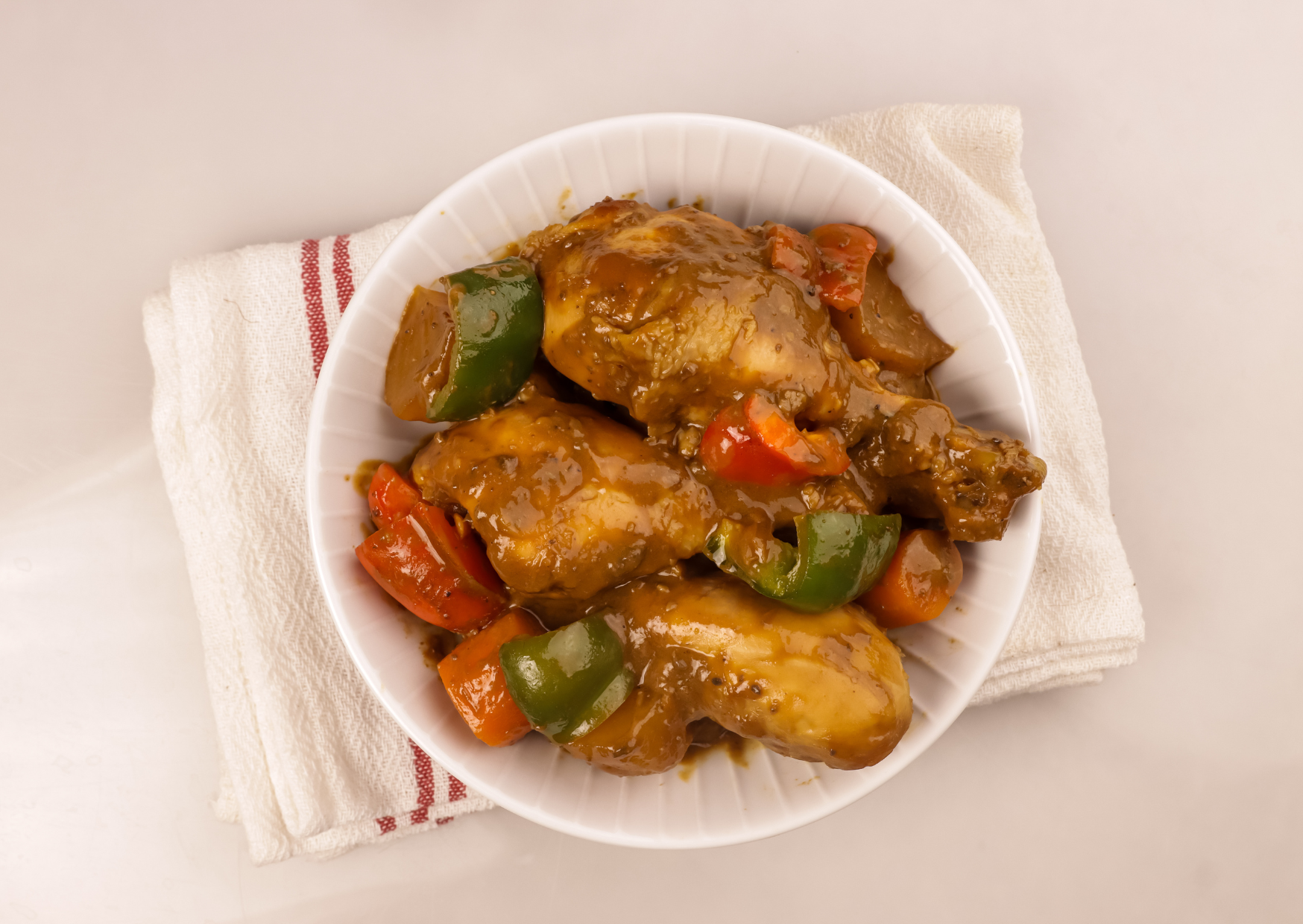
When the judges on Top Chef crowned the winner of season 23 on the June finale, the dish that sealed it was not some tweezered tower of foam but a stew, a deep, dark, tomato-and-liver braise that a Filipino grandmother would recognize instantly. Chef Rhoda Magbitang, a Hawaii-based Filipina born and raised in the Philippines, won the whole thing with caldereta, dedicating it to her father, and in doing so put one of the great dishes of the Filipino-Spanish table in front of an American audience that mostly had never heard of it. For a household like ours, with one foot in Spain and one in the Philippines, the win landed as something close to vindication, the recognition of a dish we have always known to be special.
Caldereta is worth knowing whatever happens on television, because it sits exactly on the bridge between Spain and the Philippines, a dish carried across an ocean by colonial history and made wholly Filipino in the centuries since, and because it is delicious, a rich, savory, faintly tangy braise that improves with time and feeds a crowd. It is also very makeable at home, no competition technique required, just patience and a few key steps. Here is what caldereta actually is, the history that explains it, what made the Top Chef version special, and how to make a proper one in your own kitchen.
What Caldereta Actually Is
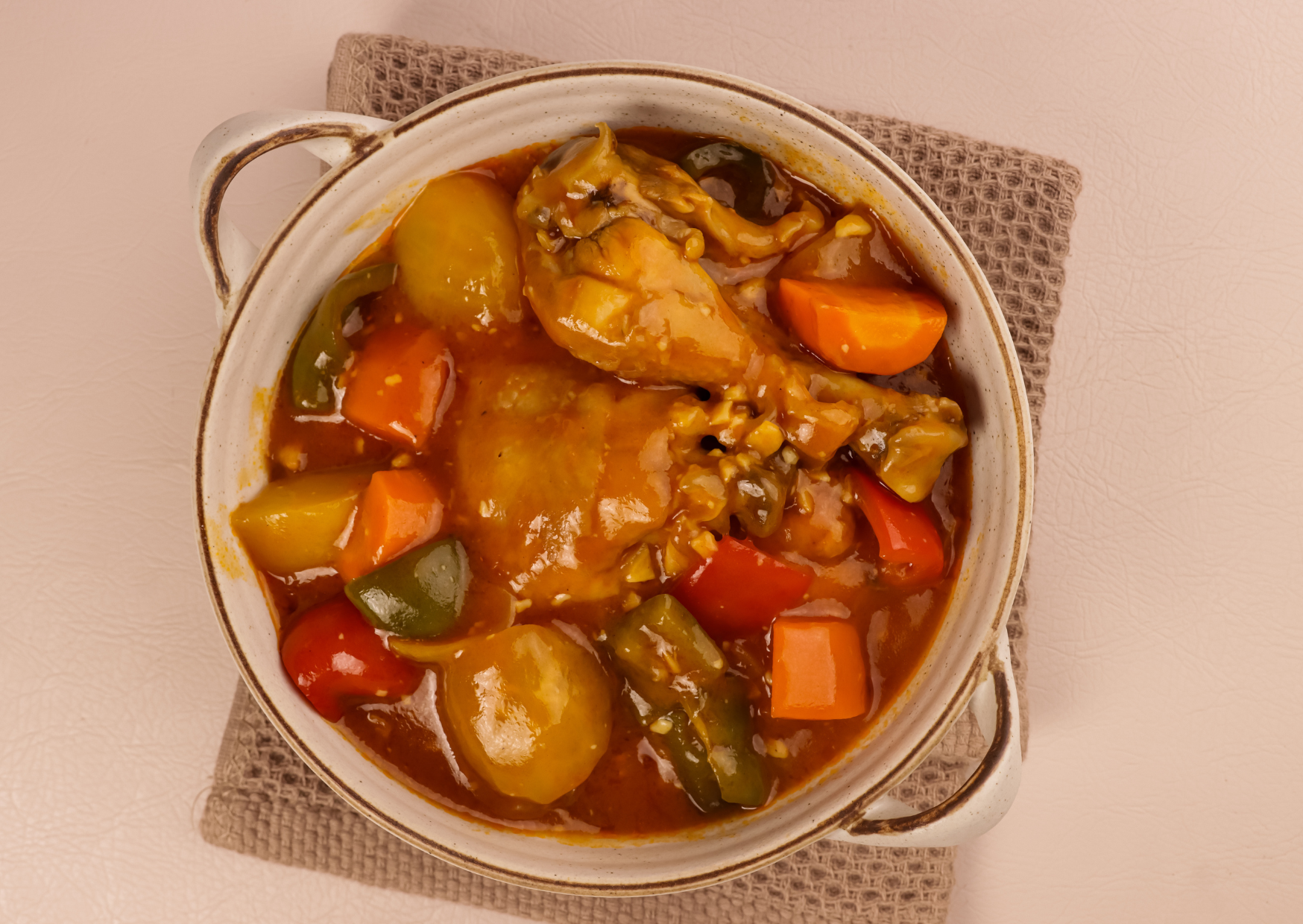
Before the recipe, it helps to understand the dish, since caldereta is a specific thing often confused with the other Filipino stews.
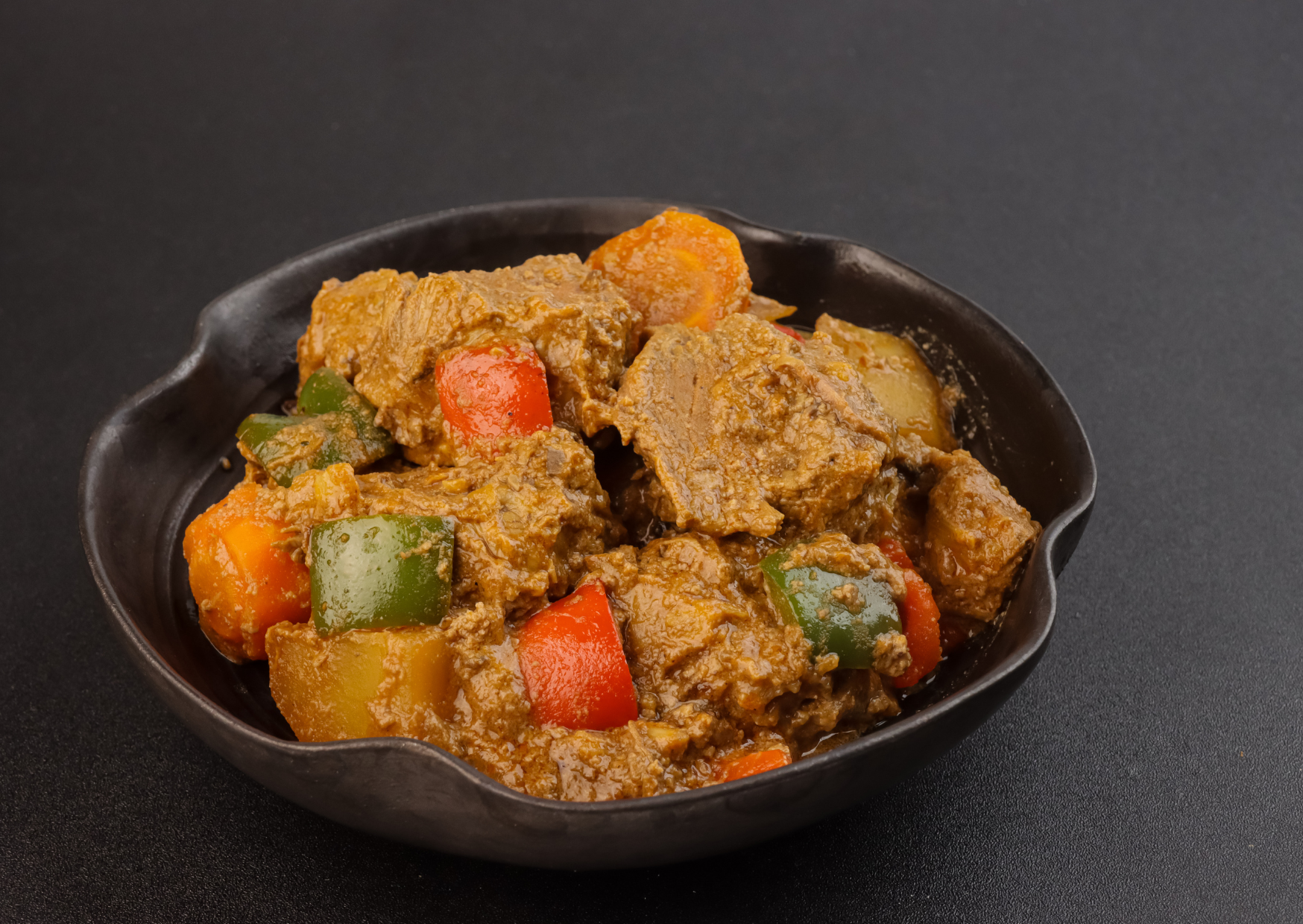
Caldereta, or kaldereta in the Filipino spelling, is a rich tomato-based meat stew, traditionally made with goat though now most often with beef, the meat braised slowly with tomato sauce, liver, peppers, and vegetables into a deep, savory, slightly spicy stew that is a fixture of Filipino celebrations and special occasions. The signature elements are the tomato base, the liver, traditionally liver spread or mashed liver stirred in to thicken and enrich the sauce, the bell peppers, and often olives and sometimes cheese, all combining into something far more complex than a simple beef stew, a dish with a distinctive savory depth and a faint tang and heat. It is festival food, the dish that appears at fiestas, birthdays, and family gatherings, the celebratory braise that signals an occasion, deeply beloved across the Philippines and instantly recognizable to any Filipino.
What sets caldereta apart from the other great Filipino stews is precisely this tomato-and-liver richness, since the Filipino kitchen has several iconic braises and they are often muddled together by outsiders. Where adobo is built on vinegar and soy, and where mechado and afritada are their own tomato-based braises with their own characters, caldereta is defined by its tomato base enriched with liver, its peppers, its heartiness, and its celebratory status, a specific and distinct member of the family of Filipino braises. Understanding that caldereta is the rich, tomato-and-liver, festive goat-or-beef stew, distinct from its cousins, is the first step to making it properly, since each of these stews has its own balance and method, and caldereta’s particular glory is in that deep tomato-liver sauce that no other quite matches.
The Spanish Roots And The Filipino Soul
The dish makes the most sense when you understand its history, which is the history of the Philippines itself, written in a pot.
The name caldereta comes from the Spanish caldera, a cauldron or pot, and the dish descends from Spanish stews brought to the Philippines during the centuries of Spanish colonial rule, part of the deep Spanish imprint on Filipino food that also gave the islands adobo, the Spanish-derived names, the fiesta culture, and much else. The original would have been a Spanish-style braise, and over the centuries Filipinos made it entirely their own, adapting it to local ingredients and tastes, adding the liver enrichment, the particular pepper and tomato balance, the Filipino touches that transformed a Spanish stew into a Filipino classic. This is the story of so much Filipino food, a Spanish foundation thoroughly Filipinized over generations, and caldereta is one of the clearest and most delicious examples, a dish you can taste the history in.
For a Filipino-Spanish household, caldereta is a kind of edible bridge between the two halves, a dish that belongs fully to the Filipino table yet carries its Spanish ancestry openly in its name and its bones, the colonial history transmuted into something warm and familial and good. There is a particular resonance in a Filipina chef winning an American competition with this specific dish, since caldereta itself is a story of cultures meeting and merging, Spanish technique and Filipino soul, carried now to an American stage, the whole layered history of the dish present in the moment of the win. To cook caldereta is to cook that history, the Spanish pot and the Filipino heart, and to taste in it the long entwined story of two countries an ocean apart, which is part of what makes it more than just a very good stew.
What Made The Top Chef Version Special
The winning dish was a modern take, and it is worth being clear about what that means, since the home cook is making the classic, not the competition plate.
Magbitang’s caldereta was a refined, elevated, competition-level interpretation, served as a surprising final course in place of dessert, braised in liver and vegetables and presented as a personal tribute to her father, the judges praising her storytelling, consistency, and technique across the finale. A Top Chef dish is, by nature, a polished and individual reinterpretation, the chef taking a beloved classic and refining it through professional technique and personal vision into something plated for judges, and that is its own art, distinct from the home version. What the win really did was honor and elevate the classic dish, putting the everyday Filipino celebration stew on a prestigious stage and showing its depth and worthiness to an audience that had underestimated or never encountered it, a recognition of the dish’s real quality.
The home cook, though, is not trying to recreate a competition plate but to make the beloved classic, the caldereta of the Filipino family table, and that is both more achievable and, in its way, the real point. The Top Chef version is the dish dressed for the spotlight, beautiful and singular, but the soul of caldereta is the big pot of it at a family gathering, rich and generous and shared, the festive stew that has fed Filipino celebrations for generations. So take the win as inspiration and permission, the proof that this dish deserves your attention, and then make the honest home version, the real caldereta, which is what this recipe is, the classic that the competition dish was built upon and paying tribute to. The glory of caldereta was always in the family pot, and that is what you are making.
The Keys To A Great Caldereta
A few elements make the difference between a flat caldereta and a deep, rich, proper one, and knowing them is most of the cooking.
The first key is browning the meat properly and braising it long and slow, since caldereta is a braise, traditionally of goat or the tougher cuts of beef that need time, and the meat must be seared for flavor and then simmered gently for the hours it takes to become tender, the slow cooking building the deep flavor and melting the meat to tenderness. The second key is the liver, the distinctive enrichment that defines the dish, traditionally liver spread or mashed cooked liver stirred into the sauce toward the end, which thickens it, deepens it, and gives caldereta its characteristic savory richness, the element that most distinguishes it and that should not be skipped. The third is building the tomato base properly, the tomato sauce and paste cooked down with the aromatics and the browned meat into a rich foundation, seasoned and balanced, the backbone of the whole stew.
The fourth key is the additions that round the dish, the bell peppers added so they keep some texture, the olives for their briny note, sometimes a little cheese for richness, sometimes chili for heat, and the careful final seasoning that balances the savory, the tangy, and the gentle heat into the complex whole that caldereta should be. The dish rewards patience and proper layering, the searing, the long braise, the liver enrichment, the balanced additions, each step building toward the deep, rich, satisfying result, and it punishes shortcuts, a rushed caldereta being a thin and disappointing thing. Get the keys right, brown well, braise slow, enrich with liver, build the tomato base, balance the additions, and you produce the real caldereta, the festive deeply savory stew that won a television competition and has won Filipino hearts for generations, the genuine article in your own pot.
Goat Or Beef, And Other Choices
The first decision in making caldereta is the meat, and it is worth understanding the options and what each brings.
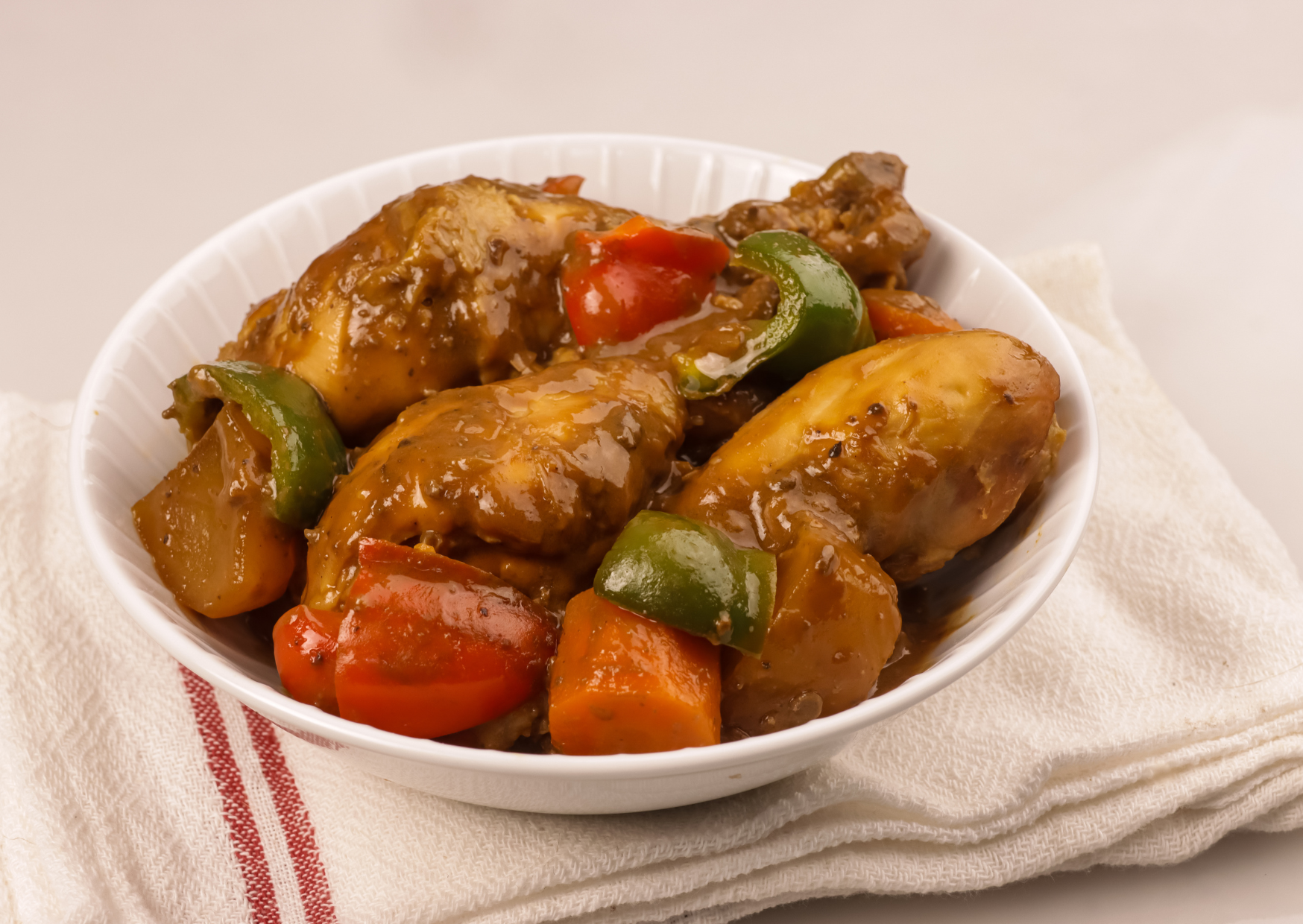
Traditionally caldereta was a goat dish, kalderetang kambing, the goat giving a distinctive flavor and a special-occasion character, since goat was the festive meat, and the classic deeply traditional caldereta is still made with goat at many Filipino celebrations. But beef caldereta, kalderetang baka, has become the most common version, easier to source and milder, the beef braising into tender richness in the tomato-liver sauce, and it is what most home cooks make today, a thoroughly accepted and delicious form of the dish. Chicken caldereta exists too as a quicker lighter version, and pork is sometimes used, the dish flexible across meats while keeping its essential character, so the cook can choose according to what is available and to taste, beef being the reliable and popular default.
Whatever the meat, the cut matters, since caldereta is a braise and wants the tougher, more flavorful, collagen-rich cuts that become meltingly tender over long slow cooking, beef chuck, shank, or similar braising cuts for beef, the bonier flavorful cuts for goat, not the lean quick-cooking cuts that would only toughen. This is true of all good braises, that the humble tough cuts, given time and gentle heat, transform into something far better than the expensive tender cuts ever could in a stew, the slow conversion of collagen to gelatin enriching both the meat and the sauce. Choose a proper braising cut of whatever meat you prefer, give it the time it needs, and the caldereta rewards you, the meat tender, the sauce rich, the whole dish deep and satisfying, the festive braise as it should be.
Serving Caldereta The Filipino Way
How the dish is served and eaten completes the picture, since caldereta is festival food with its own place at the table.
Caldereta is served with rice, always, since rice is the heart of the Filipino meal and the rich savory stew is meant to be spooned over and eaten with plenty of plain steamed rice, the rice balancing and carrying the intense flavor of the braise. It is celebration food, appearing at fiestas, birthdays, holidays, and family gatherings, often as one of several dishes in a generous spread, the rich caldereta alongside other festive plates, shared among a crowd, the big pot of it central to the occasion. This communal celebratory character is part of what the dish is, not a quiet weeknight dinner but a generous shared centerpiece for a gathering, made in quantity, served with pride, eaten together, the food of Filipino togetherness and festivity.
The dish also famously improves the next day, since like most braises the flavors deepen and meld overnight, the caldereta often tasting even better reheated, which makes it ideal for making ahead of a gathering or for enjoying over several days, the leftovers a treat in their own right. So make it in a generous batch, serve it over rice to a table of people you care about, and enjoy it again the following day when it has deepened further, treating it as the celebratory communal dish it is rather than a portion-controlled individual plate. To serve caldereta the Filipino way is to serve it abundantly and share it warmly, the festive stew at the center of a happy table, which is the context that gives the dish its full meaning, the food of celebration and family that a Filipina chef carried all the way to a championship.
Kalderetang Baka (Beef Caldereta)
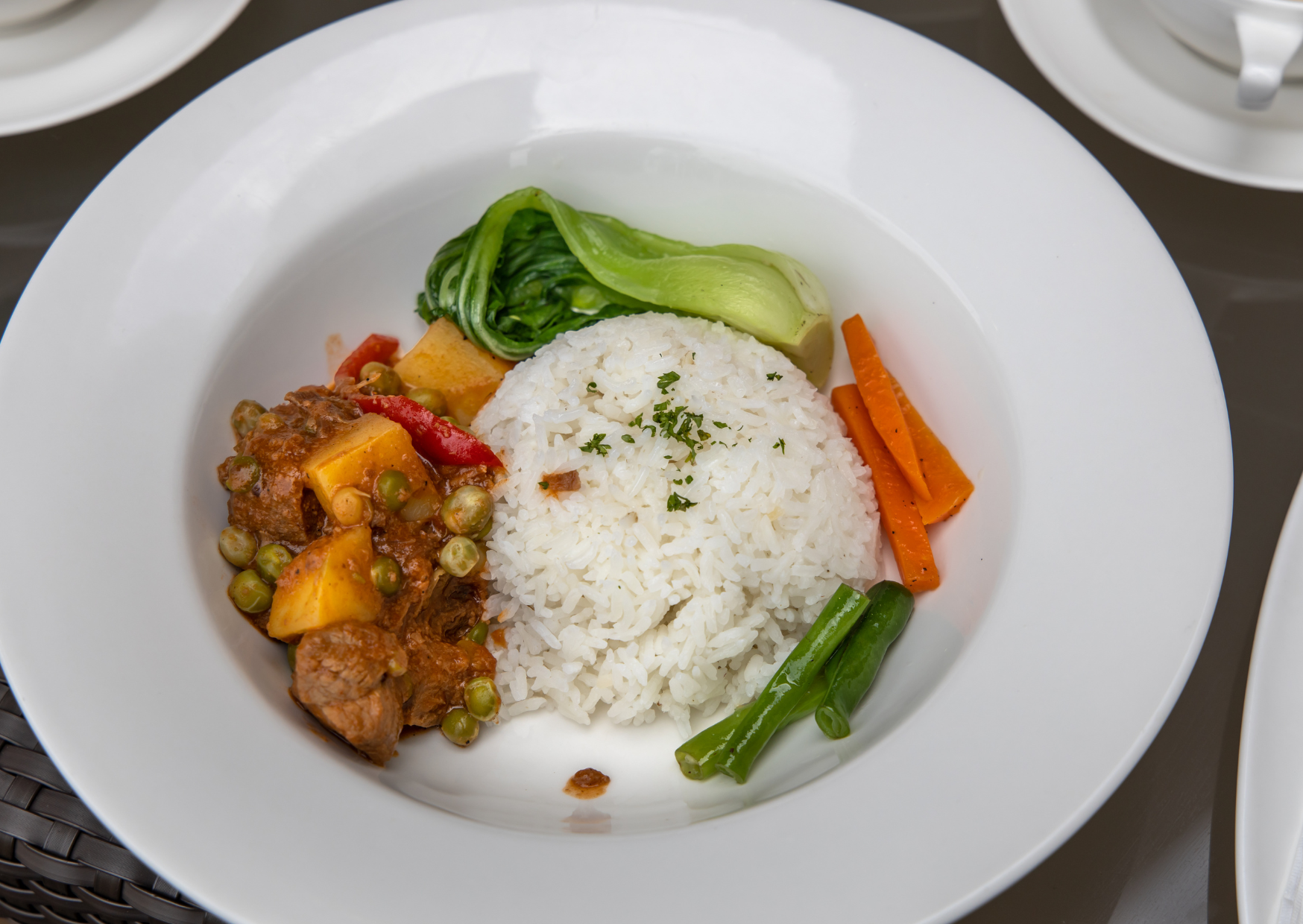
The festive Filipino braise that won Top Chef Season 23. Plan for about 2½ hours, mostly hands-off. Serves 6, with rice.
Ingredients
- 1kg (2¼ lb) beef chuck or shank, cut into large chunks
- 3 tbsp cooking oil
- 1 large onion, chopped
- 6 garlic cloves, minced
- 2 tbsp tomato paste
- 400g (14oz) tomato sauce
- 3 bay leaves
- 4 cups beef stock or water
- 85g (3oz) liver spread, or ½ cup mashed cooked liver
- 2 red bell peppers, cut into chunks
- 2 green bell peppers, cut into chunks
- 2 large potatoes, peeled and cubed
- 2 carrots, cut into chunks
- ½ cup pitted green olives
- 2 to 3 red chilies, sliced (optional)
- ¼ cup grated cheese (optional, traditional)
- Fish sauce or salt, to taste
- Black pepper
- Steamed rice, to serve
Method
- Pat the beef dry and season with salt and pepper. Heat the oil in a heavy pot over high heat and brown the beef well on all sides, in batches so as not to crowd the pan. Remove and set aside.
- Lower the heat to medium. In the same pot, sauté the onion until soft, then add the garlic and cook until fragrant.
- Stir in the tomato paste and cook for a minute, then add the tomato sauce and bay leaves.
- Return the beef to the pot, add the stock or water, and bring to a simmer. Cover and braise gently for about 1½ to 2 hours, until the beef is tender, topping up with water if needed.
- Stir in the liver spread until it dissolves into the sauce and thickens it.
- Add the potatoes and carrots and simmer until just tender, about 15 minutes.
- Add the bell peppers, olives, and chilies if using, and simmer another 5 to 10 minutes so the peppers keep some texture.
- Stir in the cheese if using. Taste and adjust the seasoning with fish sauce or salt and black pepper.
- Let it rest a few minutes, then serve hot over plenty of steamed rice. It is even better the next day.

About the Author: Ruben, co-founder of Gamintraveler.com since 2014, is a seasoned traveler from Spain who has explored over 100 countries since 2009. Known for his extensive travel adventures across South America, Europe, the US, Australia, New Zealand, Asia, and Africa, Ruben combines his passion for adventurous yet sustainable living with his love for cycling, highlighted by his remarkable 5-month bicycle journey from Spain to Norway. He currently resides in Spain, where he continues sharing his travel experiences with his partner, Rachel, and their son, Han.