

A woman in her late fifties in Milan finishes her workday at 6:30pm. She does not go straight home. She walks two blocks to a small bar in her neighborhood and orders a Campari and soda with a small plate of olives, salted almonds, and a few pieces of focaccia.
She sips her drink across 45 minutes while talking with two friends who have arrived to do the same. The bartender refreshes the small plate twice with different snacks. By 7:30pm she has eaten approximately 280 calories of small bites, drunk one alcoholic beverage of about 100 calories, and is no longer particularly hungry for dinner.
She walks home. She eats a light dinner of soup and a small salad around 9pm. She sleeps better that night than she would have on the American pattern of arriving home famished at 7pm, eating an oversized dinner at 7:30, and going to bed at 11 still digesting.
The aperitivo is doing several specific things at once that American afternoon eating patterns do not do. It reframes appetite across the late afternoon and evening in ways that have measurable effects on total daily caloric intake, blood sugar stability, sleep quality, and the relationship between meals and hunger.
This piece walks through what the aperitivo actually is, the mechanisms by which it affects appetite, what the research shows about bitter compounds and satiety, and what American adults can adopt from the pattern. Anyone considering changes to eating patterns for weight management or appetite reasons should discuss those changes with their physician, particularly if they take prescribed medications affecting appetite, weight, or blood sugar.
What The Italian Aperitivo Actually Is
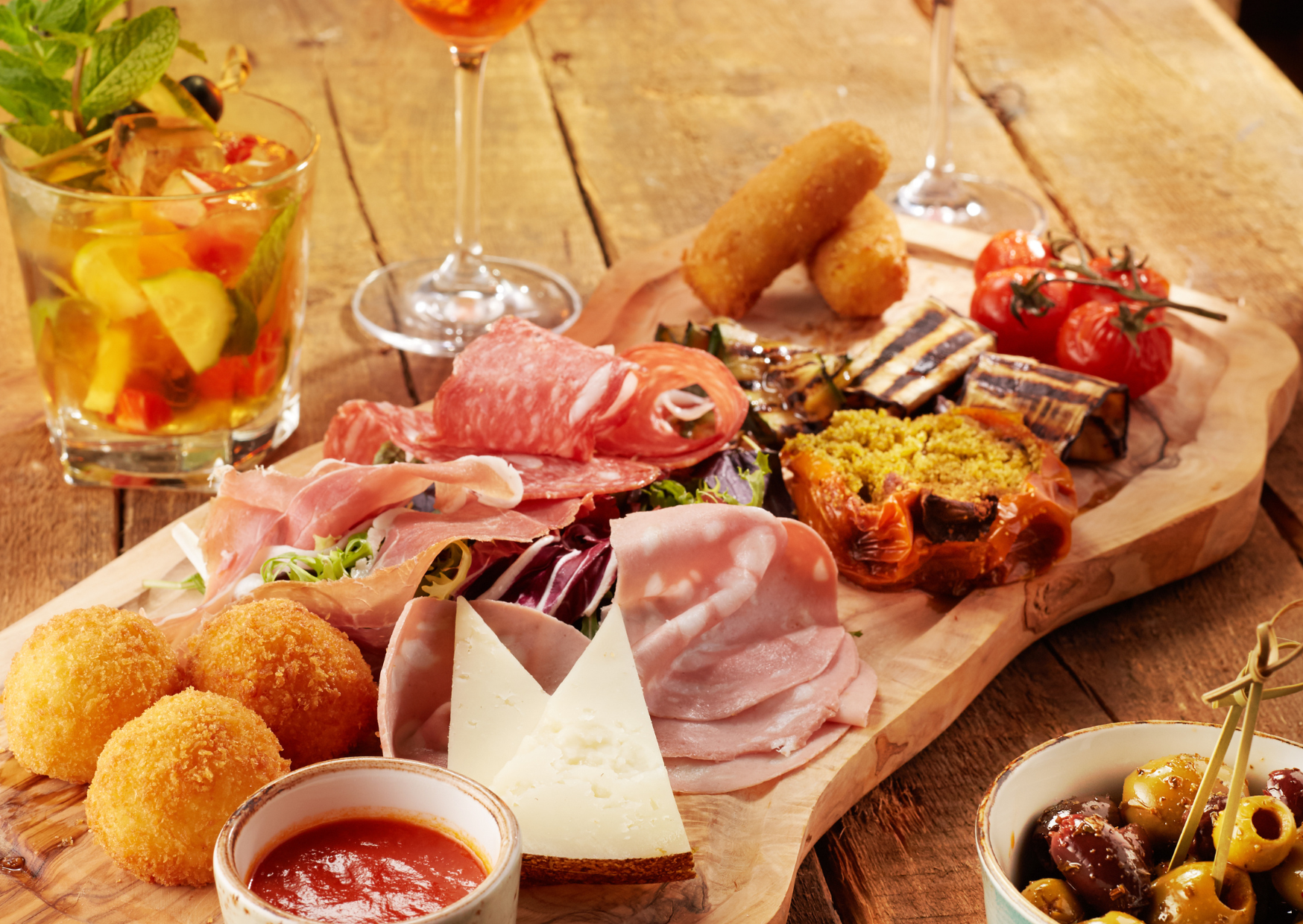
The Italian aperitivo is a structured early-evening practice that occupies the space between work and dinner. It has specific features that produce specific effects.
Timing. Between 6:00pm and 8:30pm. The window matters. It happens after work and before dinner, in the period when American adults typically arrive home, snack while preparing dinner, eat dinner around 7pm, and continue grazing through the evening. The aperitivo replaces the entire American late-afternoon-through-dinner sequence with a single structured social practice.
Setting. A bar or café, almost never at home. The aperitivo is social by design. Italian bars produce specific atmospheres for this purpose: small tables, standing space at the counter, dim warm lighting, music at conversational volume. The aperitivo is not a meal eaten alone. When practiced solo, it loses much of its character and many of its effects.
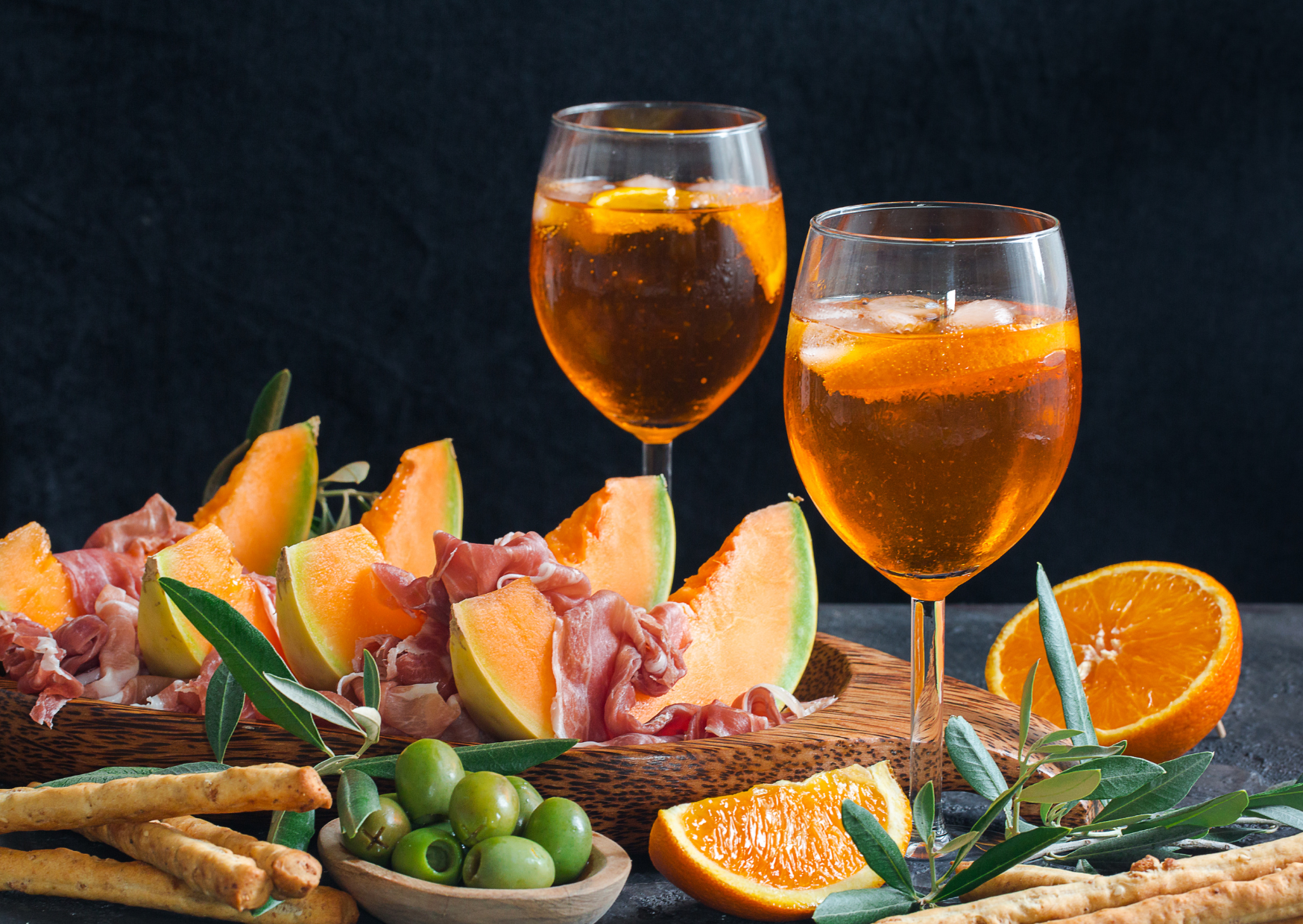
The drink. A bitter aperitif is the traditional choice. Campari, Aperol, Cynar, Vermouth, Negroni variations. The bitter compounds matter for the appetite regulation effect that distinguishes aperitivo from generic happy hour. Wine is also acceptable, particularly a dry white or a light red. Beer is increasingly common. A non-alcoholic option of soda with bitters or a non-alcoholic aperitif is becoming more available.
The food. Small, salty, savory bites. Olives. Salted almonds. Small cubes of cheese. Olive-oil-crackers. Slices of cured meat. Pickled vegetables. Small bruschetta. The portions are deliberately small. A typical aperitivo plate contains 150 to 350 calories total across multiple small items. The pricing of the drink usually includes the food.
Duration. Typically 45 to 90 minutes. The slow consumption is part of the mechanism. One drink consumed across an hour produces different effects than the same drink consumed in 15 minutes, both physiologically and behaviorally.
Social structure. Almost always with at least one other person. Friends, colleagues, neighbors. The conversation is part of the practice. The social engagement during eating affects satiety signaling and produces a different relationship with the food than solo consumption produces.
Frequency. Several times per week for most practicing Italians. Not daily for most, but a regular pattern rather than an occasional event. Wednesday, Friday, and Saturday are the most common aperitivo nights. The pattern is regular enough to affect overall eating architecture rather than functioning as occasional indulgence.
What Bitter Compounds Actually Do To Appetite
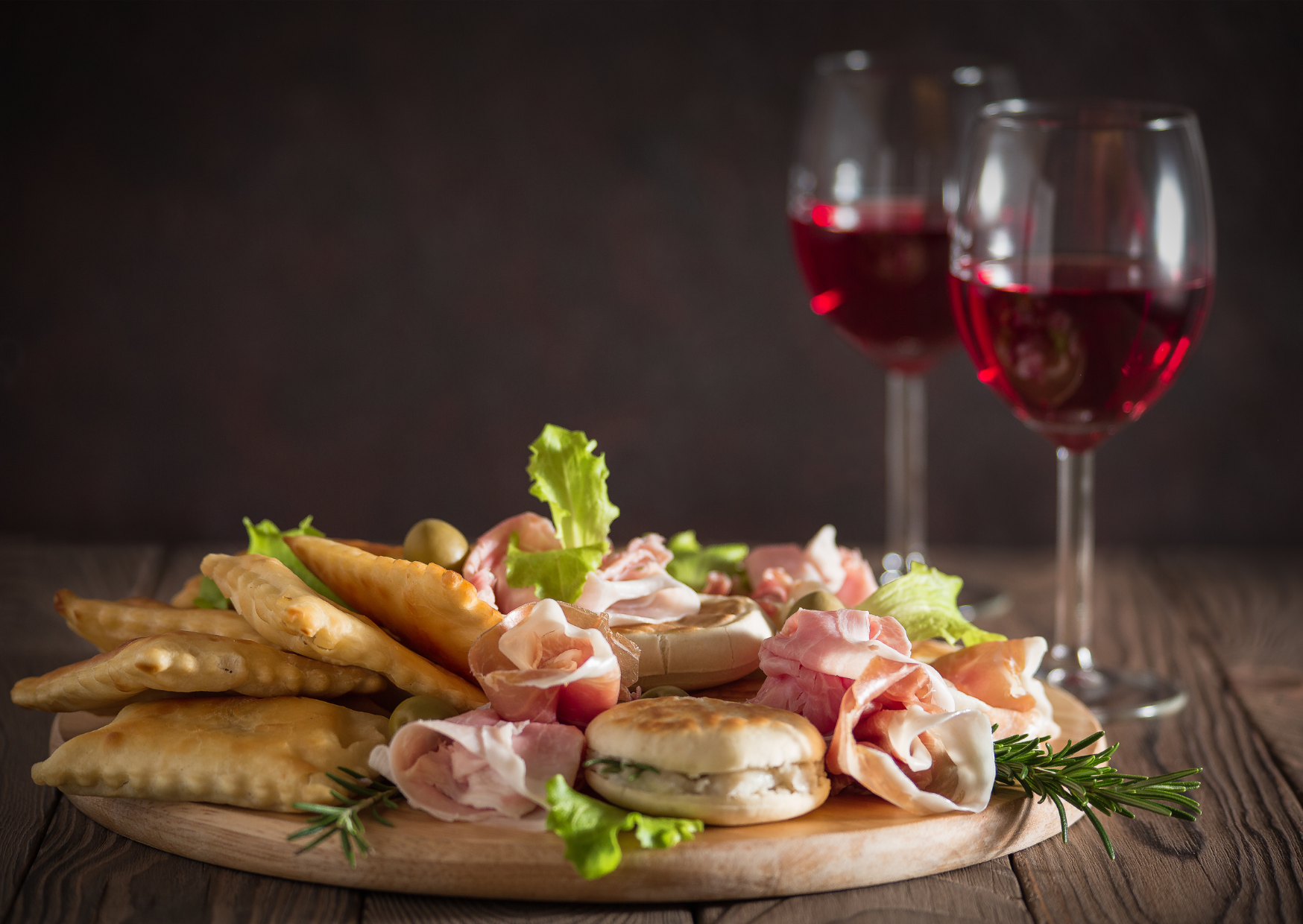
The bitter aperitif tradition is not accidental. Bitter compounds have specific physiological effects on appetite regulation that have been studied increasingly since 2015.
Bitter compounds activate bitter taste receptors throughout the digestive tract, not just on the tongue. These receptors trigger release of multiple gut hormones including CCK (cholecystokinin), GLP-1, and peptide YY. All three hormones are involved in satiety signaling. Their release in the late afternoon affects how the body responds to dinner two to three hours later.
The CCK release specifically signals fullness. A small amount of bitter compound consumed before a meal can trigger CCK release that reduces meal size at the subsequent meal. The Italian aperitivo timing is designed around this mechanism, even if Italians do not think of it in these terms.
The GLP-1 release affects glucose regulation and appetite simultaneously. GLP-1 is the hormone that GLP-1 receptor agonist medications (like semaglutide) mimic pharmacologically. The bitter compounds in traditional aperitifs trigger endogenous GLP-1 release. The effect is much smaller than pharmaceutical intervention but operates through related mechanisms.
The bitter compounds also affect bile flow and digestive enzyme release. The body prepares for digestion in response to bitter tasting. By the time dinner arrives, digestive function is primed. The meal that follows is processed more efficiently than a meal eaten by a digestive system that has not received any pre-meal signaling.
The research on bitter aperitifs specifically is increasing. A 2024 review in the European Journal of Nutrition documented appetite-regulating effects of traditional bitter aperitifs including Campari, Cynar, and various amari, with measurable reductions in subsequent meal size and improved glucose response to the dinner that followed.
The effect is not unique to alcoholic aperitifs. Non-alcoholic bitter beverages produce the same effects through the same mechanisms. The alcohol is not the active component for appetite regulation. The bitter compounds are doing the work. This matters for adults who cannot or should not consume alcohol.
Why The Timing Matters

The 6pm to 8pm aperitivo window catches specific physiological transitions that American patterns disrupt.
Cortisol is naturally declining in the late afternoon. The morning cortisol peak has worn off. The body is transitioning toward the evening rest period. Eating during this window produces different metabolic responses than eating during the morning cortisol peak.
Insulin sensitivity is generally lower in the evening than the morning. A large meal eaten at 7:30pm produces a larger and longer blood sugar spike than the same meal eaten at noon. The aperitivo pattern of smaller late-afternoon eating plus smaller dinner produces flatter blood sugar curves across the evening than the American single large dinner pattern.
Sleep preparation begins around 8pm for most adults. The body starts producing melatonin, body temperature begins falling, the autonomic nervous system shifts toward parasympathetic dominance. Eating heavily during this preparation window disrupts sleep. The aperitivo pattern places the larger food consumption earlier in the evening, leaving the late evening for digestion and sleep preparation.
Hunger hormones (ghrelin and leptin) operate on circadian rhythms. Ghrelin (the hunger hormone) typically peaks around the times the body has learned to expect meals. Late afternoon ghrelin peaks for adults who skip lunch or eat very light lunch. The aperitivo catches this peak with small food intake that prevents the ghrelin from continuing to rise and producing extreme hunger at dinner time.
The American pattern of arriving home very hungry at 7pm produces predictable overeating. The hunger has built across the afternoon without intervention. The dinner that follows is consumed quickly because the body is in active hunger mode. The satiety signals arrive too late to limit the meal size because the eating has already overshot the body’s actual needs.
The aperitivo pattern eliminates this overshoot. By the time dinner arrives, hunger has been moderated. The meal is consumed at a pace that allows satiety signaling to work. The total food consumed across the late afternoon and dinner is often less than the American single dinner alone, despite the aperitivo adding food to the day.
What Americans Notice When They Adopt The Pattern
The patterns reported by Americans who adopt aperitivo-style late-afternoon eating are consistent enough to describe.
Week 1: confusion and lingering hunger at dinner. The American body is calibrated to expect a substantial dinner around 7pm. Eating smaller dinner after aperitivo food feels insufficient initially. Most adopters consider quitting in week 1.
Week 2: pattern recognition. The body begins adjusting. The late-afternoon aperitivo food becomes anticipated. The dinner hunger reduces to manageable levels. The total evening food intake starts naturally declining.
Week 3: noticeable changes. Evening overeating decreases substantially. Dinner becomes a smaller, slower meal. Sleep improves. Adopters report feeling lighter at bedtime and falling asleep more easily.
Week 4 and beyond: the new normal. The aperitivo pattern feels natural. The previous American pattern of arriving home famished and overeating dinner becomes uncomfortable when briefly revisited. The body has adapted to the new architecture.
Modest weight loss appears for many adopters. Two to six pounds across the first 8 weeks is common for adults with weight to lose. The mechanism is the reduced total evening intake plus the better-regulated blood sugar across the evening hours.
Snacking decreases overall. The aperitivo replaces both late-afternoon snacking (American pattern of crackers and cheese at 5pm while making dinner) and evening snacking (American pattern of chips or sweets between 9pm and 10pm). The structured aperitivo replaces unstructured grazing.
Sleep quality improves for many adopters. The earlier and lighter dinner produces better sleep architecture. The reduced evening blood sugar variability supports deeper sleep. The cumulative sleep improvements compound across weeks.
Evening mood improves. The social component of the aperitivo, the structured wind-down from work, and the better sleep all contribute to better evening mood and reduced stress.
What This Pattern Suggests For Appetite Management More Broadly
The aperitivo pattern offers a structural approach to appetite management that differs from the American framework.
The American framework treats appetite as a willpower problem. The advice is to eat less, resist hunger, exercise restraint. The framework assumes appetite is something to be controlled by conscious effort.
The aperitivo framework treats appetite as a structural pattern. It uses meal timing, bitter compounds, social context, and food sequencing to produce satiety naturally. The appetite regulation happens through structure rather than through willpower.
For adults struggling with evening overeating, late-night snacking, or weight management more generally, the structural approach often works better than the willpower approach. Willpower is a limited resource that depletes across the day. Structure does not deplete.
The pattern is portable to American contexts with modifications. The full Italian aperitivo with friends at a bar is not always possible for American adults with different work patterns and social structures. The modified version that captures most of the effect is available.
Bitter compounds before dinner. A small amount of bitter beverage (Aperol spritz, Campari soda, dealcoholized aperitif with bitters, even just a cup of strong herbal bitters in soda water) consumed 45 to 90 minutes before dinner triggers the satiety-signaling mechanisms. This works whether or not other aperitivo features are present.
Small late-afternoon savory eating. Olives, almonds, a small piece of cheese, cured meat, vegetables with hummus. Around 150 to 250 calories total. The small food intake prevents the late-afternoon ghrelin peak that produces evening overeating.
Smaller and earlier dinner. By 8:30pm at the latest. Smaller portions than the American default. The aperitivo pattern requires the dinner to be smaller because the late-afternoon eating has already contributed some of the day’s calories.
Stop eating by 9:30pm. The aperitivo pattern naturally produces an earlier last-bite of the day than the American grazing pattern. This improves sleep substantially.
Add social context when possible. Even one or two evenings per week eating aperitivo-style with a partner, friend, or neighbor produces the social benefits that solo aperitivo lacks. The Italian bar context is not strictly necessary but the social component matters.
What The Mechanism Does Not Promise
The aperitivo pattern produces real effects on appetite regulation. It does not produce miracles.
It does not work like prescription weight management medication. GLP-1 receptor agonists produce appetite suppression effects that are dramatically larger than what bitter compounds achieve naturally. The aperitivo is a structural lifestyle pattern, not a pharmaceutical intervention. Adults currently prescribed weight management medications should not interpret this piece as license to discontinue those medications.
It does not produce rapid weight loss. The modest weight changes that adopters report are real but slow. Two to six pounds across 8 weeks is the typical pattern. Adults expecting dramatic transformation will be disappointed.
It does not work identically for all individuals. Some adults see substantial effects on evening overeating. Some see modest effects. A small percentage see no effect. Individual responses vary substantially based on baseline eating patterns, hormonal status, and other factors.
It requires the bitter compound exposure to maintain effects. Skipping the aperitivo while keeping the small late-afternoon eating produces less effect than the combined practice. The bitter compounds are doing measurable work.
It does not address underlying psychological eating patterns. Adults with disordered eating, emotional eating patterns, or other psychological factors driving food intake will need to address those factors through appropriate professional support. The aperitivo is not a substitute for treatment of underlying eating issues.
Alcohol is not required for the appetite effects. Adults with alcohol-related health concerns, family history of alcohol problems, pregnancy, or relevant medication interactions should use non-alcoholic versions. The bitter compounds work without the alcohol. Modern non-alcoholic aperitifs from brands like Lyre’s, Seedlip, and many traditional Italian producers offer authentic bitter profiles without alcohol content.
Anyone with diabetes, blood sugar conditions, or eating disorder history should consult their physician before adopting significant changes to eating patterns. The bitter compounds may interact with diabetes medications. The pattern changes may interact with eating disorder recovery in complex ways.
What The Milan Woman Recognizes
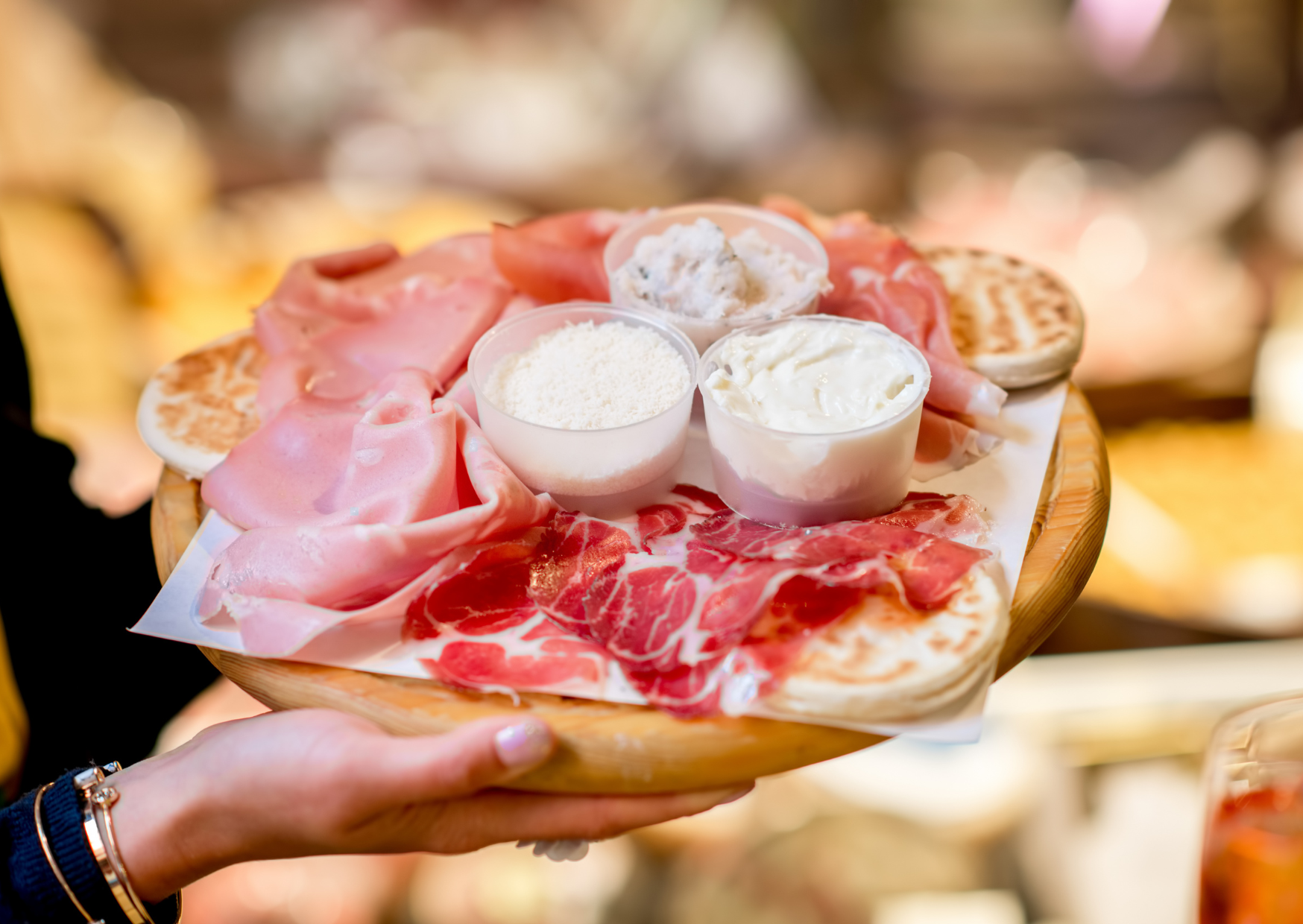
The 58-year-old Milanese woman in her local bar on a Tuesday evening is participating in a pattern that Italian adults have refined across generations.
She is not optimizing for weight management. She is meeting her friends for the practice that her culture has established for the transition from work to evening. The appetite effects are the unintended consequence of a social and culinary structure designed for entirely different reasons.
The Italian aperitivo emerged in Turin in the late 1700s when Antonio Benedetto Carpano created the first commercial vermouth. The practice spread across northern Italy through the 1800s and across the entire country by the early 1900s. The bitter aperitif tradition is older than the research that now explains its effects.
The Italian framework was that the aperitivo “opens the appetite” for dinner. This is partially right and partially wrong. The bitter compounds do activate digestive processes that prepare the body for the meal ahead. The same compounds also moderate the appetite signal so that the meal does not become excessive. The aperitivo opens the digestive system without opening the appetite excessively. This dual effect is what produces the appetite-reframing outcome.
For Italian adults who practice this regularly, the cumulative effect across years and decades is meaningful. The Italian rate of obesity among adults runs approximately 11 to 13 percent. The American rate runs approximately 41 to 43 percent. The aperitivo is one feature among many that contributes to this gap, alongside the broader Mediterranean diet pattern, the daily walking, the social structure, and the meal timing.
For American adults considering whether elements of this pattern could help their own appetite regulation, the practical implication is that it offers an alternative to willpower-based approaches. The structural intervention works whether or not willpower is being deployed. This is meaningful for adults who have tried willpower-based approaches without sustained success.
The full Italian aperitivo requires Italian context. The modified American version requires only:
- A small bitter beverage between 5:30pm and 7pm
- A small savory snack of 150 to 250 calories at the same time
- A smaller dinner than would otherwise have been eaten
- An earlier last-bite time of around 9pm
- Social context when possible, solo when necessary
The cost of trying this pattern is modest. A bottle of Campari or Aperol runs €10 to €15 and lasts for many aperitivos. A bottle of Italian bitters with soda water costs even less. The food cost is the same or less than what Americans typically spend on late-afternoon snacking and oversized dinners.
The evaluation is straightforward. Try the pattern for 4 to 8 weeks. Notice what happens to evening hunger, dinner size, sleep quality, and weight. The pattern either produces noticeable effects for your specific physiology or it does not. The information is real either way.
For American adults who have struggled with evening overeating, late-night snacking, or the cycle of arriving home famished and eating too much too fast, the Italian aperitivo pattern offers a structural alternative. The Milan woman with her Campari and soda is not exercising restraint. She is following a structure that produces moderate eating without restraint being necessary.
The structure exists. The mechanisms are understood. The pattern is portable in modified form. The decision about whether to test it belongs to the individual adult, ideally in consultation with their physician if relevant medical conditions or medications apply.
What the Italian aperitivo recognizes is that appetite is more responsive to structure than to willpower. The structure can be built. It can be adopted gradually. It can be modified to fit American contexts. The effects, if they appear for a particular adult, are sustainable because the structure does not require ongoing effort to maintain. It just requires the structure to be in place.
The Milan woman has been doing this for 35 years. She does not think about it. She walks to the bar at 6:30 because that is what happens at 6:30 on a Tuesday. The cardiovascular health, the moderate body composition, the stable weight, and the manageable evening appetite are the cumulative results of a structure that has been operating in the background of her daily life across decades.
For American adults wanting some of those outcomes, the structure is available for adoption. The aperitivo does not require moving to Milan. It requires the late-afternoon bitter compound exposure, the small structured eating, the smaller dinner, and the earlier evening close. These can be built into American evenings. The effects, when they appear, work the same way they work for the Milan woman who has built them into her evening for the past 35 years.
The pattern recognizes appetite as something that can be structured. The structure is the intervention. The bitter compound is the trigger. The social and meal-timing context is the amplifier. The cumulative result across weeks and months is the reframed relationship with afternoon and evening eating that the title describes.

About the Author: Ruben, co-founder of Gamintraveler.com since 2014, is a seasoned traveler from Spain who has explored over 100 countries since 2009. Known for his extensive travel adventures across South America, Europe, the US, Australia, New Zealand, Asia, and Africa, Ruben combines his passion for adventurous yet sustainable living with his love for cycling, highlighted by his remarkable 5-month bicycle journey from Spain to Norway. He currently resides in Spain, where he continues sharing his travel experiences with his partner, Rachel, and their son, Han.