
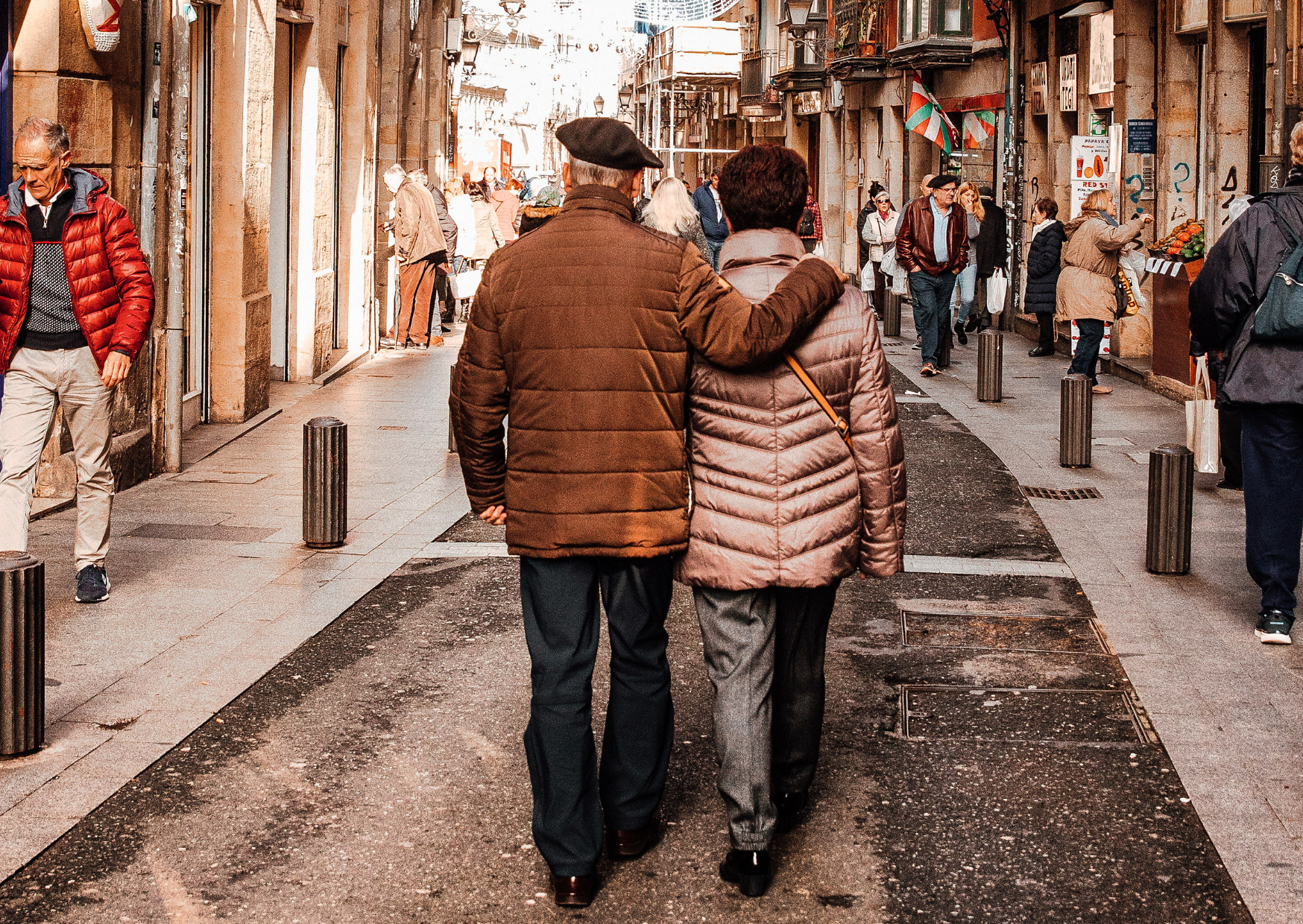
A 67-year-old man in Salamanca finishes lunch at 2:45pm. A bowl of lentil stew, a piece of grilled fish with roasted peppers, two pieces of bread, a small glass of red wine. He stays at the table for another 20 minutes finishing his coffee.
Then he stands up and walks out the door. Not to drive home. Not to sit on the couch. To walk.
He walks for the next 35 minutes. Through his neighborhood. Past the cathedral. Across the Plaza Mayor. Back home along a longer route than the direct one. He arrives home at approximately 3:55pm and sits down to read the newspaper.
He has just done what most Spanish adults do every day after the midday meal. The Spanish call it el paseo. Cardiologists studying its effects have started calling it one of the most underappreciated cardiovascular interventions available to ordinary adults. The post-lunch walk has measurable effects on blood pressure that medication can match but cannot improve upon.
This piece walks through what the paseo actually is, what the research shows about its blood pressure effects, why American cardiologists are now actively recommending it, and what American adults with hypertension can do with this information.
What The Paseo Actually Is
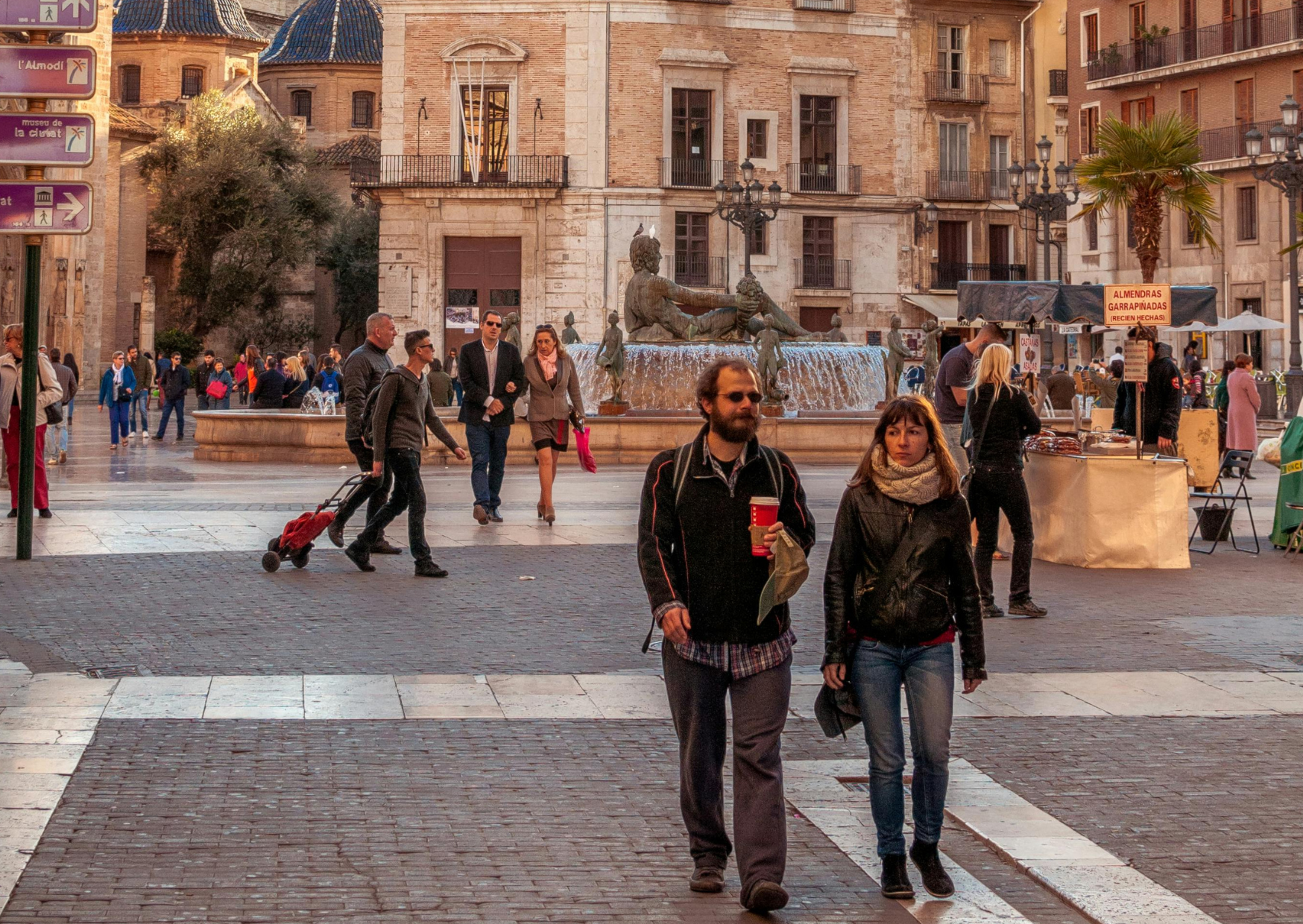
The Spanish post-meal walk is a daily cultural practice with specific features that produce specific physiological effects.
Timing. The paseo happens 5 to 20 minutes after the main meal of the day, which in Spain is lunch. Not before the meal. Not several hours after. The specific timing is what produces most of the cardiovascular benefit. The window between when food enters the digestive system and when it begins meaningful glucose absorption is when the walk does its primary work.
Duration. Most Spaniards walk 20 to 40 minutes. The 30-minute walk is the typical length. Shorter walks (10 to 15 minutes) produce smaller effects but still show measurable benefit. Walks longer than 45 minutes show diminishing additional returns.
Intensity. The pace is conversational. Not exercise pace. Not race-walking. The pace at which two friends can talk easily. Heart rate elevation is modest, typically 90 to 110 beats per minute for adults in their sixties. The walk is not exercise in the American sense. It is movement.
Setting. Outside, in open air. Spanish towns are designed for walking. Sidewalks are wide. Distances are walkable. The walk often takes the form of a loop through the central plaza, along a riverside path, or through the historic center. The social-environmental component is part of the practice. Walking on a treadmill for 30 minutes after lunch produces measurable but smaller benefits than walking outside through familiar streets.
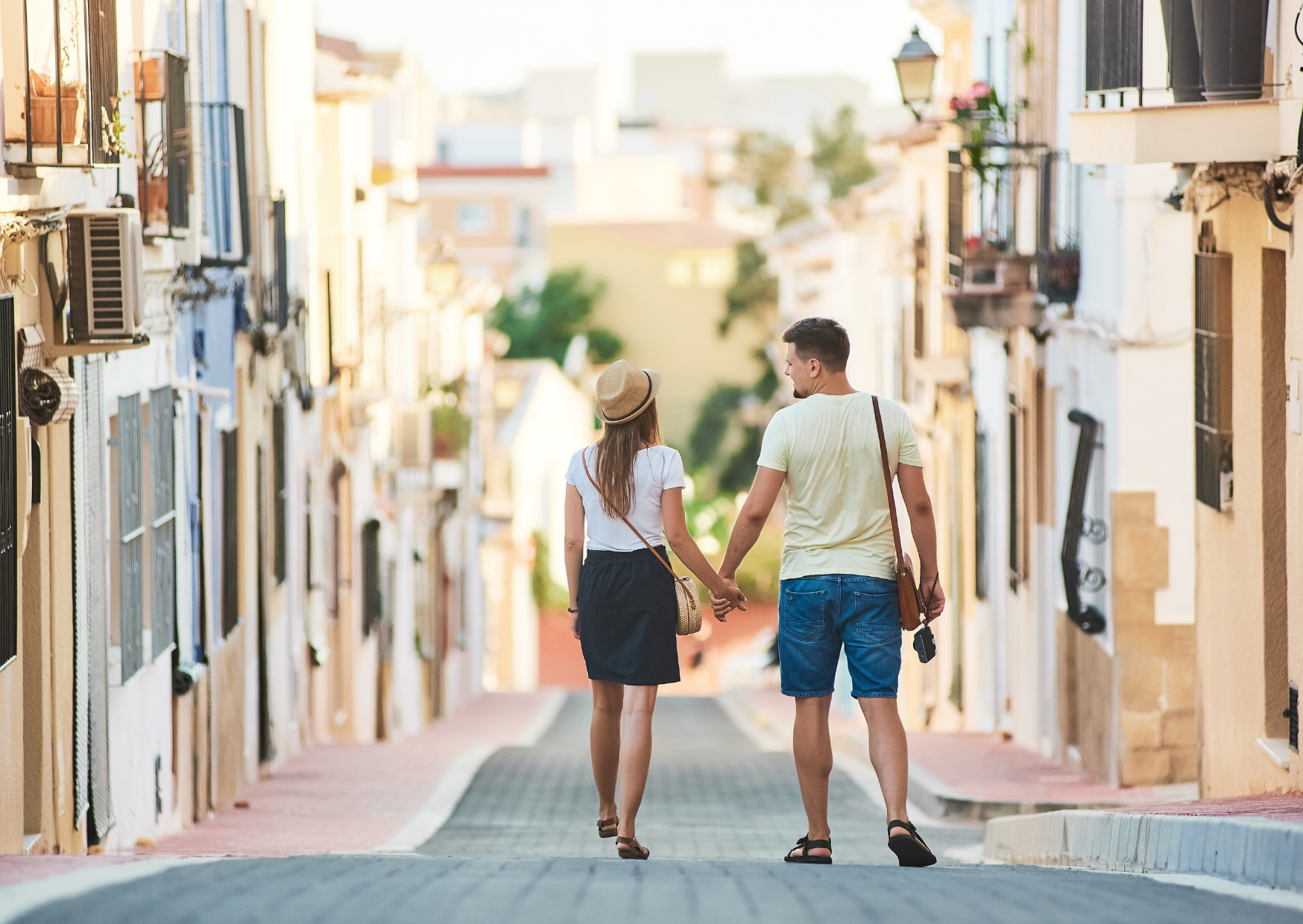
Social context. The walk is often done with a spouse, a friend, or a small group. The conversation is part of the practice. The social component reduces stress hormones that interact with blood pressure regulation. Walking alone works. Walking with someone works slightly better.
Frequency. Daily. Spaniards do not walk after lunch three times a week. They walk after lunch six or seven times a week. The cumulative effect depends on the daily frequency. Occasional post-meal walks produce occasional benefits. Daily post-meal walks produce structural change.
What Cardiologists Are Now Observing
Cardiovascular research since approximately 2018 has produced increasingly specific findings about post-meal walking and blood pressure.
A 30-minute walk within 30 minutes of a meal lowers systolic blood pressure by approximately 5 to 14 mmHg in the hours following the walk, with sustained reduction of 3 to 8 mmHg when the walk is performed daily for 60 to 90 days. The effect is comparable in magnitude to a single low-dose blood pressure medication.
The diastolic effect runs 3 to 8 mmHg in the post-walk hours, with sustained reduction of 2 to 5 mmHg with daily practice. This is smaller than the systolic effect but still clinically meaningful.
The combined effect on blood pressure variability is substantial. Post-meal walking reduces the post-prandial blood pressure spike that occurs after eating. The flatter blood pressure curve across the day reduces cardiovascular stress more than the average measurement alone would suggest.
The mechanism is multifactorial. Walking improves insulin sensitivity in the immediate post-meal window, which reduces the cardiovascular impact of glucose absorption. Walking activates the calf muscle pump, which improves venous return and reduces peripheral vascular resistance. Walking produces nitric oxide release that vasodilates blood vessels for several hours afterward. Walking reduces sympathetic nervous system activity, lowering stress-related blood pressure.
The research is now substantial enough that the American Heart Association, the European Society of Cardiology, and multiple national cardiology societies have updated their lifestyle recommendations to include specific guidance about post-meal walking. The recommendation is no longer “exercise regularly.” It is “walk for 20 to 30 minutes within 30 minutes of your largest meal of the day.”
For patients with hypertension specifically, the recommendation has shifted from generic activity advice to specific timing advice. Cardiologists are now writing post-meal walking into treatment plans alongside or instead of additional medication, particularly for patients with mild to moderate hypertension who are reluctant to add a second or third drug.
Why The Timing Matters So Much
The specific timing of the walk relative to the meal is what produces the strongest effect.
A walk 30 minutes before a meal produces benefits, but smaller ones. The walk improves general cardiovascular function but does not interact with the post-meal glucose and blood pressure spike that follows the meal.
A walk immediately after eating produces some discomfort (full stomach, mild cramping in some people) without producing dramatically better effects than a walk started 10 to 20 minutes after eating.
A walk 5 to 20 minutes after the meal catches the rising blood glucose curve. The muscles begin using glucose as fuel during the walk, which moderates the blood sugar rise. The blood sugar that would have spiked at 90 minutes post-meal instead spreads across a flatter, lower curve. The blood pressure response to the meal flattens proportionally.
A walk 60 minutes after the meal produces benefits but smaller ones. By 60 minutes post-meal, the glucose curve is already at or past its peak. The walk catches the descending side rather than moderating the peak.
A walk 2 hours after the meal produces general cardiovascular benefits but no specific post-meal effect. The body has already processed the meal. The walk is just exercise.
The Spanish paseo timing of approximately 15 to 25 minutes after the meal hits the sweet spot. The 30-minute walk in this window produces the strongest measurable cardiovascular response.
Why Spanish Adults Have Lower Hypertension Rates
Spain has measurably lower rates of hypertension and cardiovascular disease than the United States, despite an aging population with similar genetic variability.
Spanish hypertension rates among adults over 60 run approximately 42 percent. American rates run approximately 64 percent. The difference cannot be explained entirely by diet, healthcare system access, or genetics. The lifestyle component matters. The daily paseo is one of the lifestyle features that contributes.
Spanish adults over 65 average 8,500 to 11,000 steps per day through normal daily activity (walking to shops, walking after meals, walking to social engagements). American adults over 65 average 4,200 to 6,500 steps per day. The 4,000-step daily difference compounds across years into substantial cardiovascular outcome differences.
The paseo specifically produces 2,500 to 3,500 of those daily steps for Spanish adults. It is structurally responsible for approximately one-third of the activity gap between Spanish and American older adults.
Spanish cardiovascular medication usage runs lower than American usage at comparable hypertension rates. Spanish patients with mild hypertension are more often managed through lifestyle interventions including the paseo. American patients more often receive medication as the first-line response.
Neither approach is universally correct. Spanish lifestyle-first medicine works because the lifestyle infrastructure (walkable cities, midday meal culture, social acceptance of post-meal walking) supports it. American medication-first medicine works because the American environment makes lifestyle interventions harder to sustain.
Why American Cardiologists Are Now Recommending It
Several factors have shifted American cardiology practice toward recommending post-meal walking.
The research base has solidified. Studies from 2018 through 2024 have consistently shown blood pressure benefits from post-meal walking. The mechanism is understood. The effect size is meaningful. The intervention is essentially zero-cost. There is no reason for cardiologists not to recommend it.
Polypharmacy concerns have increased. American adults over 60 average 5 to 8 prescription medications. Each additional medication increases interaction risks, side effect risks, and adherence problems. Cardiologists looking for ways to control blood pressure without adding a third or fourth drug have found post-meal walking to be a genuinely effective alternative for mild to moderate hypertension.
Cost concerns have entered the conversation. Blood pressure medications cost money. Post-meal walking costs nothing. For patients on high-deductible insurance plans, Medicare without supplemental coverage, or fixed retirement incomes, the cost difference between an additional medication and a behavioral change matters.
Patient preferences have shifted. Many patients explicitly prefer behavioral interventions to additional medications. Cardiologists who can offer effective behavioral alternatives have better patient relationships and better treatment adherence.
Insurance coverage of lifestyle interventions has improved. Some Medicare Advantage plans now cover lifestyle coaching specifically for cardiovascular conditions. The reimbursement structure no longer punishes physicians for spending appointment time on lifestyle counseling.
The combined effect is that American cardiologists who would have prescribed an additional medication five years ago are now prescribing a 30-minute post-lunch walk. The shift is real and is documented in the changes to clinical practice guidelines.
What Adopting The Paseo Actually Requires
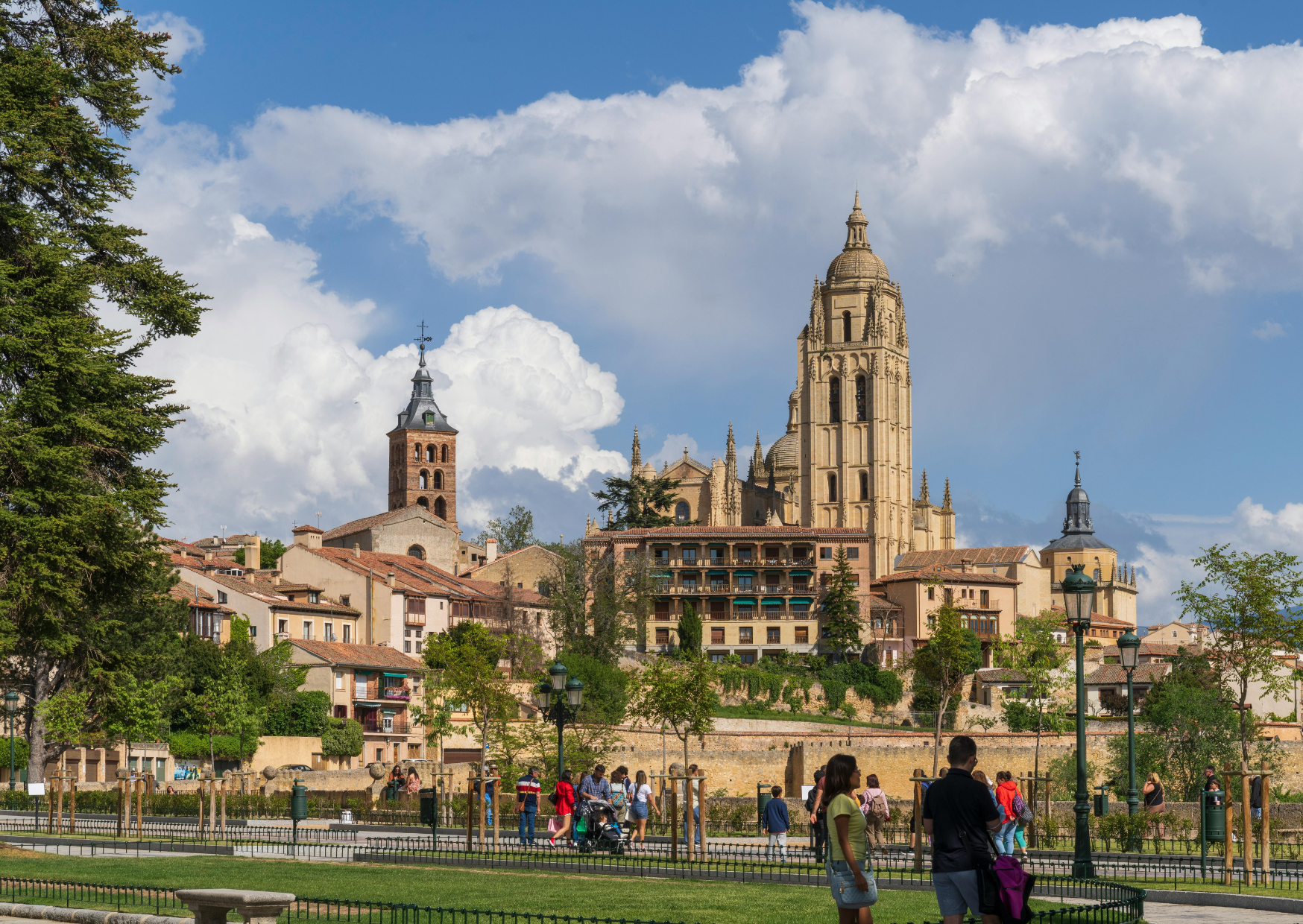
For American adults wanting to adopt the post-meal walk pattern, the practical requirements are smaller than they might appear.
Move lunch to be the substantial meal of the day. If your current pattern is small lunch and large dinner, shift toward larger lunch and smaller dinner. The post-meal walk produces stronger effects after a substantial meal than after a snack. A 600 to 900 calorie lunch produces a meaningful post-meal physiological response. A 300 calorie sandwich does not.
Block 30 to 45 minutes for the walk. This is the hardest part for working Americans. The lunch break must be long enough to include the meal and the walk. A 30-minute lunch followed by a 30-minute walk fits in a standard 60-minute lunch break. Many workplaces accommodate this if requested.
Find a walkable route from your lunch location. This is harder in suburban office parks than in walkable cities. For workers in unwalkable office locations, walking around the parking lot for 30 minutes works but is psychologically harder than walking through a neighborhood. Some workers drive to a nearby walkable area and walk there before returning to the office.
Walk for 25 to 35 minutes at conversational pace. Not exercise pace. The cardiovascular benefit comes from sustained moderate movement, not from intensity. A pace at which you could comfortably hold a conversation is correct.
Do it daily. The benefit accumulates with consistency. Walking three times a week produces modest effects. Walking six or seven times a week produces structural effects. The daily practice is what changes the blood pressure baseline.
Walk outside when possible. Outdoor walking produces stronger effects than treadmill walking due to a combination of varied terrain, natural light exposure, and lower stress hormone activation. Treadmill walking is still beneficial if outdoor walking is genuinely not available.
Walk with someone when possible. A spouse, a coworker, a friend, a walking group. The social component reduces stress hormones that interact with blood pressure. Walking alone works. Walking with company works slightly better.
Continue for at least 8 weeks before assessing. The benefits build gradually. The first 2 weeks may show small effects. The full effect appears by week 8 to 12. Assessing the intervention at 2 weeks misses the actual benefit.
What The Research Does Not Promise
The post-meal walk produces real and measurable cardiovascular benefits. It does not produce miracles.
It does not replace blood pressure medication for severe hypertension. Patients with systolic blood pressure above 160 or diastolic above 100 typically need medication regardless of lifestyle. The walk supplements the medication. It does not substitute for it.
It does not work for everyone identically. Individual responses vary substantially. Some adopters see 12 mmHg systolic reductions. Some see 3 mmHg. The variability is real and not fully understood.
It does not address other cardiovascular risk factors directly. High cholesterol, diabetes, smoking, obesity, and family history all contribute to cardiovascular risk independently of the walk’s effect. The walk is one intervention among several that the patient and physician might use together.
It requires ongoing practice to maintain effects. Stopping the walk for several weeks returns blood pressure toward baseline within 4 to 8 weeks. The benefit is dependent on continued practice. This is different from a medication that produces effects regardless of patient motivation.
It can produce side effects in specific populations. Patients with severe orthostatic hypotension may experience dizziness during post-meal walks. Patients with severe peripheral vascular disease may experience leg pain. Patients with active gastrointestinal conditions may experience discomfort. Individual medical contexts matter.
Anyone with hypertension considering adding post-meal walking to their treatment plan should discuss the addition with their physician. Any patient considering reducing or stopping medication based on lifestyle changes should never do so without explicit medical supervision. Blood pressure medication discontinuation against medical advice produces measurable rates of stroke and cardiac events. The walk is a supplement to medical care, not a replacement for it.
What This Pattern Recognizes
The Spanish daily paseo is one example of a broader principle in cardiovascular medicine: small daily behavioral practices can produce effects comparable to medication for patients with mild to moderate hypertension.
The paseo is not particularly Spanish in its mechanism. The same walk done in Phoenix or Chicago or Atlanta produces the same physiological response. What is Spanish is the cultural integration of the practice. Spanish workplaces accommodate long lunches followed by walks. Spanish cities are designed for walking. Spanish social norms support the practice.
American adoption requires building these supports individually rather than receiving them from the surrounding culture. The intervention works the same. The implementation context is different.
For American adults with hypertension currently considering treatment options, the post-meal walk is worth discussing with their cardiologist. Cardiologists who have not raised it may simply not have updated their practice yet based on the recent research. Patients who raise the topic often find their cardiologists responsive.
For American adults with normal blood pressure who want to maintain it as they age, the post-meal walk functions as preventive cardiovascular maintenance. The investment is 30 minutes per day. The return is meaningful reduction in age-related blood pressure increase.
For American adults with severe hypertension requiring medication, the post-meal walk does not replace the medication. It supplements it. Many patients on medication for severe hypertension find that adding the walk allows them to maintain blood pressure control on lower doses than would have been required without the walk, with their physician’s guidance.
The Spanish man in Salamanca walking through his neighborhood after lunch is not exercising. He is not following a cardiovascular protocol. He is doing what his culture has him doing at 3:00 in the afternoon. The cardiovascular effect is the unintended benefit of a cultural practice designed for digestion, social connection, and the natural rhythm of the Spanish day.
The benefit is available to anyone willing to adopt the practice. The cost is 30 minutes per day. The return is measurable. For American adults concerned about blood pressure and cardiovascular health, this is one of the highest-return interventions available, and one of the few that is both free and pleasant.
Cardiologists are now recommending it because the evidence supports it. American patients adopting it are responding to evidence-based medicine. The Spanish man in Salamanca has been doing it his whole life without thinking about evidence at all. His blood pressure at 67 is what it is partly because of the walk. American adults adopting the same practice at 65 produce some of the same benefits, with the help of the research that explains why the practice works.
The walk works. The timing matters. The daily practice is what produces structural change. For most American adults considering this, the question is not whether to try it but how to fit it into a life that was not designed for it. The Spanish life was designed for it. The American life has to be redesigned partially. The redesign is achievable. The benefit waits at the end of the redesign.

About the Author: Ruben, co-founder of Gamintraveler.com since 2014, is a seasoned traveler from Spain who has explored over 100 countries since 2009. Known for his extensive travel adventures across South America, Europe, the US, Australia, New Zealand, Asia, and Africa, Ruben combines his passion for adventurous yet sustainable living with his love for cycling, highlighted by his remarkable 5-month bicycle journey from Spain to Norway. He currently resides in Spain, where he continues sharing his travel experiences with his partner, Rachel, and their son, Han.