
A couple from outside Austin closes the door of their Florence apartment in March. Twenty months in Italy. The shipping container is on its way to Houston. The Tuscan dream is over.
They are not unusual. A meaningful share of Texas retirees who moved to Italy between 2022 and 2024 have either returned to Texas by 2026 or are actively planning the return. The pattern is specific to Texas retirees in ways that the Ohio or Florida or California Italy-return patterns are not.
This piece walks through the five reasons that Texas retirees specifically struggle with Italian retirement. The reasons are addressable, but they require knowing about them before the move.
Reason 1: The Square Footage Collapse

The average Texas home is large. Suburban Austin, San Antonio, Dallas, and Houston produce houses in the 2,200 to 2,800 square foot range for retirees who bought in 1995 to 2010 and have lived in those houses for two or three decades.
The average livable Italian apartment in Florence, Rome, Bologna, or any of the cities Texas retirees actually want to live in runs 65 to 95 square meters. That is 700 to 1,000 square feet. A retiree comes from a four-bedroom suburban house with a yard and a garage and a study and a guest bedroom and a formal dining room. They move to an apartment one-third the size with one bedroom, a small living area, a galley kitchen, and a single bathroom.
The downsizing in absolute terms is real but the cultural shock is sharper than the numbers suggest. Texas domestic life has been built around space. The American room-by-room separation of function (the bedroom is for sleeping, the office is for work, the dining room is for dinner) collapses into the Italian multipurpose room. The kitchen and living room are one space. The dining table is the work table is the games table. The bedroom is the only private retreat.
The first six months feel like vacation. The apartment is charming. The historic center is beautiful. The novelty carries the experience. By month nine or ten, the space starts to press in. The retired couple is together more hours per day than they have ever been. There is no garage to escape to. There is no study to close the door of. There is no spare bedroom for the visiting grandchild without rearranging the entire living space.
Texas retirees who could downsize to a 1,200 square foot Houston condo would handle this transition better. The retirees who go directly from a 2,500 square foot suburban house to a 75 square meter Florence apartment compress the adjustment into one move that turns out to be too large.
The return often gets framed as missing family or missing Texas food. The underlying driver is frequently the apartment itself. The retiree wants a house again and the version of house that exists in Italy at any reasonable price is either rural and remote (with the maintenance problems covered elsewhere) or in cities they did not choose to live in.
Reason 2: The Driving Identity

Texas is built around the car in ways that few American states match. The Texas retiree has driven daily for fifty years. Errands, social visits, church, doctors, restaurants, hardware stores. The Texas adult identity includes the truck or the SUV as a functional extension of the household.
Italian historic centers are built against the car. Florence, Bologna, Siena, Lucca, and most of the cities Texans want to retire to have ZTL zones (zona a traffico limitato) that restrict vehicle access to residents and specific permits. Driving into the center of these cities can produce €100 to €200 fines per entry for non-resident vehicles. The fines arrive months later via mail to the rental car company, then to the renter’s home address.
The Italian alternative is walking, public transport, and occasional taxis. The walking distances are real. A trip to a specialist doctor might involve a 25-minute walk, a bus ride, and another 10-minute walk. The Texas retiree who has driven a quarter mile to the mailbox for forty years discovers that Italian daily life requires walking three to seven miles per day to maintain a normal level of activity.
For retirees in good physical shape, this is a benefit. For retirees with knee problems, hip issues, back pain, or just lower baseline fitness from the Texas car-dependent lifestyle, the walking is a constant friction. A bad knee in a Florence apartment four flights up with no elevator is a different problem than a bad knee in a single-story Austin ranch with attached garage.
Italian apartment elevators are a separate issue. Many historic buildings have no elevator at all. The ones that do often have elevators sized for two slim Italians or one larger Texan with no grocery bags. The fifth floor walk-up is genuinely fifth floor, and the structural feasibility of grocery shopping for a household becomes a physical question.
The cumulative driving-and-walking adjustment compounds the apartment size issue. The retiree feels physically smaller. The radius of daily life feels constrained. The freedom that Texas associates with mobility has been replaced with a different relationship to mobility that some retirees adapt to and some do not.
Reason 3: The Tax Math

Texas has no state income tax. The Texas retiree has organized their financial life around federal-only taxation plus property taxes on a Texas house that may have been homestead-exempted for decades.
Italy taxes worldwide income at progressive rates up to 43 percent, plus regional surcharges of 1.23 to 3.33 percent, plus municipal surcharges of up to 0.9 percent. The maximum marginal Italian tax rate exceeds 47 percent before any tax-treaty offsets. Social Security, IRA withdrawals, pension distributions, rental income from US properties, dividend income, and capital gains all enter the Italian tax base once the retiree establishes Italian tax residence.
The US-Italy tax treaty provides some relief through foreign tax credits. The relief is real but partial. A Texas retiree pulling $90,000 per year from retirement accounts plus Social Security can owe Italy $15,000 to $25,000 per year in net Italian taxes after treaty offsets. This is money that simply did not exist as a tax burden in Texas.
The flat tax regime that some American retirees know about (€100,000 or €200,000 per year for foreign-source income) is available only to specific profiles. Most ordinary retirees with $1 to $2 million in retirement assets do not benefit from it because the flat fee exceeds the progressive tax they would otherwise pay. The flat tax is structured for high-net-worth profiles, not for typical American middle-class retirees.
The Texas retiree often discovers the actual tax burden in the second Italian tax year. The first year may have partial Italian residence with partial foreign tax treatment. The second year is full Italian residence with full Italian tax exposure. The $20,000 tax surprise in year two is a frequent trigger for the return planning.
Italian property tax (IMU) on residence applies at lower rates than US property tax in many cases, but applies on top of the income tax. The Italian healthcare contribution (the SSN registration fee) is a separate cost that runs 7.5 percent of income for self-funded foreign residents up to a cap. The cap is high enough that wealthy retirees pay substantial healthcare contributions on top of their income tax.
The Texas retiree who budgeted for Italy at the price of the apartment plus food and travel did not budget for the new tax burden. By month 20, the tax math has become visible enough that the financial logic of staying has weakened.
Reason 4: The Summer Without Air Conditioning
Texas retirees are climate-conditioned. They have lived through forty years of Texas summers with central air conditioning running from May through September. The Texas summer is brutal but the Texas indoor environment is climate-controlled to 22 or 23 degrees Celsius reliably.
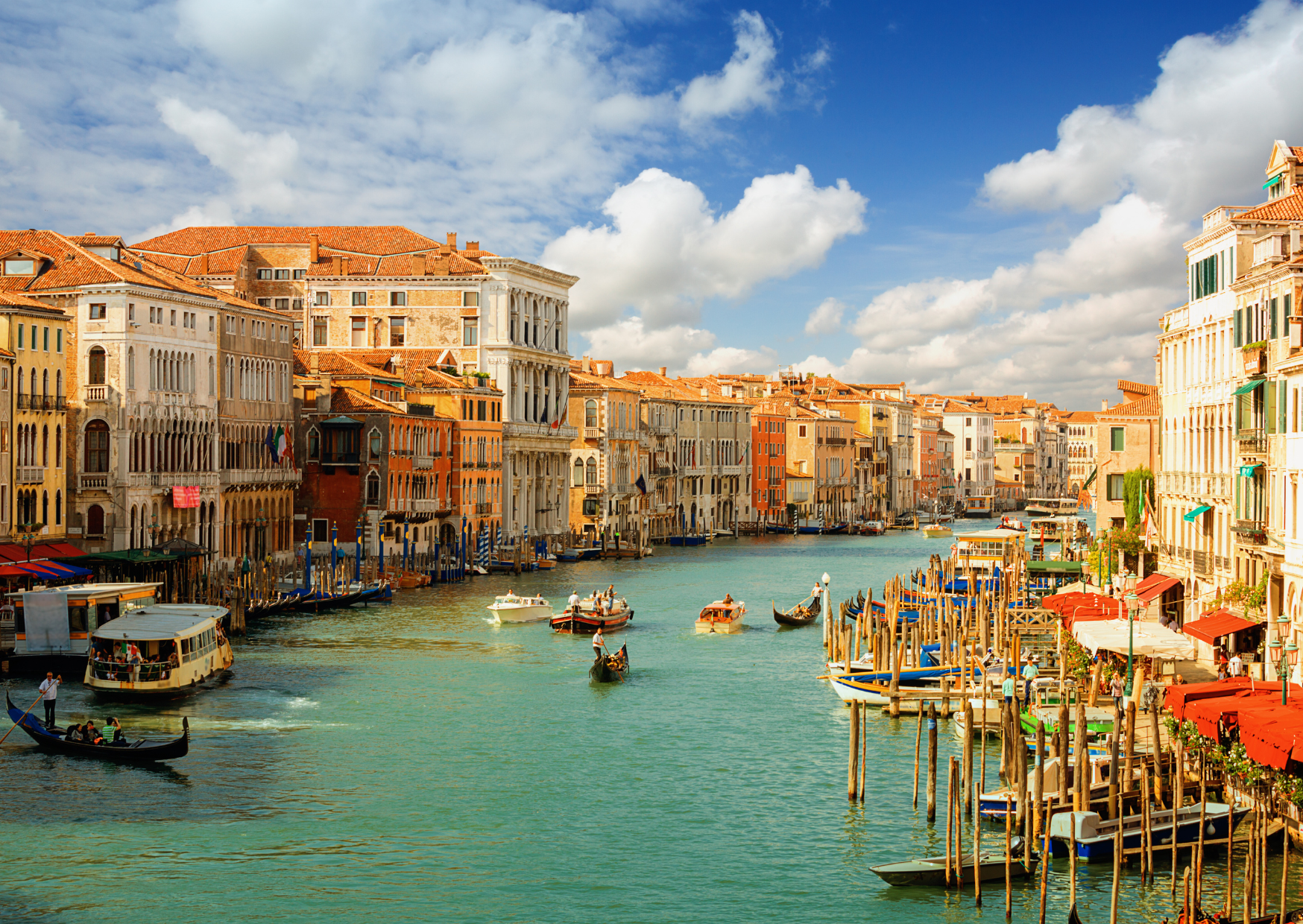
Italian summers in 2024, 2025, and 2026 have been hot. Florence, Rome, and Bologna regularly run 35 to 40 degrees Celsius (95 to 104 Fahrenheit) for extended periods in July and August. Climate change has made Italian summers comparable to Texas summers in absolute temperature.
Italian apartments mostly do not have air conditioning. Historic buildings often cannot have central air retrofitted due to historic preservation rules. Window units are restricted by aesthetic codes in many cities. The Italian heat-management strategy involves thick stone walls, closed shutters during the day, opened windows at night, and acceptance of indoor temperatures of 28 to 32 degrees Celsius for weeks at a time.
For Texas retirees, this is the conditions they spent forty years avoiding. The retiree who moved to Italy assuming they were escaping Texas heat discovers they have moved to similar heat without the air conditioning that made Texas heat tolerable.
The mitigations exist but are imperfect. A portable air conditioner from a Florence hardware store costs €400 to €700 and works for one room only. The electricity bill from running it through July and August can exceed €300 per month. The Italian apartment that was charming in October becomes physically miserable in July.
Retirees with health conditions affected by heat (cardiovascular issues, certain medications, baseline blood pressure issues) experience the Italian summer as a medical problem rather than a discomfort. The Texas habit of staying indoors in air conditioning during heat waves does not translate. Going outside is often cooler than staying inside.
By the second Italian summer, the climate question has reframed itself. The retiree no longer compares Italy to Texas summer favorably. The Texas summer with air conditioning starts to look better than the Italian summer without. The dream of cooler Mediterranean weather has not materialized.
Reason 5: The Healthcare Gap And Adjustment

Texas retirees are typically Medicare eligible at the time of the move. Their healthcare arrangement in the US has been Medicare plus supplementary insurance, often with established doctors, specialists, and ongoing prescriptions managed within a system they understand.
Italian public healthcare (SSN) is genuinely excellent but the access path for American retirees is specific and not always quick. The retiree must register as a resident, obtain a codice fiscale, register with a primary care doctor, and pay the annual SSN contribution before public healthcare access begins. The process takes 3 to 9 months depending on the local commune and the retiree’s documentation.
During the gap, private insurance covers the retiree. Private Italian insurance for a couple in their 60s runs €200 to €450 per month. US Medicare does not provide coverage in Italy except in rare emergency circumstances. Medicare premiums continue to be paid during Italian residence even though Medicare provides no benefit. Retirees often maintain US Medicare as backup for return visits to the US.
Once SSN access is established, the system works well for routine care. The friction emerges around specialist care and chronic condition management. The Italian primary care physician (medico di famiglia) gatekeeps specialist access in ways that the American Medicare retiree is not used to. The Texas retiree who saw a cardiologist directly in Houston cannot do that in Florence. The referral comes from the medico di famiglia, the specialist wait time runs 3 to 8 weeks for non-urgent referrals, and the prescription protocols are different.
The medication question is its own adjustment. American brand names of common medications do not exist in Italy or exist under different names with different dosing increments. A heart medication, blood pressure medication, or thyroid medication may need to be re-stabilized on the Italian equivalent, sometimes producing a period of symptom return while the new dosage stabilizes.
Texas retirees with stable chronic conditions managed by long-established US doctors often experience the Italian healthcare adjustment as a loss of control. The Italian doctors are competent. The system works. The retiree has lost the relationship-based healthcare that they had built up over decades in Texas. The new system requires learning, advocating, and accepting outcomes that the retiree did not get to design.
For retirees in good health, this is manageable. For retirees managing multiple conditions with multiple specialists, the cumulative weight of the healthcare adjustment becomes one of the strongest pulls back to Texas. The American healthcare system, expensive as it is, was working for them. The Italian system is working differently and not always in the ways the retiree wants.
Who Avoids The Texas-To-Italy Return

Some Texas retirees do succeed in Italy long-term. The patterns of success are recognizable.
Texas retirees who rented before buying. A full year of rental in the target Italian city, including a summer, reveals the apartment-size, climate, and walking-distance realities before any property purchase. Retirees who rent first encounter the return triggers during the rental year, can reverse course without major financial loss, and either commit on a more informed basis or return to Texas having spent only the rental cost.
Texas retirees who chose smaller Italian cities. Lecce, Trento, Parma, Ravenna, and similar second-tier Italian cities have lower costs, less tourism pressure, smaller-scale daily life, and more accessible apartment sizes. The Florence-and-Rome aspiration produces more returns than the smaller-city alternative.
Texas retirees with established Italian connections. Italian-American heritage, Italian-speaking relatives, or pre-existing friendships in Italy provide structural advantages. The integration is faster. The bureaucracy is less painful. The isolation that drives many returns is less acute.
Texas retirees who learned Italian seriously. A year of dedicated Italian study before the move and continued study through year one. The retirees who arrive with B1 Italian or better navigate the healthcare system, the tax system, and daily social life more easily.
Texas retirees who maintained financial flexibility. Did not sell the Texas house immediately. Kept US Medicare. Maintained US bank accounts. The optionality is expensive to maintain but valuable when the return question becomes real. Retirees who closed all US arrangements at the move often find the return logistically harder.
Texas retirees who visited extensively before committing. Multiple trips of four to eight weeks across different seasons, not the standard two-week vacation. The summer visit is particularly important. The Italian summer is the season most likely to trigger the return decision and is also the season most likely to be skipped by retirees scouting locations.
What Texas Retirees Considering The Move Should Do
For Texas retirees currently evaluating Italian retirement, several practical steps make the difference.
Visit during August. The Italian August reveals the climate and the social pattern (much of Italy effectively closes for the month) that determine the actual living experience.
Rent for a year before buying or committing. The rental year produces information that no amount of scouting can match.
Engage cross-border tax advisors before the move. A Texas-based US tax advisor familiar with Italian residence implications, plus an Italian commercialista familiar with American retirees. Total advisory costs of $5,000 to $15,000 in the first year are normal and prevent much larger downstream tax errors.
Calculate the actual Italian tax burden honestly. Run the numbers for your specific income mix at Italian rates. The shock is meaningful and worth seeing in advance.
Learn Italian for at least 12 months before moving. Arrive with B1 capability. Continue through year one to reach B2.
Maintain US Medicare and US backup options. The first year of Italian healthcare is the riskiest. Backup options are worth their cost.
Choose a smaller Italian city for the first year. Florence and Rome can come later if the lifestyle works. Starting in Lecce or Parma produces a more honest test of whether Italian retirement fits the specific retiree.
Plan for the apartment size shock. Look at actual Italian floor plans before the move. Spend time in a 70 square meter apartment in the US first if possible. The downsizing should not be a surprise that arrives in month six.
Identify return triggers in writing before the move. What would have to be true for you to return to Texas? Health threshold? Financial threshold? Family situation? Climate event? Writing these down before moving clarifies thinking.
Recognize that no shame attaches to returning. The retirees who go in with explicit permission to return often do not return. The retirees who treat the move as a one-way commitment often return anyway, just under more strain. The flexibility itself reduces the pressure that produces the actual returns.
Tax law and residency rules change. Anyone considering an Italian retirement should work with qualified counsel rather than relying on general writing about the topic.
What The Return Pattern Recognizes
The Italy retirement is real for Texas retirees who fit it. The retirees who fit it are typically not the retirees the marketing targets. The marketing implies that the Italian retirement is a romantic upgrade from Texas suburban life. For some Texas retirees it is. For most, the move involves a series of compressions and adjustments that the marketing does not name.
The five reasons in this piece are addressable. Square footage can be planned for. Driving identity can be partially preserved by choosing the right Italian city. Tax math can be honestly run. Climate can be experienced in advance. Healthcare adjustment can be planned around.
The Texas retirees who return generally did not address these specifically. They moved on the strength of the Italian dream and discovered the realities incrementally. The realities were addressable but had not been addressed.
For Texas retirees currently considering Italy, the practical question is whether the move makes sense for the specific retiree’s specific profile. Some Texas retirees will thrive in Italy. The retirees who do tend to share certain characteristics: physical fitness, language preparation, financial flexibility, willingness to downsize aggressively, and acceptance of climate trade-offs.
The retirees who lack these characteristics often try Italy anyway, encounter the five reasons in some order, and return to Texas within 18 to 30 months. The pattern is not unique to Texas. Florida, California, and Arizona retirees produce similar patterns with similar drivers. Texas is distinctive because the starting conditions (large house, no state income tax, car-dependent lifestyle, air-conditioned summer life) create steeper adjustment curves than retirees from more European-like US starting profiles experience.
The couple from outside Austin closing the door of their Florence apartment in March is returning to a Texas they left believing they wanted to escape. The Texas they return to is the same Texas. They have changed. The Italian experience has shown them something about what they actually wanted from retirement, which turns out to be less Italian and more Texan than they had assumed.
This is not a failure. The information value of the two Italian years is real. The Texas they return to feels different because they now know what they were comparing it to. Most of the returning Texas retirees report that the experience was worth having even though it ended. The move was the adventure. The return is the conclusion. Both are part of the same story.

About the Author: Ruben, co-founder of Gamintraveler.com since 2014, is a seasoned traveler from Spain who has explored over 100 countries since 2009. Known for his extensive travel adventures across South America, Europe, the US, Australia, New Zealand, Asia, and Africa, Ruben combines his passion for adventurous yet sustainable living with his love for cycling, highlighted by his remarkable 5-month bicycle journey from Spain to Norway. He currently resides in Spain, where he continues sharing his travel experiences with his partner, Rachel, and their son, Han.