
Last updated on July 28th, 2026 at 06:21 am
The useful lesson was not that seed oils are poison. The useful lesson was that copying the way Europe limits certain industrial fats, regulates contaminants, and keeps ultra-processed food from running the whole day can change the food environment fast.
The 38% drop was real.
It was also easy to misunderstand.
The person did not remove every oil made from a seed and suddenly become inflammation-proof. They changed the oil, the packaged food, the fried food, the snack rhythm, the restaurant choices, and the way meals were built.
That is a very different experiment.
And it is the only version worth copying.
The European Rule Was Not “No Seed Oils”
The first thing to fix is the phrase.
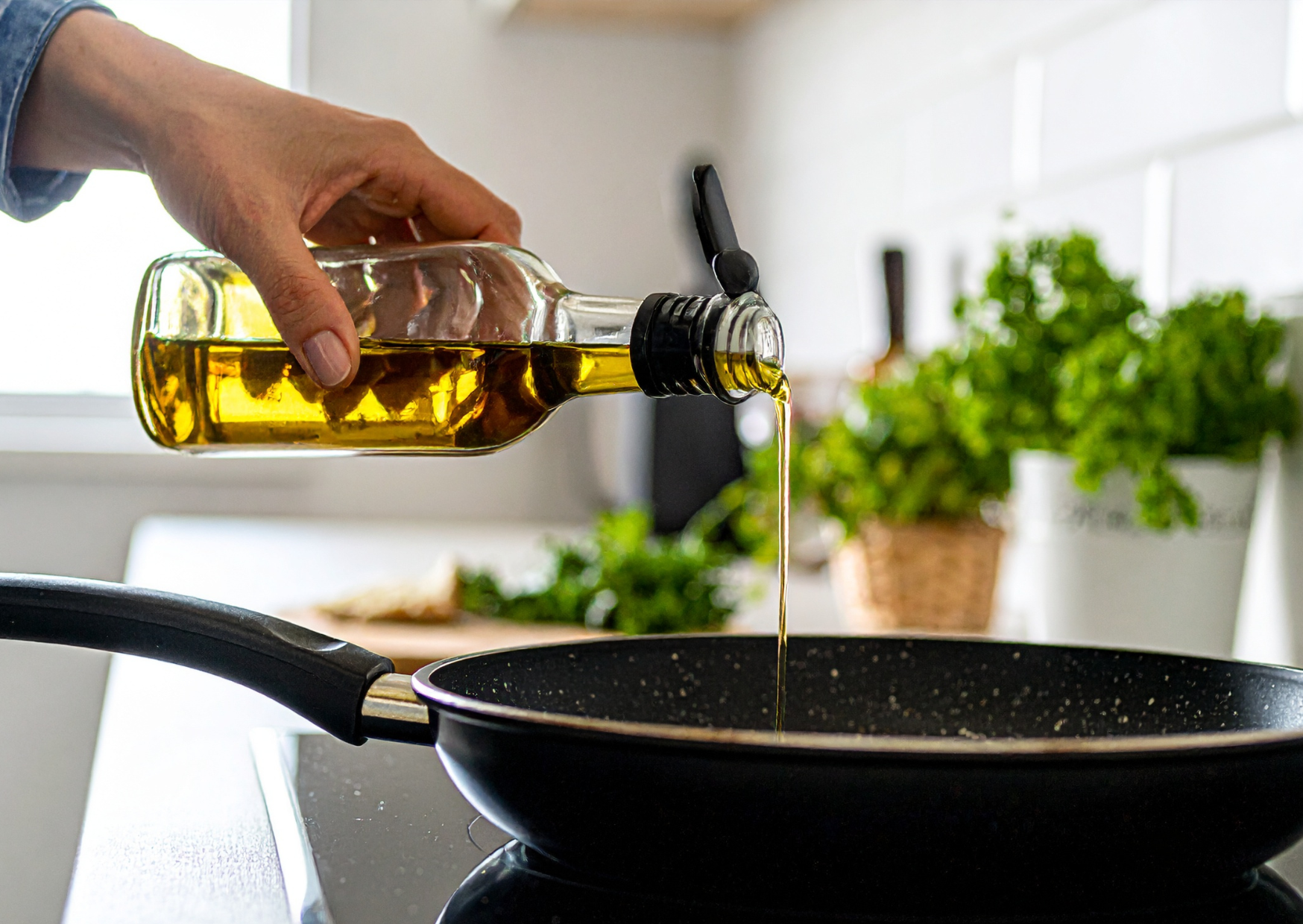
Europe does not have a rule that says seed oils are illegal. Walk into a supermarket in Madrid, Rome, Paris, Lisbon, Berlin, or Athens and seed oils are there. Sunflower oil, rapeseed oil, soybean oil in products, corn oil in some foods, blended vegetable oils, frying oils, margarine, mayonnaise, crackers, packaged bread, sauces, frozen food.
Europe did not ban seed oils.
What Europe does have is a stricter food-control environment around certain risks: industrial trans fats, contaminants, erucic acid limits, labeling, additives, and food-safety rules. That is not the same as the online claim that “Europe knows seed oils are toxic.”
The 60-day experiment worked because the rule was interpreted in a practical way.
The person stopped eating like seed oils were mainly a home-cooking problem and started looking at where they actually showed up in daily life: fast food, fried food, chips, crackers, shelf-stable pastries, frozen snacks, sauces, dressings, packaged desserts, and “healthy” convenience products.
That shift matters.
A spoon of sunflower oil used to cook vegetables at home is not the same food event as a bag of ultra-processed snacks built from refined starch, oil, salt, flavoring, and a texture designed to disappear quickly. The oil may be the ingredient everyone argues about, but the whole product is doing the damage.
The European-style rule was less dramatic:
Use olive oil for most daily cooking.
Use seed oils rarely and intentionally.
Cut industrially fried and ultra-processed foods hard.
Stop treating packaged snacks as normal meal support.
That is not anti-seed-oil theology.
It is a cleaner food environment.
The Marker Drop Does Not Prove What People Want It To Prove
A 38% drop in inflammation markers sounds clean.
It is not.
Inflammation markers can move for many reasons: weight loss, better sleep, less alcohol, fewer infections, less refined food, more fiber, more exercise, less stress, better dental care, medication changes, improved blood sugar, or a temporary change in the body nobody noticed.
One marker does not explain itself.
Even C-reactive protein, the marker most readers recognize, is sensitive to many things. It can rise after an infection, injury, bad sleep, intense exercise, or inflammatory flare. It can fall when body fat drops, diet quality improves, smoking stops, alcohol falls, or an underlying issue calms down.
So the sentence “seed oil rules dropped inflammation 38%” is too neat.
The more honest sentence is better:
A 60-day food reset built around European-style fat rules coincided with a 38% drop in measured inflammation markers.
That wording is less sexy.
It is also less stupid.
The useful part is not proving that one ingredient caused one lab result. The useful part is noticing which changes came bundled together.
The person stopped eating frequent fried food. Stopped using bottled dressings as a daily shortcut. Stopped buying chips and crackers as “normal.” Stopped treating sweet packaged breakfast food as food with a different clock. Cooked more meals at home. Used olive oil. Ate more fish, beans, vegetables, potatoes, yogurt, fruit, and actual lunch.
That cluster could absolutely change the body.
But the cluster is not one ingredient.
It is the whole way of eating.
The Seed Oil Panic Gets The Science Backward
The loud online claim is simple: seed oils are high in omega-6 linoleic acid, omega-6 promotes inflammation, therefore seed oils cause inflammation.
The body is not that crude.
Linoleic acid is an essential fatty acid. Humans need it. Clinical trial evidence has not supported the claim that normal linoleic acid intake from vegetable oils increases inflammatory markers. In many nutrition discussions, replacing saturated fat with unsaturated fat remains part of standard heart-health advice.
That does not mean seed oils should run the diet.
It means the panic is badly aimed.
A person who removes seed oils but replaces them with butter, beef tallow, bacon grease, and heavy cream has not automatically upgraded the heart. A person who removes seed oils but still eats sweets, refined starch, processed meat, alcohol, low fiber, and oversized portions has not solved inflammation.
The problem is often not the bottle of oil.
It is the food system around the oil.
In the American diet, seed oils often arrive attached to ultra-processed foods. That is where the confusion begins. People cut seed oils and feel better because they also cut chips, fast food, frozen snacks, pastries, sauces, and restaurant fried food.
Then they credit the oil.
The real win may be the disappearance of the products that carried it.
That distinction matters because it keeps the experiment from becoming ridiculous. Nobody needs to fear a tomato sauce made with sunflower oil more than a nightly bowl of ice cream because the ice cream feels less politically charged.
The food pattern matters.
The ingredient drama is often a distraction.
The First Change Was Moving The Oil Back Into The Kitchen
The person stopped letting companies choose the fat.
That was the biggest shift.
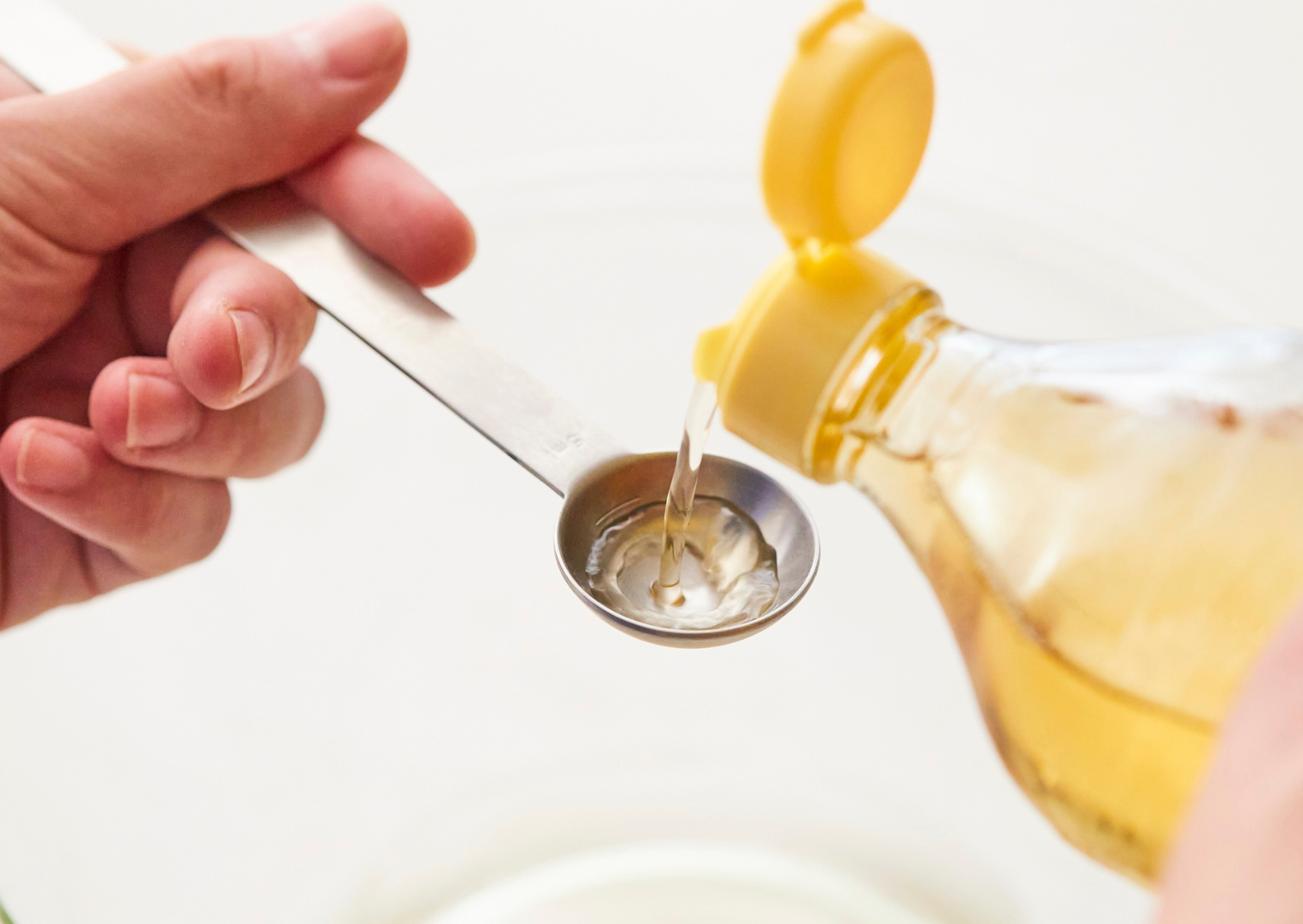
At home, the default became extra virgin olive oil for salads, vegetables, beans, eggs, fish, potatoes, soups, and cooked meals. Butter stayed occasional. Seed oils were not treated like poison, but they stopped being the invisible background fat of the day.
This changed the pantry almost immediately.
Bottled dressings left first. Then flavored crackers. Then chips. Then frozen snacks. Then bars and packaged “protein” foods that were really candy with better posture. Then shelf-stable pastries and breakfast products.
Not because every one of those foods contained the same oil.
Because all of them belonged to the same eating pattern.
Once olive oil became the house fat, meals had to become meals. A person does not usually pour extra virgin olive oil over a handful of neon snack crackers and call it lunch. Olive oil pulls the meal toward tomatoes, greens, fish, eggs, bread, beans, potatoes, lentils, and cooked vegetables.
That is where the European habit helped.
It made the oil visible.
The old American food pattern hid fat inside products. The new pattern put fat back on the plate where it could be seen, tasted, and controlled.
A tablespoon of olive oil on vegetables is obvious.
The oil inside a bag of snacks is not.
That one difference can change portions without a calorie app. The person starts tasting richness instead of chasing engineered crunch. Food becomes more satisfying and less frantic.
Visible fat is easier to regulate than invisible fat distributed through products designed for overeating.
The Fried Food Rule Did More Than The Oil Swap
The strongest 60-day change was probably not switching one bottle for another.
It was cutting repeated fried food.
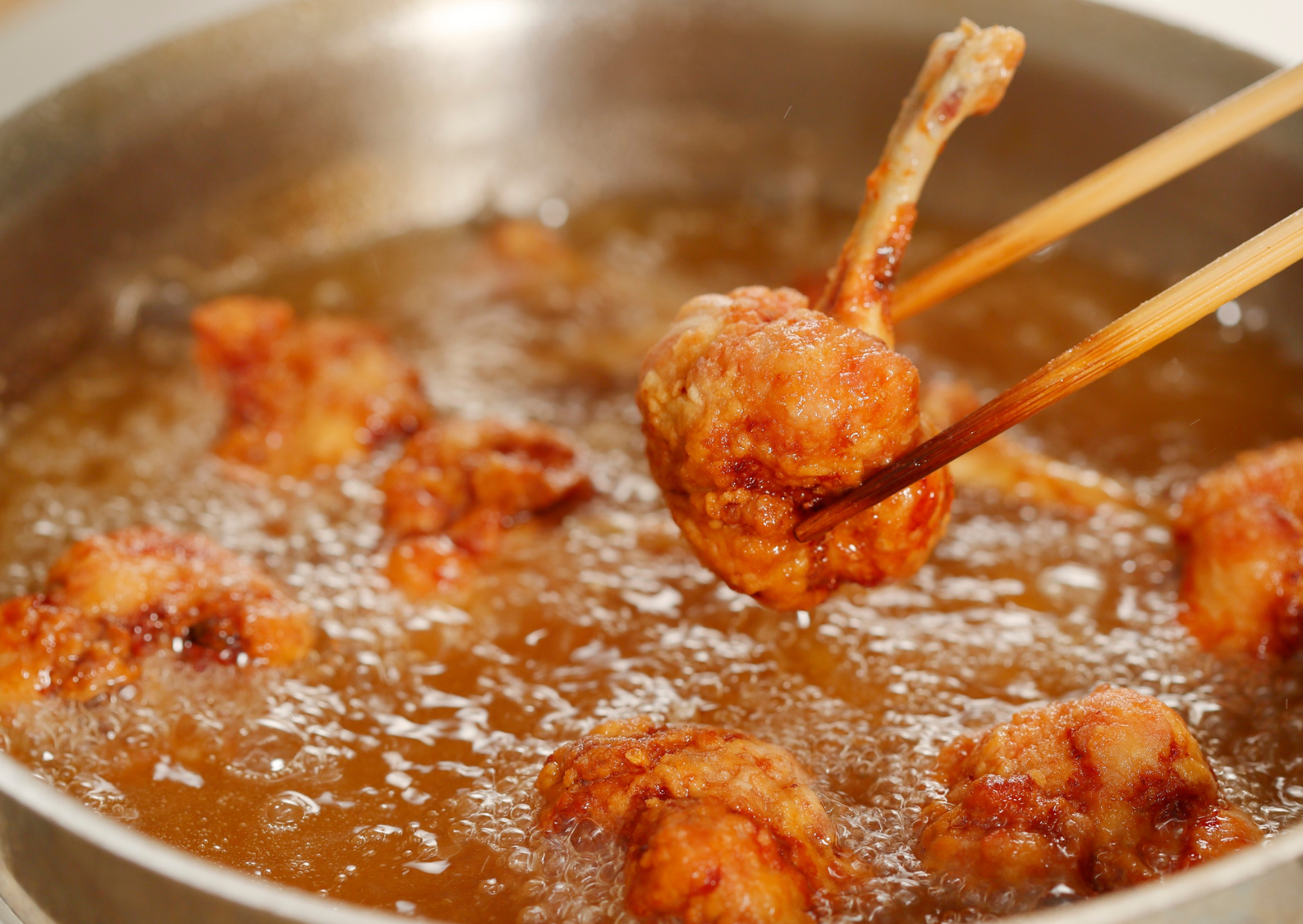
That included restaurant fries, fried chicken, fried fish, fried appetizers, fast-food sides, chips, commercial snack foods, and anything cooked in oil that had been heated, held, reused, or built for speed.
This is where the European framing helped, but not because Europe never fries food.
Europe fries plenty.
Spain has croquetas. Italy has arancini and fried seafood. Greece has fried courgettes. France has frites. Portugal has fried snacks that do not apologize for themselves.
The difference is frequency and role.
A fried food can be part of a meal. The American problem is that fried and oil-heavy ultra-processed foods can become daily background. Fries with lunch. Chips in the car. Frozen fried snacks at night. Restaurant food twice a week. Crunchy packaged food after dinner. Repeat.
For 60 days, the rule became simple: fried food had to be obvious, occasional, and worth it.
Not hidden.
Not daily.
Not eaten because the person was tired and the bag was open.
That changed inflammation risk more plausibly than any single oil swap. Fried foods often come with refined starch, salt, high energy density, low fiber, large portions, and the kind of texture that makes stopping harder than starting.
Remove those foods and the day naturally gets cleaner.
The person eats more potatoes instead of fries. More beans instead of chips. More yogurt instead of bars. More fruit instead of packaged sweets. More fish baked or pan-cooked instead of battered. More real lunch instead of snack fragments.
The oil changed.
The eating architecture changed more.
The Label Rule Was Brutal In The Best Way
European-style shopping made labels less negotiable.
The person did not obsess over every additive. That turns grocery shopping into a nervous breakdown with fluorescent lighting. The rule was simpler: if the food needed a long ingredient list to imitate a meal, it did not come home for 60 days.
That cut more oil than expected.
Packaged breads with added oils. Crackers. Cookies. Bars. Dressings. Sauces. Frozen meals. Crispy snacks. Vegan convenience products. “Healthy” chips. Shelf-stable pastries. Flavored breakfast products. Meal replacements.
Some were technically allowed in Europe.
That was not the point.
The point was to eat closer to the foods European food rules make easier to trust: olive oil, vegetables, fruit, fish, eggs, beans, lentils, yogurt, potatoes, rice, bread with a normal ingredient list, cheese, nuts, tomatoes, onions, greens, and coffee.
A shorter label does not automatically make a food perfect.
But it makes the decision clearer.
The 60-day rule removed the gray zone where ultra-processed foods pretend to be practical nutrition. That gray zone is expensive, snacky, and very good at keeping people hungry.
The person did not need a perfect diet.
They needed fewer products that made hunger confusing.
Once the labels got shorter, meals got easier. Breakfast became yogurt, fruit, nuts, eggs, or toast. Lunch became beans, tuna, vegetables, rice, potatoes, or leftovers. Dinner became fish, chicken, lentils, soup, pasta with vegetables, or eggs with greens.
Nobody needed to count.
The food started counting itself by becoming harder to overeat casually.
The Olive Oil Part Worked Because It Changed The Whole Plate
Olive oil has a halo online, which means people can misunderstand it too.
It is still fat. It still has calories. Pouring it like a baptism over every plate is not automatically health. Mediterranean diets work because olive oil sits inside a bigger pattern: vegetables, legumes, fruit, fish, whole grains or bread, potatoes, nuts, herbs, social meals, movement, and fewer ultra-processed products.
The person who used olive oil for 60 days did not just change the fat.
They changed what the fat touched.
Olive oil went on tomatoes, beans, greens, roasted vegetables, fish, potatoes, lentil soup, eggs, and salad. It replaced bottled dressing, mayonnaise-heavy sauces, packaged dips, and invisible fats inside snack foods.
That matters because olive oil makes simple food taste finished.
A plate of tomatoes, salt, olive oil, and bread can feel like food. Beans with olive oil, onion, and vinegar can become lunch. Potatoes with olive oil and herbs can replace fried sides. Fish with olive oil and lemon can carry dinner without a sauce packet.
This is why the bill may not even rise much.
Good olive oil costs more per bottle than cheap vegetable oil, but the total grocery pattern often gets cheaper when packaged foods disappear. The expensive part of the American diet is rarely the cooking fat alone. It is the cascade of products bought because nobody built a meal.
Olive oil helped because it supported meals.
Seed oil panic fails when it only swaps fats and keeps the same snack structure.
The 60 Days Had A Food List, Not A Forbidden List
The experiment became easier when it stopped being framed around fear.
Instead of starting every meal with “no seed oils,” the person started with what had to appear most days.
Beans or lentils.
Vegetables.
Fruit.
Plain yogurt or eggs.
Fish several times a week.
Potatoes, rice, oats, bread, or pasta in normal portions.
Olive oil.
Nuts in small amounts.
Water, coffee, tea, or mineral water.
That food list did more than the avoidance list.
It gave the person something to eat.
This is where many American elimination diets fail. They remove foods with great drama and then leave the person staring into the fridge at 8:45 p.m. wondering whether purity can be sautéed.
The European-style version was more practical.
Cook lentils. Roast vegetables. Boil potatoes. Keep tuna or sardines. Buy eggs. Keep yogurt. Make rice. Keep tomatoes. Use olive oil. Put fruit where it can be seen. Keep bread that behaves like bread.
That is a kitchen.
Not a theory.
The food became repeatable enough to survive normal life. A person can make beans twice a week. A person can eat eggs when tired. A person can make tuna and potatoes without becoming a chef. A person can open yogurt instead of a snack bar.
The rule worked because dinner still existed.
That sounds obvious. It is not. A lot of health experiments fail because they remove convenience but do not replace it with a usable routine.
This one worked when the replacement meals became boring enough to repeat.
The Marker Drop Probably Came From The Whole Reset
A 38% inflammation-marker drop after 60 days is believable enough to be interesting.
It is not clean enough to be a verdict.
If the person also lost weight, ate more fiber, reduced alcohol, slept better, cooked more meals, cut fried food, lowered refined carbohydrates, walked more, and reduced late-night eating, any or all of those could have contributed.
That is not a weakness in the story.
It is the story.
The body does not care about internet categories. It responds to total load. Less ultra-processed food. Less repeated frying. More fiber. Better fat quality. More stable meals. More fish. More plants. Better sleep. Fewer snacks. Maybe a smaller waist.
That is how inflammation markers often move.
Not from one heroic ban.
From less daily irritation.
This is also why the person should not become smug about seed oils. Someone else may cook with canola oil at home, eat beans, fish, vegetables, oats, fruit, and nuts, avoid ultra-processed foods, and have excellent markers. Another person may ban seed oils, eat beef tallow fries, bacon, butter, low fiber, and processed meat, then wonder why the labs did not applaud.
The body reads the pattern.
The pattern is the point.
If the 60 days improved labs, the next question is not “Which ingredient was the villain?”
It is “Which parts of this new pattern are worth keeping?”
That question leads to a much better life.
The Mistakes That Ruin This Experiment
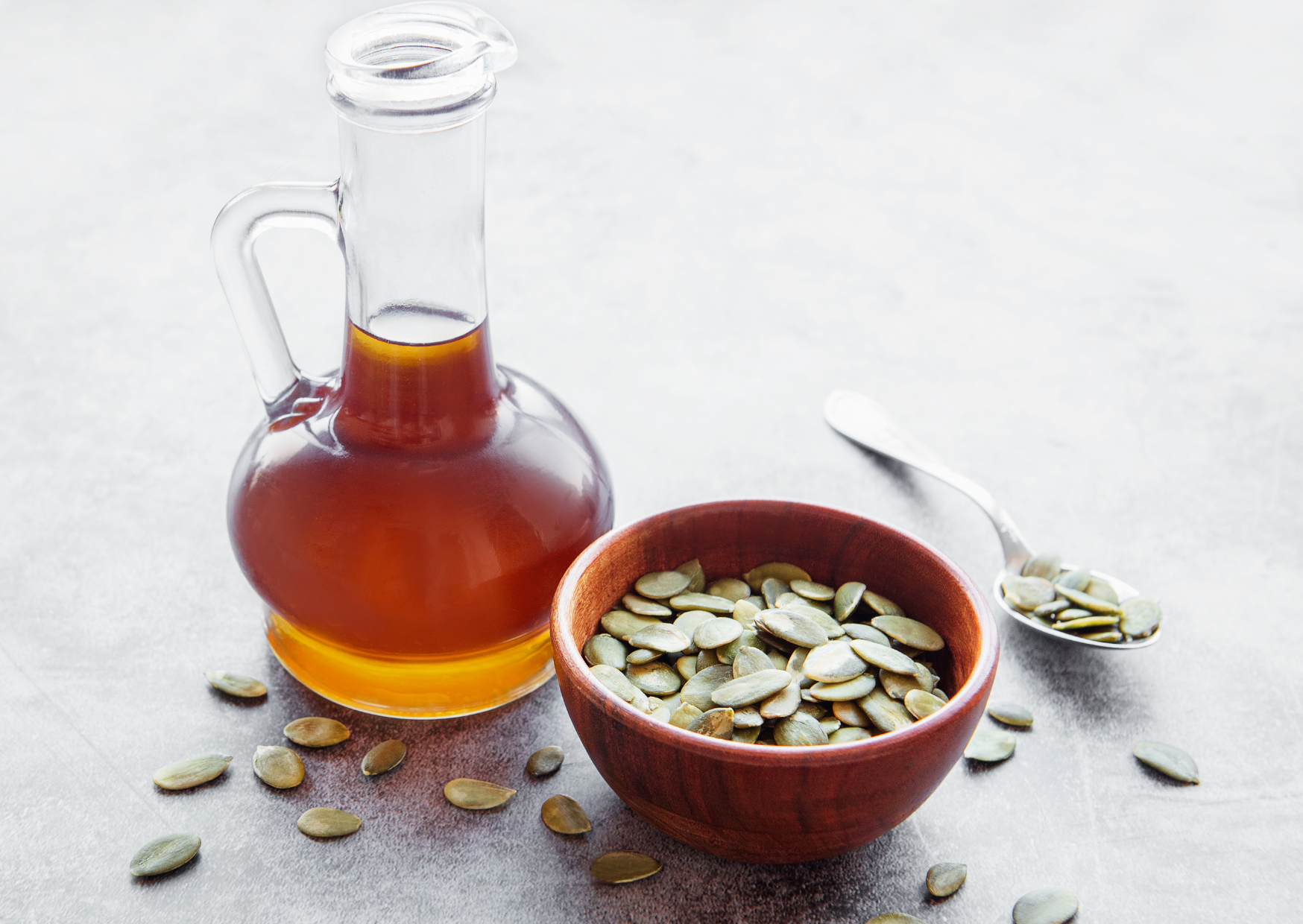
The first mistake is turning seed oils into a moral category.
That creates fear and bad substitutions. Butter is not automatically better. Beef tallow is not magic. Coconut oil is not Mediterranean because it looks clean on a label.
The second mistake is ignoring dose.
A little seed oil inside an otherwise good diet is not the same as a daily pattern built from fried and ultra-processed foods. Frequency matters. Portion matters. Context matters.
The third mistake is forgetting omega-3.
If the diet removes packaged food but still never includes fish, walnuts, chia, flax, or other omega-3 sources, the fat pattern may remain incomplete. Mediterranean-style eating is not just olive oil. It includes seafood and plant foods that support the bigger picture.
The fourth mistake is buying expensive “seed-oil-free” packaged food.
This is the new grocery trap. A cookie made with coconut oil is still a cookie. Chips fried in avocado oil are still chips. A packaged snack does not become lunch because the oil sounds wealthy.
The fifth mistake is overusing olive oil.
A better oil does not make unlimited oil a health plan. The goal is satisfying food, not turning every vegetable into an oil delivery system.
The sixth mistake is skipping lab context.
A marker drop should be discussed in context: symptoms, weight, medication, recent illness, sleep, exercise, blood sugar, cholesterol, liver enzymes, and whatever else the clinician is tracking.
The seventh mistake is thinking Europe solved food.
Europe has ultra-processed food, obesity, alcohol problems, cheap snacks, sugary products, and plenty of people eating badly. The useful part is not pretending Europe is pure.
The useful part is copying the habits and rules that make better defaults easier.
A 7-Day Start Before The 60 Days
Day one: remove the loudest foods.
Do not start with the oil bottle. Start with chips, fried snacks, packaged pastries, sweet breakfast products, bottled dressings, frozen fried foods, and “healthy” bars that behave like dessert.
Day two: choose the house fat.
Use extra virgin olive oil for salads, vegetables, beans, eggs, fish, and simple cooking. Keep any other oil intentional, not invisible.
Day three: build three emergency meals.
Beans with tuna and tomato. Eggs with greens and bread. Yogurt with fruit and walnuts. The meals need to be ready faster than ordering food.
Day four: check restaurant patterns.
For 60 days, skip fried appetizers, fries by default, battered mains, and oil-heavy fast food. Order grilled, baked, stewed, roasted, or simple dishes when possible.
Day five: fix lunch.
A weak lunch creates snack spending. Build lunch around protein, fiber, fat, and starch: lentils, potatoes, fish, eggs, beans, vegetables, olive oil, bread, rice, or yogurt.
Day six: add omega-3 foods.
Eat fish if that works. Use walnuts, chia, flax, or other options if fish is not realistic. The goal is a better fat pattern, not only a seed-oil reduction.
Day seven: decide what to measure.
Do not measure only weight. If inflammation markers are part of the story, use the same lab, comparable conditions, and a clinician who can interpret the result. Also track sleep, digestion, pain, energy, waist, cravings, and alcohol intake.
Then repeat for 60 days.
Not perfectly.
Consistently enough for the body to notice.
The Best Result Was A Quieter Diet, Not A Cleaner Identity
The 60-day experiment worked because the food got quieter.
Fewer bags. Fewer bars. Fewer sauces. Fewer fried sides. Fewer invisible oils. Fewer snack foods pretending to be helpful. Fewer meals outsourced to companies that design food to be eaten quickly and bought again.
More olive oil.
More beans.
More fish.
More vegetables.
More potatoes.
More yogurt.
More food that looked like it had a beginning before the factory.
That is why the 38% marker drop belongs in the story, but not as a miracle claim. It is a result worth paying attention to, not a universal promise.
The old diet may have been inflaming the person’s life in several directions at once: too much ultra-processed food, too little fiber, too much fried food, not enough real meals, poor fat quality, and a snack rhythm that kept hunger messy.
The European-style rules did not cure anything.
They cleaned up the inputs.
That is enough to matter.
The best long-term version is not a lifelong fear of seed oils. It is a kitchen where olive oil does most daily work, seed oils are occasional and not hidden inside half the diet, fried food is chosen rather than automatic, and ultra-processed snacks stop pretending to be normal.
That does not make the person pure.
It makes the food easier to trust.
And after 60 days, that may be the most useful change of all.

About the Author: Ruben, co-founder of Gamintraveler.com since 2014, is a seasoned traveler from Spain who has explored over 100 countries since 2009. Known for his extensive travel adventures across South America, Europe, the US, Australia, New Zealand, Asia, and Africa, Ruben combines his passion for adventurous yet sustainable living with his love for cycling, highlighted by his remarkable 5-month bicycle journey from Spain to Norway. He currently resides in Spain, where he continues sharing his travel experiences with his partner, Rachel, and their son, Han.