
Sunday sauce is not a quick tomato sauce with meat added for protein. It is a long, slow pot of tomatoes, pork, sausage, meatballs, and patience, built to feed the table first and the week after that.
The pot starts early because Sunday sauce is not supposed to behave like dinner.
It behaves like a household event.
Tomatoes go in. Pork browns. Sausage spits. Meatballs wait on a tray. Someone asks too early if it is ready. Someone else lifts the lid too often. The whole house starts smelling like garlic, tomatoes, browned meat, and the kind of food that makes people arrive before they were invited.
The guarded part is not only the recipe.
It is the timing, the meat, the restraint, and the refusal to rush the pot.
Italian-American Sunday Sauce With Meatballs, Sausage, And Pork
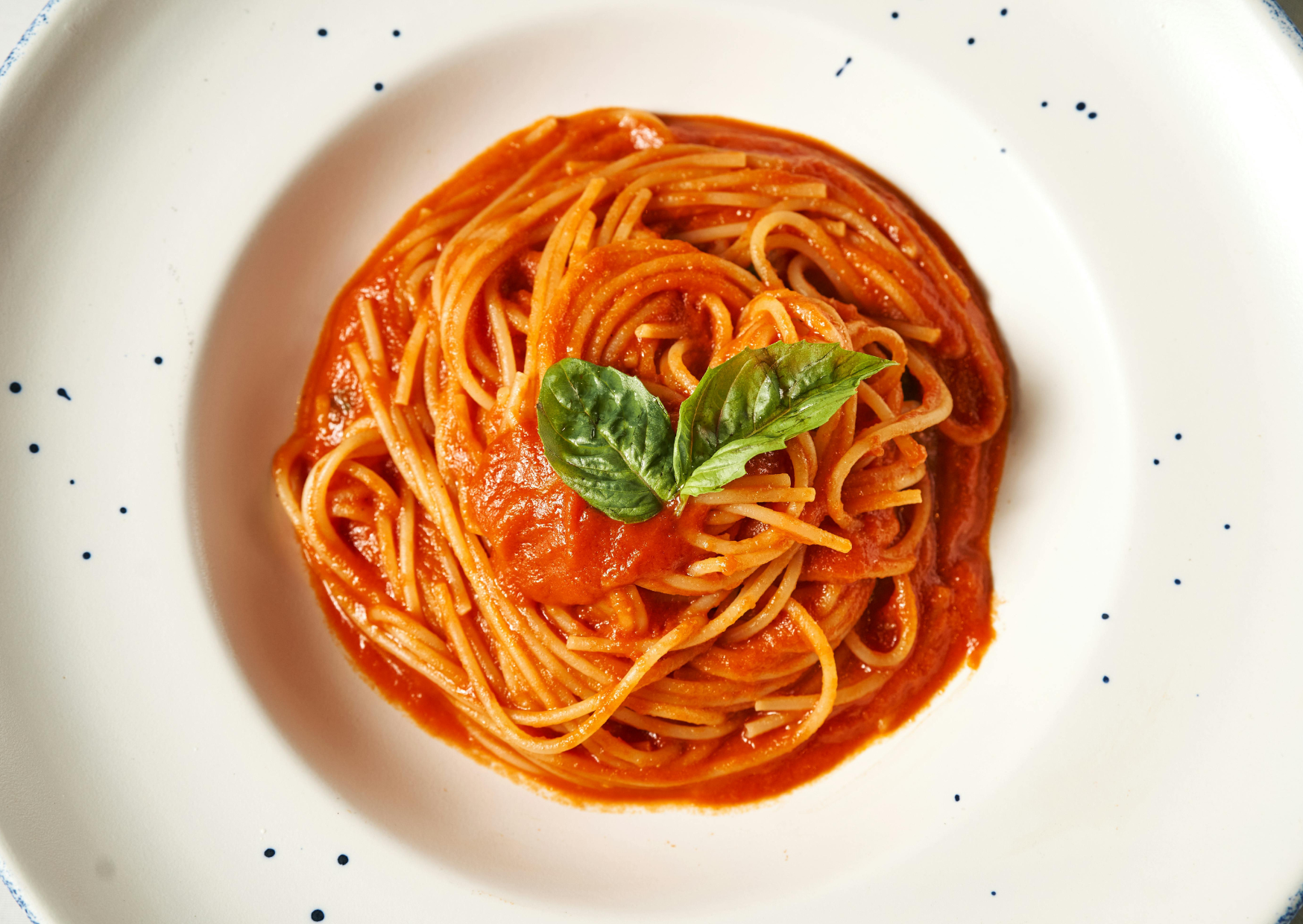
This is a full Sunday sauce, the kind served first over pasta and then followed by the meat on a platter. It is Italian-American, not a claim about how every region of Italy cooks. The roots are southern Italian, but the big meat-filled Sunday pot became its own thing in Italian-American homes.
This version uses pork ribs or pork shoulder, Italian sausage, and meatballs. Braciole is optional because not every household makes it every week, and forcing it into the pot can turn the recipe into a project nobody repeats.
Yield
Serves 8 to 10 people, with leftover sauce for the week.
Ingredients For The Sauce
- 3 tablespoons olive oil
- 900 g pork ribs, pork shoulder chunks, or pork neck bones
- 450 g Italian sausage, sweet, hot, or mixed
- 1 large yellow onion, finely chopped
- 6 garlic cloves, thinly sliced or minced
- 3 tablespoons tomato paste
- 240 ml dry red wine, optional but useful
- 3 cans whole peeled tomatoes, 800 g each, crushed by hand
- 1 can tomato passata or crushed tomatoes, 700 g
- 1 teaspoon fine sea salt, plus more to taste
- 1/2 teaspoon black pepper
- 1 teaspoon dried oregano
- 1 small pinch red pepper flakes, optional
- 1 Parmesan rind, optional
- 8 to 10 fresh basil leaves
- Optional: 1 teaspoon sugar, only if the tomatoes are harsh
Ingredients For The Meatballs
- 450 g ground beef
- 450 g ground pork
- 100 g fresh breadcrumbs
- 120 ml whole milk
- 2 large eggs
- 60 g grated Pecorino Romano or Parmesan
- 3 garlic cloves, finely minced
- 3 tablespoons chopped parsley
- 1 1/2 teaspoons fine sea salt
- 1/2 teaspoon black pepper
- 2 tablespoons olive oil, for browning if pan-frying
Optional Braciole
- 6 thin slices beef top round, about 700 g total
- 80 g breadcrumbs
- 50 g grated Pecorino Romano
- 2 garlic cloves, minced
- 3 tablespoons chopped parsley
- 2 tablespoons pine nuts, optional
- 2 tablespoons raisins, optional
- 2 tablespoons olive oil
- Salt and black pepper
- Kitchen twine
Step 1. Brown The Pork And Sausage
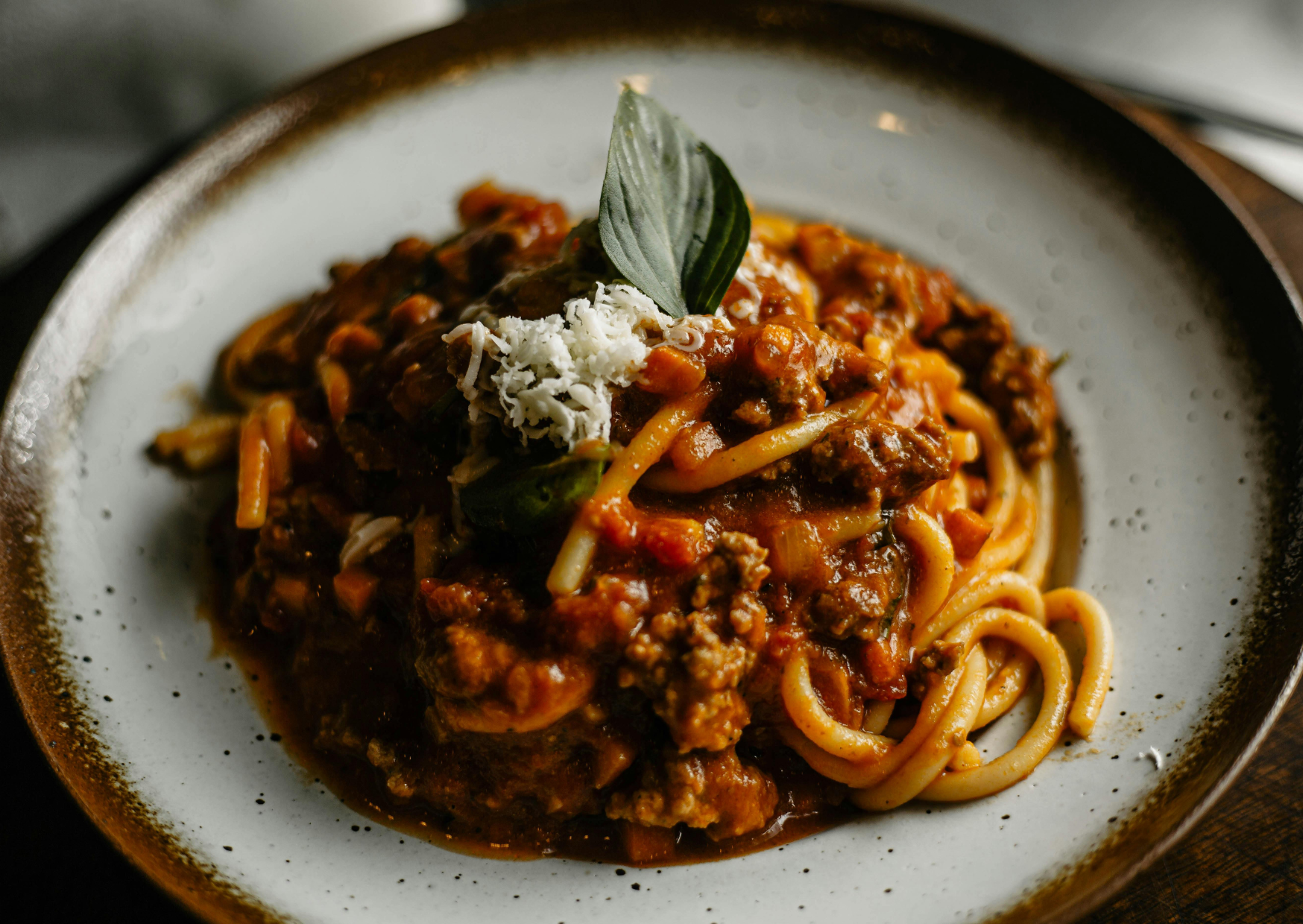
Heat olive oil in a large heavy pot over medium heat.
Season the pork lightly with salt. Brown it on all sides until deeply colored, about 8 to 10 minutes total. Remove to a plate.
Brown the sausage next, about 5 to 7 minutes. It does not need to cook through. It only needs color. Remove to the same plate.
This browning is where the sauce starts tasting like Sunday. Do not rush it. Pale meat makes a thinner-tasting sauce.
Step 2. Build The Tomato Base
Lower the heat to medium-low.
Add the onion to the pot and cook for 6 to 8 minutes, scraping up browned bits, until soft and lightly golden.
Add the garlic and cook for 30 to 60 seconds. Do not burn it.
Stir in the tomato paste and cook for 2 to 3 minutes until it darkens slightly. Add the wine if using and simmer for 2 minutes, scraping the bottom of the pot.
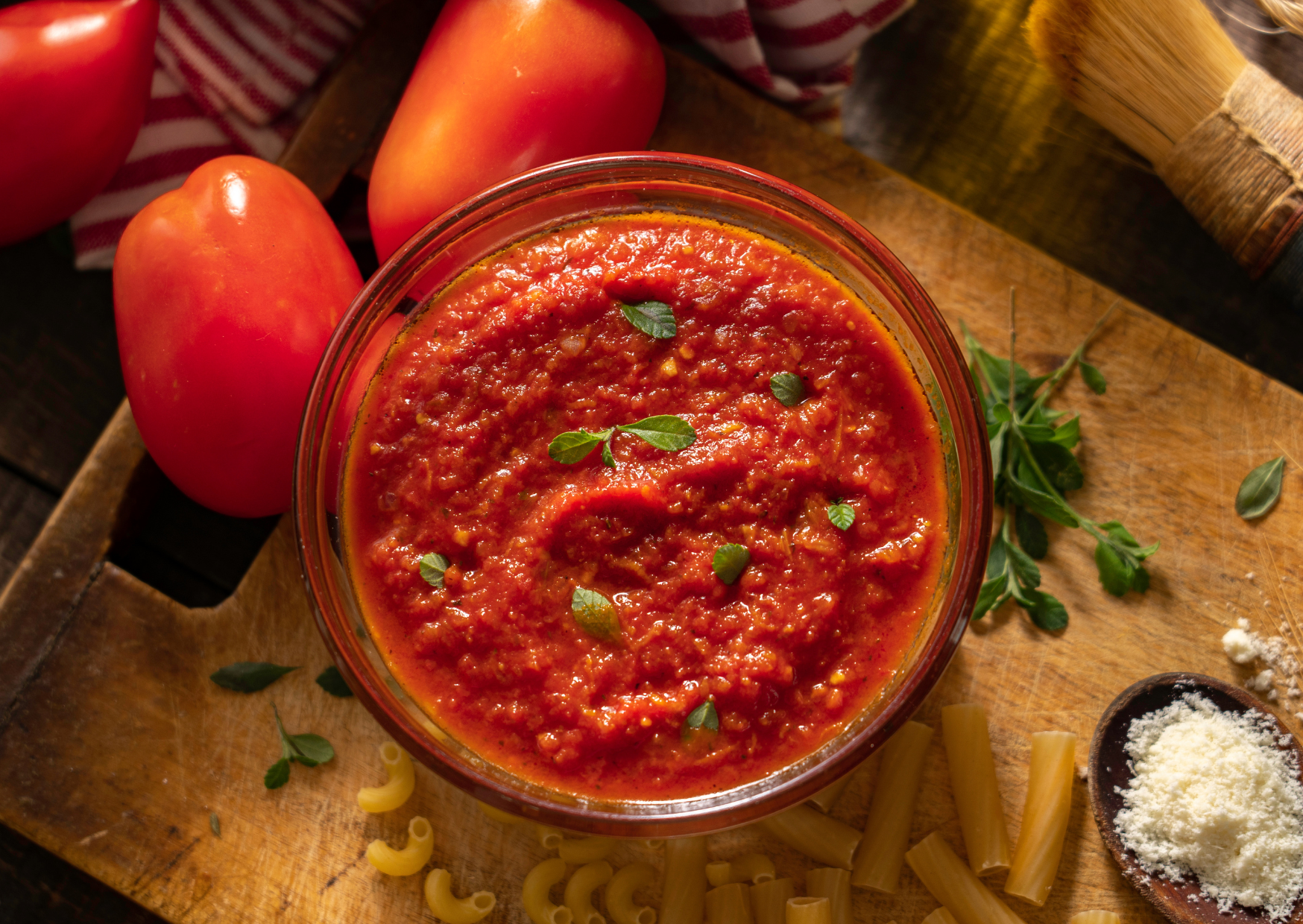
Add the crushed whole tomatoes, passata, salt, pepper, oregano, red pepper flakes, Parmesan rind if using, and basil.
Bring to a gentle simmer.
Step 3. Return The Pork And Sausage
Add the browned pork and sausage back to the pot.
Lower the heat until the sauce barely bubbles. Cover the pot partly, leaving a small gap.
Simmer for 1 hour, stirring occasionally from the bottom so the sauce does not catch.
The pot should not boil hard. Sunday sauce needs a lazy simmer, not tomato violence.
Step 4. Make The Meatballs
While the sauce simmers, soak the breadcrumbs in milk for 5 minutes.
In a large bowl, combine beef, pork, soaked breadcrumbs, eggs, cheese, garlic, parsley, salt, and pepper.
Mix gently with your hands until combined. Do not knead like bread dough. Overworked meatballs turn tight and heavy.
Shape into balls about 45 to 50 g each, roughly golf-ball size.
You should have around 28 to 32 meatballs.
Step 5. Brown Or Bake The Meatballs
For the richest flavor, brown the meatballs in olive oil over medium heat until colored on all sides, about 6 to 8 minutes. They do not need to cook through.
For a cleaner, easier method, bake them on a parchment-lined tray at 220°C for 12 to 15 minutes, until browned.
Either method works.
The important thing is not dropping raw meatballs straight into the sauce unless that is your household tradition and you like a softer texture. Browning gives better flavor and helps the meatballs hold together.
Step 6. Add Meatballs To The Sauce
After the pork and sausage have simmered for about 1 hour, gently add the browned meatballs.
Simmer partly covered for another 1 1/2 to 2 hours, stirring carefully every 20 to 30 minutes.
The sauce is ready when the pork is tender, the oil has risen slightly at the top, the meatballs are fully cooked, and the tomato flavor tastes deep instead of sharp.
Total simmering time should be around 3 to 4 hours.
Step 7. Rest The Sauce
Turn off the heat and let the pot rest for 20 to 30 minutes.
Remove the pork, sausage, meatballs, and Parmesan rind. Put the meats on a platter.
Taste the sauce and adjust salt. Add sugar only if the tomatoes are still aggressively acidic.
Serve the sauce with pasta first, then the meat after, or serve everything together if your table is less formal and more hungry.
Step 8. Serve It Properly
Boil 900 g to 1 kg dried pasta for a large table. Rigatoni, ziti, paccheri, cavatelli, or spaghetti all work, depending on family habit.
Toss the pasta with enough sauce to coat it well. Do not drown it into soup.
Serve with grated Pecorino Romano or Parmesan, extra sauce, and the meat platter.
A green salad and bread are enough beside it.
The pot has already done the work.
The Meat Is Not Decoration
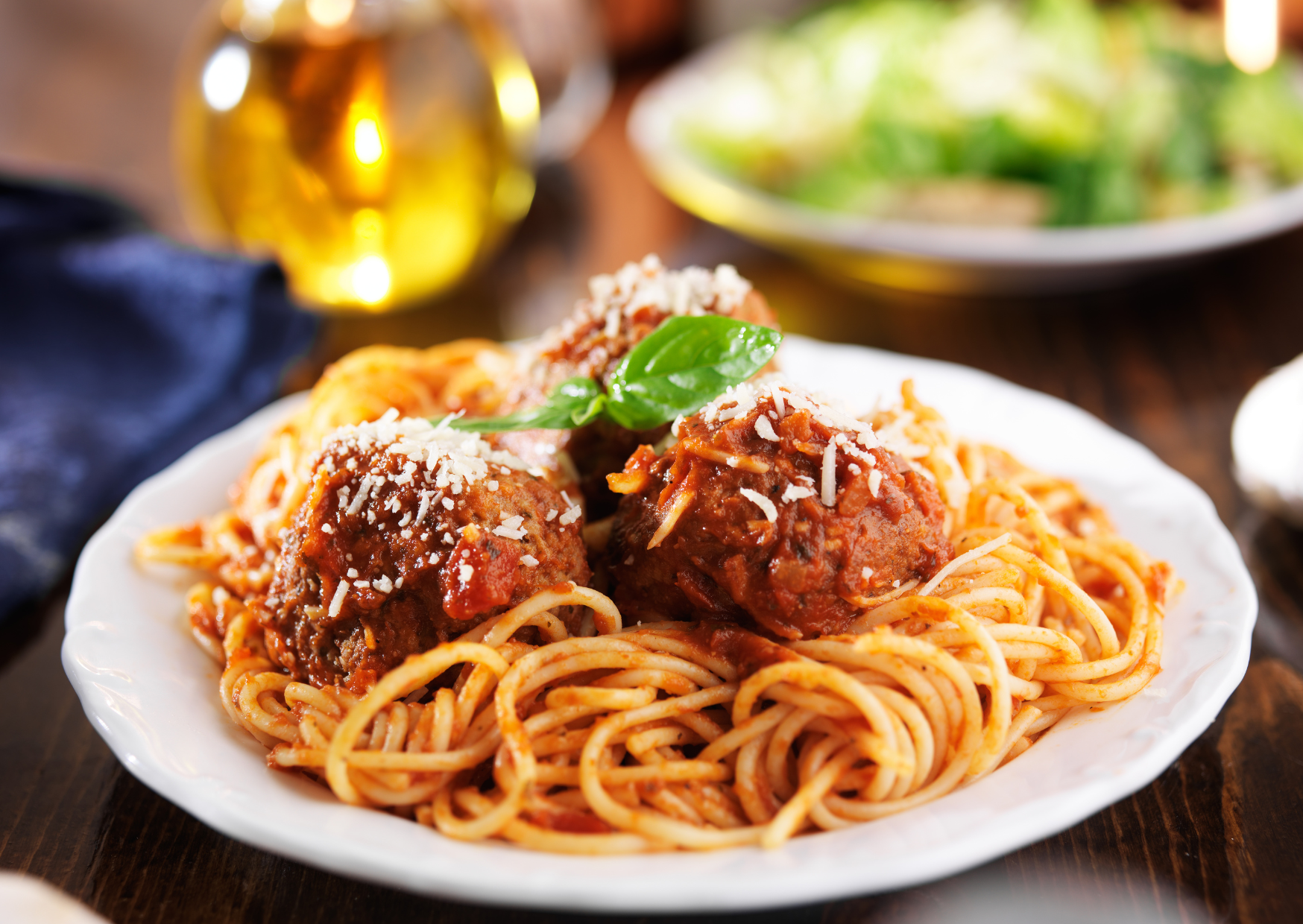
A Sunday sauce without meat can be beautiful, but it is not this sauce.
This version is built around meat flavor moving into tomato for hours. The pork gives body. The sausage gives seasoning and fat. The meatballs give softness and the part everyone argues over. Braciole, when included, gives ceremony.
The meat is not just cooked in the sauce.
It seasons the sauce.
That is why the order matters. Browning the pork and sausage before the tomatoes go in creates the base flavor. The browned bits on the bottom of the pot are not mess. They are part of the sauce.
This is also why lean, careful, modern substitutions often disappoint.
Ground turkey meatballs can be fine for a Tuesday. They are not the same here. Chicken sausage may lower fat, but it also lowers the point. A pot like this is not everyday diet food. It is a once-a-week, feed-the-table, use-the-leftovers kind of cooking.
That does not mean it should be greasy.
After a long simmer, some oil will rise to the top. A little is good. Too much can be skimmed. The sauce should taste rich, not heavy. It should cling to pasta, not leave a slick puddle in the bowl.
The pork cut is flexible.
Pork ribs are excellent because they bring bone, fat, and flavor. Pork shoulder works beautifully and gives more meat to serve. Neck bones are traditional in many households and make a deep sauce, though they are messier to eat. A mix is even better.
The sausage should be good enough to eat on its own.
If the sausage is bland, the sauce will notice.
The Meatball Texture Is Where Families Start Arguing
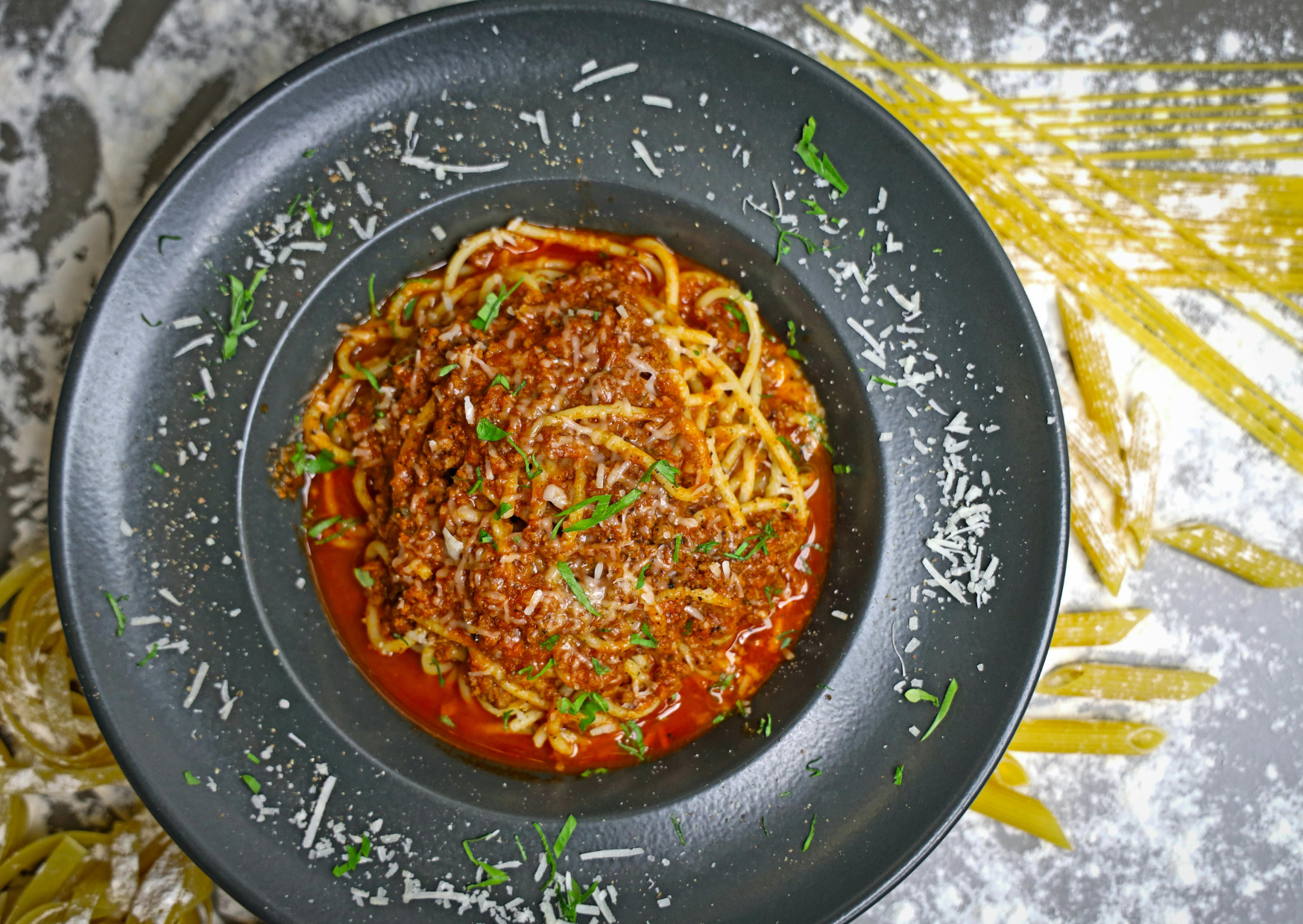
Meatballs are where Sunday sauce turns personal.
Some families make them large and soft. Some make them small and firm. Some use beef, pork, and veal. Some refuse veal. Some use soaked bread. Some use dry breadcrumbs. Some fry. Some bake. Some simmer raw. Everyone thinks their way is normal, which is how family recipes work.
The best meatball for Sunday sauce is tender enough to cut with a fork but sturdy enough to survive the pot.
That comes from three things: fat, soaked bread, and gentle mixing.
Ground beef alone can taste flat and become firm. Beef and pork together make a better balance. Veal can make the texture more delicate, but it is not required. The soaked breadcrumbs keep the meatballs soft without making them taste bready.
Do not skip the milk soak.
Fresh breadcrumbs are best. Tear day-old bread and pulse it, or grate it by hand. Dry breadcrumbs work, but they absorb differently and can make the meatballs tighter. If using dry breadcrumbs, start with a little less and let the mixture rest before shaping.
The cheese matters too.
Pecorino Romano is sharper and saltier. Parmesan is rounder. Either works. If using Pecorino, be careful with salt because the meatballs can get salty quickly.
The biggest mistake is overmixing.
A meatball mixture should be combined, not punished. Use your hands lightly. Stop when everything is evenly distributed. If the mixture feels too wet, rest it for 10 minutes before adding more breadcrumbs. It often firms up on its own.
A good meatball should taste seasoned before it enters the sauce.
The sauce improves it.
It should not rescue it.
Braciole Is Optional, But It Changes The Mood
Braciole makes the pot feel more ceremonial.
Thin slices of beef are filled, rolled, tied, browned, and simmered until tender. The filling usually includes breadcrumbs, cheese, garlic, parsley, and sometimes pine nuts or raisins, depending on the family.
Some people consider raisins essential.
Some people consider raisins a personal attack.
That is Sunday sauce.
To make simple braciole, mix breadcrumbs, cheese, garlic, parsley, pine nuts, raisins if using, olive oil, salt, and pepper. Spread the mixture thinly over the beef slices, roll tightly, tie with kitchen twine, and brown them after the pork. Simmer them in the sauce with the other meats for 2 1/2 to 3 hours, until tender.
The key is not overfilling the rolls.
A thin layer is enough. Too much filling spills into the pot, burns during browning, or makes the beef hard to roll.
Braciole also asks something of the sauce. It adds beef flavor, cheese, garlic, and breadcrumb richness. If the pot is already full of pork, sausage, and meatballs, braciole may be unnecessary for a normal Sunday.
That is why this recipe makes it optional.
The guarded family version may include it every week because someone’s grandmother did. Another family may only make it for holidays. Another may skip it forever and put the energy into better meatballs.
All three can be right.
A recipe like this is not a museum piece.
It is a family system.
The Tomatoes Should Taste Like Tomatoes, Not Sugar
Sunday sauce is only as good as the tomato base allows.
Use whole peeled tomatoes if possible. Crush them by hand so the sauce has body and small texture. Passata or crushed tomatoes can round it out, but a pot made only with very smooth tomato puree can feel flat.
San Marzano tomatoes are famous for a reason, but the label has become a marketing swamp. Use the best canned tomatoes you can afford and trust. Good tomatoes should taste bright, sweet, and full. Bad tomatoes taste metallic, watery, or harsh.
The sauce may need a pinch of sugar.
A pinch.
Not a spoonful by default.
The better way to reduce sharpness is time. A long simmer lets the tomatoes concentrate, the meat enrich the sauce, and the acidity settle. Onion also adds sweetness. Tomato paste adds depth. Wine adds complexity if used well.
The sauce should not taste like dessert.
That happens when American cooks overcorrect acidity with sugar because they are trying to imitate a jarred red sauce memory. Sunday sauce should taste rounded, not candied.
The better correction is salt before sugar.
A sauce that tastes sour may actually be under-salted. Add salt carefully, simmer, taste again, then decide if sugar is needed.
Basil should go in gently.
A few leaves early can perfume the sauce. A few fresh leaves near the end can brighten it. But dried basil cooked for hours often tastes dusty. Oregano can handle the long pot better, but even that should be restrained.
This is not pizza sauce.
It is meat sauce with tomato as the stage.
The Simmer Is The Recipe
Sunday sauce cannot be rushed because the simmer is doing several jobs at once.
It tenderizes pork. It cooks the meatballs through. It pulls fat and flavor into the tomatoes. It reduces water. It softens acidity. It lets garlic, onion, meat, cheese, tomato, and herbs stop behaving like separate ingredients.
A fast sauce can taste good.
It will not taste like this.
The correct simmer is low and steady. You should see small bubbles, not a rolling boil. A hard boil can toughen meatballs, break them apart, scorch the bottom, and make the sauce taste harsh.
Use a heavy pot.
Thin pots are dangerous for long tomato sauces because they burn easily. If the sauce catches on the bottom, do not scrape aggressively once it has burned. That bitter flavor can spread through the pot. Move the unburned sauce to another pot if needed.
Stir from the bottom every 20 to 30 minutes.
This is not constant stirring. It is enough attention to keep the sauce honest. The lid should be partly open so steam can escape and the sauce can reduce. If it gets too thick before the meat is tender, add a splash of water.
The pot will change color as it cooks.
It starts bright red. It becomes deeper, darker, and glossier. The oil may rise slightly. The sauce becomes heavier on the spoon. The smell changes from tomato-garlic to something richer and rounder.
That is when the pot starts to feel like family food.
Not because of sentiment.
Because chemistry had enough time.
The Pasta Should Not Be An Afterthought
The pasta matters because Sunday sauce is usually served in two movements.
First the pasta with sauce.
Then the meats.
Some households serve everything together because real life does not always follow ceremony. That is fine. But even then, the pasta should be cooked and dressed properly.
Use a shape that can carry sauce.
Rigatoni, ziti, paccheri, cavatelli, shells, or spaghetti all work. The thicker the sauce, the more useful a ridged or tubular shape becomes. Spaghetti is classic in many Italian-American homes, especially because family tradition outranks modern advice every time.
Salt the pasta water well.
Cook the pasta just shy of tender. Drain it, then toss it with hot sauce in a wide pan or large bowl. Add more sauce as needed. The pasta should be coated, not floating.
This is where many people make the plate too wet.
A bowl of pasta swimming in sauce looks generous but eats badly. The sauce should cling to the pasta, with extra available at the table.
The cheese goes on after tossing, not as a repair for bland pasta.
Use Pecorino Romano for sharper flavor or Parmesan for a gentler finish. Do not use the powder in a green can unless nostalgia is the goal and everyone has agreed to the terms.
A good Sunday plate has pasta that tastes seasoned before the meat arrives.
The meat is the second act.
Not the apology.
Leftovers Are Part Of The Point
Sunday sauce is designed to leave leftovers.
That is not a problem. That is the genius of the pot.
The next day, the sauce tastes deeper. Meatballs can become sandwiches. Sausage can go into peppers. Pork can be shredded into pasta. Sauce can be frozen in portions. A small amount can become baked ziti, stuffed shells, eggs in purgatory, pizza sauce, or a quick weeknight pasta that tastes like someone cooked for four hours because someone already did.
Store the sauce and meat properly.
Cool the pot faster by separating the sauce and meats into shallow containers. Refrigerate within a reasonable time. Keep leftovers for 3 to 4 days in the refrigerator, or freeze for longer storage.
Freeze sauce separately from meat when possible.
Meatballs freeze well in sauce. Sausage also holds up. Pork can become softer after freezing but still works beautifully in pasta or sandwiches.
The leftover rule is do not let the pot become fridge clutter.
A large Sunday sauce should be portioned with a plan. One container for Monday. One for freezing. One for meatball sandwiches. One for the person who will pretend they are only taking a little and then eat it cold over the sink.
This is how the cost of the pot makes sense.
The first meal is Sunday.
The second, third, and fourth meals are the reward for doing it properly.
A jarred sauce may look cheaper at 6 p.m. on a Wednesday.
It does not feed a week with the same authority.
The Mistakes That Make Sunday Sauce Taste Flat
The first mistake is not browning the meat.
Boiled meat in tomato sauce can become tender, but it lacks depth. Browning creates flavor the tomatoes cannot create alone.
The second mistake is using only lean meat.
Sunday sauce needs bones, fat, sausage, or pork richness. Lean meatballs in plain tomato sauce are not the same dish.
The third mistake is adding too much garlic too early and burning it.
Burned garlic makes the whole pot bitter. Add garlic after the onion softens, cook it briefly, then move on.
The fourth mistake is skipping tomato paste.
Tomato paste adds concentration and depth. Cooking it in the oil and browned bits for a few minutes makes the sauce taste older than it is.
The fifth mistake is boiling.
A hard boil is not faster. It is rougher. Keep the simmer low.
The sixth mistake is overworking the meatballs.
Tough meatballs usually come from too much mixing, too little fat, too much dry breadcrumb, or skipping the milk soak.
The seventh mistake is dumping herbs like confetti.
Oregano should support the sauce. Basil should brighten it. Neither should make the pot taste like dried lawn clippings.
The eighth mistake is serving immediately without resting.
A short rest lets the sauce settle. It also makes skimming excess oil easier if the pot needs it.
The ninth mistake is thinking the recipe is finished when the timer says so.
Sunday sauce is done when the meat is tender and the sauce tastes deep.
The clock helps.
The spoon decides.
Why Families Guard Their Version
Families guard Sunday sauce because it carries more than ingredients.
It carries who cooked first, who changed the recipe, who added sausage, who refused braciole, who used neck bones, who liked the meatballs soft, who added raisins, who thought sugar was a crime, who made too much, who sent everyone home with containers, and who stood at the stove pretending not to be proud.
That is why arguments over Sunday sauce can sound irrational.
They are not really about sauce.
They are about continuity.
A recipe that survives three generations is usually not preserved exactly. It changes quietly. A cut of meat disappears because the butcher changed. Canned tomatoes improve or get worse. Someone stops using veal. Someone bakes the meatballs instead of frying because the kitchen is small. Someone adds basil at the end because it tastes fresher. Someone finally measures salt because the next generation cannot cook from “you’ll know.”
The guarded part is not total accuracy.
It is the shape of the day.
Start early.
Brown the meat.
Let the pot simmer.
Feed more people than planned.
Serve pasta first.
Save the leftovers.
Argue lightly.
Repeat enough times that the smell becomes a family calendar.
That is Sunday sauce.
Not a secret ingredient.
A habit with tomatoes in it.
The Pot Is The Inheritance
A good Sunday sauce does not need to be fancy.
It needs to be attended to.
That is what separates it from weeknight marinara, slow-cooker pulled pork in red sauce, or a jar improved with sausage. The pot asks for time, and then it gives time back in leftovers, sandwiches, freezer containers, and a table that does not need much else.
The recipe can be adjusted.
Use more pork and fewer meatballs. Use hot sausage. Skip braciole. Add it for holidays. Use Pecorino. Use Parmesan. Make the sauce smoother. Make it chunkier. Serve rigatoni. Serve spaghetti because that is what your family expects and no one has the energy to start a civil war over pasta shape.
But keep the foundation.
Browned meat. Good tomatoes. Gentle simmer. Tender meatballs. Enough salt. Enough time. Pasta dressed properly. Leftovers treated like part of the plan.
That is the part Italian-American families guard because it cannot be fully written down.
A recipe can tell you when to add the pork.
It cannot tell you when the house starts smelling right.
That part comes after making it enough Sundays in a row.

About the Author: Ruben, co-founder of Gamintraveler.com since 2014, is a seasoned traveler from Spain who has explored over 100 countries since 2009. Known for his extensive travel adventures across South America, Europe, the US, Australia, New Zealand, Asia, and Africa, Ruben combines his passion for adventurous yet sustainable living with his love for cycling, highlighted by his remarkable 5-month bicycle journey from Spain to Norway. He currently resides in Spain, where he continues sharing his travel experiences with his partner, Rachel, and their son, Han.