
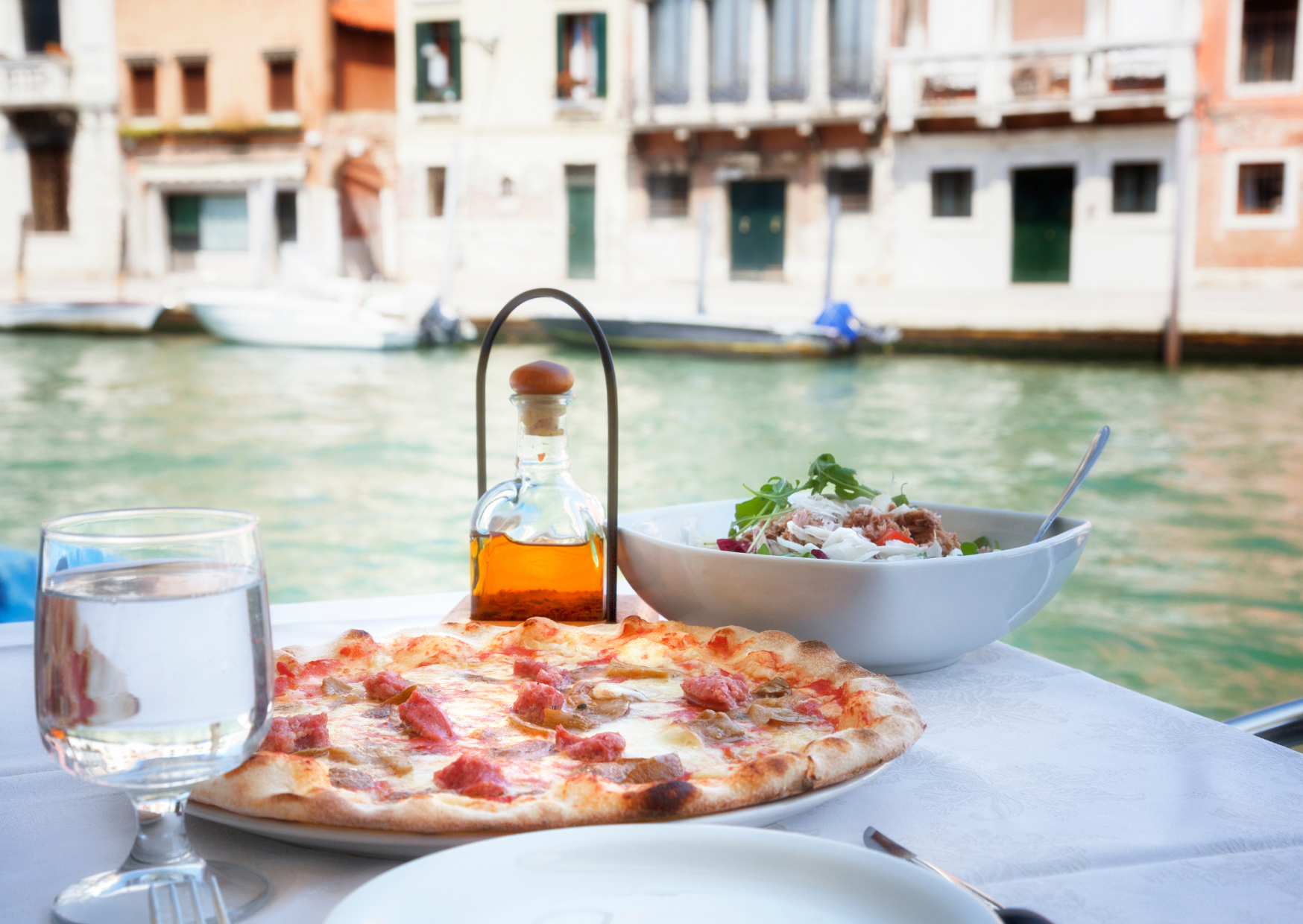
The useful Italian habit is not skipping breakfast. It is refusing to let breakfast carry the whole day when lunch is the meal that can actually do the work.
The American breakfast was built to be loud.
Big coffee. Big sweetness. Big protein claims. Big cereal boxes. Big brunch. Big guilt if the morning does not start with something advertised as fuel.
The Italian version is quieter.
A coffee. Maybe yogurt. Maybe bread. Maybe fruit. Then the day waits for the meal that matters more after 55: lunch.
The Rule Is Simple. Lunch Has To Do The Heavy Lifting.
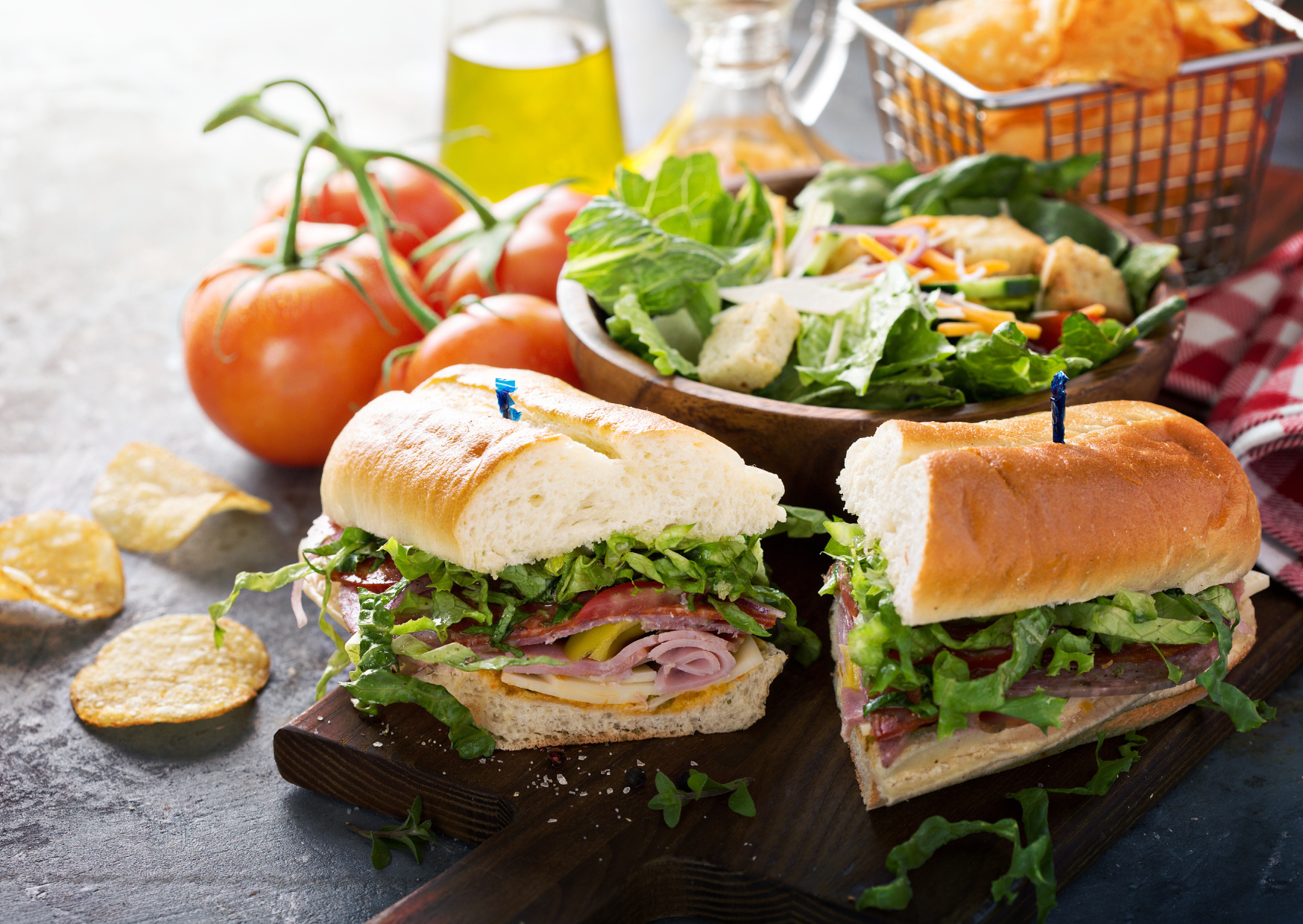
The Italian lunch rule is not glamorous.
It is not “never eat breakfast.” It is not “fast until noon and call it longevity.” It is not “drink espresso and pretend hunger is discipline.”
The rule is more practical: make lunch the anchor meal.
After 55, that changes more than people expect. The body is not just looking for fewer calories. It needs enough protein, enough fiber, enough minerals, enough healthy fat, enough hydration, and enough structure to keep the afternoon from becoming a snack spiral.
A sweet American breakfast cannot do that very well.
It may feel comforting at 8 a.m., then fail by 10:30. The person gets hungry, drinks more coffee, reaches for something crunchy, eats a light lunch because they are “being good,” and then arrives at dinner exhausted enough to eat like the day owes them money.
That is not a breakfast problem alone.
It is a meal-order problem.
Italian food culture, at its best, gives lunch more authority. It does not always happen perfectly anymore. Modern Italians work, commute, snack, rush, eat badly, and skip proper meals like everyone else. But the older structure is still useful: breakfast is modest, lunch is real, dinner does not have to become the entire event.
That rhythm matters after 55 because the middle of the day is when a person can still digest, walk, shop, cook, recover, and use the food.
A real lunch makes the rest of the day easier.
A fake breakfast makes the day louder.
The American Breakfast Is Often Dessert With A Sunrise
The problem is not breakfast itself.
The problem is what many Americans call breakfast.
Muffins. Sweet cereal. Flavored yogurt. Pancakes. Waffles. Toast with jam. Granola that eats like broken cookies. Orange juice. Sweet coffee drinks. Protein bars built with candy logic. Low-fat products that somehow leave the person hungry and annoyed.
None of this becomes serious nutrition because it happens before 10 a.m.
For people over 55, this matters because appetite, blood sugar swings, sleep, muscle, medication timing, and energy do not recover as easily from a chaotic morning. A breakfast that is mostly refined starch and sweetness can set up a day of cravings before the person has even answered a text.
The Italian breakfast is not perfect either.
A cornetto and cappuccino is not a geriatric nutrition plan. Nobody needs to pretend a pastry becomes health food because it was eaten standing at a marble counter in Bologna.
But the Italian breakfast has one advantage: it does not pretend to be the main event.
It is small. It is quick. It is often social. It does not usually carry the fantasy that one fortified cereal bowl has solved the body until dinner.
That makes room for lunch.
The American mistake is trying to turn breakfast into everything: emotional comfort, protein target, productivity symbol, diet performance, and dessert substitute. Then lunch becomes an afterthought.
After 55, lunch cannot be an afterthought.
The body has too many claims on the day by then.
It needs a real meal, not a breakfast marketing campaign.
After 55, Protein Has To Show Up Before Dinner
The lunch rule becomes more important because muscle becomes less forgiving with age.
That does not mean every person over 55 needs to carry chicken breast in a cooler like a fitness competitor trapped in 1998. It means meals need to include enough protein often enough that the body has something to work with.
Dinner-only protein is a weak plan.
A person can eat fish or meat at 8 p.m. and still underfeed the earlier part of the day. They may reach dinner hungry, tired, and snacky, then eat too fast. Or they may eat too lightly all day and wonder why they feel frailer even when the scale looks better.
Lunch is the practical correction.
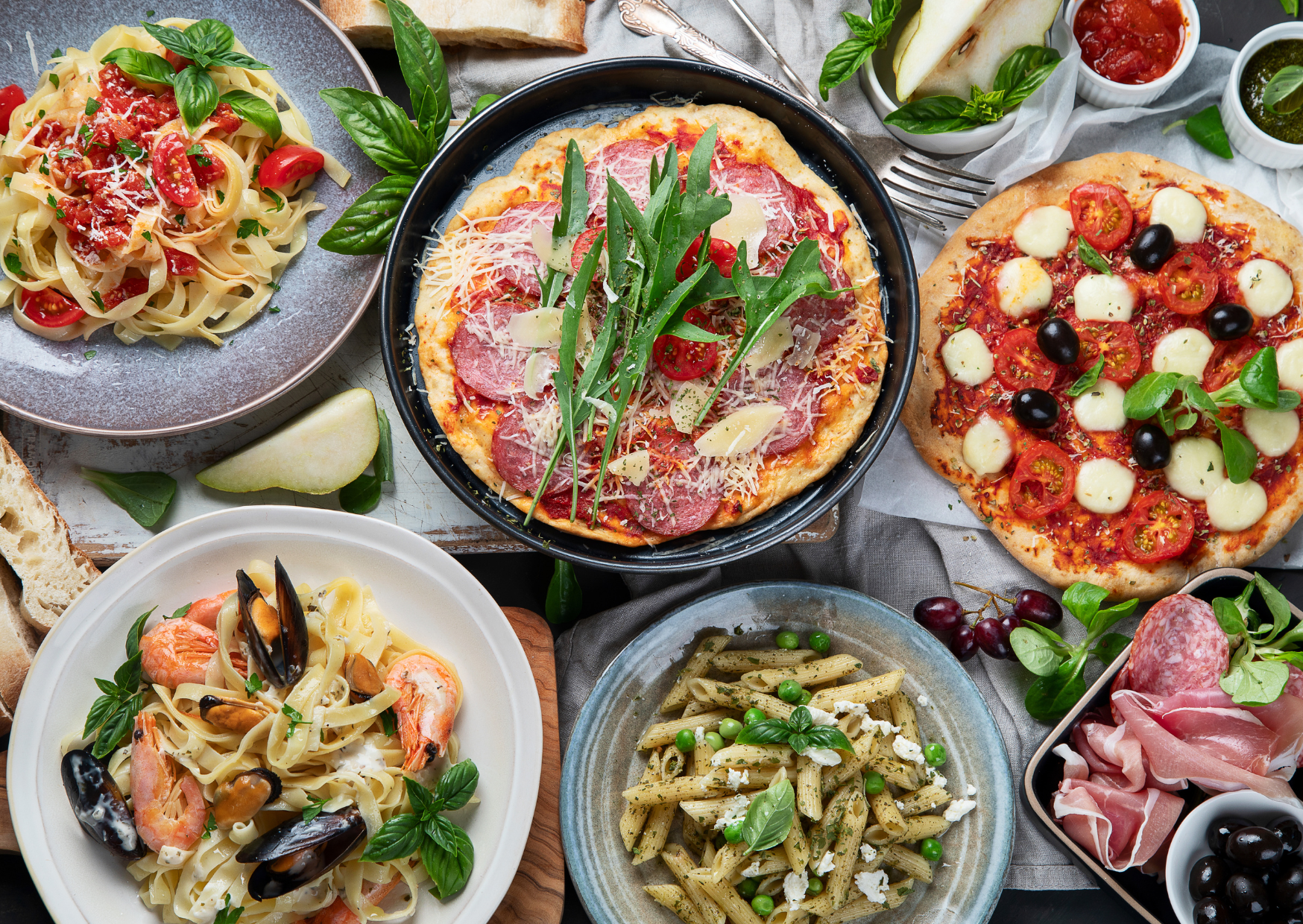
An Italian-style lunch can carry protein without becoming strange: lentils with pasta, tuna and beans, eggs and greens, fish with potatoes, chicken with vegetables, ricotta with bread and salad, minestrone with beans, or a simple plate with leftovers, cheese, vegetables, and fruit.
The meal does not need to be huge.
It needs to be complete.
This is where older American diet habits often get in the way. Many people over 55 still think the “good” lunch is a salad with dressing on the side and a sad piece of grilled chicken hiding under leaves. That can work if it is substantial. Often it is not.
A useful lunch has structure:
- protein
- vegetables
- starch or bread
- fat
- water
- fruit, yogurt, or coffee if wanted
That kind of lunch reduces the need for a heroic dinner.
It also gives the afternoon a better chance.
The Italian rule is not anti-breakfast. It is pro-lunch competence.
The Midday Meal Handles Energy Better Than A Giant Dinner
There is a reason a large late dinner can feel heavier after 55.
Digestion changes. Sleep changes. Reflux becomes more common. Alcohol hits differently. Late meals can sit in the body like a bad decision. A person may wake up puffy, thirsty, tired, or convinced they slept when they mostly negotiated with digestion for six hours.
A stronger lunch helps by moving more nutrition earlier.
That does not mean eating a feast at noon every day. It means putting the most useful food where the body has more day left to use it.
A bowl of pasta e fagioli at lunch behaves differently from a giant plate of pasta at 9 p.m. Fish, potatoes, greens, and olive oil at 1:30 can leave room for a lighter dinner later. Lentils at lunch can carry the afternoon in a way a sweet breakfast never will.
This is the part Americans miss when they argue about breakfast.
The real issue is not whether food enters the body before 9 a.m.
The issue is whether the day contains one proper meal before evening.
Without that, dinner becomes overloaded. It has to provide calories, protein, comfort, social time, pleasure, and recovery from the entire day. That is too much pressure for one plate.
A proper lunch lowers the emotional temperature of dinner.
The evening can become soup, fish, yogurt, vegetables, leftovers, or a smaller plate instead of the main rescue mission.
That alone can improve sleep, digestion, and appetite control for many people.
No magic.
Just better meal placement.
The Italian Plate Is Ordinary Enough To Repeat
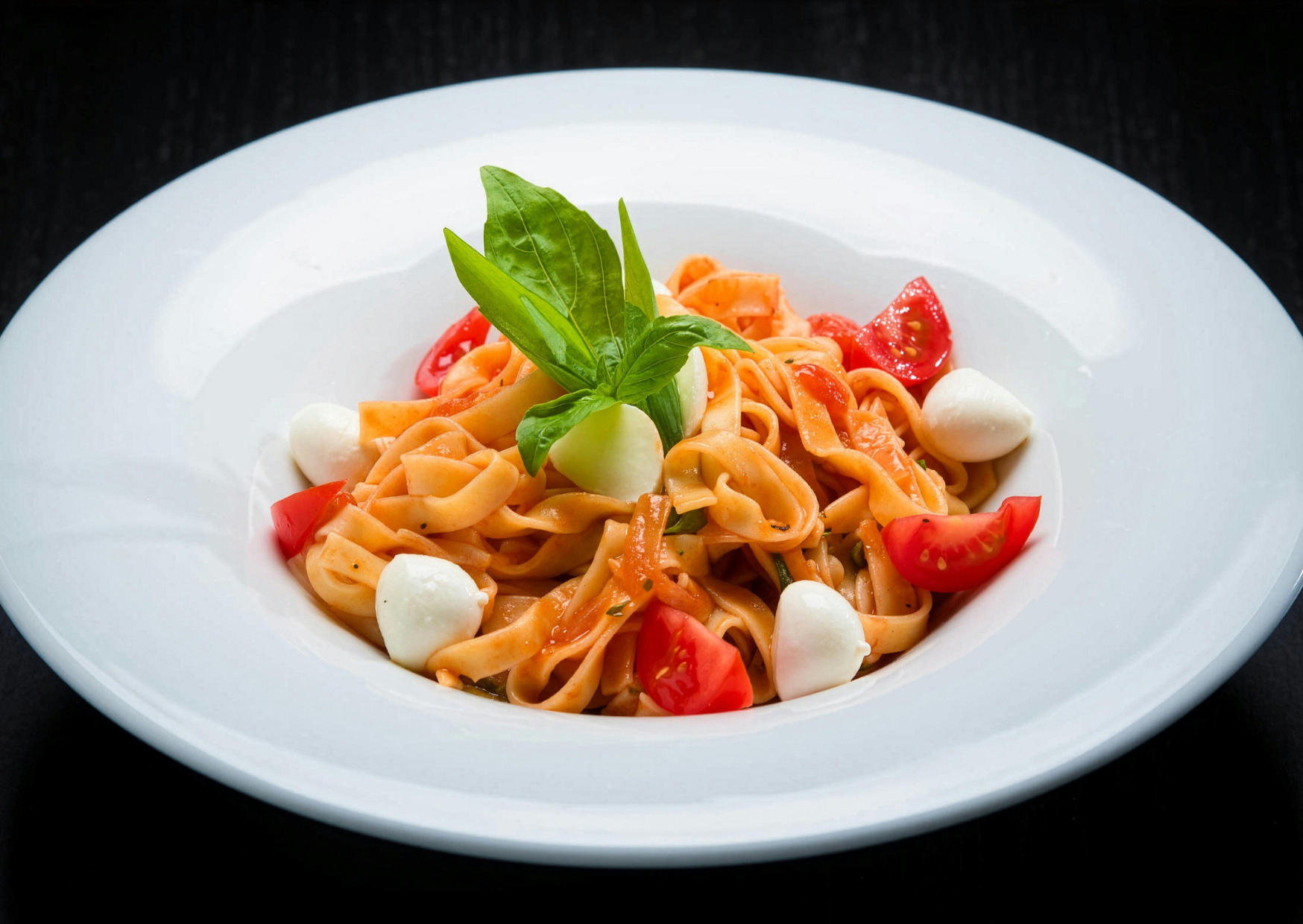
A useful lunch after 55 cannot depend on inspiration.
It has to be repeatable.
This is where Italian food habits are useful because the best lunches are not elaborate. They are built from foods that already know each other: beans, pasta, rice, potatoes, eggs, tomatoes, tuna, sardines, greens, chicken, cheese, yogurt, fruit, olive oil, bread.
A Monday lunch might be lentils with carrots, celery, olive oil, and bread.
Tuesday could be tuna, white beans, red onion, tomato, and salad.
Wednesday could be eggs with sautéed greens and a small piece of bread.
Thursday could be minestrone with beans and Parmesan.
Friday could be fish, potatoes, and vegetables.
Saturday could be pasta with chickpeas.
Sunday could be chicken, salad, fruit, and coffee.
That is not diet food.
It is normal food with a spine.
The mistake Americans often make is trying to upgrade every meal into something new. New recipe. New product. New plan. New restriction. New promise. That creates friction. Friction kills routines.
A good Italian lunch rule works because the ingredients repeat.
Beans come back. Greens come back. Olive oil comes back. Bread comes back. Fish comes back. Eggs come back. Yogurt comes back. Fruit comes back.
The body benefits from that steadiness, and the grocery bill does too.
After 55, food should not require constant reinvention. The person has already lived long enough to know Tuesday is coming whether or not the recipe board is inspiring.
The better question is simpler.
What lunch can be made again next week without drama?
That is usually the right lunch.
Breakfast Becomes Smaller, Cleaner, And Less Important
This is where the title needs to be read correctly.
The Italian lunch rule does not make breakfast disappear for everyone.
It makes the American breakfast performance obsolete.
A person over 55 may still need morning food. Some medications require food. Some people with diabetes, reflux, low appetite, migraines, or heavy morning activity do better with breakfast. Some people simply feel better eating earlier.
Fine.
The change is that breakfast no longer has to be big, sweet, expensive, or emotionally loaded.
A better morning can be small and useful:
- plain yogurt with walnuts and fruit
- coffee and a small piece of bread with ricotta
- boiled eggs and tomato
- oats with milk and fruit
- fruit and yogurt
- toast with cheese
- leftover vegetables with an egg
- cappuccino and something small, followed by a real lunch later
The breakfast does not need to win the day.
It only needs to not ruin the day.
That is a different standard.
American breakfast marketing trains people to believe the morning meal must be optimized. High protein. Low carb. High fiber. Fortified. Fast. Sweet but not too sweet. Diet but satisfying. Fun but responsible. Convenient but real.
By the time the person chooses, breakfast has become a negotiation.
Italian breakfast can be almost comically modest because lunch is coming.
That is the secret.
Not skipping. Trusting lunch enough to stop overbuilding the morning.
For people after 55, this can reduce both food noise and grocery clutter. Fewer breakfast products. Fewer sweet packages. Fewer “healthy” cereals. Fewer bars. Fewer drinks that behave like milkshakes with better branding.
A smaller breakfast works only when lunch is serious.
That is the rule.
The Lunch Rule Also Fixes The Afternoon Snack Problem
The American afternoon snack is often a lunch failure wearing better packaging.
A person eats too little or too sweet in the morning, rushes lunch, then hits the afternoon slump and starts looking for something crunchy, creamy, salty, or caffeinated.
After 55, that pattern can become exhausting.
It affects energy, mood, sleep, digestion, weight, and sometimes blood sugar. It also becomes expensive. Snack food disappears quickly and rarely solves the problem that created it.
A real lunch changes the afternoon.
Not always perfectly. But enough.
A lunch with lentils, olive oil, vegetables, bread, and fruit has staying power. So does fish with potatoes and greens. So does pasta with beans. So does a tuna and white bean salad with tomatoes and olive oil.
The afternoon may still need coffee. It may still need fruit. It may still need yogurt. That is fine.
But the snack becomes optional, not structural.
The difference is whether the snack is chosen or required.
That is one of the most practical health shifts after 55. The person stops being dragged through the day by hunger spikes and starts deciding when to eat.
Italian food culture has a place for small pleasures. A coffee. A little chocolate. Fruit. A gelato on a walk. A slice of cake on a Sunday. The problem is not pleasure.
The problem is using snacks to repair a broken meal rhythm every day.
A proper lunch does the repair earlier.
The Rule Works Best With Walking After Lunch
The lunch rule becomes stronger when it is followed by movement.
Not a workout.
A walk.
In Italy, the post-lunch walk is not universal, but the broader habit of walking as part of daily life still matters. A person eats, clears the table, runs an errand, walks to the pharmacy, goes back to work, takes the dog out, or simply moves through the day.
That is very different from the American pattern of eating at a desk, then sitting until dinner.
After 55, a walk after lunch can be one of the least dramatic and most useful habits available. It can help digestion, reduce the heavy-lunch slump, support glucose handling, and create a clean break in the day.
It also changes the meal psychologically.
A lunch followed by a walk feels like part of life.
A lunch followed by four more hours in a chair can feel like a mistake, especially if the meal was heavy or rushed.
The Italian version should not be romanticized. Nobody needs to move to a hill town and stroll past stone churches to make this work. A walk around the block counts. Stairs count if safe. A grocery errand counts. A ten-minute loop after lunch counts.
The habit is eat, then move a little.
That small movement makes lunch less dangerous for Americans who fear a midday meal will make them sleepy or sluggish. Often the problem is not lunch itself. The problem is lunch plus immediate stillness.
A good lunch does not have to end the day.
It can reset it.
A 7-Day Way To Make Breakfast Less Important
Day one: do not change breakfast yet.
Write down what breakfast actually is. Coffee with sugar. Cereal. Yogurt. Eggs. Nothing. A muffin. A bar in the car. Be honest. The goal is not shame. It is data.
Day two: write down the lunch.
Most people are less honest about lunch than breakfast. Was it a meal or a snack with utensils? Did it contain protein? Vegetables? Starch? Fat? Water? Or did it only look responsible?
Day three: build one real Italian-style lunch.
Choose one: lentils and bread, tuna and white beans, eggs and greens, pasta with chickpeas, fish and potatoes, chicken with salad and fruit. The meal should be repeatable, not impressive.
Day four: reduce breakfast by one level.
If breakfast is sweet cereal and juice, switch to yogurt, nuts, and fruit. If it is a giant brunch plate, make it smaller. If it is only coffee and the person feels awful, add protein. The rule is not “less.” The rule is better matched to lunch.
Day five: stop eating lunch at the desk.
Even 15 minutes away from the screen changes the meal. A real lunch needs attention because attention helps the person notice when they are fed.
Day six: walk for 10 minutes after lunch.
No special clothes. No fitness identity. Just movement. If walking is not possible, use whatever safe light movement fits the body.
Day seven: make dinner lighter.
Not tiny. Not sad. Just lighter because lunch did more work. Soup, fish, vegetables, yogurt, leftovers, salad with eggs, or a smaller plate can all work.
At the end of the week, check the useful things: afternoon energy, snack cravings, dinner hunger, sleep, digestion, and mood.
Weight may change eventually.
But the first win is a quieter day.
The Breakfast Obsession Was Always The Wrong Fight
Breakfast is not the enemy.
A weak meal rhythm is.
That is why the Italian lunch rule works. It stops asking breakfast to solve the whole day and gives lunch back its proper job.
After 55, that matters more. The body needs protein earlier than dinner. It needs fiber before the evening. It needs real food before the afternoon slump. It needs enough fuel to preserve strength, but not so much late eating that sleep suffers. It needs meals that can be repeated without turning the kitchen into a project.
A small breakfast can be fine.
A proper breakfast can be fine.
No breakfast can work for some people.
But the American breakfast performance, the sweet products, the giant brunch, the fortified cereal theater, the dessert coffee, the protein bar pretending to be a meal, starts to look less useful once lunch is rebuilt.
The question after 55 is not “Did breakfast happen?”
It is “Did the day get a real meal before evening?”
Italian food culture tends to answer yes more often than American convenience culture does.
That is the part worth copying.
Not the cornetto.
Not the espresso fantasy.
Not the idea that Italy has solved aging by eating pasta under better light.
The useful habit is plainer: make lunch substantial, balanced, repeatable, and early enough to carry the day.
Then breakfast can finally calm down.

About the Author: Ruben, co-founder of Gamintraveler.com since 2014, is a seasoned traveler from Spain who has explored over 100 countries since 2009. Known for his extensive travel adventures across South America, Europe, the US, Australia, New Zealand, Asia, and Africa, Ruben combines his passion for adventurous yet sustainable living with his love for cycling, highlighted by his remarkable 5-month bicycle journey from Spain to Norway. He currently resides in Spain, where he continues sharing his travel experiences with his partner, Rachel, and their son, Han.