
Last updated on July 28th, 2026 at 06:19 am
The habit was not meal prep, batch cooking, or a color-coded container system. It was older, stricter, and much less photogenic: the refrigerator had to show what needed eating before anyone was allowed to shop again.
The habit started with an Italian refrigerator that looked almost too empty.
Not neglected. Not poor. Just disciplined.
Cooked greens in one bowl. Leftover beans in another. A wedge of cheese wrapped properly. Half a lemon visible. A small plate with yesterday’s chicken. Fruit that needed eating on the counter, not aging silently in a drawer.
The rule was simple: the fridge had to tell the truth before the family bought more food.
That one rule cut roughly $180 a month, about €155 at mid-May exchange rates, from our grocery spending without turning the kitchen into a spreadsheet.
The Habit Was Not Buying Less. It Was Seeing Better.

Most grocery waste does not look dramatic while it is happening.
It looks like a bag of spinach pushed behind yogurt. Three carrots going soft under a lettuce head. Half a jar of pesto that nobody remembers opening. Cooked rice that could have become lunch, but instead becomes a cold little brick of guilt by Thursday.
Then people go shopping again.
The old Italian habit was different. Before anyone made a list, the refrigerator got opened and read like a small household report. Not beautifully. Not with labels in a matching font. Just plainly.
What has to be eaten today?
What can survive two more days?
What needs cooking before it becomes trash?
What is already cooked and should become lunch?
That question changed the money.
The goal was not an empty fridge. The goal was a readable fridge. There is a difference.
An empty fridge creates panic. A packed fridge creates blindness. A readable fridge tells the cook exactly what the next meal is likely to be.
In our house, the old version of shopping started with desire. What do we feel like eating? What recipe looks good? What is on sale? What did someone on the internet make with lemon zest and a face of spiritual awakening?
The Italian version starts colder.
What is already here?
That one change reduced duplicate buying almost immediately. No more buying mushrooms while the old mushrooms sat hidden behind milk. No more adding yogurt because it was “useful” when two unopened tubs were already waiting. No more buying salad leaves while older greens quietly surrendered in the drawer.
The refrigerator stopped being storage.
It became the first shopping list.
The Front Shelf Became The Boss
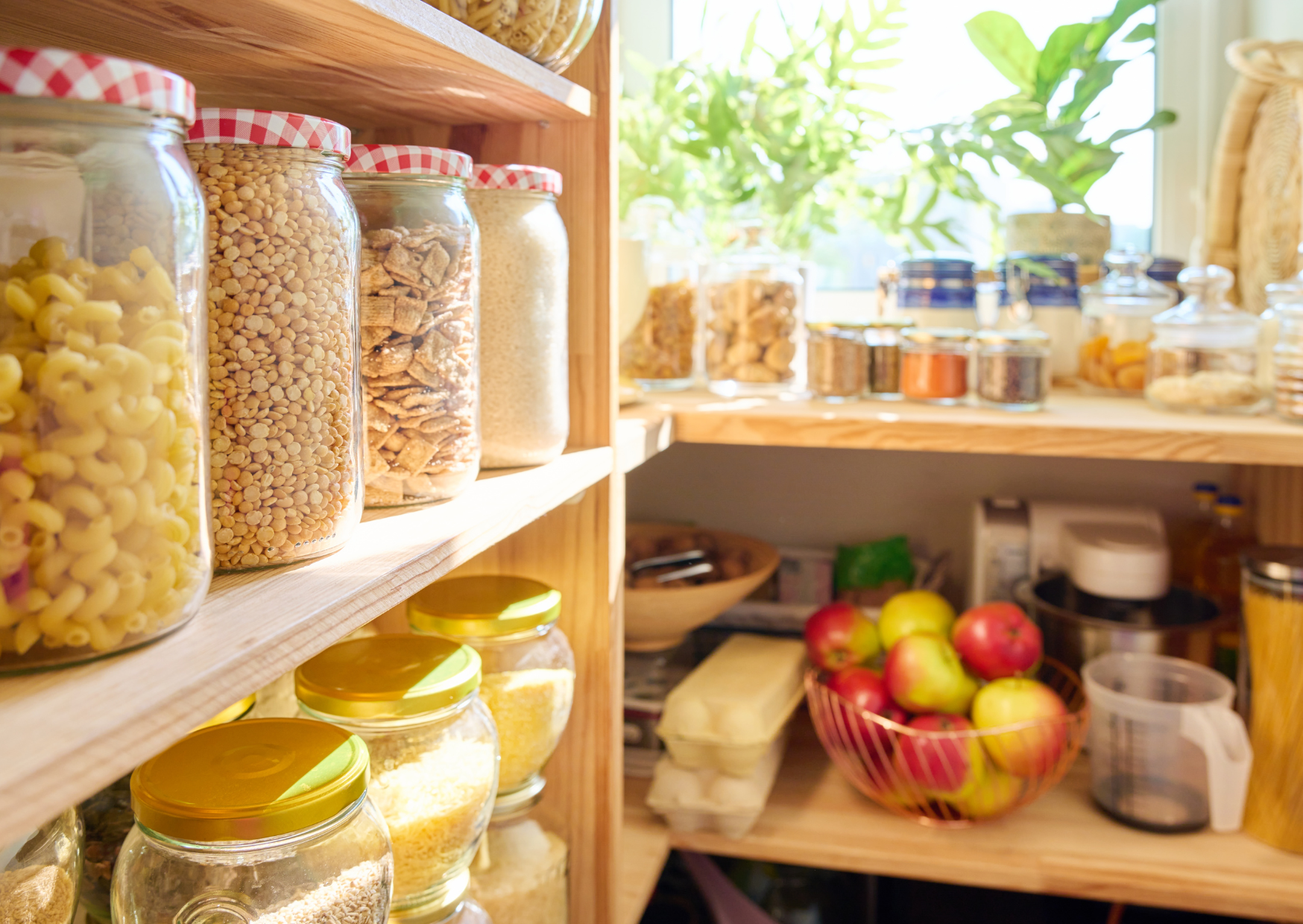
The most important part was the front shelf.
Not the app. Not the meal plan. Not the freezer inventory. The front shelf.
Everything that needed eating soon went there. Cooked leftovers. Half-used vegetables. Opened cheese. A bowl of beans. Roasted peppers. The last two slices of ham. Yogurt close to its date. Cut fruit. A small container of tomato sauce.
That shelf became the eat-first shelf.
No one had to remember anything. The food was visible because memory is a terrible storage system.
This is where modern kitchen advice often gets too precious. People buy more containers, more labels, more organizing systems, more rotating bins, more little trays that make the refrigerator look like a medical supply room.
The Italian habit used less.
A bowl covered with a plate. A clear container. A saucer. A jar with the label facing forward. A visible shelf at eye level.
That was enough.
The rule was stricter than it looked: before opening anything new, check the front shelf. Before cooking from scratch, check the front shelf. Before ordering food, check the front shelf. Before deciding there is “nothing to eat,” stand there for 20 seconds and let the refrigerator embarrass you.
A small bowl of chickpeas becomes lunch with tuna, olive oil, and tomato.
Half a courgette becomes pasta.
Cooked greens become an omelet.
Roasted chicken becomes rice.
Old bread becomes crumbs, toast, or soup.
A lemon half becomes dressing before anyone cuts another lemon like a person with no memory.
The savings did not come from one heroic decision.
They came from hundreds of small rescued ingredients that stopped dying behind newer purchases.
That is less glamorous than a meal-prep Sunday.
It is also easier to keep doing when nobody feels like performing competence.
The Fridge Had Zones, But Not The Influencer Kind
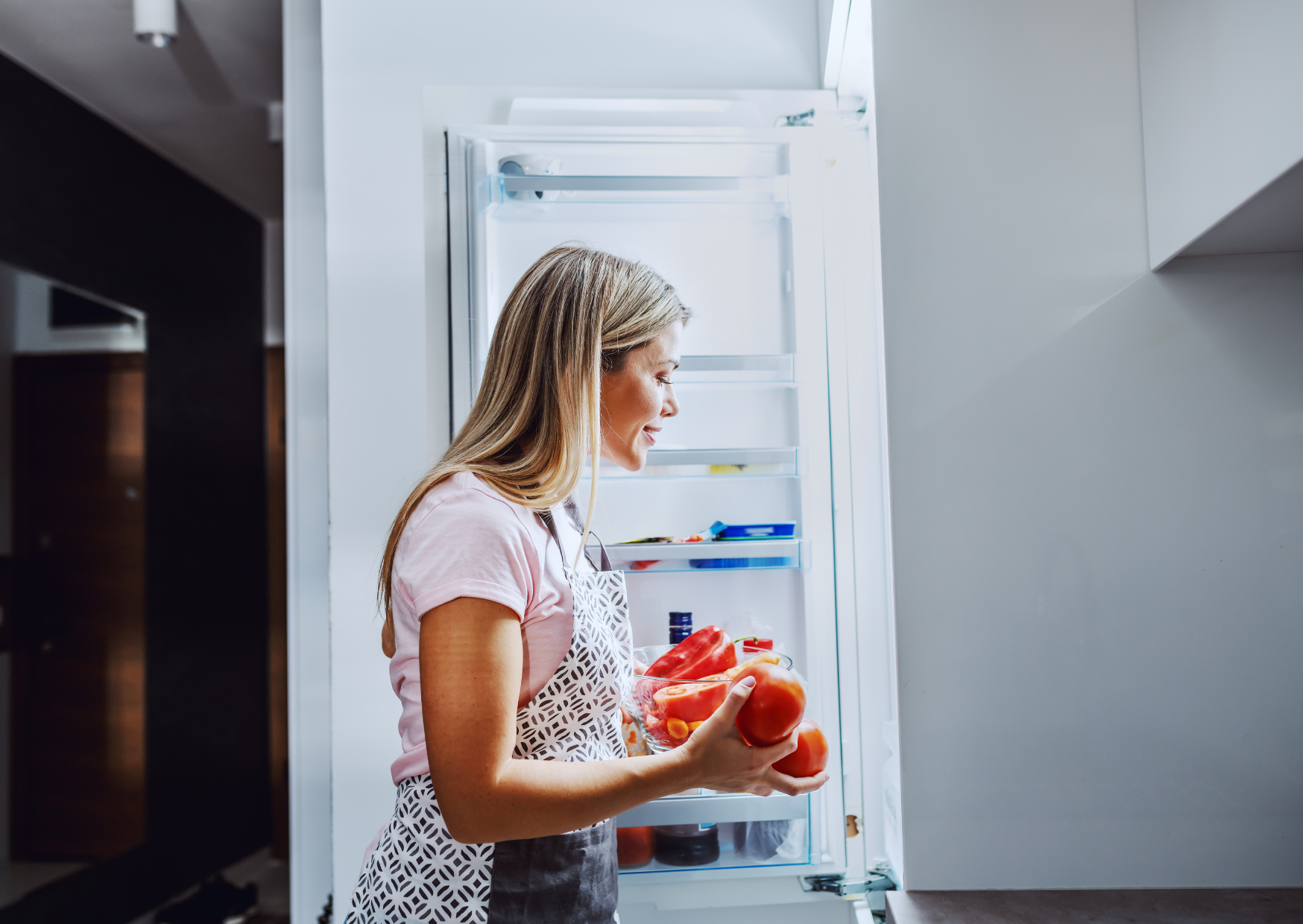
Italian household order can be strict without being cute.
The refrigerator habit had zones, but they were practical zones, not decorative ones. The point was not to make the fridge photograph well. The point was to keep money from quietly rotting.
The top or eye-level shelf held what needed eating first.
The middle shelf held staples already in use: yogurt, cheese, milk, opened jars, cooked beans, boiled eggs, leftovers that were still safe but not urgent.
The lower area held raw ingredients that needed proper separation: meat, fish, poultry, anything that could drip or contaminate other food.
Drawers were for vegetables and fruit, but not as burial chambers. If something went into a drawer, it had to be checked before the next shop.
The door was not treated like a dumping ground for forgotten sauces. It held condiments, butter, drinks, eggs if that was the local storage habit, and a strict number of open jars.
The freezer had one rule: freeze food before it becomes sad, not after.
That rule alone saved money. Many people freeze food at the emotional point when nobody wants it anymore. At that stage, freezing is just delaying the bin.
The Italian habit was earlier.
If a sauce would not be eaten in two days, freeze it. If bread would go stale, slice and freeze it. If cooked beans were too many, freeze half immediately. If soup was made in a large pot, freeze two portions before everyone got tired of looking at it.
The refrigerator and freezer worked together, but the fridge made the decisions.
The freezer was not a museum of forgotten ambition.
It was overflow for food with an actual future.
Shopping Changed From “Weekly Haul” To “Small Corrections”
The American-style grocery haul is dangerous.
It feels efficient. It looks abundant. It gives the person a brief feeling of control. Then the week happens, plans change, someone eats out, nobody wants the raw chicken on Thursday, and half the produce becomes a compost-adjacent moral problem.
The Italian habit does not worship the weekly haul.
It uses smaller corrections.
Buy what the house needs for the next few days. Cook through what is already there. Add fresh food when the fridge has room and a purpose. Stop treating the supermarket as a place where future-you becomes a better person.
This is one reason the habit cut the bill.
We stopped buying aspirational food.
Aspirational food is the spinach bought by a tired person who imagines becoming a smoothie person by Wednesday. It is the second bunch of herbs because the first one looked romantic. It is the salmon for the version of Friday that does not include traffic, laundry, and a child rejecting rice for reasons known only to the child.
Italian kitchens are not free of ambition.
But older food habits are often harsher about reality. If the family has two cooked meals waiting, no one buys ingredients for three more. If there is soup, the lunch plan is soup. If there are roasted vegetables, they become pasta, omelet, or side dish.
A shop becomes a correction, not a reset.
That changed the bill because the cart got smaller. Milk, eggs, fruit, one protein, bread, vegetables that fit the actual next meals, maybe yogurt, maybe cheese, maybe rice or pasta if the shelf was low.
No “just in case” shopping.
No buying three salad kits because health anxiety showed up in aisle four.
No buying extra snacks because the house had become disorganized and everyone was using packaged food as emotional insurance.
The refrigerator told us what the week could be.
The shop filled the gaps.
The $180 Was Mostly Hidden In Waste, Snacks, And Duplicate Buying
A $180 monthly grocery cut sounds dramatic until the waste is visible.
The first savings came from food that stopped going into the bin. Not dramatic restaurant leftovers. Ordinary grocery food.
Produce. Bread. Yogurt. Cheese. Deli meat. Cooked rice. Beans. Sauces. Herbs. Fruit. Lettuce. Opened jars. Half-used vegetables.
The second savings came from duplicate buying. When the fridge was unreadable, we bought things we already had. When the front shelf started doing its job, that stopped.
The third savings came from snacks.
This was the annoying part.
Once leftovers were visible, people ate real food before packaged food. A bowl of beans became lunch before anyone opened crackers. Cheese, tomatoes, and bread became a snack before someone tore through a bag of something louder. Yogurt and fruit became dessert before a second packaged sweet came home.
The refrigerator did not make the family virtuous.
It made the better option easier to see.
That matters because snack spending often hides inside grocery bills. People complain about meat prices while buying small packaged foods that disappear in a day and satisfy nobody. A €2.50 snack here, a €4 packet there, a “for the kids” box, a backup bar, a treat, another treat, a drink that acts like dessert.
By the end of the month, the number is not small.
The fourth savings came from fewer panic meals.
A visible fridge makes dinner less mysterious. When cooked food is obvious, dinner can be assembled instead of invented. That means fewer emergency shops, fewer takeaway nights, fewer expensive “quick” meals that happen because nobody remembered the lentils.
The $180 was not one line item.
It was a leak finally plugged in four places at once.
The Habit Made Leftovers Look Like Ingredients, Not Punishment
Americans often treat leftovers like a second-class meal.
Italian kitchens are better at making yesterday’s food become today’s ingredient.
This is the emotional difference that makes the habit last.
Leftover pasta can become a frittata. Beans can become soup, salad, or bruschetta. Greens can become a filling. Bread can become breadcrumbs, panzanella, ribollita, pappa al pomodoro, toast, or thickener. Roasted vegetables can become pasta sauce. Rice can become a pan dish. Tomato sauce can become eggs, beans, or fish.
The food is not reheated sadly and served with an apology.
It is redirected.
That small shift changed the fridge. A bowl of cooked vegetables was no longer “leftovers.” It was tomorrow’s lunch shortcut. A hard piece of bread was not stale bread. It was crumbs, soup, or toast. A little tomato sauce was not too small to matter. It was the beginning of a meal.
This is where the 30-year-old habit felt older than a trick.
It came from a kitchen culture where food was expected to continue. One meal leaned into the next. Ingredients did not need a full identity every time. Dinner did not have to start from zero.
Modern grocery culture pushes the opposite.
Every meal is a new event. Every recipe needs its own cart. Every craving gets its own purchase. The refrigerator fills with leftovers that nobody connects to the next meal because the next meal has already been imagined as something separate.
The Italian habit breaks that.
It asks the cook to begin with what is unfinished.
That is not scarcity.
It is skill.
The Refrigerator Got Emptier, But The Meals Got Better
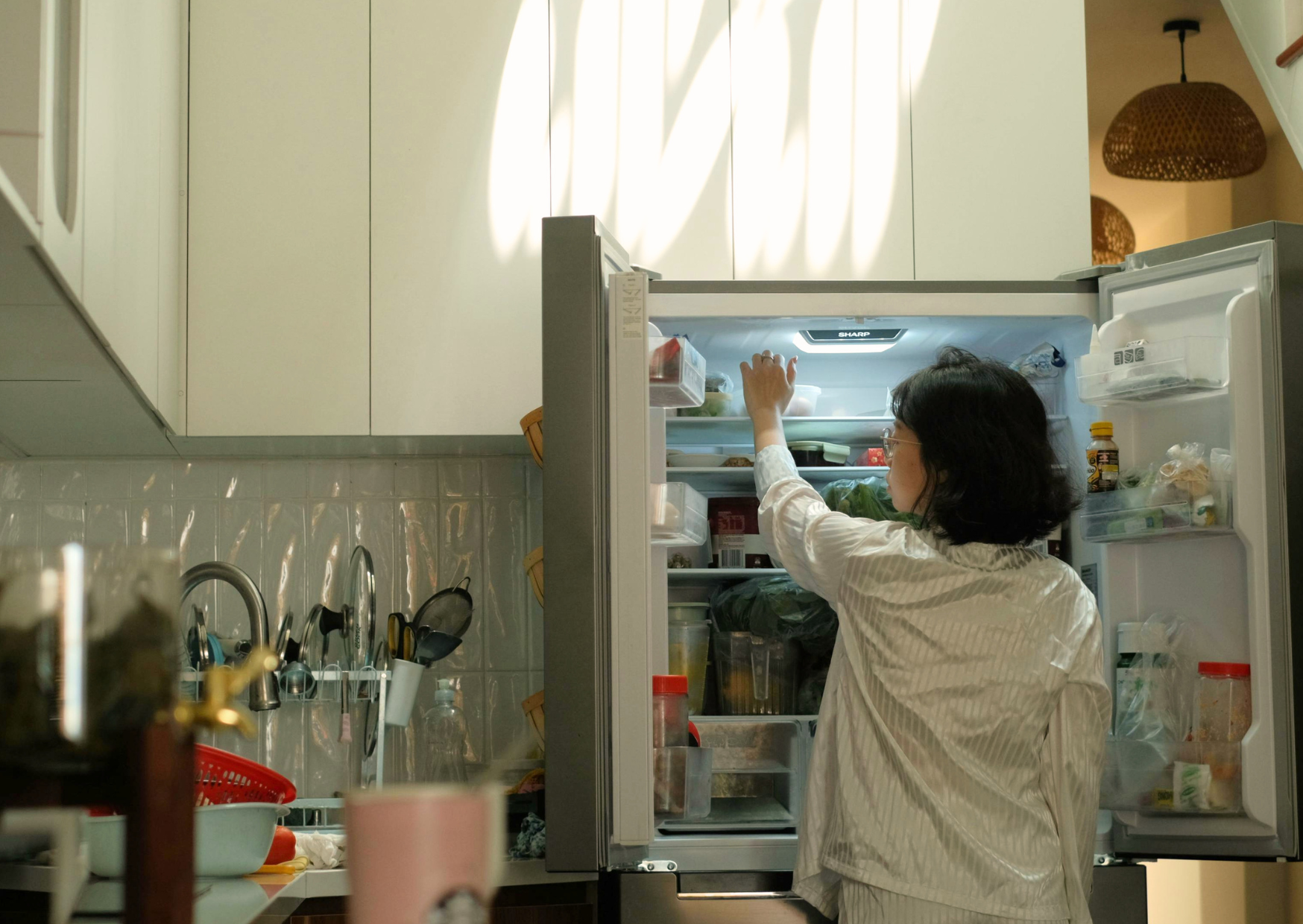
A packed refrigerator can make a household feel rich for about six hours.
Then it becomes work.
Too many choices. Too many dates. Too many opened packages. Too many things that require mental sorting before dinner can happen.
An emptier fridge feels calmer because the next meal is easier to see.
This surprised us. The family did not feel more restricted. Meals actually improved because the ingredients had to cooperate.
A fridge with cooked beans, greens, eggs, cheese, tomatoes, and leftover chicken is not glamorous, but it has answers. It can make soup, salad, omelet, toast, pasta, rice, or a plate dinner. A fridge packed with disconnected purchases has more food and less direction.
That is the strange part.
A smaller refrigerator system created more usable abundance.
Not more food. More usable food.
There is a difference between owning groceries and being able to make dinner.
Italian home cooking often understands this. A few ingredients that know each other are more valuable than a refrigerator full of unrelated products. Tomatoes, eggs, bread, olive oil, cheese, and greens can carry a household for longer than a chaotic cart of snacks, sauces, novelty yogurts, and vegetables bought without a plan.
The emptier fridge also made freshness easier.
Food turned over faster. Herbs were used. Fruit was seen. Cooked food had a short path to lunch. Vegetables did not wait around hoping someone remembered them. The fridge did not become a cold waiting room for ingredients with no appointment.
It became a working kitchen.
That is why the habit kept saving money after the novelty wore off.
The system was not hard.
It was visible.
The Expiration Date Was Not The Only Date That Mattered
One of the quiet problems in American-style fridges is date confusion.
People look at printed dates and ignore the more important household date: when the food was opened, cooked, cut, or forgotten.
A sealed yogurt and an opened yogurt are not the same situation. A whole courgette and a cut courgette are not aging at the same speed. Cooked rice, cooked meat, washed greens, opened sauces, cut fruit, and leftovers all have clocks that start when the household touches them.
The Italian habit paid attention to household time, not only printed time.
That does not mean being careless with safety. The opposite. It means knowing what must move first.
Cooked rice does not get ignored for a week because the bag of dry rice had a long date. Opened ham does not hide behind cheese because the package once looked sealed and innocent. Cut fruit does not become invisible because the whole melon was fine when bought.
Once opened, cooked, or cut, food moves forward.
That rule makes the front shelf necessary.
It also makes shopping less emotional. If three opened items need using, the household does not buy three more. If cooked food is waiting, dinner begins there. If vegetables were cut yesterday, they become today’s priority.
The refrigerator starts to operate on real time.
This is where savings and safety overlap. Food kept visible is used faster. Food used faster is less likely to spoil. Food that spoils less often is food that does not need replacing.
A family does not have to become obsessive.
It just has to stop pretending the refrigerator stops time.
It slows time.
That is different.
Why This Worked Better Than Meal Prep
Meal prep often fails because it asks the household to predict itself too confidently.
Sunday-you cooks for Thursday-you, and Thursday-you turns out to be tired, annoyed, and uninterested in the third identical container of chicken. The plan was efficient on paper. In real life, it starts to feel like being assigned leftovers by a stricter version of yourself.
The Italian refrigerator habit is more flexible.
It does not demand five finished meals. It keeps usable food moving.
Cooked beans. Washed greens. Boiled eggs. A pot of sauce. Roasted vegetables. Bread in the freezer. Cheese. Fruit. Rice or potatoes. Soup for two meals, not eight.
That gives the week structure without imprisoning it.
The habit is ingredient prep, not meal prep.
A person can still decide what sounds good. The decision just begins with what exists. Beans can become soup or salad. Eggs can become breakfast or dinner. Greens can become pasta or omelet. Tomato sauce can become three different meals depending on mood.
This reduced waste because the food stayed adaptable.
It also reduced resentment.
Nobody wants to be told Tuesday’s dinner was decided by Sunday’s spreadsheet. But most people can tolerate opening the fridge and seeing that the roasted peppers need eating, then making pasta with them.
That feels like cooking, not compliance.
The best part is that it works even in a normal messy family.
Someone eats more than expected. Someone refuses leftovers. Someone comes home late. Someone brings bread. Someone buys fruit because it looked good. The fridge habit absorbs that.
Meal prep often breaks when life changes.
The eat-first shelf updates in real time.
The 7-Day Way To Try It Without Buying Anything
Day one: take everything out.
Not for aesthetics. For truth. Throw away what is unsafe, obviously spoiled, or expired beyond reason. Put anything usable on the counter where it has to defend its existence.
Day two: create the eat-first shelf.
Use eye level if possible. Put all opened, cooked, cut, or urgent food there. This shelf is not for new groceries. It is for food already in motion.
Day three: make one meal only from the shelf.
No heroic recipe. Eggs with greens. Pasta with leftover vegetables. Rice with beans. Toast with cheese and tomatoes. Soup from cooked ingredients. The meal should feel ordinary enough to repeat.
Day four: stop the duplicate shop.
Before buying groceries, open the fridge and write down what must be eaten in the next 48 hours. Build the shopping list around that, not around imagined meals from a cleaner life.
Day five: freeze earlier.
Bread, sauce, soup, beans, cooked meat, and portions of leftovers should be frozen while still good. Do not freeze food as a last stop before the bin.
Day six: reduce open packages.
Choose one yogurt, one cheese, one deli item, one sauce, one snack category at a time. The fridge gets expensive when five versions of the same need are open.
Day seven: count what did not get thrown away.
Not money yet. Food. How many meals came from what would usually be forgotten? How many duplicate items were avoided? How many snacks were skipped because real food was visible?
By week two, the savings starts showing up in the cart.
By week four, the grocery bill looks less mysterious.
The habit does not need new containers, a label maker, or a Sunday afternoon personality transplant.
It needs one visible shelf and one honest look before shopping.
The Habit Is Cheap Because It Is Unfashionable
The useful thing about this Italian refrigerator habit is how unimpressive it looks.
Nobody can sell much from it.
No new appliance. No subscription. No special planner. No imported pantry system. No glass-container performance. No app that congratulates the family for eating soup before it becomes a science project.
Just a fridge that shows what needs eating.
That is why the habit works.
It interrupts the two most expensive kitchen lies: “there is nothing to eat” and “we need more food.”
Sometimes there is nothing to eat. Sometimes the house really does need shopping. But often there is half a meal waiting behind poor visibility. Beans, rice, greens, cheese, eggs, sauce, bread, fruit, vegetables, broth, chicken, yogurt, and a small amount of imagination.
The old Italian rule does not make food cheaper at the register.
It makes the household waste less of what it already paid for.
That distinction matters now because grocery prices have not returned to the old comfortable background noise. Food inflation may move up and down, but the household bill still feels heavy when the fridge leaks money every week.
Cutting $180 a month did not require austerity.
It required refusing to shop over food that was already there.
The family still bought good olive oil. Still bought fruit. Still bought cheese. Still bought coffee. Still bought meat and fish when it made sense. Still ate well.
The difference was that food had to finish its story before more food arrived to replace it.
That is the habit.
Not frugality as punishment.
Frugality as attention.
And attention, annoyingly, is still one of the cheapest tools in the kitchen.

About the Author: Ruben, co-founder of Gamintraveler.com since 2014, is a seasoned traveler from Spain who has explored over 100 countries since 2009. Known for his extensive travel adventures across South America, Europe, the US, Australia, New Zealand, Asia, and Africa, Ruben combines his passion for adventurous yet sustainable living with his love for cycling, highlighted by his remarkable 5-month bicycle journey from Spain to Norway. He currently resides in Spain, where he continues sharing his travel experiences with his partner, Rachel, and their son, Han.