
The Tuscany offer is real enough to pay attention to. It is also narrow enough that anyone imagining a free villa fund needs to slow down before opening Zillow with a glass of Chianti.
Tuscany is the name behind the €30,000 moving-grant story.
The region did approve a mountain-residency program that offered up to €30,000 toward buying a home in small mountain communities. That part was not internet folklore.
The catch is the part that matters for Americans in 2026.
The clean viral version sounds like this: move to Tuscany, buy a stone house, collect money, become the person in the linen shirt at the Thursday market.
The real version is more Italian: specific application windows, narrow eligibility, residency rules, digital credentials, property categories, deadlines, and enough fine print to make the fantasy lose a little weight.
Tuscany Is The Region, But Not The Postcard Version
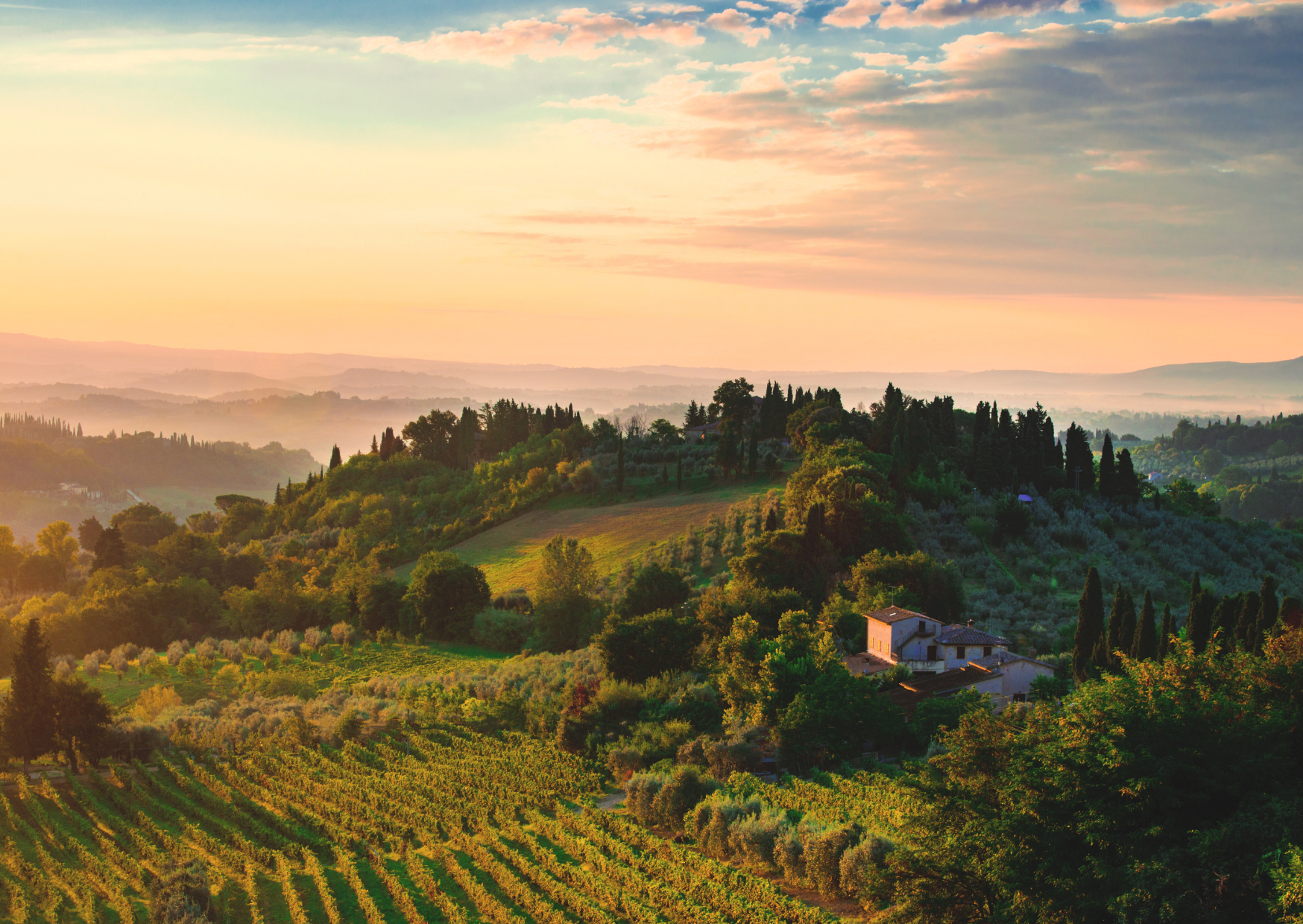
When Americans hear Tuscany, they usually picture Florence, Siena, Val d’Orcia, vineyards, cypress roads, hill towns, and the kind of sunset that has been professionally abused by every travel brochure ever printed.
That is not where these programs are aimed.
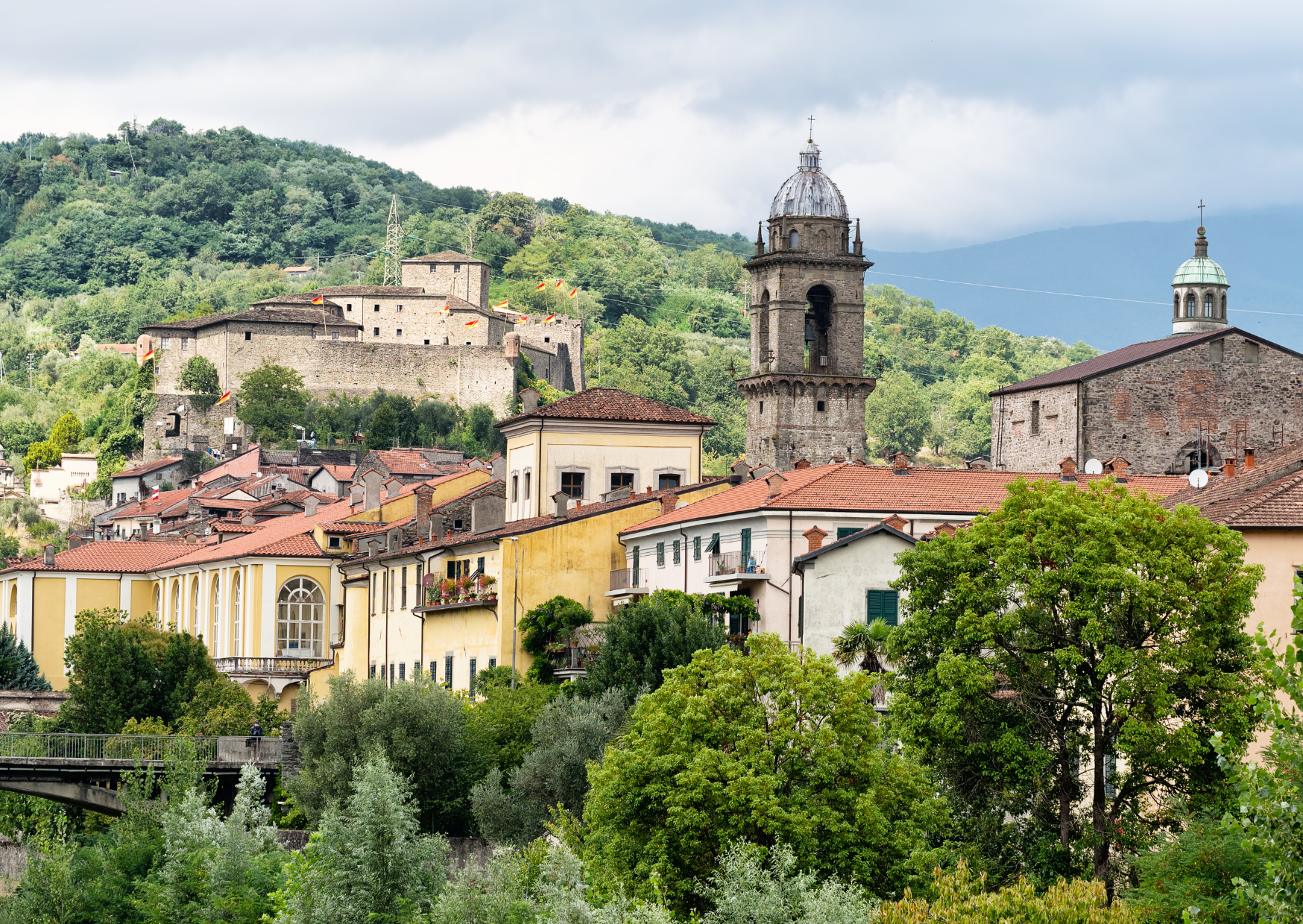
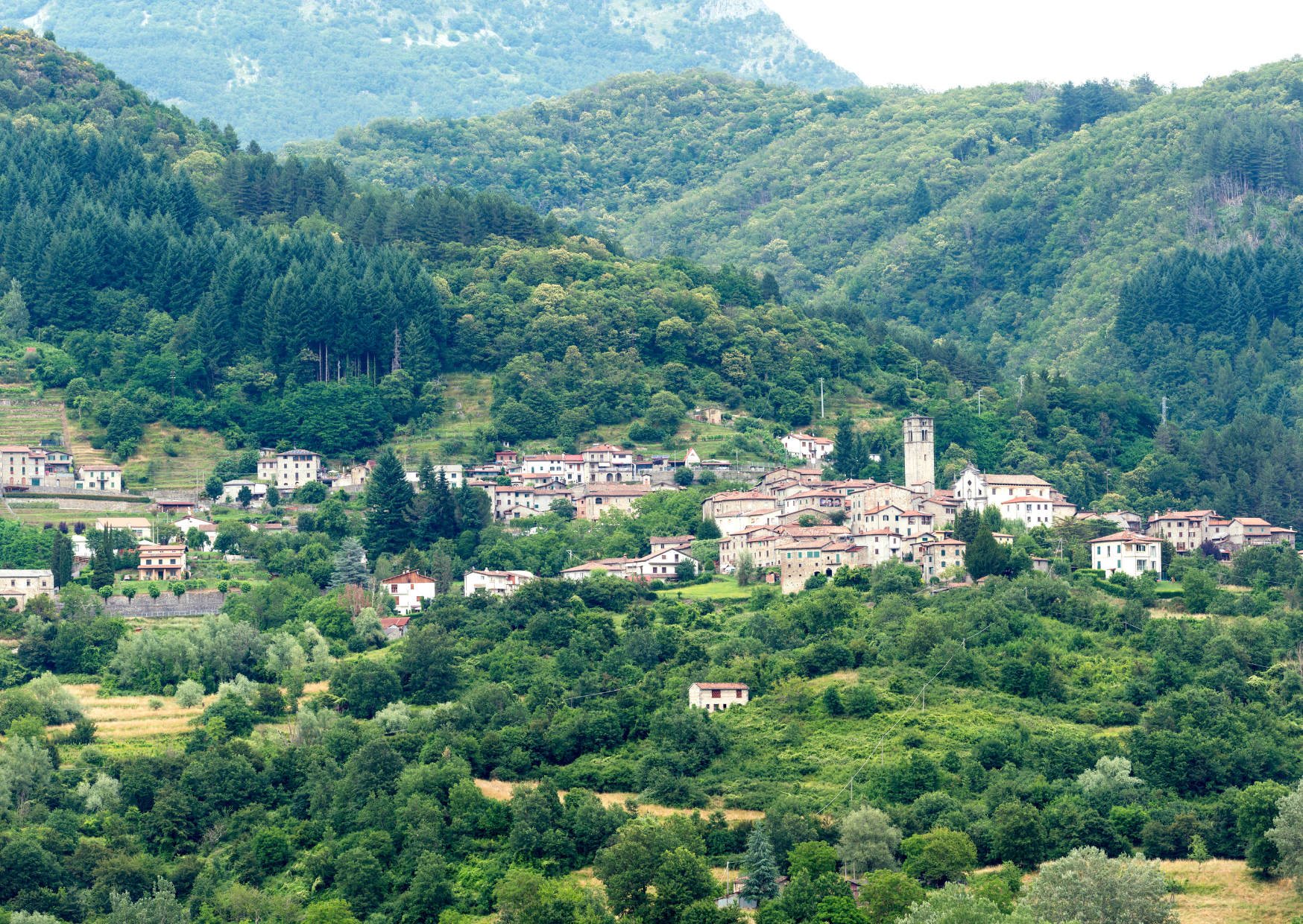
The grants are about Toscana Diffusa, the less marketable but more useful version of the region: mountain towns, smaller municipalities, places dealing with aging populations, empty homes, thin services, and young people leaving for bigger cities.
Think less “villa outside Florence with a pool” and more Garfagnana, Lunigiana, Casentino, Amiata, inland mountain edges, and smaller communities where daily life still depends on cars, local offices, winter heating, and whether the nearest doctor is convenient or merely technically available.
That does not make the places undesirable.
Some are beautiful in a way that does not need editing. Stone houses, chestnut woods, valleys, medieval centers, local festivals, municipal offices where people still know who moved in last month.
But they are not the Tuscany most Americans have rented for a June wedding trip.
The €30,000 version came from the 2024 “Residenzialità in montagna” call, which supported home purchases in small Tuscan mountain municipalities. The later 2025 Tuscany Diffusa program changed the shape of the offer, and by 2026 the active paperwork is not the same as the old viral travel headlines.
That difference matters.
A person planning a real move cannot treat “Tuscany pays you €30,000” as a standing offer sitting on a shelf. Regional calls open, close, rank applicants, shift funding, and move through later phases.
The phrase “up to €30,000” is not a lifestyle promise. It is a maximum under a specific public program.
That is where many Americans get this wrong before they even get to Italy.
They look at the number before they look at the residency rule.
The €30,000 Was Real, But The 2026 Fine Print Is Different
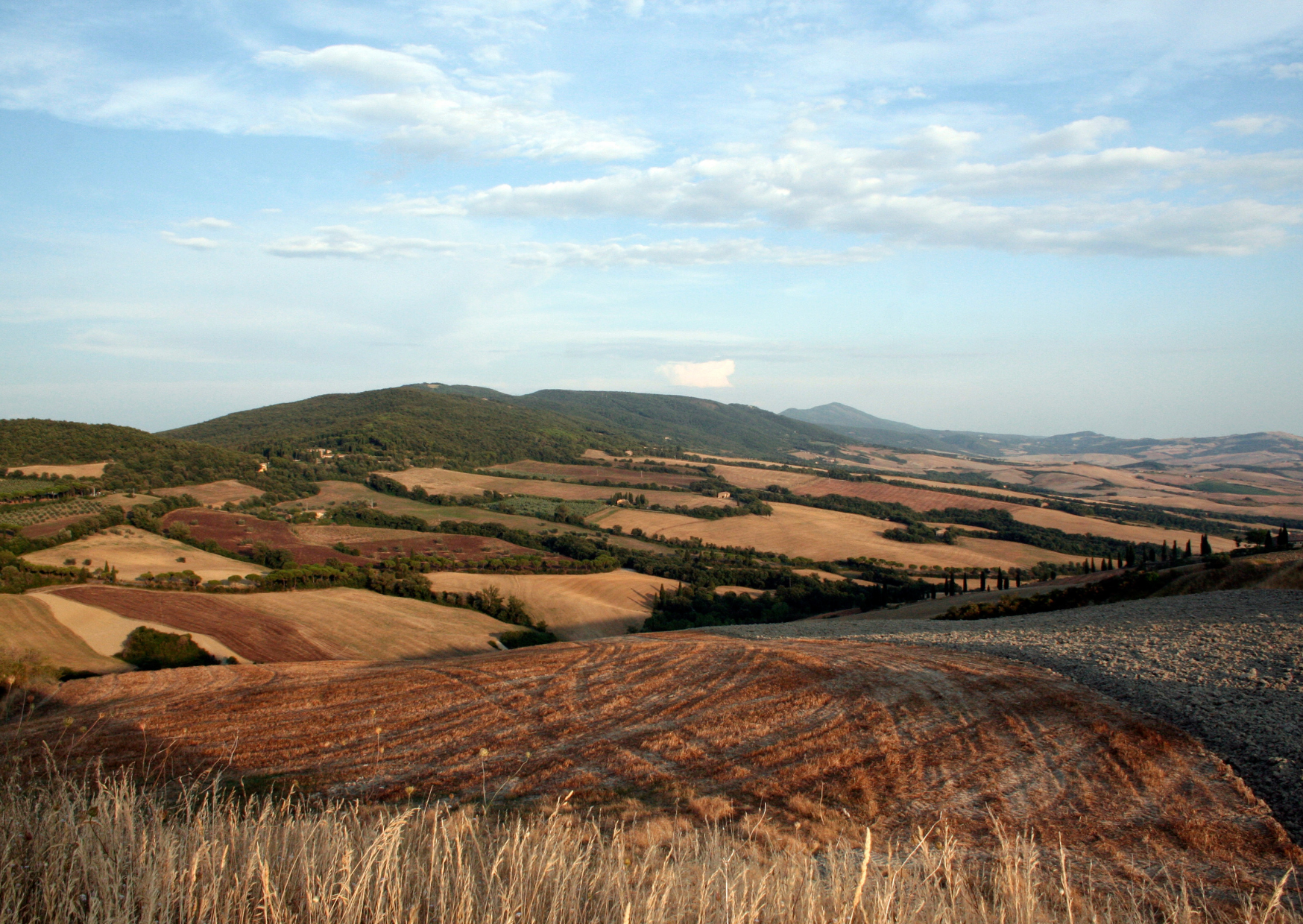
The older Tuscany mountain program offered grants between €10,000 and €30,000 toward buying a residential property in eligible mountain municipalities. The support could not exceed 50% of the purchase and renovation cost.
That is the number people remember.
The current 2025 Tuscany Diffusa call listed a total fund of €3.25 million across 2025 and 2026, but the maximum request per application was €10,000, again capped at 50% of eligible purchase costs.
That is a much smaller headline.
It is also exactly the kind of detail that separates a serious relocation plan from a fantasy spreadsheet.
The 2025 call closed on November 9, 2025, with the ranking approved in December 2025 and follow-up activity still appearing on the regional page in 2026. So yes, Tuscany residency incentives still matter in 2026. No, that does not mean an American can simply apply today for a €30,000 check because they are tired of Florida insurance premiums.
A grant like this is not a suitcase of cash handed over at the airport.
It is reimbursement-style public support tied to property purchase, eligibility, documentation, application ranking, and actual residence.
The region also requires the home to be a real residential property, already existing, and located in the eligible territory. Certain luxury categories are excluded. Rough unfinished shells are not the clean easy target people imagine when they hear “cheap Italian house.”
And the money does not usually cover the messiest parts of buying.
Notary fees, agent costs, technical checks, banking costs, utility connections, insurance, moving costs, furniture, translation, tax advice, and the first year of mistakes still sit on the buyer.
A person may see €10,000 or €30,000 and think “renovation cushion.”
Italy hears “documented eligible expense, capped percentage, correct category, correct timeline, correct office.”
That is not romantic.
It is, however, the part that decides whether the money exists.
Americans Are Not Automatically Eligible
This is the section that kills the fantasy for a lot of U.S. readers.
The 2024 mountain call explicitly said it was not available to non-Italian residents. The 2025 Tuscany Diffusa rules required applicants to be Italian citizens, EU citizens, or non-EU citizens with a qualifying long-term residence permit under the relevant Italian immigration framework.
That means an American in Ohio browsing Italian villages on a Sunday night is not the natural target.
An American already legally resident in Italy with the right kind of residence status may be in a different position. An American married to an EU citizen may have a different route. A dual citizen may have a different route again. A person with Italian citizenship by descent already recognized is not in the same bucket as a tourist.
But a U.S. passport by itself does not turn the Tuscany grant into an immigration program.
That is the blunt distinction: housing incentives are not visas.
Italy can encourage people to buy homes in depopulating places, but that does not mean Italy has waived immigration rules for Americans who like stone walls and pecorino.
For most U.S. retirees, the first question is not “Which village gives money?”
The first question is “What legal status lets this person live in Italy long enough to qualify for anything?”
That may mean an elective residence visa for someone living on passive income. It may mean a work route for someone who qualifies under a separate visa category. It may mean citizenship recognition for someone with Italian ancestry. It may mean nothing if the person does not meet the requirements.
The order matters.
Visa first.
Legal residence next.
Then property.
Then any grant eligibility, if a current call is open and the applicant fits.
Doing this backward is how people end up with an Italian house they can visit for 90 days at a time, not a new life.
That may still be fine.
It is just not “moving to Italy.”
The Visa Question Comes Before The Village Question
For Americans who want to live in Italy without working, the elective residence visa is usually the category that comes up first.
It is not a remote-work visa. It is not a “try Italy and see” visa. It is meant for people who can support themselves from substantial and stable income outside Italy, such as pensions, annuities, property income, investments, or similar private resources.
The Italian consular language is clear on the big point: this visa does not allow work in Italy.
That includes the practical problem many Americans try to smooth over with vibes. If a person needs a local job, gig work, clients in Italy, or an Italian income stream to make the village math work, elective residence is probably the wrong door.
The consulate will also want proof of lodging, income, health insurance, and jurisdiction-specific documentation. After arrival, the person must deal with the permesso di soggiorno process within the required timeframe.
A Tuscany grant does not erase that.
In fact, grant rules can make the timing more awkward, because public funding calls usually expect documents in a specific order. Property purchase, digital identity, residence transfer, cadastral category, ownership share, and eligible territory all matter.
Americans often underestimate how physical Italian bureaucracy still is.
Not because Italy lacks online systems. It has many. The problem is that the systems connect to identity documents, tax codes, certified email, local registration, police appointments, municipal residence checks, and offices that may not behave like U.S. customer service desks.
A U.S. buyer thinking “I’ll just apply online” may first need a codice fiscale, Italian bank coordination, a notary, translated and apostilled documents, proof of legal stay, housing documentation, and local help reading the call properly.
This is why the strongest applicants are usually not the people with the most romantic motivation.
They are the people with the cleanest paperwork.
The House Has To Work In January, Not Just In June
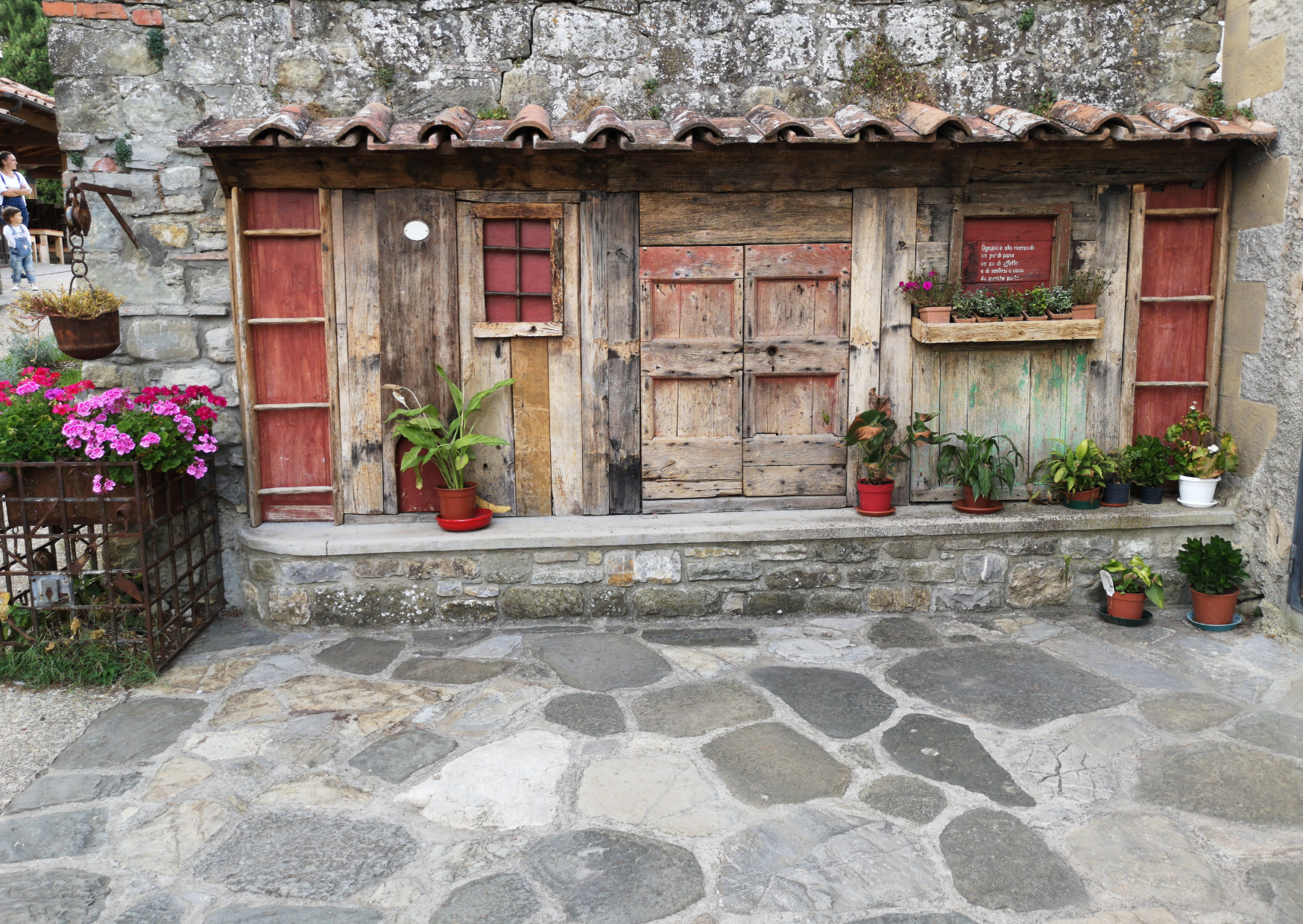
Cheap Italian housing has a way of looking very cheap until the first technical inspection.
A mountain town house listed at €65,000 can be a good buy. It can also be a damp, drafty, vertically confusing building with old wiring, weak heating, awkward stairs, a roof that needs attention, and no parking near the door.
Those details matter more in the places these grants target.
Many eligible towns are not built around American convenience. Streets can be steep. Parking can be outside the historic center. Heating costs can be real. Winters can be wet and cold. Renovation crews may be busy, local, seasonal, or allergic to the timeline you invented in a spreadsheet.
A person buying for legal residence also needs the house to function as a primary home.
That means more than charm.
It needs heat, internet, access, medical practicality, grocery reality, and enough daily life nearby that the person does not turn into a full-time driver just to buy printer ink.
A beautiful village can become exhausting if every errand requires a mountain road.
This is especially true for Americans in their late 50s, 60s, or 70s. A three-story stone house may photograph beautifully. It may also become an enemy if the main bathroom is on the wrong floor and the stairs are narrow enough to make every laundry day a small negotiation.
The key purchase question is not “Can this house be beautiful?”
It is “Can this house support ordinary life?”
Look at January heating, not only September light.
Look at the walk to the pharmacy, not only the view from the terrace.
Look at the distance to the nearest hospital, train station, supermarket, and English-speaking professional help.
A €30,000 grant does not fix a bad house.
It only makes a good fit slightly easier to afford.
The Money Is Helpful, But It Does Not Carry The Move
The grant number can distort the budget.
Even €30,000 is not enough to make an underfunded relocation safe. It is useful money, not life-changing money once the purchase costs, taxes, utilities, furnishing, travel, and professional help are counted.
For a buyer looking at a modest home in an eligible town, the first-year costs might include:
- property price
- purchase taxes
- notary fees
- agency commission
- surveyor or technical review
- translations
- codice fiscale and banking help if needed
- furniture and appliances
- utility setup
- heating inspection
- internet installation
- first car purchase or long-term rental
- insurance
- emergency repair fund
- immigration or legal support
The grant may only apply to eligible purchase costs, not to the whole messy arrival bill.
That is why Americans should not think of the incentive as the reason to move. It should be treated as a possible bonus attached to a plan that already works.
If the move only makes sense with the grant, the move probably does not make sense.
Tuscany’s broader housing market is not cheap by Italian standards either. Regional asking prices are pulled upward by expensive areas, but even in the less famous provinces the spread is wide. Some inland towns still have lower prices. Better-known areas near Florence, Lucca, Siena, or the coast can quickly destroy the “cheap Tuscany” idea.
In April 2026, Tuscany’s average asking price was above the national average, while individual towns varied sharply. That matters because the grant areas are not one uniform market. A house in Chianciano Terme is not priced like a house near Lucca. A village near transport is not the same as a remote hamlet where the road feels charming only once.
The serious budget needs two versions.
One version assumes no grant.
The second version shows what changes if the grant arrives.
Never build the first version around public money that has not been approved.
The Places Worth Studying Are Not Always The Famous Ones
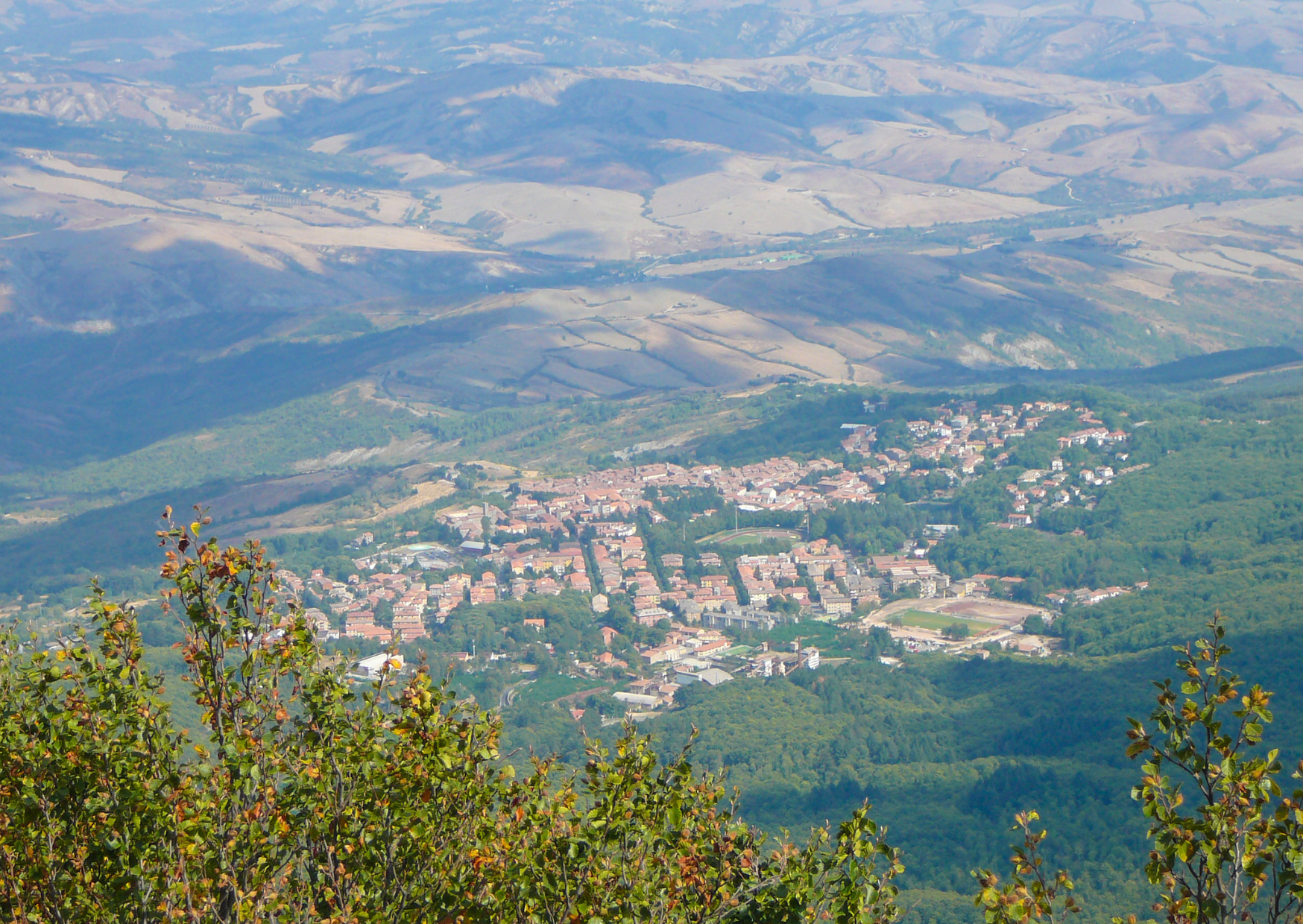
The strongest candidates are usually the towns that do not make American bucket lists.
That is the whole point.
If a place is already full of short-term rentals, foreign buyers, weekend homes, and destination weddings, it probably does not need a public incentive to attract residents.
The more interesting map is inland and mountainous.
Look at areas like Garfagnana and Media Valle del Serchio in northern Tuscany, where towns sit between Lucca, the Apuan Alps, and the Apennines. Places like Barga, Castelnuovo di Garfagnana, and nearby villages can offer a more grounded version of Tuscany: mountain air, local markets, train links in some places, and winter reality.
Look at Lunigiana, where northern Tuscany leans toward Liguria and Emilia-Romagna, with castles, forests, lower prices in some pockets, and a different feel from wine-label Tuscany.
Look at Casentino, east of Florence and Arezzo, with towns such as Poppi and Bibbiena, forests, monasteries, and a stronger local rhythm than the Florence-day-trip fantasy.
Look at the Amiata area, where mountain towns sit around an old volcanic landscape with hot springs, chestnut woods, and a slower inland feel.
None of these places should be bought blind.
A person should rent nearby first, ideally in the worst practical season. Not the cutest week. Not the festival weekend. Not the week when every piazza looks like a movie location.
Try rain.
Try Monday.
Try a doctor appointment.
Try finding a plumber.
Try arriving home after dark.
That is when the village tells the truth.
The good news is that many of these places can work beautifully for the right person. Someone who wants quiet, local food, walking, a slower pace, and a smaller social world may thrive.
Someone who needs constant English-speaking company, same-day convenience, a big-city medical ecosystem, and an airport 25 minutes away may not.
The grant is not the compatibility test.
Daily life is.
The Mistakes That Turn The Offer Into An Expensive Hobby
The first mistake is treating the incentive like a relocation package.
It is not.
A relocation package moves you. This is public support tied to a narrow goal: getting people to settle in underpopulated territories and make residential use of existing homes.
The second mistake is confusing travel love with residence tolerance.
A person can love Tuscany for two weeks and still dislike living in a small mountain town where the best restaurant closes midweek, the plumber is not coming today, and the neighbor knows exactly when the shutters opened.
The third mistake is buying a property before understanding the visa path.
For Americans, this is the expensive one. Ownership does not give a person automatic residence rights. A house can help prove lodging for some visa types, but it does not replace the visa.
The fourth mistake is underestimating renovation.
Italy has wonderful old buildings and a regulatory culture that does not care how excited the buyer is. Building permissions, seismic requirements, historic constraints, energy upgrades, contractors, and local technical reports can turn a cheap house into a slow project.
The fifth mistake is assuming that small-town life is automatically cheaper.
Some things cost less. Coffee, local produce, simple lunches, and property in lesser-known towns can be reasonable. Other things do not cooperate: cars, fuel, heating, home repairs, bureaucracy help, insurance, flights back to the U.S., and medical travel if specialist care is not nearby.
The sixth mistake is moving for the grant instead of for the place.
That is the cleanest way to make a bad decision.
A grant can make a solid plan better. It cannot make the wrong town livable.
A 7-Day Reality Check Before Anyone Chases The Tuscan Money
Day one: identify the exact program.
Do not rely on English-language headlines. Find the current regional or municipal page, the official call, the application deadline, the amount, and the eligible territories. For Tuscany, start with Regione Toscana’s pages on Toscana Diffusa and mountain policies.
Day two: check legal eligibility.
Separate three things: citizenship, visa status, and residence status. A U.S. citizen outside Italy is not in the same position as an American already holding long-term Italian residence. If the call requires resident status in Italy, that is not a small detail.
Day three: choose the visa route before the property.
For retirees, read the elective residence requirements from the Italian consulate that covers the applicant’s U.S. address. Check income evidence, health insurance, housing, appointment timing, and the no-work rule.
Day four: map the eligible towns against real life.
Mark supermarkets, hospitals, train stations, pharmacies, airports, winter roads, and expat services. A pretty eligible town without workable logistics is not a relocation plan. It is a photo folder.
Day five: price the house without the grant.
Use current listings, not old blog posts. Add notary, agency, taxes, repairs, utilities, heating, furniture, legal help, translation, and emergency cash. The number that matters is first-year cash needed, not the listing price.
Day six: rent nearby.
If the move is serious, spend time near the target area before buying. Two weeks in the right valley can reveal more than 60 nights of YouTube research.
Day seven: talk to professionals before signing.
A local geometra, notary, immigration lawyer, accountant, and bilingual property professional may feel expensive until they prevent one bad assumption. Italy is not impossible. It is just very good at punishing people who skip steps.
This is also the week to ask the dull questions.
Can the applicant get Italian digital identity access? Is a PEC address needed? Is the property category eligible? What happens if residence is not transferred in time? How long must the buyer keep the home and actual residence? What triggers revocation?
The romantic version starts with a village.
The workable version starts with documents.
The Better Way To Read This Offer
The Tuscany incentive is not fake.
It is just smaller, narrower, and more bureaucratic than the viral version makes it sound.
That does not make it useless. For the right person, it can matter. A buyer who already has a legal path to Italy, wants a primary home in a smaller inland area, understands winter life, and has enough money without the grant could treat the incentive as a real advantage.
But for most Americans, the correct first reaction is not “Where do I apply?”
It is “Do I qualify at all?”
Then: “Would I live there without the money?”
Then: “Can I handle the visa, house, health care, transport, taxes, and language?”
If the answers keep holding up after those questions, Tuscany gets interesting.
Not Florence fantasy Tuscany.
Not movie-poster Tuscany.
The other Tuscany. The one with mountain roads, municipal deadlines, stone houses that need heat, and towns trying to stay alive without becoming museum sets.
That version may be exactly what some Americans say they want.
They just need to understand what it is before they buy the dream.

About the Author: Ruben, co-founder of Gamintraveler.com since 2014, is a seasoned traveler from Spain who has explored over 100 countries since 2009. Known for his extensive travel adventures across South America, Europe, the US, Australia, New Zealand, Asia, and Africa, Ruben combines his passion for adventurous yet sustainable living with his love for cycling, highlighted by his remarkable 5-month bicycle journey from Spain to Norway. He currently resides in Spain, where he continues sharing his travel experiences with his partner, Rachel, and their son, Han.