
Summer in Europe is not cancelled. The cheap, careless, arrive-whenever version is the part getting squeezed.
A hotel room in Barcelona now comes with a tax line that feels less like a fee and more like a warning.
Venice wants day-trippers to register and pay. Amsterdam is shrinking cruise access. Lisbon has made the overnight tax harder to ignore. Dubrovnik counts bodies entering its old core.
None of these cities is saying, “Americans, stay home.”
They are saying something colder and more useful: come differently, come off-season, pay properly, or pick another city.
Barcelona Is Done Pretending Tourism Is Just A Compliment
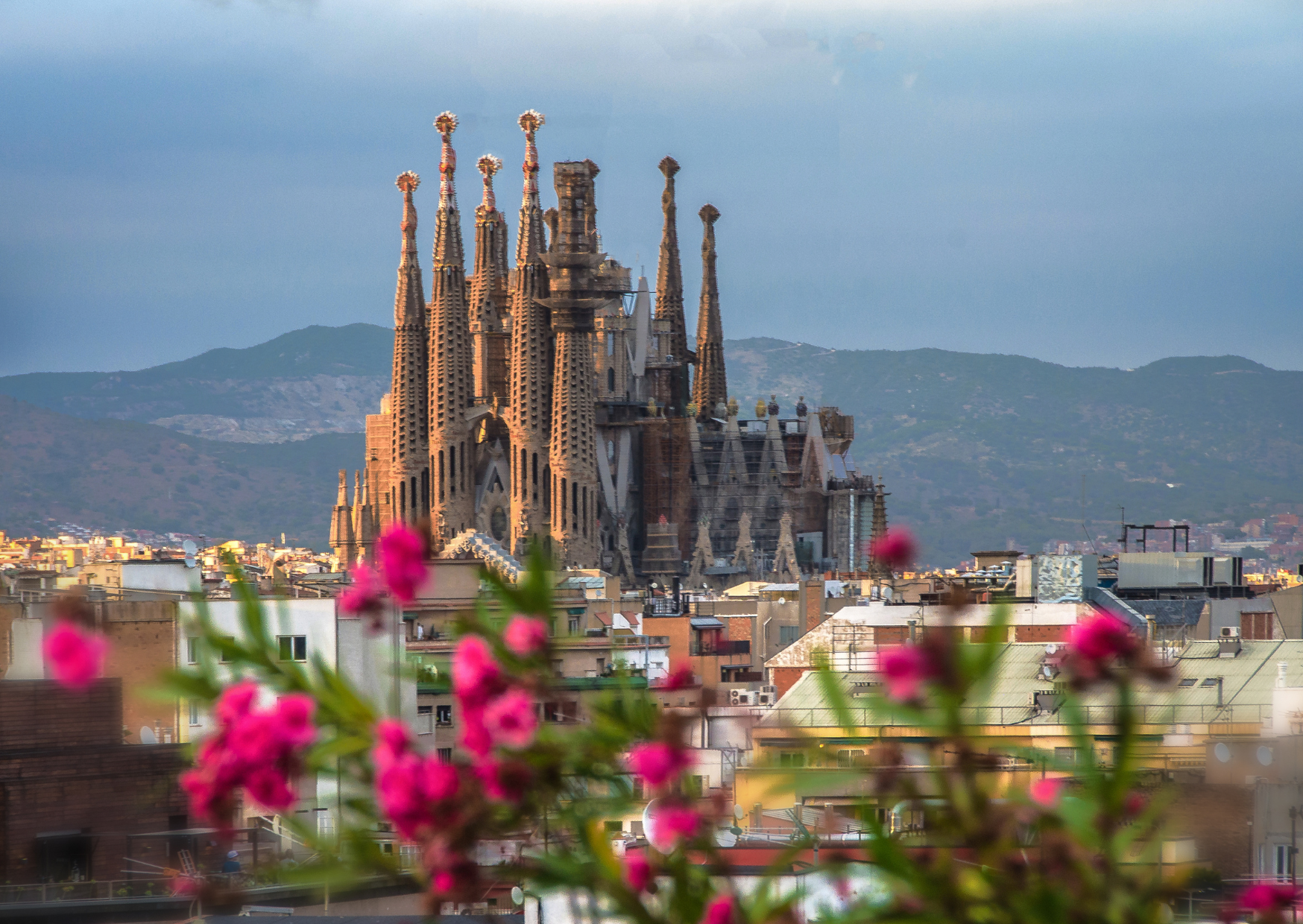
Barcelona is not being subtle anymore.
The city still wants visitors with reservations, money, manners, and a reason to be there beyond filming La Rambla like nobody has ever seen a street before. What it does not want is another summer where residents feel priced out, pavements clog, beaches overflow, and every normal errand becomes a queue behind wheeled luggage.
The numbers now hit the hotel bill. From April 2026, Barcelona’s tourist tax rose sharply, with higher-category hotels and tourist apartments carrying some of the biggest totals. A five-star stay can now carry €12 per person per night in combined regional and municipal tourist tax, while tourist apartments and four-star hotels also carry heavier nightly charges.
That is not going to bankrupt a U.S. traveler spending $4,000 on flights and hotels.
But it changes the mood.
Barcelona has also drawn a hard line around short-term rentals. The city’s plan to phase out licensed tourist apartments by 2028 is not aimed at one summer vacation. It is aimed at the long-term conversion of residential buildings into visitor inventory.
For American tourists, the practical message is simple: do not treat Barcelona like a cheap beach add-on in July or August. The city is expensive, hot, crowded, politically tense around tourism, and increasingly designed to make low-value peak-season travel less comfortable.
The better move is not complicated.
Go in late October, November, February, or March. Stay in a legal hotel or licensed accommodation. Spend outside the same six blocks. Use the metro. Book Sagrada Família and Park Güell properly. Skip Barceloneta in August unless the goal is to become one more towel in a human parking lot.
Barcelona is still magnificent.
It is just no longer interested in being treated like a discounted backdrop.
Venice Has Turned Day-Tripping Into An Appointment

Venice has been telling people this for years. In 2026, it is putting the message into QR codes.
The access fee for day visitors returns on selected high-pressure dates from April through July. Day-trippers who are not staying overnight need to register and pay during the active hours, with a lower fee for earlier booking and a higher fee for last-minute visitors.
That is the quiet insult in the system.
Venice is not only charging tourists. It is charging the tourist behavior that makes the city feel unusable: arrive late, crowd the bridge, take the same photos, buy something small, leave before dinner, and contribute very little to the life of the place beyond congestion.
The fee is not enormous. €5 or €10 will not stop a determined traveler. But the point is not just revenue. The point is friction.
Venice is adding a small bureaucratic step to a city that used to be treated like a walk-in museum.
For American tourists planning summer 2026, the lesson is blunt: a cruise stop or rushed day trip is the worst version of Venice. It is hot, packed, expensive, and choreographed around the same bottlenecks everyone else wants.
The better version requires time.
Stay at least two nights. Sleep in the city or nearby in a way that does not turn every visit into a day-trip stampede. Walk early. Eat late. Cross into Cannaregio before breakfast. Visit San Marco when the tour groups are not moving in one giant organism.
And if the itinerary only allows four hours?
Pick somewhere else.
That is not anti-tourist. It is just honest. Venice rewards slowness and punishes compression. Summer 2026 only makes that more obvious.
Amsterdam Wants Fewer Visitors Who Treat It Like A Playground
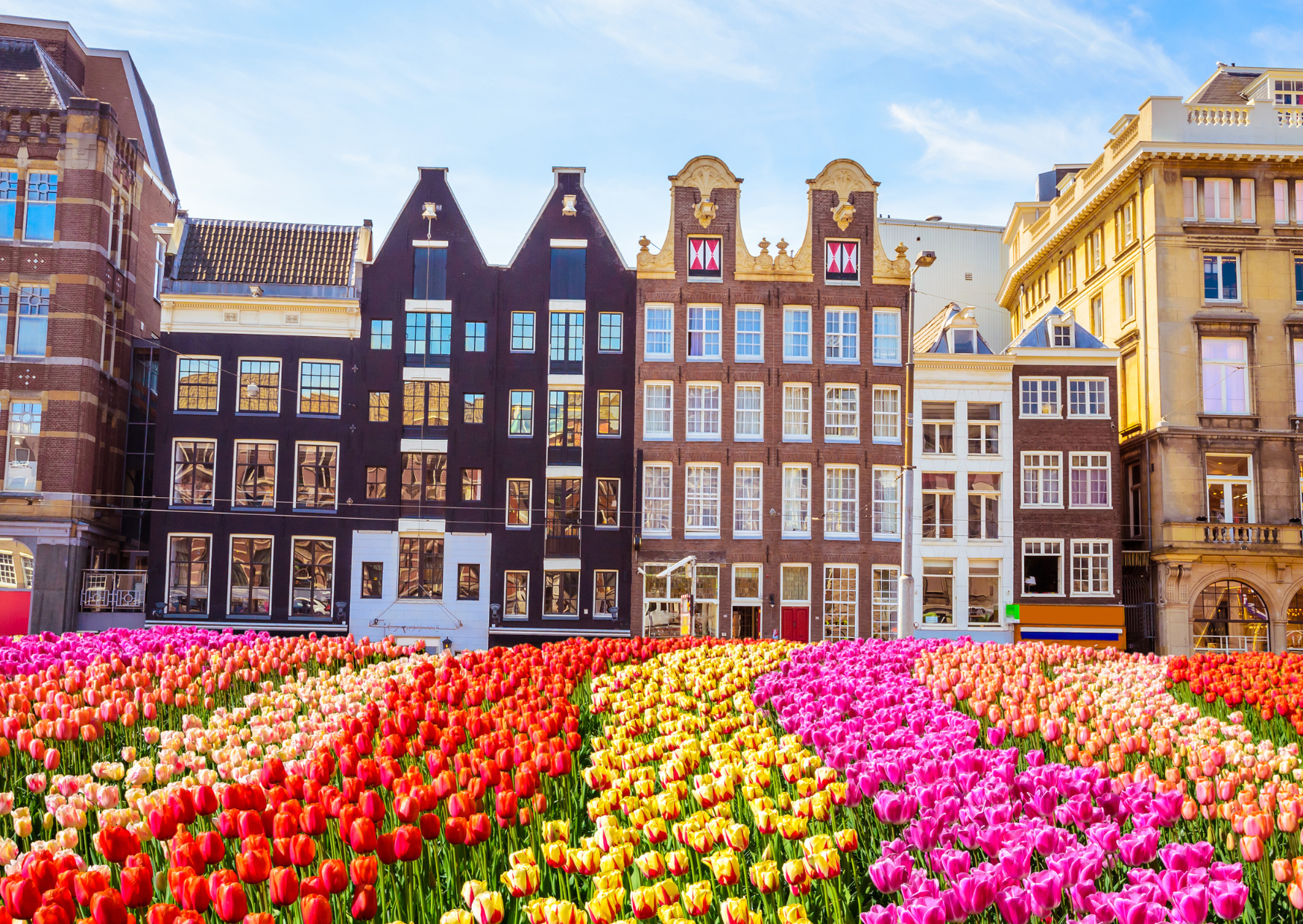
Amsterdam has spent years trying to separate visitors who actually want the city from visitors who want a permission slip.
The city still has canals, museums, brown cafés, markets, parks, design shops, Indonesian food, train access, and one of the easiest urban layouts in Europe. It also has a center that has absorbed too much stag-party behavior, cannabis tourism, sex-tourism branding, and cruise congestion for too long.
The pressure is now visible in policy.
Amsterdam charges one of Europe’s more aggressive overnight tourist taxes, at 12.5% of the overnight price before VAT. Cruise passengers also face a €15 day tourist tax. The city has moved to reduce ocean cruise calls to 100 by 2026 and is working toward removing sea cruise operations from the city by 2035.
That is not a welcome mat.
It is a filter.
For Americans, the mistake is assuming Amsterdam is easy because English is widely spoken and the airport connection is simple. Easy logistics do not mean the city wants every kind of trip.
A summer visit built around the Red Light District, weed shops, and cheap beer is exactly the version Amsterdam has been trying to discourage. The city is not shy about nuisance tourism anymore. It wants visitors who use the whole city, respect residents, book real accommodation, and stop treating the historic center like a theme park with bicycles.
A better Amsterdam trip in summer 2026 means sleeping outside the tightest center, using trams instead of taxis, booking museums in advance, and spending time in neighborhoods where normal life still has a pulse.
De Pijp, Oost, Noord, Westerpark, and Haarlem as a base all make more sense than paying top rates to sleep beside the loudest version of the city.
Amsterdam is not telling good travelers to disappear.
It is telling lazy ones that the old bargain is gone.
Palma Is Letting The Cruise Math Speak First
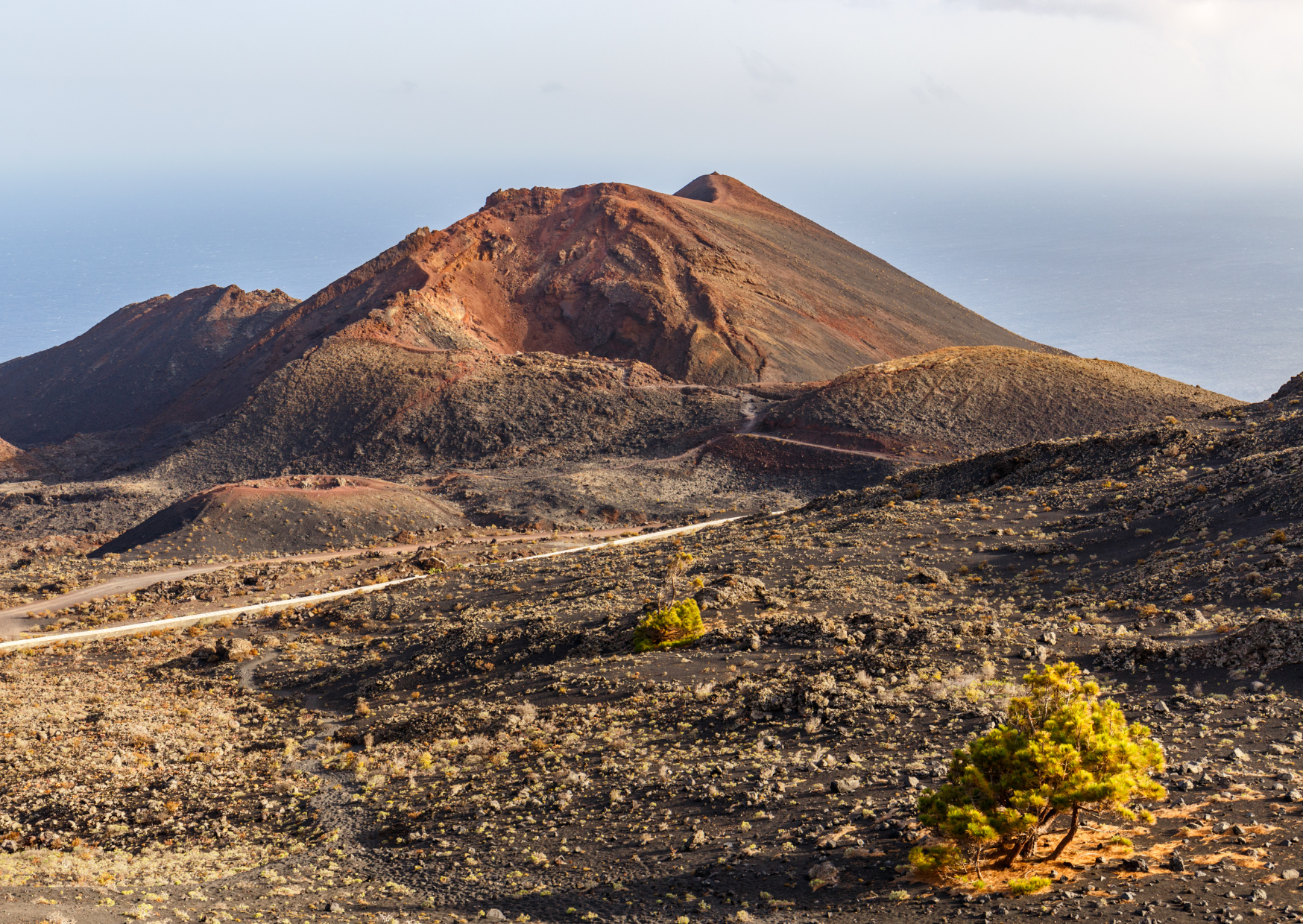
Palma is one of those places where the problem becomes obvious before anyone explains it.
A historic center, a port, a cathedral, a beach culture, a small island road network, and a summer schedule full of visitors. Add cruise ships, rental cars, party tourism, and peak-season heat, then watch residents wonder why they are supposed to feel grateful.
The Balearic Islands have been arguing with mass tourism for years. Palma sits right in the middle of that argument.
The cruise limits already tell part of the story. A new agreement keeps a cap of three cruise ships per day in Palma’s port, with only one carrying more than 5,000 passengers. From 2027, the summer average number of cruise berths is set to fall from 8,500 to 7,500 between June and September.
That reduction starts after summer 2026, but the message is already there.
Palma has reached the point where more is not automatically better.
For American travelers, Mallorca is often sold as a Mediterranean fantasy that can be solved with a car rental and a beach list. In July and August, that turns into parking stress, packed coves, expensive hotels, traffic, restaurant pressure, and a feeling that every “hidden” beach has already been found by 9:15 a.m.
The better version of Palma is not a same-day cruise hit.
It is spring, autumn, or a slower island stay with fewer moves. Base in Palma for a few nights. Use buses and trains where they make sense. Book restaurants ahead. Skip the most Instagram-punished coves at midday. Treat Sóller, Deià, Valldemossa, and the Tramuntana as real places, not a checklist.
The island is not too small for tourism.
It is too small for careless tourism at maximum volume.
Lisbon Is No Longer The Cheap Escape People Still Describe Online
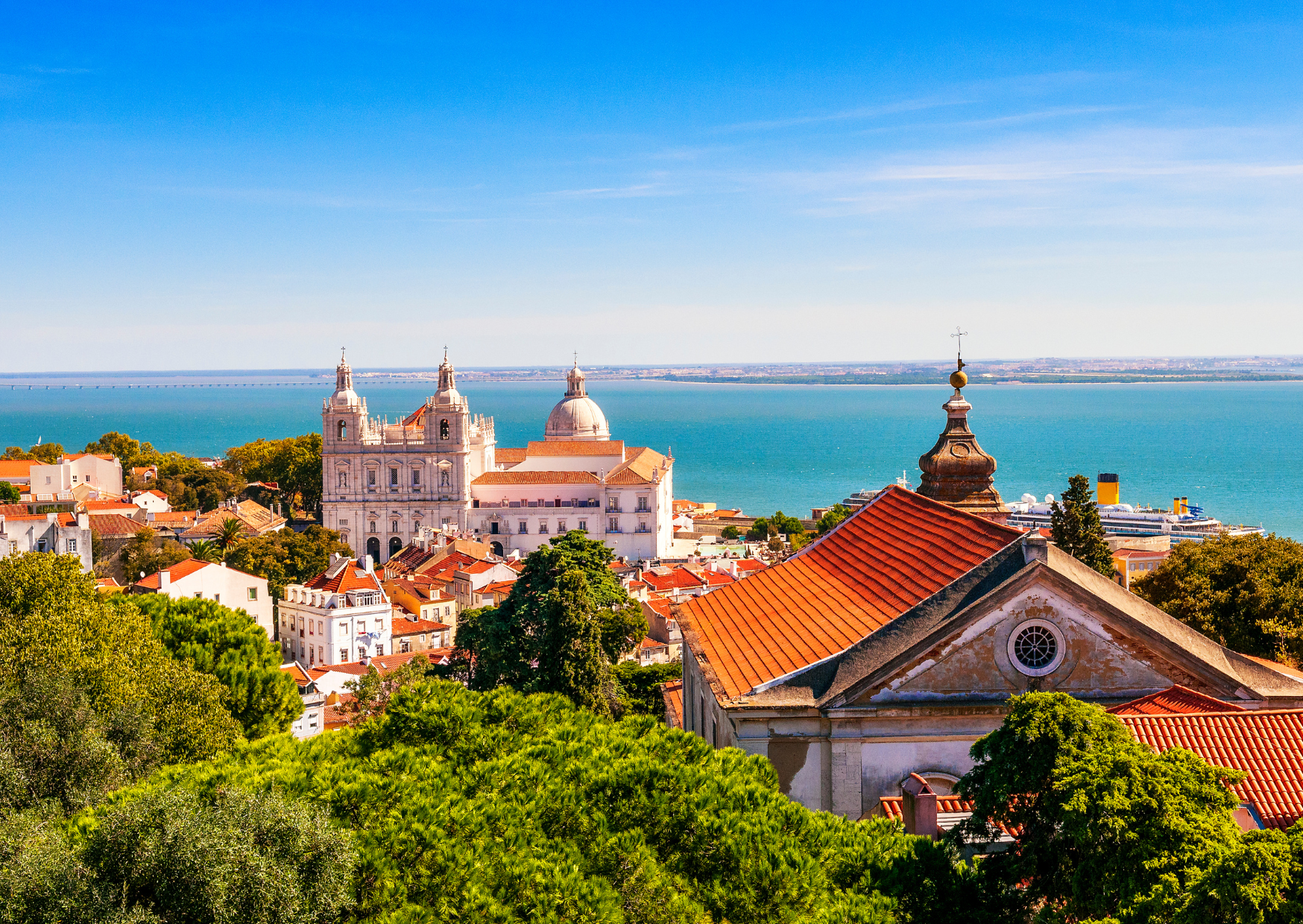
Lisbon has a timing problem.
A lot of Americans still talk about it as if it were the old bargain: cheap wine, cheap rent, cheap Ubers, cheap seafood, cheap charm. That version is dead enough that locals are tired of hearing about it.
The city is still beautiful. The light still does ridiculous things on tile. The hills still punish anyone who packed cute shoes instead of useful ones. The trams still look charming until a tourist queue turns them into moving photo props.
But Lisbon has become more expensive, more crowded, and more visibly strained by short-stay demand.
The tourist tax now sits at €4 per guest per night for overnight stays, up to seven nights, for guests over 13. That is not Barcelona-level pain, but it is no longer invisible. It is another sign that Lisbon expects visitors to contribute more to the cost of being there.
The bigger issue is not the tax. It is the pressure on housing, neighborhood life, transport, restaurants, viewpoints, and daily movement.
In summer 2026, the American visitor who treats Lisbon as a cheap base for Europe may be disappointed. Central accommodation can be expensive. Restaurants in obvious areas can be mediocre and crowded. Tuk-tuk traffic, cruise arrivals, and short-term rentals can make the most photogenic neighborhoods feel oddly hollow.
The better Lisbon trip requires less fantasy and more geography.
Stay longer but move less. Use ferries, trains, and buses. Eat away from the postcard viewpoints. Consider Setúbal, Évora, Coimbra, Tomar, or Braga if the goal is Portuguese life rather than seven identical hilltop photos.
Lisbon is not closed.
It is just done being treated like Europe’s discount aisle.
Dubrovnik Counts Crowds Because The Old Town Cannot Stretch

Dubrovnik is not a large city pretending to have crowd problems.
It is a small historic core with walls, gates, narrow passages, cruise arrivals, tour buses, summer heat, and a global reputation that grew faster than the streets could absorb.
That is why visitor management in Dubrovnik feels less symbolic than in bigger cities. There is a physical limit to how many people can pass through the old town before the experience stops being travel and starts being crowd control.
The city’s Respect the City program is built around managing that pressure. Dubrovnik uses visitor-counting systems for the historic core, and its cruise management has moved toward caps, scheduling, and limits on simultaneous pressure. The city has been recognized for sustainable tourism work, but that does not mean summer is suddenly calm.
It means Dubrovnik knows exactly what the problem is.
For Americans, the most punishing version is a July or August day visit from a cruise ship or a rushed coastal itinerary. The old town fills fast. The wall walk becomes hot and slow. Restaurants near the main drag price accordingly. Every shaded corner becomes contested territory.
The better visit is overnight and early.
Stay inside or near the old town only if the budget makes sense. Walk the walls at opening, not after breakfast and three coffees. Use Lokrum or nearby beaches to break the day. Look at Cavtat, Korčula, Šibenik, or Zadar if the goal is the Croatian coast without walking shoulder-to-shoulder through a UNESCO bottleneck.
Dubrovnik is worth seeing.
It is not worth flattening into a four-hour stampede.
Athens Is Limiting The Moment Everyone Wants

Athens is not usually grouped with Venice or Barcelona in overtourism chatter, which is odd because the Acropolis in July can feel like a test of endurance disguised as culture.
The Acropolis now uses timed-entry tickets, and the site has a daily visitor cap. The standard adult ticket is €30, and summer visitors are dealing with the two pressures that matter most: crowd concentration and heat.
The problem is not Athens as a whole.
The problem is that nearly everyone wants the same monument, in the same morning window, before the limestone turns into a griddle.
During recent summers, heat has forced temporary closures of the Acropolis during the hottest parts of the day. That kind of disruption is not a one-off travel inconvenience anymore. Southern European heat is becoming part of the planning.
For Americans building a summer 2026 itinerary, Athens needs to be treated as a city, not just the airport attached to the Parthenon.
Book the Acropolis early. Plan around heat. Do not stack the Acropolis, Ancient Agora, Plaka shopping, a rooftop lunch, and a ferry transfer into one heroic day unless suffering is the desired souvenir.
The smarter version uses two or three nights in Athens, not one exhausted stopover. Do the Acropolis at the right time. Use museums in the heat. Eat in Pangrati, Koukaki, Petralona, or Exarchia instead of treating Plaka as the entire city. Take the metro. Avoid dragging luggage through old streets at noon.
And if the trip is mostly about Greek summer, Athens may not need to be the centerpiece.
Nafplio, Syros, Thessaloniki, Pelion, or the Peloponnese can carry more of the trip with less peak-season friction.
Athens is not telling tourists to stay away.
The Acropolis ticketing system is telling them to stop assuming ancient stones can absorb unlimited modern impatience.
The Summer 2026 Move Is To Stop Chasing The Same Seven Postcards
The uncomfortable thing about all seven cities is that none of them is truly ruined.
That is why the conversation gets irritating.
Barcelona at 8 a.m. can still be beautiful. Venice after dinner can still feel impossible in the best way. Amsterdam outside the obvious center is still one of Europe’s most rewarding cities. Palma in the shoulder season is not the same animal as Palma under cruise pressure. Lisbon still has corners that feel lived-in. Dubrovnik before the day-trippers arrive is still astonishing. Athens rewards anyone who gives it more than a checklist.
The problem is the American summer template.
Fly in June, July, or August. Hit the famous city. Sleep in the center. Visit the top sight at 10:30 a.m. Eat within view of the attraction. Complain about crowds while being part of the crowd. Repeat in the next city.
That template is getting more expensive and less pleasant every year.
The better summer 2026 plan is not to quit Europe. It is to stop treating Europe like a greatest-hits album.
Use the famous cities carefully:
- Barcelona in March, November, or a short, well-booked stay
- Venice overnight, never as a rushed summer day trip
- Amsterdam with a neighborhood base and museum reservations
- Palma outside peak cruise pressure
- Lisbon with realistic prices and side trips
- Dubrovnik overnight, early, and slow
- Athens with heat planning and timed entries
Then build the rest of the trip around cities that are not begging for relief.
Try Girona instead of adding more pressure to Barcelona. Padua or Treviso instead of sleeping inside the Venetian crush. Haarlem, Utrecht, or Leiden instead of another Amsterdam-center hotel. Ciutadella or inland Mallorca instead of another Palma-only trip. Coimbra, Évora, or Guimarães instead of Lisbon in August. Šibenik or Zadar instead of only Dubrovnik. Nafplio or Thessaloniki instead of turning Athens into a one-monument sprint.
The win is not just ethical.
It is selfish in the best way. Less crowding usually means better meals, better sleep, better prices, and fewer moments where travel feels like airport security with prettier buildings.
Summer 2026 Europe will still reward American travelers.
Just not the ones arriving with old expectations and no reservations.

About the Author: Ruben, co-founder of Gamintraveler.com since 2014, is a seasoned traveler from Spain who has explored over 100 countries since 2009. Known for his extensive travel adventures across South America, Europe, the US, Australia, New Zealand, Asia, and Africa, Ruben combines his passion for adventurous yet sustainable living with his love for cycling, highlighted by his remarkable 5-month bicycle journey from Spain to Norway. He currently resides in Spain, where he continues sharing his travel experiences with his partner, Rachel, and their son, Han.