
The hummus you have eaten at every Lebanese restaurant that takes itself seriously is not the hummus you have made at home from the cookbook. The cookbook recipe produces a thick, heavy, slightly grainy paste. The restaurant version is light, almost fluffy, with a smooth texture that holds peaks when scooped. The difference is not the chickpeas, the tahini, or the lemon. The difference is ice water, added at a specific moment in the blending process, in a quantity most American recipes either omit or treat as optional.
The ice water trick is the single most important technique distinguishing real Lebanese hummus from the American adapted version. It is not a refinement. It is the structural step that changes the texture from paste to mousse. Restaurants in Beirut, Damascus, and Tripoli use it as standard practice. Most American cookbooks do not mention it, and the home cook who follows the cookbook produces a different dish than the cook who knows the trick.
This piece is the recipe written for the cook who wants the restaurant version rather than the cookbook version. The ingredient logic, the technique, and the ice water step come first. The cultural and history context follows.
The Recipe
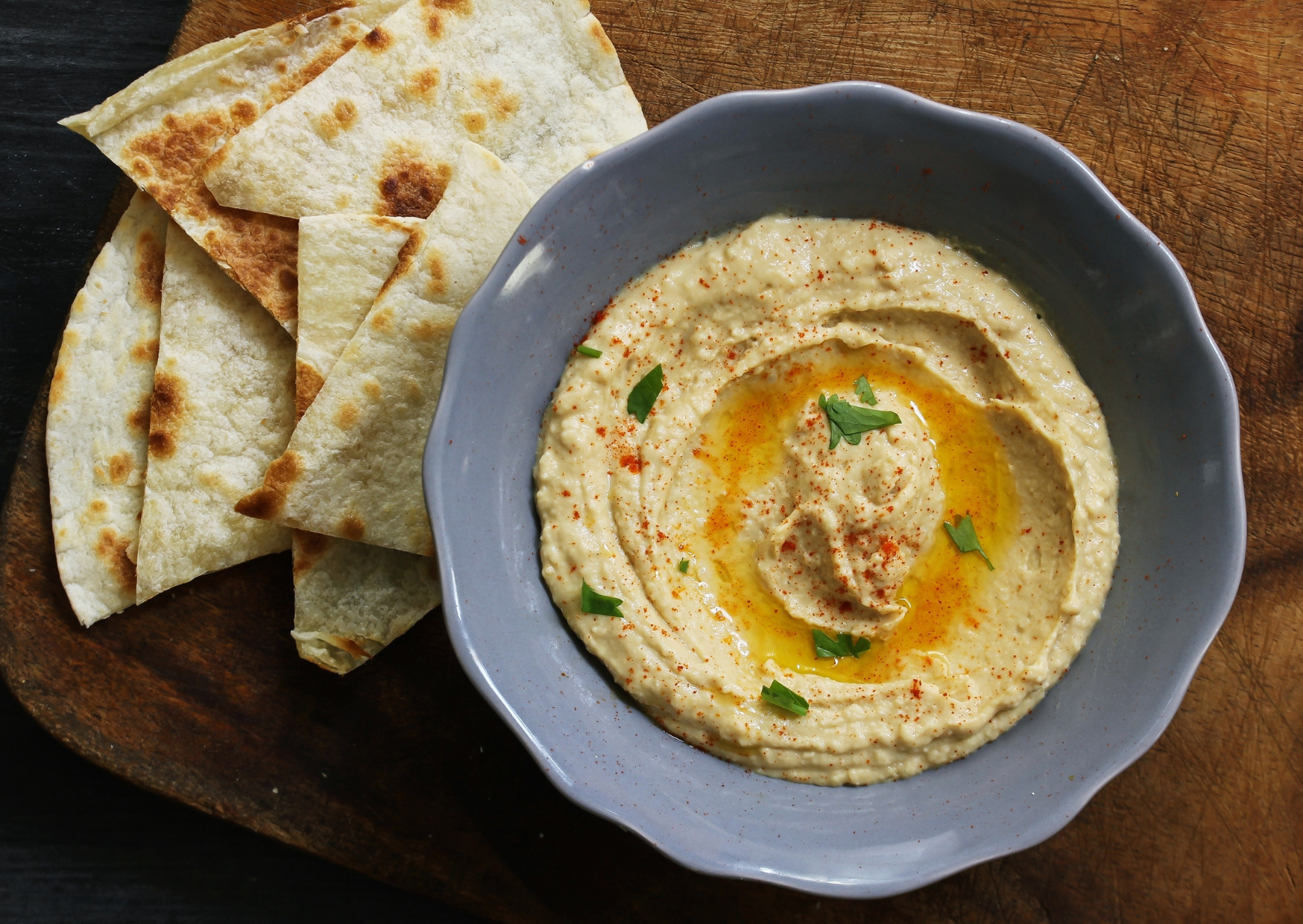
Yield: approximately 600 grams of hummus, serving 6 to 8 as an appetizer
Active time: 20 minutes Total time: 1 hour 30 minutes (or up to 12 hours if soaking dried chickpeas)
Ingredients:
- 250 grams dried chickpeas (or 500 grams cooked, drained chickpeas if using canned)
- 1 teaspoon baking soda (for soaking, if using dried chickpeas)
- 1/2 teaspoon baking soda (for cooking, if using dried chickpeas)
- 150 grams tahini (Lebanese or Palestinian brand if available)
- 60 milliliters fresh lemon juice (about 1 large or 2 small lemons)
- 2 to 4 cloves garlic, depending on preference
- 1 teaspoon fine sea salt
- 80 to 120 milliliters ice water
- Olive oil, paprika, and parsley for serving
Method:
- If using dried chickpeas, soak them overnight in water with 1 teaspoon baking soda. The baking soda softens the skins and produces a smoother final texture. Do not skip the baking soda. Drain and rinse the next morning.
- Place the soaked chickpeas in a pot with fresh water and 1/2 teaspoon baking soda. Bring to a boil, then reduce heat and simmer for 60 to 90 minutes until the chickpeas are very soft, almost falling apart. They should crush easily between two fingers. Skim foam from the surface during cooking.
- While the chickpeas are still warm, drain them and rub them gently between your hands or with a clean kitchen towel to remove the skins. The skins float to the surface in water if you place the chickpeas in a bowl of cold water and agitate gently. Removing the skins is the second most important step after the ice water. Skipping this produces grainier hummus.
- In a food processor, combine the lemon juice, garlic, and salt. Process for 2 minutes. The lemon juice and garlic should become a slightly creamy mixture. Strain through a fine sieve to remove the garlic solids if you want a smoother result, or leave it for stronger garlic flavor.
- Add the tahini to the lemon-garlic mixture in the processor. Process for 1 to 2 minutes. The mixture will tighten and seize up. This is supposed to happen. It is the tahini emulsifying with the lemon juice. The mixture will be thick and pasty.
- Add the ice water, 1 tablespoon at a time, with the processor running. Continue adding water until the tahini mixture loosens and becomes smooth, light, and almost fluffy. This usually takes 60 to 100 milliliters of ice water. The ice water is the critical step. It must be cold, and it must be added gradually with continuous processing.
- Add the warm cooked chickpeas to the processor. Process for 3 to 5 minutes until the mixture is completely smooth. Add additional ice water 1 tablespoon at a time if needed to achieve a light, mousse-like consistency.
- Taste and adjust. Add more salt if needed. Add more lemon juice if it tastes flat. Add more ice water if it is too thick. The final texture should be smooth, light, and able to hold soft peaks when scooped.
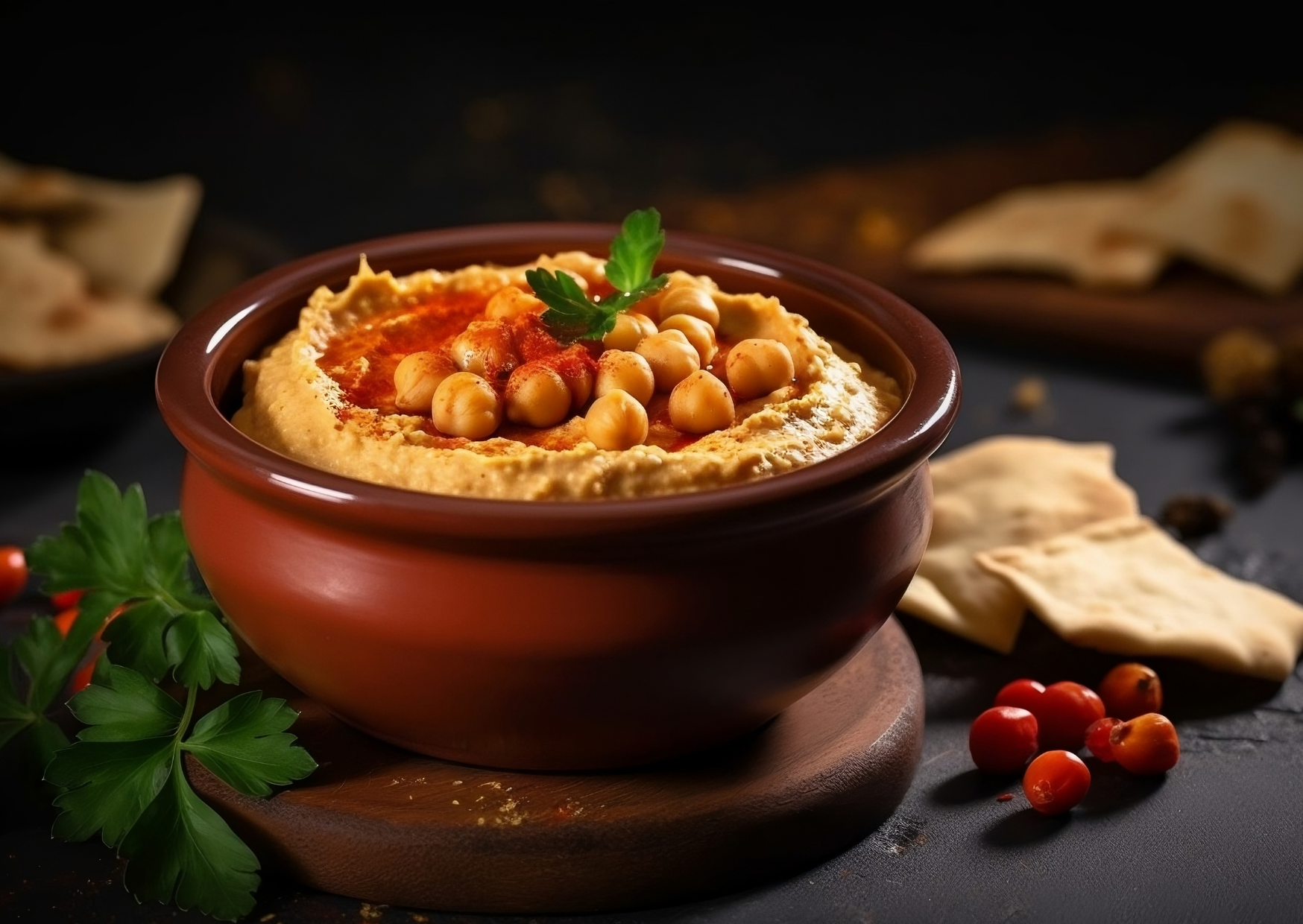
- Transfer to a shallow serving bowl. Use the back of a spoon to create a shallow well in the center. Drizzle generously with good olive oil. Sprinkle with paprika and chopped parsley. Serve with warm pita bread.
Why Ice Water Specifically
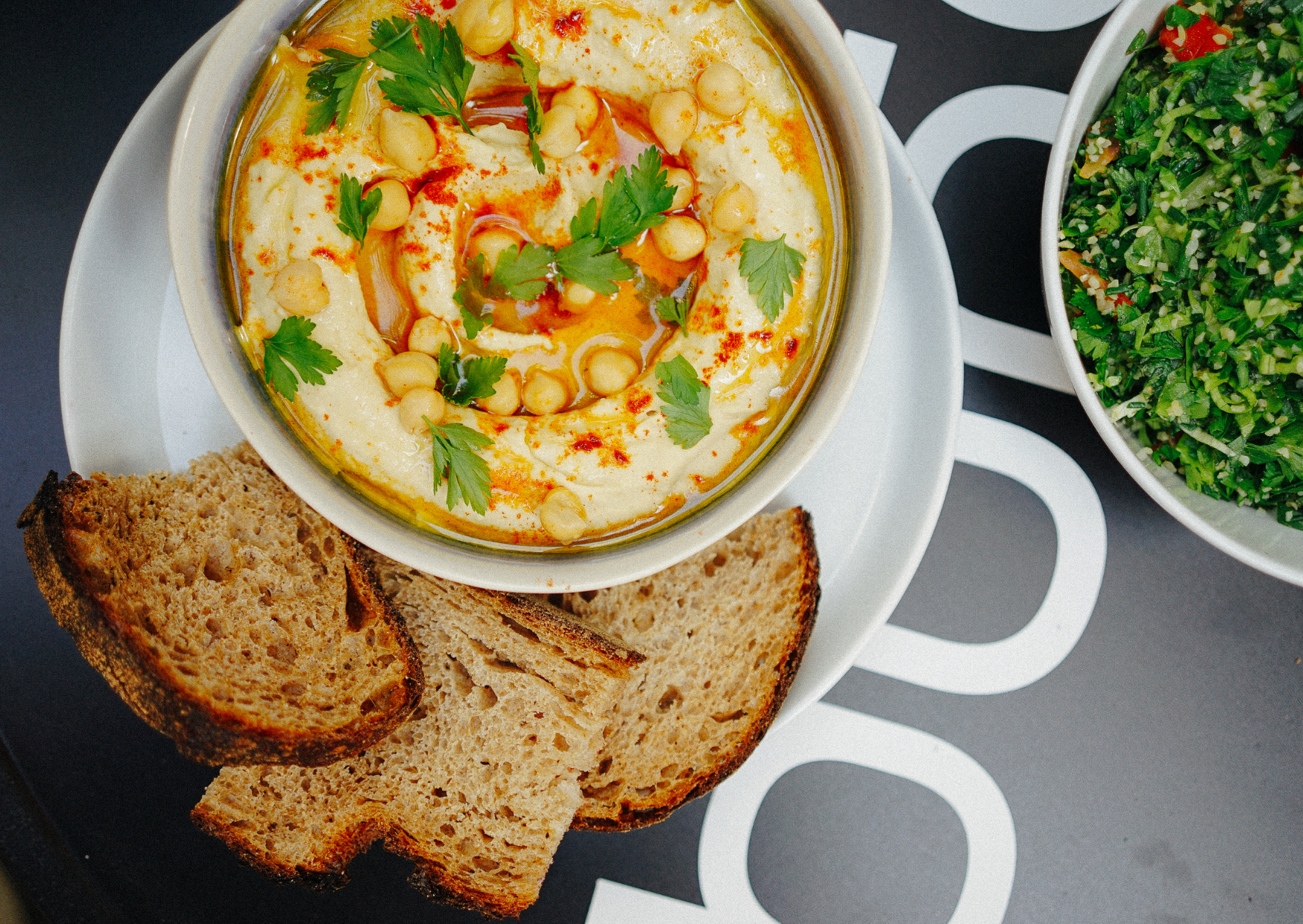
The ice water step is the technique that separates restaurant hummus from home hummus, and the science of why it works is worth understanding briefly.
When tahini is processed with lemon juice, the tahini emulsifies and tightens. This is a similar reaction to what happens when you whisk an egg yolk with lemon juice for mayonnaise. The fat in the tahini binds with the acid and forms a thick, pasty emulsion.
Adding cold water to this tightened emulsion lightens it dramatically. The cold water introduces air into the emulsion as it gets incorporated, and the temperature differential creates a fluffier texture than warm water would produce. The result is a tahini base that is light, smooth, and ready to receive the chickpeas.
When the chickpeas are added to this lightened base, they integrate smoothly rather than getting stuck in a thick paste. The final hummus has the consistency of a thick mousse rather than a heavy spread.
If you skip the ice water and add the chickpeas directly to the tightened tahini-lemon mixture, the chickpeas have to work against the dense emulsion. The processor has trouble breaking them down smoothly, and the result is a thicker, grainier hummus.
The temperature of the water matters. Room temperature water works less well than ice water. Warm water (which some recipes mistakenly recommend) does not produce the same lightening effect at all. The water must be ice cold for the trick to work properly.
Why The Skin Removal Step Matters
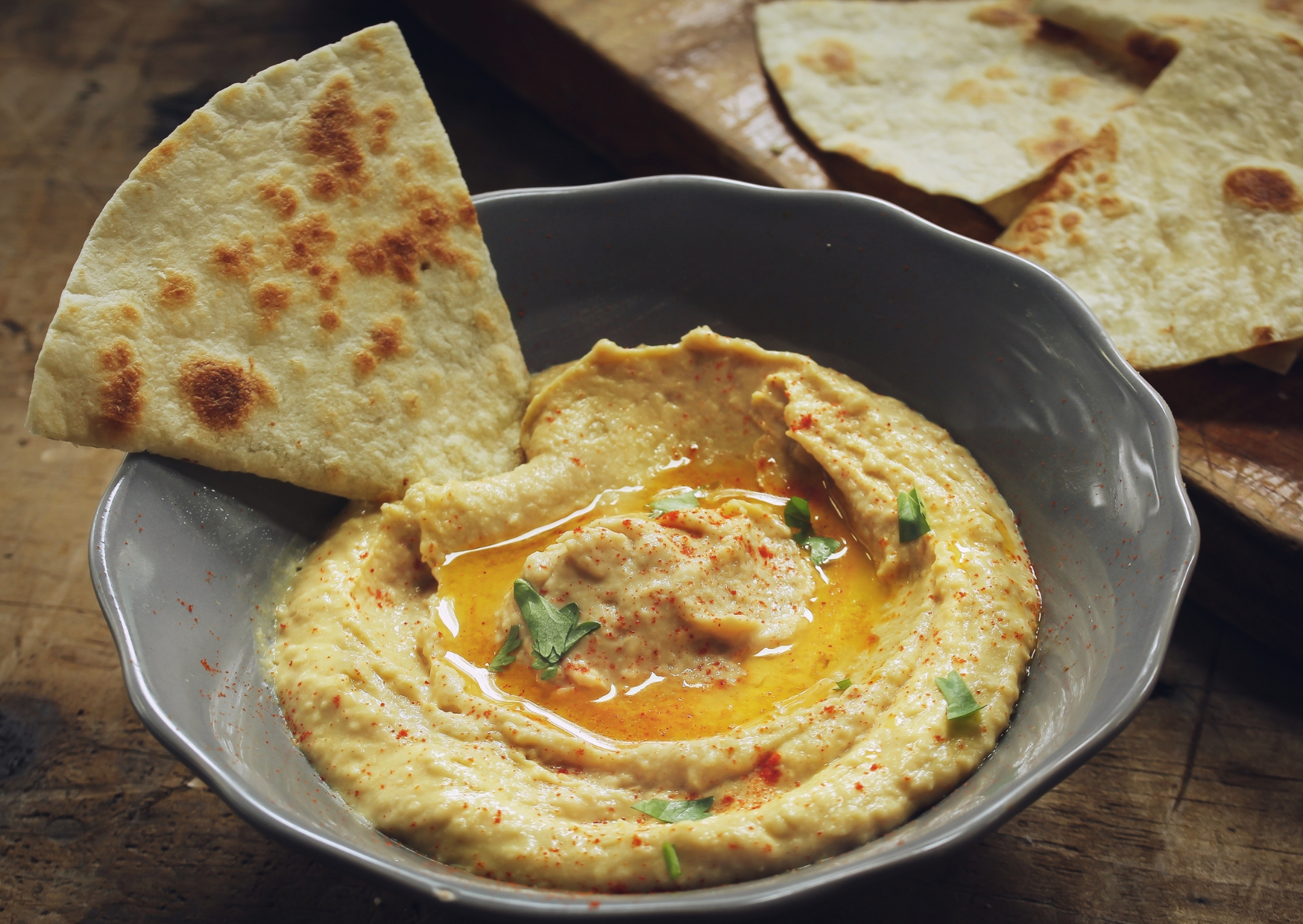
The other technique most American recipes skip is the skin removal step, and skipping it produces a meaningfully grainier hummus.
Chickpea skins are tough, fibrous outer layers that do not break down completely even with extended processing. In hummus that has been made from skin-on chickpeas, you can often see and feel small particles of skin in the final product, particularly if you press the hummus between your fingers.
Removing the skins is tedious but produces a measurably smoother final texture. The Lebanese restaurant version invariably uses skinless chickpeas. The American home version usually does not.
The baking soda in the soaking water and the cooking water helps the skins separate from the chickpeas during cooking. After cooking, gently rubbing the chickpeas between your hands or in a kitchen towel removes most of the loosened skins. Floating the chickpeas in cold water and agitating allows the loose skins to rise to the surface where they can be skimmed off.
The skin removal takes 5 to 10 minutes for a batch of this size. It is the difference between hummus and great hummus, and it is one of the steps the cookbook glides past or omits entirely.
On The Tahini
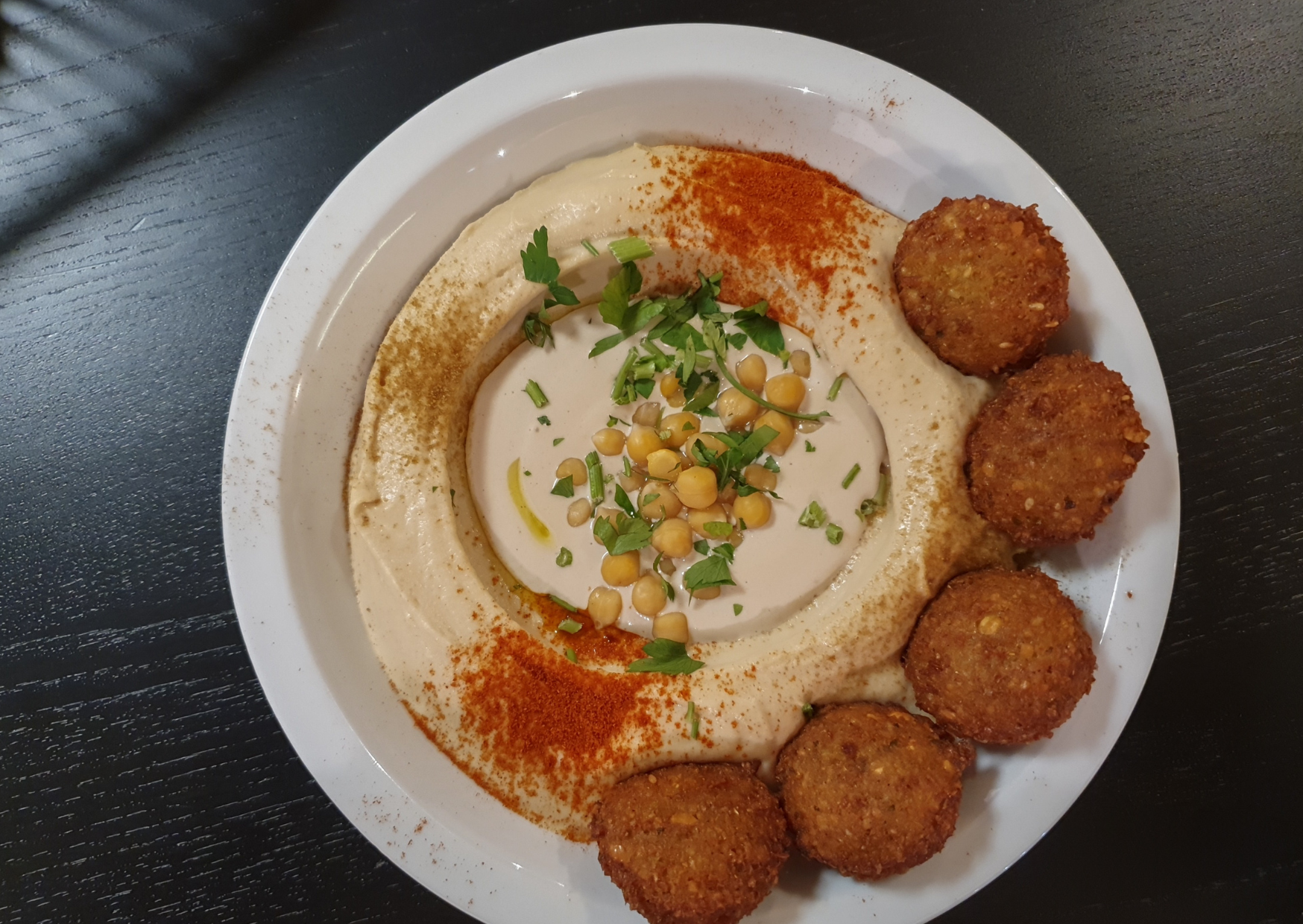
The tahini quality matters more than most American cooks realize. American supermarket tahini brands are often acceptable but not optimal. Lebanese, Palestinian, or Syrian brands are generally better, with smoother texture, richer flavor, and less bitterness.
Look for tahini brands like Al Wadi, Cedar’s, Joyva (the better Joyva products), or Soom. Avoid tahini that has separated severely or has a strong acrid smell, both of which indicate older or lower-quality product.
Tahini should be stirred well before measuring, since the oil naturally separates and rises to the top during storage. Use a tall, narrow spoon or spatula to reach the bottom of the jar and incorporate the oil back into the paste before measuring.
Open jars of tahini can be stored at room temperature for several months or refrigerated for longer storage. Refrigerated tahini will be thicker and harder to mix, so let it warm to room temperature before using.
For a single batch of hummus, plan to use 150 to 180 grams of tahini. This is more tahini than American recipes typically call for, but the higher proportion is what produces the rich, creamy character of restaurant hummus. American recipes often underuse tahini, which contributes to the flatter, less complex flavor of cookbook hummus.
On The Chickpeas
Dried chickpeas produce meaningfully better hummus than canned chickpeas. The texture is creamier, the flavor is more developed, and the cook has more control over the cooking process. The trade-off is overnight soaking and 60 to 90 minutes of cooking time.
If using canned chickpeas, choose a high-quality brand. Bushwick Bean Co, Ranch Foods, or other brands that focus on bean quality are better than the standard supermarket brands. Look for chickpeas that are firm, intact, and labeled as packed without excessive sodium.
Even with canned chickpeas, the skin removal step is worth doing. The skins on canned chickpeas are usually softer than on dried chickpeas but still produce graininess in the final hummus.
The chickpeas should be warm when added to the food processor. Warm chickpeas blend more smoothly than cold ones. If using canned chickpeas, drain them and warm them briefly in a pot with a small amount of water and baking soda before adding to the processor.
Variety matters less than quality, but several traditional chickpea varieties are particularly good for hummus. Lebanese chickpeas (sometimes labeled as such, sometimes simply as Mediterranean chickpeas) tend to be smaller and creamier than American chickpea varieties. Spanish garbanzos are also excellent. Indian chana (the smaller dark variety) is not the right type for hummus and should not be substituted.
On The Lemon And Garlic
Fresh lemon juice is non-negotiable. Bottled lemon juice has a flat, slightly metallic taste that does not match the brightness of fresh juice. The acid level is also different, which affects the emulsification step.
The garlic quantity is variable depending on preference. Two cloves produces a mild garlic flavor. Three cloves produces a moderate flavor. Four cloves produces a strong, traditional Lebanese flavor. Beyond four cloves, the garlic starts to dominate the dish.
For the smoothest result, the garlic should be processed thoroughly with the lemon juice before the tahini is added. This breaks the garlic down into very small particles that integrate smoothly into the final hummus. If the garlic is added later in the process, it produces uneven garlic flavor with occasional strong bites.
Some traditional Lebanese versions use raw garlic. Some lighter versions blanch the garlic briefly to mellow the flavor. Both are acceptable. The raw version is more traditional and produces a sharper, more assertive hummus.
On The Salt And Other Seasonings
Fine sea salt or kosher salt is the right choice. Iodized table salt has a slightly metallic taste that interferes with the hummus flavor.
The salt level should be assertive. Hummus is meant to be flavorful, not subtle. Start with a teaspoon for this batch size and adjust upward to taste. Underseasoned hummus is one of the most common problems with the home version.
Cumin is sometimes added to hummus, particularly in the Levantine and Egyptian variations. A quarter teaspoon of ground cumin added to the food processor with the lemon juice produces a warmer, more complex hummus. The cumin is optional but worth trying.
White pepper is occasionally used for a subtle pepper note without the visible black pepper specks. A pinch is sufficient.
Some traditional versions include a small amount of yogurt or labneh in the hummus for additional richness. This is non-traditional in Lebanese hummus specifically (it is more common in Turkish and some Israeli versions) but can be tried for a different style.
Serving And Storage
Hummus should be served at room temperature or slightly cool, never cold from the refrigerator. Cold hummus loses flavor and develops a denser texture.
The traditional Lebanese serving style is to spread the hummus in a shallow bowl, create a shallow well in the center with the back of a spoon, and pour generous olive oil into the well. The olive oil is part of the dish, not a garnish. Use good extra virgin olive oil, not cooking olive oil.
Garnishes vary by region and household. Common options include paprika or sumac sprinkled on top, chopped parsley, whole or chopped chickpeas, pine nuts, or za’atar. The garnishes should complement the hummus rather than dominate it.
Hummus is traditionally eaten with warm pita bread, torn into pieces and used to scoop. It can also be served with raw vegetables (cucumber, carrot, bell pepper, radish), as a sandwich spread, or as part of a mezze platter with other Lebanese dishes.
Hummus stores well in the refrigerator for 4 to 5 days, covered with plastic wrap pressed directly against the surface to prevent oxidation. Stored hummus benefits from a small additional drizzle of olive oil before refrigerating, which seals the surface and prevents drying.
Hummus can be frozen, but the texture changes slightly when thawed. Freeze in airtight containers for up to 2 months. Thaw overnight in the refrigerator and stir vigorously before serving to restore some of the original texture.
The Cost Breakdown
For a single batch of hummus, made at home:
Dried chickpeas: 1 to 2 euros per 250 gram batch. Tahini: 2 to 4 euros for the 150 grams used (a 500g jar typically costs 6 to 12 euros total). Lemons: 0.50 to 1 euro for one large lemon. Garlic: 0.20 to 0.50 euros for 4 cloves. Olive oil for serving: 0.50 to 1 euro for the 30 to 50 milliliters typically used. Salt and seasonings: negligible.
Total cost for 600 grams of hummus: roughly 4 to 8 euros, or 0.65 to 1.30 euros per serving.
For comparison, a small container of restaurant-quality hummus from a specialty shop typically costs 6 to 12 euros for 300 to 400 grams. Making it at home is significantly cheaper, particularly when starting from dried chickpeas.
A Repeatable Week Plan
To integrate this dish into regular cooking:
Make a double batch every two weeks. Use as a snack with vegetables, as a sandwich spread, as part of a mezze plate for casual dinners.
Soak the dried chickpeas the night before you plan to make the hummus. The active prep time on the day of making is only 20 to 30 minutes after the chickpeas have cooked.
Buy tahini in larger jars (1 kilogram or more) when available. The price per gram is significantly lower and tahini stores well at room temperature.
Try variations after mastering the base recipe. Roasted red pepper hummus. Beet hummus. Hummus with caramelized onions on top. The base technique stays the same. The variations build on it.
The Framework The Cookbook Misses
The recipe above is one specific dish. The framework it teaches transfers to most Levantine and Mediterranean cooking that involves tahini emulsions and chickpea preparation.
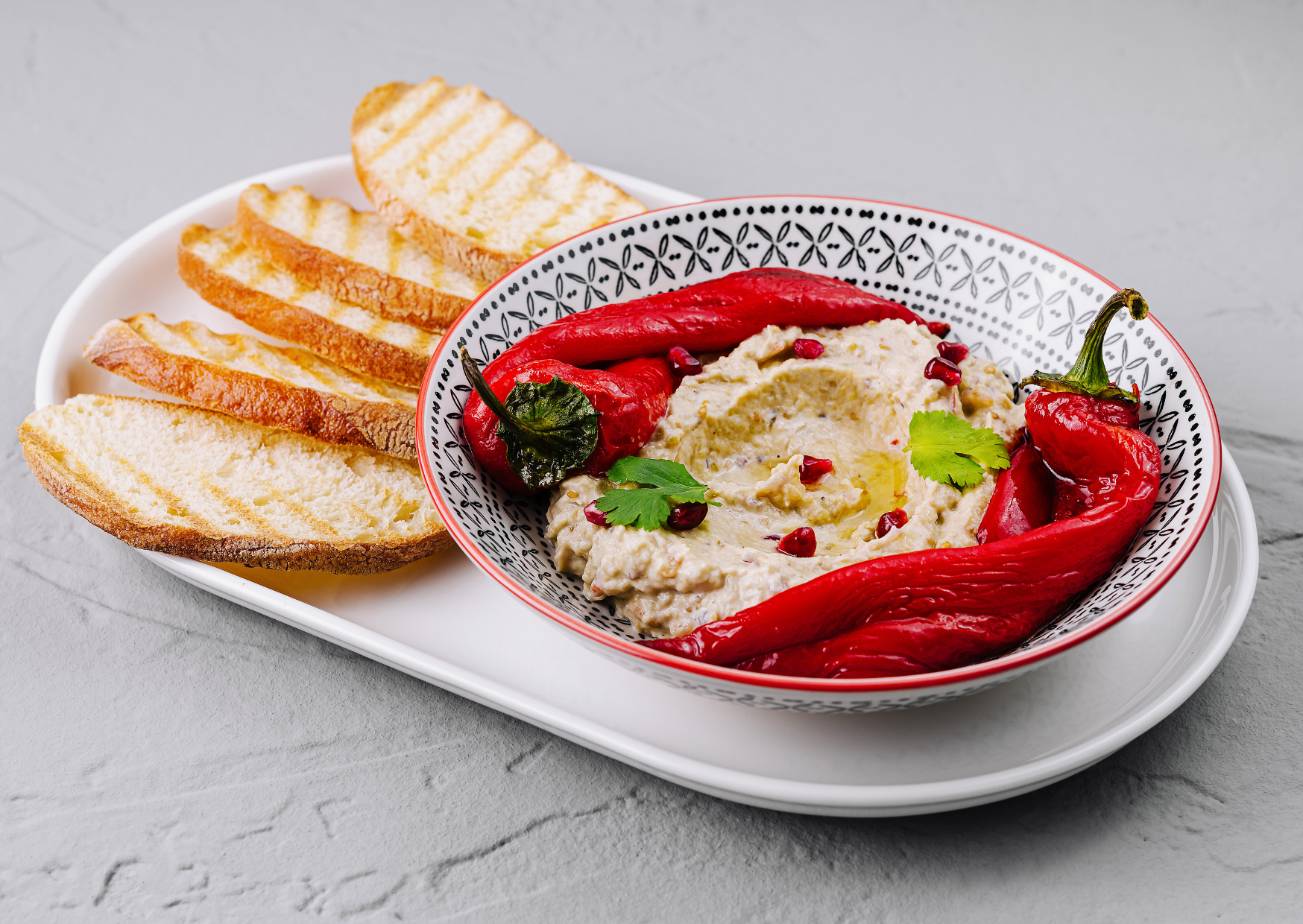
The ice water technique applies to baba ganoush (eggplant dip), to muhammara (red pepper and walnut dip), and to other tahini-based dips that benefit from the lightening effect. The skin removal technique applies to any chickpea preparation where smoothness matters. The use of warm chickpeas for blending applies broadly.
These techniques are obvious to Lebanese, Syrian, and Palestinian home cooks who learned to cook from their families. They are largely absent from American cookbooks because the cookbook writers often learned the dishes from other cookbooks rather than from actual Levantine cooking traditions.
The American who makes this hummus three or four times stops needing the recipe. The cook starts adjusting the tahini-to-chickpea ratio, the lemon level, the garlic, and the consistency by feel. The dish becomes a regular home preparation rather than a special-occasion attempt at restaurant-style hummus.
The ice water trick is not a secret. It is just a step that the cookbook left out. Once you know it, restaurant hummus is producible at home, on demand, for the cost of dried chickpeas and a good jar of tahini. The cookbook version of hummus is no longer the hummus you make. The Lebanese version is.

About the Author: Ruben, co-founder of Gamintraveler.com since 2014, is a seasoned traveler from Spain who has explored over 100 countries since 2009. Known for his extensive travel adventures across South America, Europe, the US, Australia, New Zealand, Asia, and Africa, Ruben combines his passion for adventurous yet sustainable living with his love for cycling, highlighted by his remarkable 5-month bicycle journey from Spain to Norway. He currently resides in Spain, where he continues sharing his travel experiences with his partner, Rachel, and their son, Han.