
(And Why Locals Think We’re the Weird Ones)
One of the strangest culture shocks Americans experience in Europe often happens in a place nobody thinks to research before traveling: the bathroom. People prepare for different languages, meal times, tipping rules, and public transportation, but few expect the shower itself to feel unfamiliar. Then they arrive at a hotel, apartment, or guesthouse and discover a handheld shower head, a half-glass screen, a tiny enclosure, no curtain, or a bathroom where water seems to go absolutely everywhere. What looks badly designed at first can actually reflect a completely different set of assumptions about how bathrooms are supposed to work.
American bathrooms are often built around keeping the shower tightly contained. A full tub, curtain, large enclosure, or glass door separates the wet area from the rest of the room, and the expectation is that the floor outside stays dry. In many parts of Europe, especially in older buildings, bathrooms can be smaller, plumbing may have been added to spaces that were never designed for modern showers, and the setup may prioritize practicality over the kind of separation Americans expect. That can make the first shower feel like a puzzle.
The surprise is not only architectural. Europeans may also use handheld shower heads more frequently, take shorter showers, turn the water off while soaping, or simply be more accustomed to managing water manually. A setup that feels awkward to an American can be completely intuitive to someone who grew up with it. The difference is often less about one system being better and more about what your body has learned to do automatically.
There is also the issue of expectations around comfort and space. Americans may expect strong water pressure, large showers, constant hot water, shelves for products, and enough room to move around easily. In a small European apartment or historic hotel, the shower may be much more compact and functional. That can feel inconvenient, especially on the first few days of a trip when everything else is unfamiliar too.
The real culture shock comes when travelers realize that something as basic as showering is not universal. The routine feels instinctive because people rarely think about it at home, but travel exposes how much of everyday life is culturally designed. Once you stop expecting every bathroom to work like an American one, the experience becomes much easier to understand.
Let’s unpack the European shower habit that Americans find completely backwards and why, from a European perspective, it makes perfect sense.
Want More Deep Dives into Everyday European Culture?
– Why Europeans Walk Everywhere (And Americans Should Too)
– How Europeans Actually Afford Living in Cities Without Six-Figure Salaries
– 9 ‘Luxury’ Items in America That Europeans Consider Basic Necessities
Quick & Easy Tips for Navigating European Shower Habits
Expect No Shower Curtains or Full Enclosures — Many European bathrooms feature partial glass panels or open showers, so be prepared for water to splash.
Bring Your Own Flip-Flops for Shared Bathrooms — In hostels or budget accommodations, communal bathrooms are common, and flip-flops can make your experience more comfortable.
Check Hot Water Limits — Some older European hotels or apartments have small water heaters, so quick showers are often the norm.
Learn the Faucet System Before You Start — Water controls can vary greatly, and figuring them out in advance can save you a lot of hassle.
Don’t Expect a Washcloth — Europeans often use loofahs or nothing at all; bringing your own preferred shower items is always smart.
One controversial truth is that Americans sometimes assume unfamiliar bathroom design is simply bad design. A half-screen, handheld shower, wet-room layout, or small enclosure can look inefficient when judged against American expectations. But many European bathrooms were designed around older buildings, limited space, different water use, or a household routine that does not require the same type of enclosure.
Another uncomfortable point is that American shower habits can be more resource-intensive. Long hot showers, high water pressure, and constant running water are normalized in many U.S. households, while some European habits evolved around conserving water and energy. That does not mean every European takes short showers or that Americans are uniquely wasteful, but the difference in infrastructure and habits can be noticeable.
There is also a tendency to equate convenience with superiority. A larger shower with multiple shelves, powerful pressure, and a full glass enclosure may certainly feel more comfortable, but that does not automatically make a smaller system inferior. Comfort and efficiency are not always the same thing, and different cultures prioritize them differently.
Another controversial issue is that online travel discussions often exaggerate these differences into stereotypes. Europe is not one giant collection of tiny wet bathrooms, and modern hotels, renovated apartments, and newer homes can have showers that feel completely familiar to Americans. The real contrast appears most strongly in older buildings and certain regions, which is why travelers can have completely different experiences even within the same country.
The bigger lesson is that bathroom frustration often comes from cultural expectation rather than genuine dysfunction. If water is draining properly, hot water is available, and the space is usable, the fact that the shower requires a different technique may simply mean you are adapting to a new system rather than encountering a problem.
1. The Handheld Showerhead Reigns Supreme
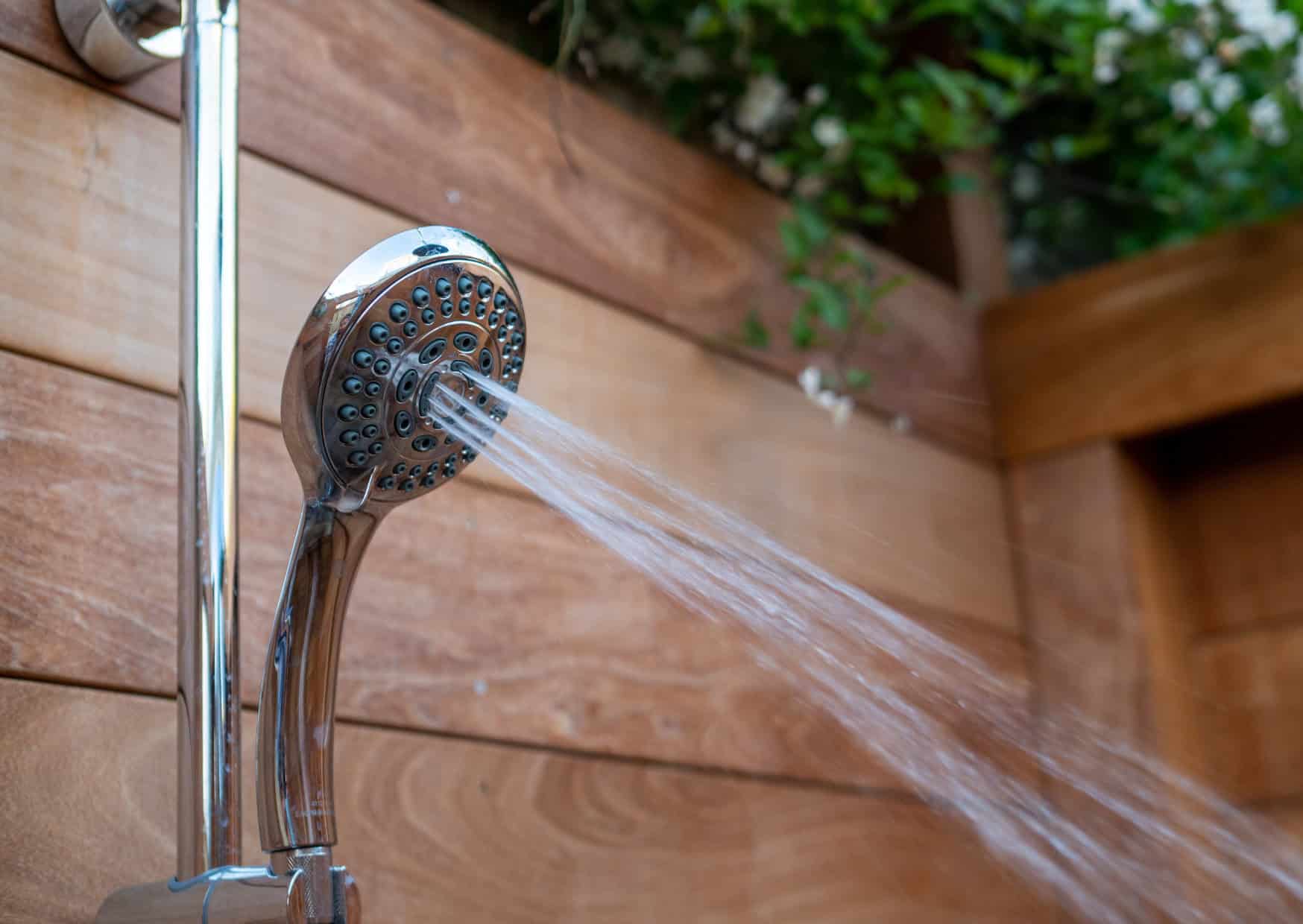
One of the first things Americans notice: the showerhead isn’t fixed to the wall it’s handheld. Often perched on a bracket or just lying there waiting for you to figure it out, this detachable sprayer is standard across much of Europe.
To Americans used to overhead rainfall showers or fixed high-pressure nozzles, this feels outdated. But Europeans see it differently. The handheld showerhead is:
- Practical for rinsing specific parts of the body
- Efficient for shorter showers
- Easier for cleaning the tub or shower enclosure
- Commonplace in households for decades
Many Europeans simply turn on the water, get wet, turn it off to soap up, then rinse off all with the handheld nozzle. To them, it’s normal. To Americans, it feels like a rinse cycle with no instructions.
2. Full Shower Curtains or Doors Are Optional (At Best)

Possibly the most confusing part of European showers? Many don’t have full enclosures.
Instead, you might find:
- A half-glass panel that covers only part of the tub
- No curtain at all, just a freestanding tub with a handheld nozzle
- A wall-mounted nozzle in a fully tiled wet room with no divider
- Or even a bath-shower combo with no curtain and no place to hang one
The result? Water gets everywhere, especially if you’re trying to use it like a traditional American shower. You’ll leave the bathroom floor drenched and feel like you’ve done something wrong.
But in Europe, it’s just how it is.
These setups are based on:
- Historical plumbing layouts
- Space constraints in older buildings
- A cultural attitude of “you’ll figure it out”
- And the belief that soaking the floor isn’t a big deal if you mop it up later
3. Water Pressure Is a Gamble
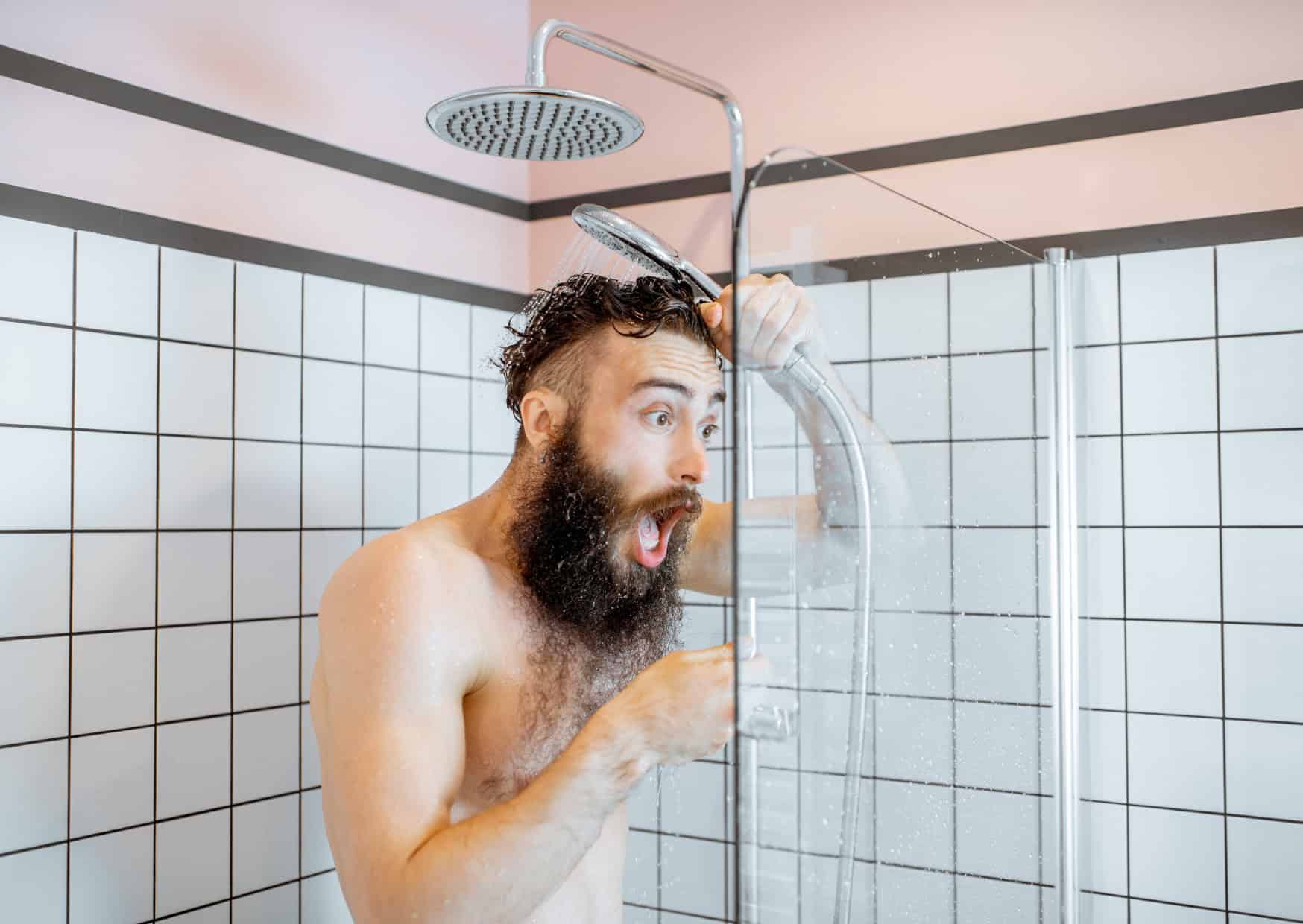
Ask any American expat in Europe, and you’ll hear tales of surprise low-pressure showers the gentle drizzle that leaves you wondering if you’ll ever get all the shampoo out.
European water pressure varies wildly:
- In some countries (like Germany or the Netherlands), it’s solid
- In others (like Italy, Greece, or Spain), it can be unpredictable
- In older buildings, it’s often tied to tank systems or gravity-fed plumbing
To Americans accustomed to fire-hose strength showers and unlimited hot water, this feels like a downgrade.
But Europeans tend to see water pressure as “good enough,” especially when paired with shorter, more functional showers.
4. Long, Steamy Showers Are Less Common

In the U.S., a long, hot shower is part of self-care. It’s where we decompress, brainstorm, or just escape life for 20 minutes.
In Europe? Showers are quick, efficient, and purpose-driven. There’s less of a “shower as therapy” mentality.
Why?
- Energy costs are higher in Europe, so long showers = expensive
- Water is more consciously conserved, especially in drought-prone areas
- Cultural habits lean toward moderation over indulgence
A typical European might shower in 3–5 minutes flat. In some households, water is even turned off between lathering and rinsing something that shocks American guests who think the hot water ran out. (Spoiler: it didn’t. They’re just conserving.)
5. Not Everyone Showers Daily (And That’s Normal)
Here’s the real shocker for many Americans: not all Europeans shower every day. And in most places, it’s not considered unclean it’s just cultural.
This habit varies by country, of course:
- In Italy, Spain, and Greece, people tend to shower more frequently, especially in summer
- In France or Germany, every other day (or even less) is perfectly acceptable
- In Scandinavia, saunas often replace daily showers
To Europeans, the obsession with daily (or twice-daily) showers feels excessive, even wasteful. If you’re not sweaty, dirty, or smelly, why shower?
This isn’t laziness it’s a different philosophy about the body, hygiene, and sustainability.
6. Shower Time Is Private Time Really Private

In many American households, especially with families, someone might shower while someone else brushes their teeth or gets ready nearby. Bathrooms are often shared, multitasked, and open-door friendly.
In Europe? The bathroom is your personal zone, and entering while someone else is in there showering, toileting, or otherwise is a major privacy violation.
Shower time is solo time, and many households have rules (spoken or not) about:
- Locking the door
- Not talking through the bathroom door
- Giving people space before and after
There’s a quiet respect for personal routine that may seem overly formal to Americans, but it’s part of a broader European value of individual boundaries.
7. Towels Go on Radiators, Not Racks

Another detail that catches Americans off guard? The heated towel rack.
In much of Europe especially the UK, Scandinavia, and central Europe bathrooms are equipped with a radiator that doubles as a towel warmer. This isn’t a luxury it’s standard.
Why?
- It keeps towels dry in damp climates
- It helps prevent mold in small bathrooms
- It makes winter showers much less painful
In contrast, American bathrooms rely on simple bars or hooks, and towels often stay damp in humid rooms. Once you experience a toasty towel post-shower in Prague or Oslo, you’ll never look back.
8. Bidets (or Their Absence) Are Part of the Routine

While not exactly part of the shower, many Americans are surprised to see bidets in European bathrooms and confused about when and how to use them.
In countries like Italy, Portugal, and parts of Spain and France, bidets are common and often used before or instead of a shower, especially for freshening up.
Elsewhere, you may find high-tech bidet toilet seats or integrated sprayers.
And if there’s no bidet? That’s where the handheld showerhead comes in handy again multipurpose hygiene, European style.
9. It’s Not About Luxury It’s About Function

In the U.S., showers are often designed as luxurious escapes: rainfall heads, built-in benches, glass doors, LED lights.
In Europe, showers are about practicality. They’re compact, functional, often located in tiny bathrooms squeezed into pre-20th century buildings. Many don’t have storage shelves or even space for full-sized shampoo bottles.
But here’s the twist: Europeans don’t seem to mind.
To them, a shower:
- Is for getting clean
- Shouldn’t waste resources
- Doesn’t need to feel like a spa
It’s a reflection of a wider cultural mindset: daily habits should be efficient, intentional, and low-fuss.
Why You Should Understand European Shower Habits
Understanding how Europeans approach showering offers insight into broader lifestyle differences. In many parts of Europe, bathrooms are designed with efficiency, water conservation, and space in mind. Recognizing this context helps travelers adjust expectations rather than feel surprised.
European shower setups often reflect environmental priorities. Smaller water heaters, wet-room designs, and handheld showerheads encourage shorter showers and less water use. For environmentally conscious travelers, these habits may feel practical and forward-thinking.
Adapting to these differences can make travel smoother. Visitors who expect large, enclosed showers with unlimited hot water may feel frustrated. Being prepared for compact layouts or different plumbing systems reduces inconvenience.
Learning about these habits also highlights how infrastructure shapes daily routines. Older buildings, dense cities, and energy-conscious policies influence bathroom design in ways that differ from American suburban standards.
Finally, understanding these differences promotes cultural awareness. What feels unusual at first often becomes normal after a few days. Approaching the experience with curiosity rather than judgment creates a more enjoyable stay.
Why You Shouldn’t Overgeneralize European Shower Habits
While certain trends exist, Europe is not uniform. Shower styles vary widely between countries, regions, and even individual homes. Assuming one standard applies everywhere oversimplifies reality.
Many modern European apartments and hotels offer amenities comparable to American bathrooms. The perception of difference often comes from older buildings or budget accommodations rather than an entire continent’s habits.
Travelers should also avoid framing differences as better or worse. Shower routines are shaped by climate, architecture, and cultural norms. What works in one environment may not translate perfectly to another.
It’s important not to turn practical differences into stereotypes. The idea that all Europeans shower the same way ignores economic, regional, and generational diversity.
Ultimately, focusing too much on surprise can distract from the bigger travel experience. Bathroom adjustments are minor compared to the richness of culture, food, and daily life that visitors encounter abroad. Flexibility and perspective matter more than plumbing differences.
Final Thoughts: You’re Not Doing It Wrong—You’re Just Not in Kansas Anymore
The European shower culture shock is interesting because it takes something Americans consider completely ordinary and makes it suddenly unfamiliar. A handheld shower head, half-screen, small enclosure, or wet bathroom floor can feel strangely complicated until you realize that millions of people use these setups every day without thinking twice.
What initially feels inconvenient can also become easier after a few days. You learn how to angle the shower head, where to place your towel, how to keep water from escaping, and how the space is meant to function. Like many travel adjustments, the problem often shrinks once the unfamiliar becomes routine.
The experience is also a useful reminder that modern convenience is culturally defined. Americans may prefer larger showers and more separation, while Europeans may be perfectly comfortable with smaller spaces and more flexible layouts. Neither system needs to win for the difference to be interesting.
It is also worth keeping expectations realistic. Not every European bathroom will be unusual, and not every American traveler will find the differences frustrating. Some people may even prefer the efficiency of a handheld shower or a smaller space once they get used to it.
Ultimately, the shower culture shock is one of those small travel moments that makes you realize how deeply culture shapes everyday life. You may go to Europe expecting to learn about food, history, and language, then discover that one of the most memorable lessons happens before breakfast, standing in a bathroom trying to figure out where the water is supposed to go.

About the Author: Ruben, co-founder of Gamintraveler.com since 2014, is a seasoned traveler from Spain who has explored over 100 countries since 2009. Known for his extensive travel adventures across South America, Europe, the US, Australia, New Zealand, Asia, and Africa, Ruben combines his passion for adventurous yet sustainable living with his love for cycling, highlighted by his remarkable 5-month bicycle journey from Spain to Norway. He currently resides in Spain, where he continues sharing his travel experiences with his partner, Rachel, and their son, Han.