
In a certain kind of Spanish kitchen there is a tub of manteca, pork lard, and it is not hidden away in shame the way lard has been in America for the last half-century. It goes into the pan, into the pastry, into the beans, the fat the grandmother reached for without a second thought, the way her mother and grandmother did before her. Somewhere in the twentieth century lard became a villain in the American mind, a byword for everything a modern diet was supposed to avoid, and it was pushed out in favor of vegetable oils and margarines. But the old cooks never stopped using it, and plenty of them lived long, and I got curious enough to run an experiment on myself: thirty days of cooking with lard, the way a Spanish grandmother would, with a cholesterol panel before and after to see what it did to my numbers.
I want to be careful and honest right from the start, because this is a topic where a breezy anecdote can do real harm. This is one person’s thirty-day experiment, not a study, not medical advice, and emphatically not a green light to go start frying everything in lard, and whatever my numbers did, the mainstream guidance to watch your saturated fat exists for good reasons that my month does not overturn.
What I can offer is an honest account of what I did, what the panel showed, and, just as important, what that result does and does not mean. Here is the setup, the numbers, and the heavy dose of context they require. This is a personal experiment and general information, not medical advice, and if you have high cholesterol or heart risk this is a conversation for your doctor, not a blog.
What Lard Actually Is
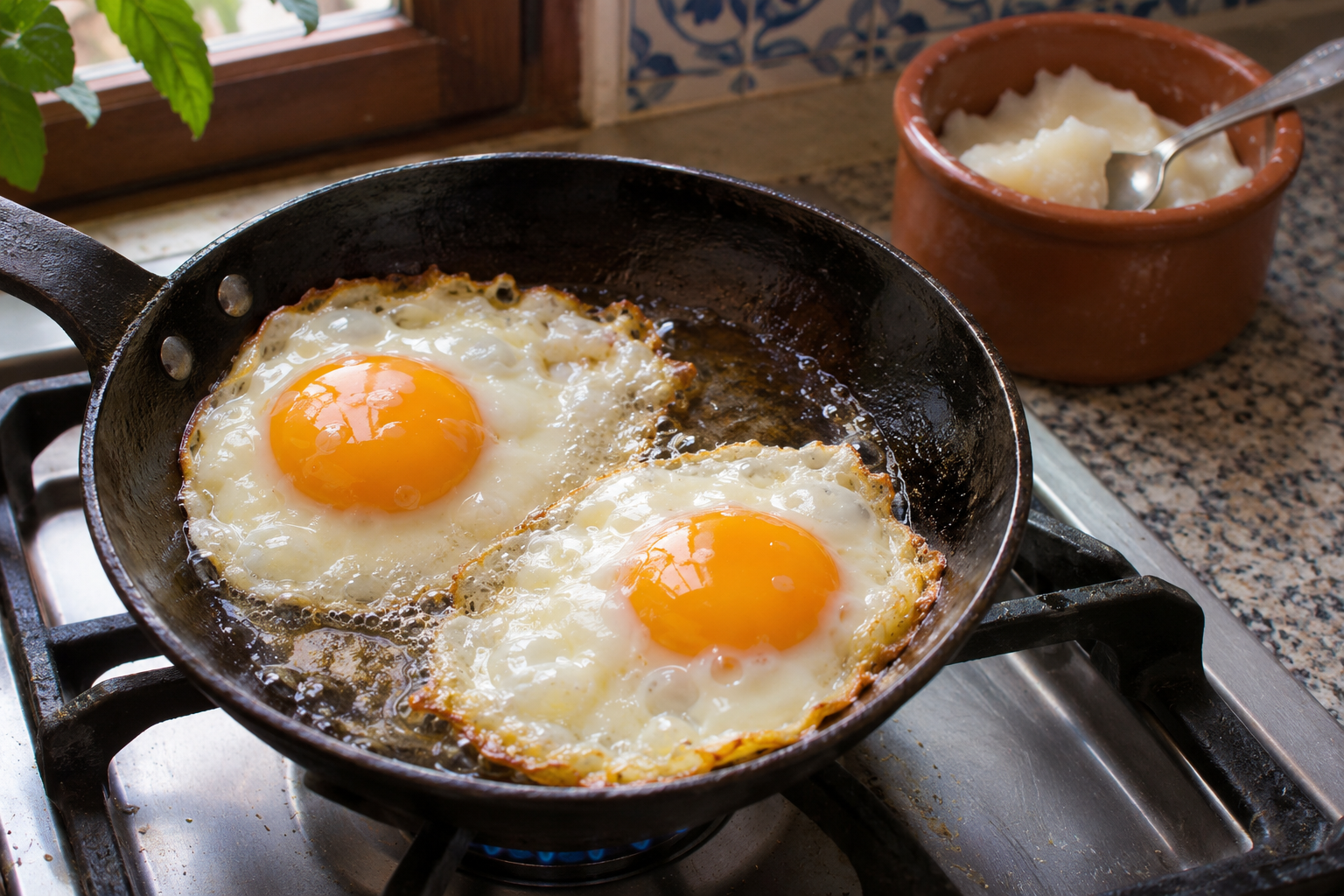
Before the experiment it is worth knowing what lard actually is, because the reputation and the reality are not quite the same, and the surprise is part of why I was curious. Lard is pork fat, and like all fats it is a mix of different fatty acids, but its composition is not what most people assume. Lard is roughly forty percent saturated fat and, strikingly, close to forty-five percent monounsaturated fat, the same kind of fat that olive oil is prized for, with the remainder mostly polyunsaturated. In plain terms, lard is actually lower in saturated fat than butter and contains a large share of the “good” monounsaturated fat.
This does not make lard a health food, and I want to be clear about that, because about forty percent saturated fat is still a lot of saturated fat, and saturated fat is the component mainstream guidance tells us to limit. But it does complicate the cartoon version of lard as pure dietary poison, because its fat profile is more mixed and less saturated than its reputation suggests, and closer in some respects to fats we think of as better. The point is not that lard is secretly wonderful but that it is not the uniquely terrible thing the twentieth century made it out to be.
Knowing this changed how I thought about the experiment, because I was not testing some extreme substance but a traditional cooking fat with a middling, mixed profile, used in moderation by generations of cooks. That framing matters, because the honest question was never whether lard is a superfood, which it is not, but whether a moderate return to a traditional fat, in the context of an otherwise normal diet, would do something dramatic to my cholesterol. The composition suggested the answer might be less alarming than the reputation implied, and that was exactly what I set out to check.
The Rules I Set
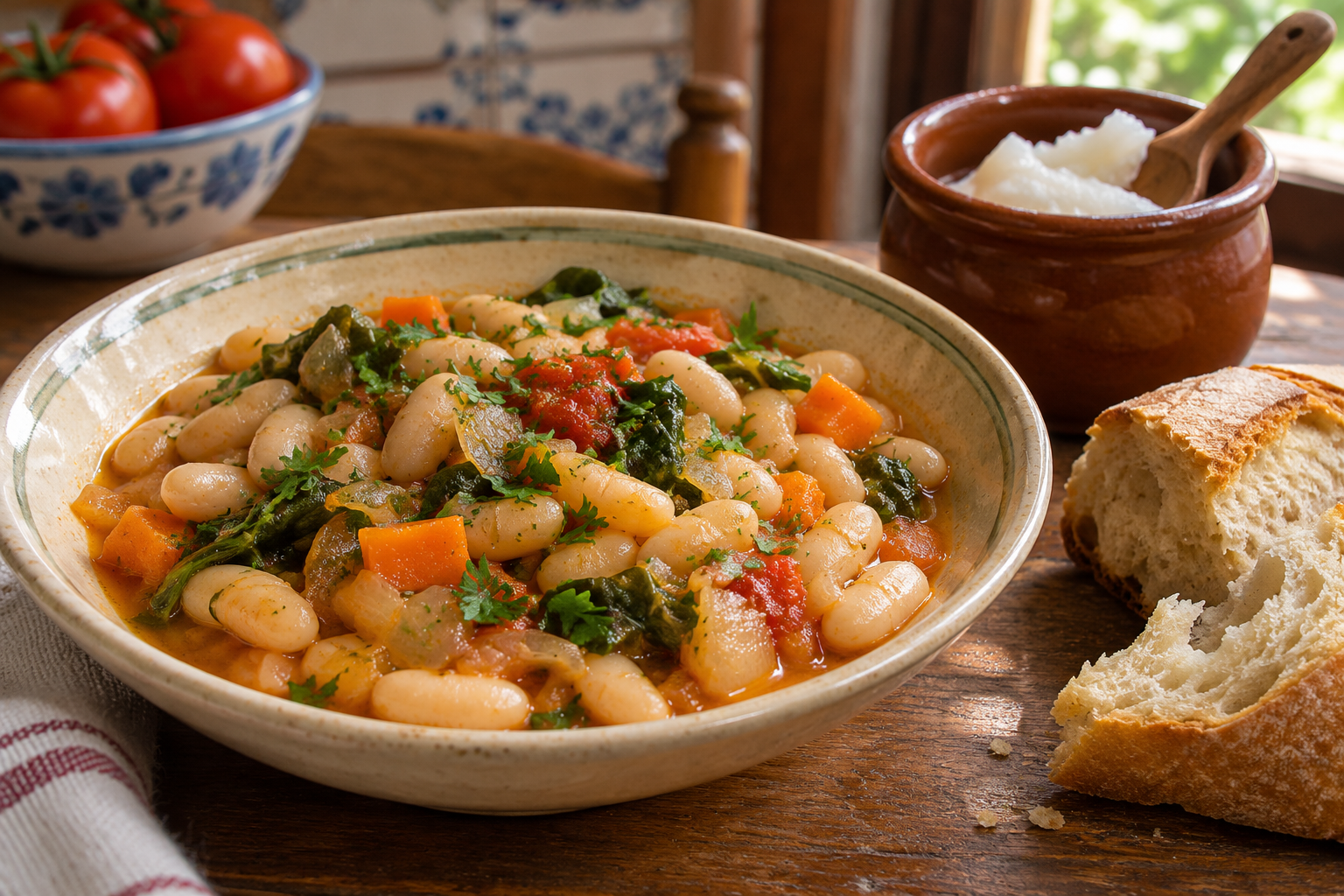
My rules were deliberately moderate, because the experiment I wanted to run was the realistic one, a grandmother’s use of lard, not a stunt. For thirty days I used lard as my main cooking fat in place of the oils and butter I would normally cook with, frying eggs in it, cooking vegetables and beans in it, using it where a traditional Spanish kitchen would, in sensible cooking quantities rather than drowning everything in it. I did not add lard on top of my normal fats, I substituted it for them, which is what the traditional cook actually does, using one fat rather than piling on extra.
Crucially, I kept the rest of my diet roughly normal and reasonably balanced, the broadly Mediterranean way I usually eat, with plenty of vegetables, legumes, fish, and whole foods, because that is the context the grandmother’s lard lived in too. The experiment was not thirty days of fried everything, it was thirty days of a normal, varied diet in which the cooking fat happened to be lard instead of oil, which is both more honest to the tradition and more relevant to a real person’s question. Lard was the one variable I changed, against a backdrop of otherwise sensible eating.
For the measurement I had a cholesterol panel done before I started and another at the end of the thirty days, the standard lipid panel covering total cholesterol, LDL, HDL, and triglycerides, so I could compare my own before and after. Thirty days is short for this, which I will come back to, but it is long enough for diet changes to begin showing up in the numbers, and comparing my own panel to itself is the only honest way to read a personal experiment. One body, one month, one changed variable, two blood tests.
How It Cooked and Tasted
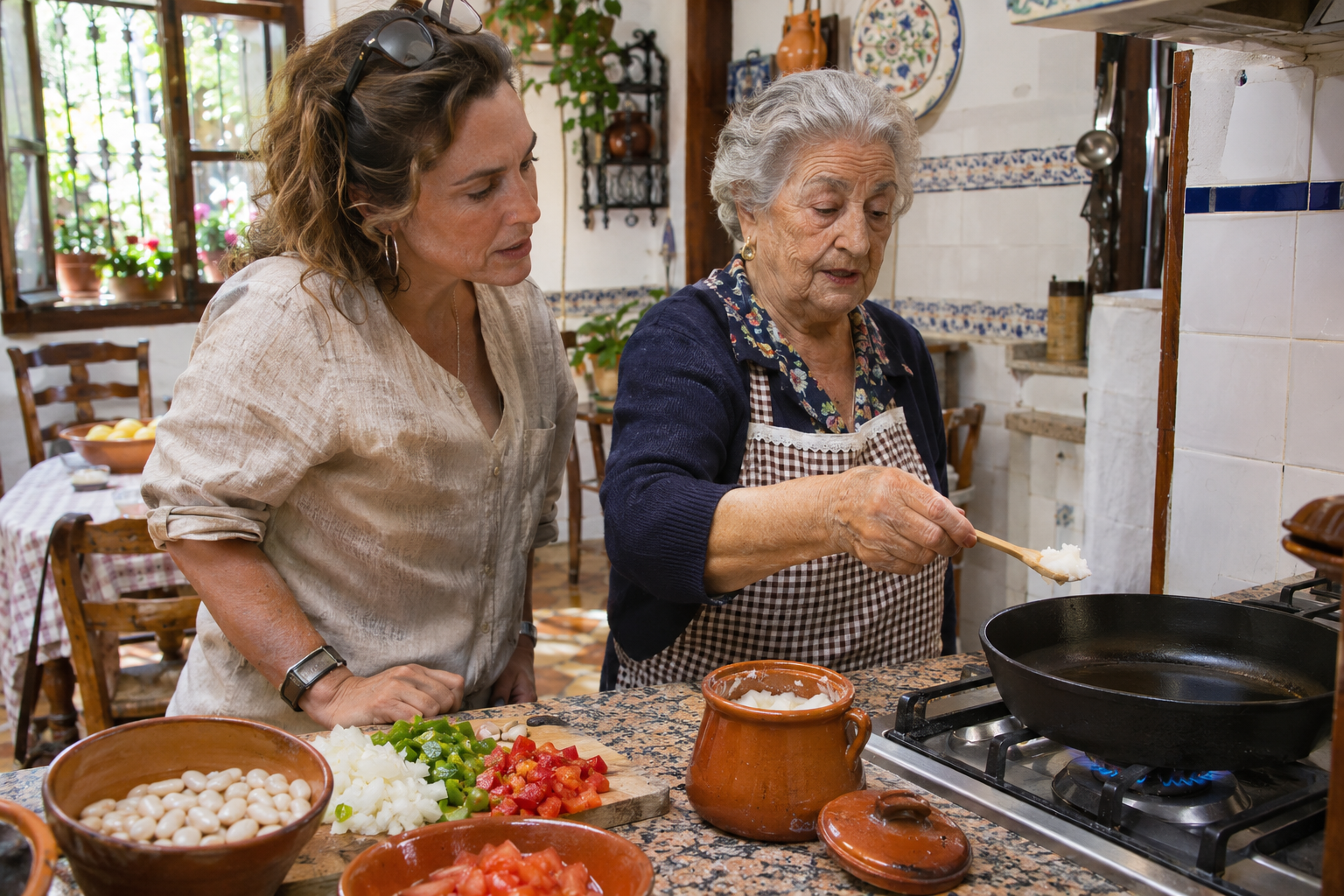
Setting health aside for a moment, lard is a genuinely good cooking fat, and this is the part the old cooks understood that we forgot. It has a high smoke point, it fries beautifully, it gives a richness and a crispness that is hard to match, and it makes pastry that vegetable shortening can only envy. Eggs fried in lard were exceptional, vegetables took on a savory depth, and anything that wanted crisping crisped up perfectly. There is a reason traditional cooking reached for it, and thirty days reminded me of that reason with every pan.
It is also, used in normal cooking quantities, far less present than you might imagine, because a spoonful of lard to cook a meal is not the same as eating a block of fat. Spread across normal dishes in normal amounts, the lard was a cooking medium, not the main event, which is exactly how the tradition uses it. The mental image of eating lard is grotesque, but the reality of cooking with it in moderation is unremarkable, a flavorful fat doing the ordinary job of a cooking fat.
This matters for understanding the tradition, because the grandmothers were not eating lard by the spoonful, they were cooking with it in sensible amounts as part of meals built largely around other things. The lard flavored and enabled the cooking of vegetables, legumes, and the rest, rather than dominating the plate, and the total quantity consumed was moderate even though lard was the household fat. Keeping the amount realistic was central to making my experiment a fair test of the actual tradition rather than a caricature of it.
What the Panel Showed

Here is the result, reported straight: over the thirty days my cholesterol numbers moved very little, with my total and LDL cholesterol roughly stable compared with my baseline, perhaps a small uptick in LDL that was well within the range of ordinary variation, and no dramatic change in any direction. I went in half-expecting a jump, given lard’s fearsome reputation, and the panel instead showed essentially the same numbers I started with, nudged only slightly. For me, in this month, swapping my cooking fat for lard did not blow up my cholesterol.
I need to immediately surround that result with caution, because it is dangerously easy to read it as “lard is fine, eat all you want,” which is not what it shows at all. My numbers barely moving over one short month, in one particular body, on an otherwise balanced diet with lard used in moderation, is a narrow and personal finding, not a verdict on lard’s safety for anyone else or over any longer term. The honest headline is only that my cholesterol did not noticeably worsen in these specific, moderate, short-term conditions, which is a much smaller claim than it might first appear.
It is also worth saying that a small uptick in LDL, even one within normal variation, is the direction mainstream guidance would predict from adding saturated fat, so my result is not actually in conflict with the standard advice, it is just that the effect over one moderate month was small. The panel did not vindicate lard or refute the concerns about saturated fat, it simply showed that a moderate, short-term, whole-diet-context substitution did not do much to my particular numbers. That is genuinely all it showed, and stretching it any further would be irresponsible.
Why the Result Does Not Mean What You Might Hope
The reasons my barely-moved panel should not be read as a green light are important enough to spell out, because this is exactly where diet anecdotes mislead people. First, this was thirty days, which is short, and the full effects of a sustained change in saturated fat intake play out over much longer periods, so a month tells you little about what a year or a decade of heavy lard use would do. A short experiment can miss a slow trend entirely, and mine cannot speak to the long run at all.
Second, individual response to dietary fat varies enormously, with some people’s cholesterol highly sensitive to saturated fat and others’ relatively unmoved, driven by genetics and other factors, so my particular numbers tell you about me and not about you. The person whose cholesterol spikes on saturated fat would quite possibly have gotten a very different panel from the same thirty days, which is precisely why these decisions belong with a doctor who knows your own biology rather than with someone else’s anecdote. My body is not a stand-in for yours.
And third, the whole result sits inside the context of a moderate amount of lard in an otherwise balanced diet, which is a completely different thing from loading up on saturated fat, so even my own small result would likely look different if I had actually eaten the way the lard scare imagines. The experiment tested the grandmother’s moderate, whole-diet use of lard, and its reassuring-looking result is tied entirely to that moderation and context. Take away the balance and the moderation, and there is no reason to expect the numbers to stay put. The result is real, narrow, and heavily conditional, and every one of those conditions matters.
What the Grandmothers Actually Did
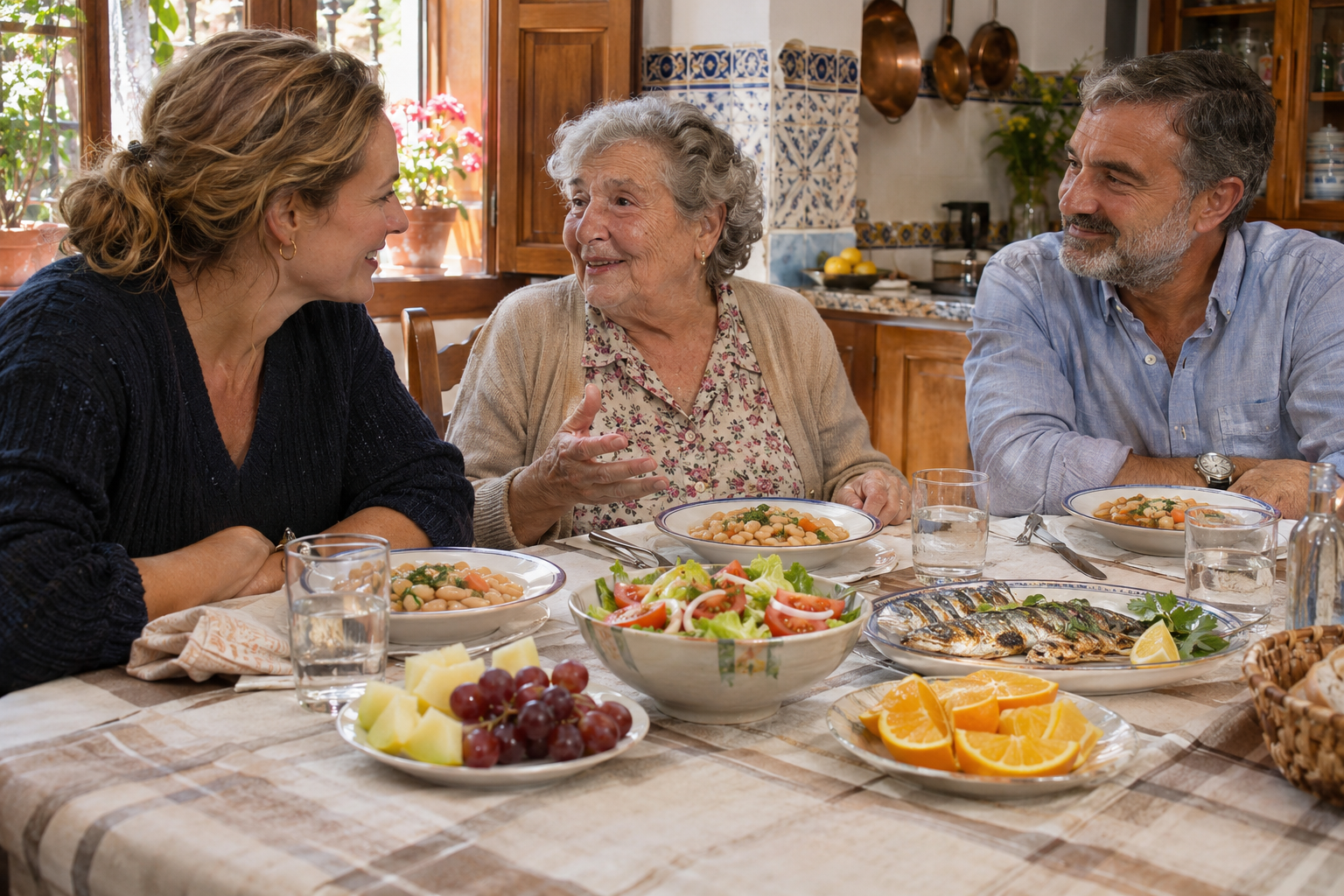
The deeper lesson of the month is not about lard at all but about how the traditional cooks actually ate and lived, which is the context that gets lost when we fixate on a single ingredient. The Spanish grandmother who cooked with lard also ate a diet full of vegetables, legumes, fish, fruit, and whole foods, drank moderately, ate modest portions, and typically lived a physically active life, walking everywhere and working hard. The lard was one component of a whole pattern that was, on balance, quite healthy, and it is the pattern, not the lard, that did the work.
This is the recurring truth of traditional diets, that their healthfulness lives in the whole way of eating and living rather than in any single food, villain or hero, and that pulling one ingredient out of context to praise or condemn it misses the point entirely. The lard was never eaten in isolation or in excess, it was a cooking fat inside a balanced, active, moderate life, and that is why its presence did not wreck the health of the people who used it. The grandmother’s lard worked because of everything around it.
So the honest takeaway from the tradition is not “eat lard” but “eat and live roughly the way the healthy traditional cultures did,” with whole foods, moderation, activity, and a sensible relationship to fat of all kinds. Within such a pattern, a moderate amount of a traditional cooking fat is not the catastrophe the lard scare implied, which is interesting and worth knowing, but the credit belongs to the pattern. Lard is not the secret, and neither is any one food, and the grandmothers would probably be amused that we turned their everyday fat into either a demon or a hero.
The Cautions That Really Matter
I have to be especially clear about the cautions here, because cholesterol and heart health are serious, and a cheerful experiment must not override sound guidance. Saturated fat, which lard contains plenty of, is something mainstream health guidance advises limiting, particularly for people who already have high cholesterol, heart disease, or elevated cardiovascular risk, and nothing in my thirty days changes that advice or the reasons behind it. If you are in any of those groups, increasing your saturated fat intake is not something to do on the strength of a blog experiment, it is something to discuss with your doctor, who can weigh it against your actual risk.
My result applies to me, a particular person with particular numbers eating in a particular moderate way for a short time, and it would be genuinely irresponsible to generalize it into dietary advice for anyone else. The right move for anyone thinking seriously about their fats is to know their own cholesterol numbers, understand their own cardiovascular risk, and make decisions with a doctor rather than with a stranger’s anecdote, because this is exactly the kind of individual medical matter where one-size advice fails. Your panel, your risk, your doctor, not mine.
The sensible frame for the whole experiment is therefore as an interesting, honest data point that complicates the cartoon demonization of lard, not as permission to change how you eat. If it does anything useful, it is to push back a little on fear-driven, single-ingredient thinking and to point toward the whole-diet, whole-life pattern that actually matters, while leaving the real decisions about saturated fat where they belong, with each person and their physician. Keep the caution, lose the cartoon, and talk to your doctor about your own fats.
The Verdict
My verdict after thirty days with the lard tub is a careful reframing rather than a recommendation. Lard turned out to be a better cooking fat than its reputation, with a less saturated profile than I expected and a real culinary virtue, and in moderate use within my otherwise balanced diet it did not noticeably move my cholesterol over a month. That is genuinely interesting, and it fits with the broader truth that traditional foods are best judged inside their traditional context rather than as isolated villains.
But a reframing is not a green light, and I will not end this by telling anyone to cook with lard, because that is not what my experiment supports. Thirty days is short, bodies differ, my diet stayed balanced and my lard stayed moderate, and the guidance to limit saturated fat, especially for those at risk, stands entirely intact. What I overturned was a cartoon, not the science, and the two should not be confused.
So I come out of the month cooking the occasional thing in lard without the old reflexive fear, enjoying its honest virtues as a traditional fat used sparingly, and otherwise eating and living the broadly Mediterranean way that was always the real point. That is the grandmother’s actual lesson, as far as I can tell: not that lard is good for you, but that a moderate, whole-food, active life can comfortably include a traditional fat without drama, and that the fat was never the thing worth fixating on in the first place. Eat well, move, keep it moderate, know your numbers, and let a tub of manteca be an ordinary ingredient rather than a moral question.
Make It: Migas, the Grandmother Way
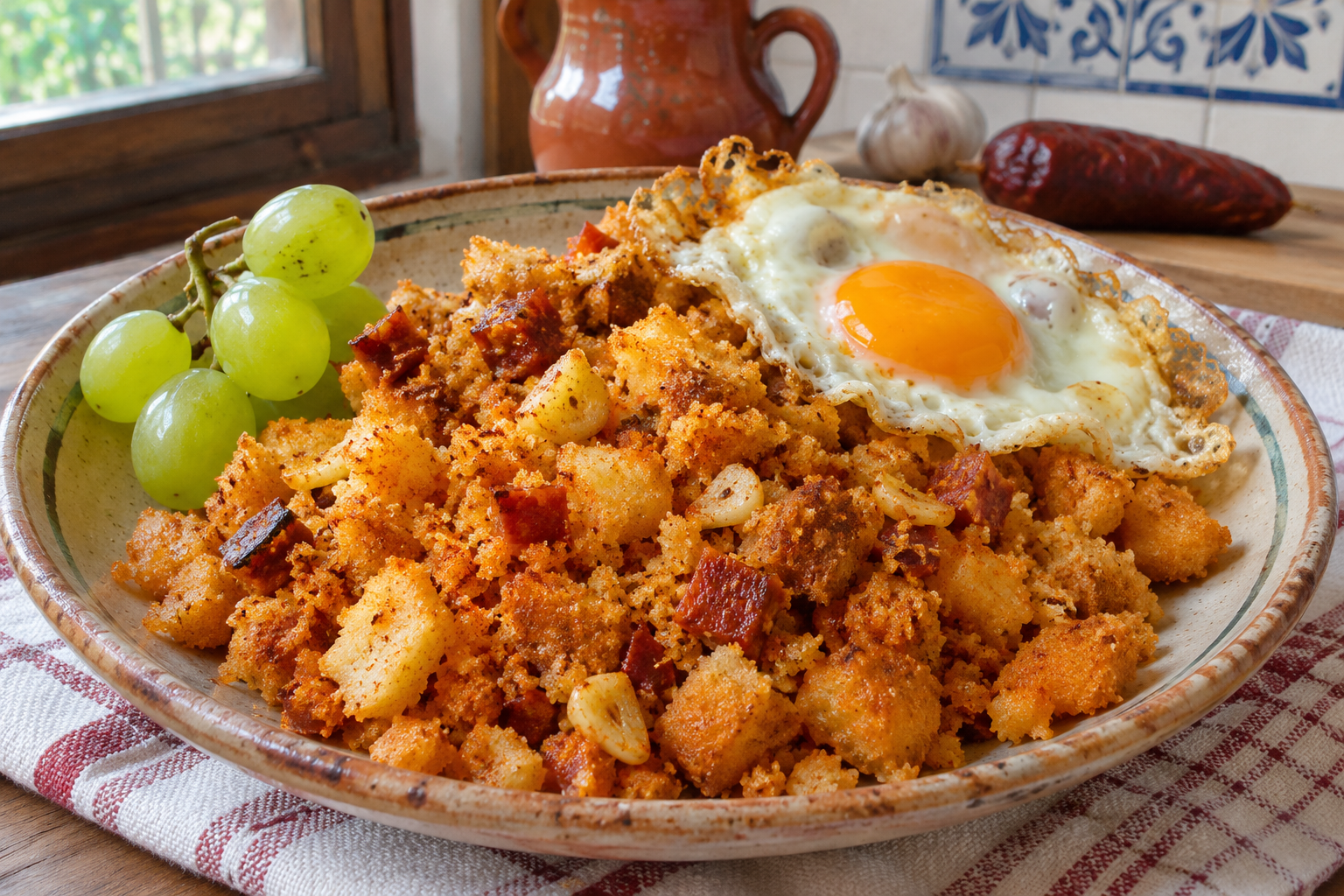
If you want to cook the way the Spanish grandmother actually did with her tub of manteca, there is no better dish to start with than migas, the humble plate of fried bread that turns stale loaf and a spoonful of lard into something people genuinely crave. It is cucina povera at its most honest, a peasant dish built to use up old bread, and lard is its traditional and proper fat, the thing that gives it its flavor and its crisp. This makes a hearty weekend plate for about four, the kind of thing eaten in moderation as part of a balanced week rather than every day.
Ingredients
- about 400g stale country bread, a few days old
- water, to dampen
- 3 tablespoons lard (manteca)
- 4 cloves garlic, lightly crushed, skins on or sliced
- 150g chorizo and/or pancetta or bacon, diced
- 1 teaspoon sweet pimenton (Spanish paprika)
- salt
- to serve: a fried egg, or a small bunch of grapes, or both
Instructions
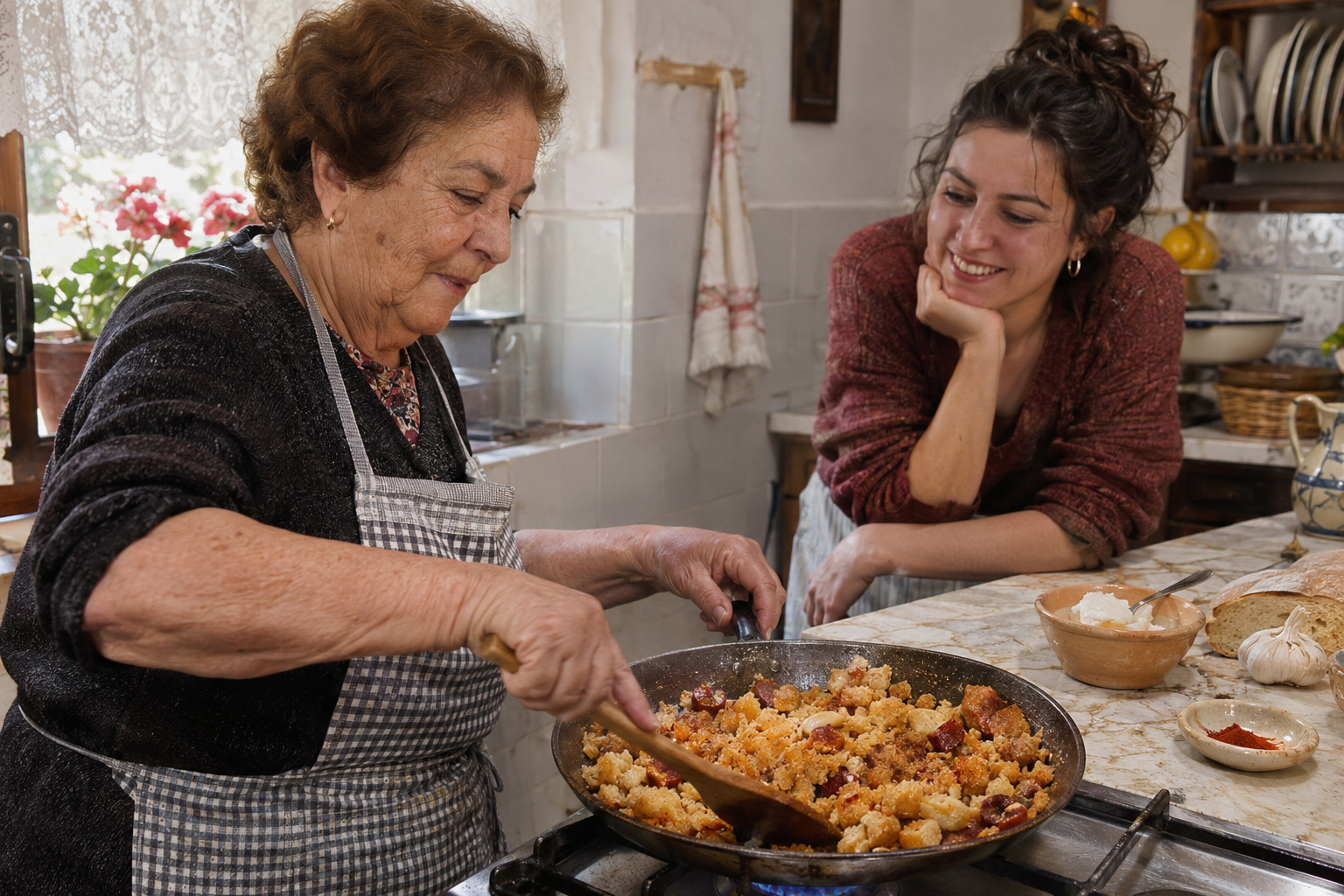
The night before, prepare the bread, which is the step that makes real migas. Cut or tear the stale bread into small pieces or coarse crumbs, sprinkle them lightly with water until just damp but not soggy, then cover with a cloth and leave overnight so the bread softens evenly. This resting is the traditional trick, so do not skip it if you can help it.
The next day, melt the lard in a large, wide pan over medium heat, add the garlic, and let it flavor the fat for a minute or two until fragrant. Add the diced chorizo or pancetta and fry until it colors and releases its fat, then scoop the garlic out if you prefer a milder dish.
Add the damp bread to the pan and now comes the patient part. Stir and turn the bread almost constantly over medium to medium-low heat for a good fifteen to twenty minutes, letting it slowly crisp and turn golden as it soaks up the lard and the chorizo fat, scraping the pan so nothing catches. The migas are ready when they are crisp on the outside and tender within, in small golden clusters.
Take the pan off the heat, sprinkle over the sweet pimenton, and stir it through so it coats the bread without burning, which it will do fast on direct heat. Taste and add salt. Serve the migas hot, topped with a fried egg if you like, or with cool grapes on the side in the traditional way, the sweet fruit cutting the rich, savory bread. That is the grandmother’s lard doing exactly what it was always meant to do, in a dish worth making for its own sake.

About the Author: Ruben, co-founder of Gamintraveler.com since 2014, is a seasoned traveler from Spain who has explored over 100 countries since 2009. Known for his extensive travel adventures across South America, Europe, the US, Australia, New Zealand, Asia, and Africa, Ruben combines his passion for adventurous yet sustainable living with his love for cycling, highlighted by his remarkable 5-month bicycle journey from Spain to Norway. He currently resides in Spain, where he continues sharing his travel experiences with his partner, Rachel, and their son, Han.