

The story starts the way so many Portugal stories start, with a couple in their early sixties who had fallen in love with the idea of it: the mild climate, the low cost of living, the gentle pace, the sea, the sense that their retirement dollars would stretch twice as far. So they did the thing the dream seemed to demand. They sold everything, the house, the cars, most of the furniture, cut the ties that held them to their American life, and moved to Portugal to begin again.
Fourteen months later they were back in the United States, the adventure over, counting the cost of a round trip they had never planned to make. Their story is not a reason never to move abroad, but it is a cautionary tale about one specific decision, selling everything, and it is worth telling because that decision is exactly what turned a failed experiment into an expensive one.
This is an illustrative case, a composite of a pattern that plays out more often than the glossy relocation stories admit, offered to show the real cost of the round trip and the mistake that drove it. Plenty of people move to Portugal and thrive, and plenty move and, discovering it is not for them, come home wiser and not much poorer, because they kept their options open. This couple did not, and the difference is the whole lesson.
Here is why they went, why they came back, what the round trip actually cost them, and what they would do differently. This is general information, not financial advice, and figures are illustrative and vary.
Why They Went
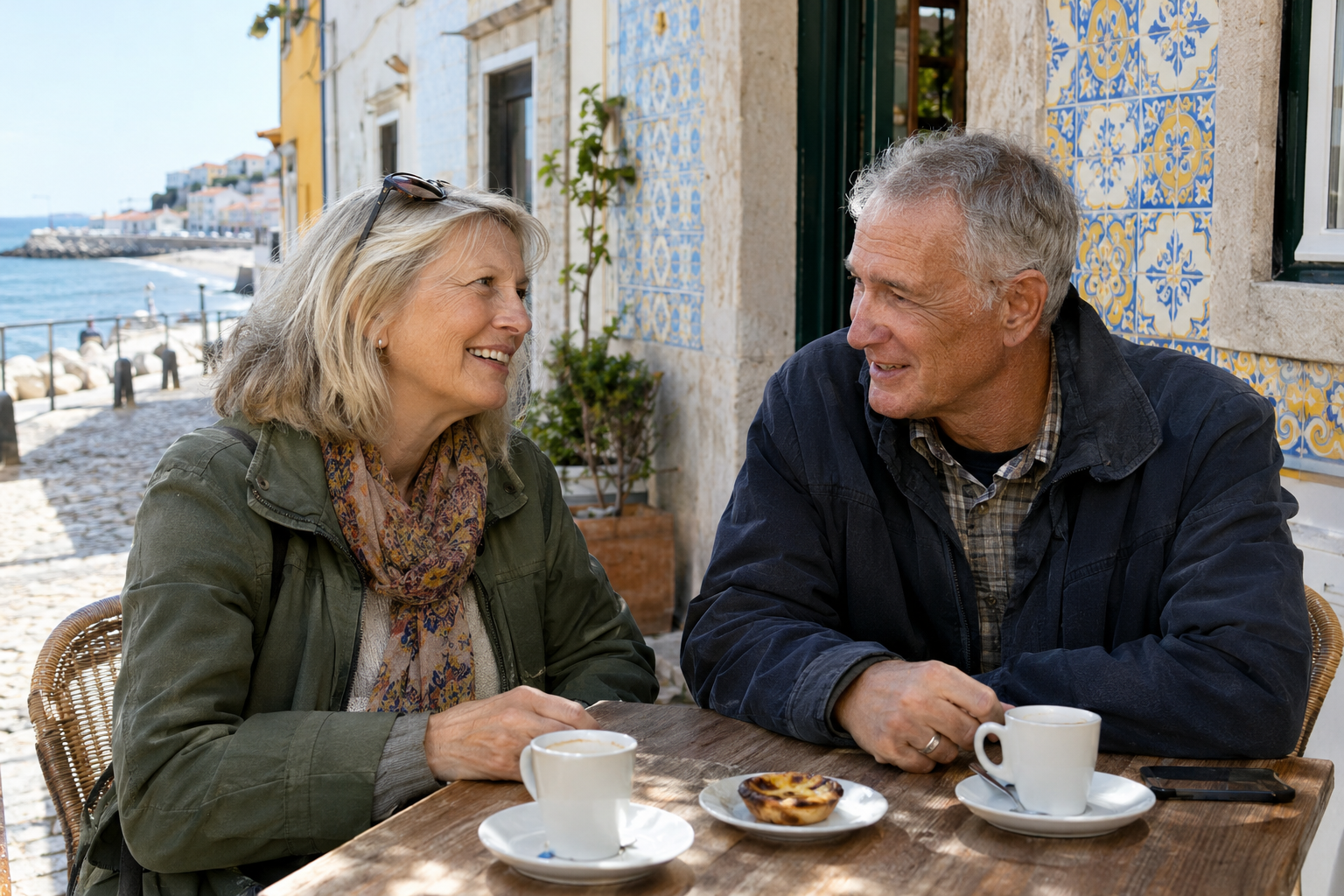
Their reasons for choosing Portugal were entirely ordinary and entirely understandable, which is part of why the story matters, because they were not reckless dreamers but sensible people seduced by a genuinely appealing picture. Portugal had become the darling of the retire-abroad world, celebrated endlessly for its low cost of living, mild climate, safety, friendly people, and relaxed pace, and for a couple watching their retirement budget nervously, the promise that their money would go much further there was intoxicating. They read the articles, watched the videos, did a scouting trip, and came away convinced.
The deeper pull was a desire for reinvention, the sense that retirement was a chance to start a bold new chapter rather than settle into a quiet American one, and Portugal represented exactly that kind of adventure. They imagined a life of long lunches and sea air and a tight-knit expat community, a complete change of scene that would make their sixties an exciting new beginning rather than a slow wind-down. That emotional appeal, the romance of the fresh start, was at least as powerful as the financial logic, and it encouraged a bigger, more total commitment than caution would have advised.
And so, caught up in the romance and the arithmetic, they made the fateful choice to go all in, reasoning that if they were going to do this they should do it properly, with no half-measures and no hedging. Selling everything felt like commitment, like seriousness, like faith in the dream, and it had the practical appeal of funding the move and simplifying their lives in one stroke. It seemed, at the time, like the brave and sensible thing to do, and it was the single decision that would cost them most, precisely because it left them no way back that was not expensive.
The Fourteen Months
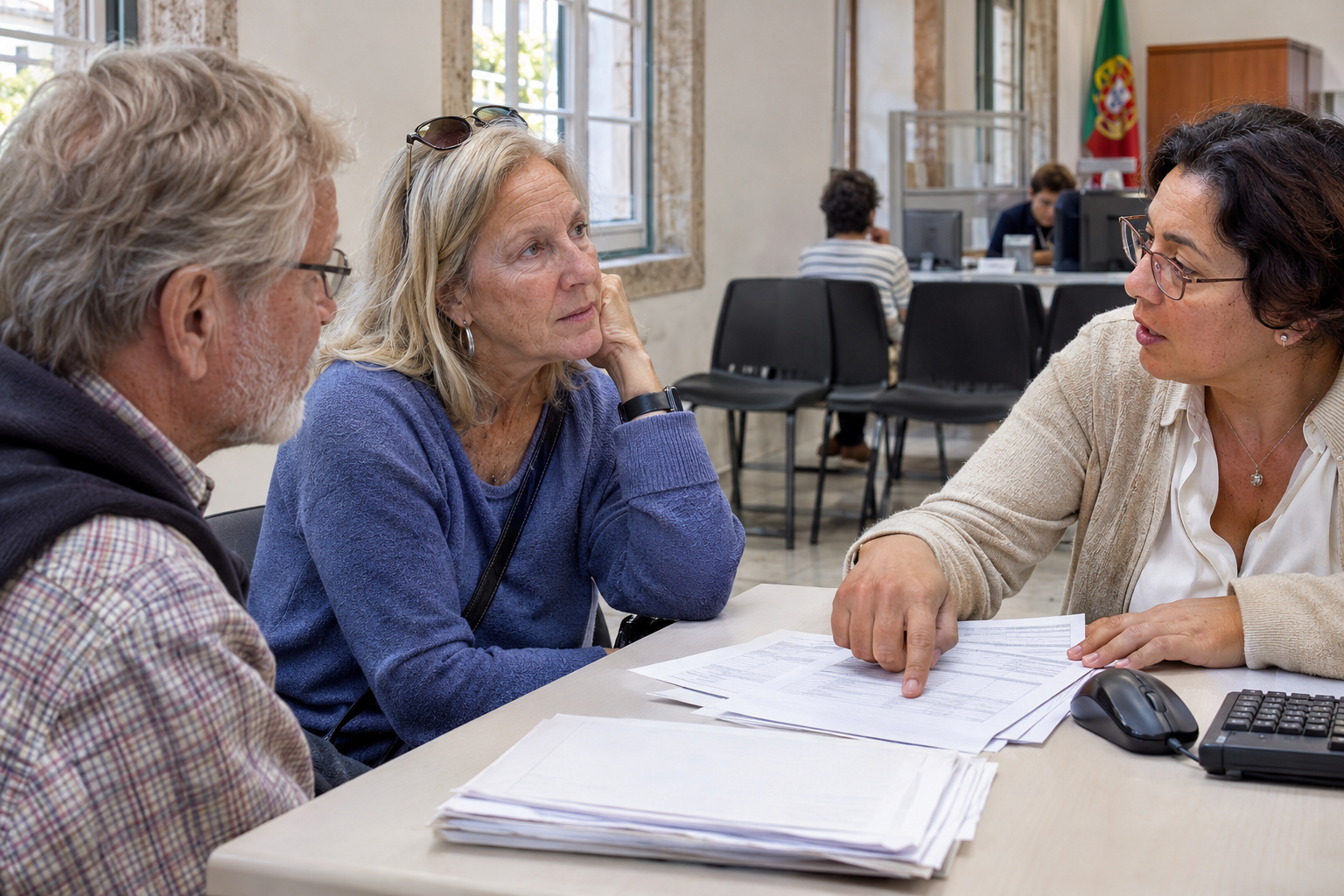
What went wrong was not one catastrophe but an accumulation of the ordinary frictions that the dream had glossed over, and together they wore the couple down. The language barrier proved more isolating than they had expected, making daily life and officialdom harder and keeping them on the outside of local society in a way the expat forums had underplayed. The bureaucracy of settling in, the residency processes and the paperwork and the navigating of systems in an unfamiliar language, was slower and more grinding than they had imagined, and it sapped the romance quickly.
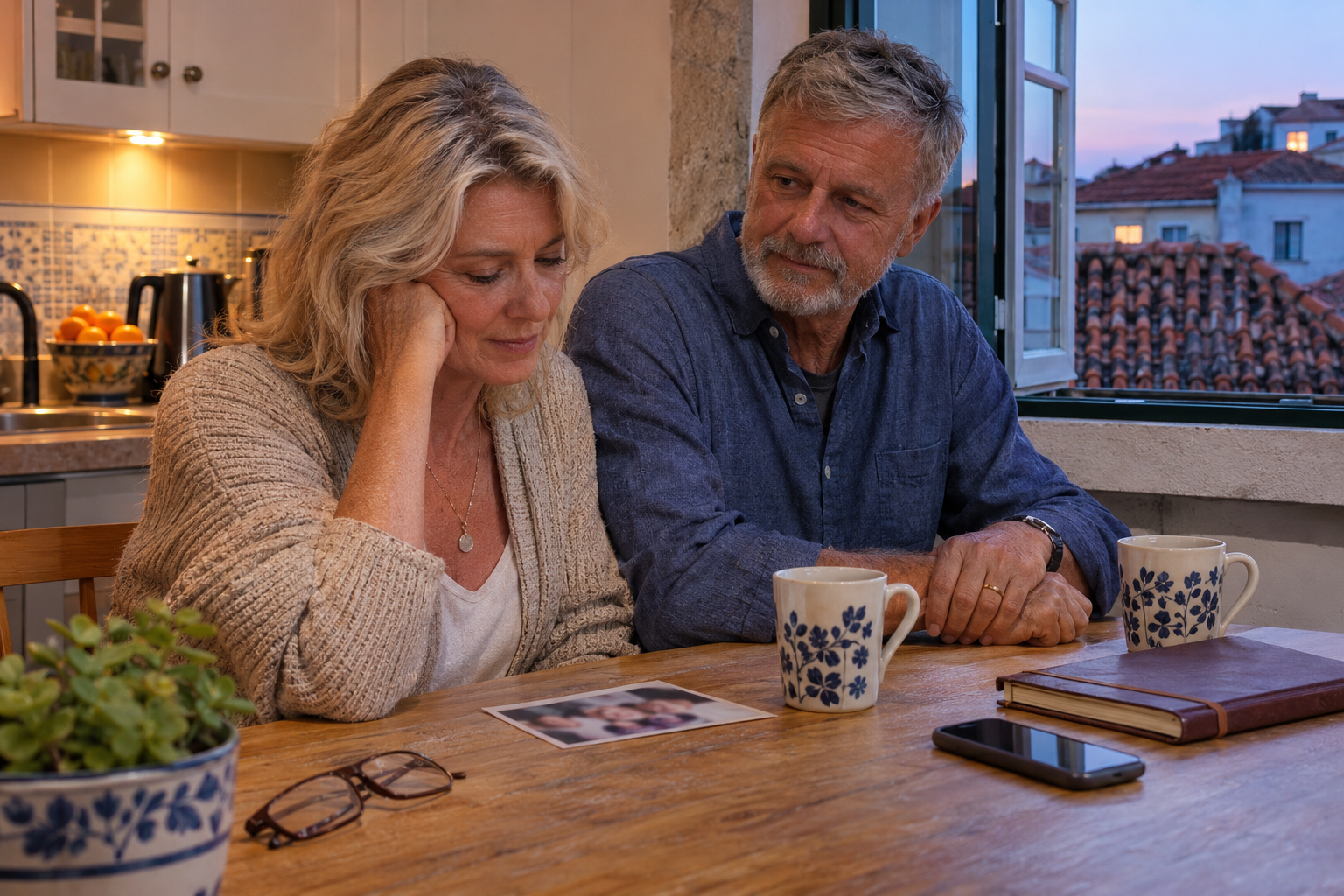
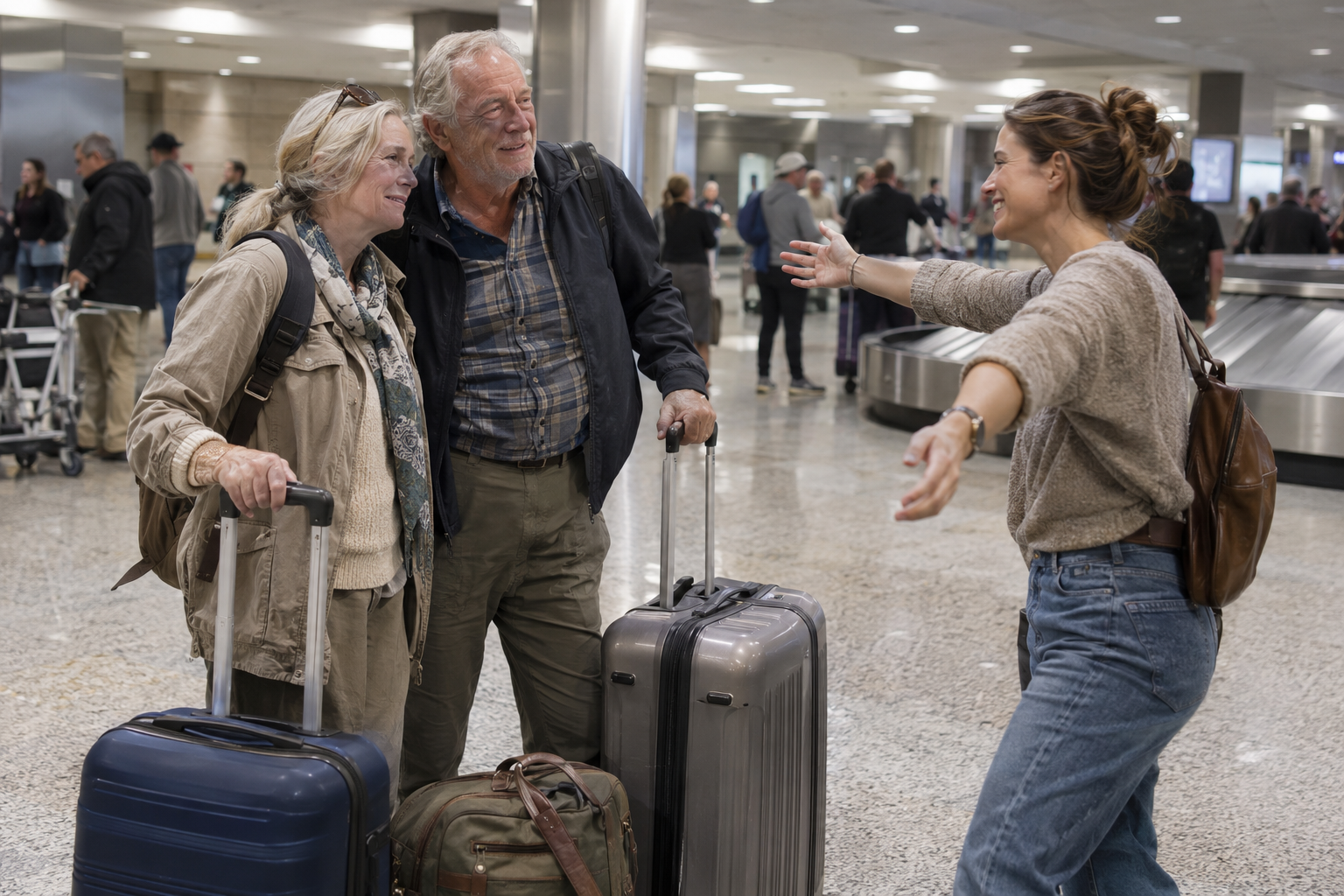
Then there were the things no spreadsheet captures. They missed their family acutely, the children and grandchildren an ocean and a long expensive flight away, and the distance that had seemed manageable in the planning became a persistent ache in the living, especially around holidays and milestones. They struggled to build the deep community they had pictured, finding the expat scene thinner or more transient than hoped and real local friendship hard to form across the language gap. The healthcare, the practicalities, the sheer effort of doing everything in a new country when you are older and set in your ways, all of it added up to a life that was more tiring and more lonely than the brochure.
None of these problems was unusual or shameful, and that is the point, because they are the normal challenges of moving abroad later in life, the ones that the dream conveniently omits and that a great many people underestimate. For some couples these frictions are worth it, or ease with time, and the move succeeds.
For this couple, fourteen months in, the balance had tipped, the homesickness and the isolation and the daily difficulty outweighing the sun and the savings, and they made the hard, honest decision that Portugal was not the life for them after all. That decision was reasonable. The trouble was what it now cost to act on it.
What the Round Trip Cost
Here is the sobering heart of the story, the price of the round trip, and it is high precisely because they had sold everything and now had to buy it all back, twice paying the costs of a transition they had expected to make only once. The single biggest hit was the house. They had sold their American home to fund the move, and when they came back they had to re-enter a housing market that had risen in their absence, buying back in at higher prices than they had sold for, and paying a second full set of transaction costs, the agent fees, the closing costs, the taxes, on top of the ones they had paid selling. The churn of selling and rebuying a home, with a risen market in between, cost them a painful sum, quite possibly the largest avoidable loss of the whole episode.
Then the belongings. Having sold or given away most of their furniture and possessions cheaply in the rush to leave, they came home to an empty life and had to buy it all again at full retail, replacing the furniture, the household goods, the cars they had sold, paying new prices for things they had owned outright a year before. What they had offloaded for pennies they rebought for dollars, a quiet, grinding loss spread across a hundred purchases that added up to far more than they expected. The stuff of a household is cheap to dump and expensive to reassemble.
On top of the house and the belongings came the direct costs of two international moves, the shipping or discarding of goods in both directions, the flights, the temporary accommodation at each end, the visa and legal and setup costs of establishing in Portugal that they never recouped, and the breaking or ending of a lease there. Every one of these was a real expense, and together they turned a failed experiment into a five-figure loss, perhaps a substantial one, most of which existed only because they had cut every tie and had to rebuild from nothing. The adventure itself had not bankrupted them, but the round trip, made from a standing start on both ends, took a serious bite out of their retirement savings.
The Cost That Was Not Money
Beyond the dollars there was a cost that does not show up on any ledger, and it mattered to them as much as the money. There was the emotional toll of a failed dream, the sense of having made a big, public, committed leap and then having to reverse it, which carried its own weight of disappointment and a little embarrassment. They had told everyone they were starting a new life, had made a grand gesture of selling it all, and coming back felt, at least at first, like an admission of failure, even though it was really just a sensible correction.
There was also the disruption and exhaustion of it all, two major international moves inside fourteen months, the upheaval of their lives twice over, the stress of settling and unsettling and resettling at an age when such upheaval is harder to absorb. They spent more than a year in a state of transition, never quite landing, and the sheer tiredness of that, the boxes and the bureaucracy and the starting over and starting over again, took a toll on their energy and their peace of mind that the money alone does not capture. It was a draining chapter, financially and personally.
And yet, to be fair to them and to the truth, they did not entirely regret having tried, which is an important part of the honest picture. They had wanted to know whether Portugal was for them, and now they knew, definitively, rather than wondering for the rest of their lives, and there is a value in that certainty even though it came dear.
The emotional cost was real, but so was the closure, and they came home not just poorer but also, in a way, settled, no longer haunted by the what-if. The problem was never that they tried. It was that they tried in a way that made trying so expensive.
The Mistake at the Center
Everything that made the round trip costly traces back to one decision, and naming it clearly is the whole service this story can offer: they sold everything and burned the boats. By liquidating the house, the cars, and the belongings before they knew whether the move would work, they converted a reversible experiment into an irreversible one, so that when it did not work out, undoing it meant rebuilding their entire material life from scratch at new prices. The all-in commitment that felt so brave was precisely what stripped them of a cheap way back.
The deep error was treating a test as if it were a certainty, committing totally to an outcome they could not yet know, when the wise approach to any big uncertain move is to keep it reversible until you are sure. Had they held onto a foothold, they could have discovered Portugal was not for them and simply come home to a life that still existed, at a fraction of the cost, turning a fourteen-month experiment into a modestly priced education rather than an expensive one. The move itself was not the mistake. The totality of the commitment was.
This is why their story is a caution about a specific decision rather than about moving abroad in general, because the frictions that drove them home are common and survivable, and the thing that turned them into a five-figure loss was the burned boats. Plenty of people try a move abroad, find it is not for them, and come back having lost very little, because they kept their options open and treated the move as the uncertain experiment it always is. The difference between their expensive round trip and someone else’s cheap one is almost entirely the difference between selling everything and keeping a way back.
It Is More Common Than People Admit
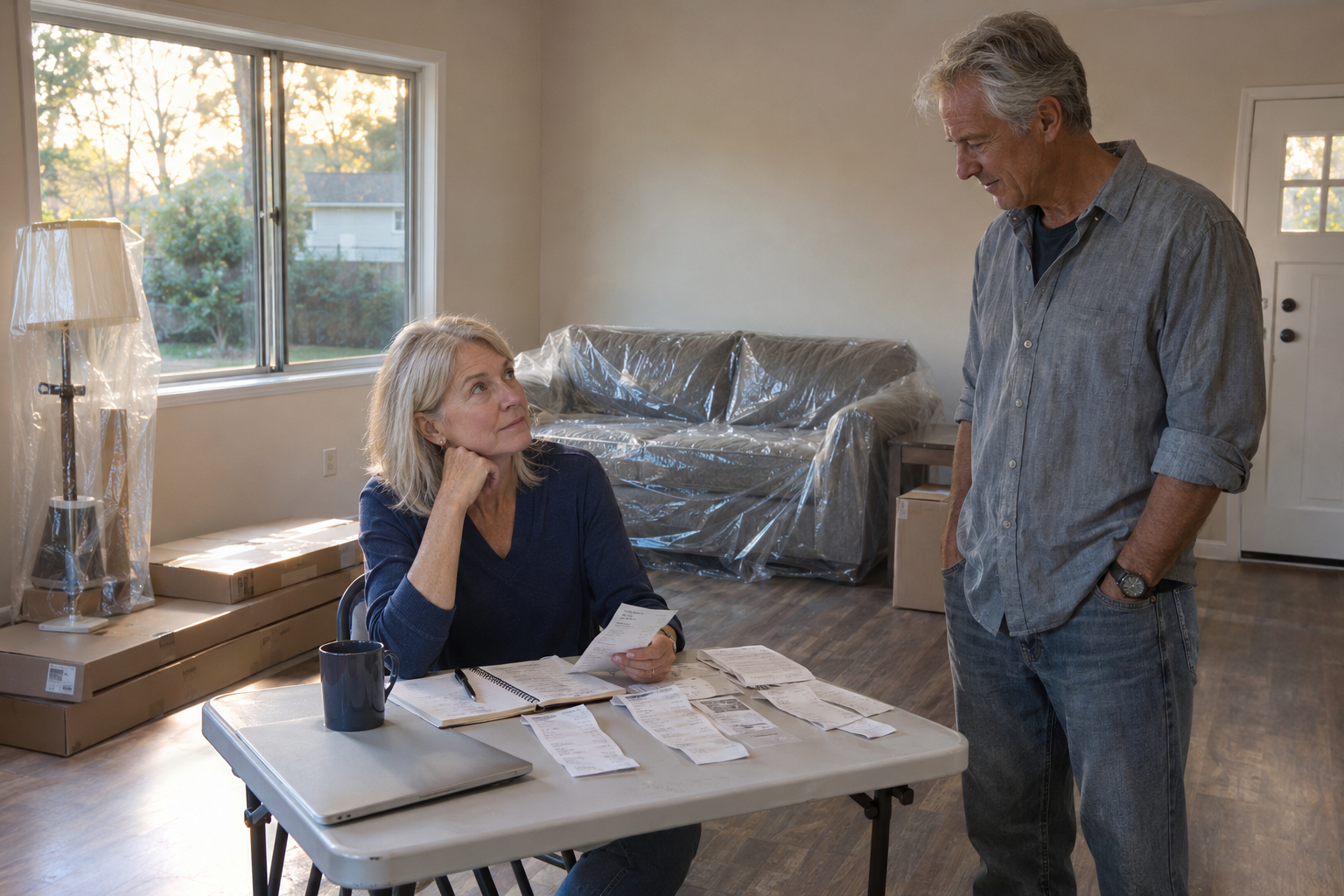
One thing worth saying plainly, because it would have comforted this couple, is that coming home is far more common than the relocation stories let on. The glossy accounts and the enthusiastic forums are full of people who moved and stayed and thrived, and almost silent on those who moved and returned, which creates a false impression that going back is a rare failure rather than an ordinary outcome. A meaningful share of people who retire abroad do eventually come home, for exactly the reasons this couple did, and there is no shame in joining them.
Understanding that reversal is normal changes how you should plan, because if a fair number of moves end in a return, then building in a cheap way back is not pessimism, it is prudence. The couple felt, at first, like failures for coming home, when in truth they were simply part of a common pattern that nobody had told them about, and had they known how ordinary return is, they might have hedged against it from the start. Planning for the real possibility that you will come back is not a lack of faith in the adventure, it is simply taking seriously how these stories actually tend to go.
What They Would Do Differently
Asked what they would change, the couple does not say they would never have gone, they say they would have tried it without selling everything first, and that single change would have transformed the economics of the whole episode. The wise version of their adventure keeps the boats unburned: you test the move before you commit to it irreversibly, so that if it fails you can retreat cheaply and if it succeeds you can commit fully, with knowledge instead of hope. That is the whole of what they would do differently, and it is the whole of the lesson.
Concretely, that means a few well-known but often-ignored precautions. Rent out the American house rather than selling it, at least for the first year or two, so there is a home to come back to and a market you have not been priced out of.
Rent in Portugal rather than buying, so leaving is as simple as ending a lease. Keep your belongings in storage rather than dumping them, so you are not rebuying a household if you return. And treat the first year or two as an explicit trial, a reversible test with a cheap exit, rather than a final, total relocation.
Done that way, the move becomes a sensible adventure with a known downside instead of a gamble with a punishing one, and the couple’s hard-won advice is simply to structure any move abroad so that coming home, if it comes to that, costs little. The dream of Portugal was real and worth chasing, and for many it works beautifully, but the chasing should be reversible until you are certain, because certainty is exactly what you do not have when you leap. Keep the boats, test the water, and the worst case becomes a story you tell rather than a hole in your savings, which is the one thing this couple, having done it the other way, wishes someone had made them believe.

About the Author: Ruben, co-founder of Gamintraveler.com since 2014, is a seasoned traveler from Spain who has explored over 100 countries since 2009. Known for his extensive travel adventures across South America, Europe, the US, Australia, New Zealand, Asia, and Africa, Ruben combines his passion for adventurous yet sustainable living with his love for cycling, highlighted by his remarkable 5-month bicycle journey from Spain to Norway. He currently resides in Spain, where he continues sharing his travel experiences with his partner, Rachel, and their son, Han.