
An American plans the perfect European Christmas. They will fly over for the holiday itself, land a day or two before Christmas, and spend the magical twenty-fifth and twenty-sixth wandering the famous Christmas markets, mug of mulled wine in hand, lights twinkling, stalls glowing, the whole storybook scene they have dreamed about. They have timed the trip to arrive right at Christmas, because when else would you go to see the Christmas markets?
And then they get there, step out into the famous square on Christmas Day, and find it empty. The stalls are gone, or being dismantled, the lights are off, the crowds have vanished, and the magical market they crossed an ocean to see has simply packed up and left. Because here is the cruel and little-known truth that catches so many American visitors: most European Christmas markets close on or just before Christmas Eve, not after it.
It is one of the most heartbreaking timing mistakes a holiday traveler can make, and it is entirely avoidable once you understand how these markets actually work. Here is why the markets close before Christmas, the dates you really need, the handful of exceptions that run later, and how to time your trip so you arrive to glowing stalls rather than an empty square.
The Cruel Surprise
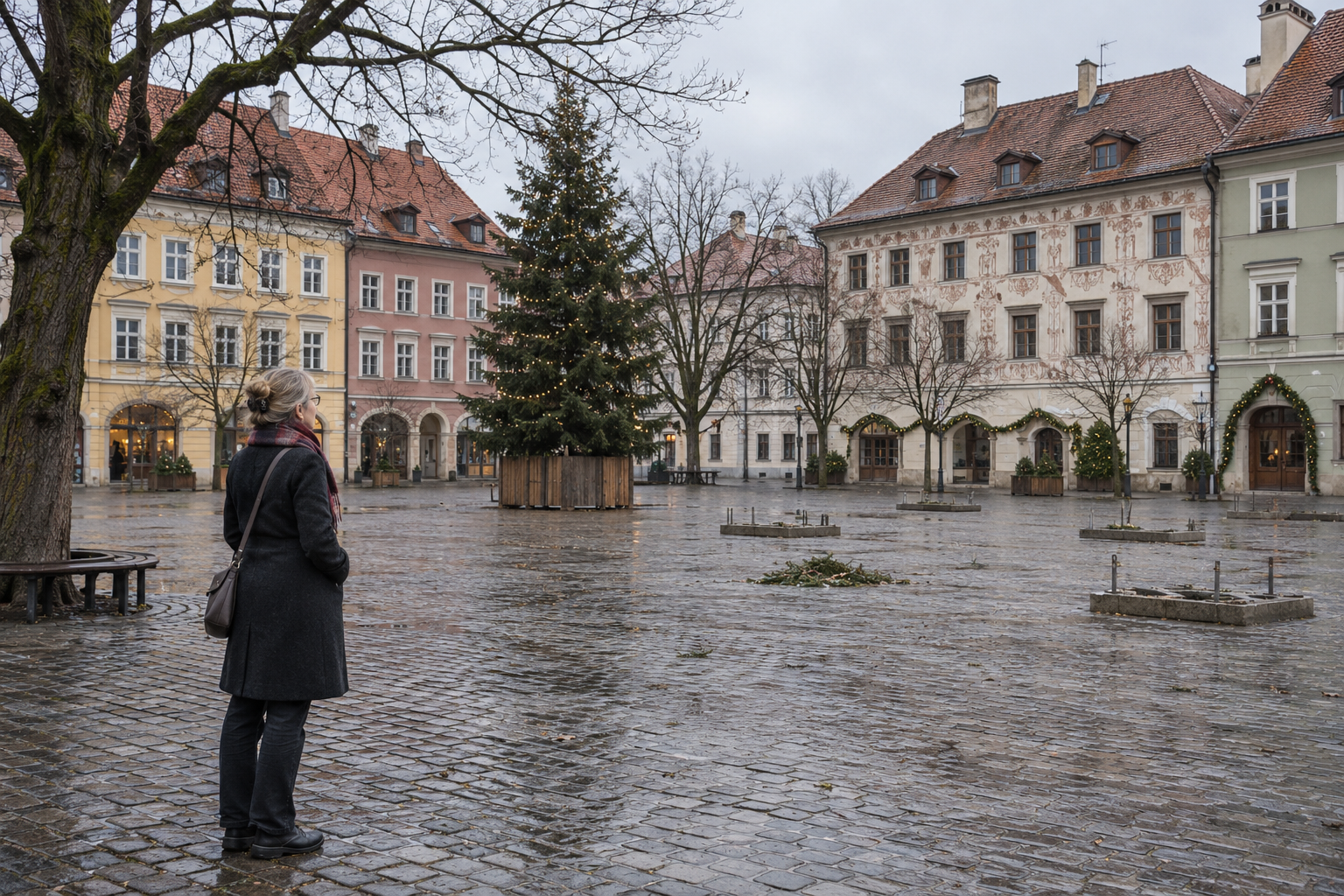
The mistake comes from a perfectly reasonable American assumption, which is simply wrong in Europe. Americans naturally assume that Christmas markets, being about Christmas, will be running at their peak on Christmas itself and probably for a while afterward, the way so much American holiday activity builds to and continues past the twenty-fifth. So they plan their trip around Christmas week and expect the markets to be in full swing.
In reality, the opposite is true, and the markets are mostly gone by the time Christmas Day arrives. The great majority of European Christmas markets wrap up on the twenty-third or twenty-fourth of December, so a visitor who arrives on Christmas Day or the day after, expecting the full festive spectacle, instead finds squares that are empty, quiet, and stripped of everything that made them magical. The stalls have been dismantled, the vendors have gone home, and the famous market exists only in the photographs the traveler saw before booking.
This is a genuinely crushing surprise for someone who planned their whole trip around it, and it happens far more often than it should. People spend real money and real anticipation on a Christmas-market holiday, time it with care for the Christmas period, and discover too late that they got the timing exactly backward, arriving just as the markets close rather than while they are open. The disappointment is acute precisely because the trip was built around the one thing that is no longer there. Understanding why the markets close when they do is the key to never making this mistake.
Why They Close Before Christmas
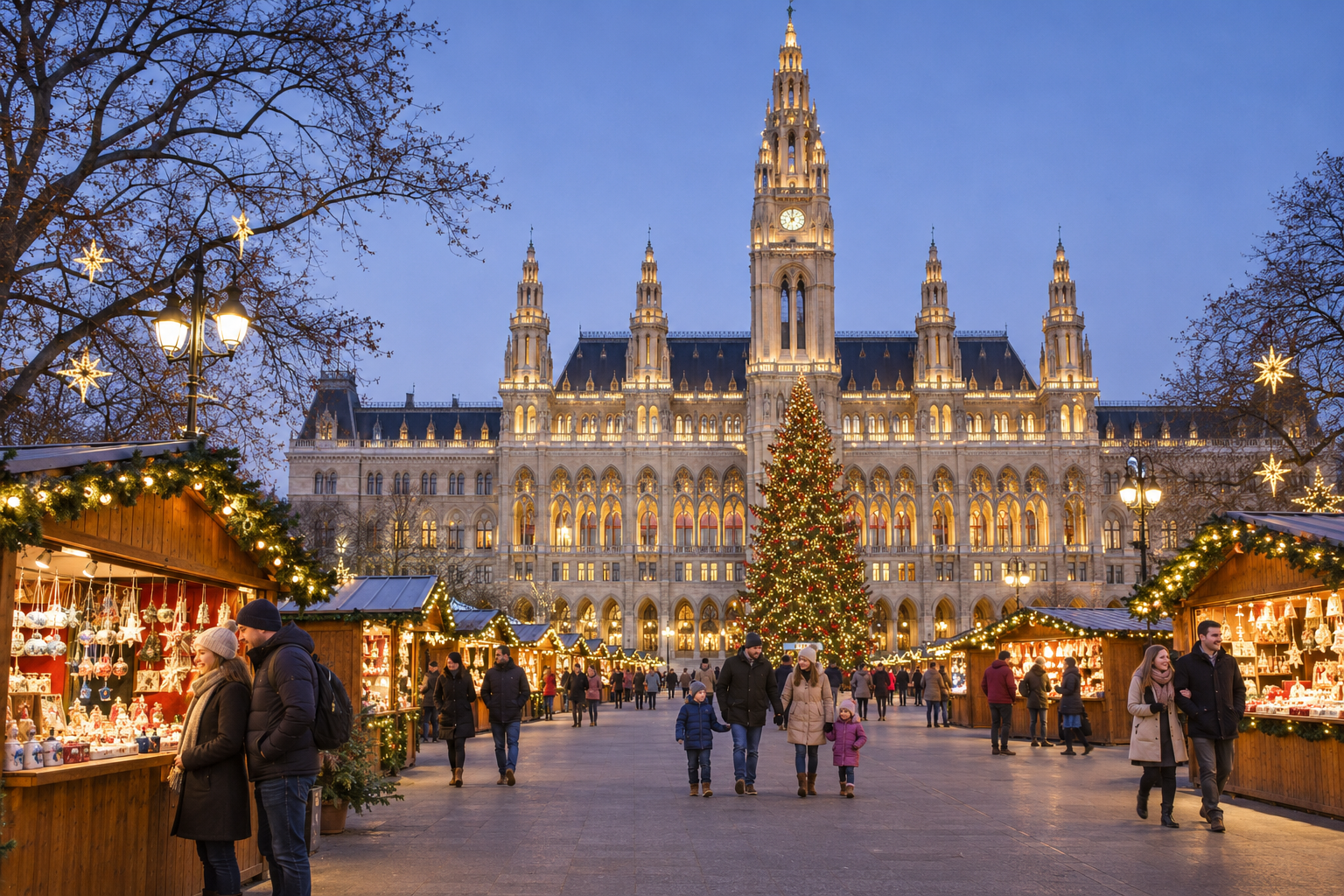
The reason the markets close before Christmas is not arbitrary; it reflects a fundamental difference in what Christmas markets actually are in European culture. They are not Christmas-week events; they are Advent events, and that distinction explains the whole timing.
In Europe, the Christmas market is a tradition of Advent, the weeks of preparation and anticipation leading up to Christmas. The markets open in late November, at the start of Advent, and run through December as a way of building toward Christmas, filling the waiting weeks with lights, warmth, food, and festivity. Their entire purpose is the lead-up, the glowing countdown to the big day, which means their natural endpoint is Christmas Eve itself. Once Christmas arrives, the market has done its job; the season it was preparing for has come, and there is no reason for it to continue.
What happens at Christmas itself is the other half of the explanation. In Europe, Christmas is overwhelmingly a private, family holiday, spent at home with relatives rather than out in public squares, so once the twenty-fourth arrives, everyone goes home to their families and the public festivities simply stop.
The market closes precisely because the public, anticipatory part of Christmas is over and the private, familial part has begun. The empty square an American finds on Christmas Day is not a sign that something went wrong; it is the entirely expected result of a whole country being indoors with their families, exactly as the culture intends. The market was always meant to end where Christmas begins.
The Dates You Actually Need
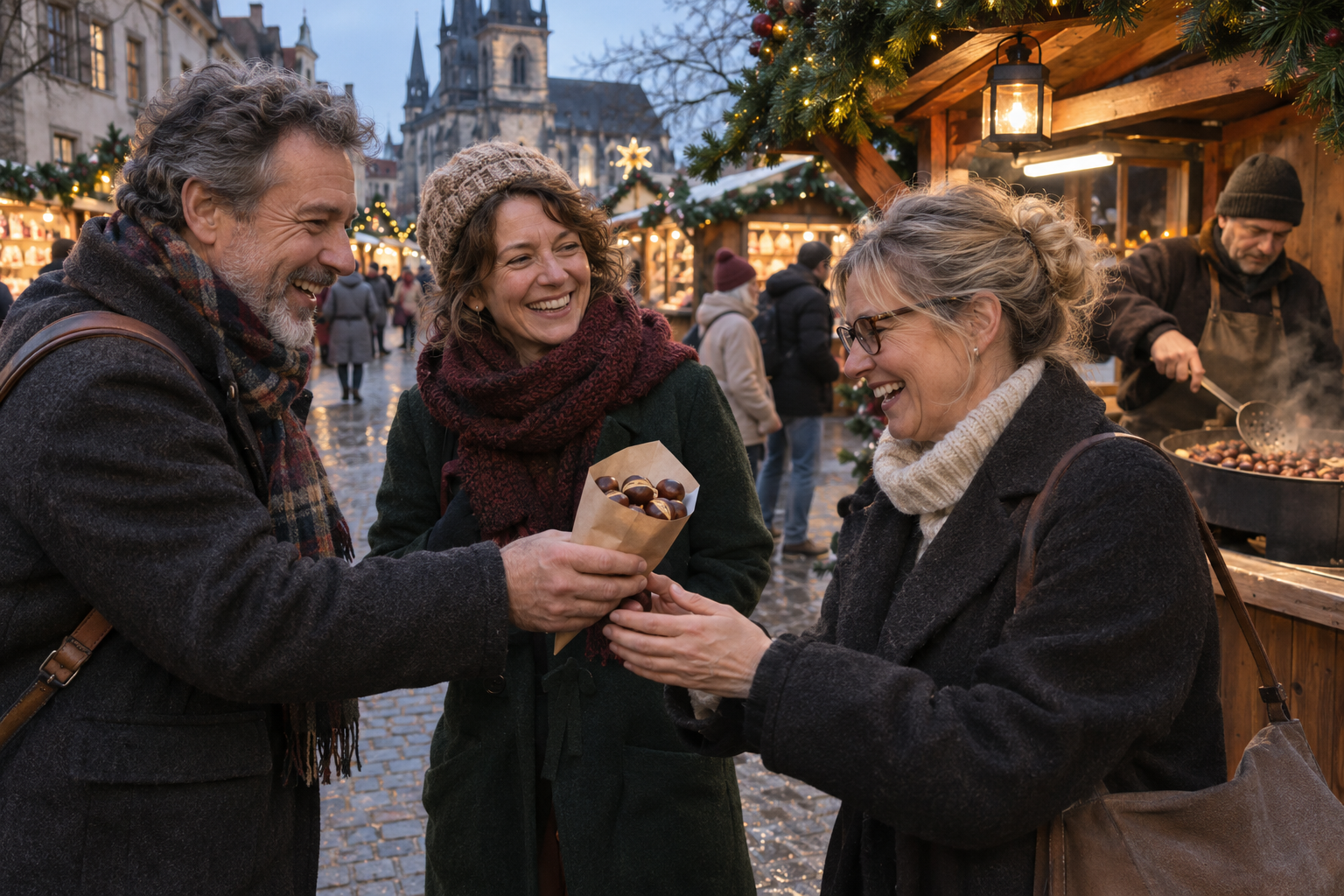
So if Christmas week is the wrong time, what are the right dates? The window you actually need is roughly the Advent period, from late November to around the twenty-third or twenty-fourth of December, and within that window there is a clear sweet spot worth aiming for.
The markets generally open in the last week of November, as Advent begins, and run until they close around Christmas Eve, so any time in that stretch will find them operating. But the best time to go, for most people, is early to mid December, which threads the needle nicely. By then the markets are fully open and in their glory, the festive atmosphere is at its richest, and yet you have usually arrived before the most intense crowds and before the final-weekend crush, giving you the full magic with a little more room to enjoy it. The one period to avoid, counterintuitively, is Christmas week itself, and especially Christmas Day onward, which is exactly when the markets are winding down or already closed.
The crucial practical step is to check the specific dates for the specific markets you want to visit, because they vary from city to city and reset every year. Each market publishes its own opening and closing dates, and while the general pattern of late-November-to-Christmas-Eve holds widely, the exact days differ, and some close a little earlier or later than others. A few minutes confirming the official dates for your chosen markets, against the year you are actually traveling, is what turns a well-timed trip into a certainty rather than a hope. Never assume; always check the current dates.
The Exceptions That Run Later
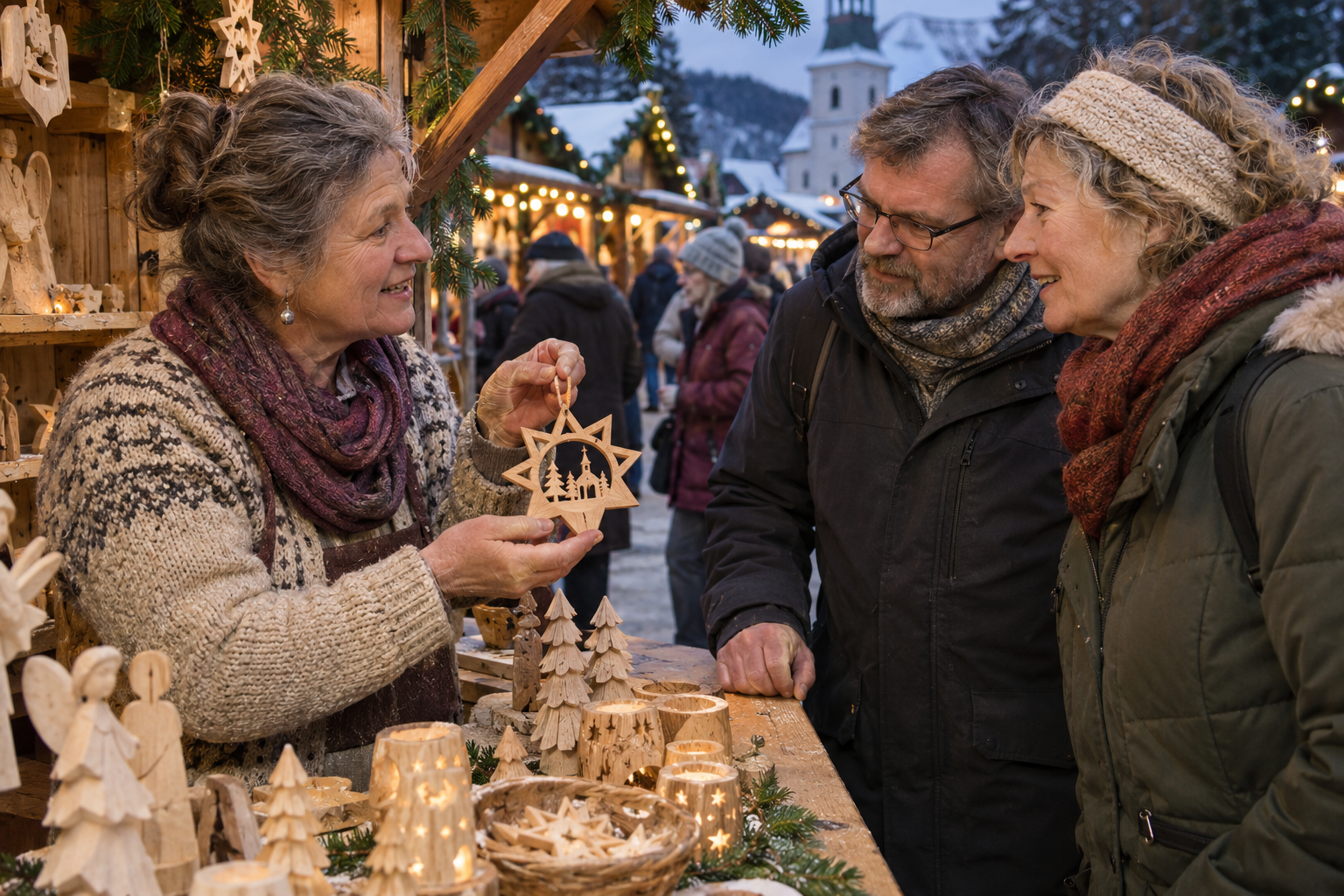
Now for the good news, especially for anyone whose trip has to fall over Christmas itself: not all markets close on Christmas Eve, and a number of them run well past Christmas into late December or even early January. If your travel dates are fixed around the holiday, these later-running markets are your answer.
Several major markets are known for continuing past the twenty-fifth. Vienna’s markets, Budapest’s, Prague’s, and Zagreb’s, among others, frequently run into late December or all the way to around the sixth of January, which is the feast of Epiphany and the traditional end of the Christmas season in much of Europe, and some, like Colmar in France, also extend past Christmas Day.
These markets stay open later precisely because they lean into the full Christmas-to-Epiphany season rather than stopping at the Advent finish line, and they are a genuine gift for the traveler stuck with holiday-week dates. If you can only go over Christmas, simply choose one of the cities whose market runs late, and you will still find glowing stalls waiting.
This is the single most useful workaround for the whole timing problem. Rather than lamenting that most markets close early, you can pick your destination to match your dates: go to the early-closing markets in Advent, or go to the late-running ones over Christmas week, and either way you see an open market. The key, again, is to check each market’s actual dates, since which ones run late can shift, but the principle holds reliably. Match the city to your calendar, and the empty-square disaster disappears.
Christmas Day Itself Is Dead Quiet
It is worth widening the warning beyond the markets, because the same cultural fact that closes them also makes Christmas Day in Europe far quieter than Americans expect, and this trips up visitors in its own right. An American imagining a bustling, festive European city on Christmas Day is in for a second surprise.
On the twenty-fifth, and often the twenty-sixth as well, much of Europe essentially shuts down. Shops are closed, many restaurants are closed, public transport runs on a reduced holiday schedule, and the streets can be strikingly empty, because almost everyone is at home with their family for the day. The bustling, lit-up, commercial festivity that fills American towns right through Christmas simply is not there; instead there is a quiet, private, indoor holiday, and a visitor out looking for public Christmas cheer can find a near-deserted city. For the unprepared American, Christmas Day in Europe can feel less like a festival and more like a ghost town.
This is not a flaw to be fixed but a feature to be understood, and planned around. European Christmas is centered on home and family rather than public spectacle, so the public city goes quiet precisely because the holiday has moved indoors.
The traveler who knows this can plan accordingly, arranging a special meal in advance, embracing the calm, or timing their sightseeing for the days around rather than on Christmas itself. The traveler who does not can spend the biggest day of their trip wandering empty streets wondering where everyone went. Knowing that Christmas Day is a private, quiet affair is as important as knowing when the markets close.
How to Time It Right
Pulling it all together, timing a European Christmas-market trip correctly is simple once you know the rules, and it comes down to a few clear choices. The goal is to align your travel with when the markets and the festivity are actually happening, rather than with the American calendar’s instincts.
Here is the practical playbook. If seeing the Christmas markets is your priority, plan to travel during Advent, roughly late November to around the twentieth of December, with early-to-mid December the ideal sweet spot for full atmosphere and manageable crowds, and do not build your market trip around Christmas week itself. If your dates are fixed over the Christmas holiday, choose a city whose market runs late into the season, such as Vienna, Budapest, Prague, or Zagreb, so you still find an open market, and plan for a very quiet Christmas Day with closed shops and restaurants. In every case, confirm the exact opening and closing dates for your specific markets and year on their official sources before you book, because these dates are set anew each year and are the one thing you cannot afford to guess.
That really is the whole of it. Match your trip to Advent for most markets, or to the late-running cities if you must go at Christmas, check the real dates, and brace for a quiet twenty-fifth, and you will have sidestepped the entire empty-square heartbreak. It is a small amount of planning that makes the difference between the magical market trip you imagined and a mistimed arrival at a packed-away square.
The Magic Is There, Just Not When You Think
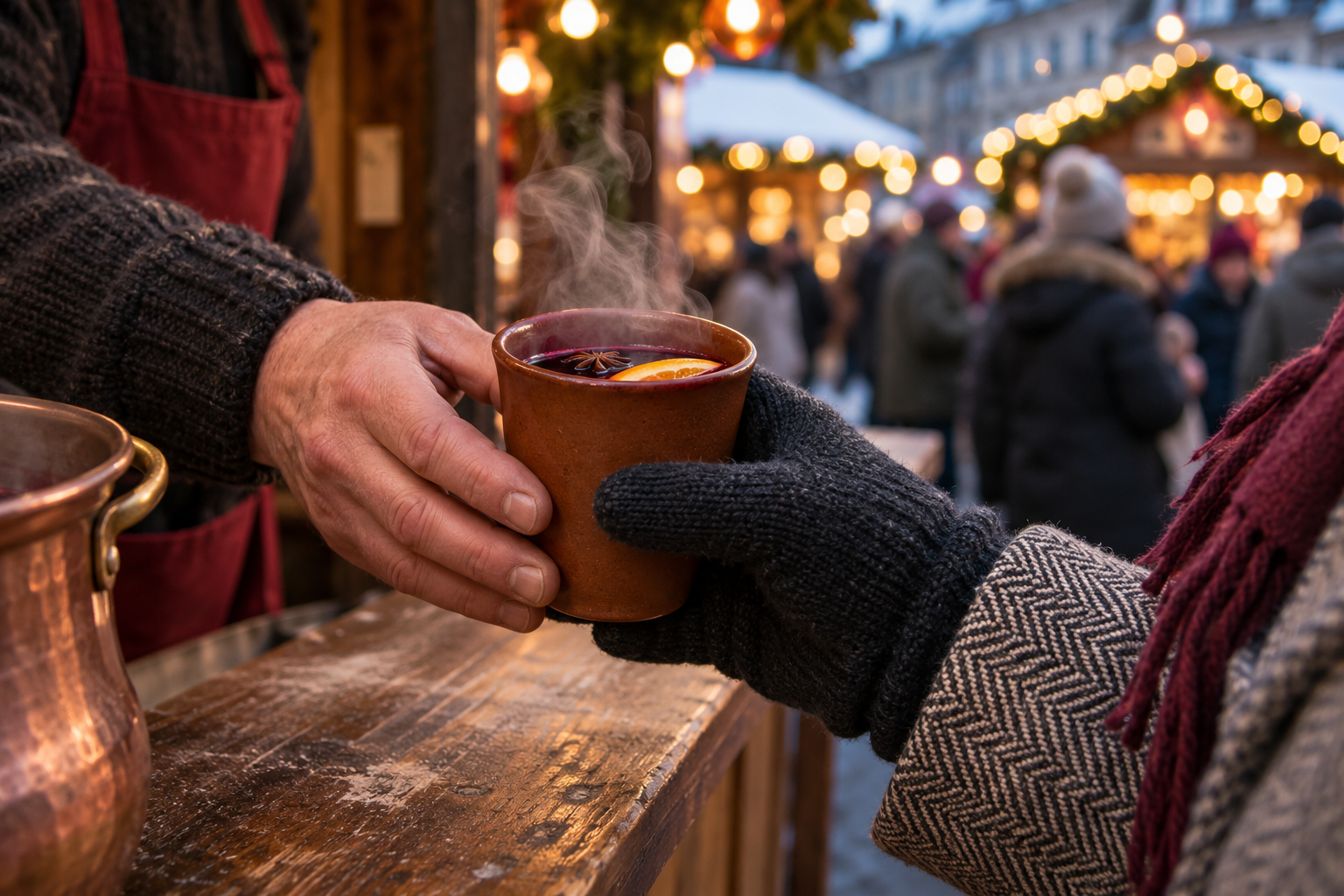
In the end, the lesson is not that European Christmas markets are a disappointment but that their magic runs on a different clock than Americans expect. The glowing stalls, the mulled wine, the lights, the whole storybook scene are absolutely real and absolutely worth crossing an ocean for; they are simply an Advent phenomenon, a build-up to Christmas, rather than a Christmas-day event.
Reframing it this way is what unlocks the whole experience. Once you understand that the European Christmas market is about the anticipation of Christmas rather than the day itself, you stop trying to catch it at the wrong moment and start timing your trip to when it is actually glowing, which is the weeks before Christmas rather than the holiday proper. Go in early December, when the markets are in full swing and the festive spirit is building, and you will find every bit of the magic you were promised, with none of the empty-square heartbreak. The scene from the photographs is waiting for you; you just have to arrive while it is still there.
So if a European Christmas market is on your dream list, book it for Advent, not for Christmas week, and you will get the trip you imagined rather than a lesson in cultural timing delivered by an empty square. The markets close before Christmas because, in Europe, the magic was always in the waiting, and the waiting is exactly what you have come to share. Arrive in the glow of early December, and the whole glittering world will be open and waiting for you.

About the Author: Ruben, co-founder of Gamintraveler.com since 2014, is a seasoned traveler from Spain who has explored over 100 countries since 2009. Known for his extensive travel adventures across South America, Europe, the US, Australia, New Zealand, Asia, and Africa, Ruben combines his passion for adventurous yet sustainable living with his love for cycling, highlighted by his remarkable 5-month bicycle journey from Spain to Norway. He currently resides in Spain, where he continues sharing his travel experiences with his partner, Rachel, and their son, Han.